Signup for the Pharmacy Solutions Newsletter for Big Discounts!

Compounded Eczema and Dermatitis Formulations
Eczema Explore compounded eczema and dermatitis formulations at Pharmacy Solutions. Customized bases and active ingredients for sensitive, barrier-compromised skin.
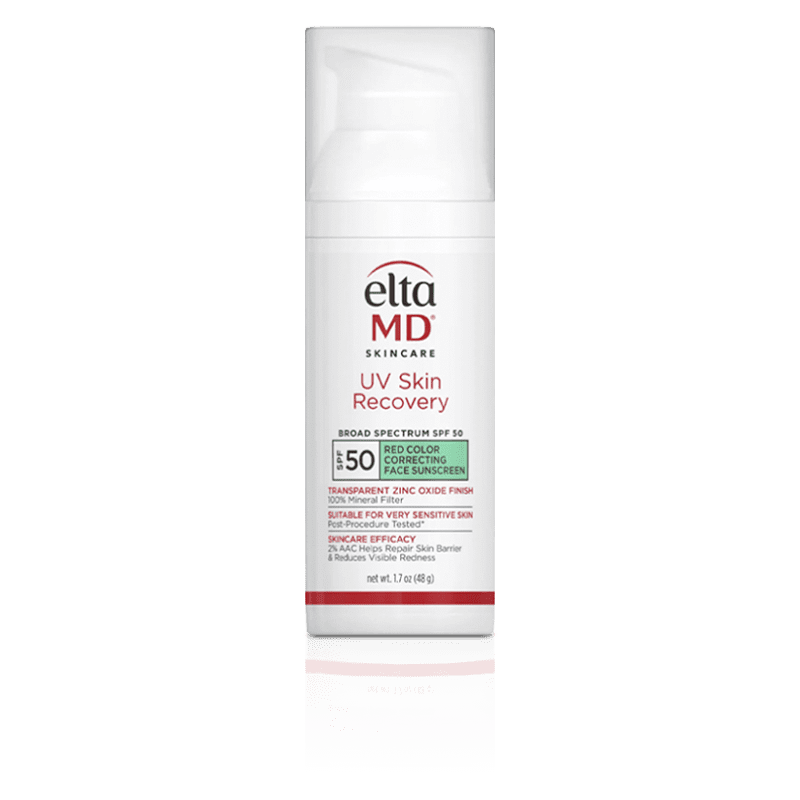
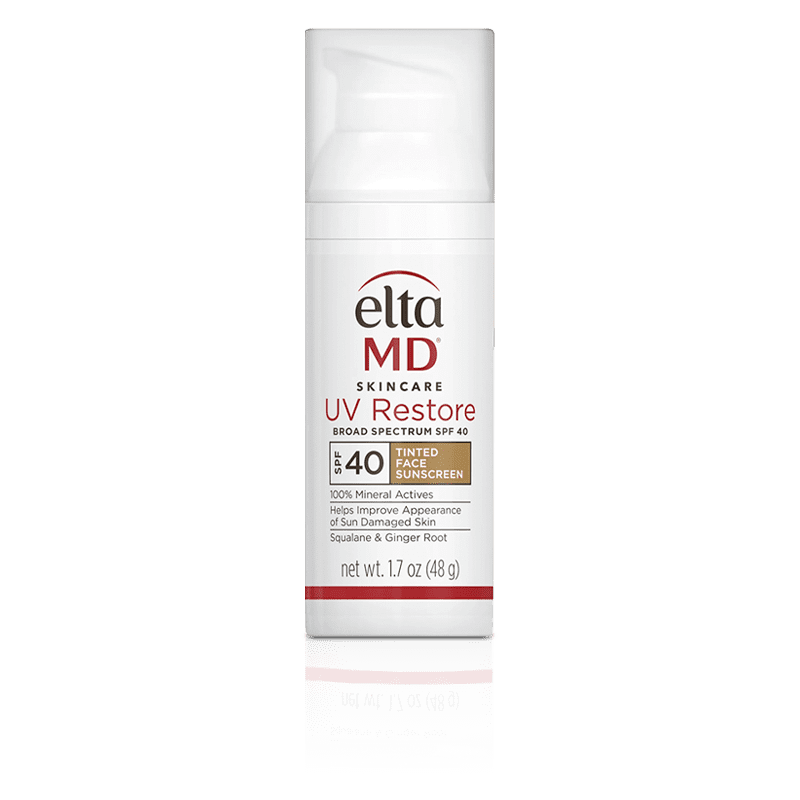
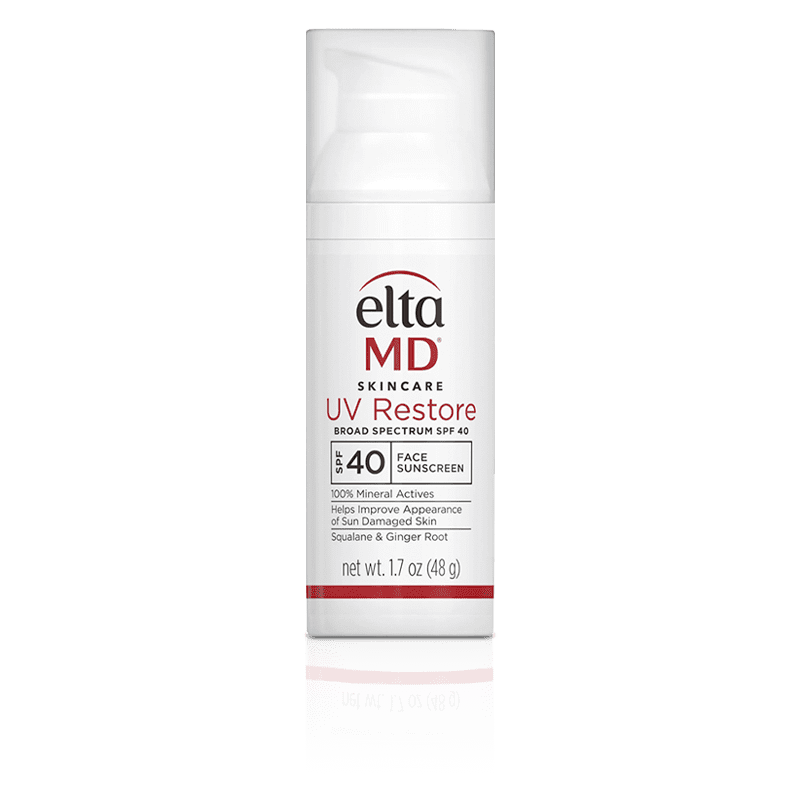
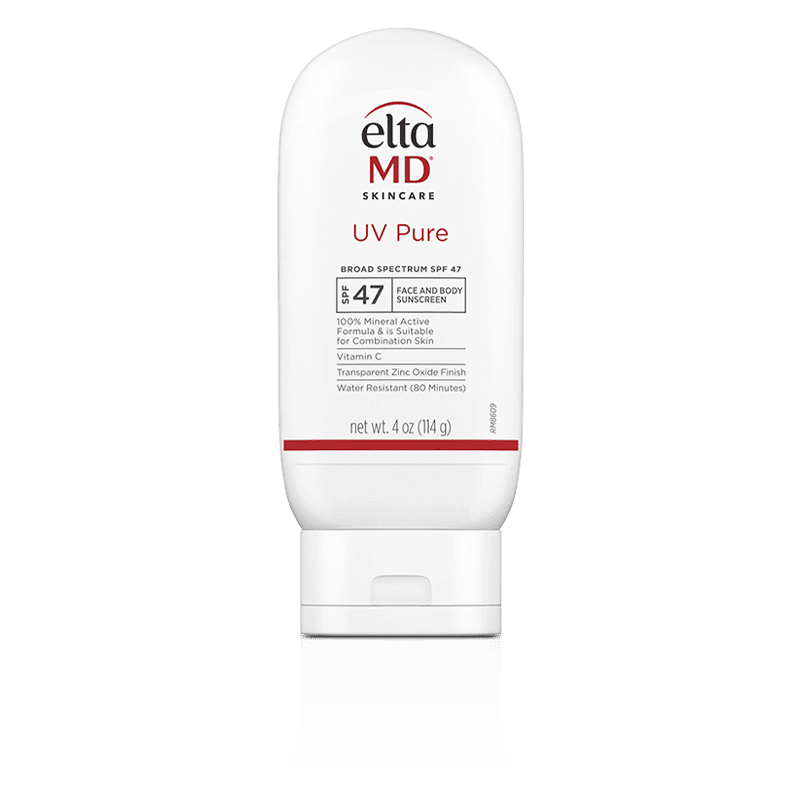
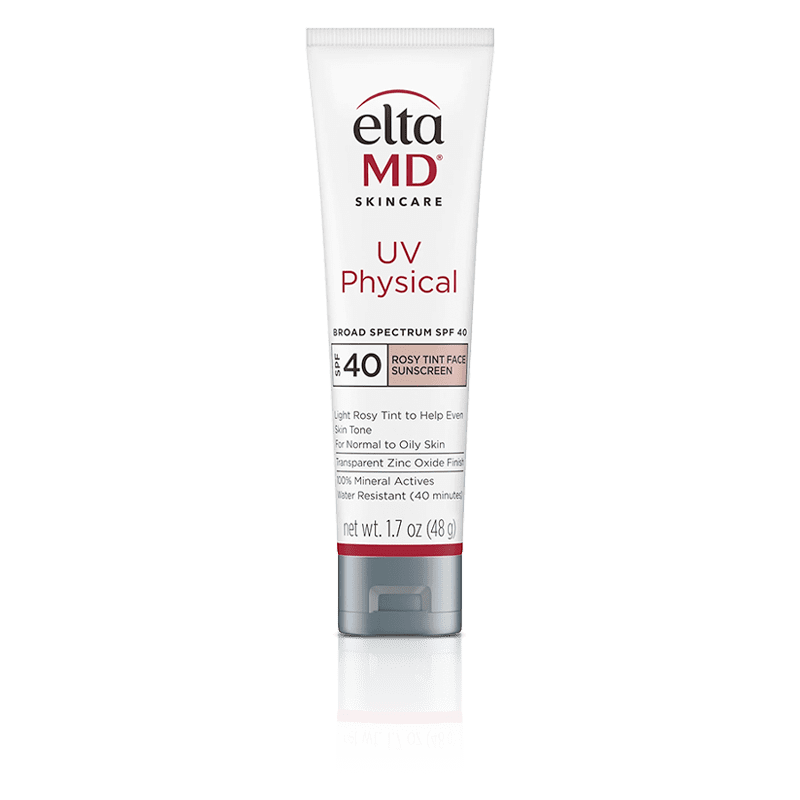
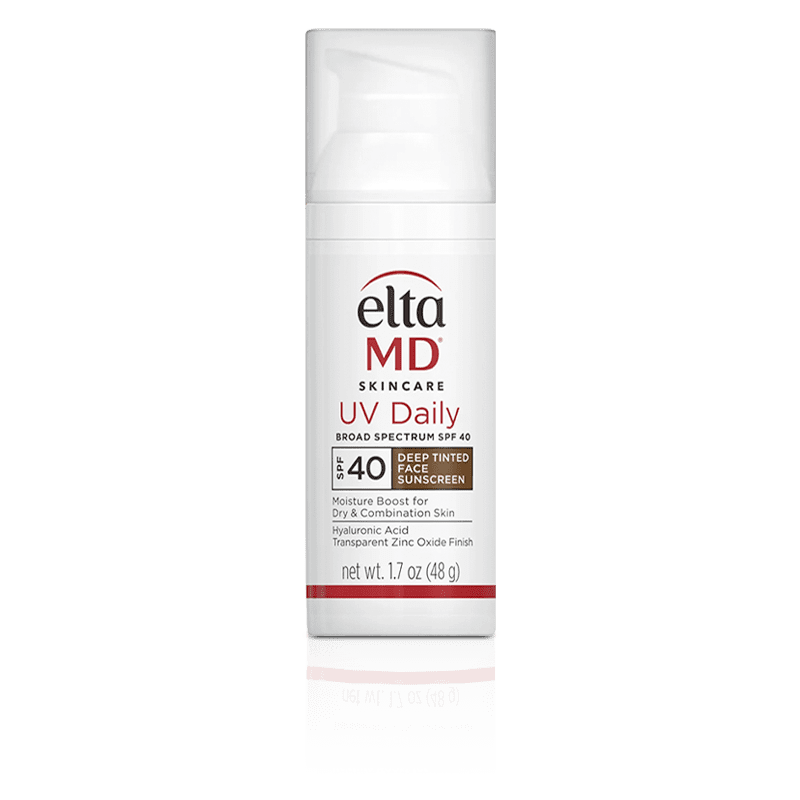
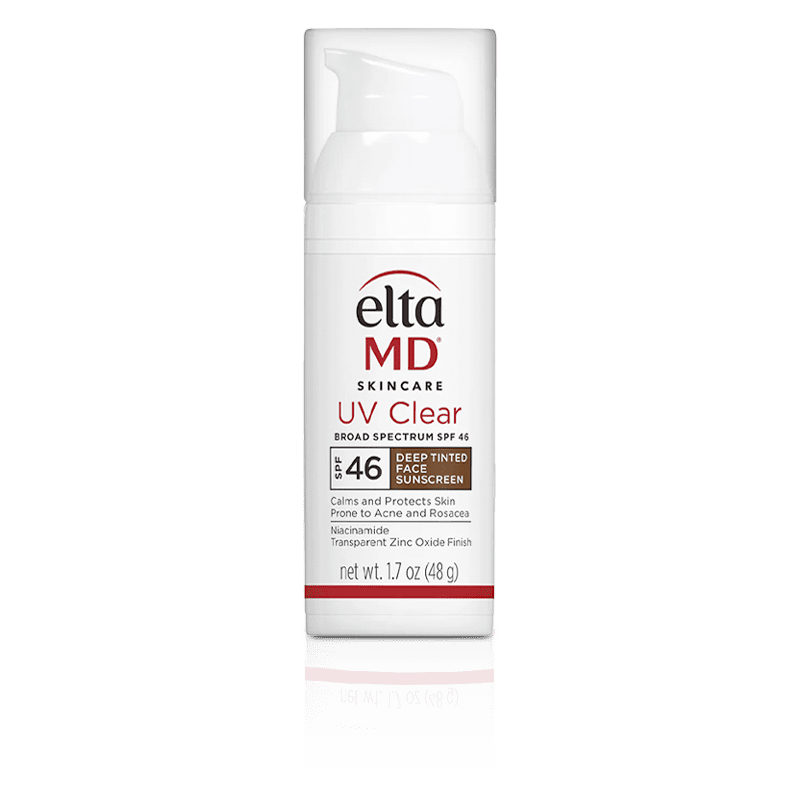
Eczema is a chronic inflammatory condition affecting more than 31 million Americans across all age groups. It is characterized by a compromised skin barrier that loses moisture easily and reacts to irritants, allergens and even many standard skin care ingredients. For many patients, this means that the base a formulation is prepared in matters as much as the active ingredients it contains, because fragrances, preservatives, alcohols and other common formulation components can penetrate more easily in eczema-prone skin and worsen symptoms. Compounded eczema formulations address both challenges simultaneously: active ingredients are prescribed at concentrations suited to each patient’s severity and affected area, and the delivery base is specifically selected to be non-irritating, barrier-supportive and free of known problem ingredients for that individual. Active ingredients commonly incorporated into compounded eczema preparations include topical corticosteroids at customized concentrations in barrier-supportive bases, calcineurin inhibitors such as tacrolimus or pimecrolimus for non-steroidal inflammation management, coal tar preparations for anti-inflammatory and antipruritic support, urea for moisturization and barrier reinforcement, and emollient-rich bases designed to reduce transepidermal water loss. Compounding is also well suited to pediatric eczema, where lower concentrations and careful ingredient selection are essential. Pharmacy Solutions is a PCAB-accredited 503A compounding pharmacy that works with dermatologists and other providers to prepare individualized eczema formulations. Pharmaceutical-grade sensitive skin care products and EltaMD options are also available without a prescription through the Pharmacy Solutions shop.
More Resources for Your Health Journey

Tags
Skin Care Products
-
 Quick View
 -
Quick View
-
Quick View
-
Quick View
-
Quick View
-
Quick View
-
Quick View
My mother had a wound that wasn’t healing the way her doctor expected. Once her wound care specialist prescribed a compounded preparation through Pharmacy Solutions, we finally had a formulation that was specifically made for her situation. The team was easy to work with and answered every question we had along the way.
Carol A.
Age 63
I had been struggling with my skin for a long time and felt like nothing off the shelf was working. Once my dermatologist connected me with Pharmacy Solutions, I finally had a plan that felt like it was made for me. The pharmacy team answered all of my questions and made the process simple.
Jennifer K.
Age 44
I had been noticing real changes in my skin and honestly had no idea what to do about it. My provider prescribed a customized formulation through Pharmacy Solutions and took the time to explain what each ingredient actually does. It made the whole process feel approachable rather than overwhelming.
Marcus T.
Age 51
Frequently Asked Questions About Eczema and Dermatitis
What is eczema and who does it affect?
Eczema, most commonly referring to atopic dermatitis, is a chronic inflammatory condition that causes dry, itchy and irritated skin. It is one of the most common skin conditions in the United States, affecting more than 31 million Americans across all age groups. It is particularly prevalent in children but frequently persists into adulthood, and adults can also develop eczema for the first time. Several types exist including atopic dermatitis, contact dermatitis, dyshidrotic eczema, nummular dermatitis and others, each with different triggers and presentations.
What causes eczema flares?
Eczema is driven by a combination of immune system dysregulation and a compromised skin barrier that allows irritants and allergens to penetrate more easily. Common flare triggers include contact with certain fabrics, soaps, detergents, fragrances, preservatives, pet dander, dust mites, mold, certain foods, sweating, dry weather, stress and specific skin care ingredients. Identifying and avoiding individual triggers is an important part of long-term management alongside topical care.
Do I need a prescription for compounded eczema medications?
Yes. Compounded eczema formulations typically contain prescription-strength active ingredients such as corticosteroids or calcineurin inhibitors and require a valid prescription from a licensed healthcare provider. Over-the-counter options including fragrance-free moisturizers and certain barrier repair products are available without a prescription, though a provider can help determine the most appropriate comprehensive approach.
What active ingredients are typically used in compounded eczema formulations?
Compounded eczema formulations may include topical corticosteroids at customized concentrations and in barrier-supportive bases, calcineurin inhibitors such as tacrolimus or pimecrolimus for non-steroidal inflammation management, coal tar preparations for their anti-inflammatory and antipruritic properties, urea at higher concentrations for moisturization and barrier support, and various moisturizing agents and emollients selected to support the compromised skin barrier. The specific combination, concentration and base are determined by the prescribing provider.
Why is the compounding base particularly important for eczema?
In eczema, the skin barrier is compromised, which means irritants, allergens and even the inactive ingredients in topical products can penetrate more easily and trigger reactions. Many commercial formulations contain fragrances, preservatives, alcohols, parabens and other potential irritants that can worsen eczema symptoms. Compounding allows providers to prescribe formulations in bases specifically selected to be non-irritating and barrier-supportive, and to exclude known problem ingredients for a specific patient.
Can compounded formulations be made for children with eczema?
Yes. Compounding is particularly well suited to pediatric eczema care because children may require lower concentrations of active ingredients, smaller application areas and formulations that exclude ingredients more likely to cause reactions in young or sensitive skin. A healthcare provider can prescribe a compounded formulation specifically suited to a child’s age, weight, affected area and skin sensitivity. All compounded medications require a valid prescription from a licensed provider.
Does Pharmacy Solutions carry over-the-counter options for eczema-prone skin?
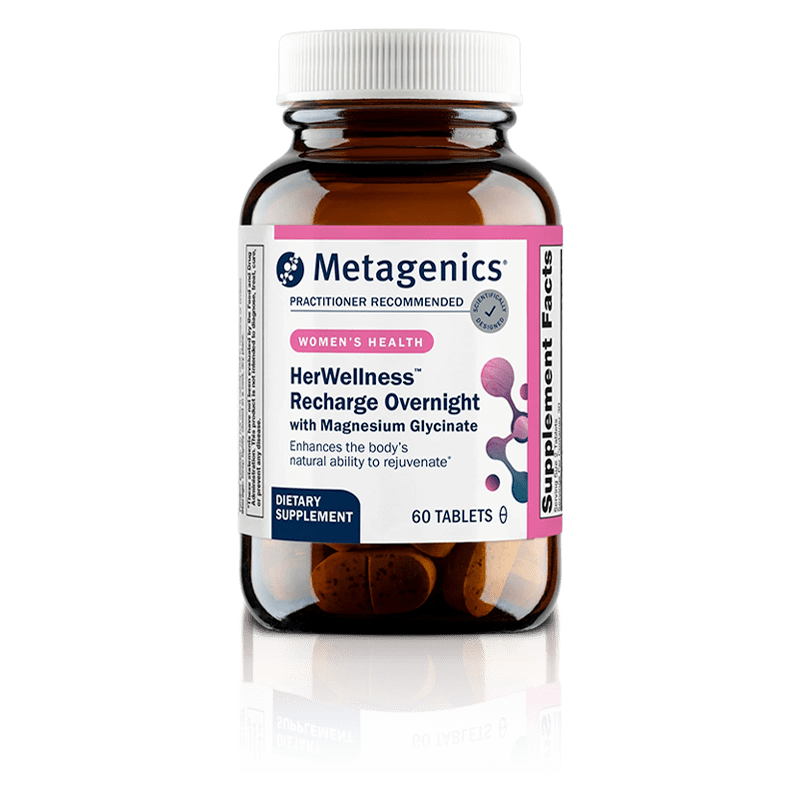
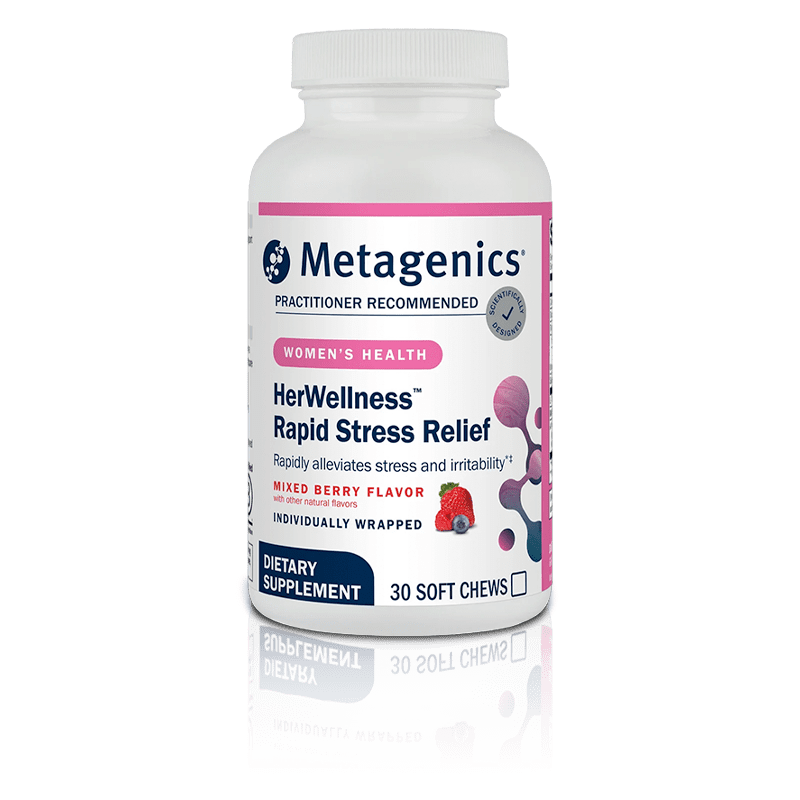
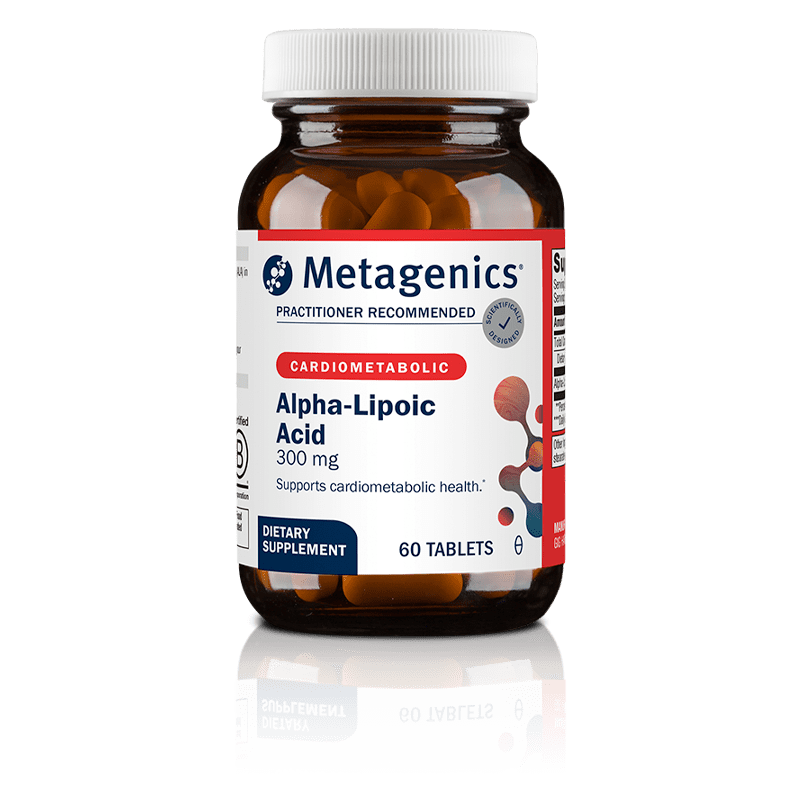
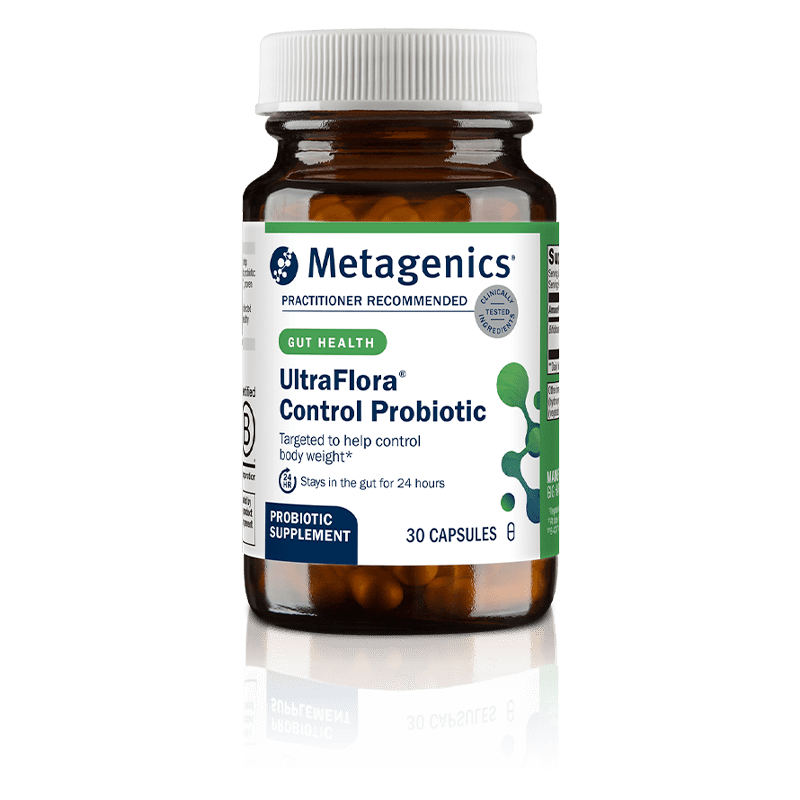
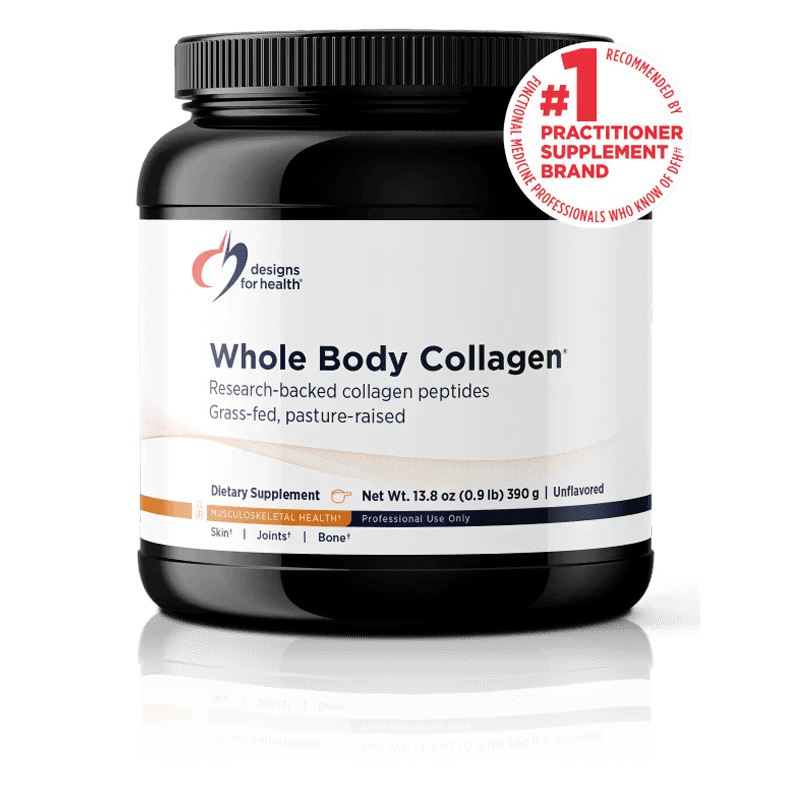
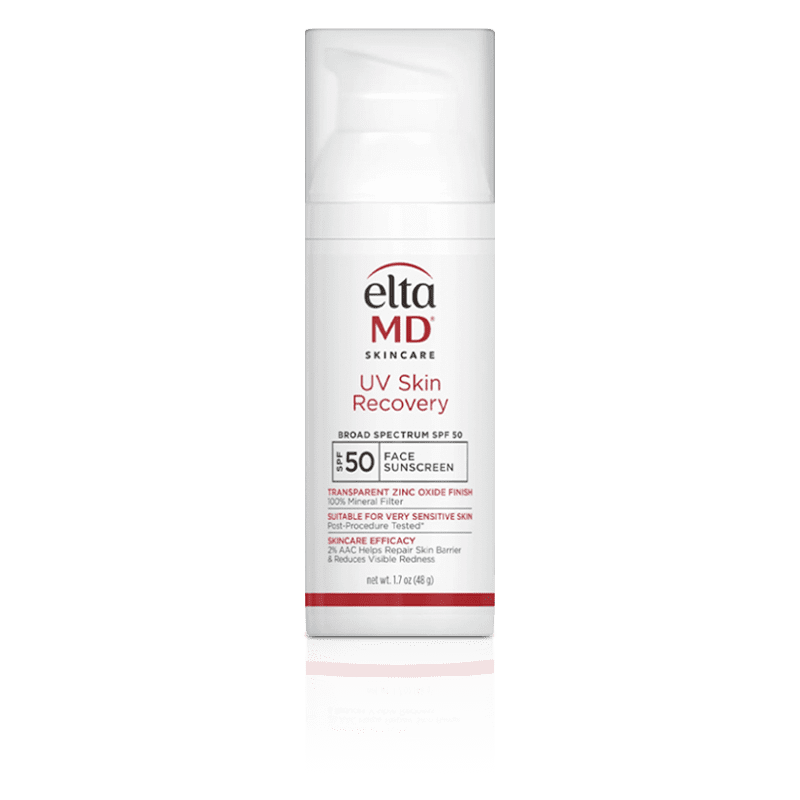
Yes. Pharmacy Solutions carries pharmaceutical-grade skin care products available without a prescription through the Pharmacy Solutions shop. Products formulated for sensitive skin, along with EltaMD skin care options, may complement a provider-directed eczema care routine. As always, discuss any new products with your healthcare provider to confirm they are appropriate for your or your child’s skin.
References
[1] National Eczema Association. Eczema Stats. https://nationaleczema.org/research/eczema-facts/
[2] Pharmacy Compounding Accreditation Board (PCAB). Accreditation Commission for Health Care. https://www.achc.org/pcab/
[3] Eichenfield LF, et al. Guidelines of care for the management of atopic dermatitis. J Am Acad Dermatol. 2014;70(2):338-351. https://pubmed.ncbi.nlm.nih.gov/24280084/
[4] Langan SM, Irvine AD, Bhatt DL. Atopic dermatitis. Lancet. 2020;396(10247):345-360. https://pubmed.ncbi.nlm.nih.gov/32738956/
Ready to Get Started? Some pharmacies fill prescriptions. We take care of people.
Tell us a little about what you are looking for and we will take it from there. Whether you have a prescription ready, questions about a therapy your provider mentioned, or just need help figuring out your next step, our team is here and ready to help.
"*" indicates required fields