Signup for the Pharmacy Solutions Newsletter for Big Discounts!


The Pharmacy will be closed July 4th for Independence Day.
15% off on all sunscreen and probiotics during July with code SUNSAFE15
Enjoy 10% off for Patient Appreciation Day with code THANKUJULY on 7/15/2026 only!

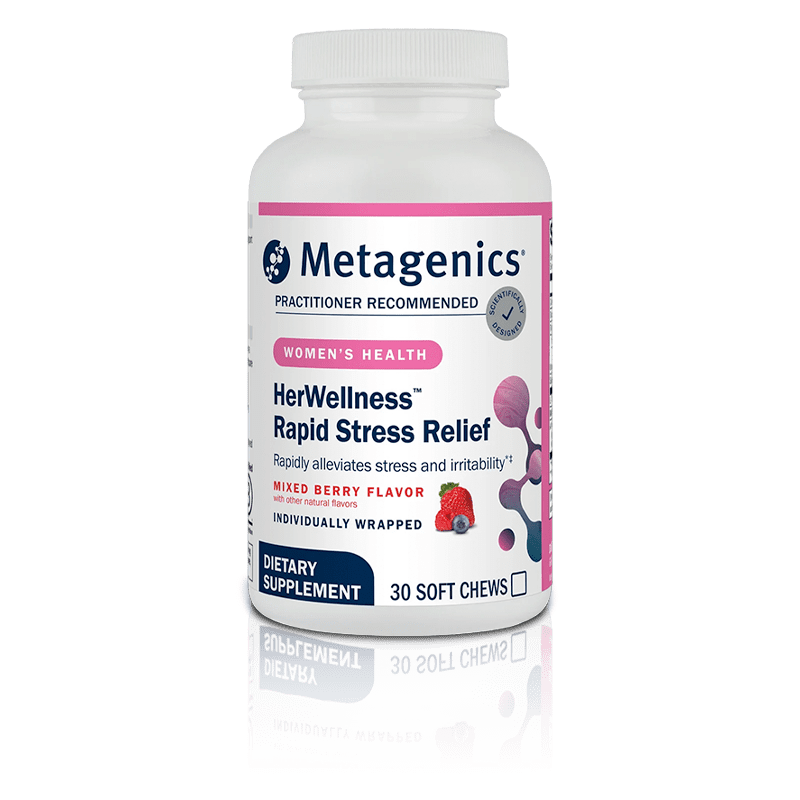


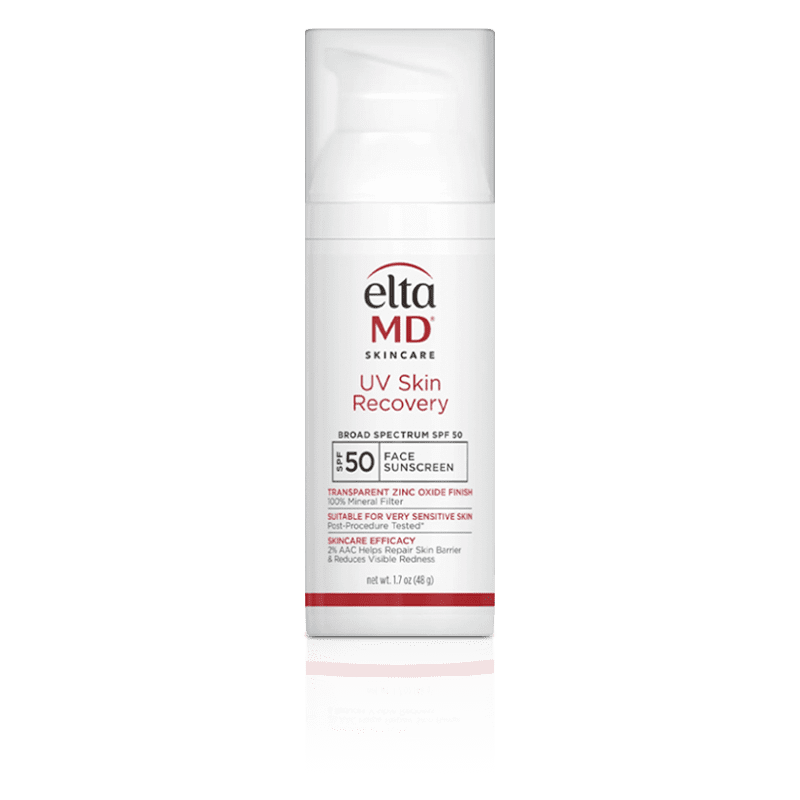
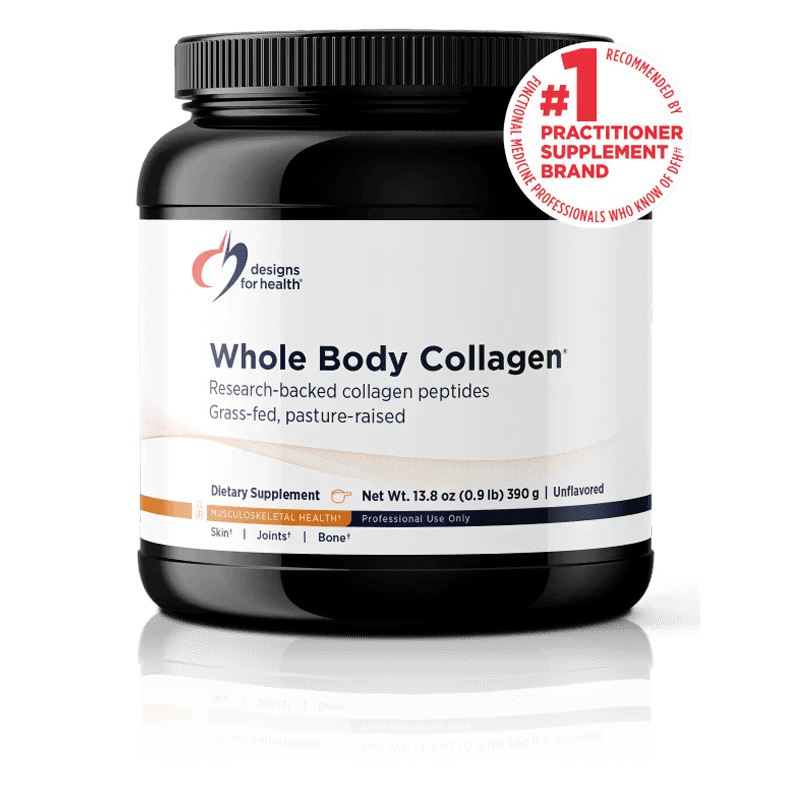
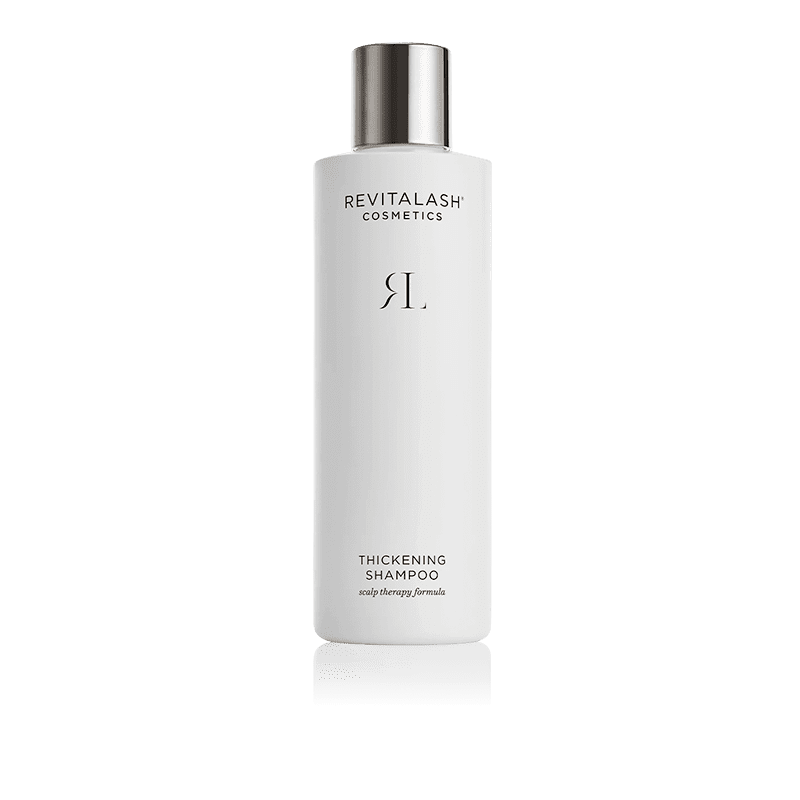

Thyroid health plays a central role in how your body produces energy, regulates weight and maintains hormonal balance. For women, thyroid conditions are especially common and can emerge during some of life’s most significant transitions, including pregnancy, postpartum recovery, perimenopause and menopause. The symptoms often develop gradually and can be mistaken for stress, aging or the demands of a busy life. Research from the American Thyroid Association suggests that women are five to eight times more likely than men to develop thyroid disease, and more than 12% of the U.S. population will develop a thyroid condition during their lifetime.[1] Because many thyroid symptoms overlap with hormonal changes women already expect, thyroid problems are frequently underdiagnosed. This page provides an educational overview of thyroid and metabolic health for women and what working with a healthcare provider and a compounding pharmacy can look like.
For women, thyroid disease is not just a hormonal issue in isolation. It is deeply connected to the body’s broader endocrine network, particularly the systems that regulate reproductive hormones, stress response and immune function. The thyroid produces two key hormones, T3 and T4, that govern how every cell in the body uses energy. When production falls short, the condition is called hypothyroidism. When it produces too much, it is called hyperthyroidism. Women are disproportionately affected by both, but hypothyroidism is by far the more common of the two and becomes increasingly prevalent after age 40. Women are also significantly more likely than men to develop autoimmune thyroid disease, with Hashimoto’s thyroiditis accounting for the majority of hypothyroidism cases in women in iodine-sufficient regions.[4] An estimated 60% of people with thyroid disease remain undiagnosed, in part because thyroid symptoms in women are so easily attributed to hormonal fluctuations, stress or aging.[3]
Several factors may contribute to thyroid problems, and women face some unique risks.
Women of all ages can experience thyroid-related changes, but certain life stages carry higher risk. During and after pregnancy, thyroid conditions can develop or worsen, with postpartum thyroiditis affecting an estimated 5% to 10% of women.[6] Symptoms during this period can be difficult to distinguish from typical postpartum fatigue and mood shifts, which means many cases go unrecognized without proper testing. Adolescence and early adulthood are also periods when autoimmune thyroid conditions may first emerge, often going undetected until symptoms become significant enough to prompt evaluation.
As women enter perimenopause and menopause, the overlap between thyroid symptoms and hormonal changes becomes especially pronounced. Weight gain, fatigue, mood shifts, sleep disruption and brain fog are common to both thyroid dysfunction and declining estrogen and progesterone levels. Because of this overlap, healthcare providers often recommend thyroid panel testing alongside hormone evaluations during this time. It is also worth noting that vaginal dryness, reduced libido and changes in sexual comfort, often attributed entirely to menopause, can in some cases be compounded by undertreated thyroid dysfunction. The interaction between thyroid hormones and reproductive hormone levels is well-documented, and addressing thyroid health as part of a broader hormonal evaluation can provide a more complete picture. If you have noticed persistent symptoms that do not improve with lifestyle changes, a conversation with your healthcare provider about comprehensive testing is a helpful next step.
Managing thyroid and metabolic health typically begins with a thorough evaluation by a healthcare provider. Blood tests measuring TSH, Free T3, Free T4 and thyroid antibodies help providers understand what is happening at the hormonal level. Based on results, a provider may recommend thyroid hormone replacement therapy, lifestyle modifications or a combination of both. For some women, standard commercial thyroid medications may not be the right fit due to sensitivities, difficulty absorbing certain formulations or a need for specific T3 and T4 ratios. In those cases, a 503A compounding pharmacy like Pharmacy Solutions can prepare customized thyroid formulations based on the provider’s prescription. Compounded thyroid preparations can be tailored to the individual in terms of strength, combination and dosage form.
One of the advantages of working with a 503A compounding pharmacy is the ability to customize thyroid medications based on your provider’s recommendations. Some women require specific ratios of T3 and T4 that are not available in standard commercial formulations. Others may have sensitivities to fillers, dyes or binding agents found in mass-produced medications. Pharmacy Solutions works directly with your healthcare provider to prepare thyroid formulations in the exact strength and combination prescribed.
Our pharmacists are available to answer questions about compounded thyroid preparations, discuss how your medication is made and provide ongoing support as part of your care team. Whether your provider prescribes a capsule, sustained-release formulation or another dosage form, Pharmacy Solutions can help ensure your medication fits your individual needs.
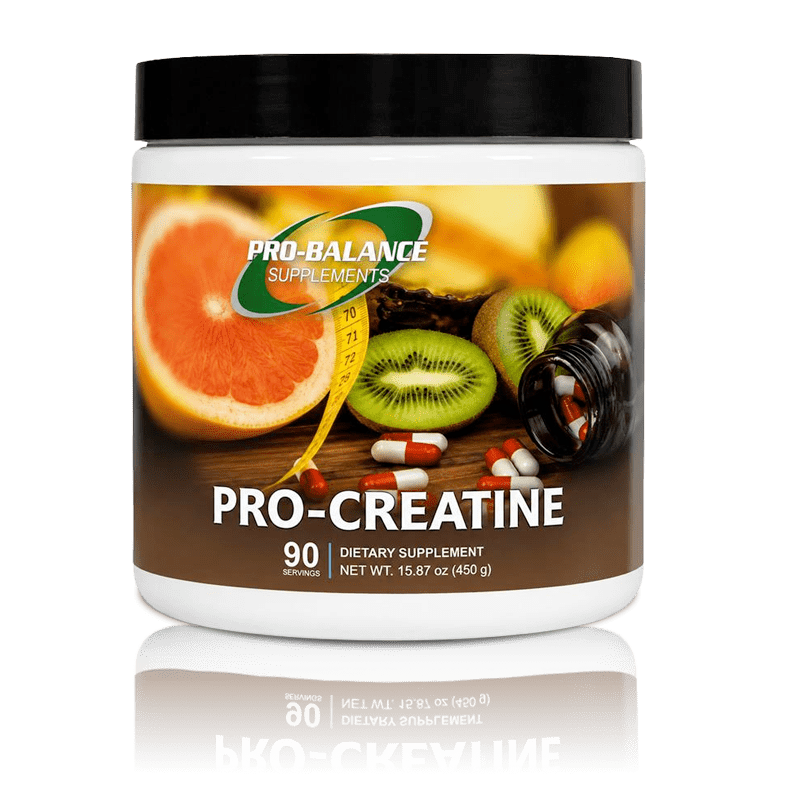
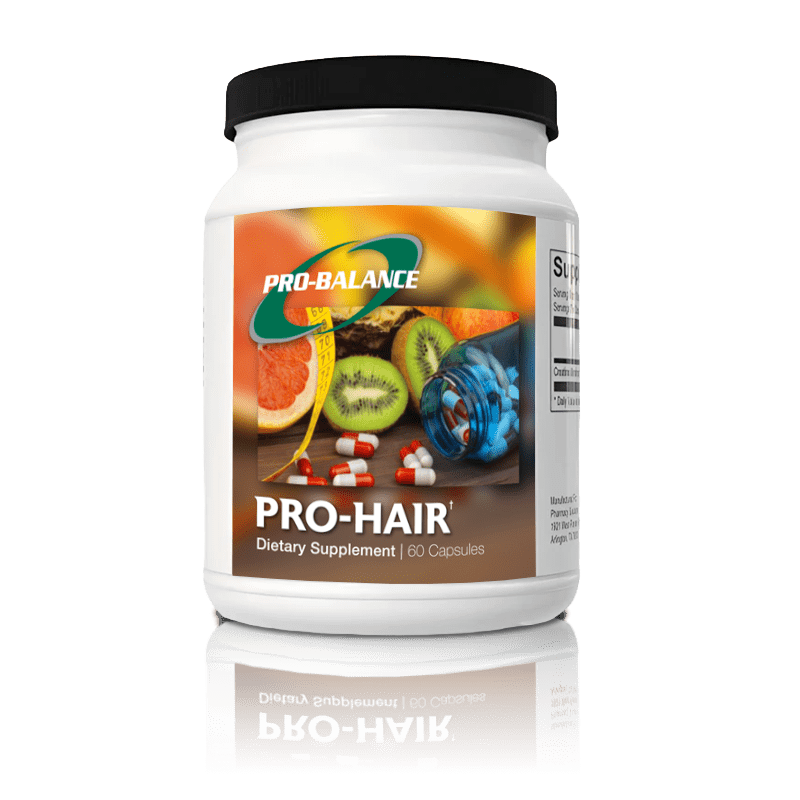
Pharmacy Solutions carries pharmaceutical-grade supplements that have been studied for their potential role in supporting thyroid and metabolic function. Products such as Pro-Balance Pro-Thyroid, Pro-Balance Thyroid Support with Zinc, Pro-Balance Selenium, Iodoral and Metagenics Vitamin D3 are available for purchase without a prescription. These supplements may support nutritional needs related to thyroid health, but they are not a replacement for medical evaluation or prescription therapy. Talk to your healthcare provider before adding any supplement to your routine.
If you are considering thyroid evaluation for the first time, knowing what the process typically involves can help reduce uncertainty.


I spent years thinking my fatigue and weight gain were just part of getting older. Once my provider tested my thyroid and we found the right approach, I finally felt like myself again. Pharmacy Solutions made the whole process feel personal and supportive.
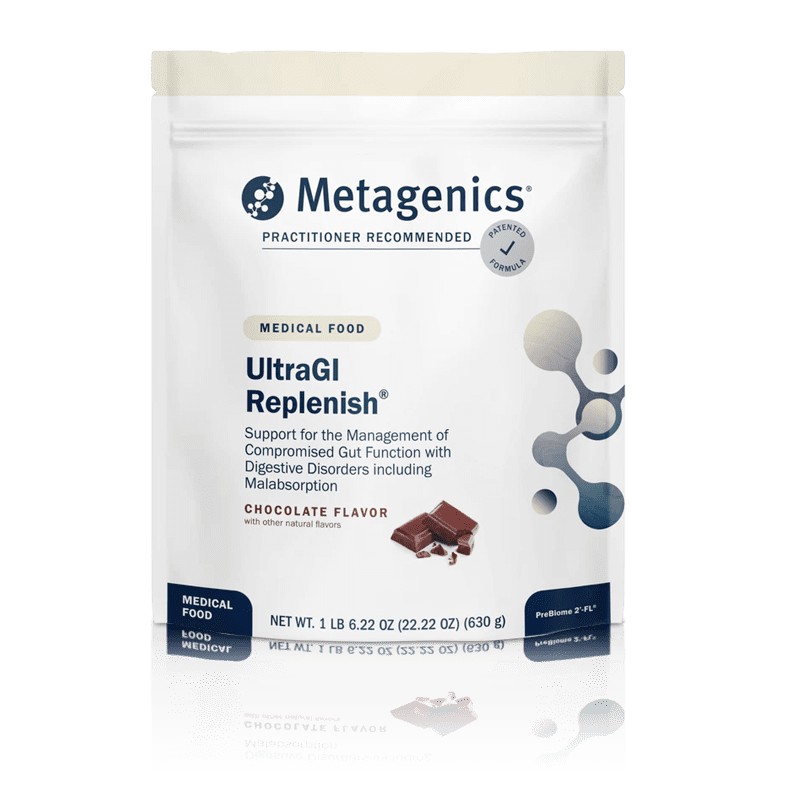
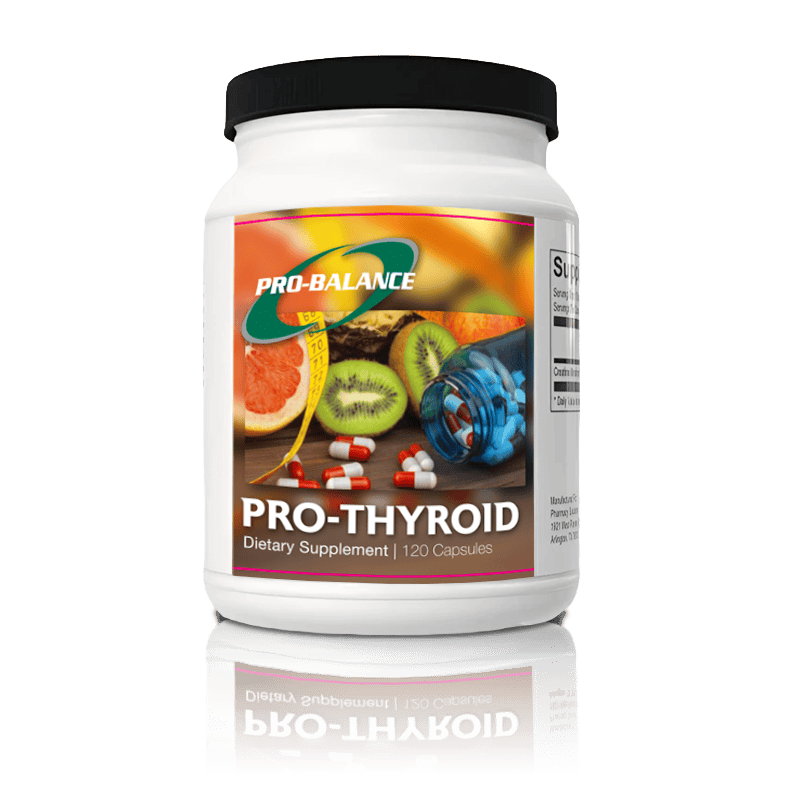
We feature a curated selection of supplements chosen to support overall wellness and a balanced, healthy daily routine you can stick with. Pro-Thyroid is a daily formula from the Pro-Balance line that many people include in a steady wellness routine to support their everyday wellness goals.
These products are available now without a prescription, so you can begin whenever you are ready. As always, talk with your healthcare provider about what fits alongside the rest of your daily wellness routine.
Women’s health is always evolving. From the first menstrual cycle to perimenopause, menopause, and beyond, the body moves through many…
Common signs of thyroid problems in women include persistent fatigue, unexplained weight gain, cold sensitivity, dry skin, thinning hair, constipation, brain fog and mood changes. Many of these symptoms overlap with hormonal shifts during perimenopause and menopause, which is why thyroid testing is often recommended alongside hormone evaluations.
Thyroid disease is typically diagnosed through blood tests that measure TSH, Free T3, Free T4 and thyroid antibodies. Your healthcare provider will review the results in the context of your symptoms to determine whether a thyroid condition is present and what type of management may be appropriate.
T4 (thyroxine) is the primary hormone produced by the thyroid gland. T3 (triiodothyronine) is the more active form that the body converts from T4. Some women do not convert T4 to T3 efficiently, which may affect how they respond to standard thyroid medications. Compounded formulations can include specific ratios of both hormones when prescribed by a provider.
Yes. The thyroid gland plays a central role in regulating metabolism. When thyroid hormone levels are low, metabolic rate can slow, which may contribute to weight gain and difficulty losing weight. Addressing thyroid function with the guidance of a healthcare provider is an important step in understanding metabolic changes.
Certain nutrients including selenium, zinc, iodine and vitamin D have been studied for their potential role in thyroid health. Pharmacy Solutions carries pharmaceutical-grade options such as Pro-Balance Pro-Thyroid, Pro-Balance Selenium and Iodoral. These supplements are available without a prescription but should be discussed with your healthcare provider before use.
Yes. All compounded thyroid medications require a valid prescription from a licensed healthcare provider. Your provider will determine the appropriate formulation, strength and dosage based on your lab results and clinical needs.
Pharmacy Solutions is a licensed 503A compounding pharmacy that prepares customized thyroid medications as prescribed by your healthcare provider. We offer formulations with specific T3 and T4 ratios, sustained-release options and preparations free of common allergens. Our pharmacists work directly with providers to ensure your medication meets your individual needs.
[1] American Thyroid Association. General Information/Press Room. https://www.thyroid.org/media-main/press-room/
[2] American Thyroid Association. Hypothyroidism (Underactive Thyroid). https://www.thyroid.org/hypothyroidism/
[3] American Thyroid Association. General Information/Press Room. https://www.thyroid.org/media-main/press-room/
[4] National Institute of Diabetes and Digestive and Kidney Diseases. Hashimoto’s Disease. https://www.niddk.nih.gov/health-information/endocrine-diseases/hashimotos-disease
[5] Ventura M, Melo M, Carrilho F. Selenium and Thyroid Disease: From Pathophysiology to Treatment. International Journal of Endocrinology. 2017;2017:1297658.
[6] Stagnaro-Green A. Postpartum Thyroiditis. Journal of Clinical Endocrinology & Metabolism. 2002;87(9):4042-4047.
Tell us a little about what you are looking for and we will take it from there. Whether you have a prescription ready, questions about a therapy your provider mentioned, or just need help figuring out your next step, our team is here and ready to help.
"*" indicates required fields

To submit your order, click the “PRINT/SAVE” button located under this pop-up.

You can save the PDF to your computer to fax at a later date or print it now to fax immediately.

Fax your order form to 817-860-6083 for processing.
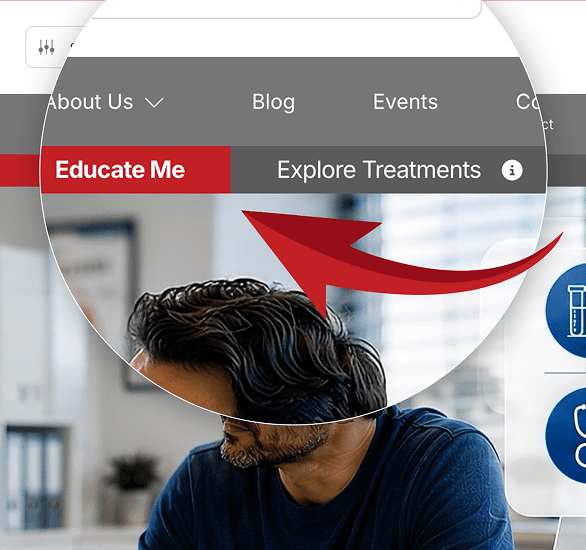
Get detailed information, research, and deeper product context. Toggle on to see more educational content.
Keep things brief and see related products faster. Toggle on to focus on products.

New to Pharmacy Solutions? Register now
Educate Me
Get detailed information, research, and deeper product context.
Toggle on to see more educational content.
Explore Treatments
Keep things brief and see related products faster.
Toggle on to focus on products.