Enjoy 10% off for Patient Appreciation Day with code THANKUJULY on 7/15/2026 only!
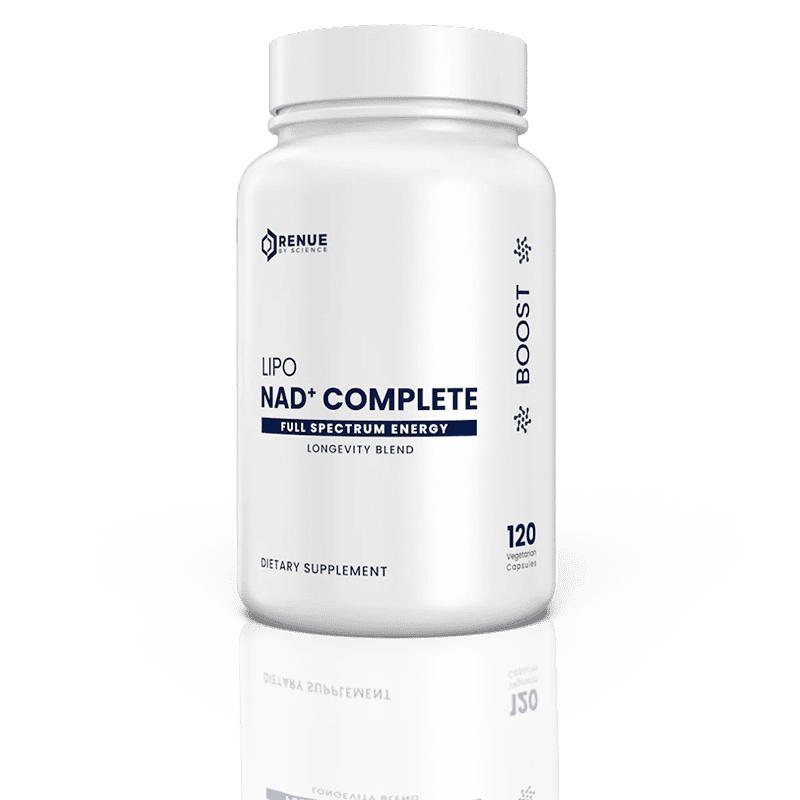
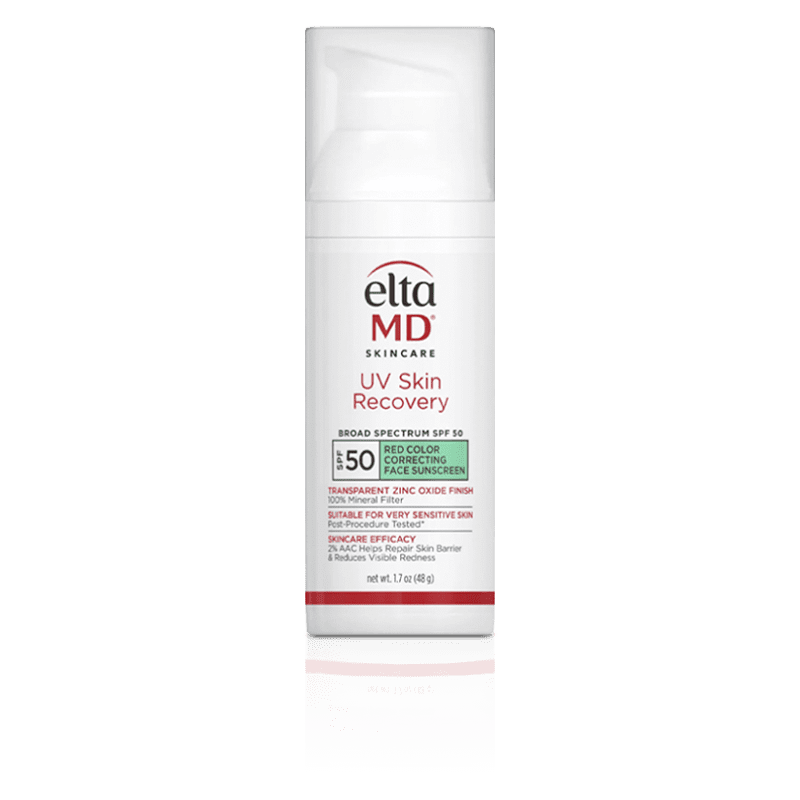


Enjoy 10% off for Patient Appreciation Day with code THANKUJULY on 7/15/2026 only!
The Pharmacy will be closed July 4th for Independence Day.
15% off on all sunscreen and probiotics during July with code SUNSAFE15
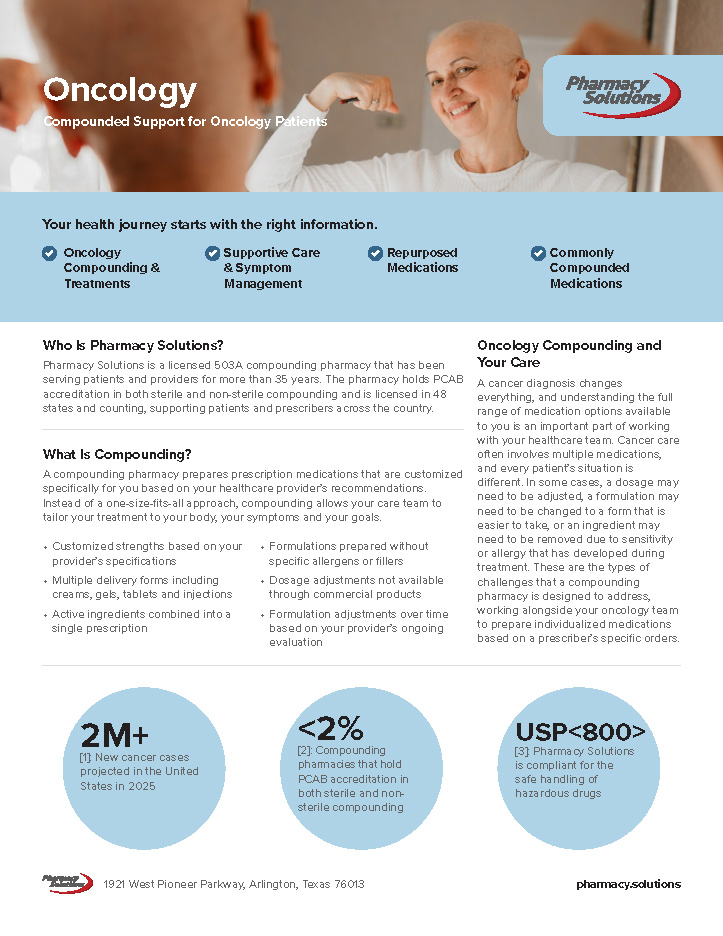
Drug repurposing is a concept in medical research where existing medications, originally developed and approved for one condition, are studied for potential use in other conditions. This is not a new practice. Throughout the history of medicine, researchers have discovered that some drugs have effects beyond their original indication. Whether a repurposed medication is appropriate for any individual patient is a clinical decision made by a qualified healthcare provider based on their review of available research, the patient’s specific situation and their professional judgment. Pharmacy Solutions does not recommend, promote or prescribe any medication. When a healthcare provider determines that a compounded preparation of a repurposed medication is appropriate for a patient and issues a prescription, Pharmacy Solutions can prepare that medication according to the provider’s specifications.
Drug repurposing refers to the investigation of existing, approved medications for new therapeutic uses beyond their original indication. Because these drugs have already been through the FDA approval process for their original use, their safety profiles, dosing parameters and potential side effects are generally well documented. This existing data is one reason researchers find repurposed drugs attractive for study in new contexts.[1]
It is important to understand that being “studied” for a new use is not the same as being “approved” for that use. The FDA approves drugs for specific indications based on clinical trial data demonstrating safety and efficacy for that particular use. When a provider prescribes a drug for a use other than its FDA-approved indication, this is called off-label prescribing. Off-label prescribing is legal and common in medical practice, but it means the prescriber is relying on their own clinical judgment rather than an FDA-approved indication.[2]
Several existing medications have been the subject of published research exploring their potential applications in oncology. The following are examples of drugs that have appeared in peer-reviewed literature in this context. Their inclusion here is for educational purposes only and does not constitute a recommendation, endorsement or claim of efficacy.
Mebendazole is an antiparasitic medication that has been used for decades to address helminthic infections. It has been the subject of preclinical studies and a limited number of clinical investigations exploring its potential activity in oncology contexts. Published research has examined mebendazole in laboratory and animal models across several cancer types.[3][4] A phase 2a clinical study examining mebendazole in patients with advanced gastrointestinal cancer was published in 2021.[5] Research in this area is ongoing, and efficacy for oncology indications has not been established through the randomized controlled trials required for FDA approval.
Ivermectin is an antiparasitic medication with a well-established safety profile from decades of use in its approved indications. It has appeared in published preclinical research examining potential mechanisms relevant to oncology.[6] As with mebendazole, this research is exploratory, and ivermectin has not been approved by the FDA for any oncology indication. Any use in this context would be off-label and at the discretion of a prescribing provider.
The broader field of oncology drug repurposing includes research on numerous other existing medications. Examples that have appeared in published literature include metformin, certain statin medications and various other compounds originally developed for non-oncology indications.[7] Inclusion in research literature does not indicate proven efficacy, and decisions about any of these medications should be made in consultation with a qualified oncology provider.
Pharmacy Solutions is a licensed 503A compounding pharmacy. When a healthcare provider issues a prescription for a compounded medication, Pharmacy Solutions can prepare that medication according to the provider’s specifications. For oncology patients, this may include compounded preparations of medications such as:
Pharmacy Solutions does not determine which medications are appropriate for any patient. That decision rests entirely with the prescribing healthcare provider. The pharmacy’s role is to prepare the prescribed medication accurately, using quality ingredients, following applicable safety standards and delivering the finished preparation to the patient or provider.
All compounding at Pharmacy Solutions is performed under strict quality protocols. The pharmacy holds PCAB accreditation in both sterile and non-sterile compounding, is USP <800> compliant for the handling of hazardous drugs, sources all ingredients from FDA-registered facilities and tests all finished products through an independent third-party lab.[3]
It is important to distinguish between educational information about research and a recommendation for care. This page provides general information about the concept of drug repurposing and examples of medications that have appeared in published oncology research. This information is not medical advice, and nothing on this page should be interpreted as a recommendation that any patient use any specific medication.
Decisions about cancer care should be made in consultation with a qualified oncology team. If you are interested in exploring whether a repurposed medication might be appropriate for your situation, the first step is a conversation with your healthcare provider. They can review the available research, assess your individual circumstances and determine whether any particular approach is appropriate for you.
If your healthcare provider determines that a compounded repurposed medication is appropriate for your care and issues a prescription, the process typically involves several steps.
Pharmacy Solutions works with healthcare providers across the country who prescribe compounded medications for their oncology patients. If you do not currently have a provider who is familiar with compounded medications or the research around repurposed drugs, you may click Ask a Pharmacist to learn more about the process or request assistance in connecting with a provider.
The most important relationship in your cancer care is the one between you and your medical team. Pharmacy Solutions is here to support that relationship by preparing the medications your provider prescribes, accurately and reliably.
Going through treatment was hard enough without having to worry about getting my medications right. The pharmacy worked with my doctor to make sure I had exactly what I needed, when I needed it.
Going through treatment was difficult enough without having to worry about my medications. The pharmacy worked with my doctor to make sure everything was prepared exactly the way I needed it, and that gave me one less thing to worry about.
When you’re navigating something this serious, you need a team that actually talks to each other. Knowing my pharmacist and my doctor were on the same page made everything feel a little less overwhelming.
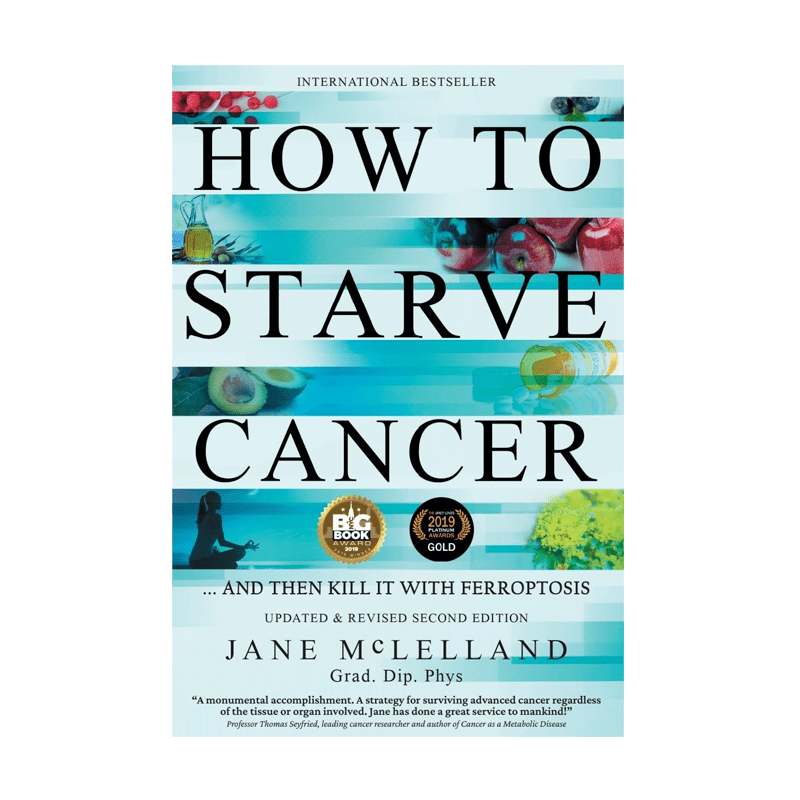
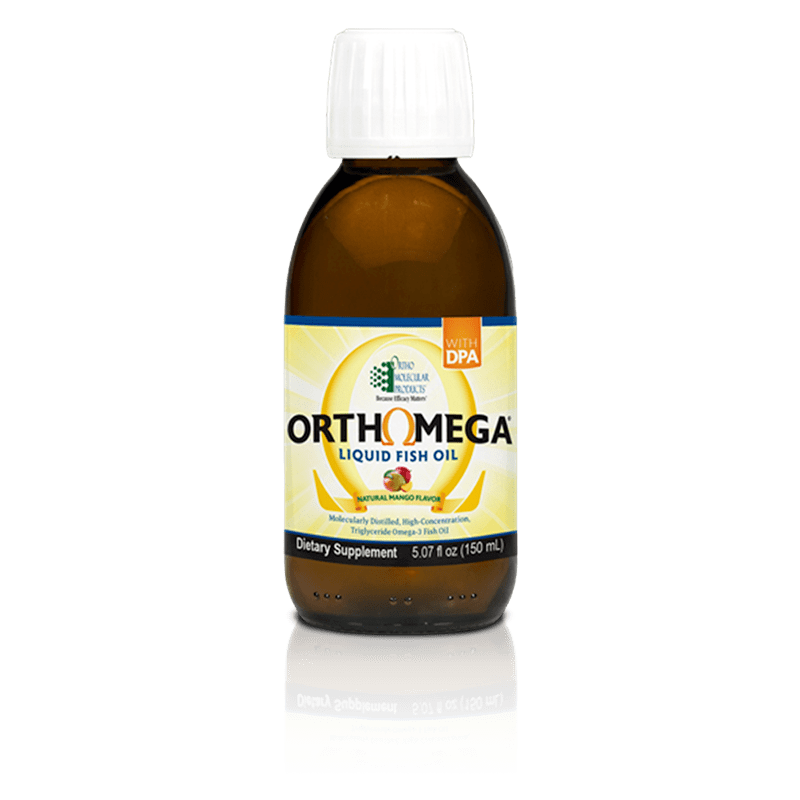
How to Starve Cancer by Jane McLelland is a nonfiction book that follows one author’s personal journey through nutrition, metabolism and everyday lifestyle. Written from lived experience rather than clinical instruction, it offers a starting point for thinking about the role food and daily habits can play in general wellness.
This title is available now in our shop and is intended as general reading and a personal narrative, not as medical advice or a treatment plan. Talk with your healthcare provider about your care, and ask a pharmacist if you have questions.
No two patients are exactly alike. Genetics, allergies, lifestyle, age, medical conditions, and personal preferences all influence how someone responds…
A repurposed medication is an existing drug, originally approved for one condition, that is being studied or used for a different condition. In oncology, this refers to medications originally developed for non-cancer indications that have appeared in published research exploring potential applications in cancer care. Use of these medications for oncology is considered off-label.
No. The medications discussed on this page, including mebendazole and ivermectin, are FDA-approved for their original indications but have not been approved by the FDA for any oncology indication. Any use in oncology is off-label and at the discretion of the prescribing provider.
Off-label prescribing occurs when a healthcare provider prescribes an FDA-approved medication for a use other than its approved indication. This is legal and common in medical practice. The FDA does not regulate how providers prescribe approved medications. Providers may prescribe off-label based on their clinical judgment and review of available research.[2]
No. Pharmacy Solutions does not recommend, promote or prescribe any medication. The pharmacy prepares compounded medications only when a licensed healthcare provider has issued a prescription. All decisions about whether a medication is appropriate for a patient are made by the prescribing provider.
Pharmacy Solutions can compound mebendazole, ivermectin and other medications when prescribed by a licensed healthcare provider. A valid prescription is required. The pharmacy cannot dispense these medications without a prescription.
If you are interested in exploring repurposed medications as part of your oncology care, start by discussing this with your current healthcare team. If you need assistance connecting with a provider familiar with compounded medications, you may click Ask a Pharmacist or contact Pharmacy Solutions directly.
Pharmacy Solutions is PCAB accredited in both sterile and non-sterile compounding, is USP <800> compliant for the handling of hazardous drugs, sources all ingredients from FDA-registered facilities and tests all finished products through an independent third-party lab.
[1] Pushpakom S, Iorio F, Eyers PA, et al. Drug repurposing: progress, challenges and recommendations. Nature Reviews Drug Discovery. 2019;18(1):41-58. https://www.nature.com/articles/nrd.2018.168
[2] U.S. Food and Drug Administration. Understanding Unapproved Use of Approved Drugs “Off Label.” FDA.gov. https://www.fda.gov/patients/learn-about-expanded-access-and-other-treatment-options/understanding-unapproved-use-approved-drugs-label
[3] Pharmacy Compounding Accreditation Board (PCAB). Accreditation Commission for Health Care (ACHC). https://www.achc.org/pcab/
[4] Guerini AE, Triggiani L, Maddalo M, et al. Mebendazole as a Candidate for Drug Repurposing in Oncology: An Extensive Review of Current Literature. Cancers. 2019;11(9):1284. https://www.mdpi.com/2072-6694/11/9/1284
[5] Pantziarka P, Bouche G, Meheus L, Sukhatme V, Sukhatme VP. Repurposing Drugs in Oncology (ReDO)—mebendazole as an anti-cancer agent. Ecancermedicalscience. 2014;8:443. https://pmc.ncbi.nlm.nih.gov/articles/PMC4096024/
[6] Mansoori S, Fryknäs M, Alvfors C, et al. A phase 2a clinical study on the safety and efficacy of individualized dosed mebendazole in patients with advanced gastrointestinal cancer. Scientific Reports. 2021;11:8981. https://www.nature.com/articles/s41598-021-88433-y
[7] Juarez M, Schcolnik-Cabrera A, Dueñas-Gonzalez A. The multitargeted drug ivermectin: from an antiparasitic agent to a repositioned cancer drug. American Journal of Cancer Research. 2018;8(2):317-331. https://www.ncbi.nlm.nih.gov/pmc/articles/PMC5835698/
[8] Bertolini F, Sukhatme VP, Bouche G. Drug repurposing in oncology—patient and health systems opportunities. Nature Reviews Clinical Oncology. 2015;12(12):732-742. https://www.nature.com/articles/nrclinonc.2015.169
Tell us a little about what you are looking for and we will take it from there. Whether you have a prescription ready, questions about a therapy your provider mentioned, or just need help figuring out your next step, our team is here and ready to help.
"*" indicates required fields
To submit your order, click the “PRINT/SAVE” button located under this pop-up.

You can save the PDF to your computer to fax at a later date or print it now to fax immediately.
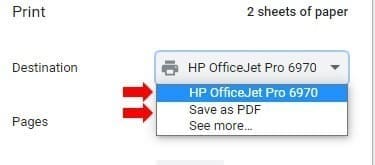
Fax your order form to 817-860-6083 for processing.
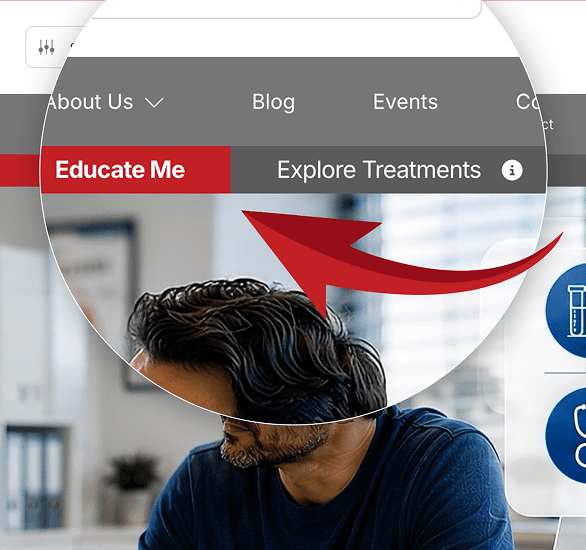
Get detailed information, research, and deeper product context. Toggle on to see more educational content.
Keep things brief and see related products faster. Toggle on to focus on products.
New to Pharmacy Solutions? Register now
Educate Me
Get detailed information, research, and deeper product context.
Toggle on to see more educational content.
Explore Treatments
Keep things brief and see related products faster.
Toggle on to focus on products.