Enjoy 10% off for Patient Appreciation Day with code THANKUJULY on 7/15/2026 only!



Enjoy 10% off for Patient Appreciation Day with code THANKUJULY on 7/15/2026 only!
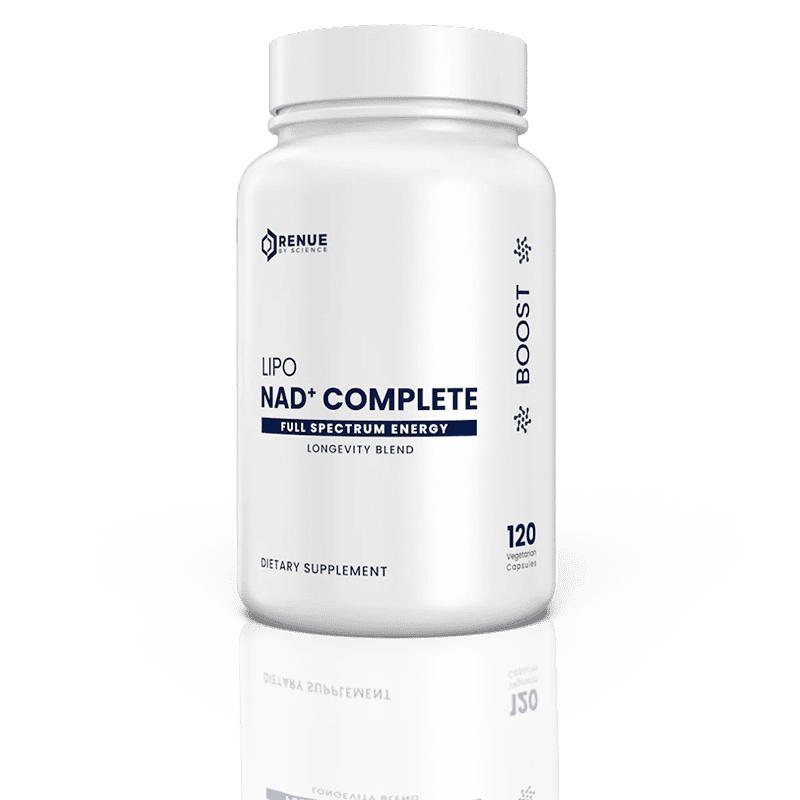
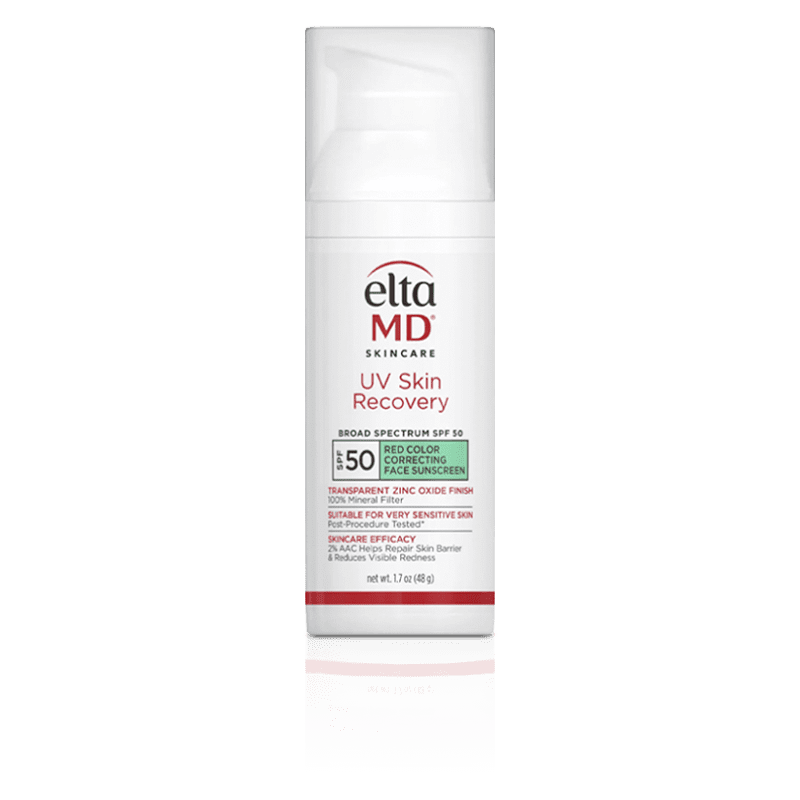
15% off on all sunscreen and probiotics during July with code SUNSAFE15
The Pharmacy will be closed July 4th for Independence Day.





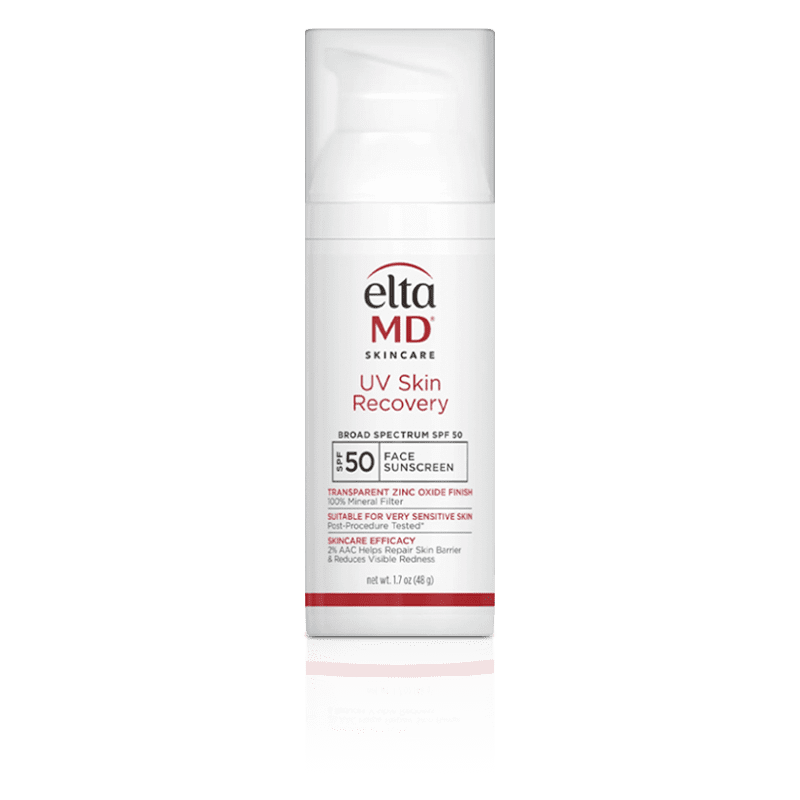
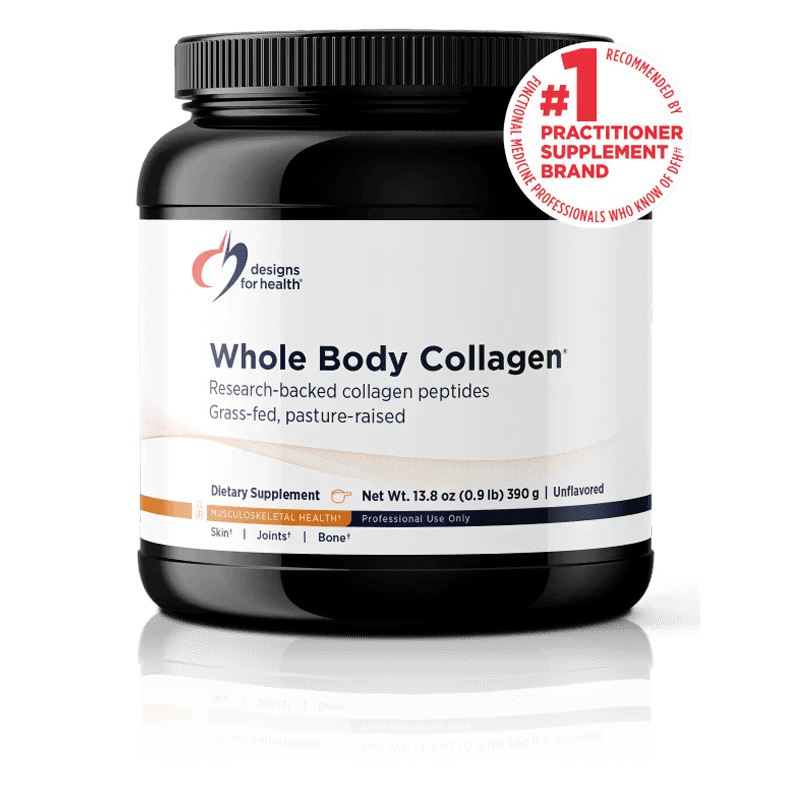
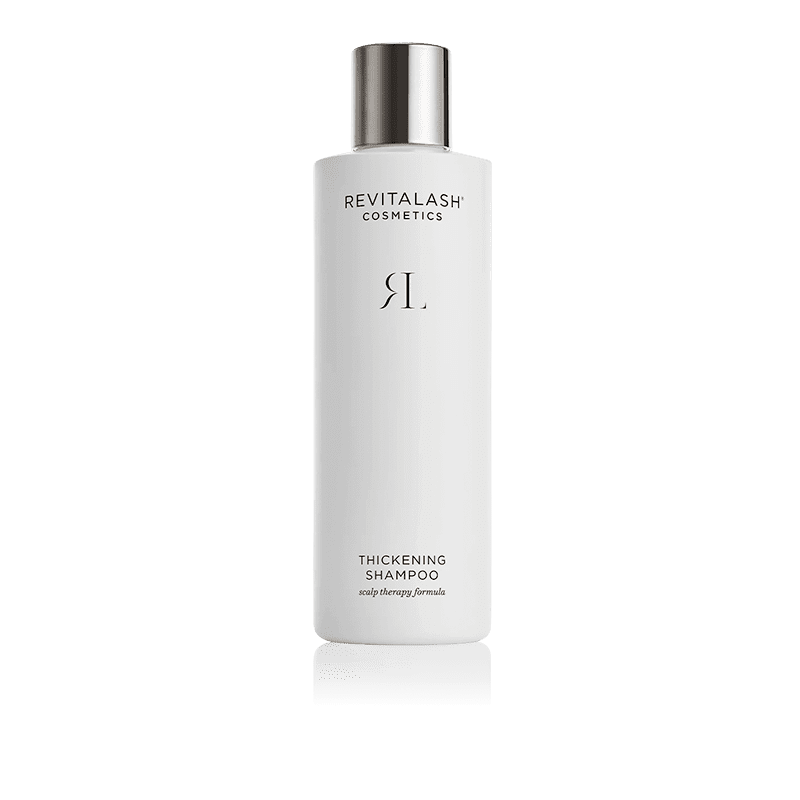

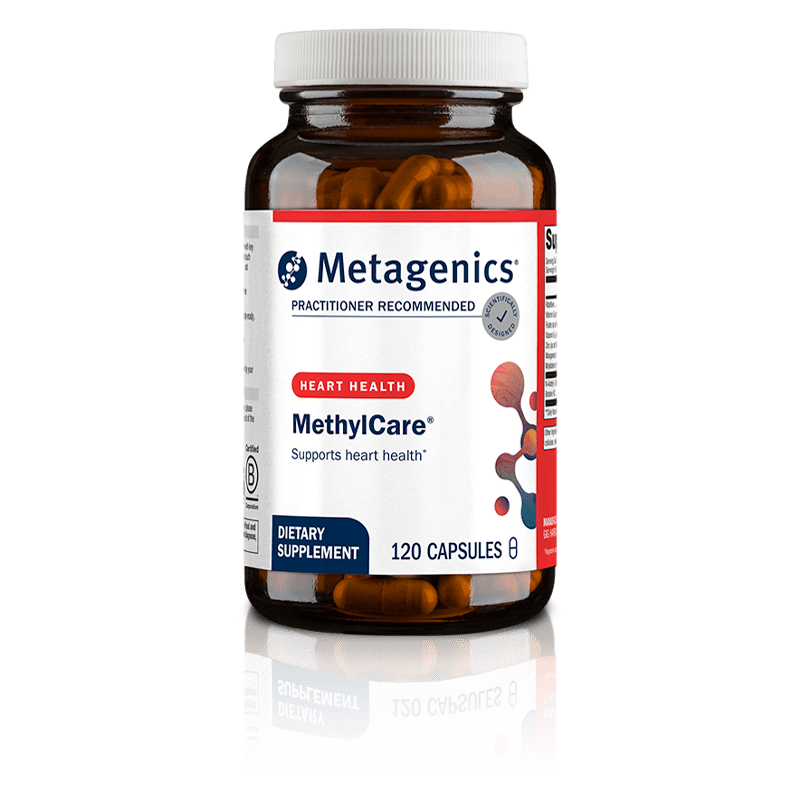



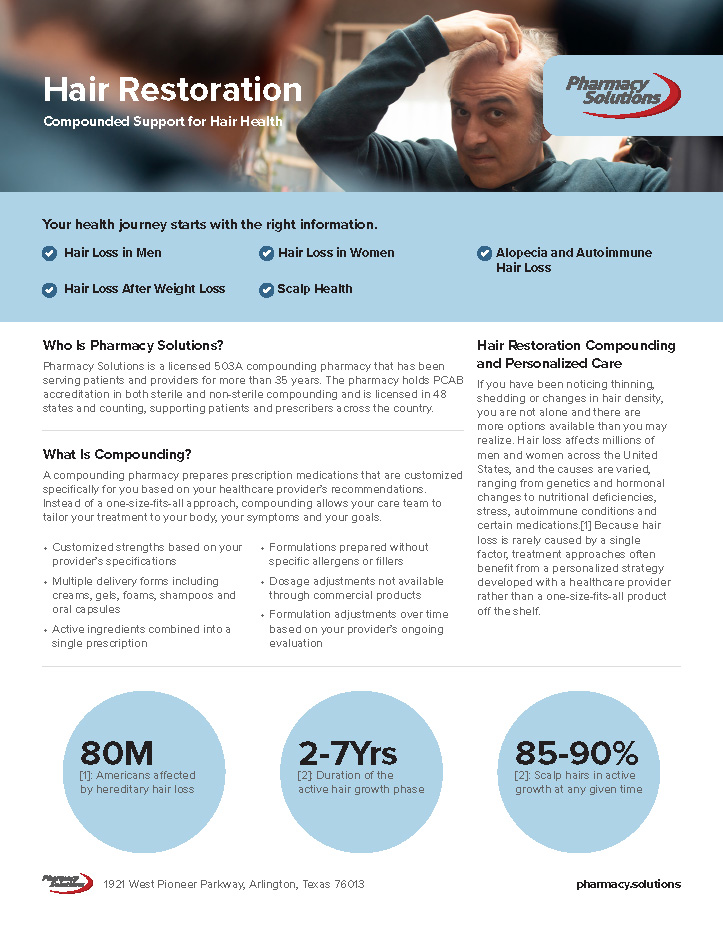
Unlike the familiar patterns seen in men, hair loss in women tends to present as diffuse thinning across the top of the scalp rather than a receding hairline.[2] It can show up at any age, and the causes are often layered. Hormonal shifts, stress, thyroid or metabolic imbalances, nutritional gaps, genetics and scalp inflammation can all contribute, sometimes all at once.[1] That complexity is part of why one-size-fits-all products often fall short for women. This page offers an educational overview of hair loss in women and how a compounding pharmacy can work alongside a healthcare provider to prepare personalized topical formulations.
Female pattern hair loss, sometimes called female androgenetic alopecia, is the most common form of hair loss in women. It typically shows up as a gradual widening of the part, thinning across the crown and an overall loss of volume, while the frontal hairline often stays intact.[2][8] The underlying process involves a combination of genetic predisposition, hormonal factors and changes in the hair follicle cycle that shorten the growth phase over time.[2] Other forms of hair loss in women can look quite different. Telogen effluvium, for example, causes diffuse shedding across the entire scalp and often appears a few months after a trigger such as illness, childbirth, rapid weight change or significant stress.[5][6] Identifying the pattern is one of the first steps a healthcare provider takes when determining what may be driving the changes.
Several factors can influence when and how hair loss develops in women.
Hair loss in women is more common than most people realize, and it can appear at any stage of life. Some women first notice changes in their twenties or thirties, particularly when strong family history or hormonal shifts are involved. Many see more pronounced changes during perimenopause, menopause or in the months following childbirth, when hormone fluctuations can push more hairs into the shedding phase at once.[2][5] Early signs often include a part that photographs wider than it used to, reduced ponytail thickness, a slower return of volume after washing, or simply more hair collecting on a brush or pillow. If you are seeing consistent changes in density, shedding or scalp visibility, it may be a good time to talk with a healthcare provider. Earlier evaluation often means more options, and it can also rule out other health factors that may be contributing.[3]
Misconceptions about hair loss in women can make it harder to have a productive conversation with a healthcare provider. Here is what current research and clinical practice actually show.
Myth 1: Hair loss in women is always tied to menopause.
Menopause and perimenopause are common triggers, but they are far from the only ones. Postpartum hormonal shifts, thyroid imbalances, stress, nutritional deficiencies and genetic predisposition can all contribute to hair loss at any age.[1][2] Younger women can experience significant thinning, and assuming hair loss is only a menopause issue can delay an evaluation that uncovers other factors.
Myth 2: Female pattern hair loss only affects older women.
Female pattern hair loss can begin much earlier than people expect. Studies have documented the condition in women in their twenties and thirties, and family history is a significant factor.[2][8] Early onset does not mean the situation is worse, but it does mean starting a conversation with a provider earlier can open up more options while follicles are still active.
Myth 3: Postpartum hair loss is permanent.
Postpartum shedding, a form of telogen effluvium, is common and generally temporary. It typically occurs a few months after delivery, as hormone levels shift back toward their prepregnancy baseline.[5][6] For most women, shedding slows and growth resumes within six to twelve months. If shedding continues beyond that or if thinning feels significant, a provider can help evaluate whether other factors are involved.
Myth 4: Topical minoxidil is only for men.
Topical minoxidil has been studied in women and is one of the most commonly used ingredients in compounded hair formulations for female patients.[1][4] In the context of compounded topical therapy, a provider can specify strength, vehicle and combination with other ingredients such as latanoprost, spironolactone, melatonin or caffeine.[3][10] The right approach is individualized, and your provider can help determine what fits your situation.
Myth 5: If you are losing hair, something is seriously wrong.
Hair loss in women is often multifactorial, and in many cases the contributing factors are common and manageable. Hormonal shifts, stress, postpartum recovery, and nutritional changes are frequent drivers.[1][5] A healthcare provider can help identify what is contributing and determine whether further evaluation is appropriate. In most cases, hair loss is something to address thoughtfully rather than a signal of serious illness, but a provider visit is the best way to get clarity.
When a healthcare provider determines that prescription hair therapy may be appropriate, the approach for women often differs from men because the underlying drivers can be different. Formulations for women may emphasize ingredients that target hormonal contributors at the scalp level, support follicle activity and address scalp inflammation, all while keeping systemic exposure low.
A compounding pharmacy can prepare topical formulations that combine several active ingredients into a single solution or foam, based on the provider’s prescription. Common actives studied in topical hair formulations for women include minoxidil, topical spironolactone, latanoprost, topical dutasteride or finasteride, caffeine, melatonin, tretinoin and fluocinolone.[3][4][10] Targeted combinations a provider may prescribe include minoxidil with arginine and latanoprost, latanoprost with spironolactone, dutasteride with latanoprost and levocetirizine, or arginine with latanoprost and melatonin. Each combination is designed to address multiple contributors at once. Individual dosing and ingredient selection should be determined by the provider based on evaluation and follow-up.
A compounding pharmacy works alongside healthcare providers to prepare customized medications that are not available in standard commercial form. For women’s hair loss, that flexibility matters. Providers can adjust ingredient combinations, strengths and vehicles such as cosmetically elegant solutions or foams, based on what fits the individual patient. Commercial hair loss products are designed for broad audiences. Compounded formulations are prepared for one specific patient based on one specific prescription.
Pharmacy Solutions is a licensed 503A compounding pharmacy with PCAB accreditation in both sterile and non-sterile compounding. Our pharmacists understand how different vehicles affect absorption, comfort and daily adherence, and we use careful compounding techniques to prepare each prescription as the provider intended. If you have questions about how a compounded topical formulation is prepared, how to apply it or how to coordinate with your healthcare team, you can speak directly with a pharmacist.
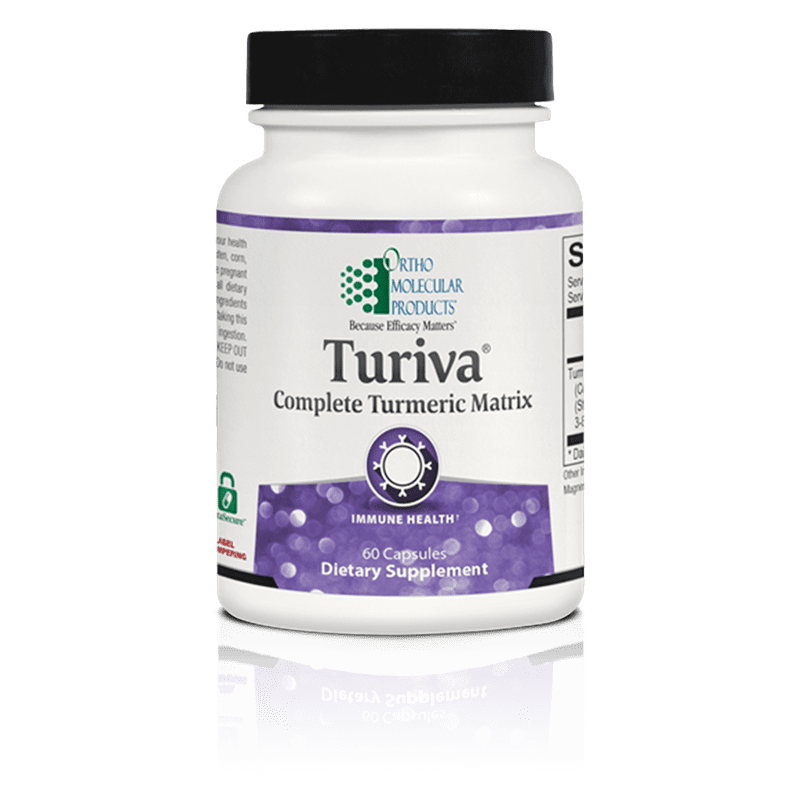
Some women explore over-the-counter supplements as part of a broader approach to hair and scalp wellness. Certain nutrients have been studied for their potential role in supporting healthy hair. Pharmacy Solutions carries pharmaceutical-grade options that may complement your goals.
These products are available without a prescription. As with any supplement, discuss use with a qualified healthcare professional to ensure it aligns with your individual health needs.
If your healthcare provider writes a prescription for compounded hair therapy, here is a general overview of the process.
I spent a lot of time feeling embarrassed about my hair before I finally talked to someone. Having a provider and a pharmacy actually take the time to figure out what would work for me made all the difference in how I felt about it.
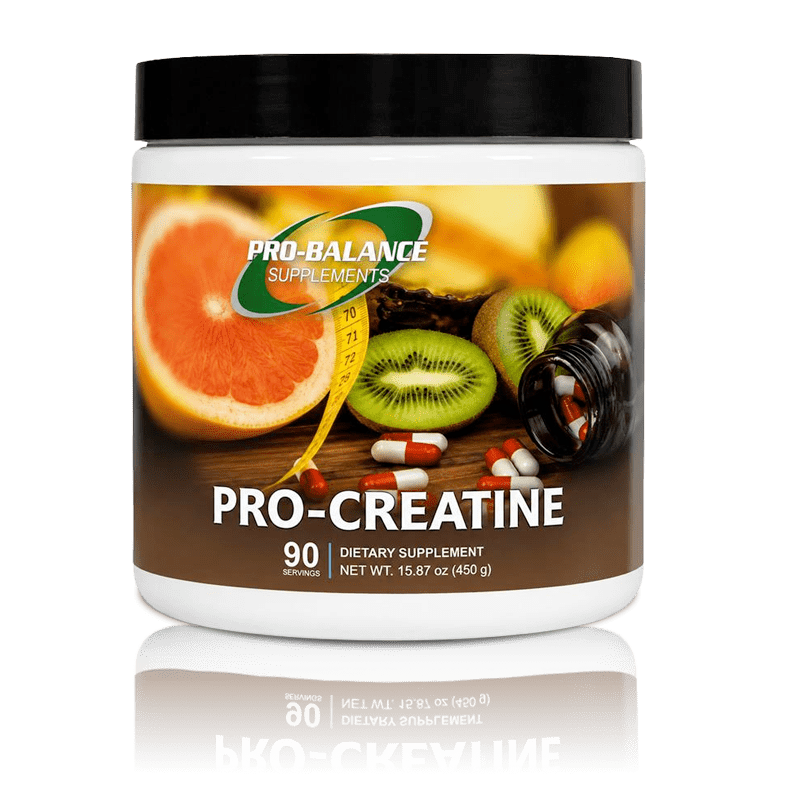
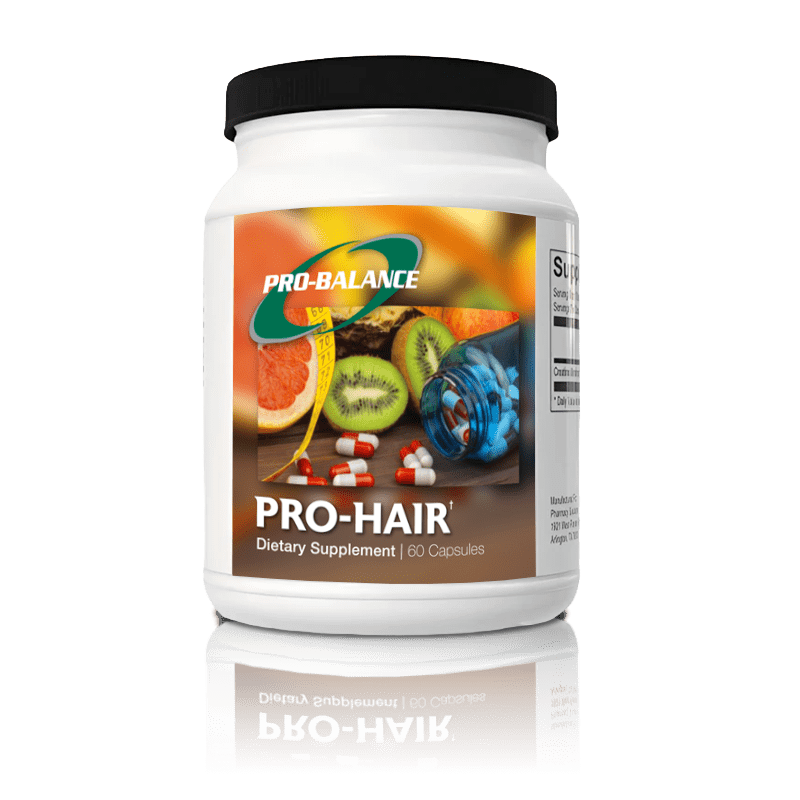
We feature a curated selection of supplements chosen to support hair and scalp health and overall wellness as part of your everyday routine. Pro-Hair is a hair-focused formula from the Pro-Balance line that many people add to their day to support the look and feel of healthy hair day to day.
These products are available now without a prescription, so you can begin whenever it works for you. Talk with your healthcare provider about which products and habits fit your hair and your daily routine.
As the colder months arrive, so do seasonal colds, influenza, and other respiratory viruses. Spending more time indoors, holiday stress,…
Cold and flu season can place extra demand on the immune system. While healthy habits such as handwashing, quality sleep,…
Compounded hair therapy is prepared for one specific patient based on a prescription from a licensed healthcare provider. The ingredients, strengths and vehicle are chosen to fit the individual. Over-the-counter products are designed for broad use and cannot be adjusted by a provider. Compounded formulations can combine several actives into a single application, which is not something commercial products typically offer.
Yes. Compounded medications are prepared only after a licensed provider writes a prescription for a specific patient. If you are interested in exploring this option, the first step is a conversation with your provider. If you do not currently have one, our team can help connect you with a provider who prescribes compounded hair formulations.
Hair grows slowly, so meaningful changes in density typically take several months of consistent use. Many providers suggest giving a new formulation at least three to six months before evaluating results.[3] Individual experiences vary, and your provider can help set expectations based on your situation and the formulation they prescribe.
No, though they can overlap. Postpartum hair loss is typically a form of telogen effluvium, a diffuse shedding triggered by the hormonal shift after childbirth. It usually resolves within six to twelve months.[5][6] Female pattern hair loss is a separate, progressive process that tends to cause thinning over the top of the scalp. A provider can help distinguish between them and identify the right approach.
Common actives studied in topical hair formulations for women include minoxidil, topical spironolactone, latanoprost, topical dutasteride or finasteride, caffeine, melatonin, tretinoin and fluocinolone.[3][4][10] Providers often combine several actives into a single formulation to address multiple contributors at once. The specific ingredients and strengths your provider prescribes will depend on your individual evaluation.
Many ingredients used in compounded hair formulations are not recommended during pregnancy or breastfeeding. If you are pregnant, breastfeeding or planning to become pregnant, discuss any hair loss concerns with your provider before starting any therapy. Your provider can help determine what is appropriate for where you are in your journey.
Many women use supplements that support hair and scalp health alongside a provider-prescribed formulation. Common options include Pro-Hair, biotin, iron, zinc and vitamin D3. Let your provider know what you are taking so they can factor it into their recommendations. Talk with your healthcare provider before starting any new supplement.
If you do not currently have a provider who works with compounded hair formulations, a compounding pharmacy may be able to help connect you with practitioners in your area. You can also ask your primary care physician, OB/GYN or dermatologist for a referral.
[1] American Academy of Dermatology Association. Hair loss: overview and types. https://www.aad.org/public/diseases/hair-loss/types
[2] Sinclair R. Female pattern hair loss. J Investig Dermatol Symp Proc. 2005. https://pubmed.ncbi.nlm.nih.gov/16382668/
[3] Varothai S, Bergfeld WF. Androgenetic alopecia: an evidence-based treatment update. Clin Cosmet Investig Dermatol. 2014. https://pubmed.ncbi.nlm.nih.gov/25324641/
[4] Olsen EA, et al. Topical minoxidil in androgenetic alopecia. J Am Acad Dermatol. 2002. https://pubmed.ncbi.nlm.nih.gov/12004379/
[5] Malkud S. Telogen effluvium: a review. J Clin Diagn Res. 2015. https://www.ncbi.nlm.nih.gov/pmc/articles/PMC4606321/
[6] American Academy of Dermatology. Telogen effluvium. https://www.aad.org/public/diseases/hair-loss/types/telogen-effluvium
[7] American Academy of Dermatology. Minoxidil overview. https://www.aad.org/public/diseases/hair-loss/treatment/minoxidil
[8] American Academy of Dermatology. Female pattern hair loss causes. https://www.aad.org/public/diseases/hair-loss/types/female-pattern
[9] Pazyar N, et al. Seborrheic dermatitis review. Dermatol Res Pract. 2013. https://pubmed.ncbi.nlm.nih.gov/23878597/
[10] Yazdabadi A, Sinclair R. Spironolactone in female hair loss. Australas J Dermatol. 2011. https://pubmed.ncbi.nlm.nih.gov/21078167/
[11] Fischer TW, et al. Caffeine stimulates hair follicle growth in vitro. Int J Dermatol. 2007. https://pubmed.ncbi.nlm.nih.gov/17254074/
[12] Johnstone MA. Prostaglandin pathway and hair growth. Br J Ophthalmol. 1997. https://pubmed.ncbi.nlm.nih.gov/9349150/
[13] Paus R, Cotsarelis G. The biology of hair follicles. N Engl J Med. 1999. https://pubmed.ncbi.nlm.nih.gov/10515896/
Tell us a little about what you are looking for and we will take it from there. Whether you have a prescription ready, questions about a therapy your provider mentioned, or just need help figuring out your next step, our team is here and ready to help.
"*" indicates required fields

To submit your order, click the “PRINT/SAVE” button located under this pop-up.

You can save the PDF to your computer to fax at a later date or print it now to fax immediately.

Fax your order form to 817-860-6083 for processing.

Get detailed information, research, and deeper product context. Toggle on to see more educational content.
Keep things brief and see related products faster. Toggle on to focus on products.

New to Pharmacy Solutions? Register now
Educate Me
Get detailed information, research, and deeper product context.
Toggle on to see more educational content.
Explore Treatments
Keep things brief and see related products faster.
Toggle on to focus on products.