July is UV Safety Awareness Month! Shop Sun Protection Essentials.
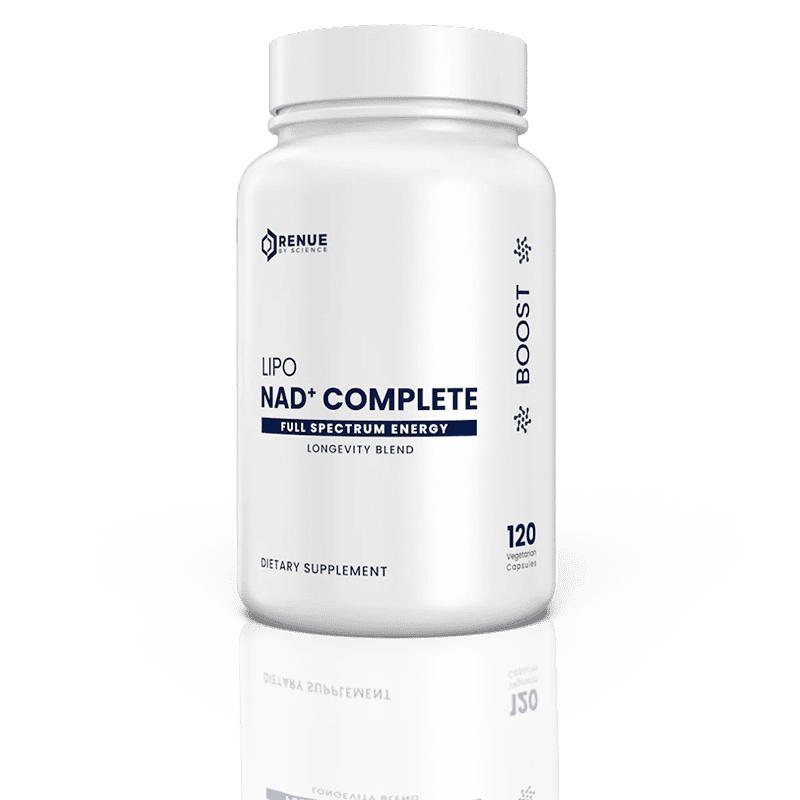
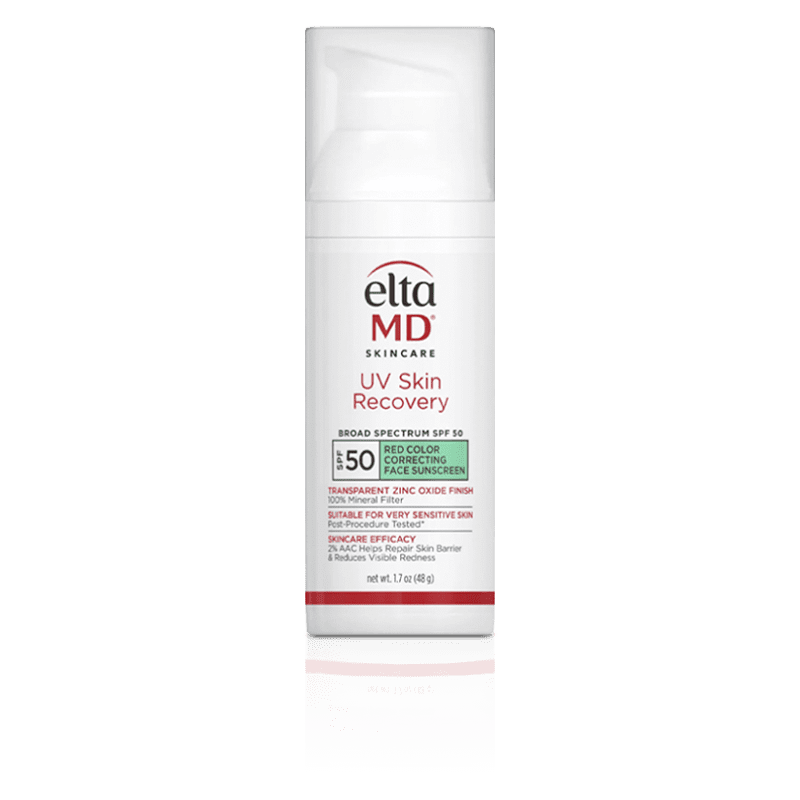


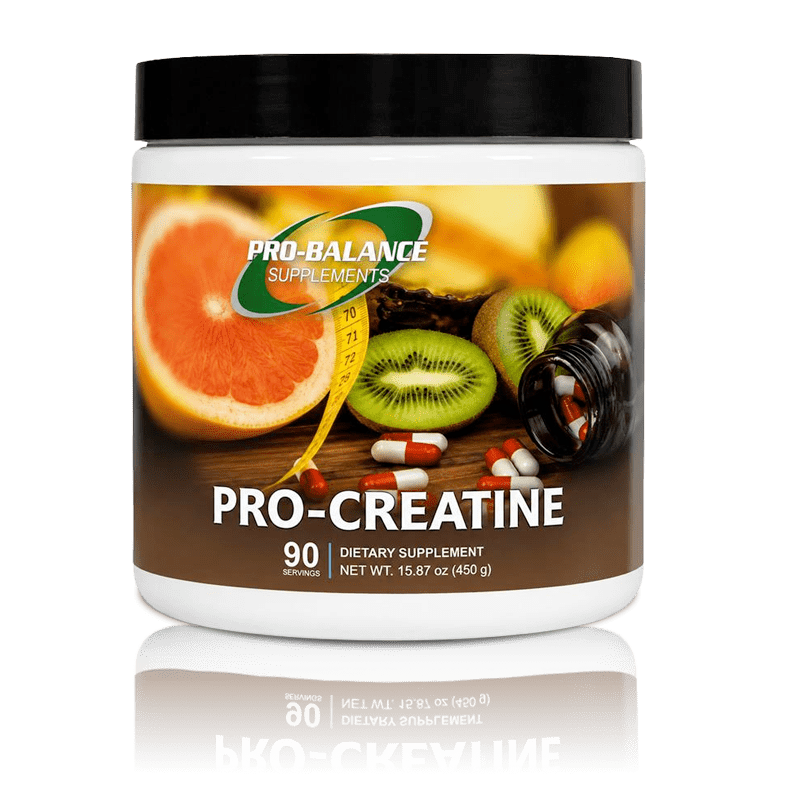
Enjoy 10% off for Patient Appreciation Day with code THANKUJULY on 7/15/2026 only!
The Pharmacy will be closed July 4th for Independence Day.
15% off on all sunscreen and probiotics during July with code SUNSAFE15

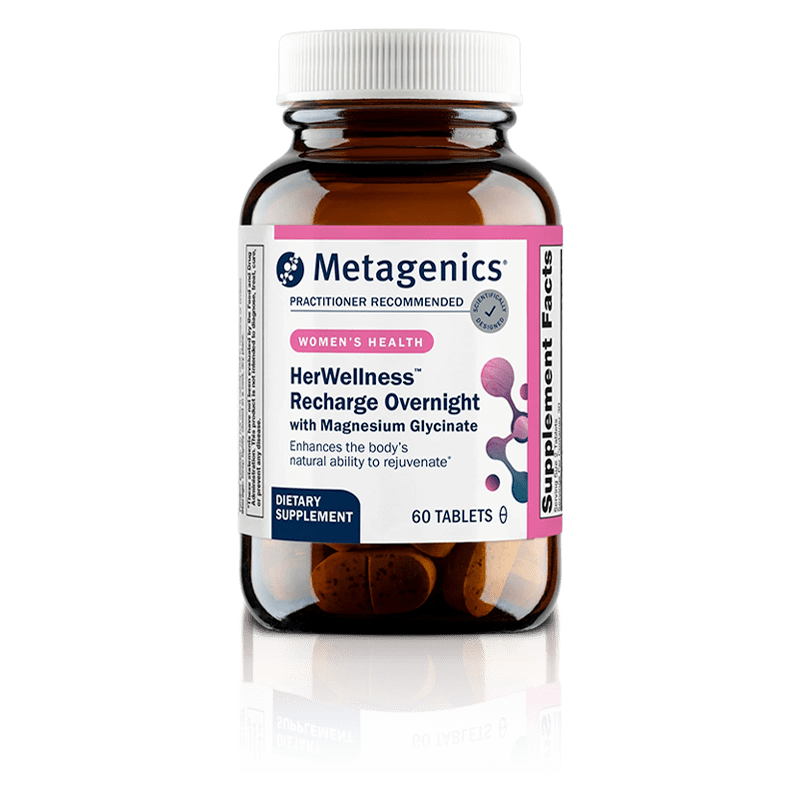
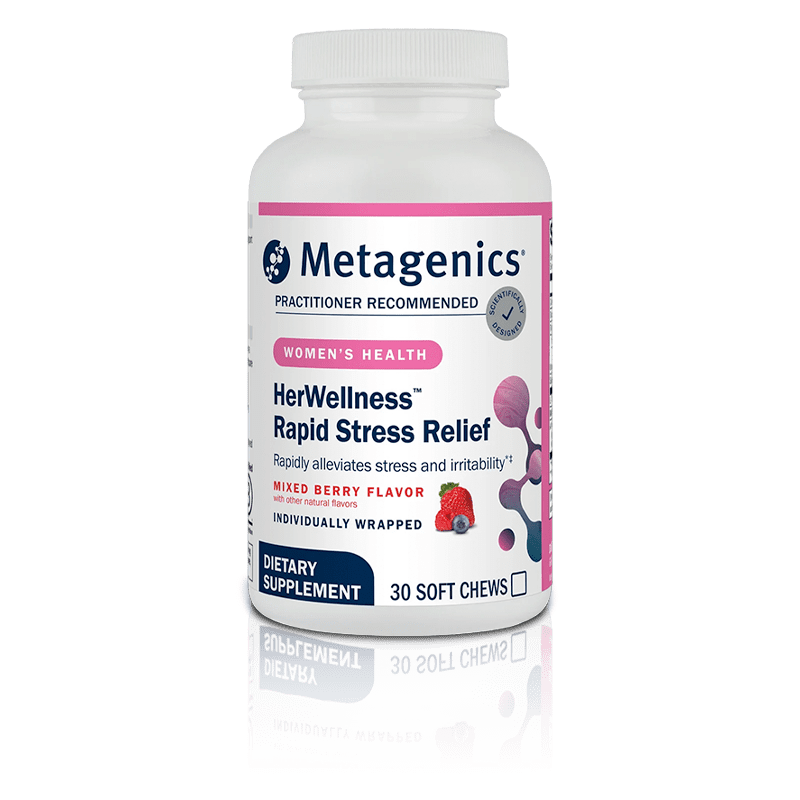
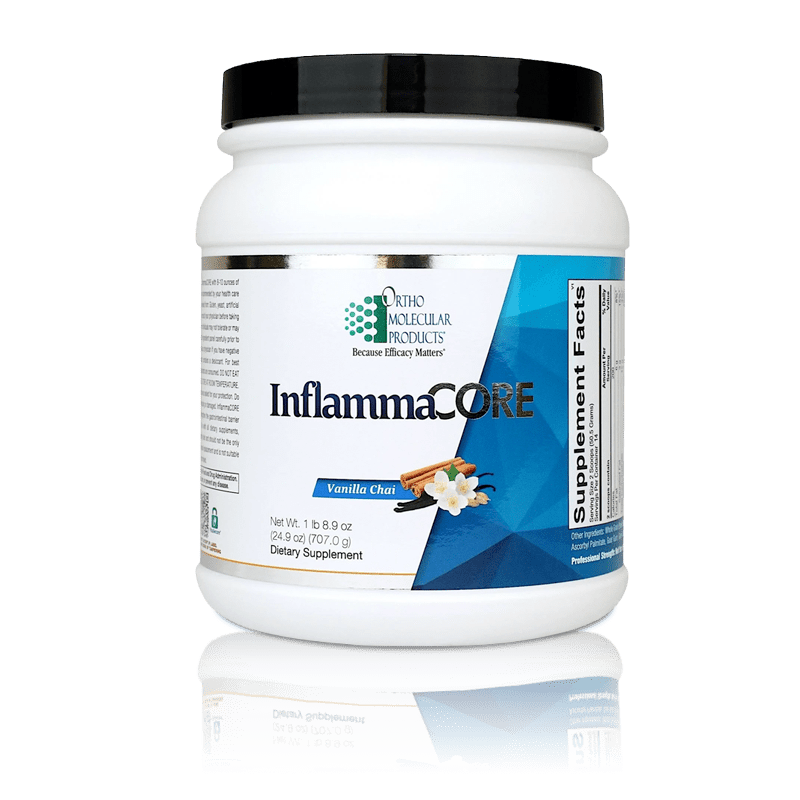
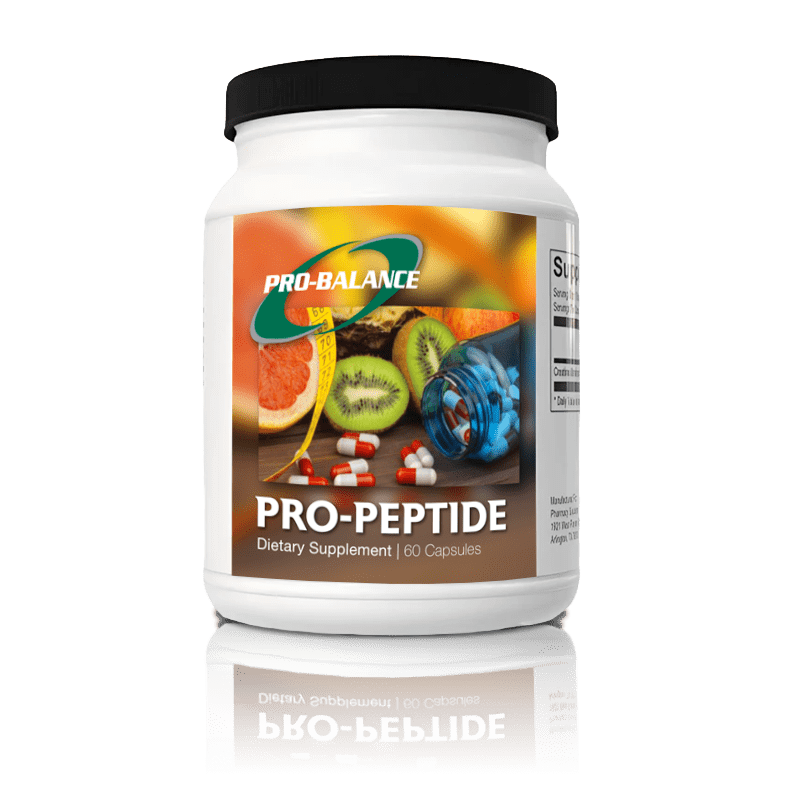
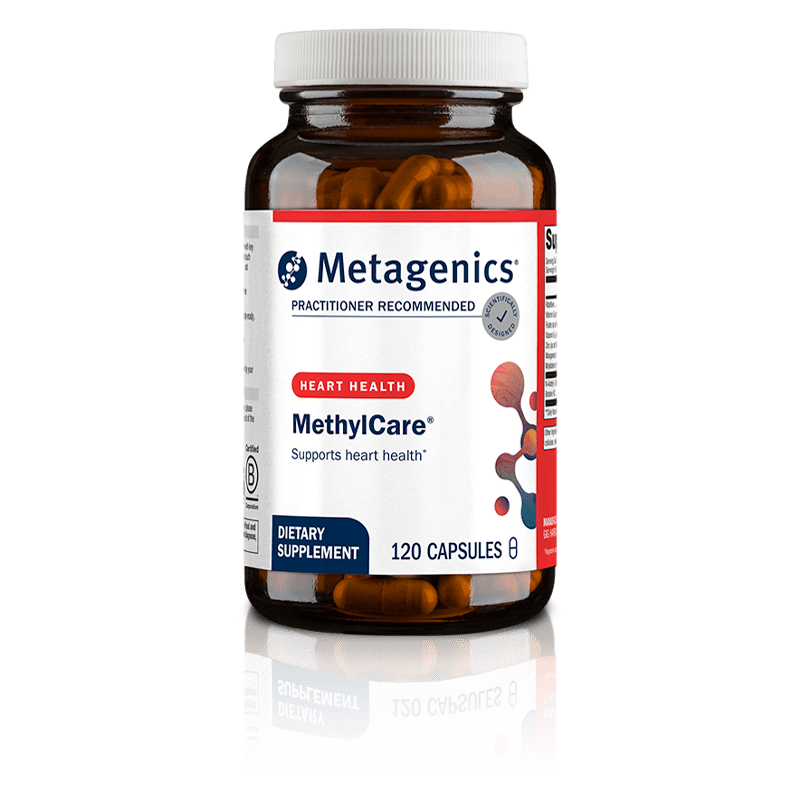
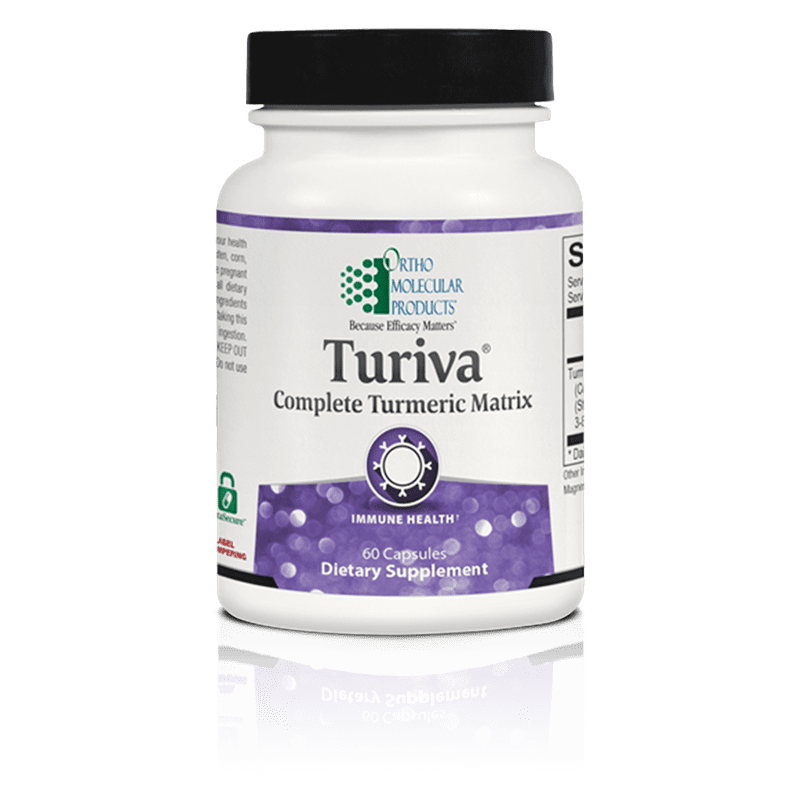
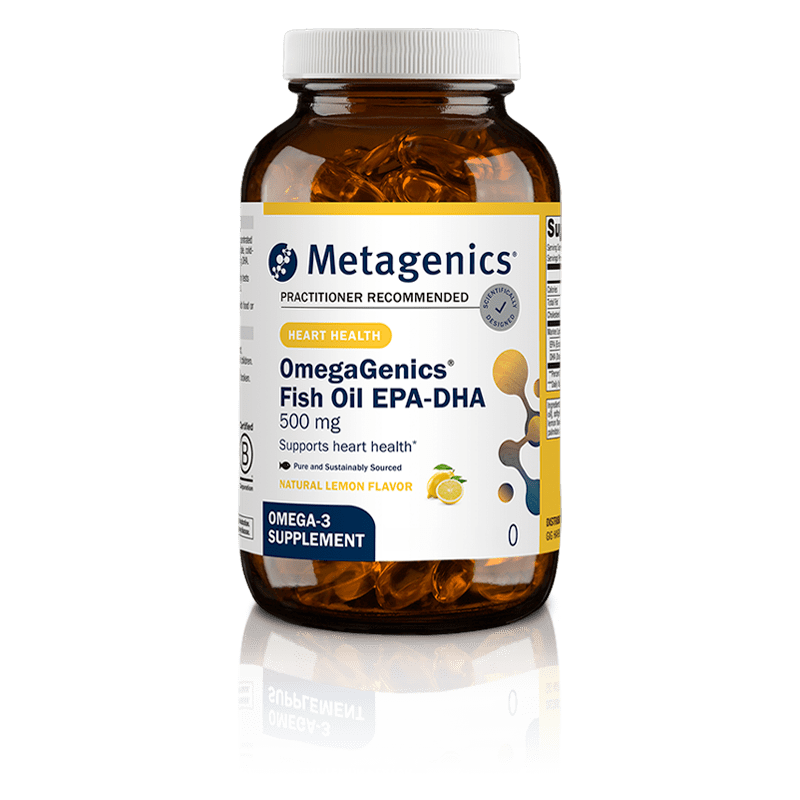
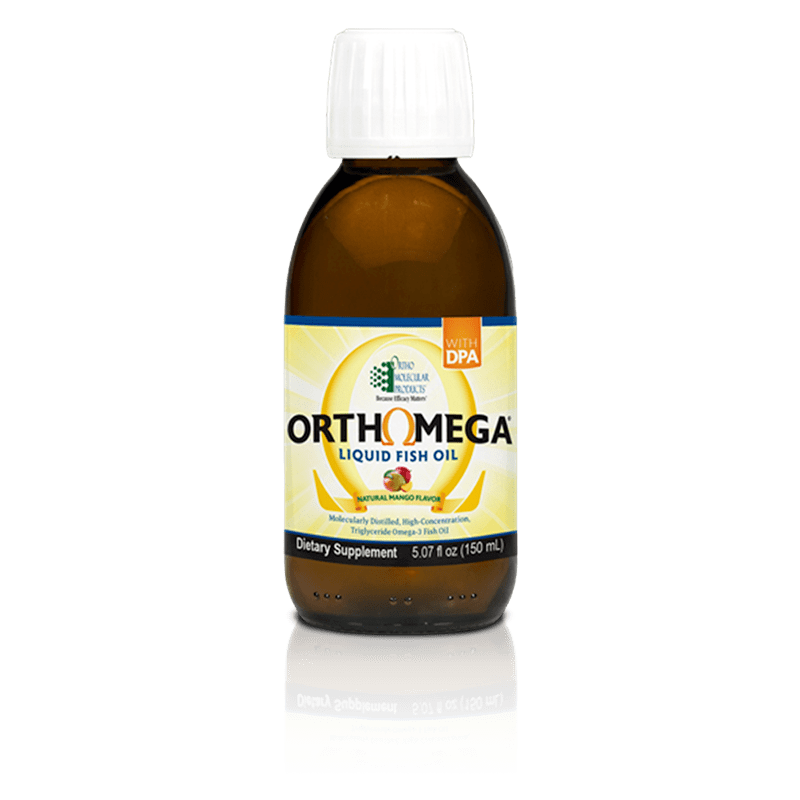
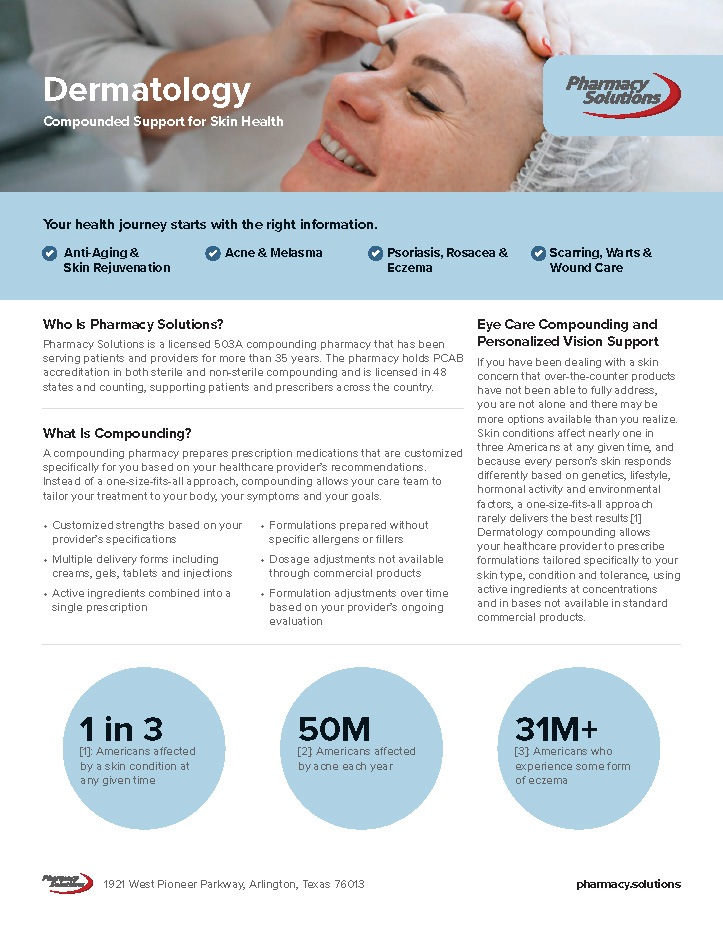
Acne occurs when skin, hair, bacteria, dead skin cells and sebum work together to block the pores. The result can range from blackheads and whiteheads at the surface to deeper inflammatory blemishes including papules, pustules, nodules and cysts. It is an extremely common condition, and many people continue to experience it well into their 20s and 30s.[1] Because acne often involves multiple contributing factors working simultaneously, a customized and combined approach developed with a healthcare provider tends to be more effective than a single product used in isolation.
Acne is primarily driven by androgen hormones, which activate during the teenage and young adult years. These hormones interact with the skin’s surface bacteria, oil glands and fatty acids in ways that set the stage for breakouts. The condition is not limited to adolescence. Adults in their 20s, 30s and beyond can experience acne for the first time or see existing acne persist or worsen. Hormonal fluctuations, stress-related cortisol spikes, certain medications, environmental factors and genetic predisposition can all contribute.
Acne can include any of the following types:
Several overlapping factors can influence why acne develops or worsens over time.
Managing acne effectively often requires identifying and addressing the specific combination of factors driving each individual’s breakouts. A dermatologist or other qualified healthcare provider can evaluate skin type, acne type, history of previous approaches, hormonal status and sensitivity to develop a care plan suited to the individual. For many patients, commercially available products provide some benefit but fall short of addressing all contributing factors or are not available in the strength or combination needed.
Dermatology compounding allows providers to prescribe formulations that combine multiple active ingredients into a single preparation at specific concentrations, reducing the number of products a patient needs to apply while addressing several aspects of acne simultaneously. The process can take weeks to months, and formulations may be adjusted over time based on how the skin responds. Pharmacy Solutions works directly with dermatologists and other prescribers to prepare individualized acne formulations based on each provider’s specifications.
The following active ingredients are commonly found in compounded acne formulations. The specific combination, concentration and delivery base in any individual prescription are determined entirely by the prescribing healthcare provider based on each patient’s skin type, acne type and history.
Benzoyl peroxide is a drying agent that works by reducing the oil and bacteria on the skin. It is one of the most established acne-fighting ingredients and can be incorporated into compounded formulations at concentrations and in bases not available commercially.
Antibiotics such as clindamycin reduce bacteria on and in the skin and hair follicles. Compounded formulations can combine antibiotics with other actives to minimize the risk of antibiotic resistance and address multiple acne pathways in a single preparation.
Retinoids, including tretinoin, are derivatives of vitamin A that help unclog pores, boost the production of new skin cells and reduce microcomedone formation. Compounding allows providers to prescribe retinoids at starting concentrations suited to the patient’s skin sensitivity and to combine them with other ingredients in a single base.
Salicylic acid is a beta-hydroxy acid that dissolves the bonds between dead skin cells, helping to keep hair follicles clear and addressing the comedone formation that drives many types of acne. It is oil soluble and particularly effective for oily and acne-prone skin types.
Niacinamide has been studied for its roles in reducing sebum production, supporting the skin barrier and improving skin tone. It is well tolerated by most skin types and combines effectively with other acne-fighting actives.
Azelaic acid is a naturally occurring acid that has been studied for its potential roles in reducing bacteria, supporting cell turnover and addressing post-acne pigmentation. It is often well tolerated by sensitive skin types.
Spironolactone is an anti-androgen that may be prescribed for hormonal acne, particularly in adult women. Topical compounded spironolactone allows providers to target androgen-driven oil production locally without systemic exposure.
Zinc pyrithione, sulfur, sulfacetamide sodium and ketoconazole are additional active ingredients used in compounded acne formulations for their antibacterial, antifungal and sebum-regulating properties, and are particularly useful for patients with mixed acne presentations including fungal acne components.
Pharmacy Solutions can prepare a wide range of compounded acne formulations combining these and other active ingredients at provider-specified concentrations. Your healthcare provider works with the pharmacy team to develop a formulation suited to your individual skin type, acne presentation and goals. If you have questions about specific formulation options, you can reach the Pharmacy Solutions team directly through the Ask a Pharmacist feature.
For patients where chemical peels are part of a broader acne management approach, Pharmacy Solutions also compounds a range of peel formulations at concentrations specified by the prescribing provider. Your healthcare provider determines whether a peel is appropriate and which formulation best suits your skin.
If your healthcare provider prescribes a compounded acne formulation, knowing what the process involves can help set realistic expectations.
Pharmacy Solutions works with dermatologists, general practitioners and other healthcare providers to prepare customized acne formulations that align with each prescriber’s recommendations and each patient’s needs. The compounding team understands which bases are best suited to different skin types and acne presentations, and can communicate with prescribers when formulation questions arise. Every preparation is made per patient using pharmaceutical-grade ingredients.
Pharmacy Solutions maintains PCAB accreditation in both sterile and non-sterile compounding, a distinction held by fewer than 2% of compounding pharmacies in the United States, and has all formulations tested through third-party laboratories.[2] Whether you are exploring compounded acne care for the first time or looking to adjust an existing approach, the pharmacy team is available to support the process in partnership with your provider.
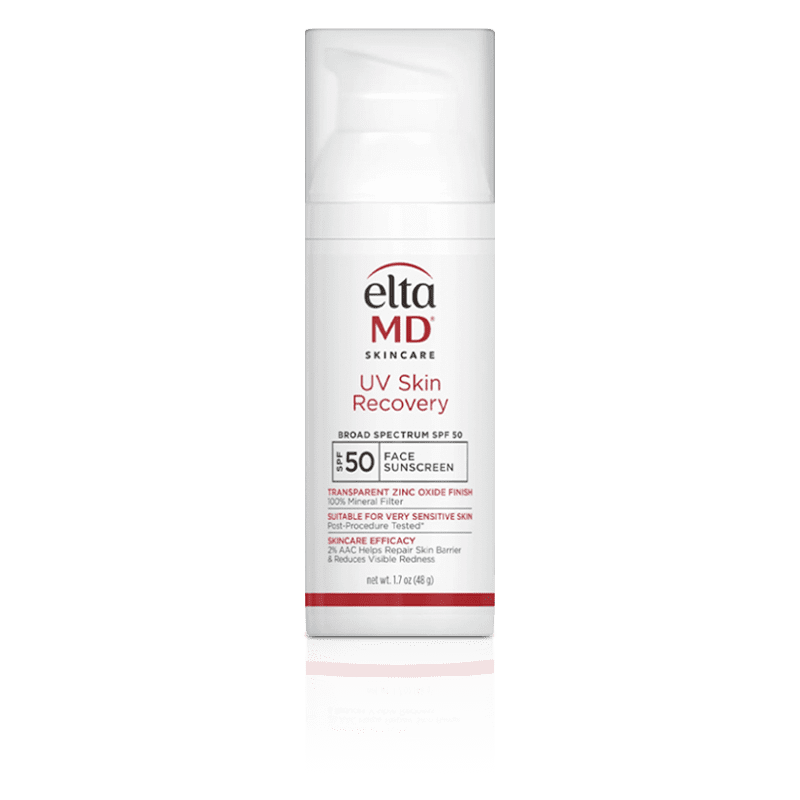
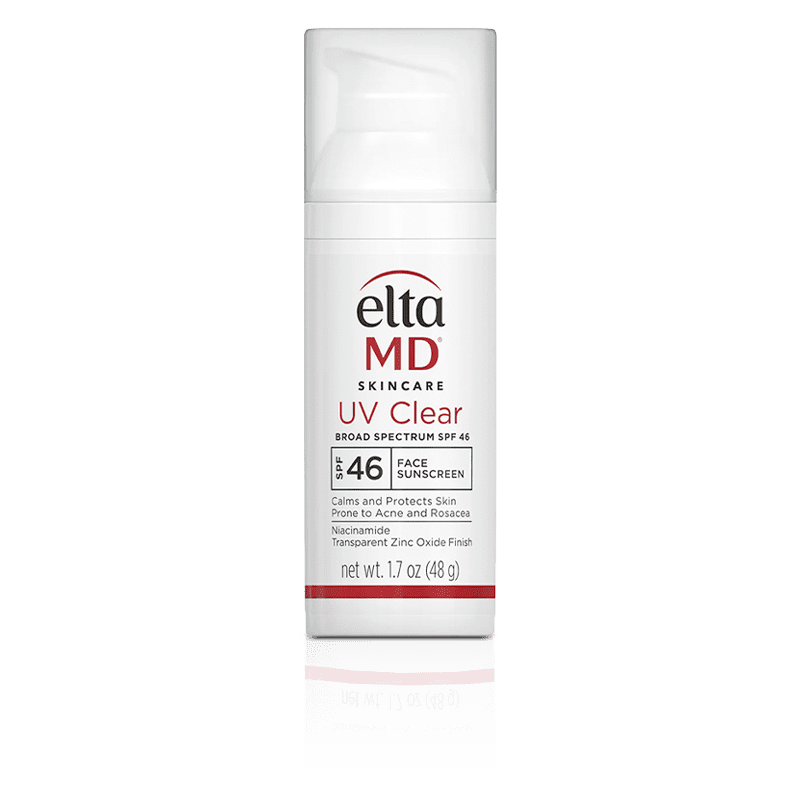
For patients looking to complement a compounded regimen or start without a prescription, Pharmacy Solutions carries a selection of pharmaceutical-grade skin care products. The RX Skin Solutions line and other available products may support an acne-conscious skin care routine. EltaMD sunscreens provide daily UV protection and are formulated to be well tolerated by acne-prone and sensitive skin. As always, discuss any new products with your healthcare provider to ensure they are appropriate for your situation.

I had tried so many things over the years and nothing seemed to work for long. My dermatologist finally prescribed a compounded formula through Pharmacy Solutions that was actually built around my skin. The difference was noticeable and, for the first time, I felt like someone had actually looked at my situation rather than just handing me something off the shelf.
I had been dealing with dark patches on my face for years and felt like I had tried everything. Once my dermatologist prescribed a customized compounded formula, I finally had something that actually addressed my skin specifically. The pharmacy team was easy to reach and worked closely with my provider the whole way through.
I had been managing flares for years and never felt like I had a formulation that actually worked with my skin rather than against it. My dermatologist worked with Pharmacy Solutions to create something customized, and it has been the most consistent relief I have found. Having a team that actually communicates with your provider makes a real difference.
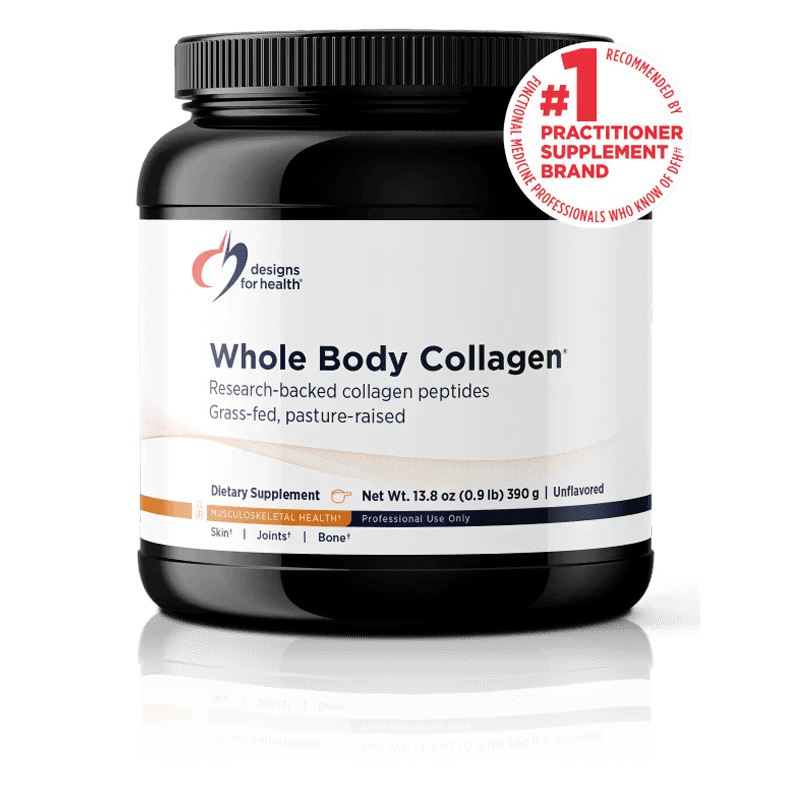
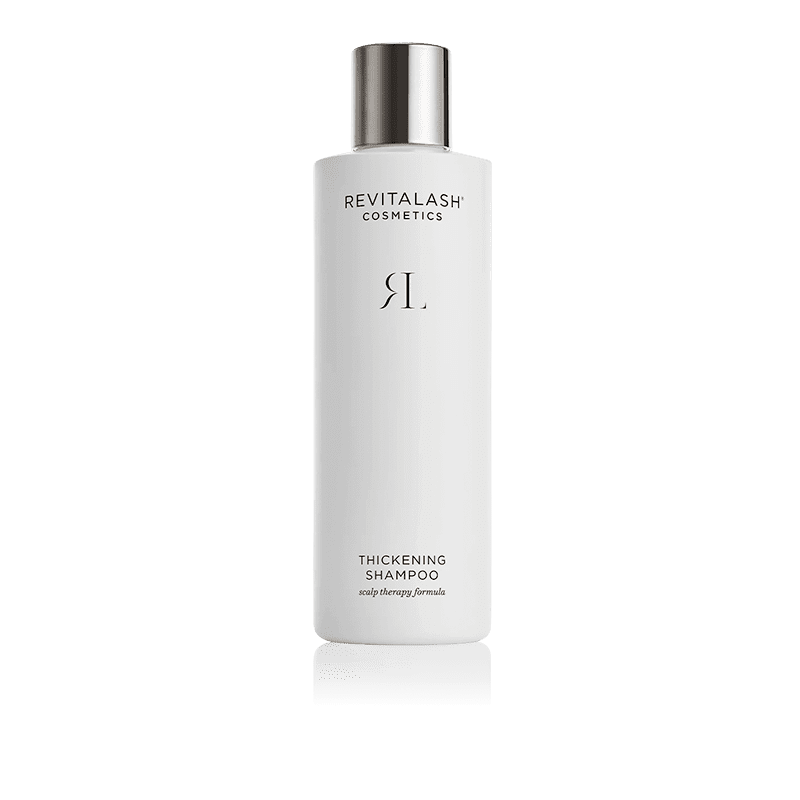
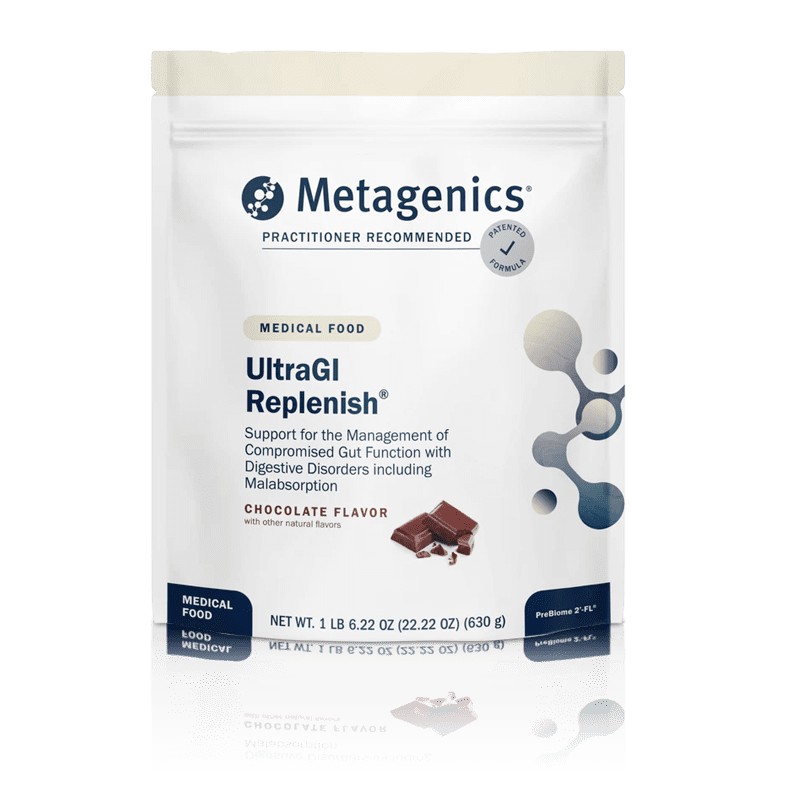
We feature a curated selection of skincare and supplements chosen to support healthy skin and a steady daily routine you can rely on. EltaMD UV Clear Broad-Spectrum SPF 46 is an oil-free, lightweight formula that makes consistent daily sun protection an easy part of how you care for your skin.
These products are available now without a prescription, so you can start whenever you are ready. Talk with your healthcare provider about which skincare options and daily habits make sense for your routine.
No two patients are exactly alike. Genetics, allergies, lifestyle, age, medical conditions, and personal preferences all influence how someone responds…
Acne is a common skin condition that occurs when hair follicles become clogged with oil, dead skin cells and bacteria, leading to pimples, blackheads, whiteheads, papules, pustules, nodules and cysts. It is most common among teenagers and young adults, though it can affect people of all ages, with many experiencing it well into their 20s and 30s.
Yes. Compounded acne medications that contain prescription-strength ingredients such as tretinoin, clindamycin or spironolactone require a valid prescription from a licensed healthcare provider. Over-the-counter options are available without a prescription, though a healthcare provider can help determine which approach is most appropriate for your skin.
Compounded acne formulations may include benzoyl peroxide, retinoids such as tretinoin, antibiotics such as clindamycin, salicylic acid, niacinamide, azelaic acid, spironolactone, sulfur, zinc pyrithione, ketoconazole and others. The specific combination and concentration are determined by the prescribing provider based on each patient’s skin type, acne type and history.
Over-the-counter acne products are available in fixed strengths with limited ingredient combinations. Compounded medications allow a healthcare provider to prescribe specific combinations of multiple active ingredients at customized concentrations in a base suited to the patient’s skin type. This approach can be particularly beneficial for patients who have not responded adequately to commercial options.
Acne is a chronic condition for many people, meaning it may require ongoing management rather than a one-time fix. Compounded formulations can be adjusted over time as your skin responds. Your healthcare provider can modify the prescription as needed, and Pharmacy Solutions will prepare updated formulations accordingly.
Chemical peels may be used as part of a broader acne care approach to help address surface texture, clogged pores and post-acne discoloration. Pharmacy Solutions compounds a range of peel formulations at provider-specified concentrations. The appropriateness of a peel and the type used are determined entirely by your healthcare provider.
Yes. Pharmacy Solutions carries pharmaceutical-grade skin care products that may support a broader acne management routine. The RX Skin Solutions line and other available products can be explored through the Pharmacy Solutions shop and do not require a prescription.
[1] American Academy of Dermatology Association. Acne: Overview. https://www.aad.org/public/diseases/acne/truly-know-acne/what-is-acne
[2] Pharmacy Compounding Accreditation Board (PCAB). Accreditation Commission for Health Care. https://www.achc.org/pcab/
[3] Zaenglein AL, et al. Guidelines of care for the management of acne vulgaris. J Am Acad Dermatol. 2016;74(5):945-973. https://pubmed.ncbi.nlm.nih.gov/26897386/
[4] Kraft J, Freiman A. Management of acne. CMAJ. 2011;183(7):E430-E435. https://pmc.ncbi.nlm.nih.gov/articles/PMC3080563/
Tell us a little about what you are looking for and we will take it from there. Whether you have a prescription ready, questions about a therapy your provider mentioned, or just need help figuring out your next step, our team is here and ready to help.
"*" indicates required fields

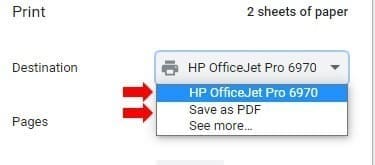
To submit your order, click the “PRINT/SAVE” button located under this pop-up.

You can save the PDF to your computer to fax at a later date or print it now to fax immediately.
Fax your order form to 817-860-6083 for processing.
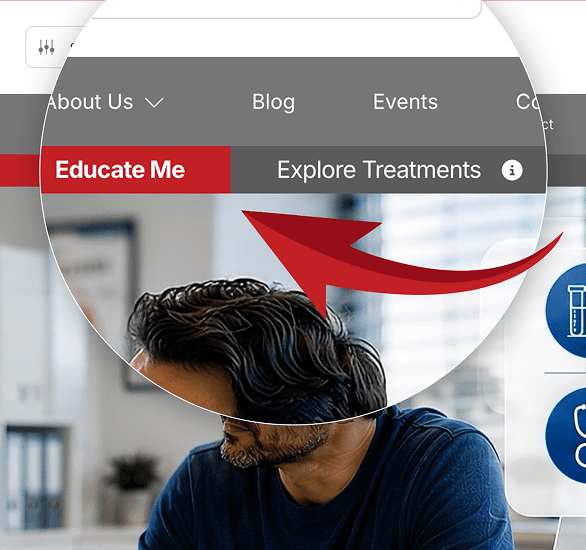
Get detailed information, research, and deeper product context. Toggle on to see more educational content.
Keep things brief and see related products faster. Toggle on to focus on products.

New to Pharmacy Solutions? Register now
Educate Me
Get detailed information, research, and deeper product context.
Toggle on to see more educational content.
Explore Treatments
Keep things brief and see related products faster.
Toggle on to focus on products.