15% off on all sunscreen and probiotics during July with code SUNSAFE15
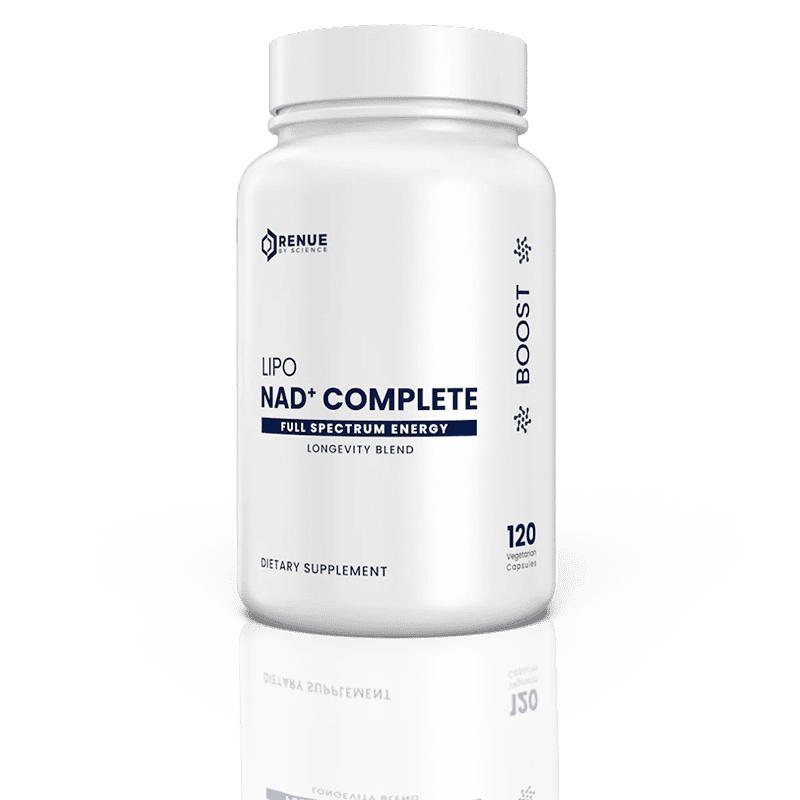
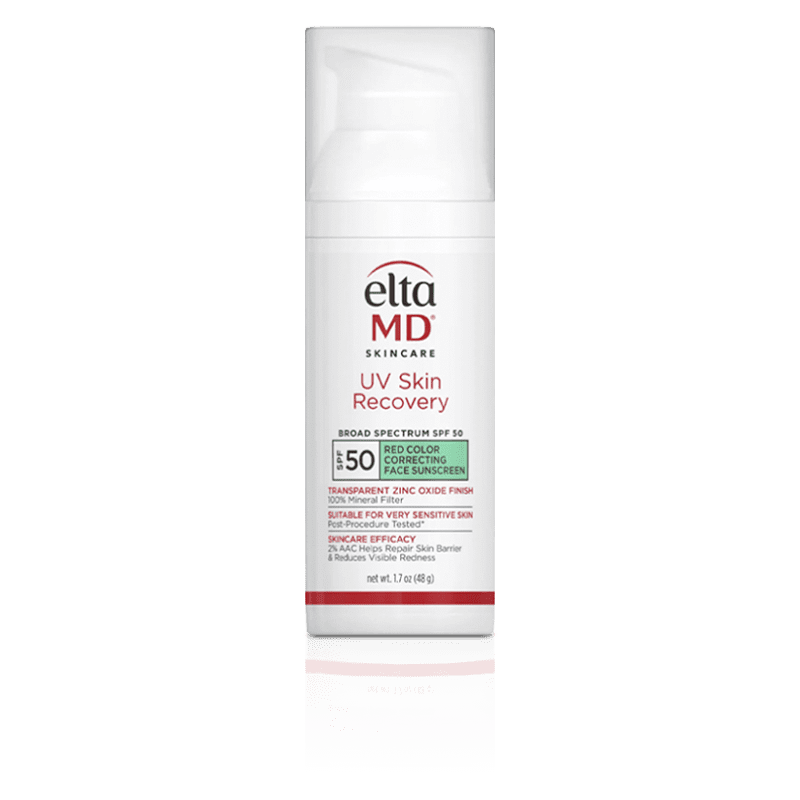


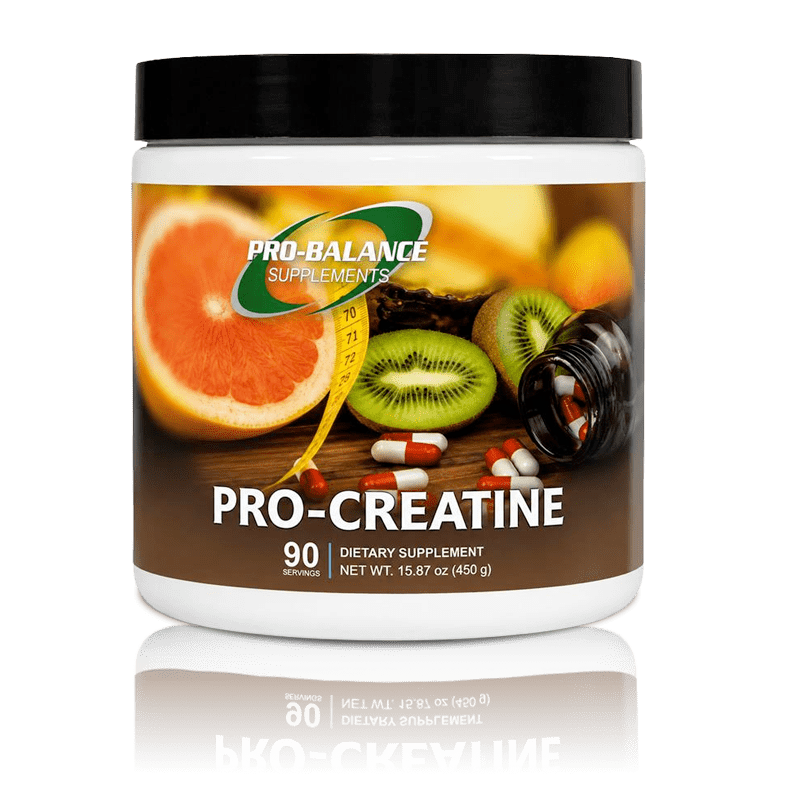
15% off on all sunscreen and probiotics during July with code SUNSAFE15
The Pharmacy will be closed July 4th for Independence Day.
Enjoy 10% off for Patient Appreciation Day with code THANKUJULY on 7/15/2026 only!

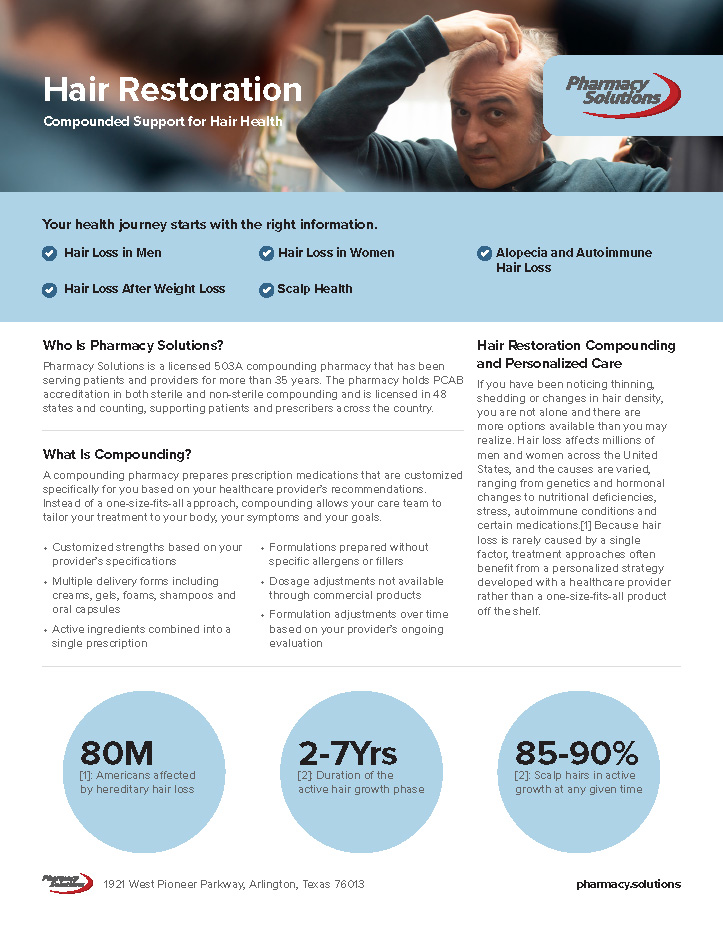
The good news is that hair loss after weight loss is usually temporary. It is most often a form of telogen effluvium, a diffuse shedding triggered by a shift in the body’s overall state.[1][2] Because hair growth is not essential for survival, the body can temporarily redirect resources away from the hair follicles during times of significant change. This page offers an educational overview of hair loss after weight loss, what tends to drive it and how a compounding pharmacy can work alongside a healthcare provider to prepare personalized topical formulations that support the recovery process.
Telogen effluvium is the most common form of hair loss tied to significant weight change. It typically appears as diffuse shedding across the entire scalp rather than patches or a specific pattern, and most people notice it two to three months after their weight change began.[1][2] This delay can be confusing, because by the time the shedding appears, the body is often in a different phase of its recovery. Common signs include increased hair on the brush or pillow, reduced ponytail thickness, more strands in the shower and an overall loss of volume. The scalp itself usually looks normal, and the pattern is typically even rather than concentrated in specific areas. Identifying what is driving the shedding is the first step toward a plan that supports recovery.
Several factors can influence how and when hair loss appears following significant weight change.
Hair loss after weight loss can happen to anyone who has experienced a significant or rapid shift in body weight, regardless of how the weight was lost. It is commonly reported after bariatric surgery, medically supervised weight loss, changes in eating patterns, recovery from illness or other events that involve notable weight change.[1][2] Some people notice shedding beginning about two to three months after their weight change started, which often means the body is already stabilizing by the time hair changes become visible. If you are seeing consistent shedding, thinning or changes in volume following a weight change, it may be a good time to talk with a healthcare provider. Earlier evaluation can help identify whether nutritional gaps, hormonal shifts or other factors are contributing, and can open the door to personalized support that encourages the return of healthy hair growth.
Because hair loss after weight loss is often multifactorial, supporting recovery usually involves attention to several areas at once. A healthcare provider can help evaluate what may be contributing and determine what approach fits your situation. Common approach categories include nutritional support to address protein, iron, vitamin and mineral adequacy, scalp and follicle care to maintain a healthy environment for hair growth, and targeted topical therapy in some cases to encourage follicles back into the active growth phase.[1][3]
A compounding pharmacy can prepare topical formulations that combine several active ingredients into a single solution or foam, based on the provider’s prescription. Common actives studied in topical hair formulations include minoxidil, latanoprost, caffeine, melatonin, tretinoin and arginine.[3][4][5] For people whose hair loss is primarily nutrition-driven, the foundation is typically restoring adequate intake and addressing any specific deficiencies identified in bloodwork. Individual decisions about ingredients, strengths and vehicle should be determined by the provider based on evaluation and follow-up.
A compounding pharmacy works alongside healthcare providers to prepare customized medications that are not available in standard commercial form. For hair loss following weight loss, that flexibility matters. Providers can adjust ingredient combinations, strengths and vehicles based on what fits the individual patient and where they are in the recovery process. Commercial hair products are designed for broad audiences. Compounded formulations are prepared for one specific patient based on one specific prescription.
Pharmacy Solutions is a licensed 503A compounding pharmacy with PCAB accreditation in both sterile and non-sterile compounding. Our pharmacists understand how different vehicles affect absorption and daily use, and we use careful compounding techniques to prepare each prescription as the provider intended. For patients navigating the recovery phase after significant weight change, continuity with a pharmacy team can make refinements easier as the body continues to stabilize. If you have questions about how a compounded topical formulation is prepared, how to apply it or how to coordinate with your healthcare team, you can speak directly with a pharmacist.
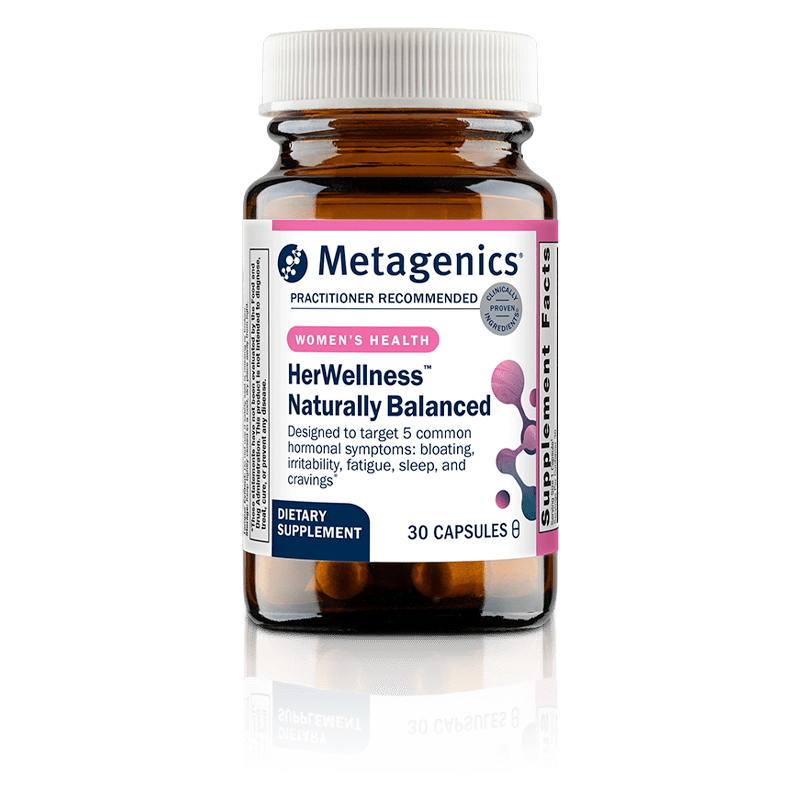
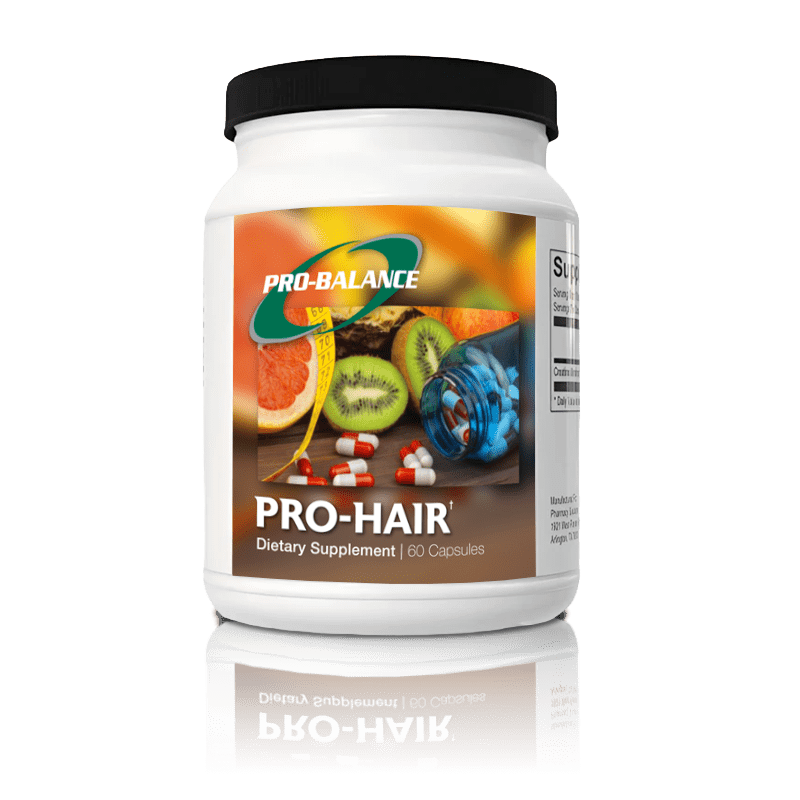
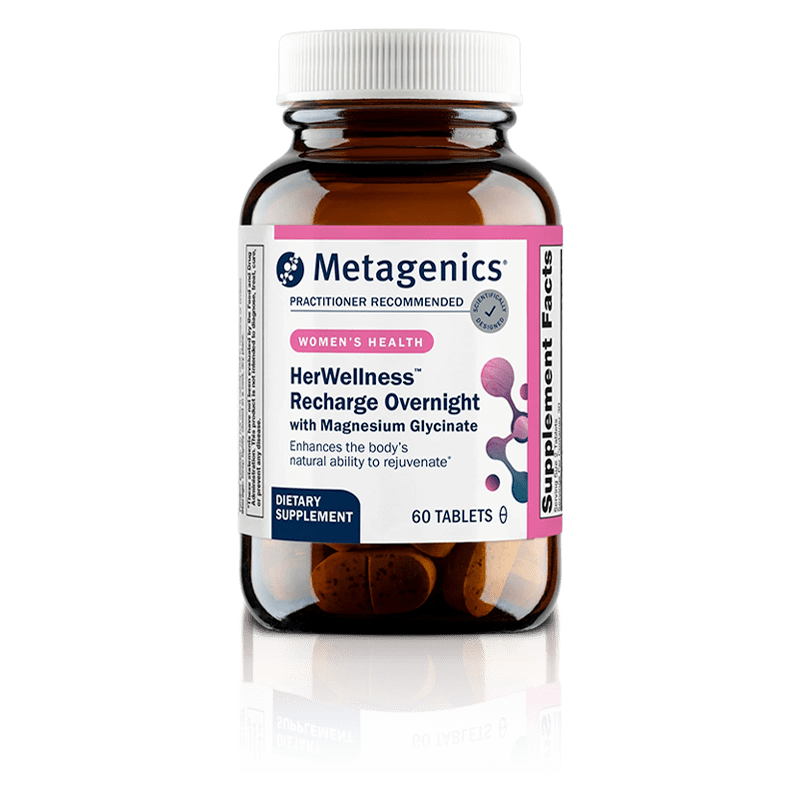
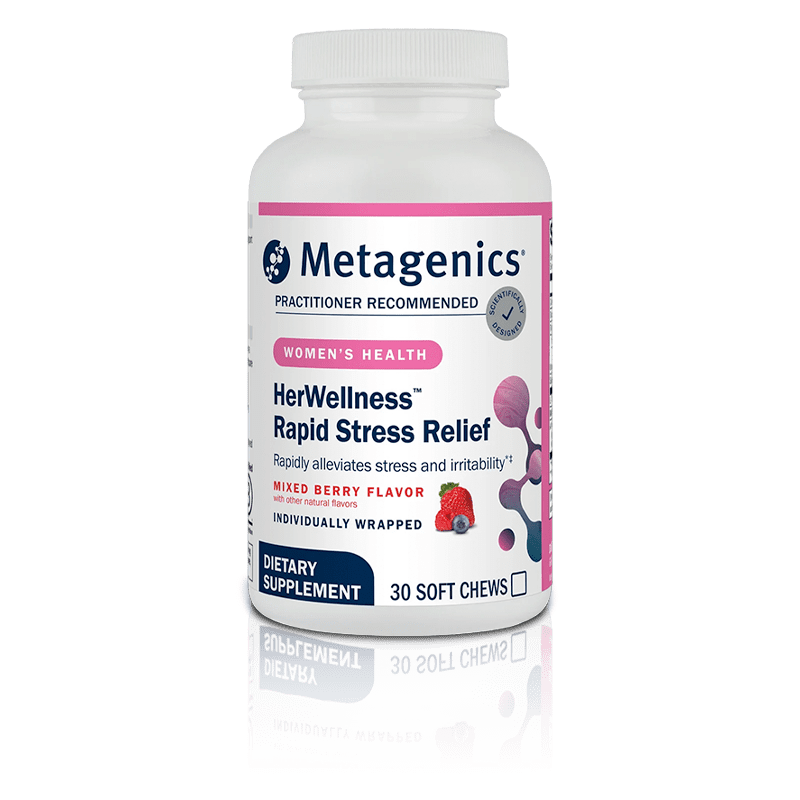
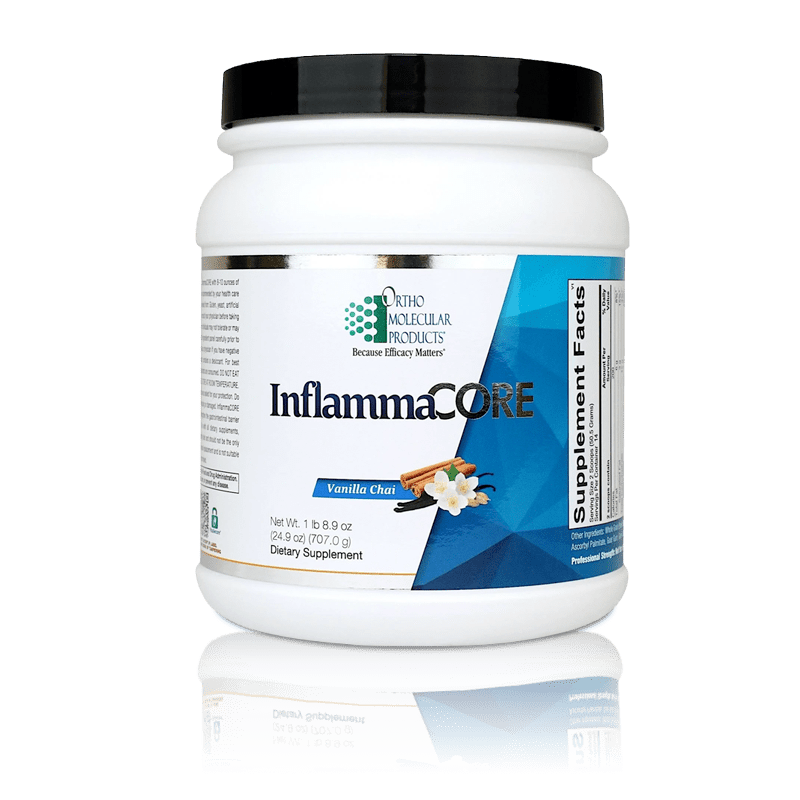
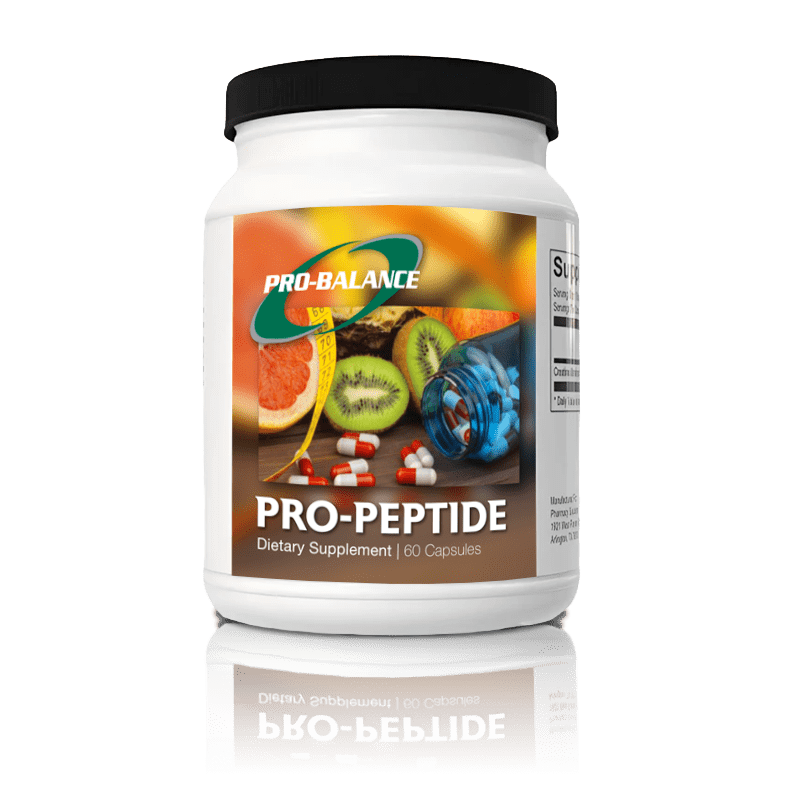
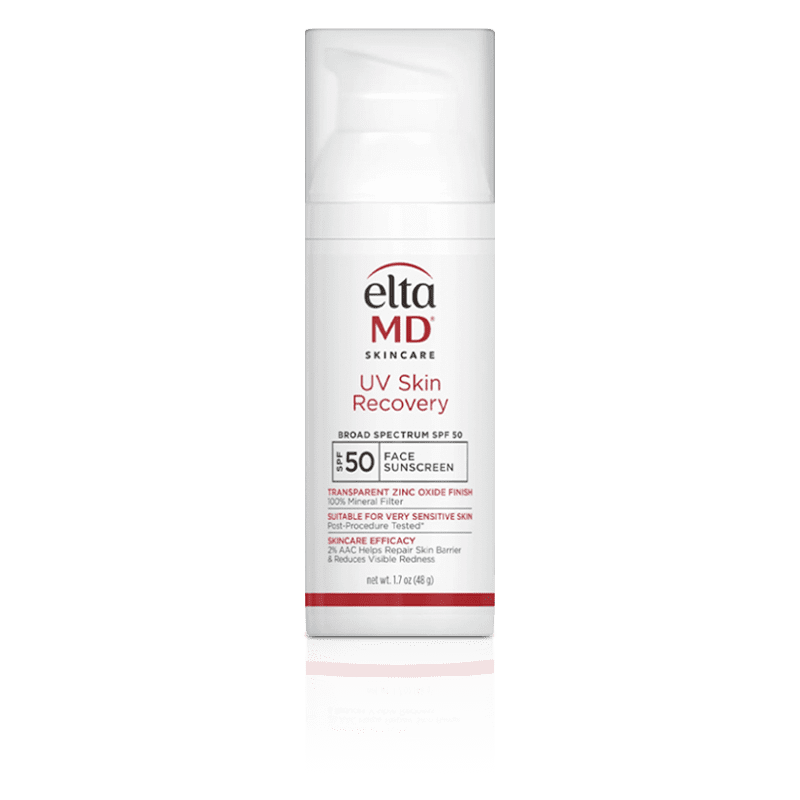
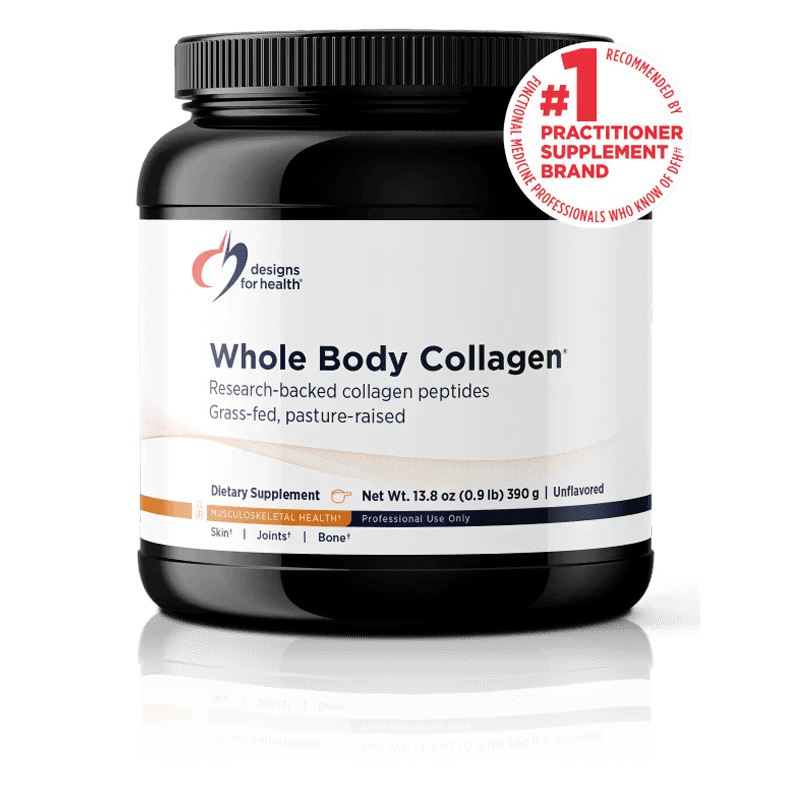
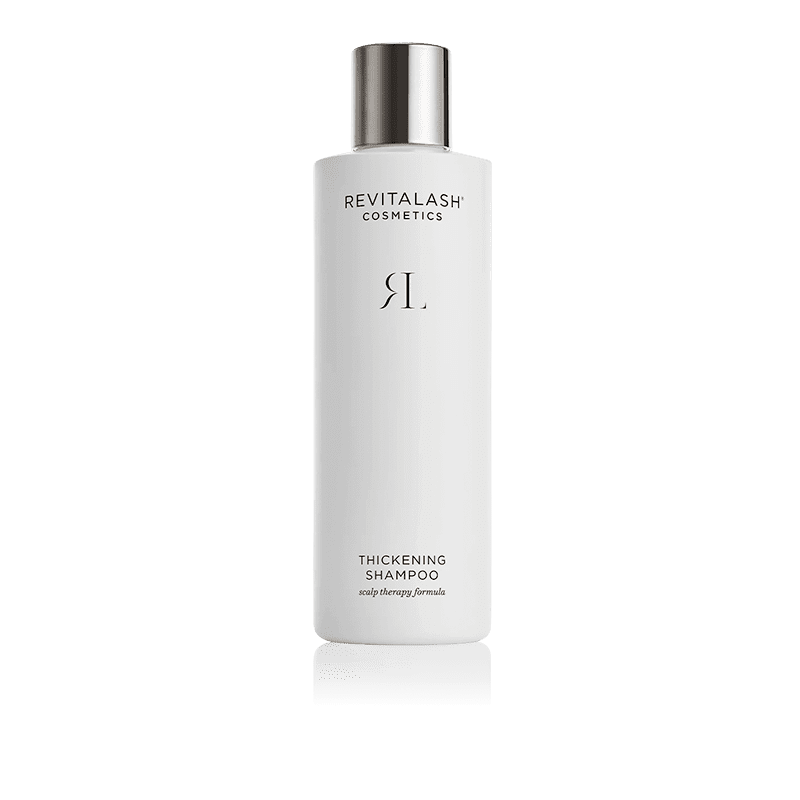
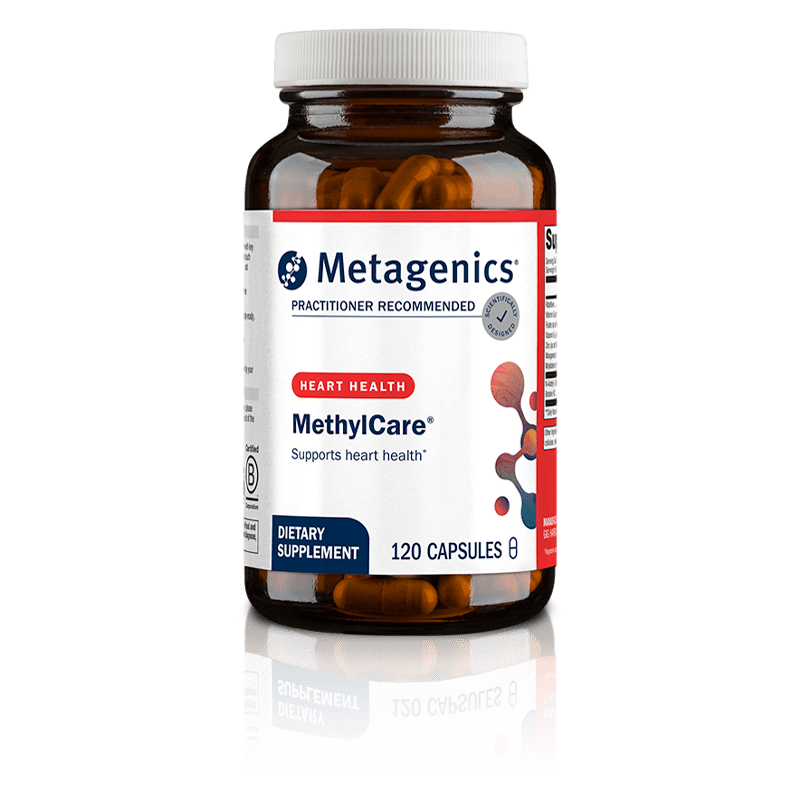
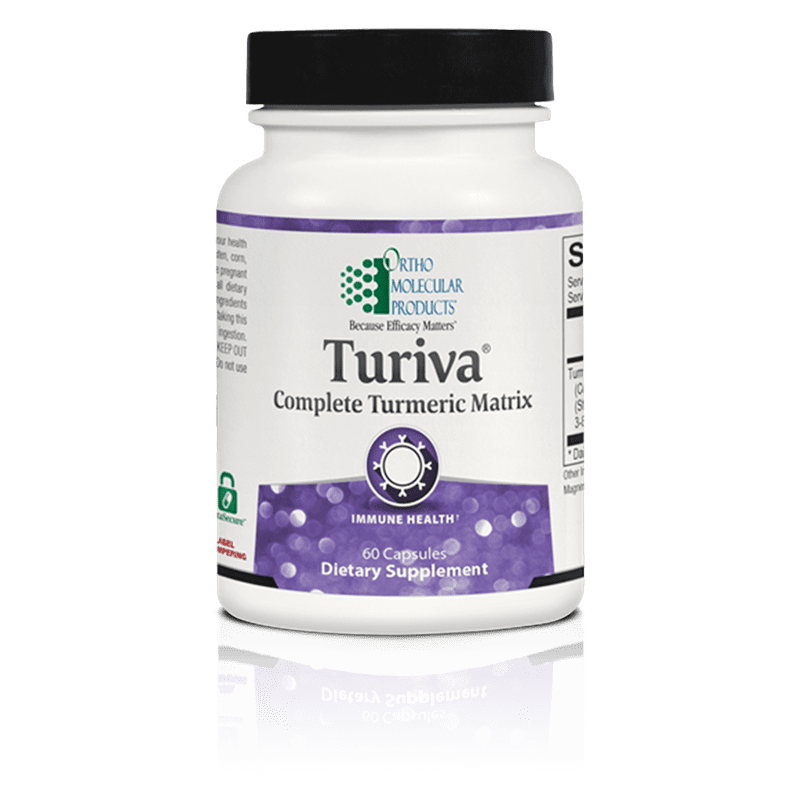
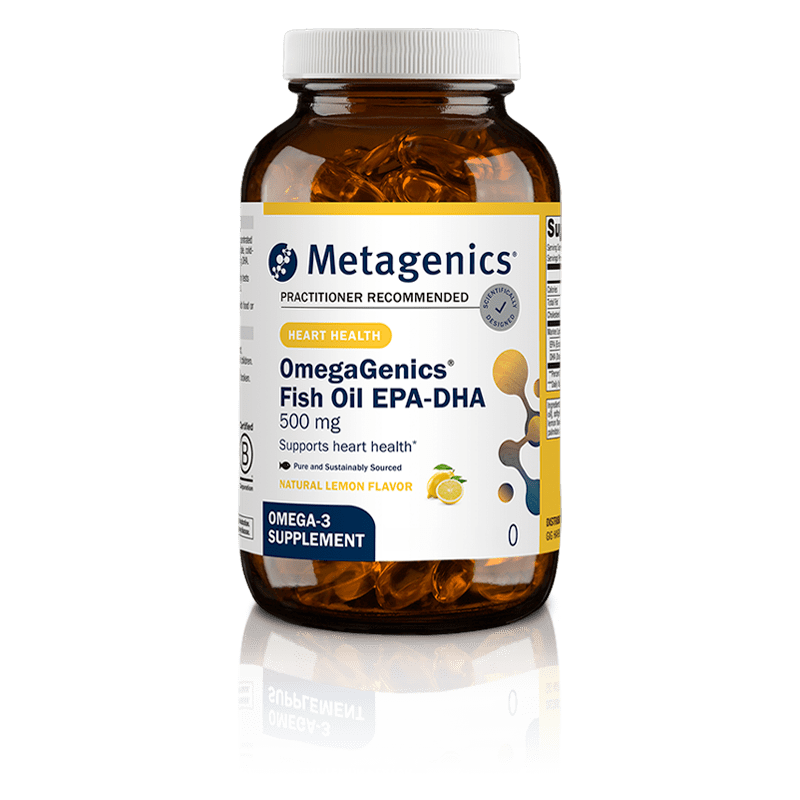
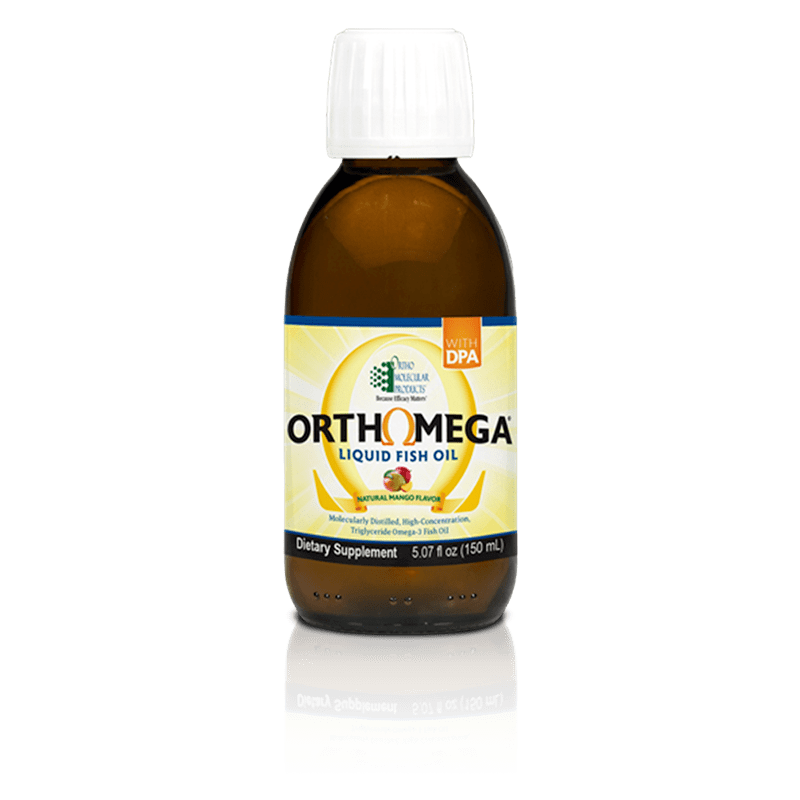
Many people navigating hair loss after weight loss find that nutritional support is a meaningful part of the recovery picture. Certain nutrients have been studied for their potential role in supporting healthy hair. Pharmacy Solutions carries pharmaceutical-grade options that may complement a provider-directed plan.
These products are available without a prescription. As with any supplement, discuss use with a qualified healthcare professional to ensure it aligns with your individual health needs, particularly following significant weight change when nutritional status may still be shifting.
If your healthcare provider writes a prescription for compounded support, or recommends a nutritional and scalp care approach, here is a general overview of what recovery can look like.

After losing a significant amount of weight, the last thing I expected was for my hair to start falling out. Having a provider and a pharmacy team who took it seriously and helped me work through what my body actually needed made a real difference.
We feature a curated selection of supplements chosen to support overall wellness and a balanced daily routine you can rely on. Metagenics PhytoMulti is a foundational multivitamin with added phytonutrients that many people use to help cover everyday nutritional gaps as part of a healthy routine.
These products are available now without a prescription, so you can begin whenever you are ready. As always, talk with your healthcare provider about what fits alongside the rest of your daily wellness routine.
Coenzyme Q10, commonly known as CoQ10, is an important nutrient involved in cellular energy production. It plays a key role…
In most cases, no. Hair loss after weight loss is usually a form of telogen effluvium, which tends to be temporary.[1][2] As the body stabilizes and nutritional needs are met, shedding typically slows and new growth resumes. Recovery can take several months, and in some cases longer, depending on the individual situation. If shedding continues beyond what is typical or feels unusually severe, a provider can help evaluate whether other factors are involved.
Shedding related to telogen effluvium typically begins about two to three months after a significant weight change or other trigger.[1] This delay can be confusing because the shedding often appears after the body has already started to stabilize. By the time hair changes become visible, many people are well past the initial weight change itself.
Hair shedding has been reported following a wide range of weight change situations, including bariatric surgery, medically supervised weight loss, changes in eating patterns, recovery from illness and other events.[1][2] The degree and rate of weight change, along with nutritional status, are generally more relevant than the specific method. A healthcare provider can help evaluate your specific situation.
Yes. Compounded medications are prepared only after a licensed provider writes a prescription for a specific patient. If your provider determines compounded topical therapy is appropriate alongside nutritional support, they can write a prescription tailored to your situation. If you do not currently have a provider, our team can help connect you with one.
Many people find that addressing nutritional gaps is an important part of recovery, particularly when bloodwork identifies specific deficiencies. Common supplements that may support hair wellness include Pro-Hair, biotin, iron, zinc, vitamin D3 and a quality multivitamin. Your provider can help determine which, if any, are appropriate for your situation based on your bloodwork and overall health. Talk with your healthcare provider before starting any new supplement.
For most people, yes. Telogen effluvium tied to weight loss is often self-limiting, particularly as the body stabilizes and nutritional gaps are addressed.[2] Supportive measures including nutrition, scalp care and in some cases compounded topical therapy can help the process along. Your provider can help weigh what makes sense for your situation.
If you do not currently have a provider who works with compounded hair formulations, a compounding pharmacy may be able to help connect you with practitioners in your area. Primary care physicians, dermatologists and providers specializing in nutritional health can also offer guidance and referrals.
[1] Malkud S. Telogen effluvium: a review. J Clin Diagn Res. 2015. https://www.ncbi.nlm.nih.gov/pmc/articles/PMC4606321/
[2] American Academy of Dermatology. Telogen effluvium. https://www.aad.org/public/diseases/hair-loss/types/telogen-effluvium
[3] American Academy of Dermatology Association. Hair loss: overview and types. https://www.aad.org/public/diseases/hair-loss/types
[4] Olsen EA, et al. Topical minoxidil in androgenetic alopecia. J Am Acad Dermatol. 2002. https://pubmed.ncbi.nlm.nih.gov/12004379/
[5] Fischer TW, et al. Caffeine stimulates hair follicle growth in vitro. Int J Dermatol. 2007. https://pubmed.ncbi.nlm.nih.gov/17254074/
[6] Paus R, Cotsarelis G. The biology of hair follicles. N Engl J Med. 1999. https://pubmed.ncbi.nlm.nih.gov/10515896/
[7] Varothai S, Bergfeld WF. Androgenetic alopecia: an evidence-based treatment update. Clin Cosmet Investig Dermatol. 2014. https://pubmed.ncbi.nlm.nih.gov/25324641/
Tell us a little about what you are looking for and we will take it from there. Whether you have a prescription ready, questions about a therapy your provider mentioned, or just need help figuring out your next step, our team is here and ready to help.
"*" indicates required fields

To submit your order, click the “PRINT/SAVE” button located under this pop-up.

You can save the PDF to your computer to fax at a later date or print it now to fax immediately.

Fax your order form to 817-860-6083 for processing.
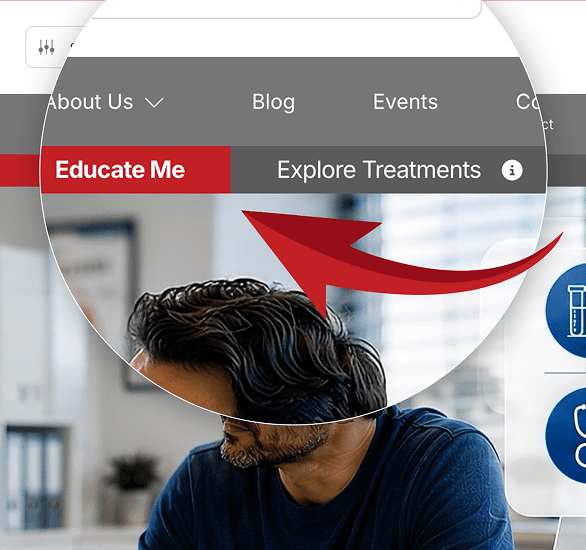
Get detailed information, research, and deeper product context. Toggle on to see more educational content.
Keep things brief and see related products faster. Toggle on to focus on products.

New to Pharmacy Solutions? Register now
Educate Me
Get detailed information, research, and deeper product context.
Toggle on to see more educational content.
Explore Treatments
Keep things brief and see related products faster.
Toggle on to focus on products.