The Pharmacy will be closed July 4th for Independence Day.


The Pharmacy will be closed July 4th for Independence Day.
15% off on all sunscreen and probiotics during July with code SUNSAFE15
Enjoy 10% off for Patient Appreciation Day with code THANKUJULY on 7/15/2026 only!
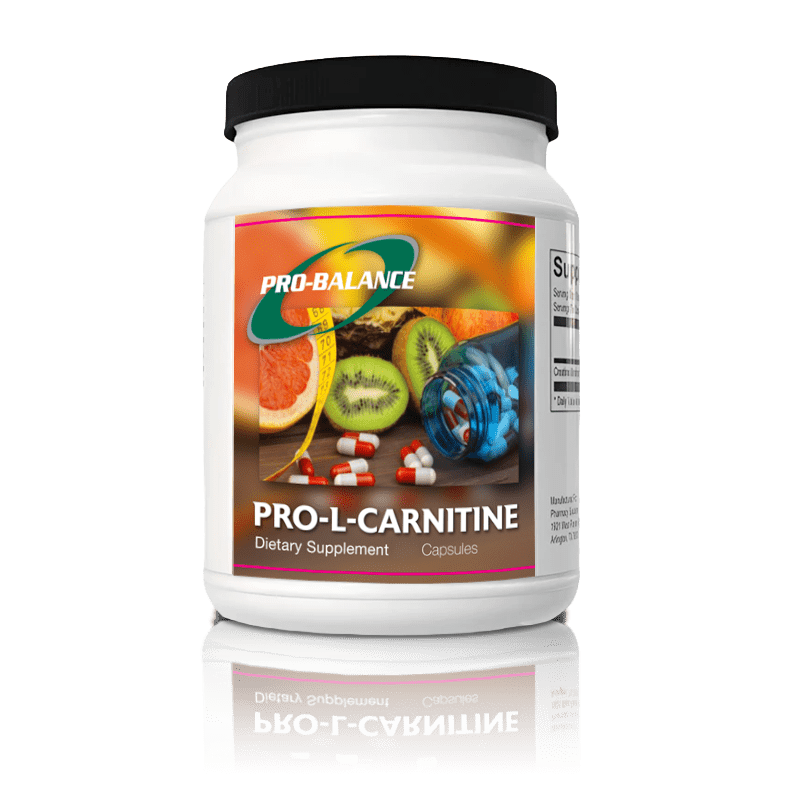
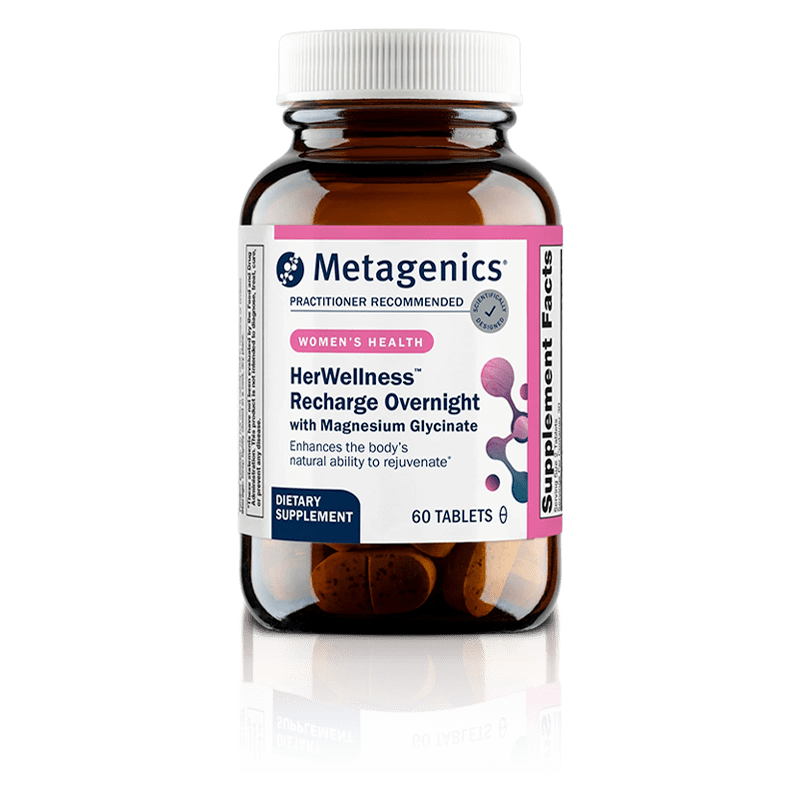
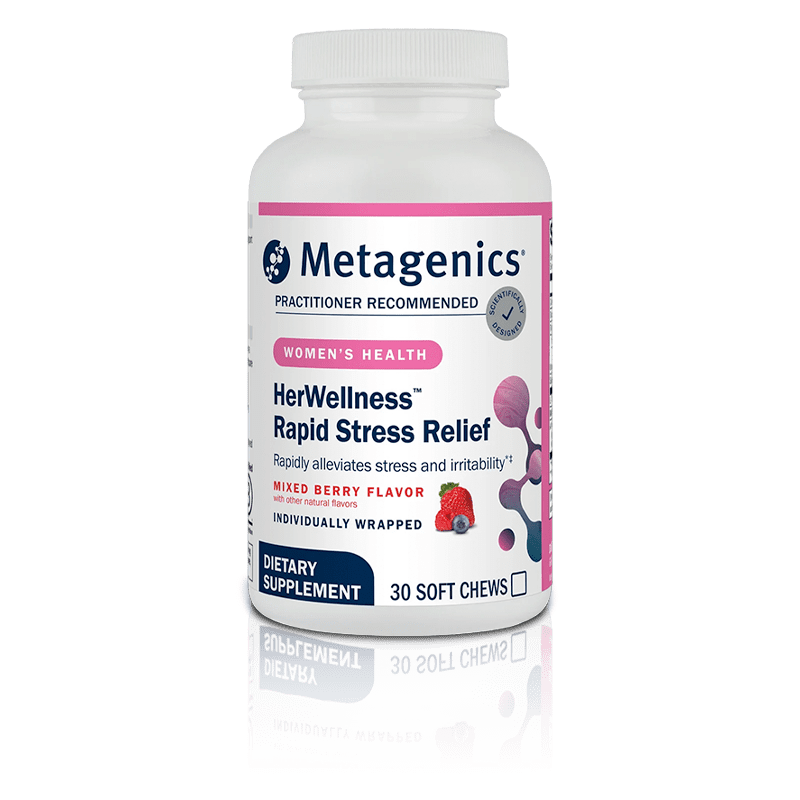
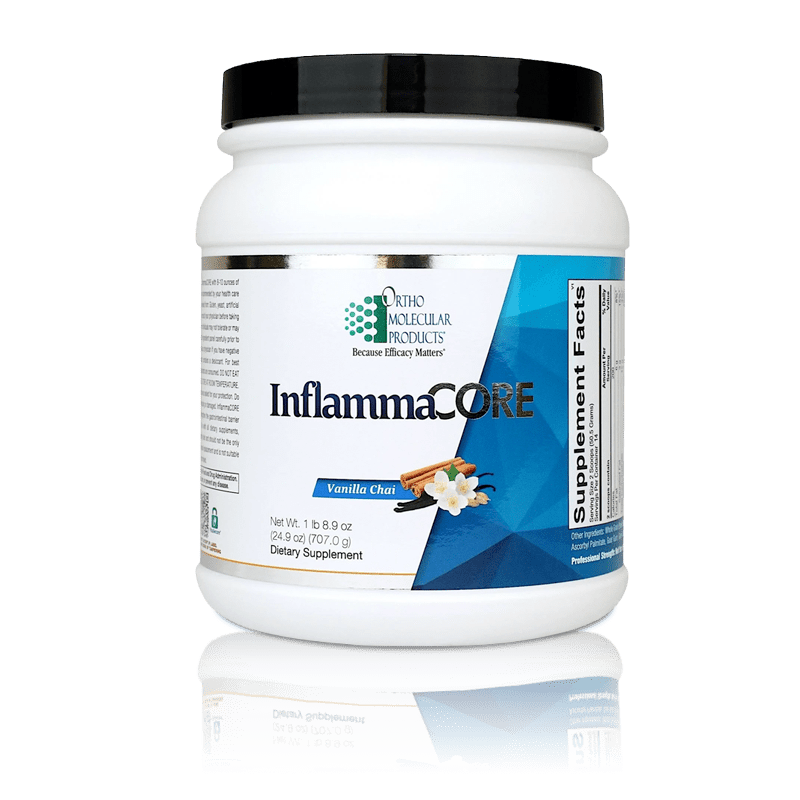
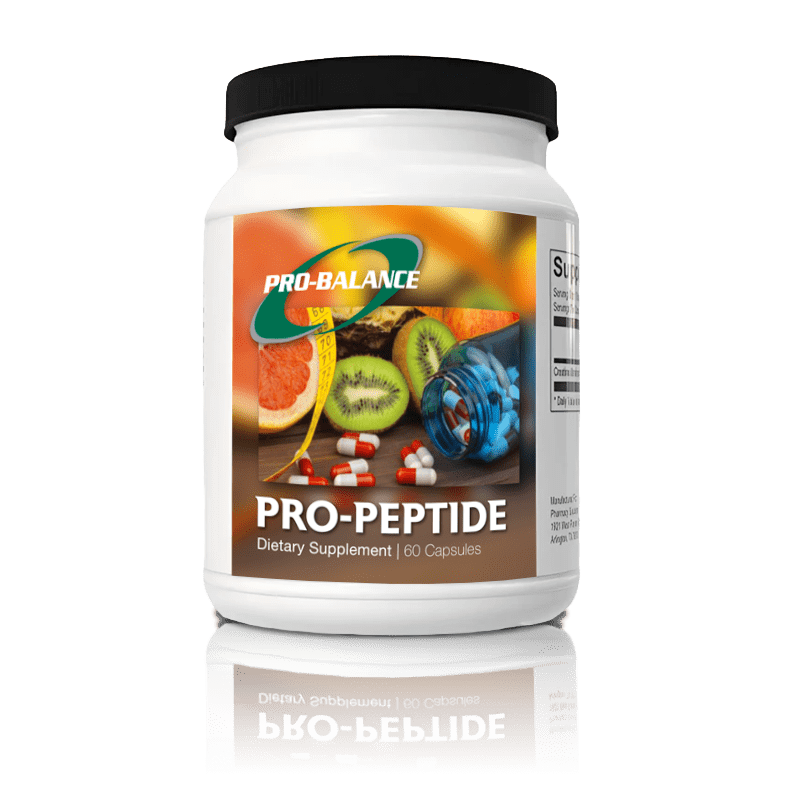
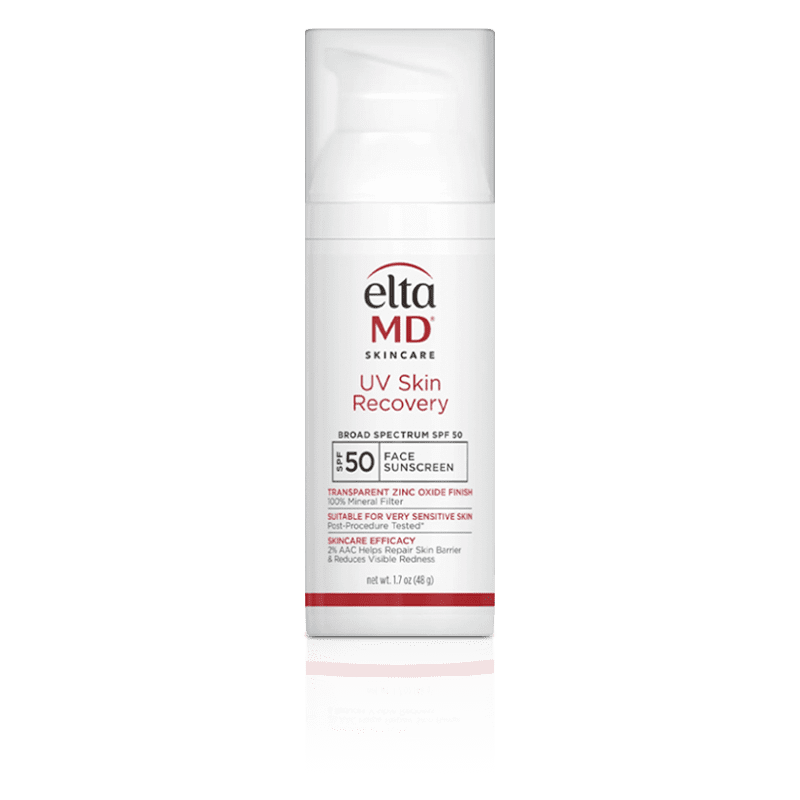
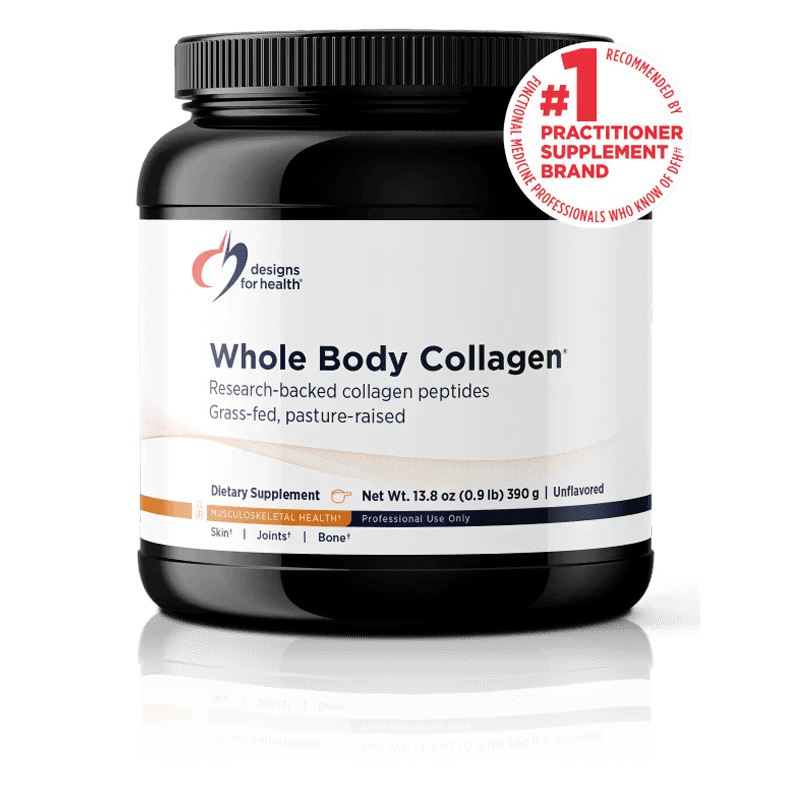
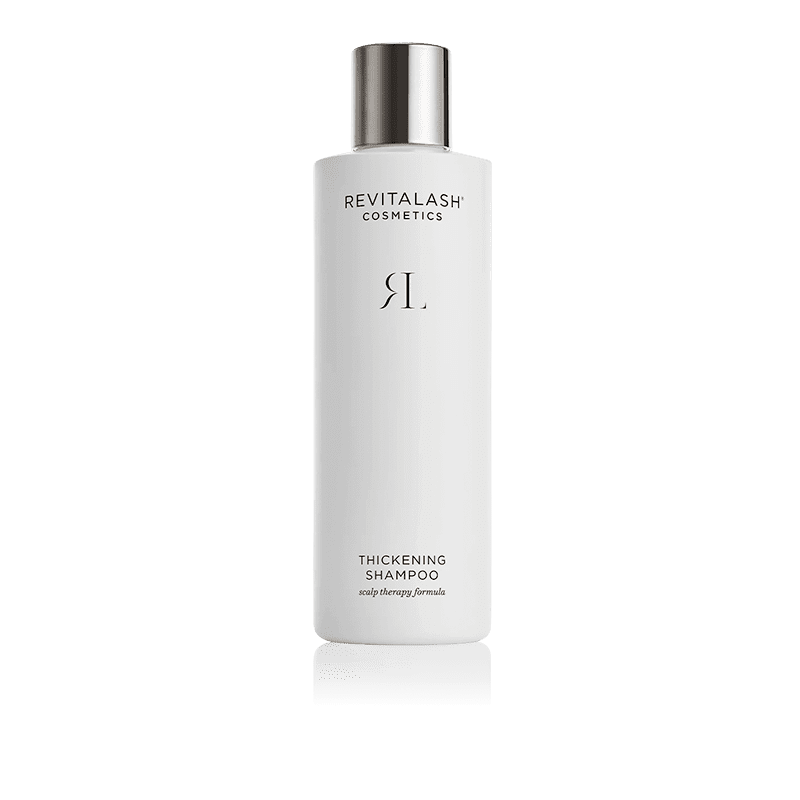
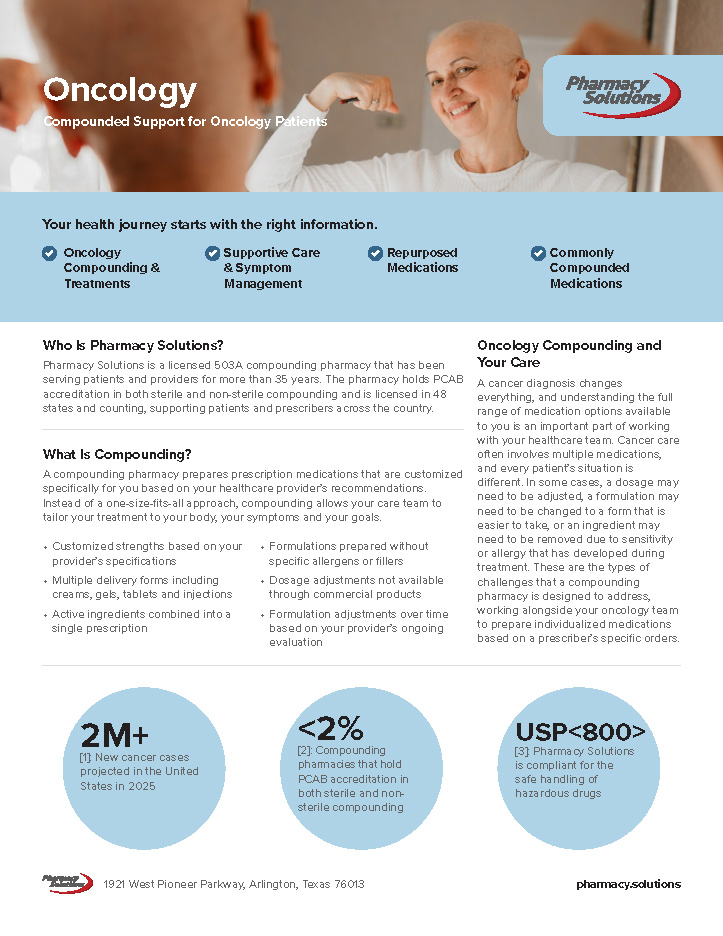
Compounding pharmacies play an important role in oncology supportive care. When commercially available medications are not suitable for a patient’s needs, a compounding pharmacy can prepare customized formulations based on a healthcare provider’s prescription. This may include medications in different strengths, alternative dosage forms or combinations of ingredients tailored to the individual patient. Pharmacy Solutions compounds a variety of supportive care medications for oncology patients when prescribed by a qualified healthcare provider. The pharmacy does not recommend or prescribe any medication. All care decisions are made by the prescribing provider based on their assessment of the patient’s individual situation.
Cancer treatments including chemotherapy, radiation therapy and targeted therapies can cause a range of side effects. The specific side effects a patient experiences depend on the type of treatment, the treatment area and individual factors. Some of the most common side effects that may benefit from compounded supportive care medications include:
Many of these side effects can be addressed with compounded medications that are customized to the patient’s specific needs and preferences.[1]
Oral mucositis is an inflammation of the mucous membranes in the mouth that commonly occurs as a side effect of chemotherapy and radiation therapy, particularly in patients receiving treatment for head and neck cancers. It can range from mild redness to painful ulcerations that interfere with eating, drinking and speaking.[2]
Compounding pharmacies can prepare a variety of formulations to support oral comfort during cancer treatment. One common example is compounded mouthwash, sometimes called “magic mouthwash,” which may contain combinations of ingredients such as local anesthetics for pain relief, anti-inflammatory agents, antifungal medications and coating agents to protect the oral mucosa. The specific formulation is determined by the prescribing provider based on the patient’s symptoms and needs. Pharmacy Solutions can prepare compounded mouthwashes and oral rinses according to the provider’s specifications, including formulations with dexamethasone, diphenhydramine, lidocaine, nystatin and other ingredients as prescribed.[3]
What Pharmacy Solutions can compound
Customized mouthwashes, oral rinses, troches and other oral preparations as prescribed by a healthcare provider.
Nausea and vomiting are among the most common and distressing side effects of chemotherapy. While many effective anti-nausea medications are commercially available, some patients may benefit from compounded formulations when standard options are not suitable.[4]
Compounding may be appropriate when a patient cannot swallow pills due to nausea or other factors, needs an alternative route of administration, requires a strength not commercially available, or has allergies or sensitivities to inactive ingredients in commercial products. Pharmacy Solutions can compound anti-nausea medications in various forms including troches, suppositories, transdermal preparations and other formulations as prescribed by a healthcare provider.
What Pharmacy Solutions can compound
Anti-nausea medications including ondansetron in alternative dosage forms and strengths as prescribed.
Pain is a common concern for oncology patients and may result from the cancer itself, from treatment side effects or from procedures. Effective pain management is an essential component of supportive care.[5]
Compounding pharmacies can prepare pain medications in formulations that may offer advantages for certain patients, including topical pain preparations applied directly to affected areas, combinations of pain-relieving ingredients in a single preparation, alternative dosage forms for patients who cannot take oral medications and customized strengths based on provider specifications. Topical pain preparations may contain combinations of local anesthetics, anti-inflammatory agents and other medications that work through different mechanisms. The specific formulation is determined by the prescribing provider.
What Pharmacy Solutions can compound
Topical pain preparations, oral formulations and other pain management medications as prescribed by a healthcare provider.
Radiation therapy can cause skin reactions in the treatment area, ranging from mild redness to more significant irritation. This is known as radiation dermatitis. Certain chemotherapy agents and targeted therapies can also cause skin-related side effects.[6]
Compounding pharmacies can prepare topical preparations to support skin comfort during and after treatment. These may include moisturizing preparations to maintain skin hydration, barrier creams to protect irritated skin, preparations containing wound-healing ingredients and customized formulations based on the specific skin reaction. The prescribing provider determines the appropriate formulation based on the type and severity of the skin reaction and the patient’s treatment regimen.
What Pharmacy Solutions can compound: Topical preparations for skin care and comfort as prescribed by a healthcare provider.
Beyond the categories described above, compounding pharmacies can prepare a wide range of supportive care medications for oncology patients. Examples include preparations for dry mouth (xerostomia), medications to support appetite, topical preparations for peripheral neuropathy, custom formulations for patients with swallowing difficulties and medications reformulated without problematic inactive ingredients. If your healthcare provider determines that a compounded medication would benefit your supportive care needs, Pharmacy Solutions can work with them to prepare the appropriate formulation.
All compounding at Pharmacy Solutions is performed under strict quality protocols. The pharmacy holds PCAB accreditation in both sterile and non-sterile compounding, placing it among fewer than 2% of compounding pharmacies nationwide with this dual accreditation.[7] Pharmacy Solutions is USP <800> compliant for the safe handling of hazardous drugs, sources all ingredients from FDA-registered facilities and tests all finished products through an independent third-party laboratory. These standards are particularly important for oncology patients, who may have compromised immune systems and require medications prepared under the highest quality conditions.
Supportive care is most effective when it is coordinated among all members of your healthcare team. If you are experiencing side effects from cancer treatment, discuss your symptoms with your oncology team. They can determine whether a compounded medication might be appropriate for your situation.
When your provider issues a prescription for a compounded medication, Pharmacy Solutions can prepare it according to their specifications. The pharmacy works directly with providers to clarify orders, answer questions about formulations and ensure that each medication is prepared accurately.
If you have questions about supportive care compounding or need assistance connecting with a provider, click Ask a Pharmacist or contact Pharmacy Solutions directly.

The team at Pharmacy Solutions took the time to explain the process and worked directly with my doctor. I appreciated having a pharmacy that understood what I was going through.
Going through treatment was hard enough without having to worry about getting my medications right. The pharmacy worked with my doctor to make sure I had exactly what I needed, when I needed it.
Going through treatment was difficult enough without having to worry about my medications. The pharmacy worked with my doctor to make sure everything was prepared exactly the way I needed it, and that gave me one less thing to worry about.
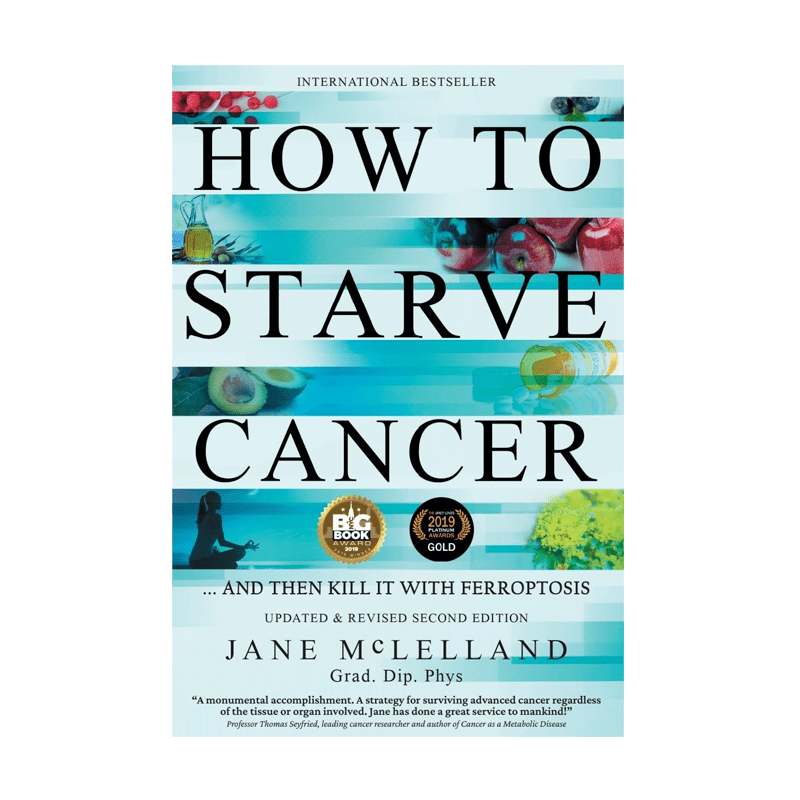
How to Starve Cancer by Jane McLelland is a nonfiction book that follows one author’s personal journey through nutrition, metabolism and everyday lifestyle. Written from lived experience rather than clinical instruction, it offers a starting point for thinking about the role food and daily habits can play in general wellness.
This title is available now in our shop and is intended as general reading and a personal narrative, not as medical advice or a treatment plan. Talk with your healthcare provider about your care, and ask a pharmacist if you have questions.
No two patients are exactly alike. Genetics, allergies, lifestyle, age, medical conditions, and personal preferences all influence how someone responds…
Pharmacy Solutions can compound a wide range of supportive care medications for oncology patients when prescribed by a healthcare provider. Common examples include compounded mouthwashes for oral mucositis, anti-nausea medications in alternative forms, topical pain preparations and skin care formulations for radiation dermatitis. The specific medication and formulation are determined by the prescribing provider.
Yes. Pharmacy Solutions compounds medications only when a licensed healthcare provider has issued a valid prescription. If you are experiencing side effects from cancer treatment, discuss your symptoms with your oncology team. They can determine whether a compounded medication is appropriate and issue a prescription if needed.
Magic mouthwash is a common name for compounded oral rinses used to manage mouth sores and oral discomfort during cancer treatment. There is no single standard formula. The specific ingredients are determined by the prescribing provider based on the patient’s symptoms and may include combinations of anesthetics, anti-inflammatory agents, antifungal medications and coating agents.
Compounded anti-nausea medications may be appropriate for patients who cannot tolerate commercially available options or who need an alternative dosage form. For example, patients who cannot swallow pills may benefit from anti-nausea medications compounded as troches or suppositories. Your healthcare provider can determine whether a compounded formulation is appropriate for your situation.
Talk to your oncology team about your symptoms. If they determine that a compounded medication would be beneficial, they can issue a prescription specifying the medication, strength and formulation. The prescription can be sent to Pharmacy Solutions, where the pharmacy team will prepare the medication according to the provider’s specifications.
Pharmacy Solutions is PCAB accredited in both sterile and non-sterile compounding, is USP <800> compliant for the handling of hazardous drugs, sources all ingredients from FDA-registered facilities and tests all finished products through an independent third-party laboratory.
Pharmacy Solutions can ship compounded medications to patients in states where the pharmacy is licensed. Contact the pharmacy directly or click Ask a Pharmacist for information about shipping to your location.
[1] Elad S, Cheng KKF, Lalla RV, et al. MASCC/ISOO clinical practice guidelines for the management of mucositis secondary to cancer therapy. Cancer. 2020;126(19):4423-4431.
[2] National Cancer Institute. Oral Complications of Cancer Therapies (PDQ)–Patient Version. https://www.cancer.gov/about-cancer/treatment/side-effects/mouth-throat/oral-complications-pdq
[3] Saunders DP, Epstein JB, Elad S, et al. Systematic review of antimicrobials, mucosal coating agents, anesthetics, and analgesics for the management of oral mucositis in cancer patients and clinical practice guidelines. Supportive Care in Cancer. 2020;28(5):2129-2139.
[4] Hesketh PJ, Kris MG, Basch E, et al. Antiemetics: ASCO Guideline Update. Journal of Clinical Oncology. 2020;38(24):2782-2797.
[5] Paice JA, Portenoy R, Lacchetti C, et al. Management of Chronic Pain in Survivors of Adult Cancers: American Society of Clinical Oncology Clinical Practice Guideline. Journal of Clinical Oncology. 2016;34(27):3325-3345.
[6] Behroozian T, Goldshtein D, Ryan Wolf J, et al. MASCC clinical practice guidelines for the prevention and management of acute radiation dermatitis: International Delphi consensus-based recommendations. The Lancet Oncology. 2023;24(10):e446-e459.
[7] Pharmacy Compounding Accreditation Board (PCAB). Accreditation Commission for Health Care (ACHC). https://www.achc.org/pcab/
Tell us a little about what you are looking for and we will take it from there. Whether you have a prescription ready, questions about a therapy your provider mentioned, or just need help figuring out your next step, our team is here and ready to help.
"*" indicates required fields

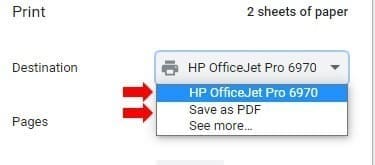
To submit your order, click the “PRINT/SAVE” button located under this pop-up.

You can save the PDF to your computer to fax at a later date or print it now to fax immediately.
Fax your order form to 817-860-6083 for processing.
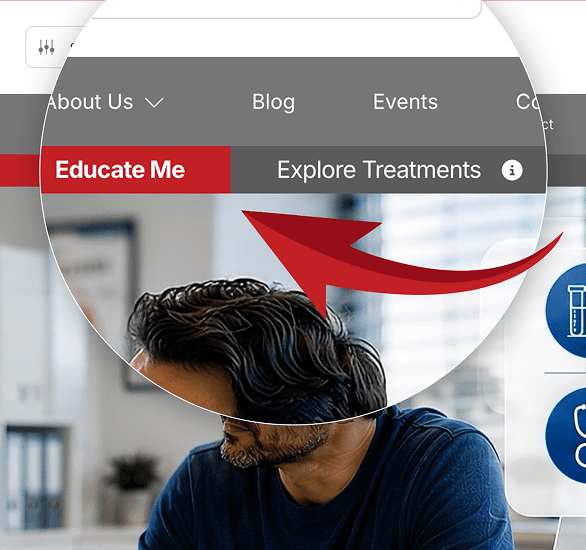
Get detailed information, research, and deeper product context. Toggle on to see more educational content.
Keep things brief and see related products faster. Toggle on to focus on products.
New to Pharmacy Solutions? Register now
Educate Me
Get detailed information, research, and deeper product context.
Toggle on to see more educational content.
Explore Treatments
Keep things brief and see related products faster.
Toggle on to focus on products.