July is UV Safety Awareness Month! Shop Sun Protection Essentials.
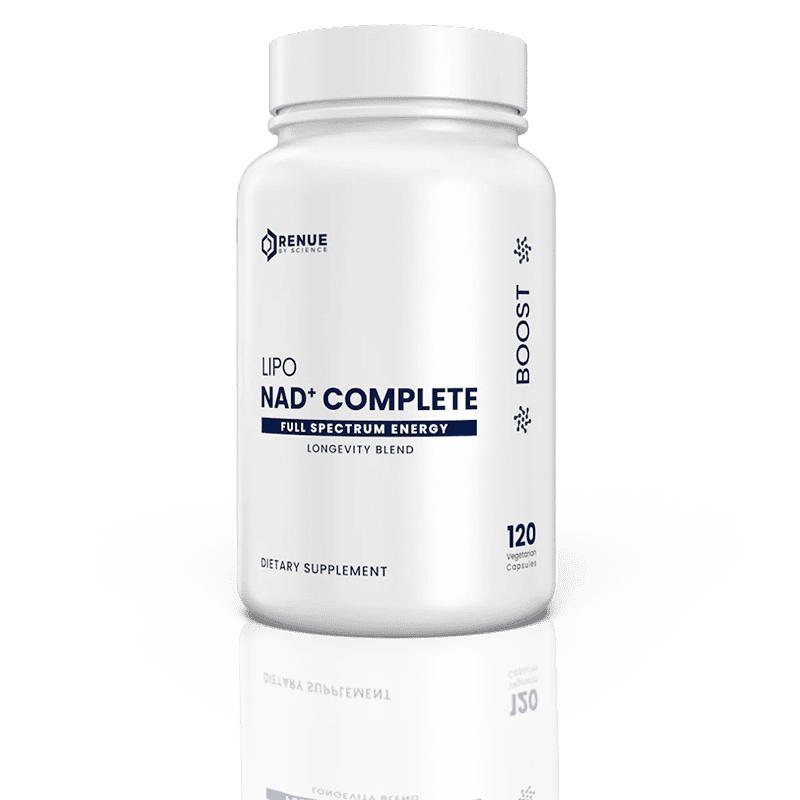
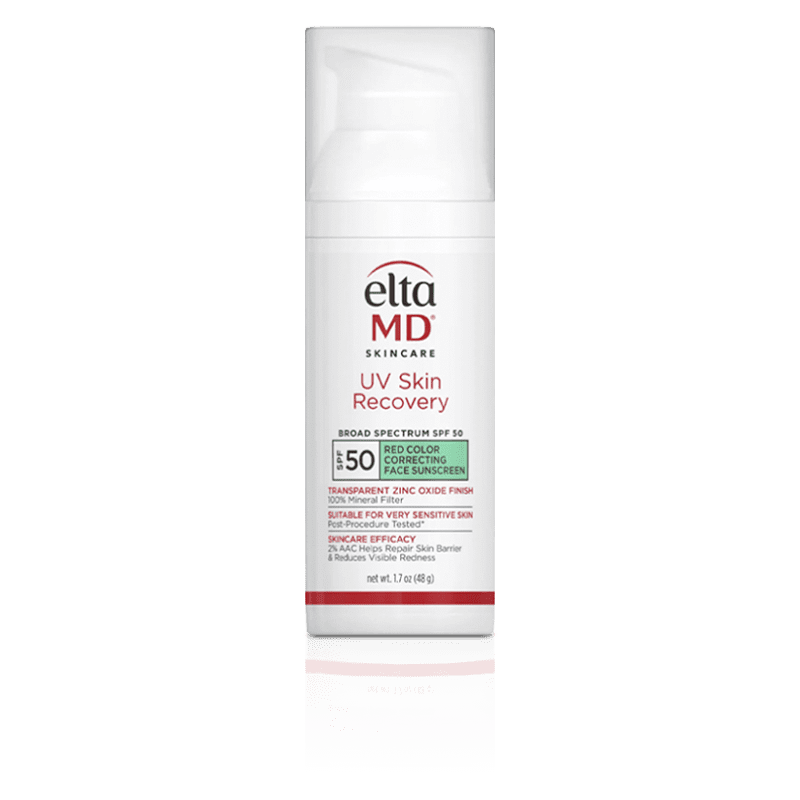


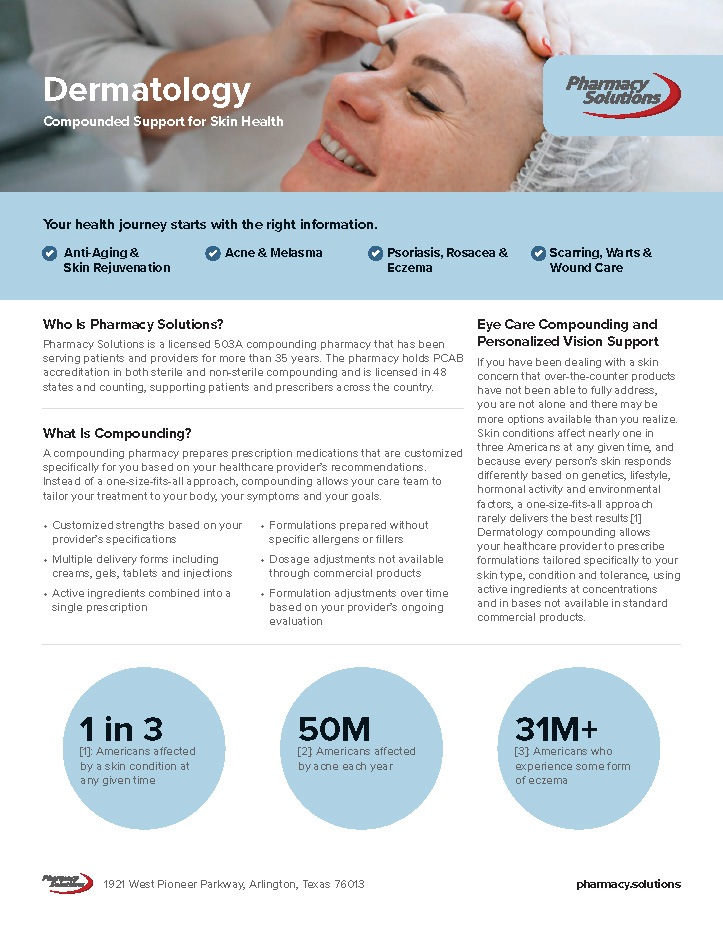
Enjoy 10% off for Patient Appreciation Day with code THANKUJULY on 7/15/2026 only!
The Pharmacy will be closed July 4th for Independence Day.
15% off on all sunscreen and probiotics during July with code SUNSAFE15

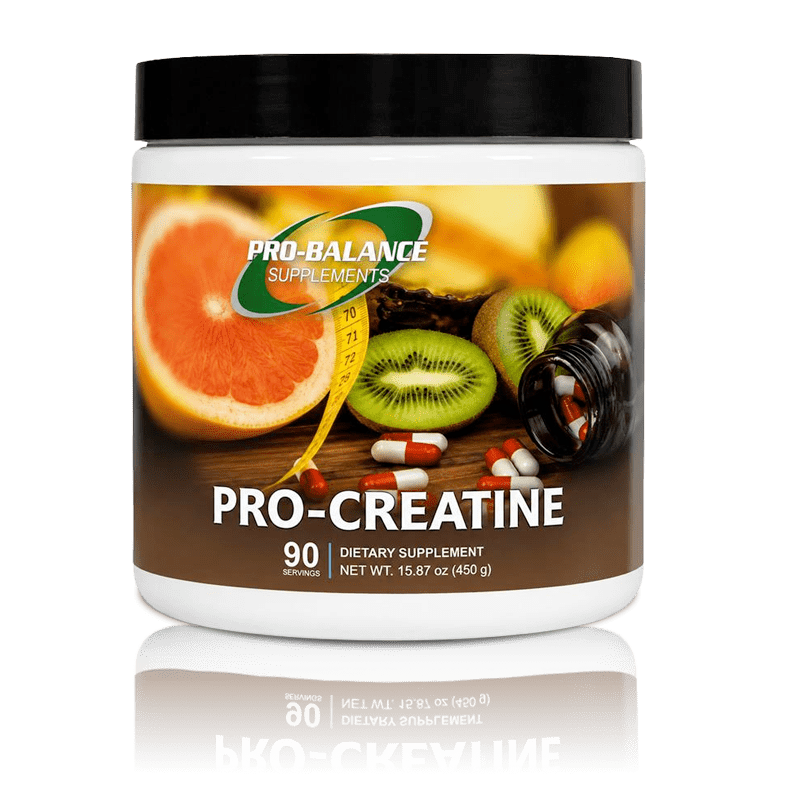

Scar management through compounding is particularly valuable because scar tissue varies significantly from person to person. The type of scar, its location on the body, its age and maturity, the underlying cause and the individual’s skin type and healing response all influence which active ingredients and delivery systems are most appropriate. A licensed compounding pharmacy can prepare formulations tailored to these specifics based on a healthcare provider’s prescription, using ingredients and bases not available in standard commercial products.
Not all scars are the same, and the type of scar significantly influences which approach a healthcare provider may recommend.
Normal scars form as part of the body’s standard wound healing process following injury, surgery or a resolved skin condition. They are typically flat, may be lighter or darker than surrounding skin initially and often fade and flatten over time without intervention.
Hypertrophic scars are raised and thickened, forming as a result of excessive collagen deposition during healing, but they remain within the boundaries of the original wound. They may be red or pink, can be itchy or tender during their active phase and tend to improve gradually over time, though the timeline varies.
Keloids are a more pronounced form of abnormal scarring in which fibroblast activity continues beyond wound closure, causing the scar to grow outside the boundaries of the original wound and potentially continue expanding over time. Keloids can be itchy, painful or tender and are significantly more common in individuals with darker skin tones, with a strong genetic component. They most frequently occur on the chest, shoulders, upper arms, earlobes and back.
Contracture scars form when large areas of skin are lost, such as from burns, and the resulting scar tissue is tight and may restrict movement. Atrophic scars, including the depressed scars commonly associated with acne and chickenpox, result from insufficient collagen production during healing and sit below the level of surrounding skin.
Post-inflammatory hyperpigmentation, while technically a pigmentation change rather than a structural scar, is often discussed alongside scarring because it frequently follows inflammatory acne and can be addressed through some of the same topical approaches used for hyperpigmentation management.
Commercial scar management products are available but are limited in several ways. Many contain silicone at concentrations that may be insufficient for significant hypertrophic or keloid scarring. Others lack the prescription-strength active ingredients needed to address the inflammatory or proliferative components of certain scar types. Compounding addresses these limitations by allowing providers to prescribe formulations with specific actives at clinically meaningful concentrations in bases designed to maximize delivery to the scar tissue.
One of the key advantages of compounding for scar management is access to PracaSil-Plus, a PCCA-developed compounding base specifically designed for scar therapy. PracaSil-Plus incorporates silicone, which has been studied extensively for its role in scar management through mechanisms including hydration, occlusion and modulation of growth factor activity, along with pracaxi oil, a plant-derived emollient. This base can serve as a standalone preparation or as a vehicle for prescription-strength active ingredients such as corticosteroids at provider-specified concentrations.
The following active ingredients are commonly found in compounded scar management formulations. The specific combination, concentration and base are always determined by the prescribing healthcare provider based on the scar type, location, maturity and individual patient history.
Silicone in various forms, including in the PracaSil-Plus base, has been studied for its role in scar management across a broad range of scar types including hypertrophic scars and keloids. It is one of the most evidence-supported topical approaches for scar management and is frequently prescribed as a component of compounded preparations.[1]
Corticosteroids at provider-specified concentrations are used in compounded scar formulations to reduce the inflammatory activity and fibroblast proliferation associated with hypertrophic and keloid scarring. Compounding allows providers to prescribe corticosteroids in silicone-based or other specialized delivery vehicles that support penetration into dense scar tissue.
Retinol and retinoids have been studied for their roles in supporting skin cell turnover and collagen remodeling in scar tissue. Compounding allows these ingredients to be incorporated into scar-specific bases at concentrations and in formulations suited to the scar’s location and the patient’s skin sensitivity.
Onion extract, commonly associated with commercially available scar gels, has been studied for its potential anti-inflammatory properties in scar management. In compounded formulations, it can be incorporated alongside other actives at concentrations and in bases not available in standard commercial products.
Vitamin E has a long history of use in skin healing and scar management. While evidence on its efficacy varies, it is frequently included in compounded scar preparations for its moisturizing and antioxidant properties and is well tolerated by most skin types.
Glycolic acid and other alpha-hydroxy acids support cell turnover and may help address surface texture and pigmentation changes associated with certain scar types, particularly atrophic or post-inflammatory scars. They are often incorporated into compounded preparations alongside other actives.
Pharmacy Solutions can prepare a wide range of compounded scar management formulations combining these and other active ingredients at provider-specified concentrations. Your healthcare provider works with the pharmacy team to develop a formulation suited to your specific scar type, location and goals. If you have questions about specific formulation options, reach the team through the Ask a Pharmacist feature.
If your healthcare provider prescribes a compounded scar management formulation, knowing what the process involves can help set realistic expectations.
Pharmacy Solutions works with dermatologists, plastic surgeons, wound care specialists and other healthcare providers to prepare customized scar management formulations that align with each prescriber’s recommendations. The compounding team understands the importance of base selection for scar-specific delivery, including the properties of PracaSil-Plus and other silicone-containing vehicles. Every preparation is made per patient using pharmaceutical-grade ingredients.
Pharmacy Solutions maintains PCAB accreditation in both sterile and non-sterile compounding, a distinction held by fewer than 2% of compounding pharmacies in the United States, and has all formulations tested through third-party laboratories.[2] Whether you are exploring compounded scar care for the first time or refining an existing approach, the pharmacy team is available to support the process in partnership with your provider.
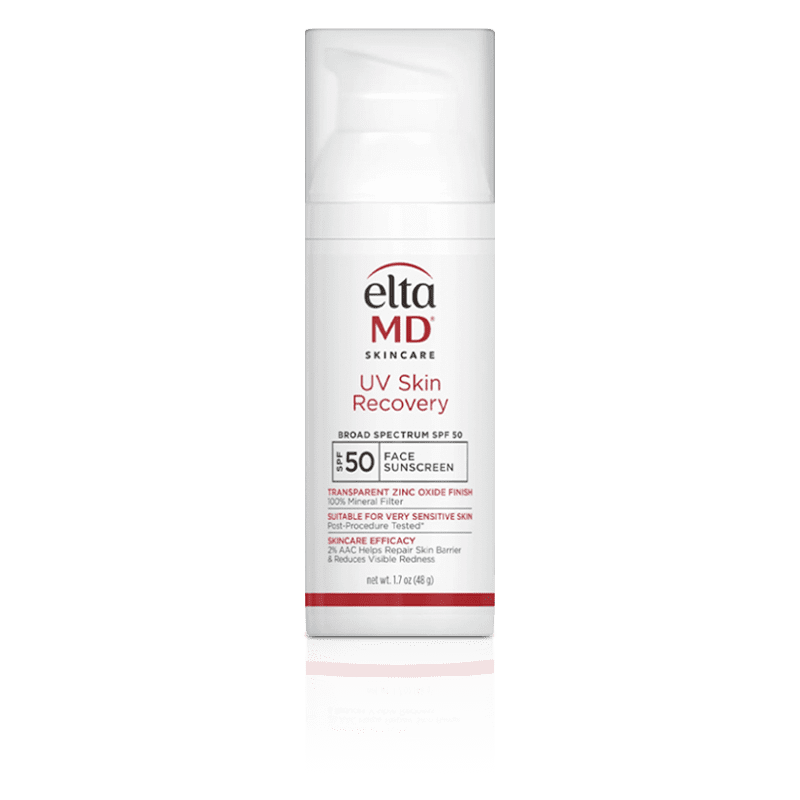
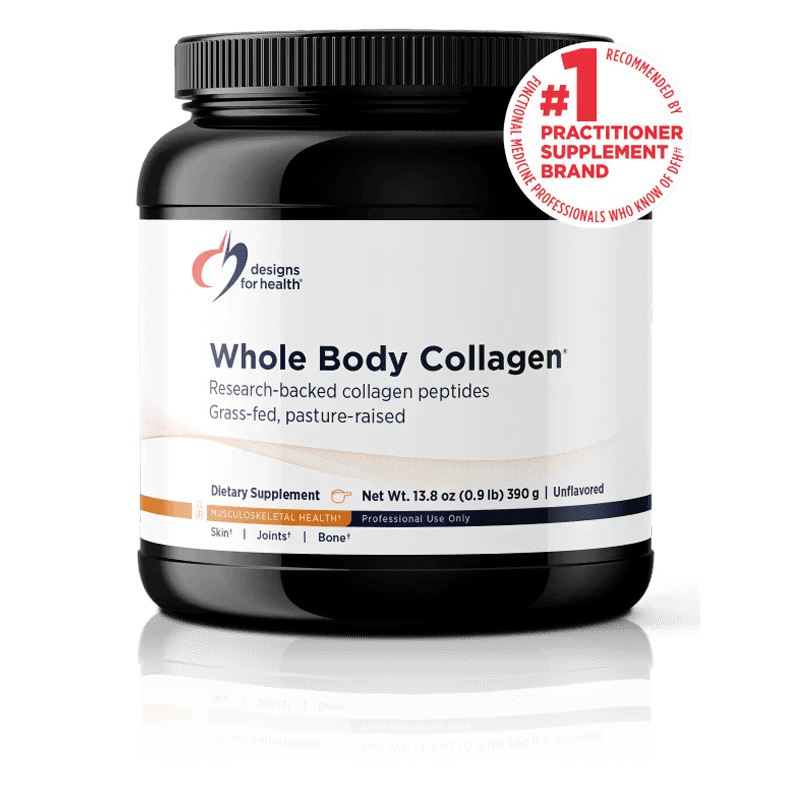
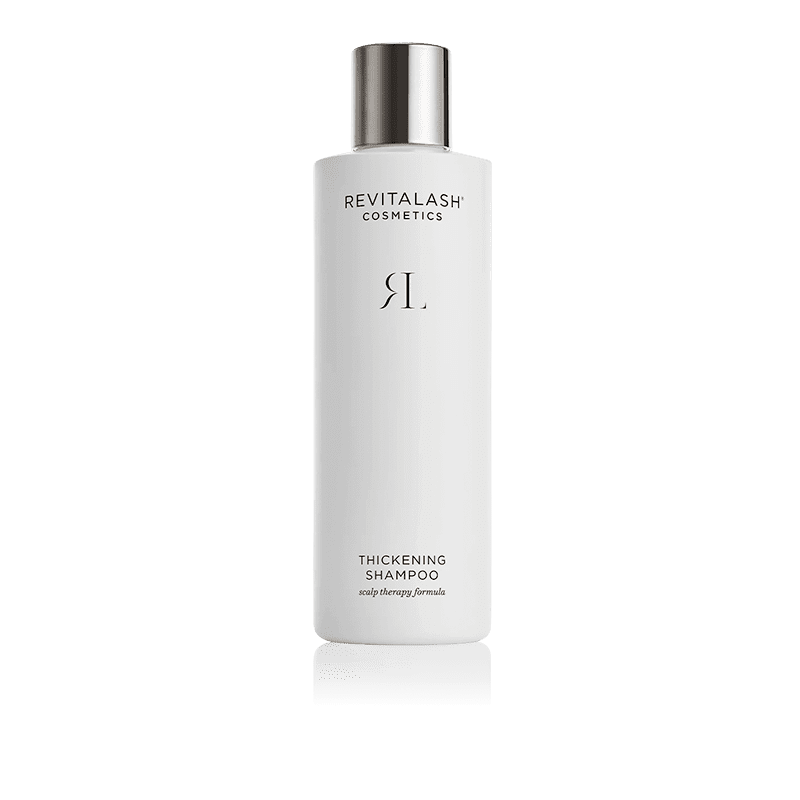
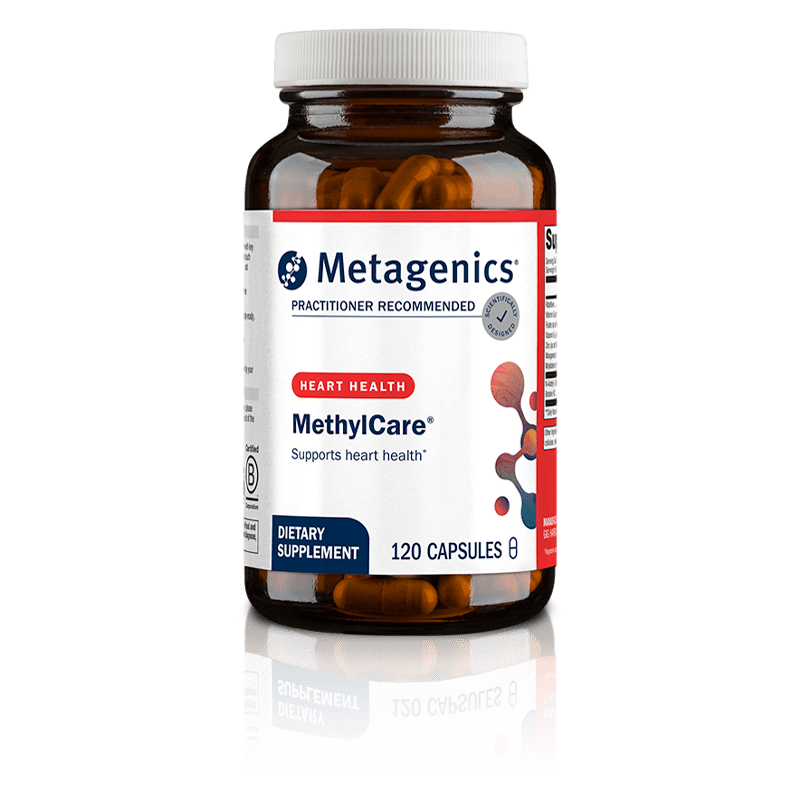
For patients looking to complement a compounded regimen or start without a prescription, Pharmacy Solutions carries a selection of pharmaceutical-grade skin care products available through the shop. As always, discuss any new products with your healthcare provider before adding them to your scar management routine to ensure they are compatible with your current care plan and scar type.

I had been dealing with dark patches on my face for years and felt like I had tried everything. Once my dermatologist prescribed a customized compounded formula, I finally had something that actually addressed my skin specifically. The pharmacy team was easy to reach and worked closely with my provider the whole way through.
I had been managing flares for years and never felt like I had a formulation that actually worked with my skin rather than against it. My dermatologist worked with Pharmacy Solutions to create something customized, and it has been the most consistent relief I have found. Having a team that actually communicates with your provider makes a real difference.
My daughter and I both have eczema, and finding formulations that work for two very different skin types felt impossible with standard products. Our dermatologist prescribed custom compounds through Pharmacy Solutions for each of us, and being able to avoid the specific ingredients that trigger our flares has made a real difference in how we manage day to day.
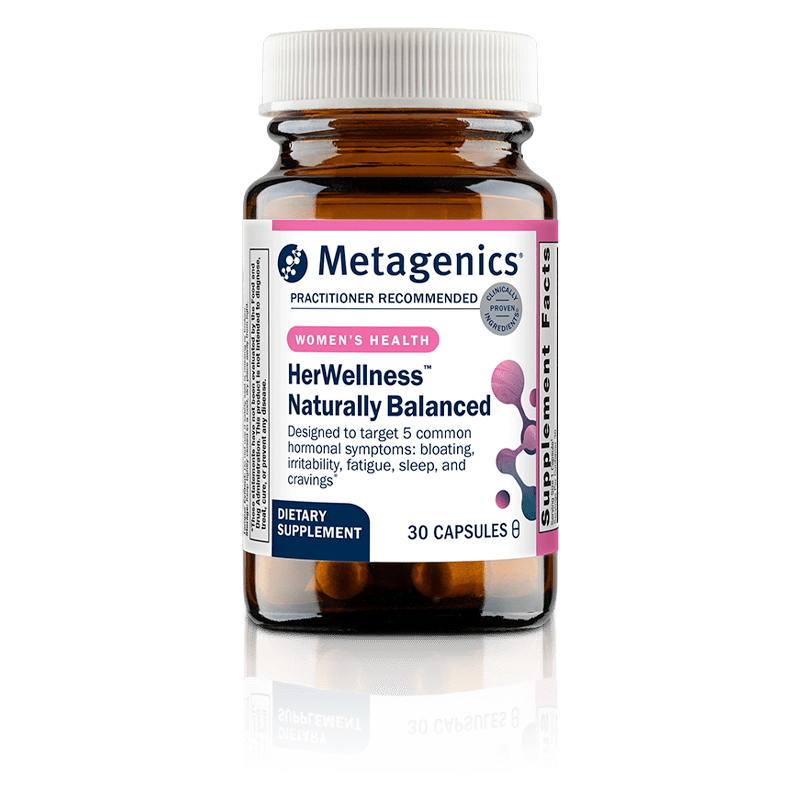
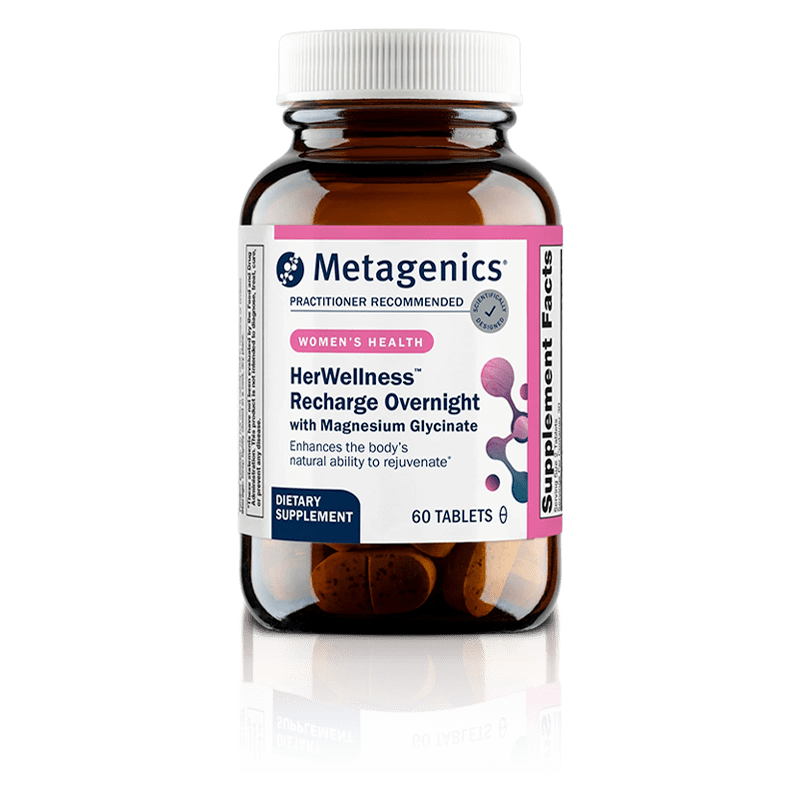
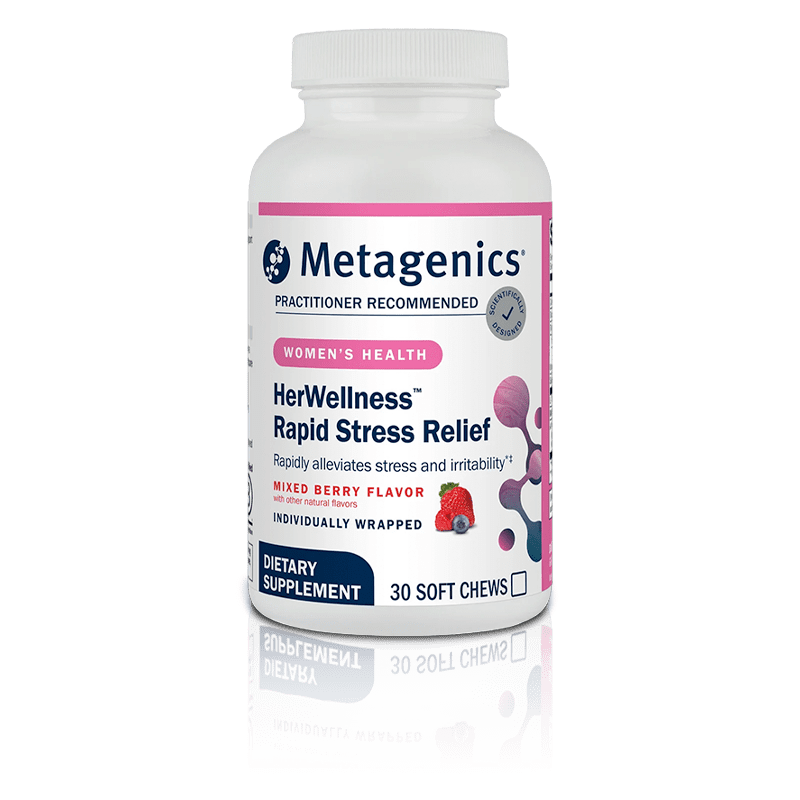
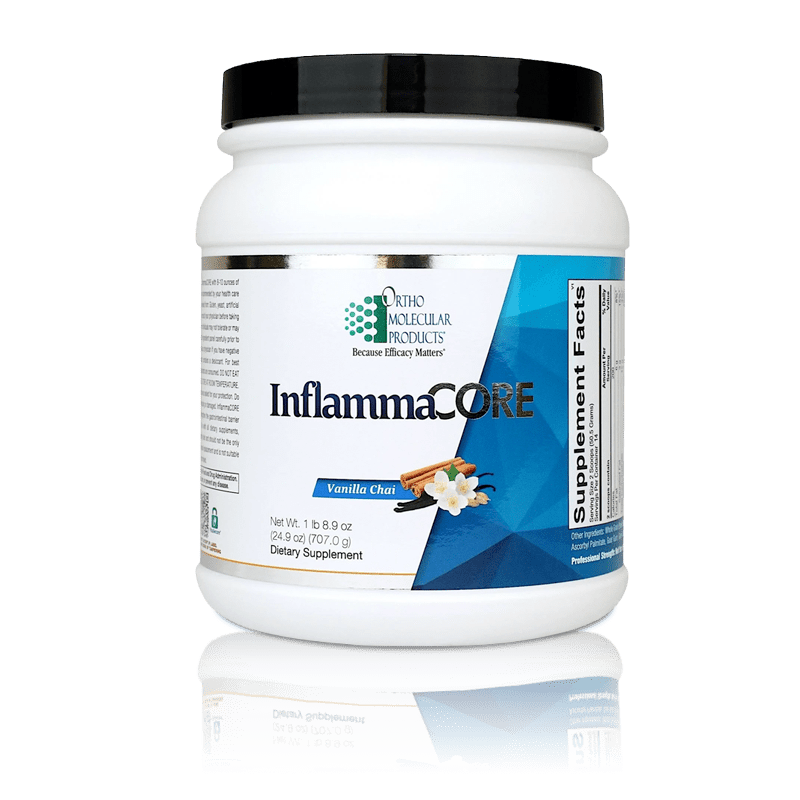
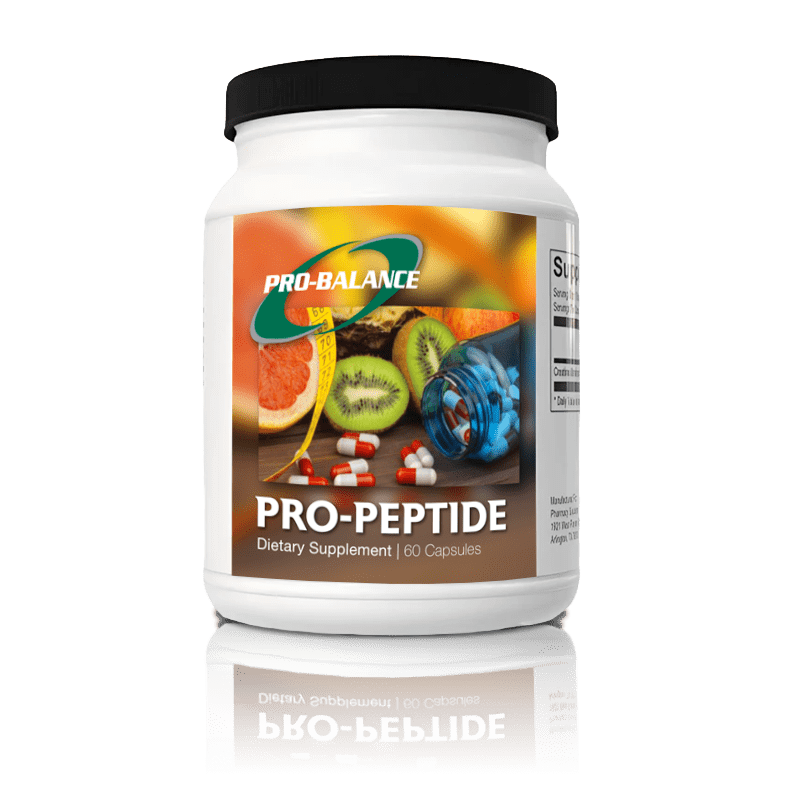
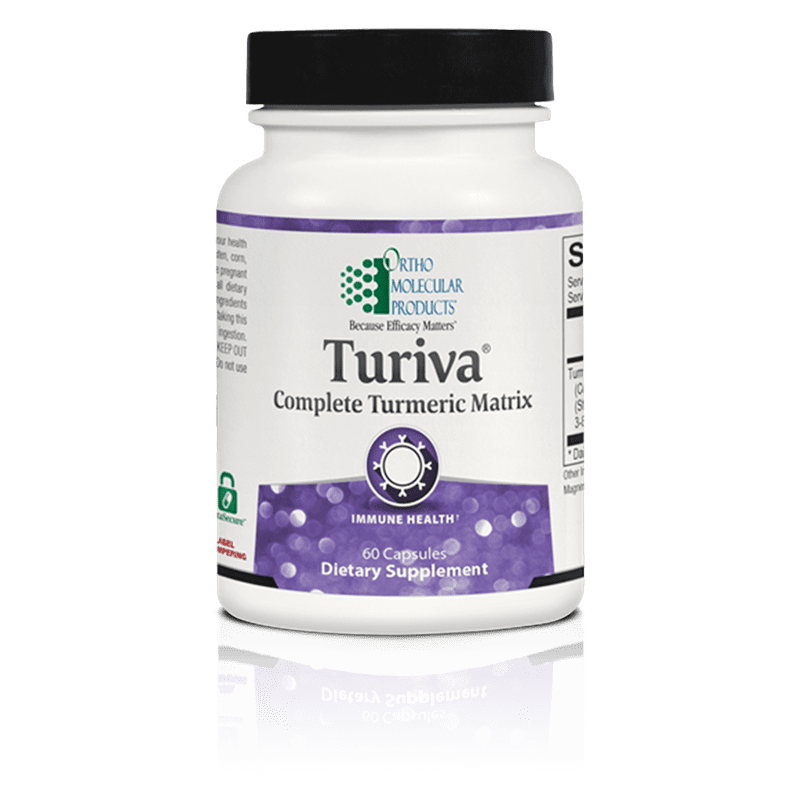
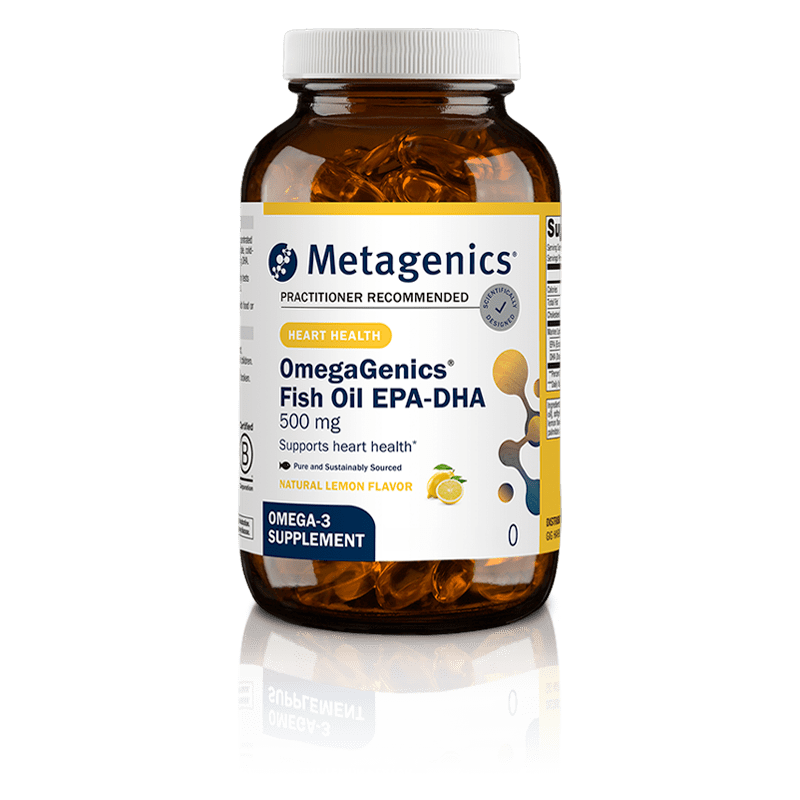
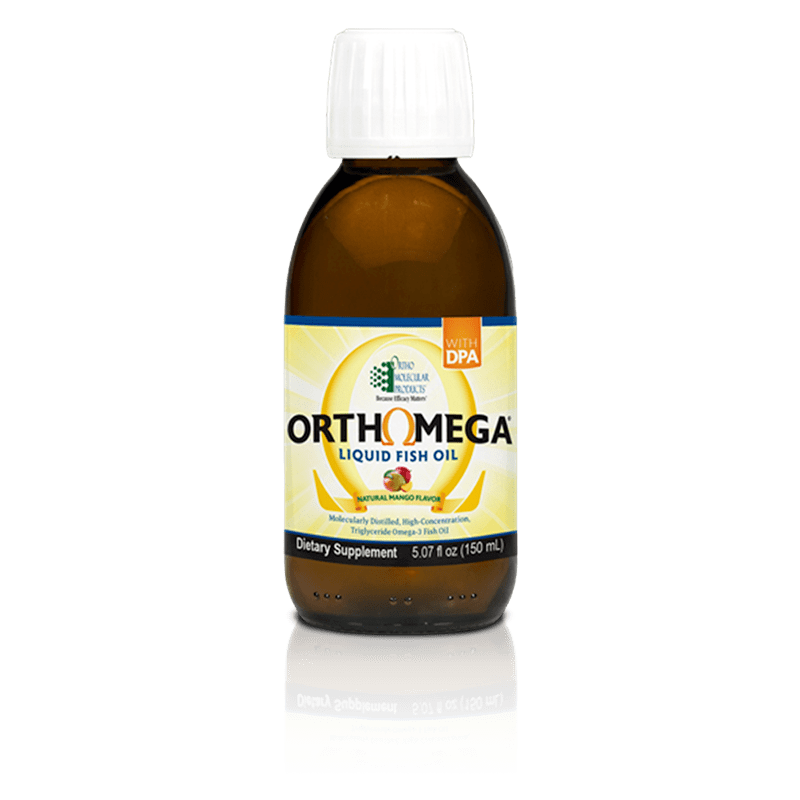
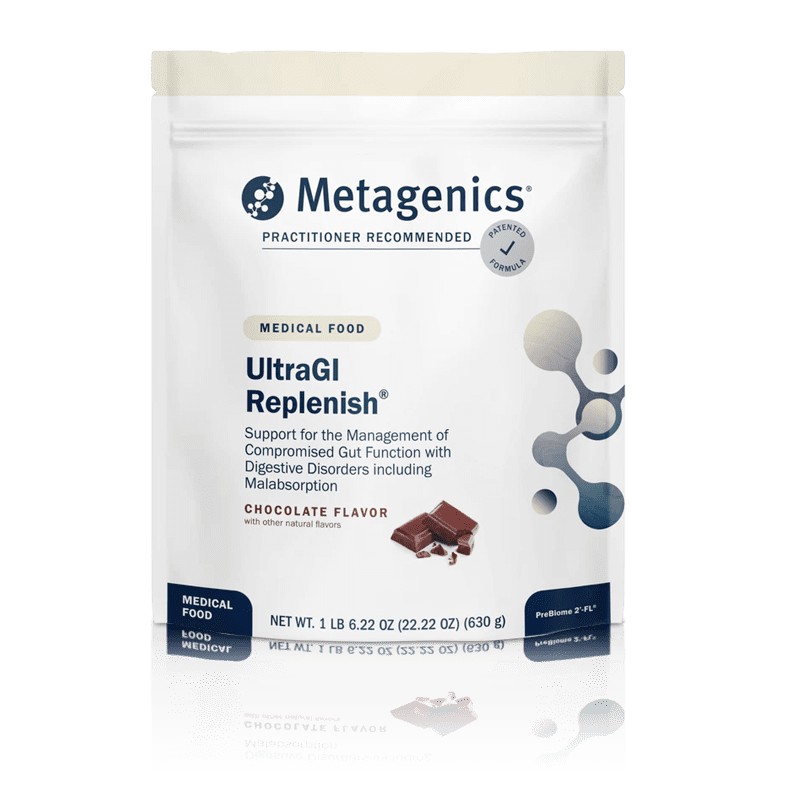
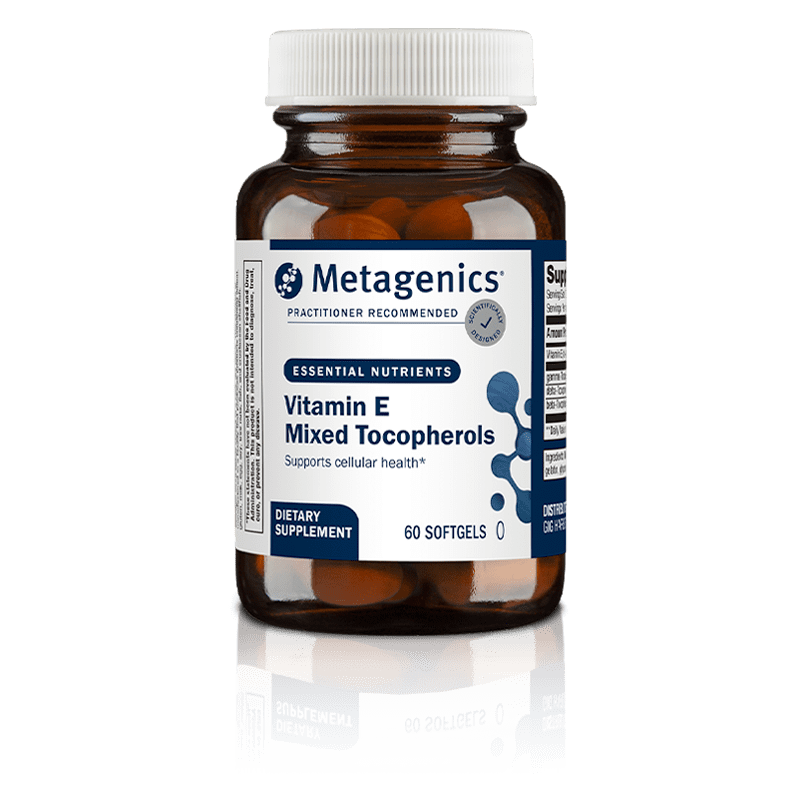
We feature a curated selection of supplements and skincare chosen to support skin health and overall wellness as part of a steady daily routine. Metagenics Vitamin E with mixed tocopherols offers antioxidant support that many people include in their daily skin and overall wellness routine.
These products are available now without a prescription, so you can start whenever you are ready. As always, talk with your healthcare provider about what works alongside your current skin care routine.
No two patients are exactly alike. Genetics, allergies, lifestyle, age, medical conditions, and personal preferences all influence how someone responds…
A standard scar is the result of normal wound healing following injury, surgery or a skin condition. A hypertrophic scar is raised and thickened but remains within the boundaries of the original wound. A keloid is a type of abnormal scar that grows beyond the original wound boundary and can continue to expand over time. Keloids can be itchy, tender or uncomfortable and tend to be more common in individuals with darker skin tones. All three may be addressed through topical compounded preparations, though the approach differs based on scar type.
Abnormal scarring results from dysregulation in the wound healing process, where fibroblasts produce excess collagen that accumulates faster than it can be remodeled. Contributing factors include genetic predisposition, skin tone, wound location, wound tension during healing, infection during recovery and the nature of the original wound or surgery. Keloids in particular have a strong genetic component and are significantly more common in individuals with African, Hispanic, Asian or other darker-pigmented skin backgrounds.
Yes. Compounded scar management formulations that contain prescription-strength active ingredients require a valid prescription from a licensed healthcare provider. Your dermatologist or other provider can evaluate your scar type and history and determine whether a compounded formulation is appropriate for your situation.
PracaSil-Plus is a PCCA-developed compounding base specifically designed for scar therapy. It contains silicone, which has been extensively studied for its role in scar management, along with pracaxi oil, a plant-derived emollient with moisturizing properties. The base is designed to support skin hydration, protect the scar surface and create conditions that may support the remodeling process. It can be used as a base for active ingredients such as corticosteroids or other agents at provider-specified concentrations.
Scar management is a gradual process and results vary significantly based on scar type, maturity, location and individual response. Most providers recommend consistent use over a minimum of several months before evaluating results. Newer scars in the active remodeling phase tend to respond more readily than older, fully mature scars. Your healthcare provider can give you a realistic timeline based on your specific situation.
Certain types of post-acne scarring, particularly post-inflammatory hyperpigmentation and raised scars that form following inflammatory acne lesions, may benefit from topical compounded preparations. The appropriate approach depends on the scar type. Raised scars may benefit from silicone-based preparations or corticosteroid formulations, while post-inflammatory hyperpigmentation may be addressed with the same brightening agents used for melasma and hyperpigmentation. Your healthcare provider determines which approach is appropriate.
Yes. Pharmacy Solutions carries pharmaceutical-grade skin care products available without a prescription through the Pharmacy Solutions shop. As always, discuss any new products with your healthcare provider to confirm they are appropriate for your specific scar type and skin.
[1] Gold MH, et al. Updated international clinical recommendations on scar management: part 1 — evaluating the evidence. Dermatol Surg. 2014;40(8):817-824. https://pubmed.ncbi.nlm.nih.gov/24973975/
[2] Pharmacy Compounding Accreditation Board (PCAB). Accreditation Commission for Health Care. https://www.achc.org/pcab/
[3] Berman B, Maderal A, Raphael B. Keloids and hypertrophic scars: pathophysiology, classification, and treatment. Dermatol Surg. 2017;43(Suppl 1):S3-S18. https://pubmed.ncbi.nlm.nih.gov/28079706/
Tell us a little about what you are looking for and we will take it from there. Whether you have a prescription ready, questions about a therapy your provider mentioned, or just need help figuring out your next step, our team is here and ready to help.
"*" indicates required fields

To submit your order, click the “PRINT/SAVE” button located under this pop-up.

You can save the PDF to your computer to fax at a later date or print it now to fax immediately.

Fax your order form to 817-860-6083 for processing.

Get detailed information, research, and deeper product context. Toggle on to see more educational content.
Keep things brief and see related products faster. Toggle on to focus on products.

New to Pharmacy Solutions? Register now
Educate Me
Get detailed information, research, and deeper product context.
Toggle on to see more educational content.
Explore Treatments
Keep things brief and see related products faster.
Toggle on to focus on products.