Enjoy 10% off for Patient Appreciation Day with code THANKUJULY on 7/15/2026 only!
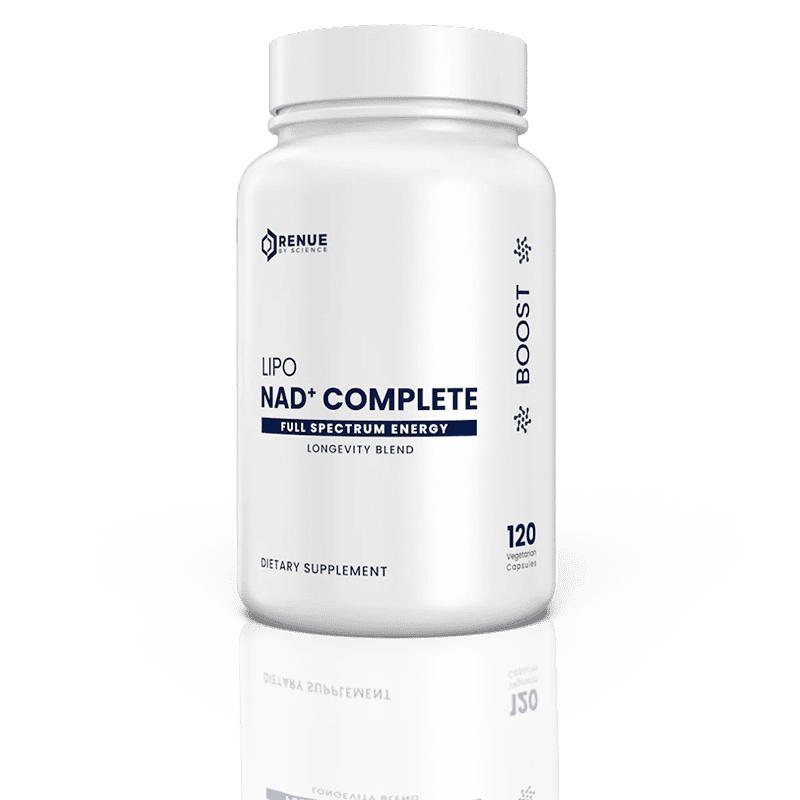
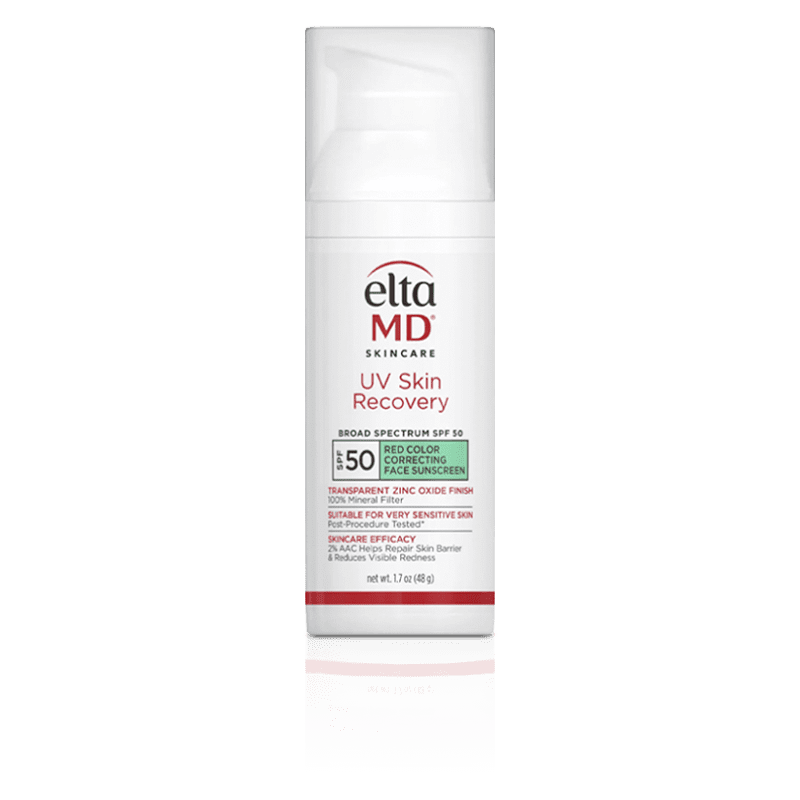



Enjoy 10% off for Patient Appreciation Day with code THANKUJULY on 7/15/2026 only!
15% off on all sunscreen and probiotics during July with code SUNSAFE15
The Pharmacy will be closed July 4th for Independence Day.








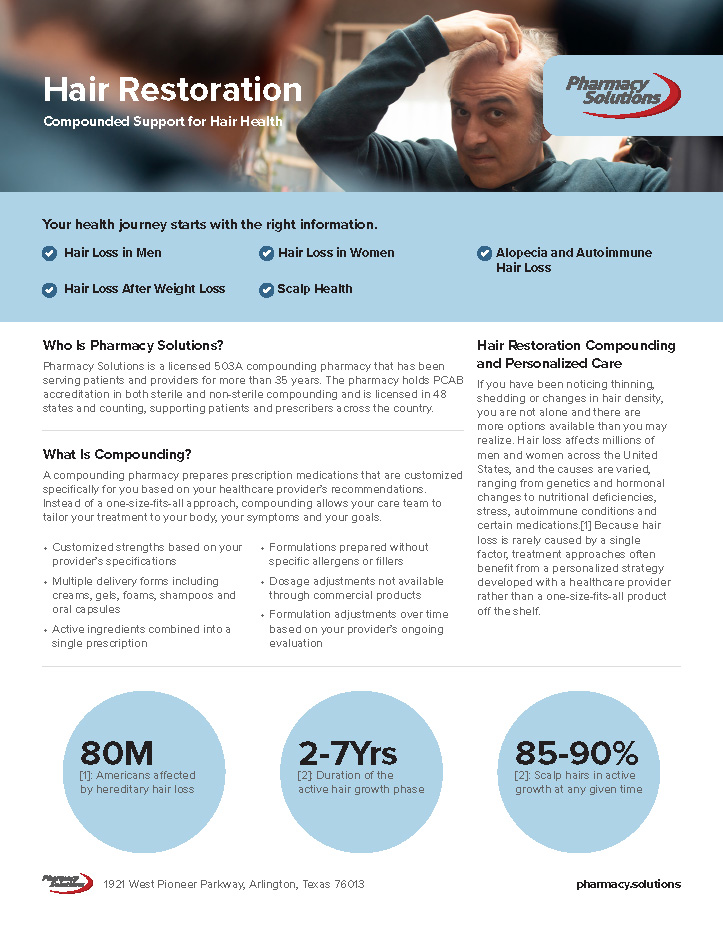
These changes often happen gradually. For some men, thinning begins in the twenties. For others, it does not become obvious until midlife or later. The pattern looks different from one person to the next, and the factors driving it are usually layered. Genetics, hormones, scalp health, circulation and lifestyle all play a role, and the combination is rarely the same from one man to the next.[1] That is part of why over-the-counter products alone do not always deliver the support men are hoping for. This page offers an educational overview of hair loss in men and how a compounding pharmacy can work alongside a healthcare provider to prepare personalized topical formulations.
Androgenetic alopecia, often called male pattern hair loss, is the most common form of hair loss in men. It is driven by a combination of genetic predisposition and the effect of dihydrotestosterone, or DHT, on hair follicles.[2] Over time, DHT can shorten the active growth phase of the hair cycle and cause follicles to produce progressively thinner, shorter hairs in a process known as miniaturization.[4] The visible pattern usually begins with a receding hairline or thinning at the crown, and may progress to more significant density loss over years or decades. Because androgenetic alopecia is progressive, earlier conversations with a provider generally leave more options on the table than waiting until loss is advanced.
Several factors can influence when and how hair loss develops.
Hair loss in men affects a wide range of ages and backgrounds. Studies indicate that roughly half of men will experience some degree of male pattern hair loss by age 50, and prevalence continues to rise in later decades.[2] Younger men are not immune, however. Some begin noticing changes in their twenties, particularly when genetic predisposition is strong. Others first see shifts after a period of high stress, significant weight change, illness or a change in medication.[9] The earliest signs are often subtle: a hairline that photographs differently than it used to, a thinner patch at the crown, or more hair collecting on a brush or pillow. If you are seeing consistent changes in density, pattern or shedding, it may be a good time to talk with a healthcare provider. Earlier evaluation often means more options, because supporting follicles while they are still active tends to be easier than trying to reactivate dormant ones.[3]
Misconceptions about hair loss and the options available can make it harder to have a productive conversation with a healthcare provider. Here is what current research and clinical practice actually show.
Myth 1: Hair loss only comes from your mother’s side of the family.
The old idea that male pattern hair loss is inherited exclusively from the maternal grandfather is not supported by the research. Androgenetic alopecia involves multiple genes from both sides of the family, along with hormonal and environmental influences.[2] A strong family history on either side may increase the likelihood of hair loss, and neither side alone tells the full story.
Myth 2: Minoxidil and finasteride always cause significant side effects.
Topical minoxidil has been studied for decades and has a well-characterized safety profile in most users.[7][8] Finasteride, when used for hair loss at the low doses typically prescribed, has also been extensively studied and most men tolerate it without issue.[5] Side effects are possible with any medication, which is why these treatments should be prescribed and monitored by a licensed healthcare provider. Compounded topical formulations may deliver active ingredients to the scalp with less systemic absorption than oral forms, which is one reason many providers consider topical options first.
Myth 3: Oral treatments are always more effective than topicals.
This is not necessarily true. Topical compounded formulations allow providers to deliver multiple active ingredients directly to the scalp, which can target follicles more precisely and reduce systemic exposure.[3] In many cases, combination topical therapy addressing inflammation, DHT activity, circulation and follicle stimulation simultaneously may provide meaningful support. The right approach depends on the individual, and a provider can help weigh the trade-offs between topical, oral and combination strategies.
Myth 4: Once you start hair loss treatment, you can never stop.
Decisions to start, adjust or stop any therapy should be made with a healthcare provider, and it is true that stopping treatment may allow hair loss to resume over time because the underlying process has not gone away.[3] That does not mean treatment is a trap. It means hair loss is an ongoing condition, similar to how managing blood pressure or cholesterol typically involves sustained care. Some men adjust formulations over time or shift between strategies depending on how they are responding.
Myth 5: Hair loss is purely genetic, so nothing can really help.
Genetics are a significant factor, but they are not the entire picture. Scalp inflammation, circulation, stress, nutrition and sleep all influence how hair loss progresses.[1][11] Addressing those factors alongside a provider-directed treatment plan can make a meaningful difference for many men. A compounding pharmacy can help prepare personalized topical formulations that address multiple contributors at once, based on what the provider prescribes.
When a healthcare provider determines that prescription hair loss therapy may be appropriate, the approach is typically guided by the pattern of loss, how long changes have been occurring and the man’s overall health. Most provider-directed plans fall into three broad categories: topical therapy, oral therapy or a combination of the two.
Topical therapy applied directly to the scalp can target multiple mechanisms at once. A compounding pharmacy can prepare topical formulations that combine several active ingredients into a single solution or foam, based on the provider’s prescription. Common actives studied in topical hair formulations include minoxidil, finasteride, dutasteride, latanoprost, caffeine, tretinoin, fluocinolone and arginine.[3][12][13] Oral therapy, typically finasteride or dutasteride, works systemically to reduce DHT throughout the body.[5][6] Some providers prescribe topical and oral therapy together. Individual dosing and ingredient selection should be determined by the provider based on evaluation and follow-up.
A compounding pharmacy works alongside healthcare providers to prepare customized medications that are not available in standard commercial form. For hair loss, that flexibility matters. Providers can adjust ingredient combinations, strengths and vehicles such as solutions or foams, based on what fits the individual patient. Commercial hair loss products are designed for broad audiences. Compounded formulations are prepared for one specific patient based on one specific prescription.
Pharmacy Solutions is a licensed 503A compounding pharmacy with PCAB accreditation in both sterile and non-sterile compounding. Our pharmacists understand how different vehicles affect absorption and tolerability, and we use careful compounding techniques to prepare each prescription as the provider intended. If you have questions about how a compounded topical formulation is prepared, how to apply it or how to coordinate with your healthcare team, you can speak directly with a pharmacist.
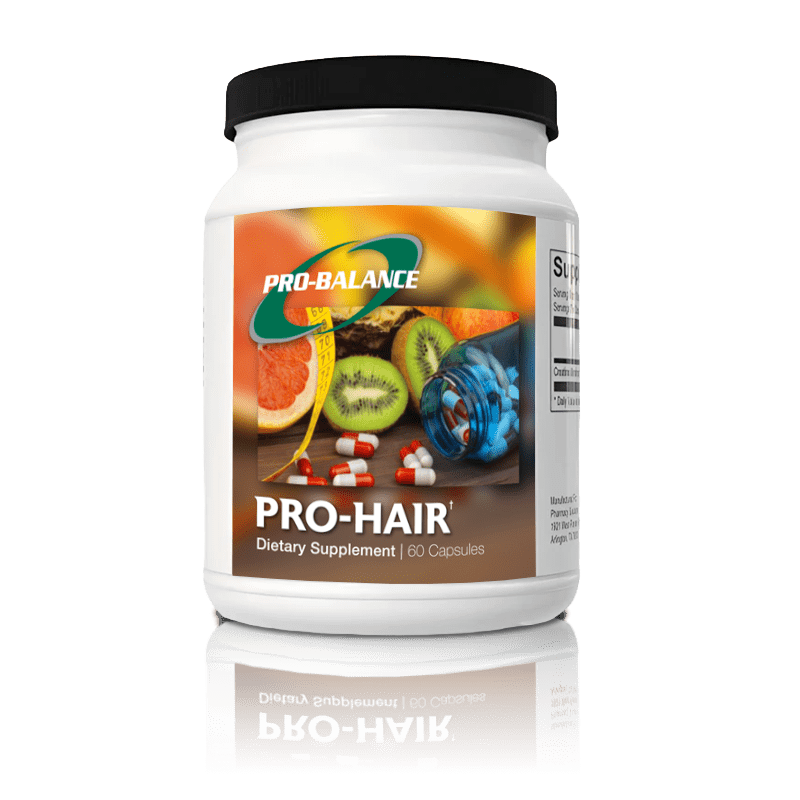
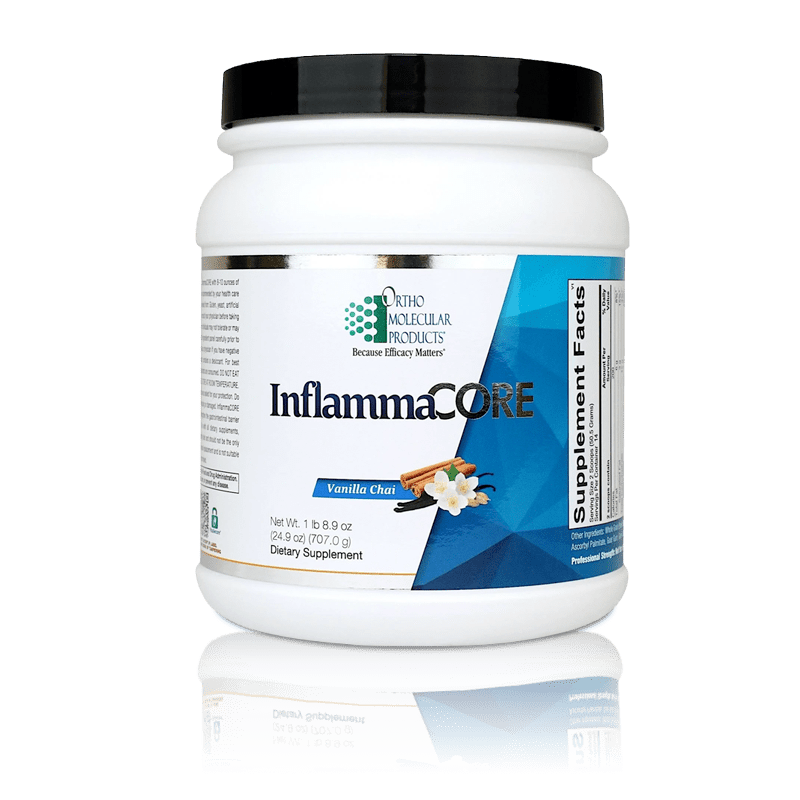
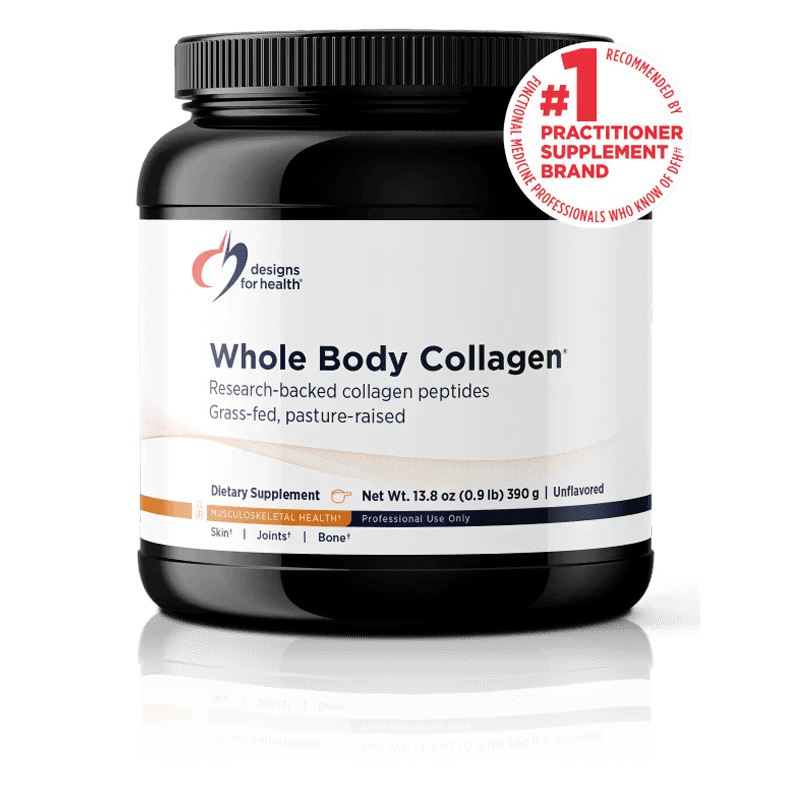
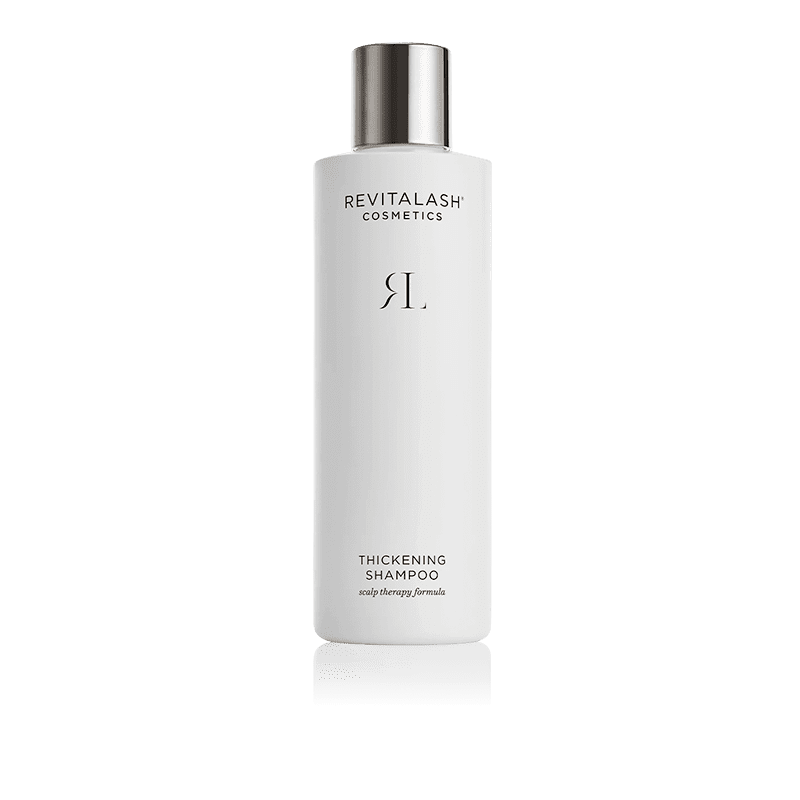
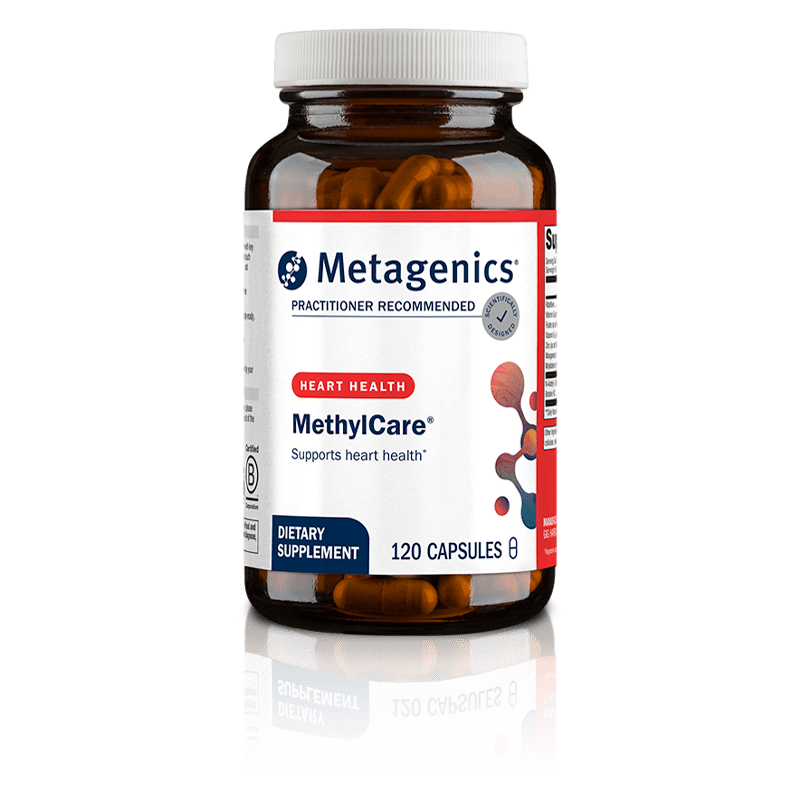
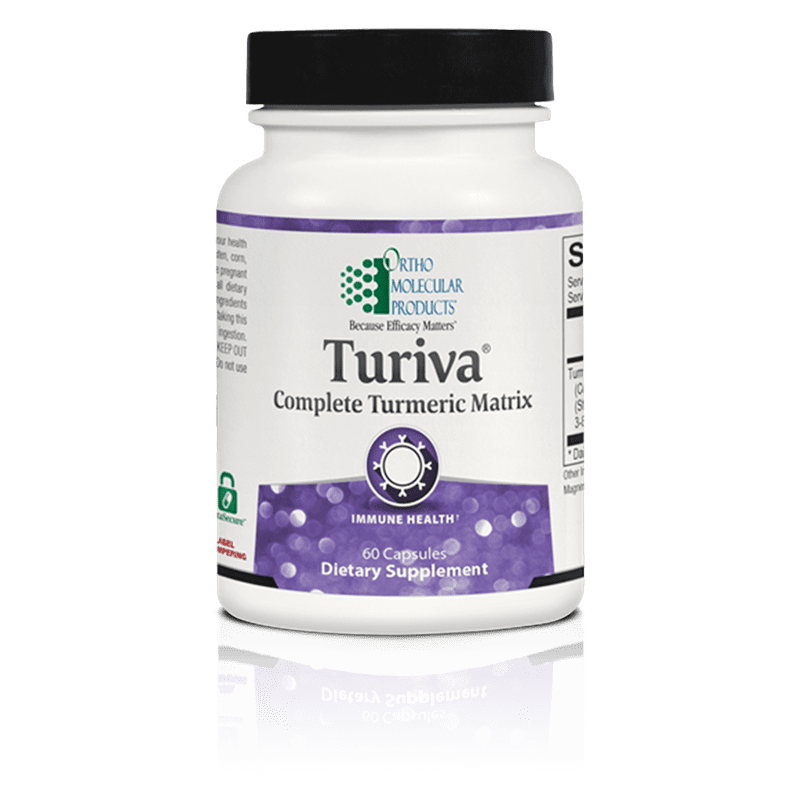
Some men explore over-the-counter supplements as part of a broader approach to hair and scalp wellness. Certain nutrients have been studied for their potential role in supporting healthy hair. Pharmacy Solutions carries pharmaceutical-grade options that may complement your goals.
These products are available without a prescription. As with any supplement, discuss use with a qualified healthcare professional to ensure it aligns with your individual health needs.
If your healthcare provider writes a prescription for compounded hair therapy, here is a general overview of the process.
I had been trying drugstore stuff for years with no real change. Working with my doctor and the pharmacy on something made just for me was the first time I felt like somebody actually looked at my situation.
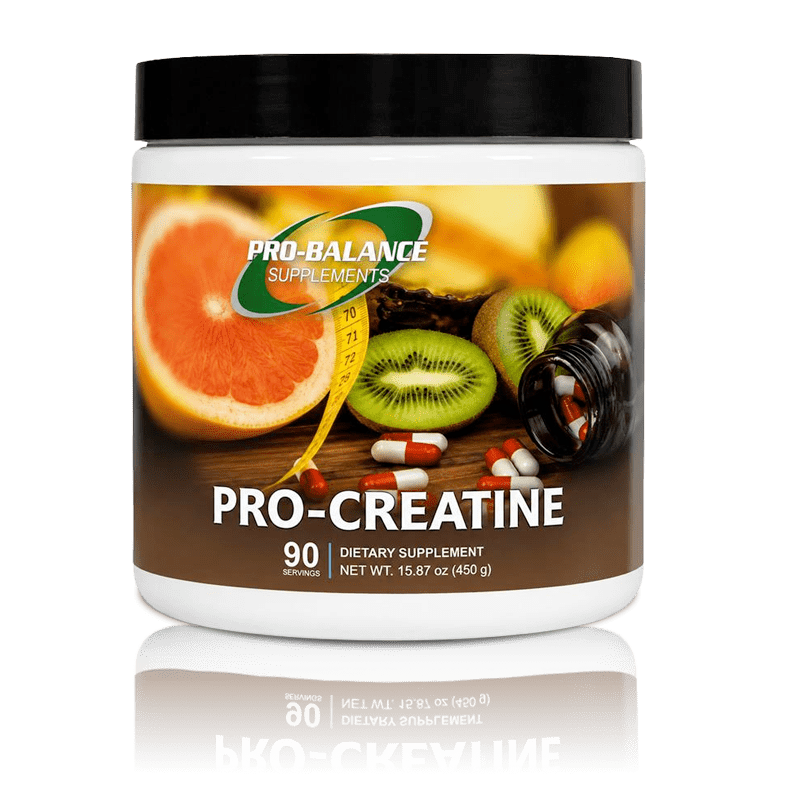
We feature a curated selection of supplements chosen to support hair and scalp health and overall wellness as part of a steady daily routine. Pro-Hair is a hair-focused formula from the Pro-Balance line that many people include in their day to support the look and feel of healthy hair day to day.
These products are available now without a prescription, so you can start whenever you are ready. Talk with your healthcare provider about which products and daily habits make sense for your hair and your goals.
How Piroxicam May Support Dogs with Cancer Some canine tumors rely on the development of new blood vessels to grow…
Compounded hair therapy is prepared for one specific patient based on a prescription from a licensed healthcare provider. The ingredients, strengths and vehicle are chosen to fit the individual. Over-the-counter products are designed for broad use and cannot be adjusted by a provider. Compounded formulations can combine several actives into a single application, which is not something commercial products typically offer.
Yes. Compounded medications are prepared only after a licensed provider writes a prescription for a specific patient. If you are interested in exploring this option, the first step is a conversation with your provider. If you do not currently have one, our team can help connect you with a provider who prescribes compounded hair formulations.
Hair grows slowly, so meaningful changes in density typically take several months of consistent use. Many providers suggest giving a new formulation at least three to six months before evaluating results.[3] Individual experiences vary, and your provider can help set expectations based on your situation and the formulation they prescribe.
There is no single right age. Some men begin noticing changes in their twenties, while others do not see meaningful shifts until later.[2] Whenever you are seeing consistent changes in density or pattern that feel meaningful to you, that is a reasonable time to start a conversation with a healthcare provider.
Common actives that have been studied in topical hair formulations include minoxidil, finasteride, dutasteride, latanoprost, caffeine, tretinoin, fluocinolone and arginine.[3][7][12][13] Providers often combine several actives into a single formulation to address multiple contributors at once. The specific ingredients and strengths your provider prescribes will depend on your individual evaluation.
Topical and oral therapies each have their own considerations, and safety depends on the individual, the specific formulation and how it is used. Topical delivery generally results in lower systemic exposure than oral forms, which is one reason many providers consider topical options first or in combination.[3] Your provider is the right person to help weigh the options for your situation.
Many men use supplements that support hair and scalp health alongside a provider-prescribed formulation. Common options include Pro-Hair, biotin, zinc and vitamin D3. Let your provider know what you are taking so they can factor it into their recommendations. Talk with your healthcare provider before starting any new supplement.
If you do not currently have a provider who works with compounded hair formulations, a compounding pharmacy may be able to help connect you with practitioners in your area. You can also ask your primary care physician for a referral.
[1] American Academy of Dermatology Association. Hair loss: overview and types. https://www.aad.org/public/diseases/hair-loss/types
[2] Trüeb RM. Molecular mechanisms of androgenetic alopecia. Dermatology. 2002. https://pubmed.ncbi.nlm.nih.gov/12444343/
[3] Varothai S, Bergfeld WF. Androgenetic alopecia: an evidence-based treatment update. Clin Cosmet Investig Dermatol. 2014. https://pubmed.ncbi.nlm.nih.gov/25324641/
[4] Kaufman KD. Androgen metabolism as it affects hair growth in androgenetic alopecia. Dermatol Clin. 1996. https://pubmed.ncbi.nlm.nih.gov/8893646/
[5] Finasteride prescribing information. U.S. Food and Drug Administration. https://www.accessdata.fda.gov
[6] Dutasteride mechanism of action and 5-alpha reductase inhibition. https://pubmed.ncbi.nlm.nih.gov/15012375/
[7] Olsen EA, et al. Topical minoxidil in androgenetic alopecia. J Am Acad Dermatol. 2002. https://pubmed.ncbi.nlm.nih.gov/12004379/
[8] American Academy of Dermatology. Minoxidil overview. https://www.aad.org/public/diseases/hair-loss/treatment/minoxidil
[9] Malkud S. Telogen effluvium: a review. J Clin Diagn Res. 2015. https://www.ncbi.nlm.nih.gov/pmc/articles/PMC4606321/
[10] American Academy of Dermatology. Telogen effluvium. https://www.aad.org/public/diseases/hair-loss/types/telogen-effluvium
[11] Pazyar N, et al. Seborrheic dermatitis review. Dermatol Res Pract. 2013. https://pubmed.ncbi.nlm.nih.gov/23878597/
[12] Johnstone MA. Prostaglandin pathway and hair growth. Br J Ophthalmol. 1997. https://pubmed.ncbi.nlm.nih.gov/9349150/
[13] Fischer TW, et al. Caffeine stimulates hair follicle growth in vitro. Int J Dermatol. 2007. https://pubmed.ncbi.nlm.nih.gov/17254074/
[14] Paus R, Cotsarelis G. The biology of hair follicles. N Engl J Med. 1999. https://pubmed.ncbi.nlm.nih.gov/10515896/
Tell us a little about what you are looking for and we will take it from there. Whether you have a prescription ready, questions about a therapy your provider mentioned, or just need help figuring out your next step, our team is here and ready to help.
"*" indicates required fields

To submit your order, click the “PRINT/SAVE” button located under this pop-up.

You can save the PDF to your computer to fax at a later date or print it now to fax immediately.

Fax your order form to 817-860-6083 for processing.

Get detailed information, research, and deeper product context. Toggle on to see more educational content.
Keep things brief and see related products faster. Toggle on to focus on products.

New to Pharmacy Solutions? Register now
Educate Me
Get detailed information, research, and deeper product context.
Toggle on to see more educational content.
Explore Treatments
Keep things brief and see related products faster.
Toggle on to focus on products.