Signup for the Pharmacy Solutions Newsletter for Big Discounts!



The Pharmacy will be closed July 4th for Independence Day.
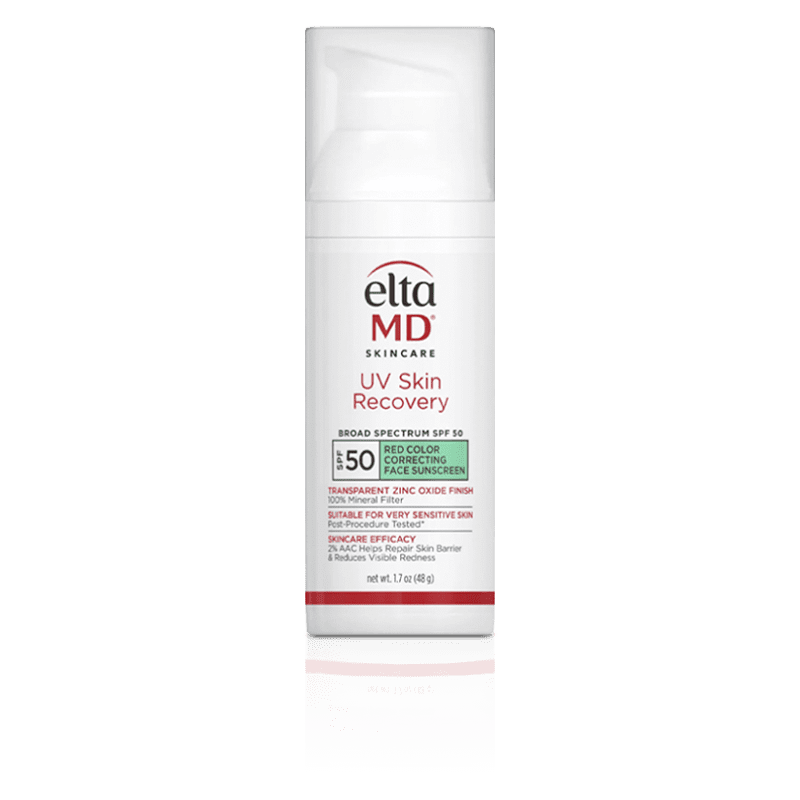
15% off on all sunscreen and probiotics during July with code SUNSAFE15
Enjoy 10% off for Patient Appreciation Day with code THANKUJULY on 7/15/2026 only!

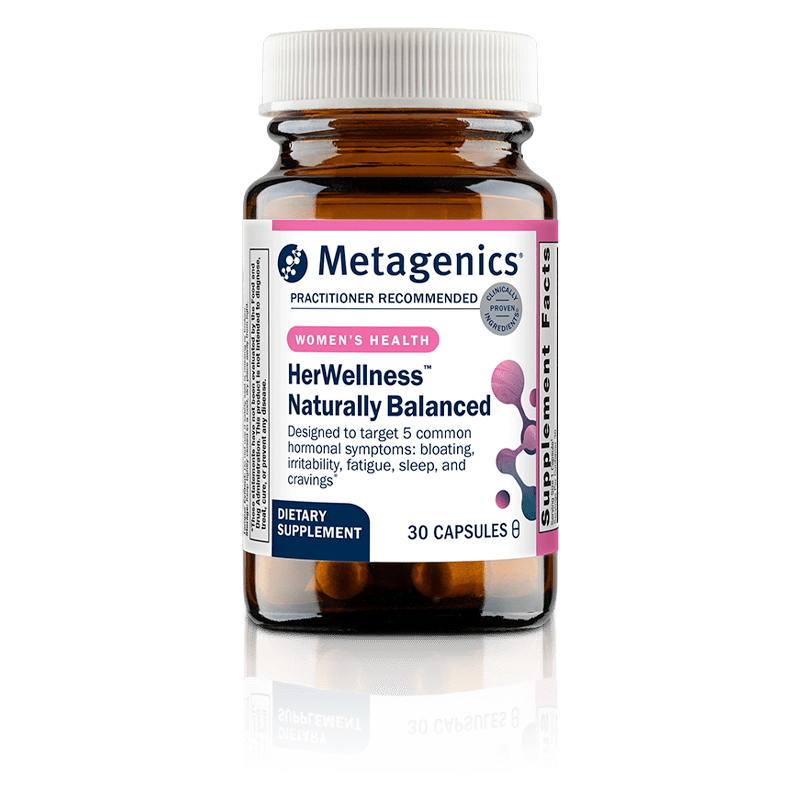

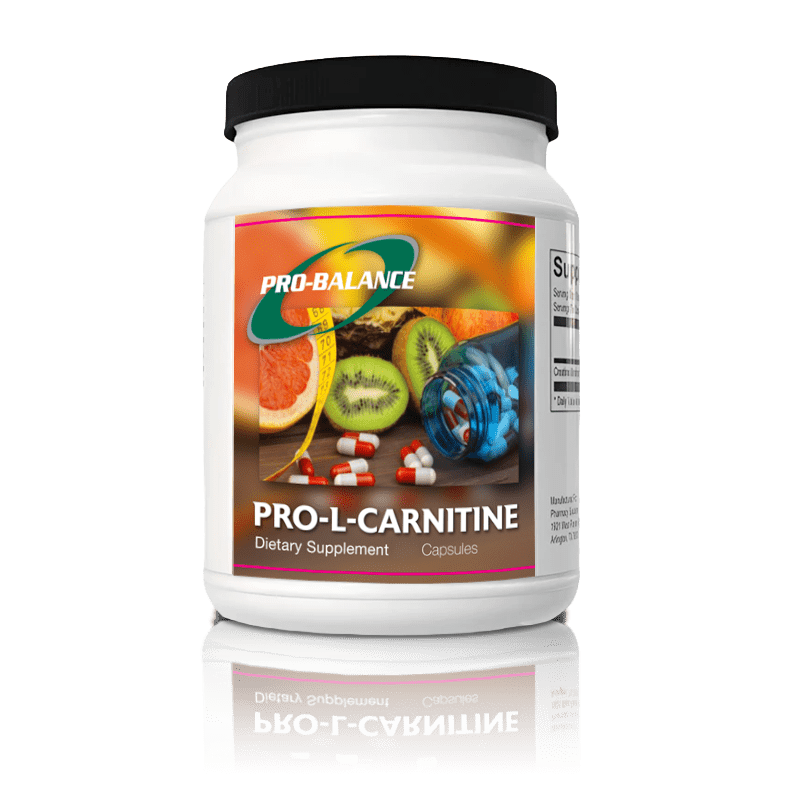
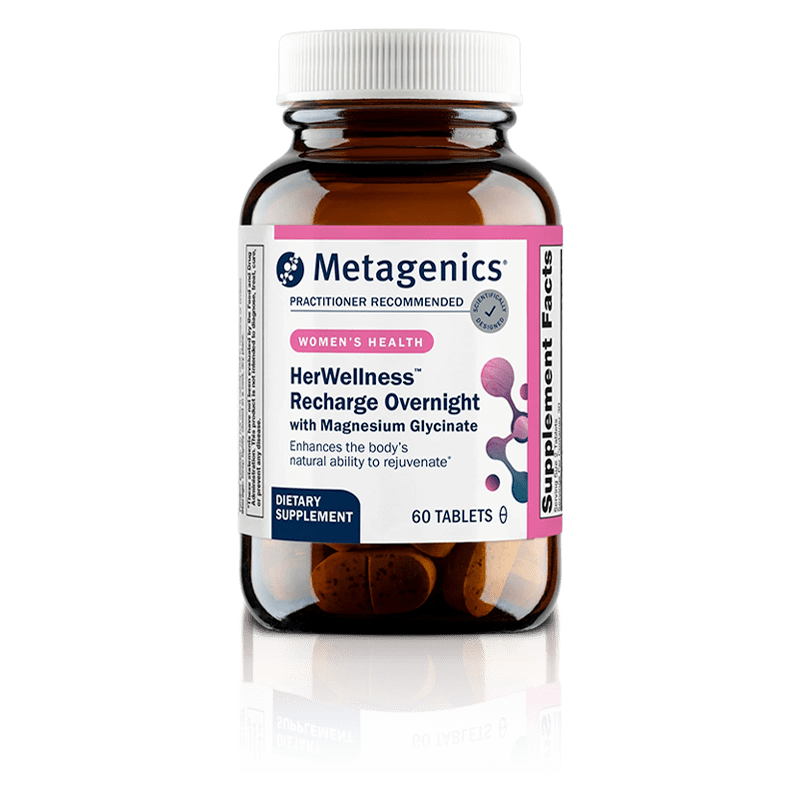
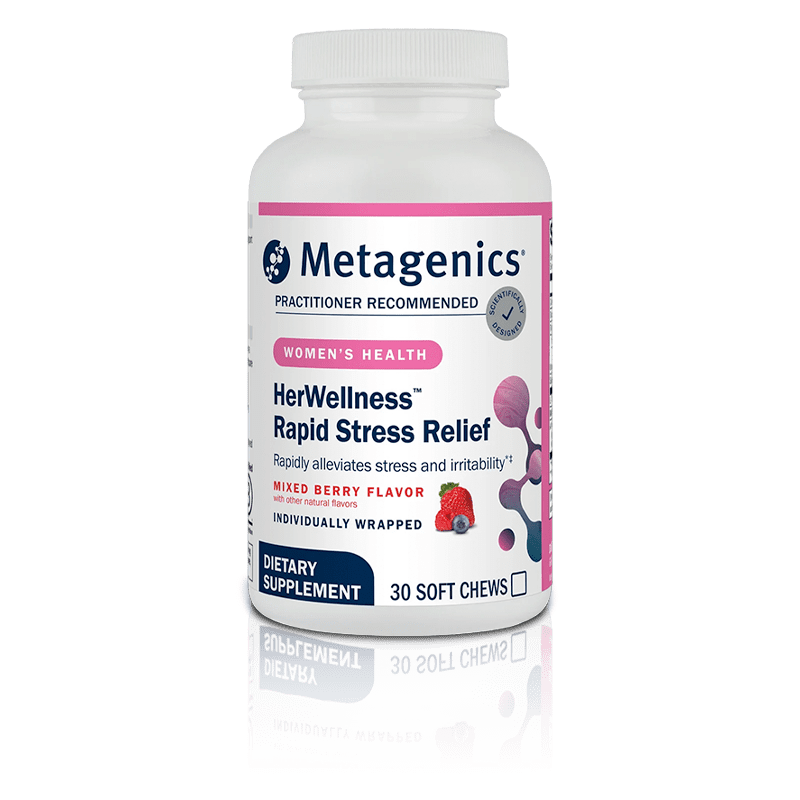
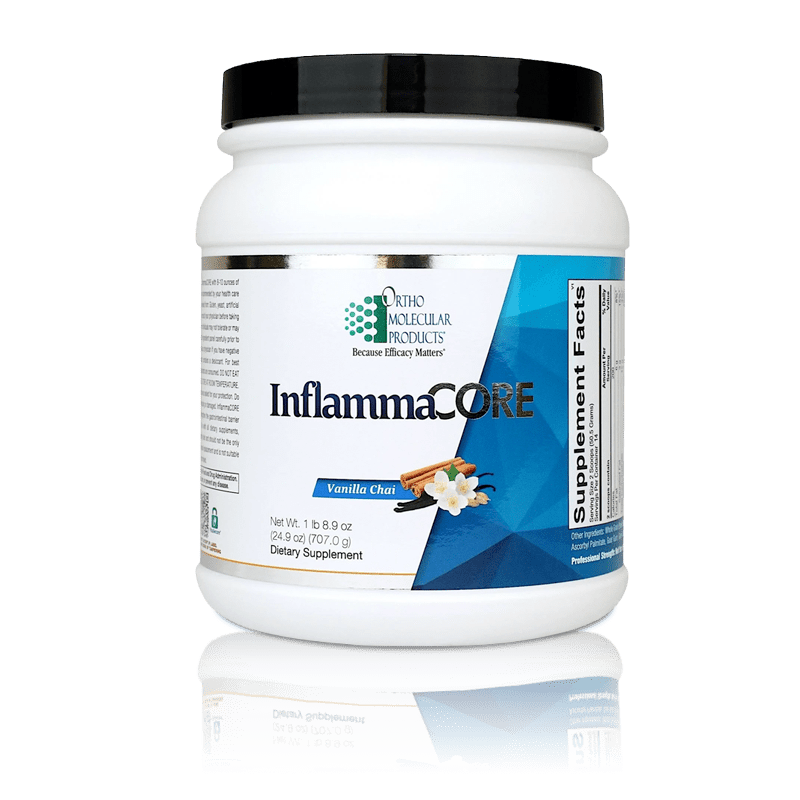

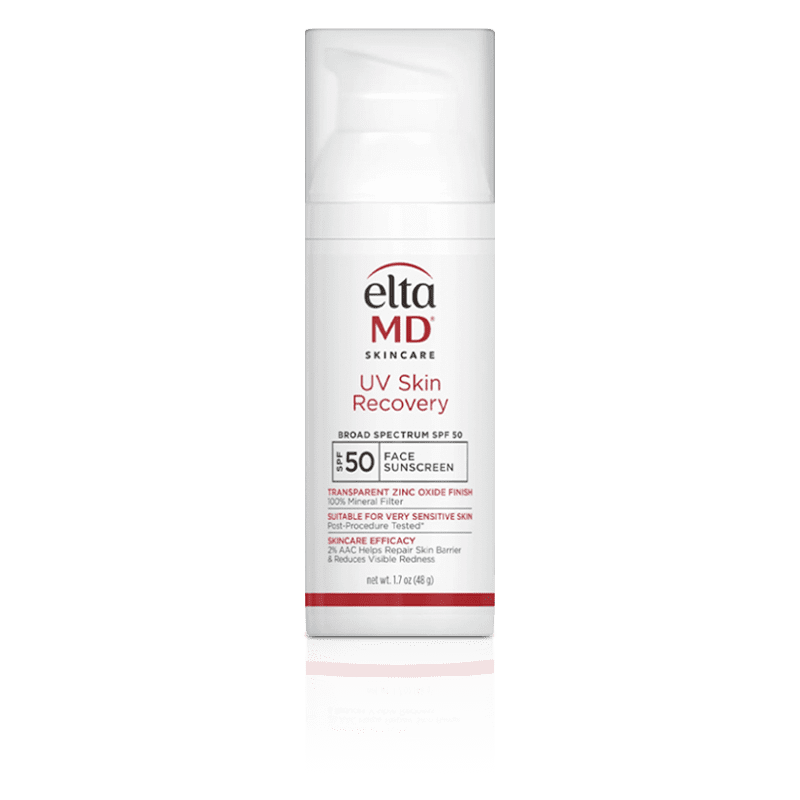
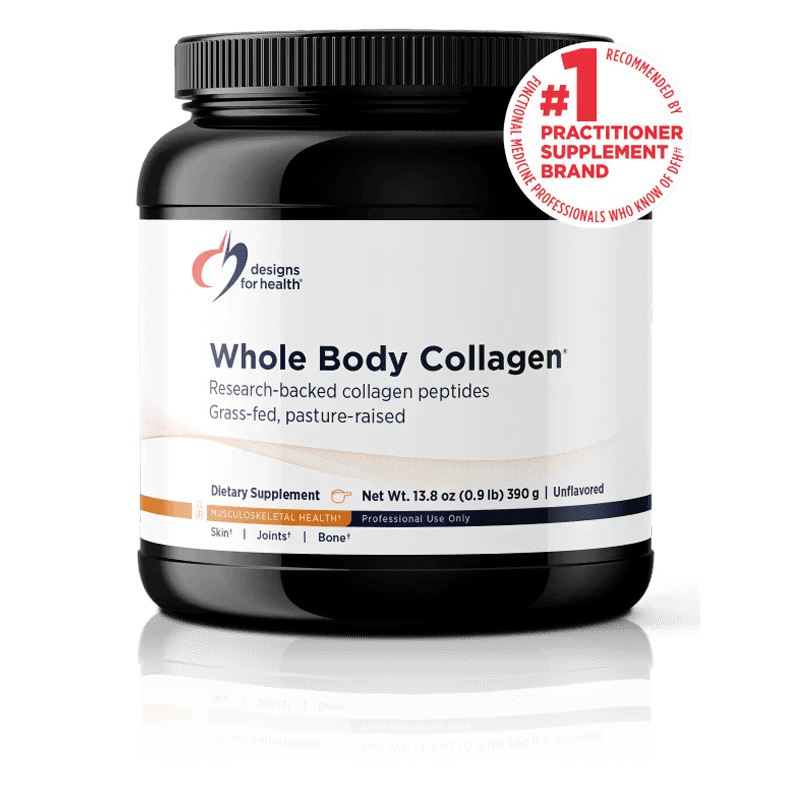
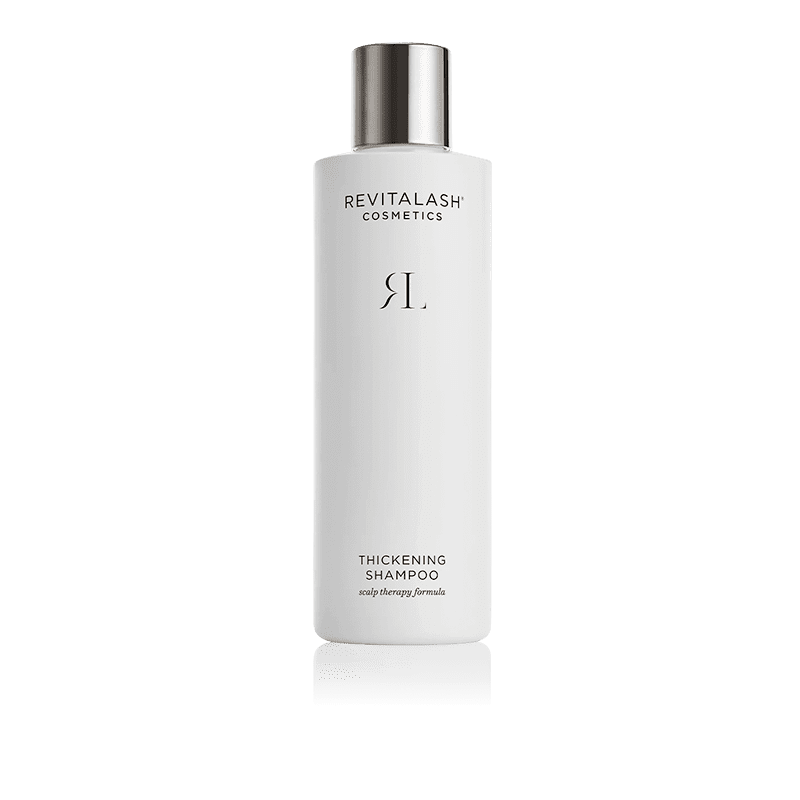

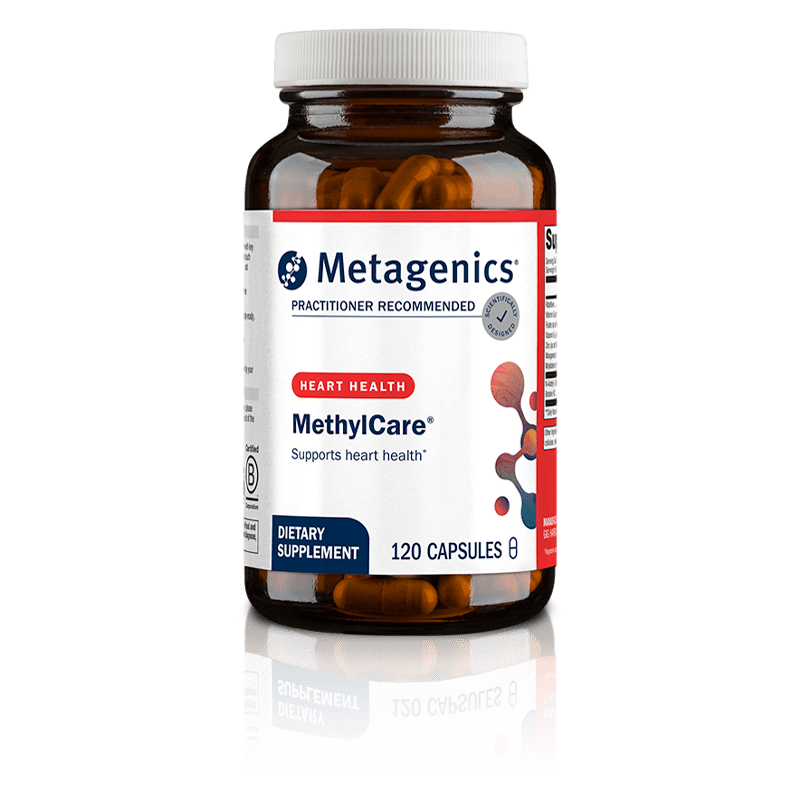
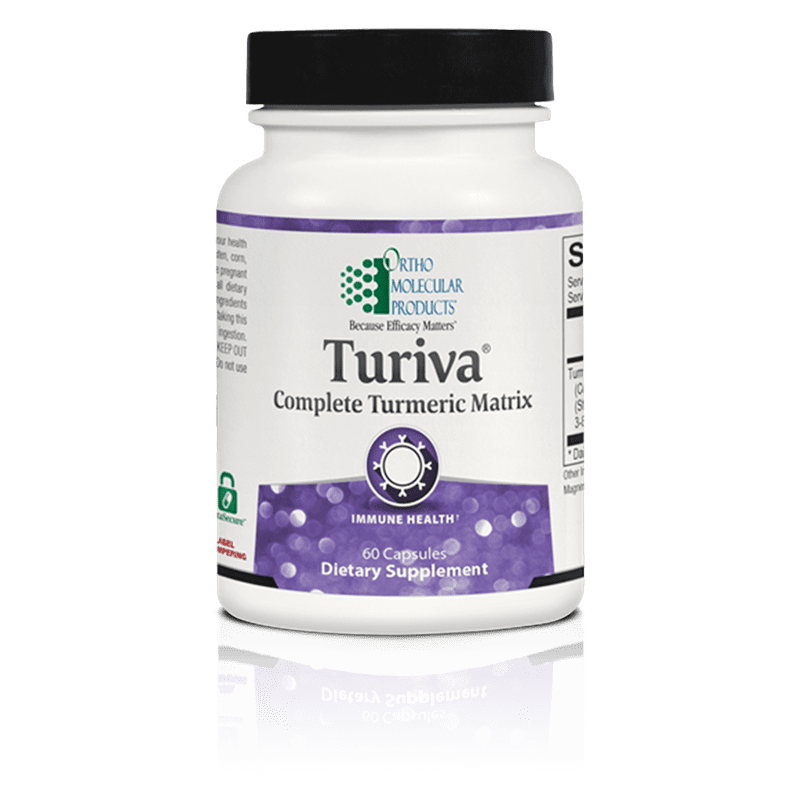

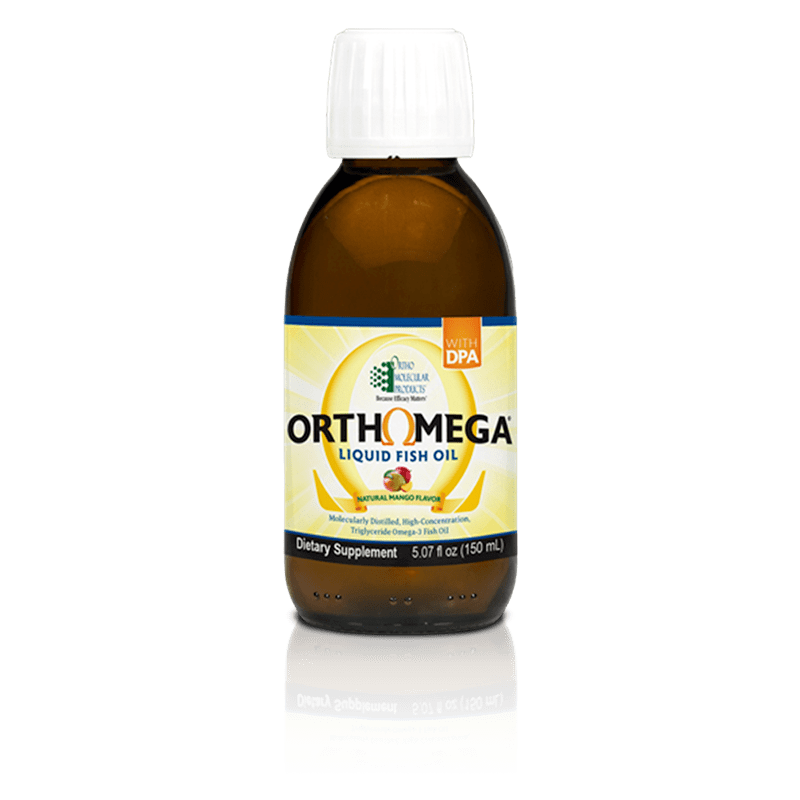

Hair health is deeply interconnected. Genetics, hormones, immune activity, nutrition, stress, scalp condition and overall wellness all influence the way hair grows, stays anchored and looks over time. When one of those factors shifts, the effects can ripple across others, and the result can be subtle at first. A widening part, a hairline that photographs differently or more strands collecting on a brush. For many people, over-the-counter products are the first step, but those products are designed for broad audiences and often fall short when the situation is more complex. Identifying what is actually driving the changes, and choosing an approach that reflects your individual situation, is often more useful than jumping to any single solution. That is why working with a healthcare provider who understands hair and scalp concerns matters. When a provider determines that a compounded medication is appropriate, Pharmacy Solutions can prepare customized formulations based on their specific recommendations. This page offers an overview of the key areas of hair and scalp care we support and what options may be available when you are ready to take the next step.
Pharmacy Solutions supports hair and scalp care across several key areas. Select a topic below to explore it in more detail.
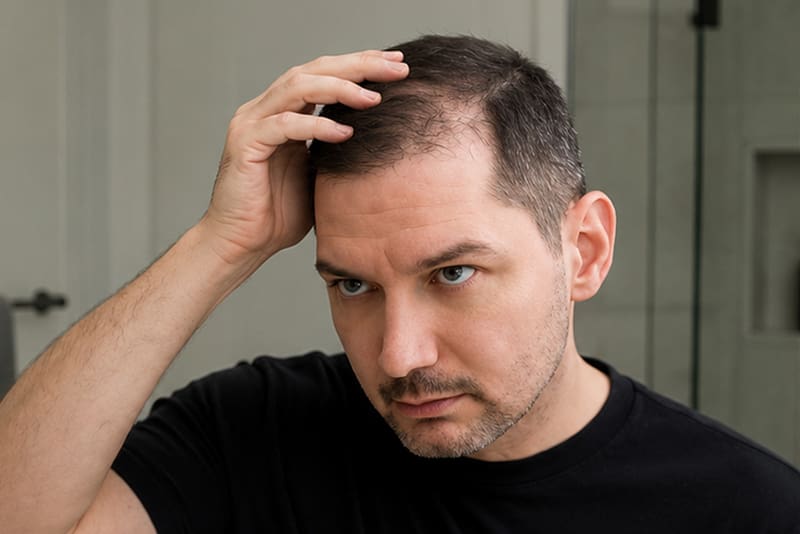
Learn about male pattern hair loss, the factors that contribute to it, and how personalized compounded topical formulations target DHT activity, scalp health and follicle support based on your provider’s prescription.
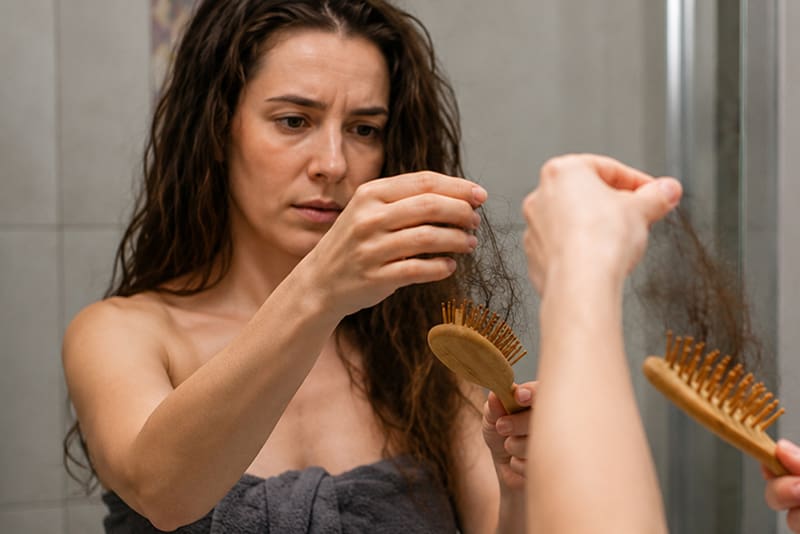
Explore the often-layered causes of hair loss in women, including hormonal shifts tied to perimenopause, menopause, postpartum recovery and thyroid health, and how customized formulations can be tailored to what is actually driving the changes.
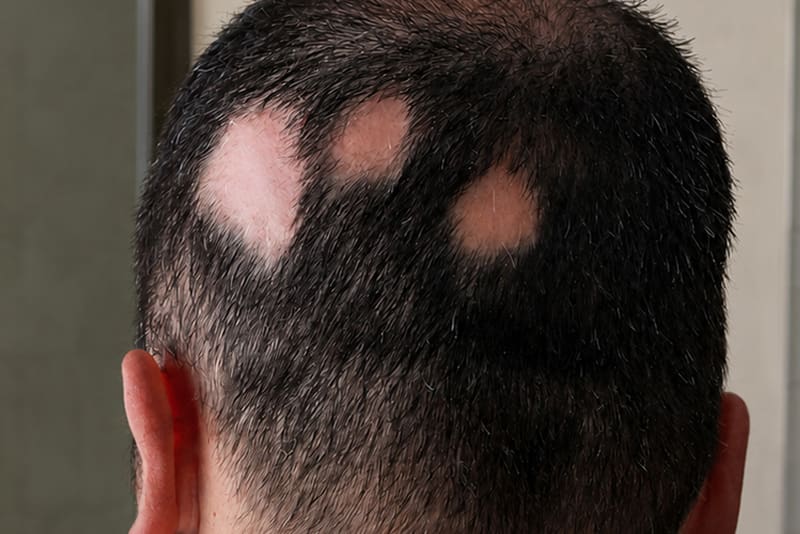
Understand how alopecia areata and related autoimmune conditions differ from pattern hair loss, and how compounded topical therapy offers flexibility to adapt as the condition changes over time.
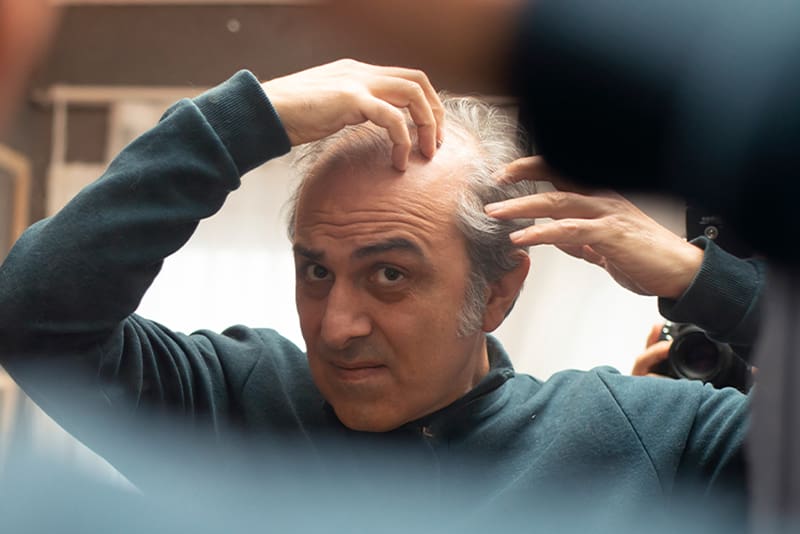
Learn why hair shedding often appears several months after significant weight change, and how nutritional support combined with provider-directed therapy can help during the recovery process.
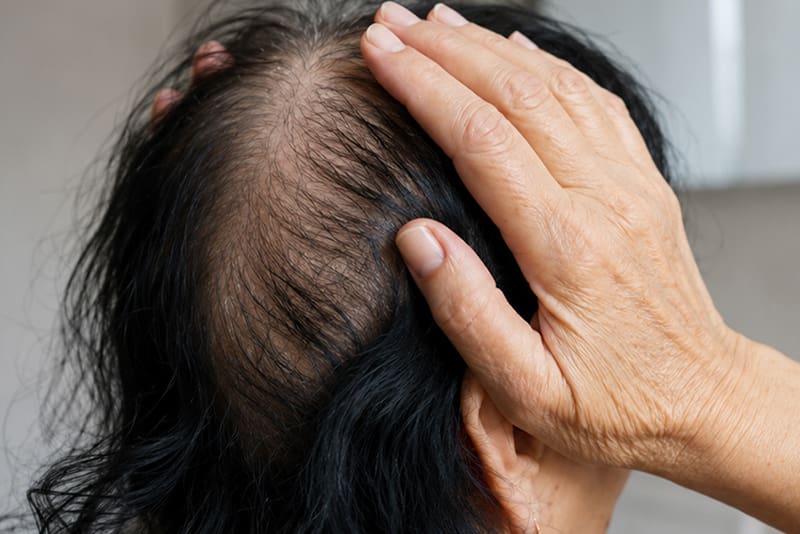
Discover why a healthy scalp is foundational to healthy hair, and how personalized formulations can address inflammation, buildup and other scalp concerns that affect comfort and hair quality.
Hair growth follows a natural cycle involving growth, rest and shedding phases, and every follicle on the scalp moves through that cycle independently. Over the course of a lifetime, factors like genetics, hormonal shifts, scalp health and nutritional status can all influence how that cycle behaves. Androgenetic alopecia, the most common form of hair loss, involves follicles becoming progressively smaller under the influence of dihydrotestosterone, a process known as miniaturization.[1][2] In men, this process often begins at the hairline and crown. In women, it tends to present as diffuse thinning across the top of the scalp while the frontal hairline remains intact.[3] Hormonal events including perimenopause, menopause, pregnancy, postpartum recovery and thyroid conditions can all meaningfully affect the hair growth cycle as well.
Not all hair loss is tied to genetics or hormones. Alopecia areata is an autoimmune condition in which the immune system targets hair follicles, causing sudden patchy loss that can fluctuate over time.[4] Telogen effluvium, a diffuse shedding that typically appears two to three months after a trigger such as illness, significant weight change, high stress or certain medications, is another common pattern.[5] Scalp conditions including seborrheic dermatitis, psoriasis and chronic inflammation can also disrupt follicle function over time.[6] Because hair loss can have so many different drivers, a thorough evaluation from a healthcare provider is often more useful than relying on guesswork or generic products.
Several interconnected factors can influence how hair grows, how strong it stays and how it changes over time.
Many people hope hair changes will settle on their own, and sometimes they do. Postpartum shedding, for example, usually resolves within six to twelve months as hormone levels stabilize.[5] For other forms of hair loss, however, earlier evaluation tends to open up more options than waiting, because supporting follicles while they are still active is generally easier than trying to reactivate dormant ones. If you are noticing consistent changes in density, pattern, shedding or scalp comfort over a period of weeks to months, it may be worth talking with a healthcare provider who works with hair concerns.
A dermatologist or hair-focused provider can help identify what may be driving the changes through a combination of physical evaluation, medical history and sometimes bloodwork to check thyroid function, iron stores, vitamin D and other factors that influence hair health. Early conversations also help set realistic expectations, because hair grows slowly regardless of what approach is taken. Most interventions require at least three to six months of consistent use before meaningful changes become visible.[2] Knowing what to expect makes it easier to stay with a plan that is actually working.
Hair and scalp concerns span several categories, and the right approach depends on what is driving the changes, individual health history and provider recommendations.
Compounded topical therapy is one of the most common approaches for pattern hair loss, autoimmune hair loss and post-weight-loss shedding. Providers may prescribe formulations that combine several active ingredients into a single solution, foam, shampoo or cream. Common actives studied in topical hair and scalp formulations include minoxidil, finasteride, dutasteride, latanoprost, spironolactone, caffeine, tretinoin, fluocinolone, melatonin, ketoconazole and salicylic acid. For autoimmune hair loss specifically, providers may incorporate topical corticosteroids like fluocinolone alongside ingredients that support the growth phase and follicle activity. For post-weight-loss shedding, nutritional support is often the foundation, with targeted topical therapy considered when appropriate.
Oral therapy, typically finasteride or dutasteride for DHT-driven hair loss, may be considered alongside or instead of topical therapy. For scalp-focused conditions, compounded formulations can address inflammation, scaling and microbiome balance. For women, formulations may emphasize ingredients that target hormonal contributors at the scalp level while keeping systemic exposure low. Across all of these areas, the provider determines the appropriate course of care and a compounding pharmacy prepares the medication as prescribed.
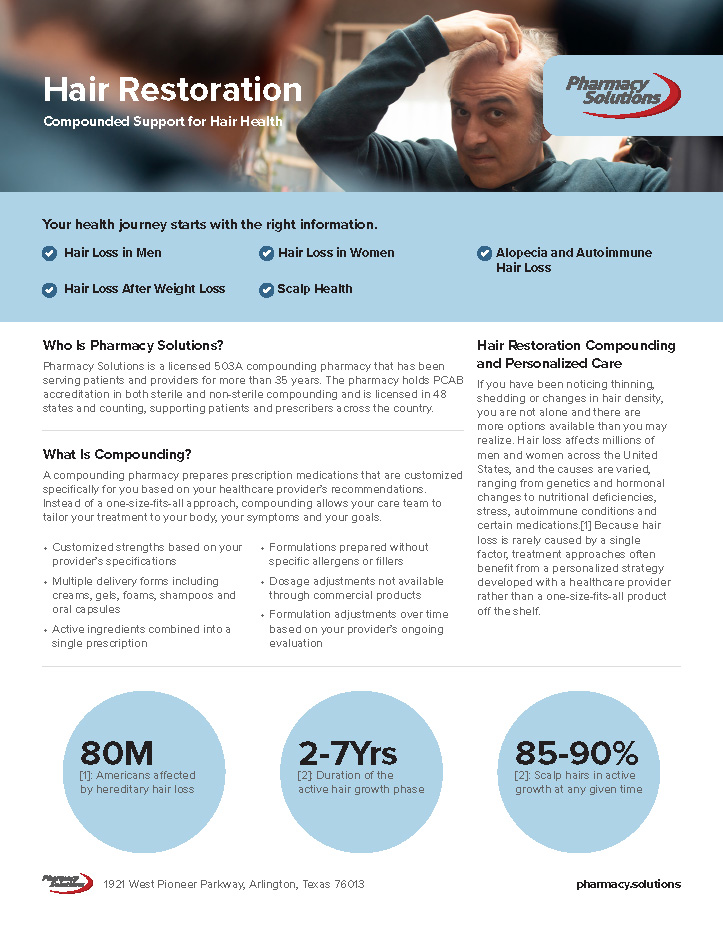
Pharmacy Solutions is a PCAB-accredited 503A compounding pharmacy that has supported patient and provider needs for more than 30 years. Compounding allows healthcare providers to prescribe medications that are tailored to the individual rather than limited to what is commercially available. For hair and scalp care, that can mean customized ingredient combinations, alternative dosage forms for patients who prefer specific vehicles, formulations designed to address multiple concerns in a single application, or formulations that exclude specific allergens or additives for sensitive scalps.
Every compounded medication is prepared based on a prescriber’s order and reviewed by a licensed pharmacist. Pharmacy Solutions maintains accreditation in both sterile and non-sterile compounding through the Pharmacy Compounding Accreditation Board and follows USP standards for safety and quality. Whether your provider has prescribed a topical hair formulation, a scalp-focused preparation or a combination therapy for more complex concerns, the pharmacy works directly with your provider to prepare what you need.
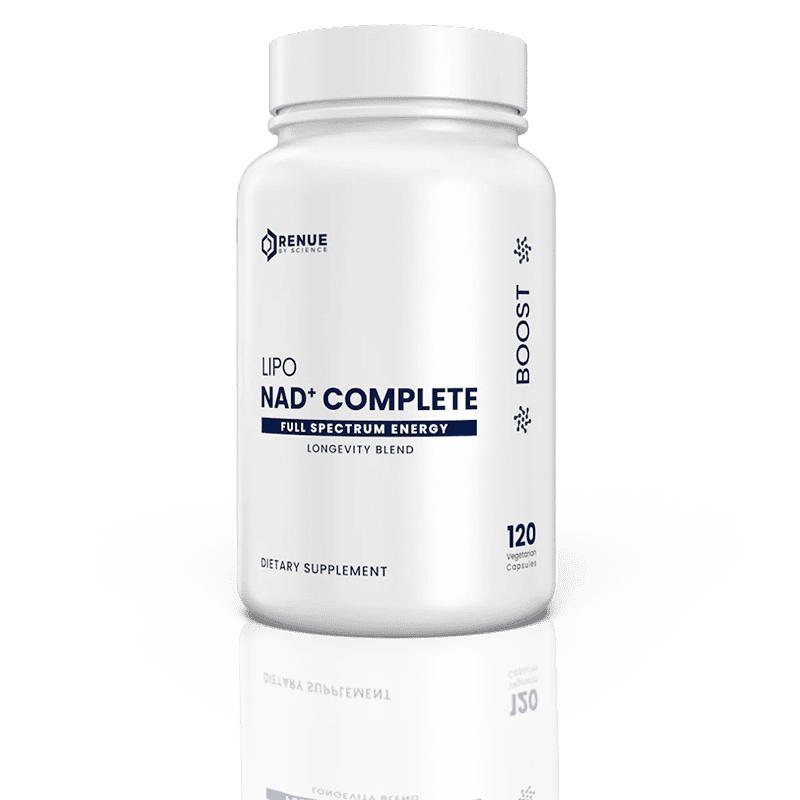
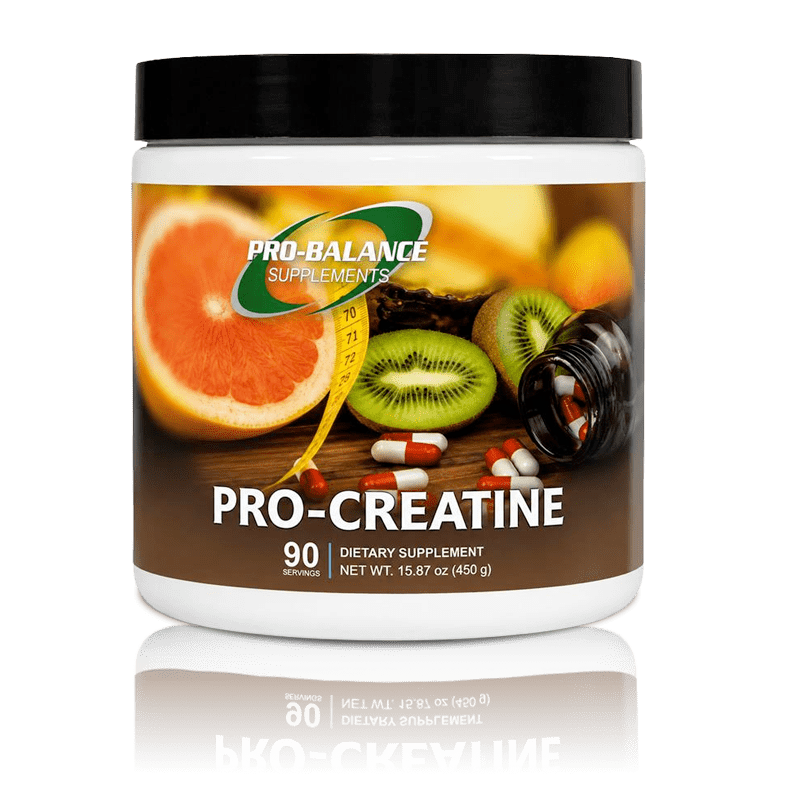
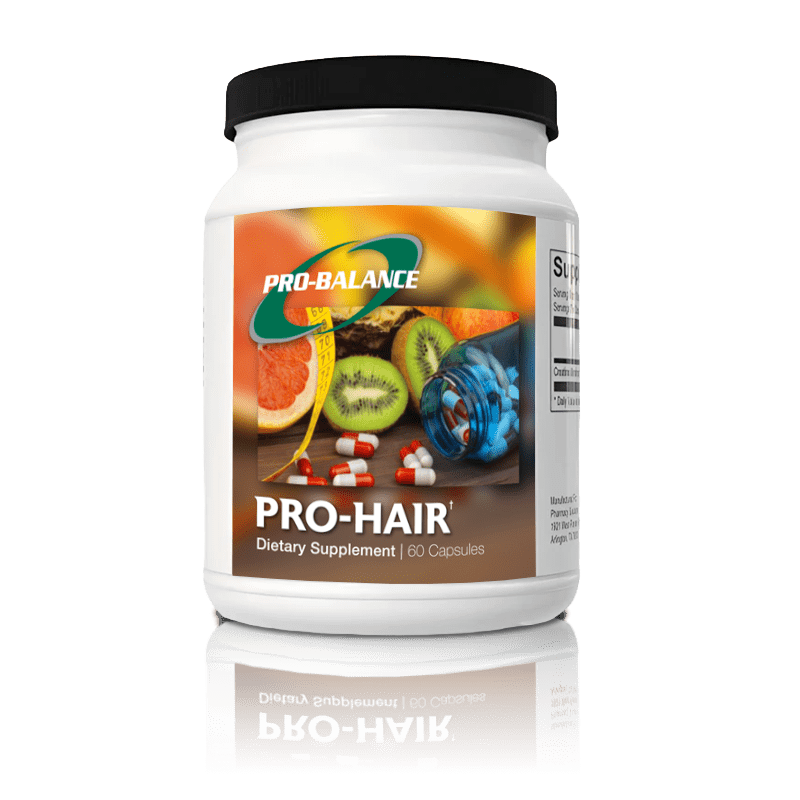
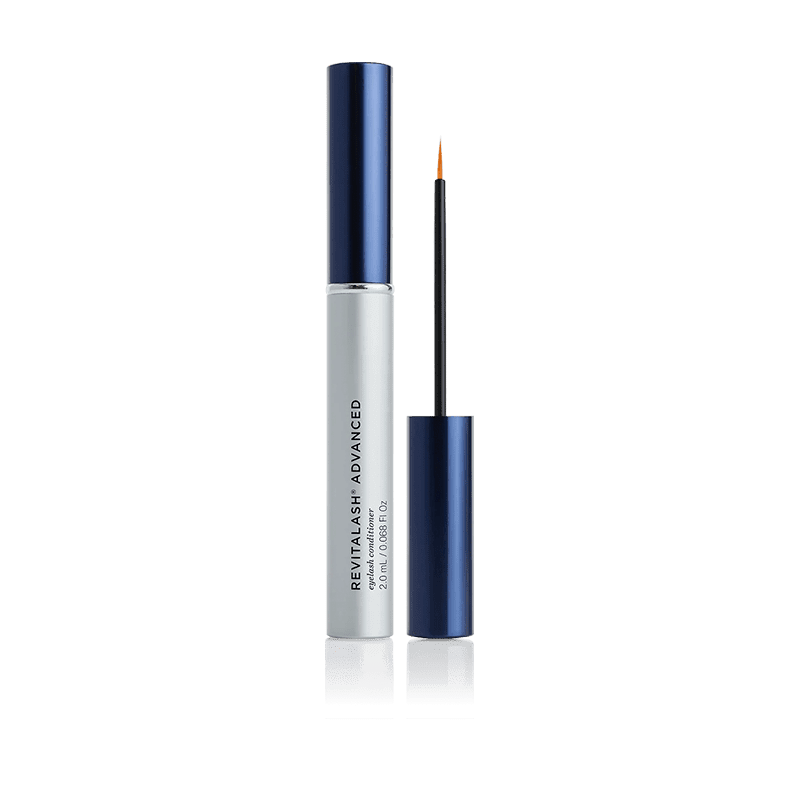
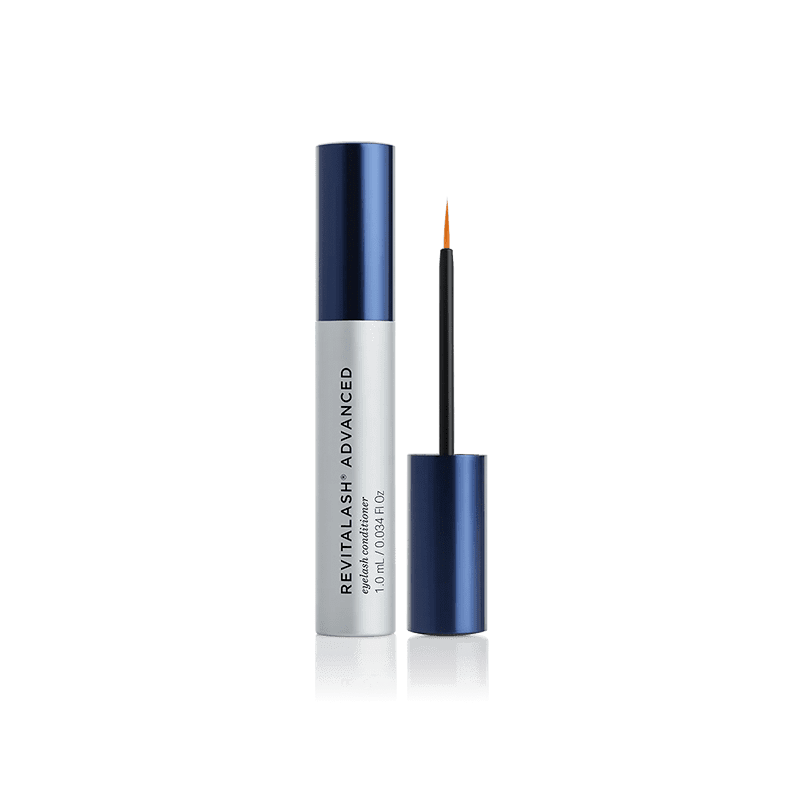
In addition to prescription options, Pharmacy Solutions carries a range of hair and scalp wellness products available for immediate purchase without a prescription. Products like Pro-Hair, Pro-Balance Vitamin D3 5,000 IU, Ortho Molecular Iron C and Ortho Molecular Ortho Biotic have been studied for their potential roles in supporting hair growth, scalp health, follicle function and overall wellness. These products may complement a broader care plan but should be discussed with a healthcare provider.
I had tried everything I could find at the drugstore and nothing was making a difference. My doctor prescribed a compounded formula through Pharmacy Solutions and the process was simple. Having a team that understood what I was going through and worked directly with my provider made all the difference.
Hair loss felt like something I had to deal with on my own. Once I found a provider who looked at what was actually happening and a pharmacy that could tailor my medication, I finally felt like someone was building a plan around me instead of handing me another generic product.
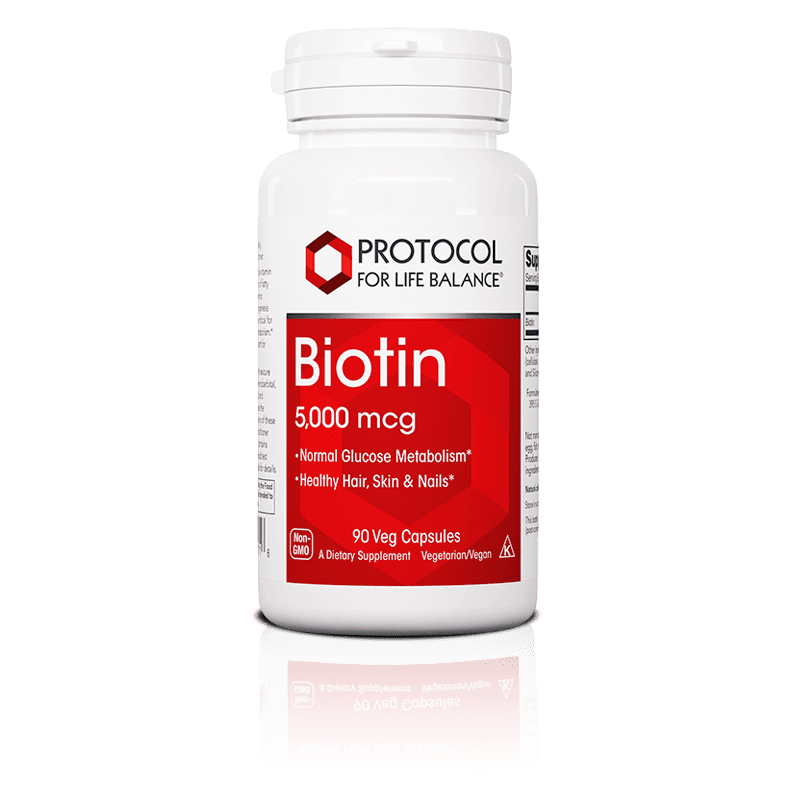
We feature a curated selection of pharmaceutical-grade supplements chosen to support healthy hair as part of a consistent daily routine. Protocol Biotin 5,000mcg delivers a concentrated dose of vitamin B7, a nutrient many people take to support the health of their hair, skin and nails as part of their everyday wellness.
These products are available now without a prescription, so you can add them to your routine whenever you are ready. Talk with your healthcare provider about which supplements make sense for your hair and your goals.
Acid reflux and heartburn can cause an uncomfortable burning sensation in the stomach, chest, or behind the breastbone. For some…
The most common forms of hair loss include androgenetic alopecia (male and female pattern hair loss), telogen effluvium (diffuse shedding triggered by stress, illness, weight change or medications) and alopecia areata (an autoimmune condition). Hormonal changes, nutritional deficiencies, scalp conditions and certain medications can all contribute. Because the causes can overlap, a healthcare provider evaluation is often the most useful first step.
A compounding pharmacy like Pharmacy Solutions prepares customized medications based on a prescriber’s specific instructions. For hair and scalp care, that can include combining several active ingredients into a single topical formulation, preparing alternative vehicles like foams or shampoos, adjusting strengths for individual patients and excluding specific ingredients for sensitive scalps. Every formulation is prepared for an individually identified patient based on a valid prescription.
Hair grows slowly, so meaningful changes in density typically take several months of consistent use. Many providers suggest giving a new formulation at least three to six months before evaluating results. Response varies depending on what is driving the hair loss and the specific formulation prescribed.
Certain supplements including Pro-Hair, vitamin D3 and iron have been studied for their potential roles in supporting hair growth, particularly when deficiencies are identified through bloodwork. Results vary based on individual health status. It is important to discuss any supplements with your healthcare provider to ensure they complement your overall care plan.
Yes. Pharmacy Solutions is licensed to ship compounded medications to patients across the United States. Your provider sends the prescription directly to the pharmacy, and the medication is shipped to your door.
If you do not currently have a provider who prescribes compounded hair or scalp formulations, Pharmacy Solutions may be able to help connect you with practitioners in your area. Dermatologists are often the most relevant specialists, and primary care physicians can also provide referrals.
Many ingredients used in compounded hair formulations are not recommended during pregnancy or breastfeeding. If you are pregnant, breastfeeding or planning to become pregnant, discuss any hair loss concerns with your provider before starting any therapy.
[1] American Academy of Dermatology Association. Hair loss: overview and types. https://www.aad.org/public/diseases/hair-loss/types
[2] Varothai S, Bergfeld WF. Androgenetic alopecia: an evidence-based treatment update. Clin Cosmet Investig Dermatol. 2014. https://pubmed.ncbi.nlm.nih.gov/25324641/
[3] Sinclair R. Female pattern hair loss. J Investig Dermatol Symp Proc. 2005. https://pubmed.ncbi.nlm.nih.gov/16382668/
[4] Gilhar A, et al. Alopecia areata: autoimmune disease mechanism. J Allergy Clin Immunol. 2012. https://pubmed.ncbi.nlm.nih.gov/22264601/
[5] Malkud S. Telogen effluvium: a review. J Clin Diagn Res. 2015. https://www.ncbi.nlm.nih.gov/pmc/articles/PMC4606321/
[6] Pazyar N, et al. Seborrheic dermatitis review. Dermatol Res Pract. 2013. https://pubmed.ncbi.nlm.nih.gov/23878597/
[7] Paus R, Cotsarelis G. The biology of hair follicles. N Engl J Med. 1999. https://pubmed.ncbi.nlm.nih.gov/10515896/
Tell us a little about what you are looking for and we will take it from there. Whether you have a prescription ready, questions about a therapy your provider mentioned, or just need help figuring out your next step, our team is here and ready to help.
"*" indicates required fields

To submit your order, click the “PRINT/SAVE” button located under this pop-up.

You can save the PDF to your computer to fax at a later date or print it now to fax immediately.

Fax your order form to 817-860-6083 for processing.

New to Pharmacy Solutions? Register now
Educate Me
Get detailed information, research, and deeper product context.
Toggle on to see more educational content.
Explore Treatments
Keep things brief and see related products faster.
Toggle on to focus on products.