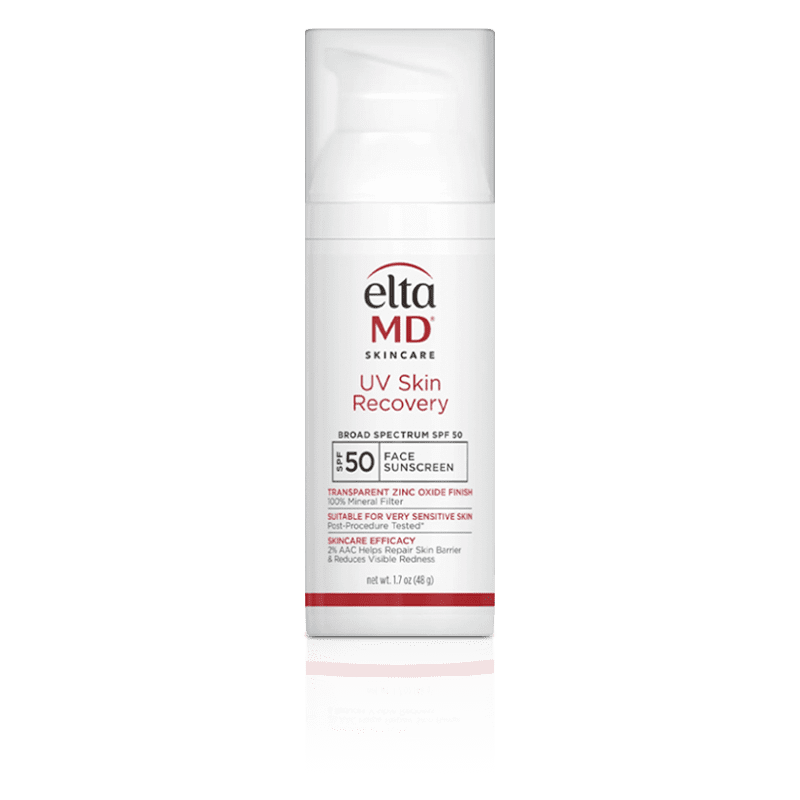
July is UV Safety Awareness Month! Shop Sun Protection Essentials.
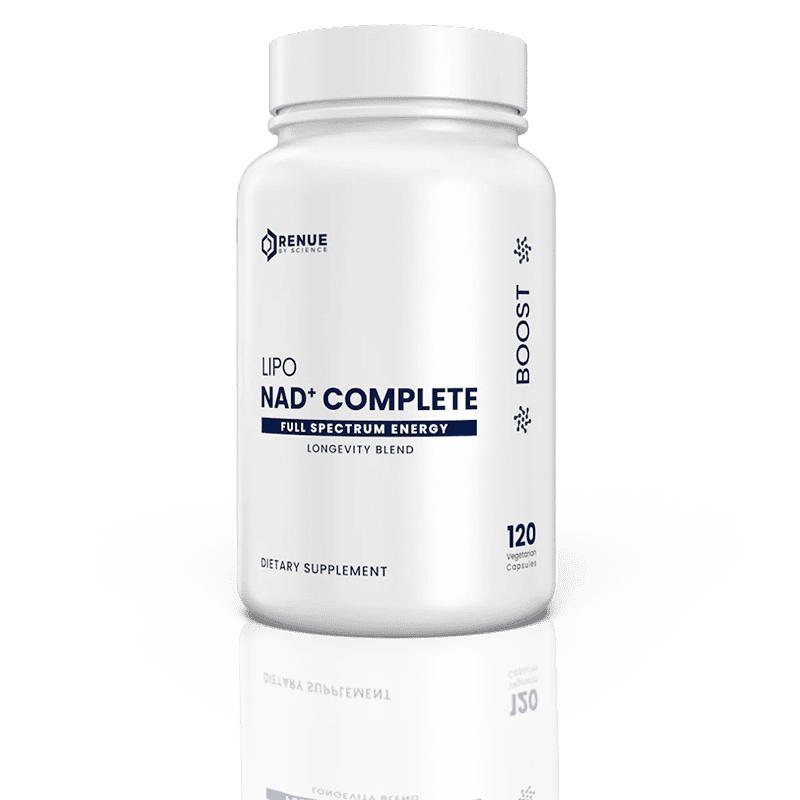
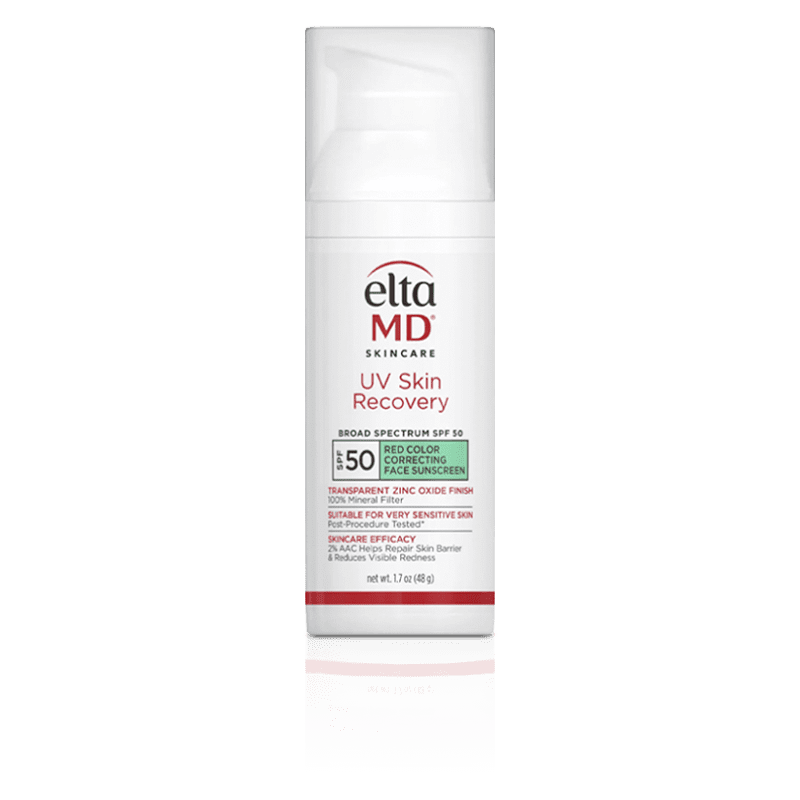



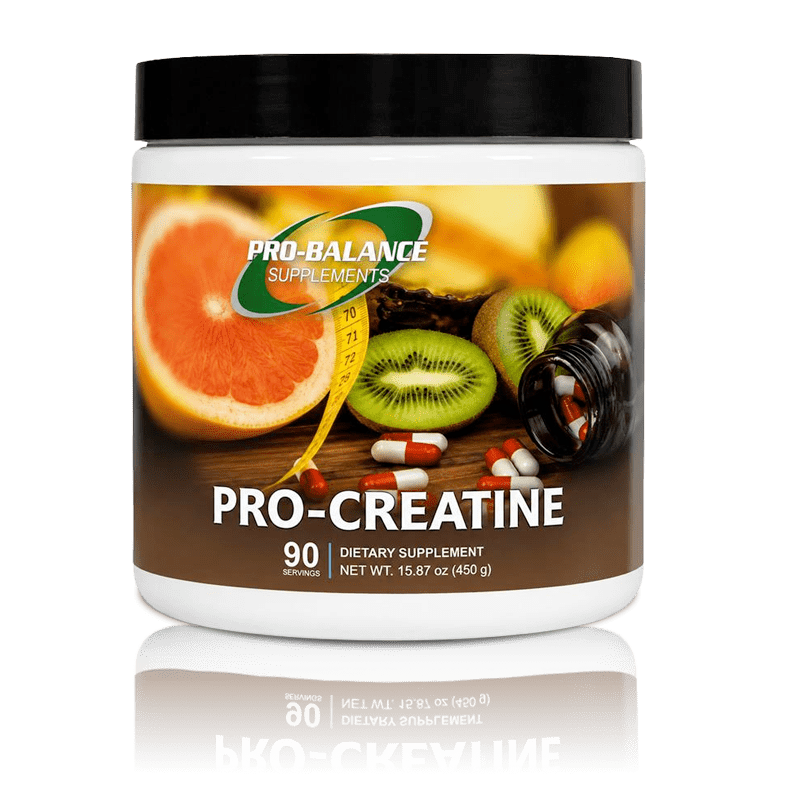
Enjoy 10% off for Patient Appreciation Day with code THANKUJULY on 7/15/2026 only!
15% off on all sunscreen and probiotics during July with code SUNSAFE15
The Pharmacy will be closed July 4th for Independence Day.




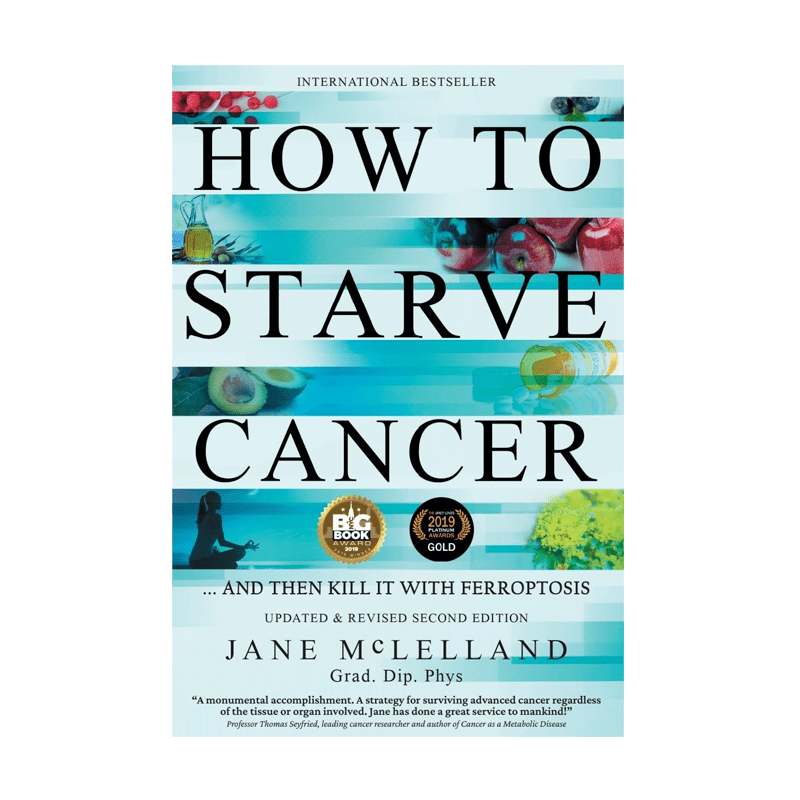
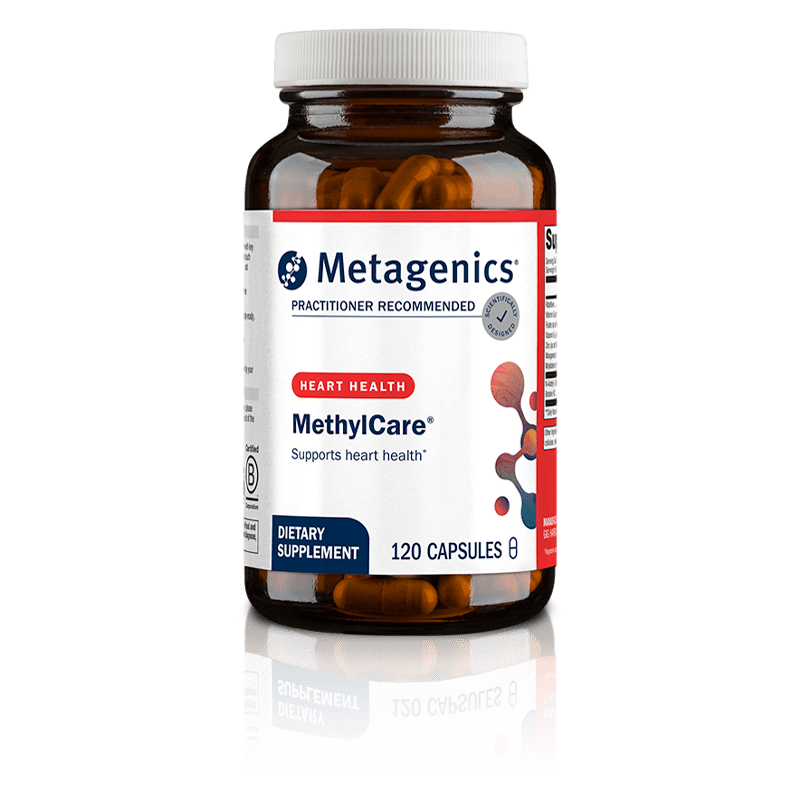
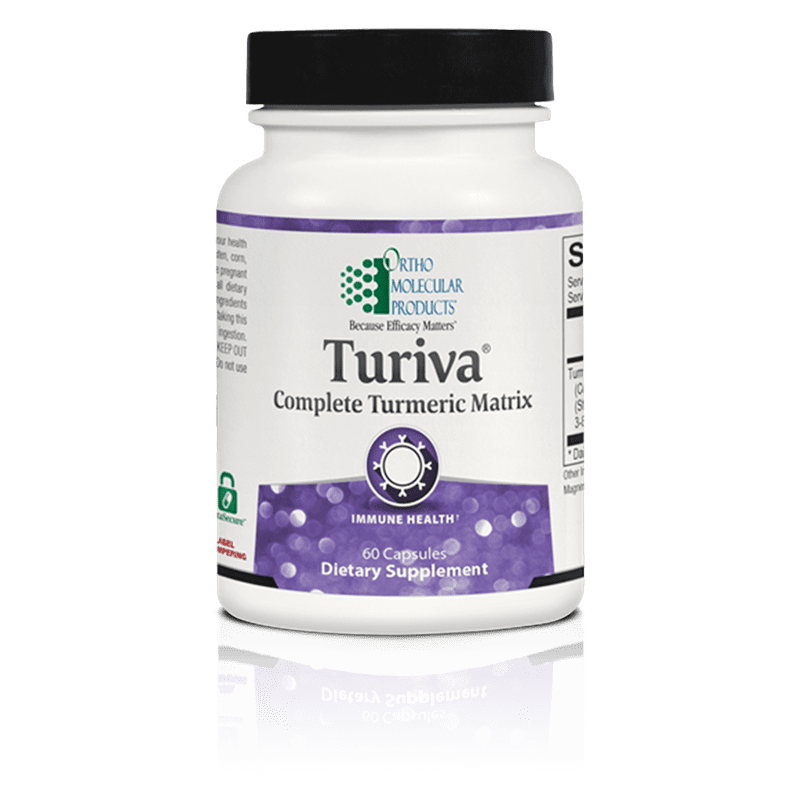
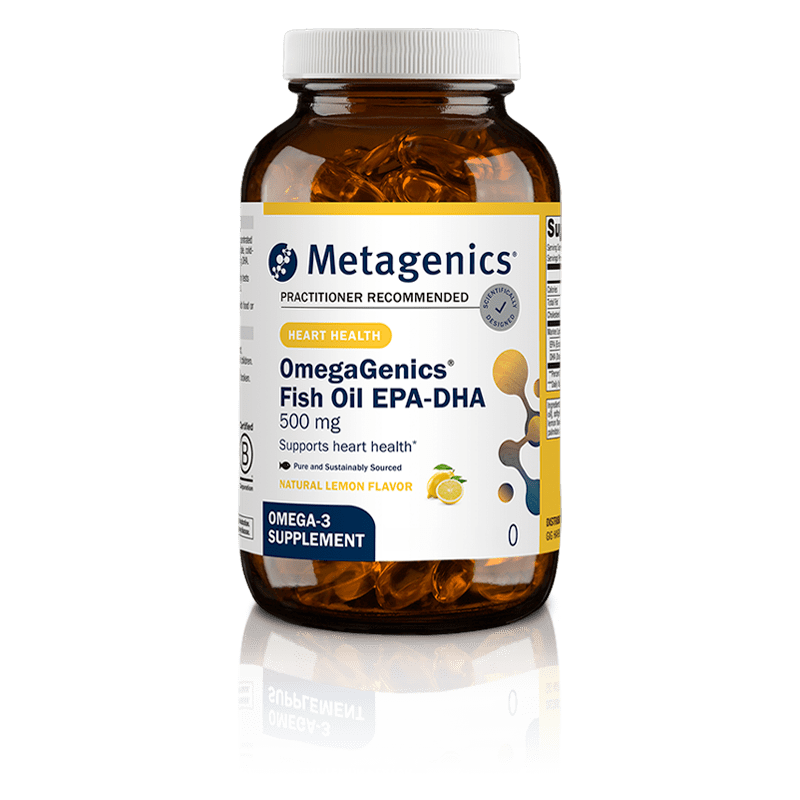

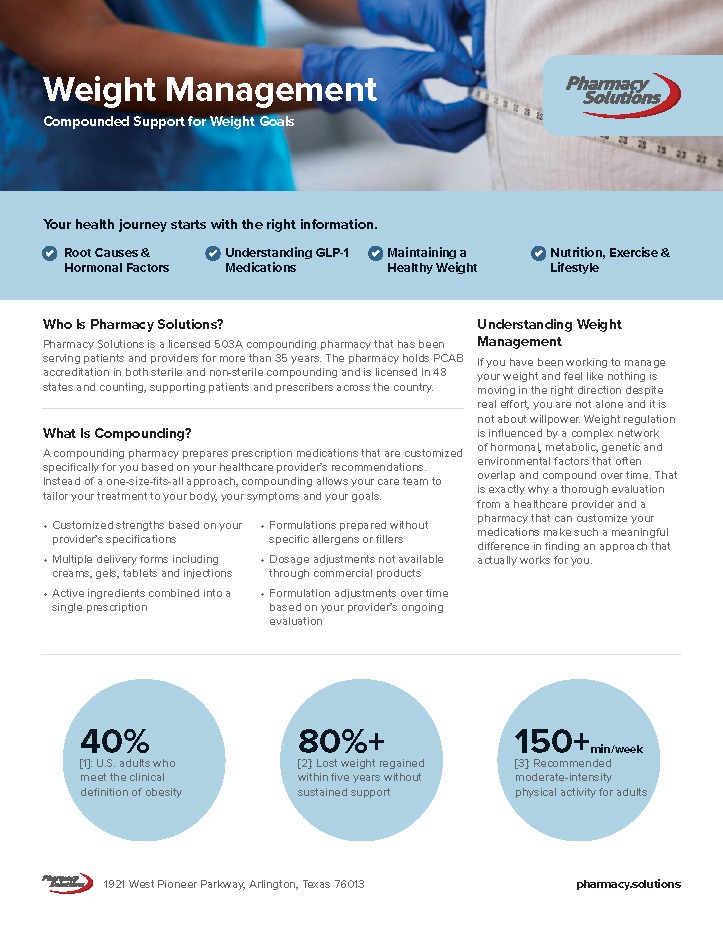
For many people, gaining weight or finding it difficult to lose weight can be confusing and frustrating. You may be eating well, staying active and still seeing the number on the scale move in the wrong direction. The truth is that weight regulation is influenced by a complex network of hormonal, metabolic, genetic and environmental factors. Data from the National Health and Nutrition Examination Survey found that approximately 40% of U.S. adults meet the clinical definition of obesity, a number that underscores how common this challenge has become.[1] Understanding the root causes behind unhealthy weight is an important first step. When you know what may be contributing to changes in your body, you and your healthcare provider can work together to build a plan that addresses the real issues rather than just the symptoms.
For those ready to take a structured approach, the Transform Medical Weight Loss Program is available through Pharmacy Solutions and connects patients with trained providers for a personalized, science-backed plan.
Unhealthy weight is not defined by a single number on a scale. It refers to a state in which excess body fat or an imbalanced body composition begins to affect overall health and quality of life. Healthcare providers often use body mass index as an initial screening tool, but factors like fat distribution, muscle mass, metabolic markers and family history all contribute to a more complete picture. Central adiposity, which refers to fat stored around the abdomen and internal organs, has been associated with elevated cardiovascular and metabolic risk.[2] Because every person’s body is different, working with a qualified healthcare provider is the most reliable way to understand where you stand and what your options may be.
Weight gain is rarely caused by a single factor. It often results from a combination of biological, environmental and behavioral influences working together over time.
Weight gain that feels difficult to explain or control can affect anyone regardless of age, gender or lifestyle. Adults between the ages of 40 and 59 experience some of the highest rates of obesity in the United States, although younger adults and older adults are also significantly affected.[1] Hormonal shifts that occur during perimenopause, menopause and andropause can accelerate changes in body composition. Individuals managing chronic conditions, taking certain medications or dealing with prolonged stress may also be more vulnerable to unexplained weight changes.
If you have noticed a gradual or sudden increase in weight that does not respond to changes in diet and physical activity, it may be worth having a conversation with your healthcare provider. Persistent fatigue, increased abdominal fat, difficulty sleeping, mood changes or rising blood sugar levels can all signal that something deeper is going on. Early evaluation can help identify contributing factors before they compound, and a provider can recommend testing or referrals as needed.
Because the causes of unhealthy weight are varied, the most effective approaches tend to be individualized. Healthcare providers may recommend lifestyle modifications such as dietary changes, structured physical activity and sleep optimization as a foundation. When underlying hormonal imbalances or metabolic conditions are identified, additional strategies may be explored. GLP-1 receptor agonists are among the most widely discussed prescription options for weight management and work by mimicking a natural hormone that regulates appetite, blood sugar and gastric emptying. A dedicated page on this site covers GLP-1 medications in detail. Compounded formulations prepared by a 503A compounding pharmacy can offer customized options when standard medications are not the right fit. Pharmacy Solutions works directly with healthcare providers to prepare individualized weight management formulations in the strength, combination and dosage form each patient requires. Programs like the Transform Medical Weight Loss Program connect patients with trained providers who develop customized protocols based on comprehensive clinical assessment.
Every person’s path is different, and understanding the process can help set realistic expectations.
Pharmacy Solutions works alongside your healthcare provider to prepare medications and formulations tailored to your specific needs. As a 503A compounding pharmacy accredited by PCAB in both sterile and non-sterile compounding, Pharmacy Solutions maintains rigorous quality standards for every preparation. This means your provider can prescribe customized formulations in the exact strength, combination and dosage form that fits your care plan.
Beyond prescription compounding, the pharmacy team is available to answer questions about your medications, explain how compounded preparations work and help coordinate with your provider’s office. The Transform Medical Weight Loss Program also provides a structured pathway for patients seeking a comprehensive, provider-guided approach. Whether you are just beginning to explore your options or are already working with a provider on a personalized plan, Pharmacy Solutions is here to support you through the process.
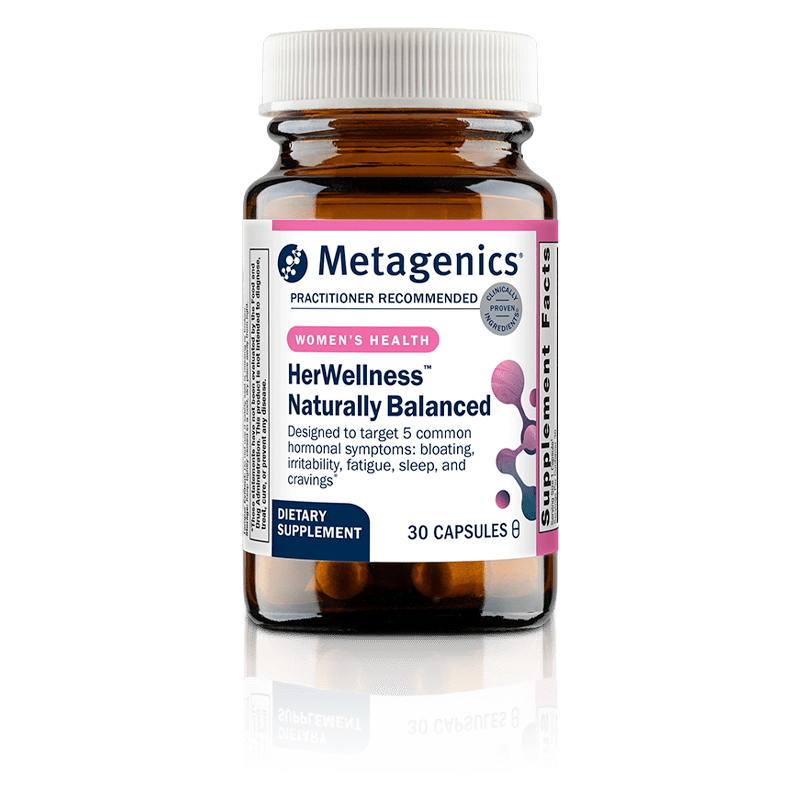
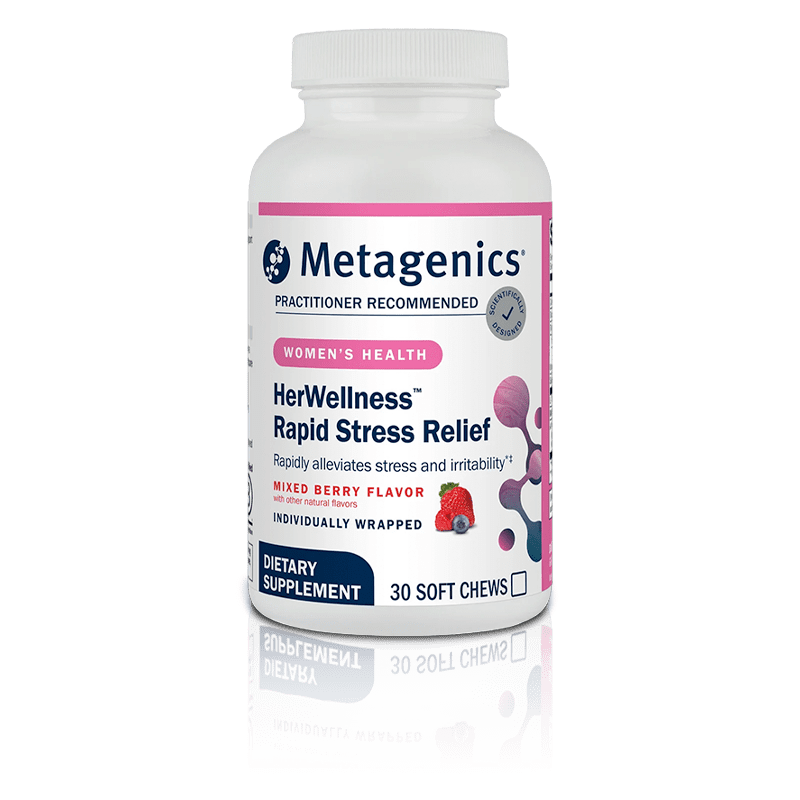
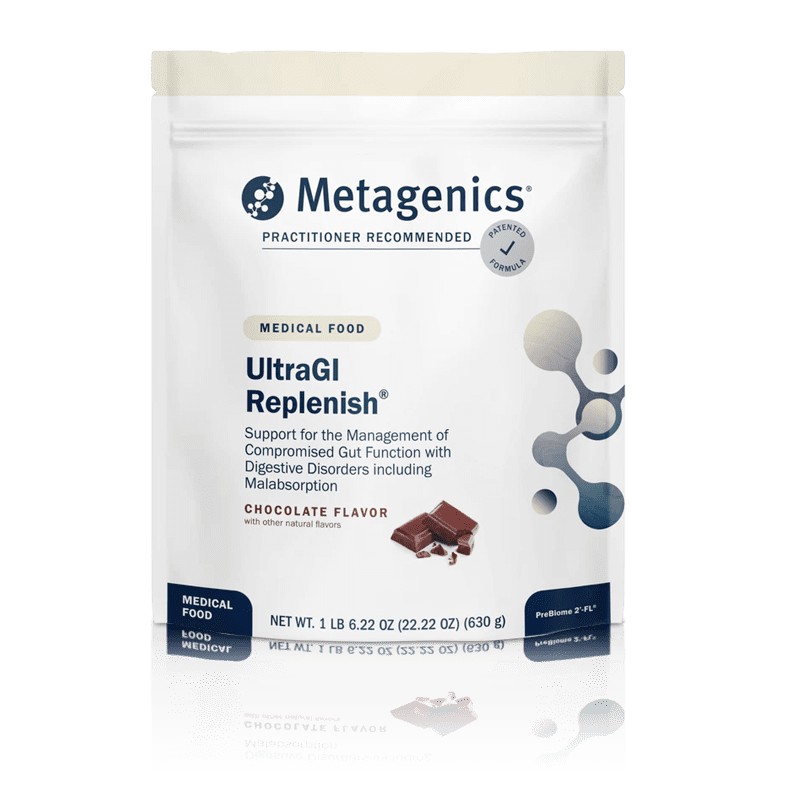
Pharmacy Solutions carries a selection of pharmaceutical-grade supplements that can be purchased without a prescription. Products such as ProBalance Pro-Peptide, Pro-Balance Pro-DIM, ProBalance Green Tea-70 High Concentration EGCG, Pro-Balance Pro-Glucose Support, Pro-Balance ALA 300 Alpha Lipoic Acid, Pro-Balance L-Glutamine and Metagenics UltraFlora Control have been studied for their potential roles in supporting metabolism, blood sugar balance and overall wellness. As always, discuss any new supplement with your healthcare provider before starting.
I spent years frustrated with my weight and unsure where to turn. Having a team that took the time to understand what I was going through and worked with my provider to build a plan made all the difference in how I approached the next step.
What I appreciated most was that no one treated this like a quick fix. My provider and the pharmacy team helped me build a plan I could actually stick with, and they stayed involved as things changed along the way.
I knew I needed to make changes, but I didn’t know where to start. Having a team that helped me understand how everything connects, from what I eat to how I sleep, made the whole process feel manageable for the first time.
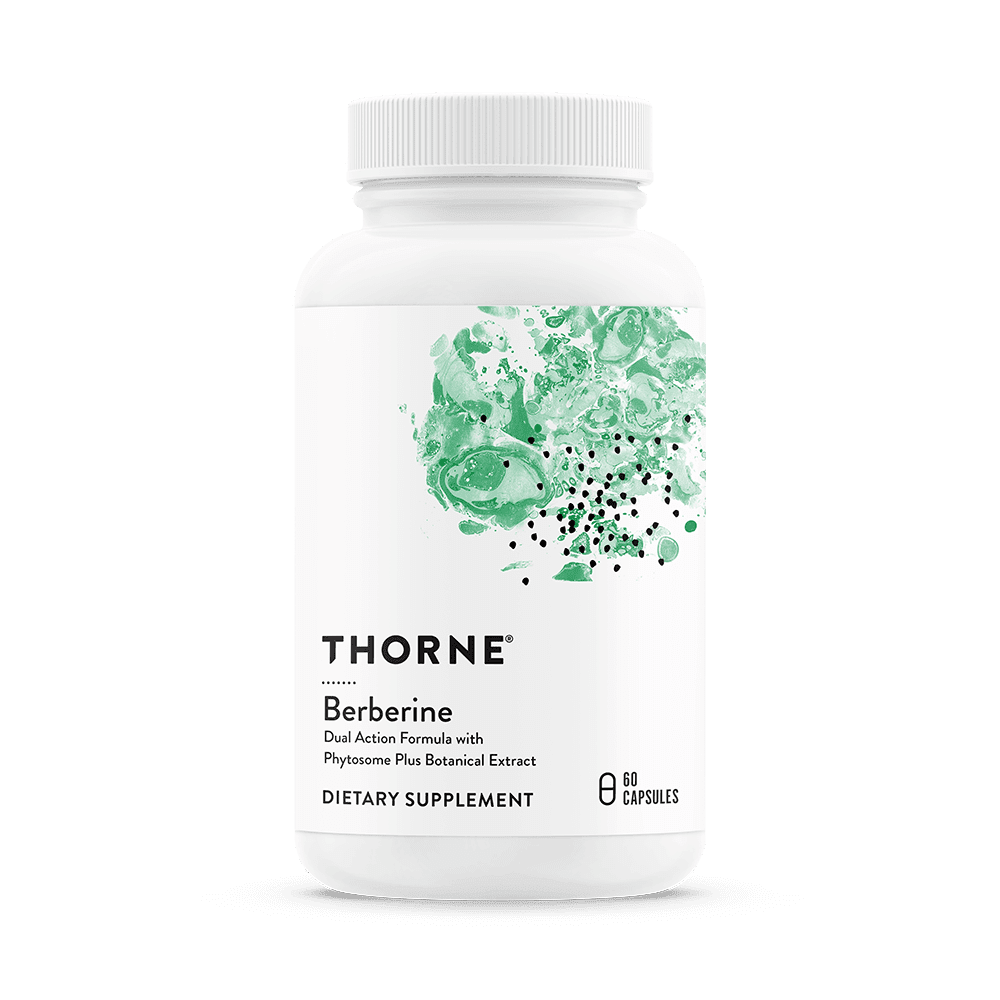
We feature a curated selection of supplements and essentials chosen to support overall wellness and a balanced, healthy daily routine you can stick with. Thorne Berberine is a daily supplement that many people include in a healthy routine to support their weight management and overall wellness goals.
These products are available now without a prescription, so you can start whenever you are ready. Talk with your healthcare provider about which products and daily habits make sense for you and your goals.
Weight gain is often influenced by a combination of factors rather than a single cause. Hormonal imbalances involving insulin, cortisol, thyroid hormones and reproductive hormones can all play a role. Certain medications, chronic stress, poor sleep, genetic predisposition and gut microbiome changes may also contribute. A healthcare provider can help evaluate which factors may be relevant to your situation.
Yes. Hormonal weight gain is well documented in medical literature. Insulin resistance can promote fat storage, elevated cortisol from chronic stress is associated with increased abdominal fat and appetite changes, and thyroid imbalances can slow metabolism.[3][5] Shifts in estrogen, progesterone and testosterone during midlife transitions may also affect body composition.
Several categories of medications have been associated with weight gain as a side effect. These include certain antidepressants such as tricyclic agents and some SSRIs, corticosteroids like prednisone, antipsychotic medications, some diabetes drugs including insulin and sulfonylureas, beta-blockers and certain mood stabilizers.[4] If you are concerned about medication-related weight changes, talk to your provider before making any changes.
If you are gaining weight despite maintaining a healthy diet and regular physical activity, or if the gain is accompanied by fatigue, mood changes, difficulty sleeping or changes in blood sugar, it may be worth discussing with a healthcare provider. Lab work and a thorough evaluation can help identify potential hormonal, metabolic or medication-related contributors.
The Transform Medical Weight Loss Program is a structured, provider-guided weight management program available through Pharmacy Solutions. It connects patients with trained providers who develop customized protocols based on comprehensive clinical data. Transform is not a diet and does not recommend surgery. It uses science-based approaches tailored to each individual.
Yes. A 503A compounding pharmacy can prepare customized medications based on a provider’s prescription. This may include formulations in specific strengths, combinations or dosage forms that are not available commercially. Pharmacy Solutions works directly with healthcare providers to ensure each preparation meets the individual patient’s needs.
Several supplements have been studied for their potential roles in supporting metabolism and overall wellness. Pharmacy Solutions carries pharmaceutical-grade options including ProBalance Pro-Peptide, Pro-Balance Pro-DIM, ProBalance Green Tea-70 EGCG, Pro-Balance Pro-Glucose Support, Pro-Balance ALA 300 Alpha Lipoic Acid, Pro-Balance L-Glutamine and Metagenics UltraFlora Control. Always discuss supplements with your healthcare provider before starting.
[1] Ogden CL, et al. Obesity and severe obesity prevalence in adults: United States, August 2021-August 2023. NCHS Data Brief No. 508. National Center for Health Statistics. 2024. https://www.cdc.gov/nchs/products/databriefs/db508.htm
[2] Tchernof A, Despres JP. Pathophysiology of human visceral obesity: An update. Physiological Reviews. 2013;93(1):359-404. https://pubmed.ncbi.nlm.nih.gov/23303913/
[3] Pasquali R, et al. Endocrine disorders and obesity. In: Endotext. MDText.com. 2023. https://www.ncbi.nlm.nih.gov/books/NBK278943/
[4] Domecq JP, et al. Drugs commonly associated with weight change: A systematic review and meta-analysis. Journal of Clinical Endocrinology and Metabolism. 2015;100(2):363-370. https://pubmed.ncbi.nlm.nih.gov/25590213/
[5] Tomiyama AJ, et al. Low calorie dieting increases cortisol. Psychosomatic Medicine. 2010;72(4):357-364. https://pubmed.ncbi.nlm.nih.gov/20368473/
[6] Ley RE, et al. Microbial ecology: Human gut microbes associated with obesity. Nature. 2006;444(7122):1022-1023. https://pubmed.ncbi.nlm.nih.gov/17183309/
Tell us a little about what you are looking for and we will take it from there. Whether you have a prescription ready, questions about a therapy your provider mentioned, or just need help figuring out your next step, our team is here and ready to help.
"*" indicates required fields

To submit your order, click the “PRINT/SAVE” button located under this pop-up.

You can save the PDF to your computer to fax at a later date or print it now to fax immediately.

Fax your order form to 817-860-6083 for processing.

Get detailed information, research, and deeper product context. Toggle on to see more educational content.
Keep things brief and see related products faster. Toggle on to focus on products.

New to Pharmacy Solutions? Register now
Educate Me
Get detailed information, research, and deeper product context.
Toggle on to see more educational content.
Explore Treatments
Keep things brief and see related products faster.
Toggle on to focus on products.