Building a balanced plate is one of the simplest ways to support energy, digestion, blood sugar balance, weight management, and overall wellness. A healthy meal does not have to be complicated. It starts with choosing a variety of nutrient-rich foods that work together to fuel your body.
Whether you are planning meals at home, packing lunch, or making choices on the go, learning how to build a balanced plate can help you create meals that are satisfying, nourishing, and easier to maintain long term.
Why a Balanced Plate Matters
A balanced plate provides your body with the nutrients it needs to function well throughout the day. When meals include the right mix of vegetables, fruits, protein, whole grains, healthy fats, and hydration, they can help support steady energy and reduce the urge to reach for quick, sugary snacks later.
Balanced meals may help support:
- Energy levels
- Blood sugar balance
- Digestive health
- Healthy weight management
- Muscle maintenance
- Heart health
- Overall wellness
Start with Vegetables and Fruits
A helpful goal is to fill about half your plate with vegetables and fruits. These foods provide fiber, vitamins, minerals, antioxidants, and hydration.
Choose a variety of colors when possible. Each color brings different nutrients to the plate.
Good options include:
- Leafy greens
- Broccoli
- Bell peppers
- Carrots
- Tomatoes
- Berries
- Apples
- Citrus fruits
- Squash
- Green beans
Vegetables and fruits also help add volume to your meals, which can make them more satisfying without relying on highly processed foods.
Add Whole Grains or Fiber-Rich Carbohydrates
About one quarter of your plate can include whole grains or fiber-rich carbohydrates. These foods provide energy and help support digestion.
Examples include:
- Brown rice
- Quinoa
- Oats
- Whole wheat bread
- Sweet potatoes
- Beans
- Lentils
- Barley
Whole grains and fiber-rich carbohydrates are digested more slowly than refined carbohydrates, which may help support steadier energy and blood sugar balance.
Include Lean Protein
The remaining quarter of your plate can include protein. Protein supports muscle repair, satiety, immune function, and healthy metabolism.
Protein options include:
- Fish
- Chicken or turkey
- Eggs
- Beans
- Lentils
- Greek yogurt
- Tofu or tempeh
- Nuts and seeds
- Lean meats
Including protein at each meal can help you feel fuller longer and support stable energy between meals.
Do Not Forget Healthy Fats
Healthy fats can make meals more satisfying and help support brain health, hormone health, and nutrient absorption.
Healthy fat options include:
- Avocado
- Olive oil
- Nuts
- Seeds
- Fatty fish
- Nut butters
A little goes a long way. Adding healthy fats in the right portions can help balance the meal without overdoing calories.
Add Dairy or Calcium-Rich Alternatives
Dairy or calcium-rich alternatives can support bone health and provide important nutrients such as calcium, vitamin D, and protein.
Options may include:
- Low-fat or plain Greek yogurt
- Cottage cheese
- Milk
- Fortified almond milk
- Fortified oat milk
- Other calcium-fortified alternatives
Choose options that fit your nutritional needs, preferences, and tolerance.
Practice Portion Control
Portion control does not have to mean strict measuring. Simple visual cues can help.
Try:
- Using a smaller plate when portions feel hard to manage.
- Filling half your plate with vegetables and fruits first.
- Eating slowly.
- Paying attention to hunger and fullness cues.
- Avoiding eating directly from large packages.
- Pausing before getting seconds.
These habits help make meals more intentional without turning eating into a math worksheet.
Eat Mindfully
Mindful eating means paying attention to your food, your hunger, and how your body feels during meals.
Helpful mindful eating habits include:
- Sitting down for meals when possible.
- Chewing slowly.
- Putting your fork down between bites.
- Taking small sips of water.
- Reducing distractions during meals.
- Noticing when you feel satisfied.
Mindful eating can support digestion, portion awareness, and a healthier relationship with food.
Plan Ahead for Better Choices
Meal planning can make healthy eating easier, especially during busy weeks. Planning ahead helps reduce last-minute choices that may be less balanced.
Simple ways to plan include:
- Preparing protein in advance.
- Washing and chopping fruits and vegetables.
- Keeping healthy snacks available.
- Packing lunch the night before.
- Building a grocery list around balanced meals.
- Keeping easy staples like eggs, tuna, frozen vegetables, beans, and rice on hand.
Healthy snacks may include fruit, vegetables with hummus, Greek yogurt, nuts, or boiled eggs.
Stay Hydrated
Hydration is a key part of nutrition. Water supports digestion, circulation, energy, temperature regulation, and overall wellness.
Choose water most often. Herbal tea, sparkling water without added sugar, and black coffee may also fit into a healthy routine.
Try to limit sugary drinks, which can add extra calories without providing much nutritional value.
Pair Nutrition with Daily Movement
Balanced nutrition works best with regular physical activity. Movement supports heart health, metabolism, mood, strength, and blood sugar balance.
You do not need an intense workout plan to benefit. Simple movement counts.
Try:
- Walking after meals.
- Taking the stairs.
- Stretching during breaks.
- Gardening.
- Dancing.
- Strength training.
- Playing outside with family.
- Choosing activities you enjoy.
Consistency matters more than perfection.
Build a Plate That Works for You
There is no single perfect plate for everyone. Your needs may vary based on age, activity level, health goals, medications, food sensitivities, culture, and medical conditions.
A balanced plate is a flexible guide, not a rigid rule. The goal is to create meals that nourish your body, fit your lifestyle, and feel realistic enough to repeat.
Final Takeaway
Building a balanced plate is one of the most practical ways to support long-term wellness. By focusing on vegetables, fruits, lean protein, whole grains, healthy fats, hydration, and mindful portions, you can create meals that help you feel energized and supported throughout the day.

 Quick View
 Quick View
 Quick View
 Quick View
 Quick View
 Quick View
 Quick View
 Quick View
 Quick View
 Quick View
 Quick View
 Quick View
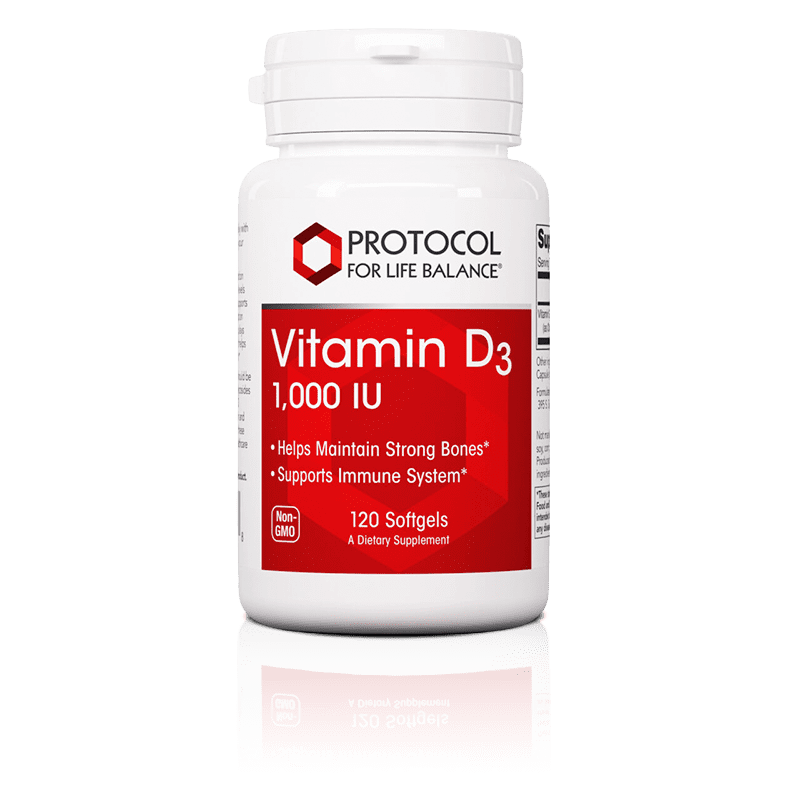 Quick View
 Quick View
 Quick View
 Quick View
 Quick View
 Quick View