The Pharmacy will be closed July 4th for Independence Day.


The Pharmacy will be closed July 4th for Independence Day.
Enjoy 10% off for Patient Appreciation Day with code THANKUJULY on 7/15/2026 only!
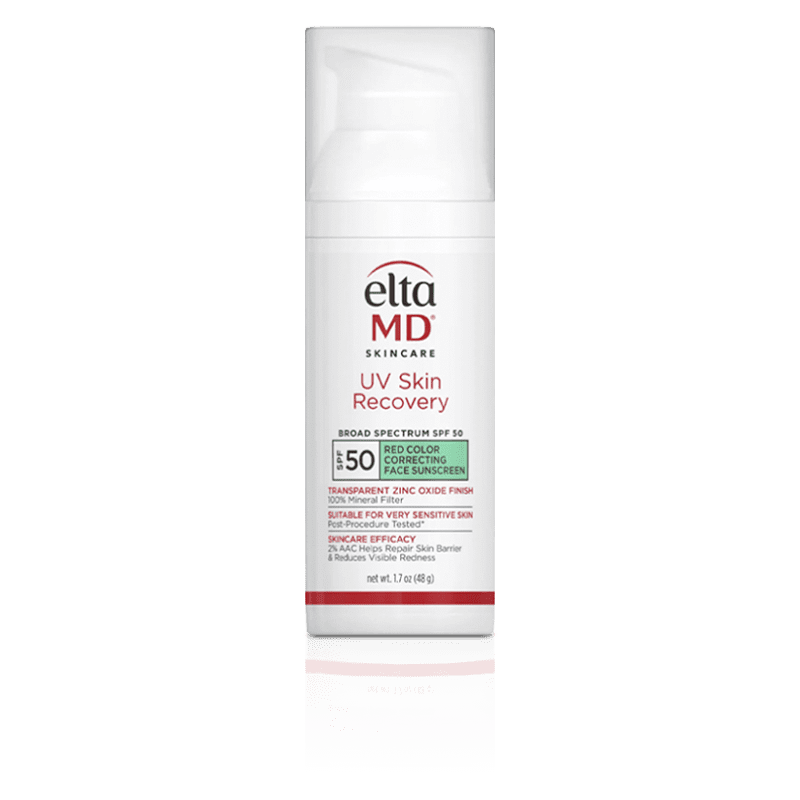
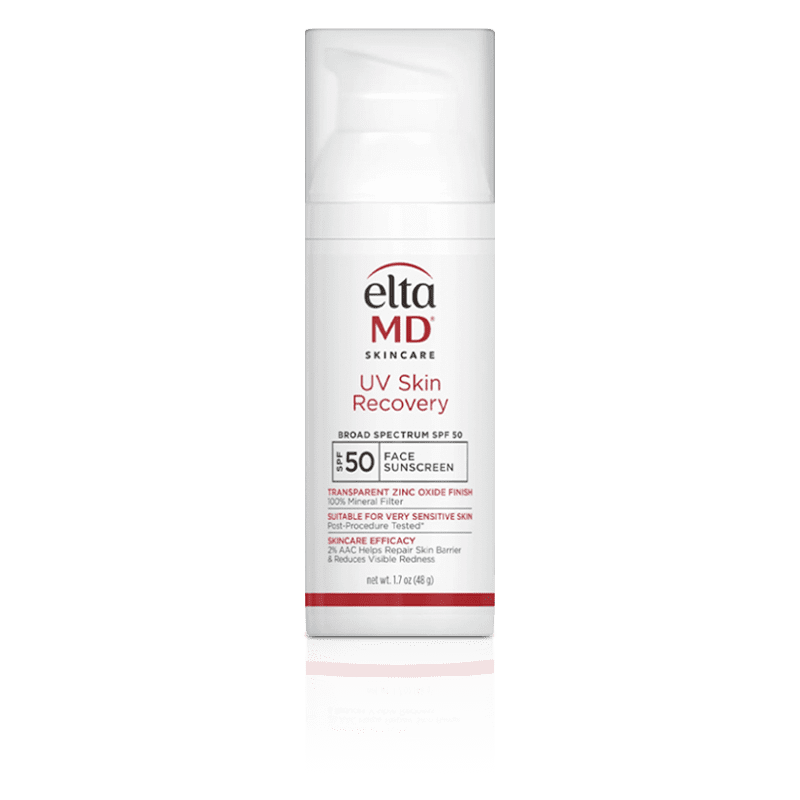
15% off on all sunscreen and probiotics during July with code SUNSAFE15


Glaucoma is a chronic, progressive condition that can damage the optic nerve and lead to vision loss if not properly managed.[1][2] For most patients, the goal of therapy is reducing intraocular pressure, or IOP, to help protect the optic nerve over time. Treatment is typically led by an eye care specialist and may involve prescription drops, laser procedures or surgery depending on the type and stage of glaucoma. For patients who struggle with preservative-related irritation, tolerability issues or complex regimens, compounded formulations can be prepared to support individualized, long-term care.[5] This page offers an educational overview of glaucoma and how a compounding pharmacy can work alongside your eye care provider when personalized therapy is appropriate.
Glaucoma is not a single condition but a group of related eye conditions that share one thing in common: damage to the optic nerve, often associated with elevated intraocular pressure.[1][2] The most common form is primary open-angle glaucoma, which typically progresses slowly and without early symptoms. Other forms include angle-closure glaucoma, normal-tension glaucoma and secondary glaucoma tied to other health factors. Because the early stages often have no noticeable symptoms, many people are first diagnosed during routine eye exams. Once diagnosed, management is typically lifelong and focused on preserving vision by controlling IOP and monitoring the health of the optic nerve over time.
Several factors can increase the likelihood of developing glaucoma or influence how it progresses.
Glaucoma most commonly affects adults over 60, though certain forms can appear earlier, particularly when family history or other risk factors are present. Because the early stages are typically silent, regular comprehensive eye exams are the most reliable way to detect the condition before meaningful changes occur. The American Academy of Ophthalmology recommends comprehensive eye exams at intervals that increase with age, with more frequent monitoring for those with risk factors.[1] If you have been diagnosed with glaucoma and your current regimen is not comfortable, is difficult to maintain or is causing ocular surface irritation, it may be time to talk with your eye care provider about alternatives. Patients who have been on preservative-containing drops for years sometimes develop surface irritation that interferes with adherence, and providers may consider preservative-free formulations or other personalized options in those cases.[5] Early conversations about comfort and adherence often lead to better long-term outcomes, because consistency with therapy is closely tied to preservation of vision.
Glaucoma management is typically led by an ophthalmologist or optometrist and tailored to the type of glaucoma, severity and individual response. Most patients begin with prescription eye drops that aim to lower intraocular pressure, including prostaglandin analogs, beta blockers, alpha agonists, carbonic anhydrase inhibitors and rho kinase inhibitors.[2] For some patients, laser procedures such as selective laser trabeculoplasty or surgical options including trabeculectomy and minimally invasive glaucoma surgery may be considered.
When commercial drop formulations are not well tolerated or when a patient has additional considerations, compounded formulations can be prepared by a pharmacy based on the provider’s prescription. Common compounded options include preservative-free versions of standard actives for patients with ocular surface irritation, customized concentrations of pilocarpine for select cases, and adjunctive therapies designed to support ocular surface health alongside glaucoma medications.[5] Pilocarpine is a well-established medication that may be used in certain situations to help improve aqueous humor outflow, and compounded versions allow providers to adjust concentration for individual tolerability.[3] Any changes to a glaucoma regimen, including the addition or substitution of compounded formulations, should be determined by the eye care provider based on evaluation and monitoring.
A compounding pharmacy works alongside eye care providers to prepare customized medications that are not available in standard commercial form. For glaucoma, that flexibility matters because many patients are on chronic, daily therapy for years or decades. Providers can prescribe preservative-free formulations to reduce ocular surface irritation, adjust concentrations for patients with tolerability issues and prepare alternative vehicles when standard options are not working well.[5] Commercial products are designed for broad audiences. Compounded formulations are prepared for one specific patient based on one specific prescription.
Pharmacy Solutions is a licensed 503A compounding pharmacy with PCAB accreditation in sterile compounding and a USP <797> and USP <800> compliant sterile cleanroom. Ophthalmic compounding requires particular attention to sterility, and our pharmacists understand the specifications providers need for long-term glaucoma therapy. If you have questions about how a compounded eye drop is prepared, how to store it or how to coordinate with your eye care team, you can speak directly with a pharmacist.
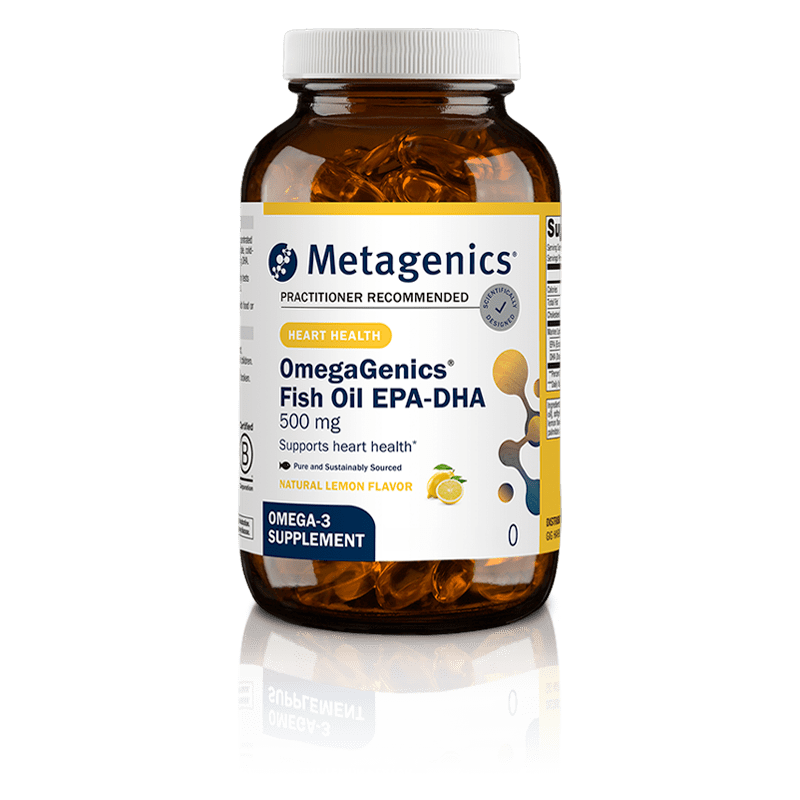
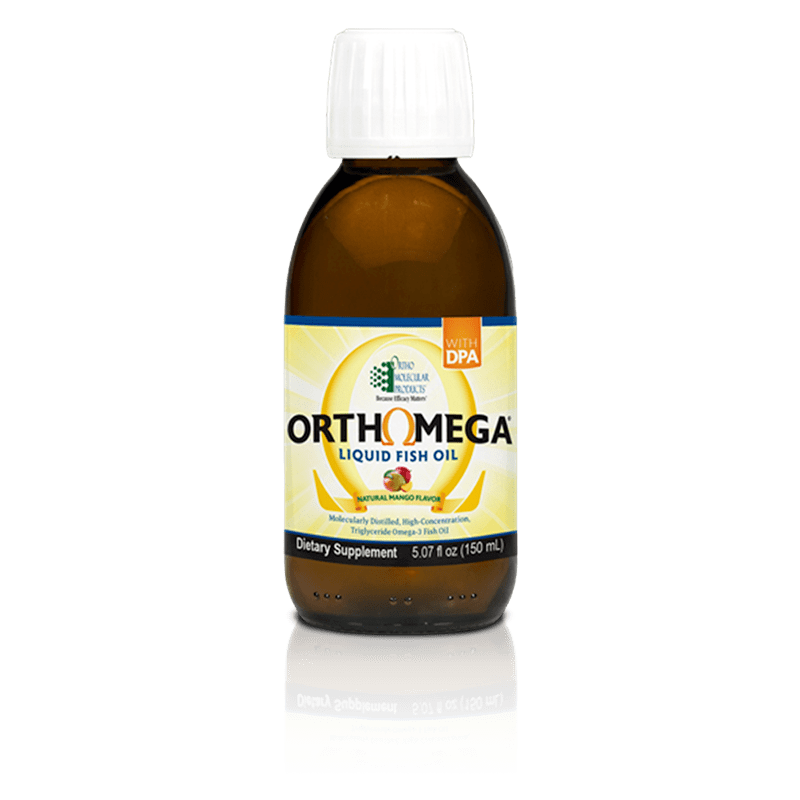
Glaucoma itself is managed with prescription therapies under the direction of an eye care provider. Over-the-counter products do not treat glaucoma or lower intraocular pressure. However, many people managing glaucoma also experience ocular surface irritation from long-term daily drop use, and certain over-the-counter products may support comfort as part of a broader care approach. Preservative-free artificial tears are widely available and can be used alongside prescription drops to help maintain surface moisture. Omega-3 fatty acid supplements have been studied for their potential role in supporting tear quality and ocular surface health. Pharmacy Solutions carries pharmaceutical-grade options that may complement a provider-directed plan.
These products are available without a prescription. As with any supplement or eye care product, discuss use with a qualified healthcare professional, particularly when managing a chronic condition like glaucoma.
If your eye care provider writes a prescription for a compounded glaucoma formulation, here is a general overview of the process.


After years of fighting with drops that burned and made my eyes red, my doctor worked with the pharmacy on a preservative-free version for me. It felt like such a relief to finally have something I could actually use every day without dreading it.
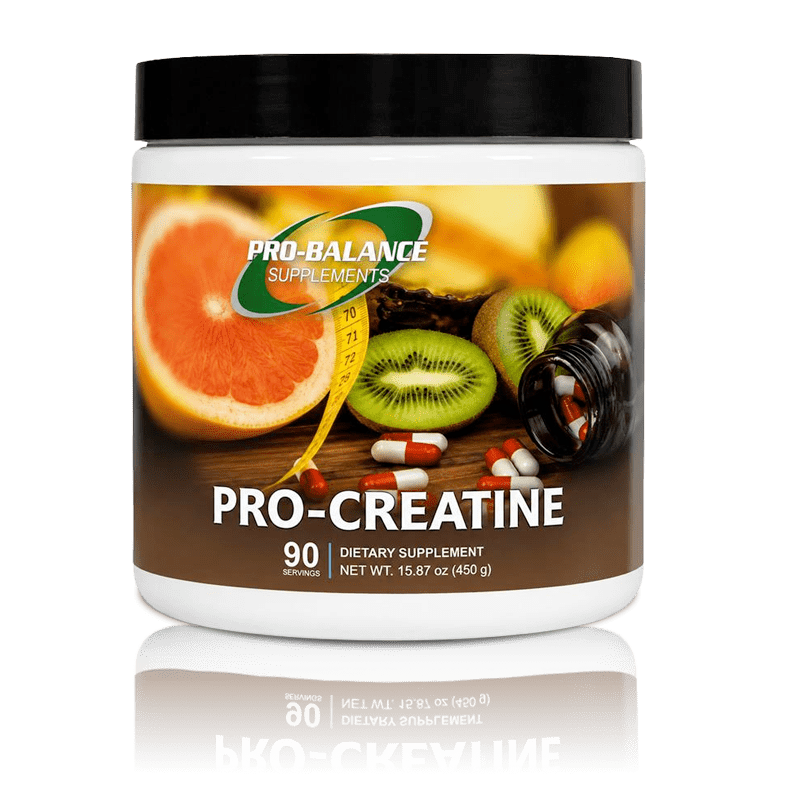
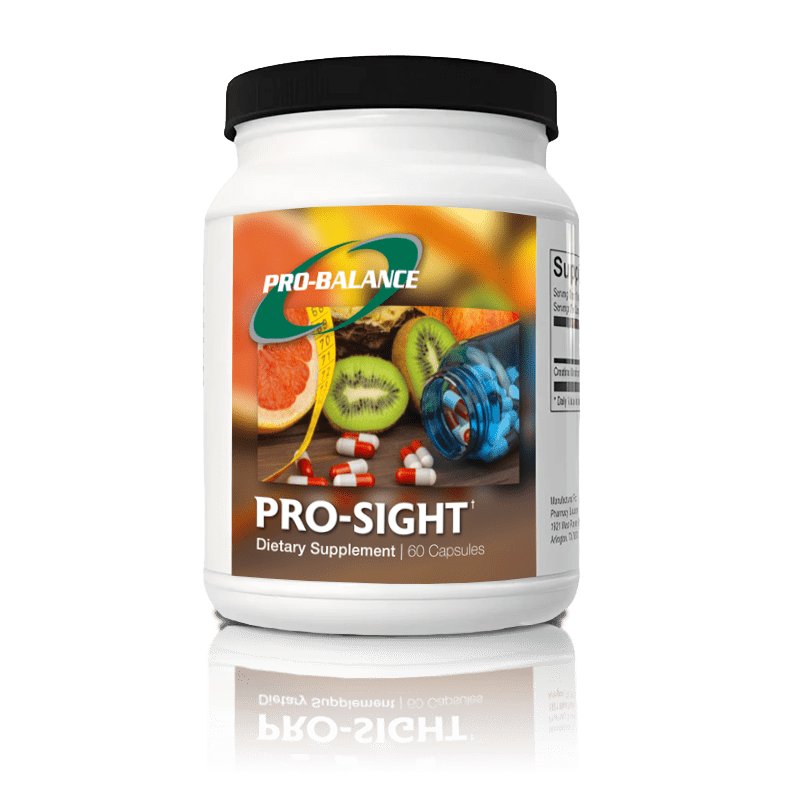
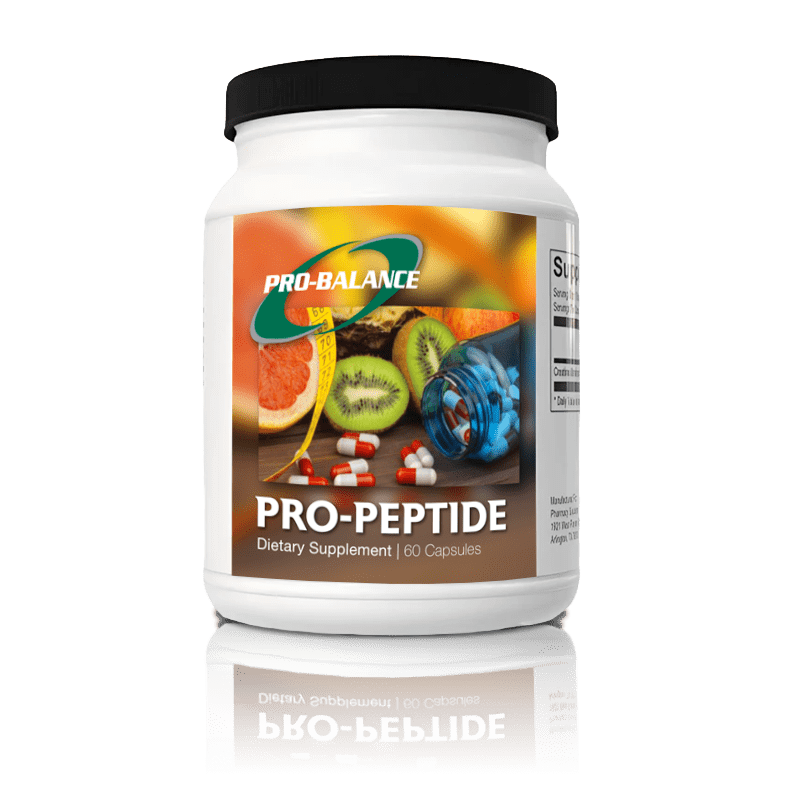
We feature a curated selection of supplements and essentials chosen to support overall wellness as part of a balanced daily routine you can rely on. Pro-Sight is a daily formula from the Pro-Balance line that many people add to a steady, balanced routine to support their everyday wellness goals.
These products are available now without a prescription, so you can begin whenever it works for you. Talk with your healthcare provider about which products and habits fit your wellness and your routine.
Any changes to your glaucoma regimen should be determined by your eye care provider. Compounded formulations are typically considered when standard commercial options are not well tolerated, when a patient needs a preservative-free version of a medication or when a specific concentration is appropriate.[5] Your provider remains in charge of your overall glaucoma care, and a compounding pharmacy prepares what they prescribe.
Preservatives help keep bottled medications sterile, but with repeated long-term use, they can contribute to ocular surface irritation for some patients.[5] Because glaucoma often requires daily drop use for years, some patients develop surface irritation that interferes with comfort and adherence. In those cases, providers may consider preservative-free formulations to support long-term care.
Yes. Compounded medications are prepared only after a licensed healthcare provider writes a prescription for a specific patient. If your current provider has not worked with compounded eye drops, our team can help facilitate that conversation or connect you with a provider who has.
Your eye care provider will direct your full regimen, including whether and how compounded formulations fit alongside your current therapy. Never adjust your glaucoma medications on your own. Consistency with the regimen your provider has prescribed is one of the most important factors in protecting long-term vision.
Pilocarpine is a well-established medication that can help improve aqueous humor outflow in certain types of glaucoma.[3] Compounded versions allow providers to adjust concentration for individual patients, which can improve tolerability. Your provider can determine whether pilocarpine is appropriate for your specific situation.
Follow-up frequency depends on the type of glaucoma, stage and how your condition is responding to current therapy. Your eye care provider will set your follow-up schedule, which typically involves regular measurement of intraocular pressure, visual field testing and imaging of the optic nerve. Never skip follow-up appointments, as glaucoma progression is often silent.
If your current provider does not prescribe compounded eye drops and you would like to explore personalized options, Pharmacy Solutions may be able to help connect you with practitioners in your area. Optometrists and ophthalmologists are typically the providers who manage glaucoma care.
[1] American Academy of Ophthalmology. Preferred Practice Pattern: Primary Open-Angle Glaucoma. https://www.aao.org/preferred-practice-pattern/primary-open-angle-glaucoma-ppp
[2] Weinreb RN, et al. The pathophysiology and treatment of glaucoma: a review. JAMA. 2014. https://pubmed.ncbi.nlm.nih.gov/24825645/
[3] European Glaucoma Society. Terminology and Guidelines for Glaucoma. 5th Edition. https://www.eugs.org/eng/guidelines.asp
[4] Kass MA, et al. The Ocular Hypertension Treatment Study. Arch Ophthalmol. 2002. https://pubmed.ncbi.nlm.nih.gov/12049575/
[5] Baudouin C, et al. Preservatives in eyedrops: the good, the bad and the ugly. Prog Retin Eye Res. 2010. https://pubmed.ncbi.nlm.nih.gov/20302969/
[6] Jonas JB, et al. Glaucoma. Lancet. 2017. https://pubmed.ncbi.nlm.nih.gov/28577860/
Tell us a little about what you are looking for and we will take it from there. Whether you have a prescription ready, questions about a therapy your provider mentioned, or just need help figuring out your next step, our team is here and ready to help.
"*" indicates required fields

To submit your order, click the “PRINT/SAVE” button located under this pop-up.

You can save the PDF to your computer to fax at a later date or print it now to fax immediately.

Fax your order form to 817-860-6083 for processing.

Get detailed information, research, and deeper product context. Toggle on to see more educational content.
Keep things brief and see related products faster. Toggle on to focus on products.

New to Pharmacy Solutions? Register now
Educate Me
Get detailed information, research, and deeper product context.
Toggle on to see more educational content.
Explore Treatments
Keep things brief and see related products faster.
Toggle on to focus on products.