Enjoy 10% off for Patient Appreciation Day with code THANKUJULY on 7/15/2026 only!


Enjoy 10% off for Patient Appreciation Day with code THANKUJULY on 7/15/2026 only!
The Pharmacy will be closed July 4th for Independence Day.
15% off on all sunscreen and probiotics during July with code SUNSAFE15
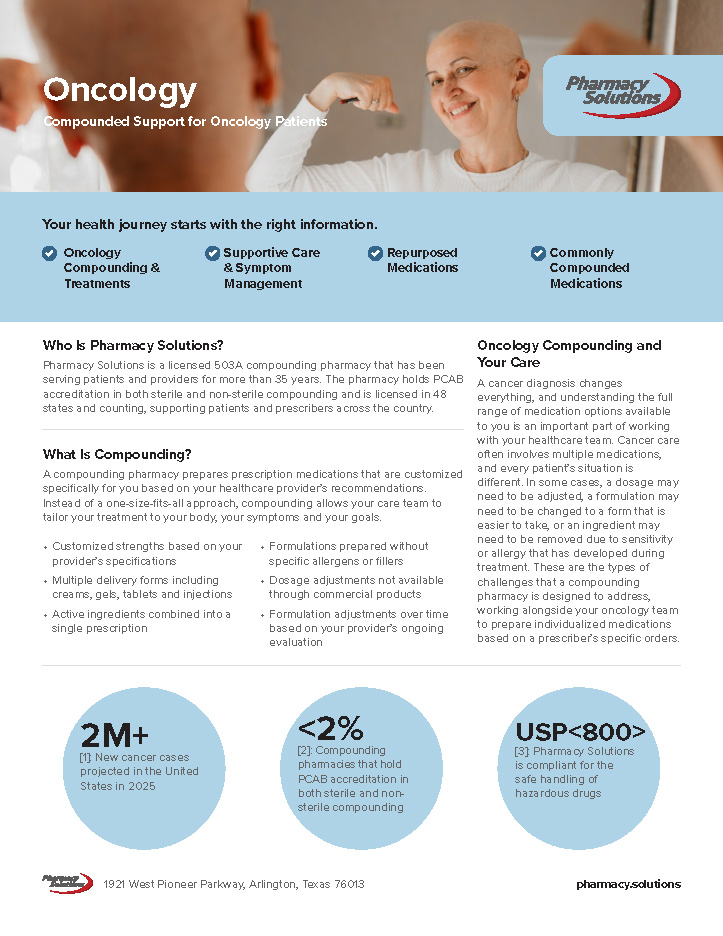
Cancer care is rarely straightforward. Treatment plans often involve multiple medications, and every patient’s situation is different. In some cases, commercially available medications may not meet a patient’s specific needs. A dosage may need to be adjusted. A formulation may need to be changed to a form that is easier to take. An ingredient may need to be removed due to sensitivity or allergy. These are the types of challenges that compounding pharmacies are designed to address. A 503A compounding pharmacy like Pharmacy Solutions works alongside oncology teams to prepare individualized medications based on a prescriber’s specific orders. This page provides an overview of the key areas of oncology compounding and what options may be available as part of your overall care plan.
Pharmacy Solutions provides educational resources across several areas of oncology care. Select a topic below to learn more.

Learn how a compounding pharmacy supports oncology care through customized formulations, dosage adjustments and specialized preparations.

Explore educational information about common cancer types and how individualized care plans are developed.

Learn what off-label prescribing means and how healthcare providers evaluate existing medications for oncology applications.

Explore the medications most commonly compounded for oncology patients when prescribed by a qualified provider.

Learn how compounded formulations may help manage treatment side effects and support quality of life during cancer care.
Oncology compounding is the preparation of customized medications for cancer patients based on a healthcare provider’s prescription. Unlike commercially manufactured drugs that come in fixed strengths and standard forms, compounded medications can be prepared in specific dosages, alternative delivery methods and unique ingredient combinations tailored to an individual patient’s needs. This flexibility is particularly relevant in oncology, where patients often face challenges with standard medications. Some patients have difficulty swallowing pills during treatment. Others may need a strength that is not commercially available. Some require medications with certain ingredients removed due to allergies or sensitivities that have developed during their care. A compounding pharmacy addresses these situations by working directly with the prescribing oncologist or healthcare provider to prepare exactly what has been ordered for that specific patient.[1]
Several factors make individualized medication preparation especially important for oncology patients.
Oncology compounding spans several categories, each serving a different role in a patient’s overall care plan. Supportive care formulations are among the most commonly compounded preparations for cancer patients. These may include topical preparations for radiation dermatitis, oral rinses for mucositis and mouth sores, anti-nausea formulations in alternative delivery methods and topical numbing preparations for port access or procedural discomfort. When standard commercial medications do not adequately address a patient’s treatment side effects, a compounding pharmacy can work with the oncology team to prepare alternatives.
Healthcare providers may also prescribe medications off-label for oncology patients. Off-label prescribing refers to the practice of prescribing an existing, approved medication for a use other than its original FDA-approved indication. This is a legal and well-established practice in medicine, and the decision to prescribe off-label is made entirely by the healthcare provider based on their clinical judgment and review of available research. A compounding pharmacy prepares these medications only when prescribed by a qualified provider.
Not every oncology patient will need compounded medications, but there are several common scenarios where compounding becomes a valuable part of the care plan. If you or a loved one is experiencing difficulty swallowing medications during treatment, a compounding pharmacy can prepare the same medication in a liquid, topical or other alternative form. If standard anti-nausea medications are not providing adequate relief, a provider may prescribe a compounded formulation in a different strength or delivery method. If you have developed a sensitivity to an ingredient in a commercial product during the course of treatment, a compounded alternative can be prepared without that ingredient.
The decision to use compounded medications always starts with the prescribing provider. If you believe compounding may be relevant to your situation, the most important step is to discuss it with your oncology team. They can evaluate whether a compounded preparation is appropriate and, if so, work directly with Pharmacy Solutions to have it prepared.
Oncology compounding requires the highest standards of quality, safety and regulatory compliance. Pharmacy Solutions is PCAB-accredited in both sterile and non-sterile compounding and adheres to USP standards, including USP <800> for the handling of hazardous drugs. Hazardous drug compounding is a specialized area that requires dedicated facilities, equipment, training and protocols to protect both patients and pharmacy personnel. Not all compounding pharmacies are equipped or accredited to handle hazardous drugs, which makes selecting a qualified pharmacy an important part of the process.
Every compounded medication prepared at Pharmacy Solutions is based on a prescriber’s order and reviewed by a licensed pharmacist. Formulations are tested through third-party laboratories to verify potency and purity.[2] The pharmacy’s team works directly with oncologists, oncology nurses and other members of the care team to ensure each preparation meets the specific requirements of the prescription.
Pharmacy Solutions has supported oncology patients and providers for more than 30 years. The pharmacy’s role begins after a healthcare provider has determined the appropriate course of care and issued a prescription. From that point, Pharmacy Solutions prepares the medication in the exact strength, formulation and dosage form specified by the prescriber. This may include capsules, liquids, topical creams, oral rinses, suppositories, injectable preparations or other forms depending on the patient’s needs and the provider’s instructions.
For patients and families navigating a cancer diagnosis, having a pharmacy that understands the unique demands of oncology care can make a meaningful difference in the experience. The pharmacy team is available to answer questions about how compounded medications are prepared, what to expect during the process and how to coordinate with your oncology provider. Patients can reach a pharmacist directly through the Ask a Pharmacist feature on the Pharmacy Solutions website.

Going through cancer treatment is hard enough without having to worry about your medications. Having a pharmacy that works directly with my oncologist and prepares exactly what I need has given me one less thing to worry about during a very difficult time.
Having a pharmacy that communicates directly with my doctor gave me confidence that my medications were being handled with care. I felt supported through the whole process.
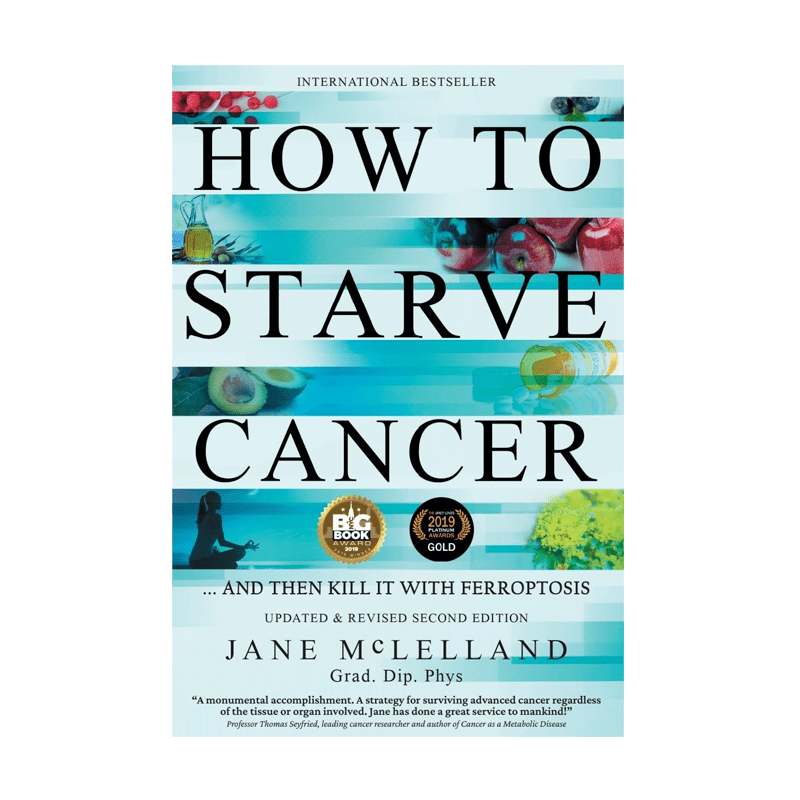
How to Starve Cancer by Jane McLelland is a nonfiction book that follows one author’s personal journey through nutrition, metabolism and everyday lifestyle. Written from lived experience rather than clinical instruction, it offers a starting point for thinking about the role food and daily habits can play in general wellness.
This title is available now in our shop and is intended as general reading and a personal narrative, not as medical advice or a treatment plan. Talk with your healthcare provider about your care, and ask a pharmacist if you have questions.
Oncology compounding is the preparation of customized medications for cancer patients based on a healthcare provider’s specific prescription. This allows for individualized dosages, alternative delivery forms, ingredient exclusions and combination preparations that are not available through commercial manufacturers. Every compounded medication is prepared for an individually identified patient.
Compounded oncology medications may include supportive care formulations for managing treatment side effects, custom dosage forms for patients who have difficulty swallowing, allergen-free preparations for patients with sensitivities, off-label medications prescribed at a provider’s discretion and combination preparations that simplify a patient’s medication regimen.
Off-label prescribing is the practice of prescribing an existing, approved medication for a use other than its original FDA-approved indication. This is a legal and well-established practice in medicine. The decision to prescribe off-label is made entirely by the healthcare provider based on their clinical judgment, the patient’s individual circumstances and their review of available research.
Pharmacy Solutions maintains PCAB accreditation in both sterile and non-sterile compounding and follows USP standards, including USP <800> for hazardous drug handling. All formulations are tested through third-party laboratories. Every preparation is reviewed by a licensed pharmacist and is based on a prescriber’s specific order.
Yes. Pharmacy Solutions is licensed to ship compounded medications to patients across the United States. All shipments are handled with appropriate packaging, including temperature-controlled shipping when required, to ensure product integrity during transit.
If you believe compounded medications may be relevant to your care, bring it up with your oncology team. They can evaluate whether compounding is appropriate and, if so, send a prescription directly to Pharmacy Solutions. You can also contact Pharmacy Solutions directly and the pharmacy team can help facilitate the conversation with your provider.
Coverage varies depending on your insurance plan and the specific medication prescribed. Some compounded medications may be covered, while others may not. Pharmacy Solutions can help you understand the cost of your specific prescription and explore available options.
[1] U.S. Food and Drug Administration. Compounding and the FDA: Questions and Answers. https://www.fda.gov/drugs/human-drug-compounding/compounding-and-fda-questions-and-answers
[2] Pharmacy Compounding Accreditation Board (PCAB). Accreditation Commission for Health Care. https://www.achc.org/pcab/
Tell us a little about what you are looking for and we will take it from there. Whether you have a prescription ready, questions about a therapy your provider mentioned, or just need help figuring out your next step, our team is here and ready to help.
"*" indicates required fields
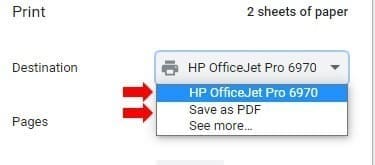
To submit your order, click the “PRINT/SAVE” button located under this pop-up.

You can save the PDF to your computer to fax at a later date or print it now to fax immediately.
Fax your order form to 817-860-6083 for processing.
New to Pharmacy Solutions? Register now
Educate Me
Get detailed information, research, and deeper product context.
Toggle on to see more educational content.
Explore Treatments
Keep things brief and see related products faster.
Toggle on to focus on products.