The Pharmacy will be closed July 4th for Independence Day.
Enjoy 10% off for Patient Appreciation Day with code THANKUJULY on 7/15/2026 only!
15% off on all sunscreen and probiotics during July with code SUNSAFE15

Results for {phrase} ({results_count} of {results_count_total})
Displaying {results_count} results of {results_count_total}
Menu
Close
- Patients
Featured Products
-
 Quick View
 -
Quick View
Men's Health Products
-
Quick View
-
Quick View
-
Quick View
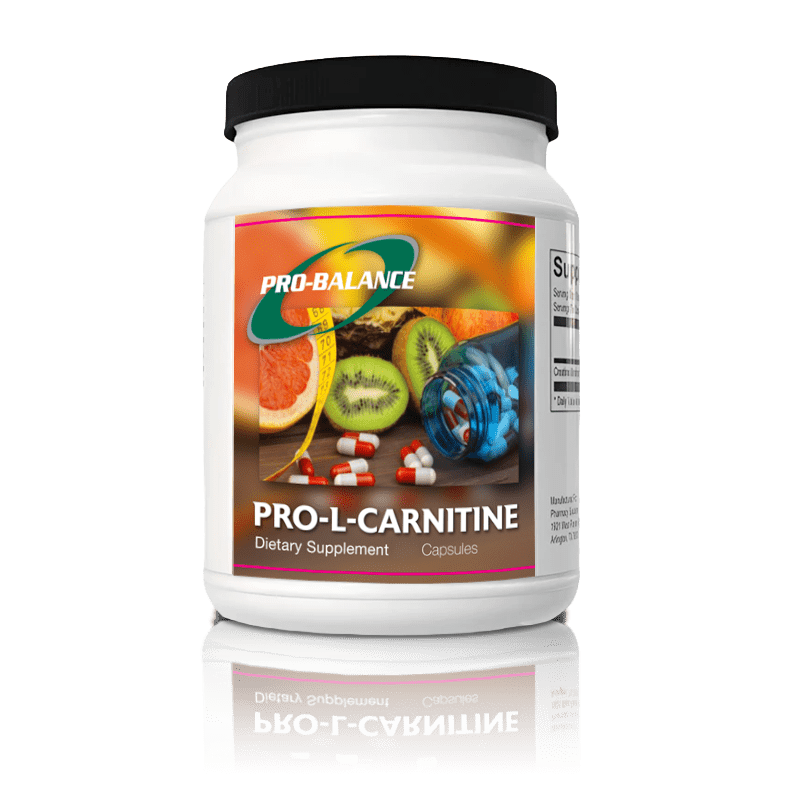
Pro-Balance: Pro-L-Carnitine 500mg
$49.99 – $86.99Price range: $49.99 through $86.99Explore This product has multiple variants. The options may be chosen on the product page
Women's Health Products
-
Quick View
-
Quick View
-
Quick View
Weight Management Products
-
Quick View
-
Quick View
-
Quick View
Dermatology Products
-
Quick View
-
Quick View
Hair Health Products
-
Quick View
-
Quick View
-
Quick View
Oncology Products
-
Quick View
-
Quick View
-
Quick View
Eye Care Products
-
Quick View
-
Quick View
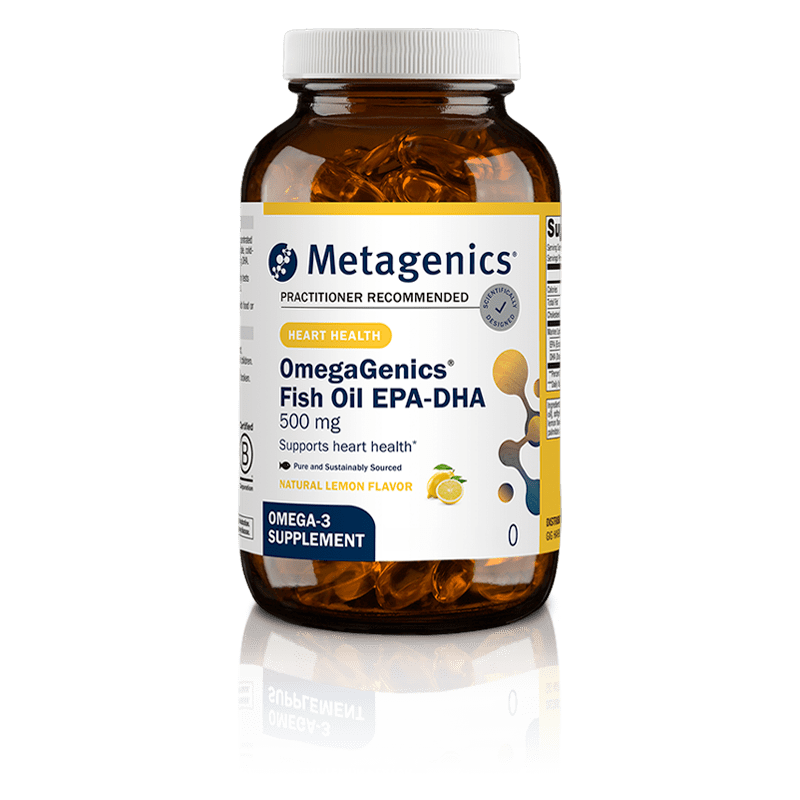
Metagenics OmegaGenics EPA-DHA Softgels 500
$47.00 – $85.00Price range: $47.00 through $85.00Explore This product has multiple variants. The options may be chosen on the product page -
Quick View
Conditions We Treat Products
-
Quick View
-
Quick View
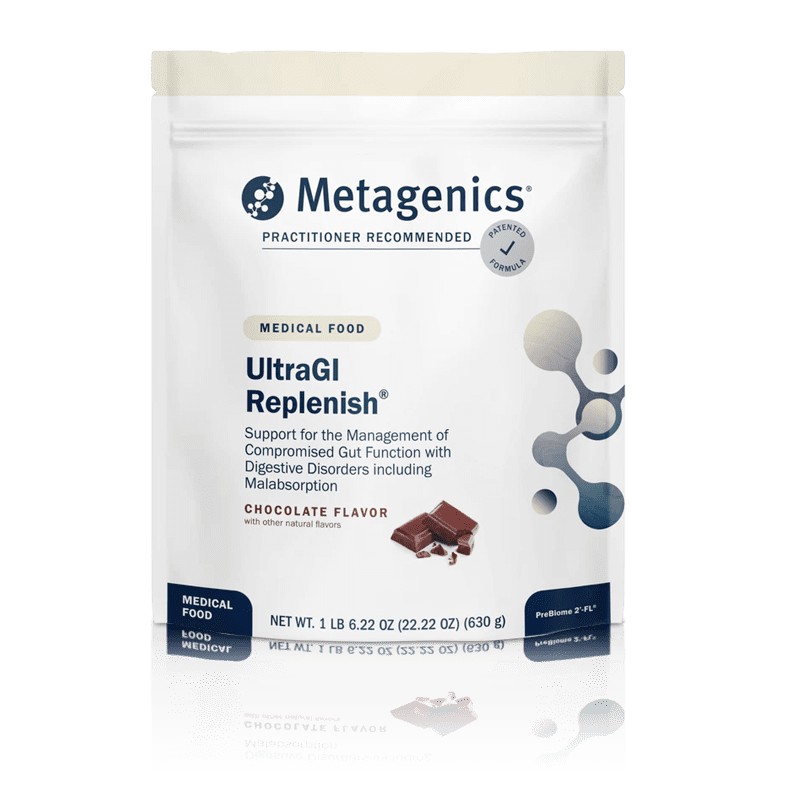
Metagenics Ultra GI Replenish Chocolate
$98.00 – $136.00Price range: $98.00 through $136.00Explore This product has multiple variants. The options may be chosen on the product page -
Quick View
-
- Providers
- Vet Corner
- About Us
- Blog
- Events
- Contact

Close
- Patients
Featured Products
-
Quick View
-
Quick View
Men's Health Products
-
Quick View
-
Quick View
-
Quick View
Pro-Balance: Pro-L-Carnitine 500mg
$49.99 – $86.99Price range: $49.99 through $86.99Explore This product has multiple variants. The options may be chosen on the product page
Women's Health Products
-
Quick View
-
Quick View
-
Quick View
Weight Management Products
-
Quick View
-
Quick View
-
Quick View
Dermatology Products
-
Quick View
-
Quick View
Hair Health Products
-
Quick View
-
Quick View
-
Quick View
Oncology Products
-
Quick View
-
Quick View
-
Quick View
Eye Care Products
-
Quick View
-
Quick View
Metagenics OmegaGenics EPA-DHA Softgels 500
$47.00 – $85.00Price range: $47.00 through $85.00Explore This product has multiple variants. The options may be chosen on the product page -
Quick View
Conditions We Treat Products
-
Quick View
-
Quick View
Metagenics Ultra GI Replenish Chocolate
$98.00 – $136.00Price range: $98.00 through $136.00Explore This product has multiple variants. The options may be chosen on the product page -
Quick View
-
- Providers
- Vet Corner
- About Us
- Blog
- Events
- Contact
Results for {phrase} ({results_count} of {results_count_total})
Displaying {results_count} results of {results_count_total}