The Pharmacy will be closed July 4th for Independence Day.


The Pharmacy will be closed July 4th for Independence Day.
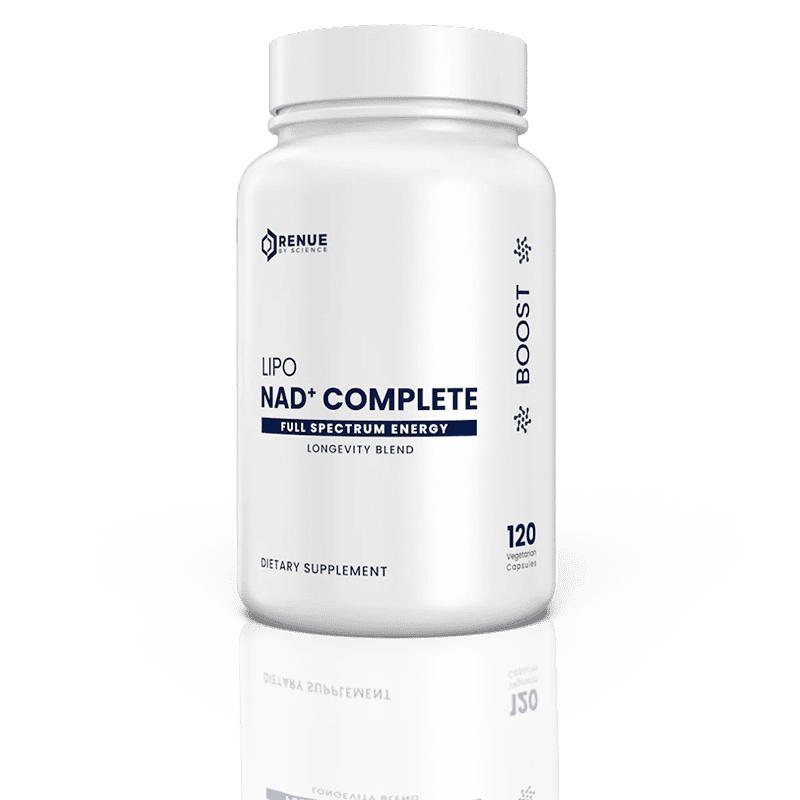
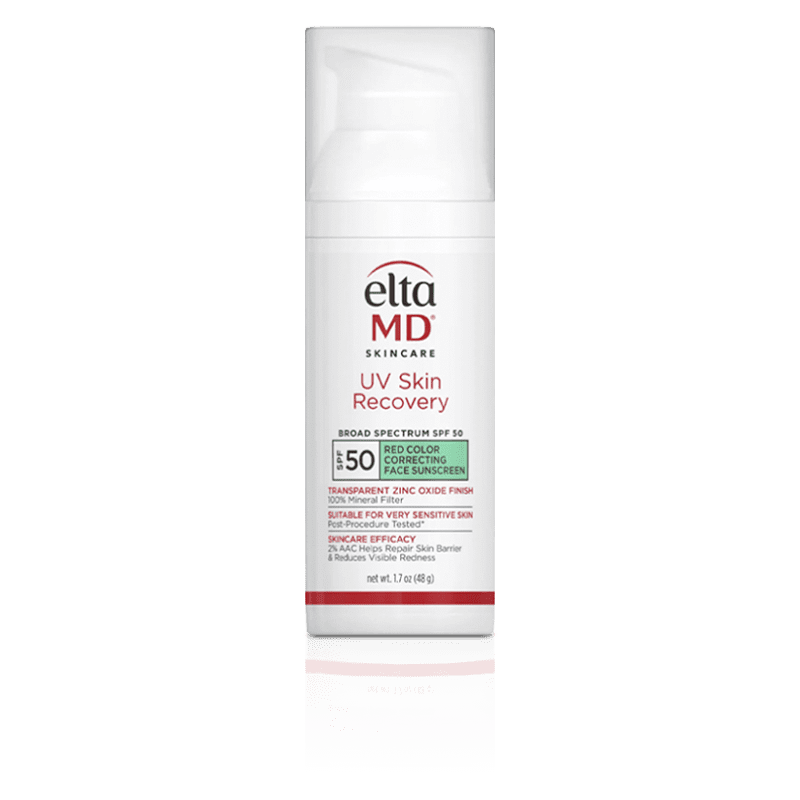
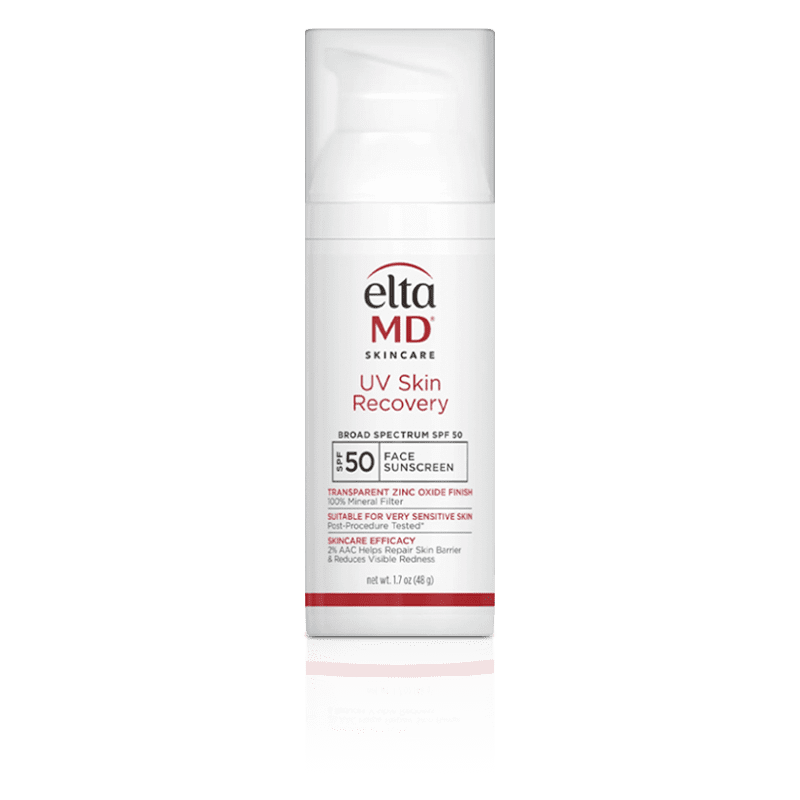
15% off on all sunscreen and probiotics during July with code SUNSAFE15
Enjoy 10% off for Patient Appreciation Day with code THANKUJULY on 7/15/2026 only!
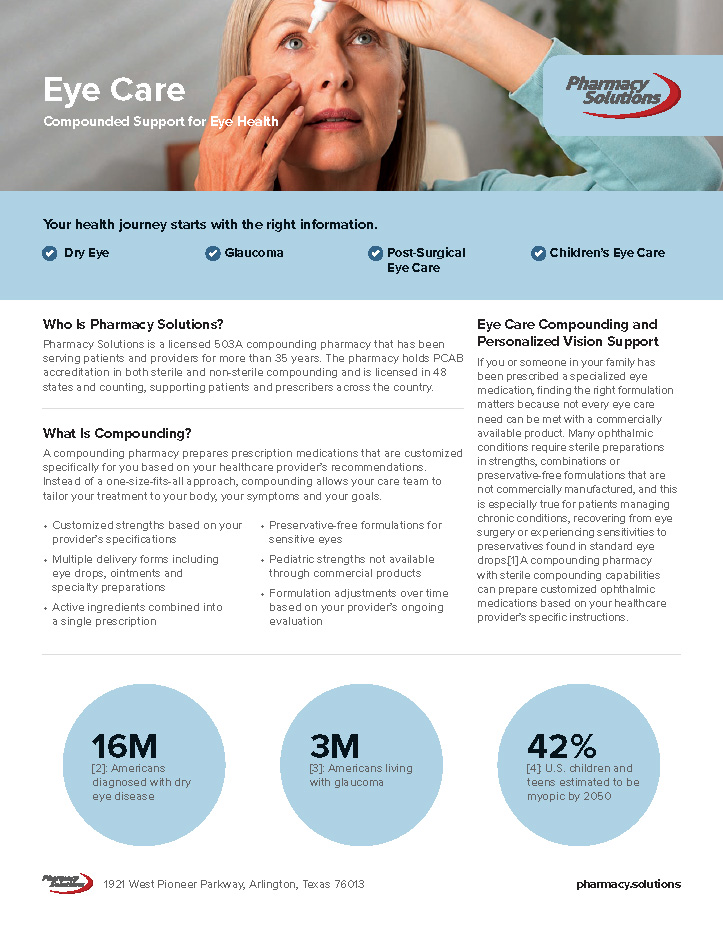
Eye health is both individual and interconnected. Conditions like dry eye, glaucoma, post-surgical recovery and pediatric eye concerns each come with their own priorities, but they share common threads. Tolerability, adherence, comfort and the ability to adapt therapy to the individual patient all matter, particularly when care is ongoing. For many patients, commercial prescription and over-the-counter products are sufficient. For others, particularly those with preservative sensitivity, complex conditions, post-operative recovery needs or pediatric considerations, compounded ophthalmic formulations may be prescribed by an eye care provider to support a more personalized approach. When a provider determines that a compounded medication is appropriate, Pharmacy Solutions can prepare customized formulations based on their specific recommendations. This page offers an overview of the key areas of eye care we support and what options may be available when you are ready to take the next step.
Pharmacy Solutions supports eye care across several key areas. Select a topic below to explore it in more detail.
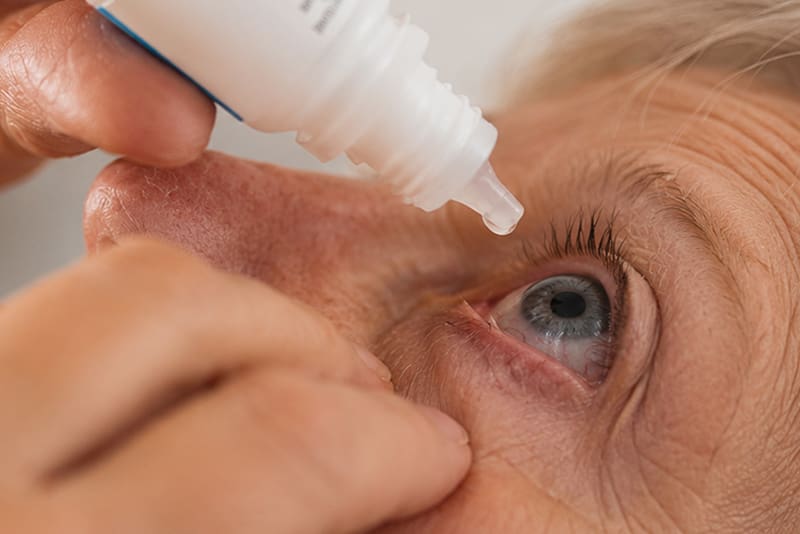
Learn how compounded autologous serum eye drops, preservative-free formulations and other personalized options may support patients with moderate to severe dry eye, post-surgical dryness or autoimmune-related conditions such as Sjögren’s syndrome.
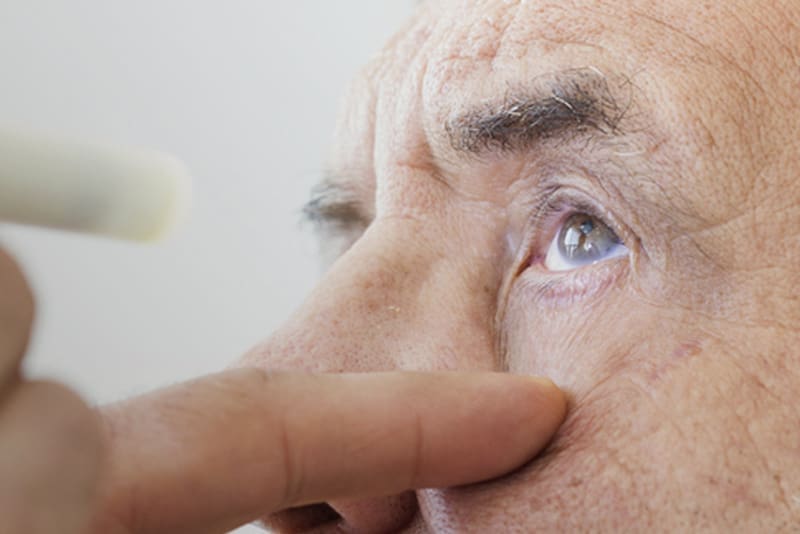
Explore how compounded preservative-free eye drops and customized concentrations can support long-term glaucoma management, particularly for patients experiencing ocular surface irritation from years of daily drop use.
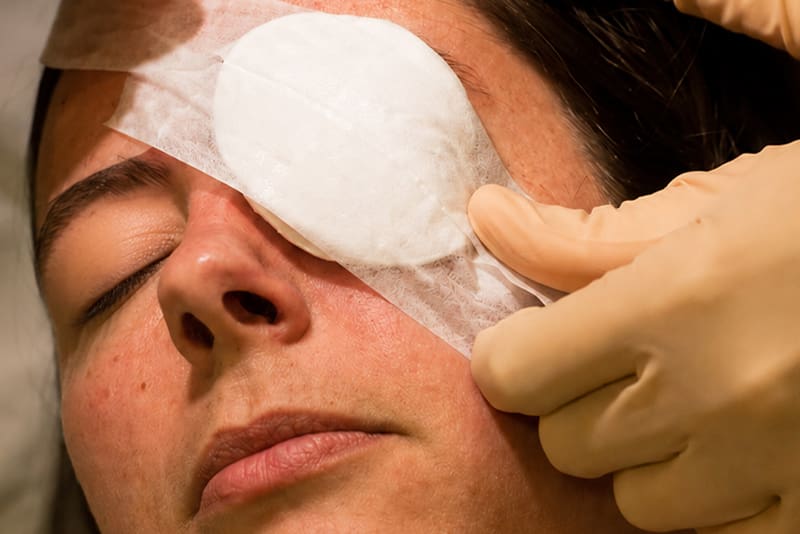
Understand how compounded formulations including preservative-free steroids, fortified antibiotics, autologous serum drops and specialty therapies can support recovery after eye surgery when personalized options are appropriate.
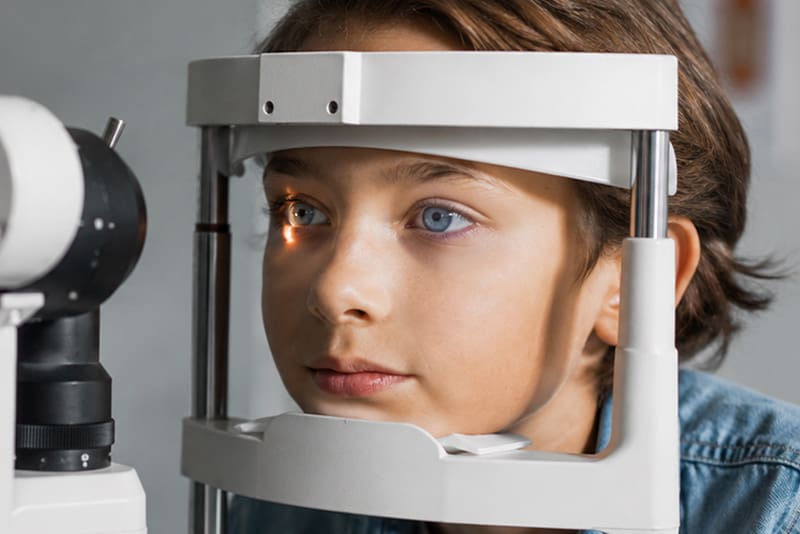
Learn how compounded low-dose atropine for myopia management, customized amblyopia therapy and preservative-free formulations designed for sensitive pediatric eyes support children’s eye health alongside pediatric provider-directed care.
Eye care needs evolve across the lifespan. In childhood, conditions like myopia progression and amblyopia often take center stage, and early intervention tends to be the most effective window.[1] Research supports low-dose atropine as one option that may help slow the progression of nearsightedness in children, alongside lifestyle factors like outdoor time.[2][3] In adulthood, hormonal shifts, autoimmune conditions, chronic screen use and certain medications can all contribute to dry eye, which affects a significant portion of adults and becomes more prevalent after age 50.[4][5] Later in life, glaucoma becomes an increasingly important consideration, with prevalence rising notably after age 60, particularly among those with family history or certain risk factors.[6]
Surgery can reshape eye care needs at any stage of life. Procedures including LASIK, cataract surgery, corneal transplants and others involve careful post-operative management of inflammation, infection risk and ocular surface healing.[7] For most patients, commercial prescription drops cover these needs. For patients with preservative sensitivity, complex healing requirements or specific clinical considerations, compounded formulations may play a role. Across all of these areas, one common thread stands out. Tolerability and adherence drive outcomes, particularly for chronic conditions where daily drops are used for months, years or decades. When standard options are not well tolerated, personalized formulations can make a meaningful difference.
Several interconnected factors can influence eye comfort, vision and long-term eye health.
Many eye care concerns develop gradually, with symptoms that are easy to dismiss in the early stages. Gritty or tired eyes, mild blurred vision, discomfort from eye drops you have been using for years or subtle vision changes in a child may all signal that a more thorough evaluation is worthwhile. Routine comprehensive eye exams are the most reliable way to detect conditions like glaucoma before meaningful changes occur, which is why the American Academy of Ophthalmology recommends regular eye exams at intervals that increase with age.[6] For children, pediatric eye exams are recommended starting in infancy, with more frequent monitoring as school-age approaches.[1]
If you are managing a condition like dry eye or glaucoma and your current regimen is not comfortable, adherence is difficult or you are experiencing ongoing irritation, it may be time to discuss more personalized options with your eye care provider. Similarly, if your child’s eye care provider has raised questions about myopia progression or amblyopia, earlier conversations tend to open up more options. Many patients find that the hardest part of eye care is not the diagnosis itself but the daily experience of living with a regimen that does not feel workable. That is often where compounded options become worth exploring.
Eye care concerns span multiple categories, and the right approach depends on the condition, severity and individual considerations.
Dry eye care can range from over-the-counter artificial tears for mild symptoms to prescription anti-inflammatory drops, punctal plugs and compounded options for moderate to severe cases. Autologous serum eye drops, also called Auto-Tears, are a compounded option made from a patient’s own blood serum. These preservative-free drops contain growth factors and proteins that closely mimic the natural composition of healthy tears and are often considered for patients who have not found adequate relief with standard therapies or who have autoimmune-related dry eye.
Glaucoma management is typically led by an ophthalmologist or optometrist using prescription eye drops to lower intraocular pressure, along with laser procedures or surgery in some cases. Compounded preservative-free versions of standard glaucoma actives may be prescribed for patients who develop surface irritation from long-term commercial drop use, and customized concentrations of medications such as pilocarpine may be used in select situations.
Post-surgical eye care typically involves infection prevention, inflammation control, ocular surface healing and specialty considerations. Compounded options include fortified antibiotics including vancomycin, tobramycin, cefazolin and ceftazidime, preservative-free corticosteroids such as dexamethasone and methylprednisolone, autologous serum drops for ocular surface healing, and specialty therapies including acetylcysteine, EDTA, ophthalmic losartan and antifungals.
Children’s eye care focuses on age-appropriate dosing, preservative sensitivity and conditions specific to developing eyes. The most common compounded pediatric application is low-dose atropine for myopia management, typically prepared in concentrations between 0.01% and 0.1%. Compounded atropine may also be used in amblyopia care, alongside preservative-free formulations for children with sensitive eyes. Across all of these areas, the eye care provider determines the appropriate course of care and a compounding pharmacy prepares the medication as prescribed.
If you are new to compounding or exploring your options for the first time, here is what the process generally looks like.
Pharmacy Solutions is a PCAB-accredited 503A compounding pharmacy that has supported patient and provider needs for more than 30 years. Ophthalmic compounding is prepared in a USP <797> and USP <800> compliant sterile cleanroom, and our technicians are certified in bloodborne pathogen processes, an important credential for the preparation of autologous serum drops. Compounding allows eye care providers to prescribe medications that are tailored to the individual rather than limited to what is commercially available. For eye care, that can mean preservative-free versions of standard medications, fortified concentrations for specific clinical needs, combination formulations that address multiple concerns in a single preparation, age-appropriate strengths for pediatric patients and biological formulations like autologous serum drops made from a patient’s own blood.
Every compounded medication is prepared based on a prescriber’s order and reviewed by a licensed pharmacist. Pharmacy Solutions maintains accreditation in both sterile and non-sterile compounding through the Pharmacy Compounding Accreditation Board and follows USP standards for safety and quality. Whether your provider has prescribed a preservative-free glaucoma drop, autologous serum drops, a post-surgical antibiotic formulation or low-dose atropine for a child, the pharmacy works directly with your provider to prepare what you need.
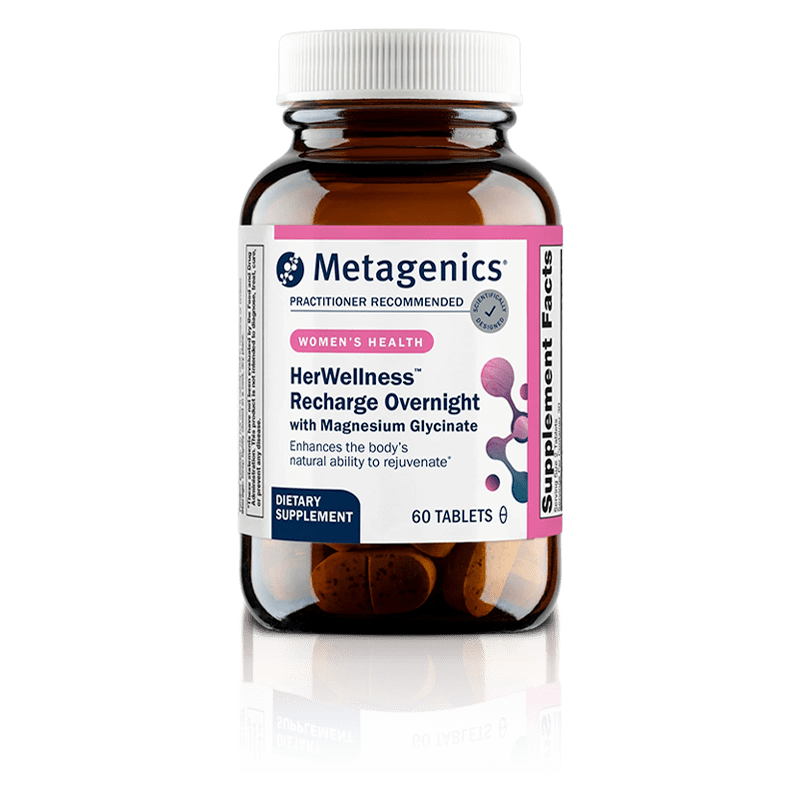
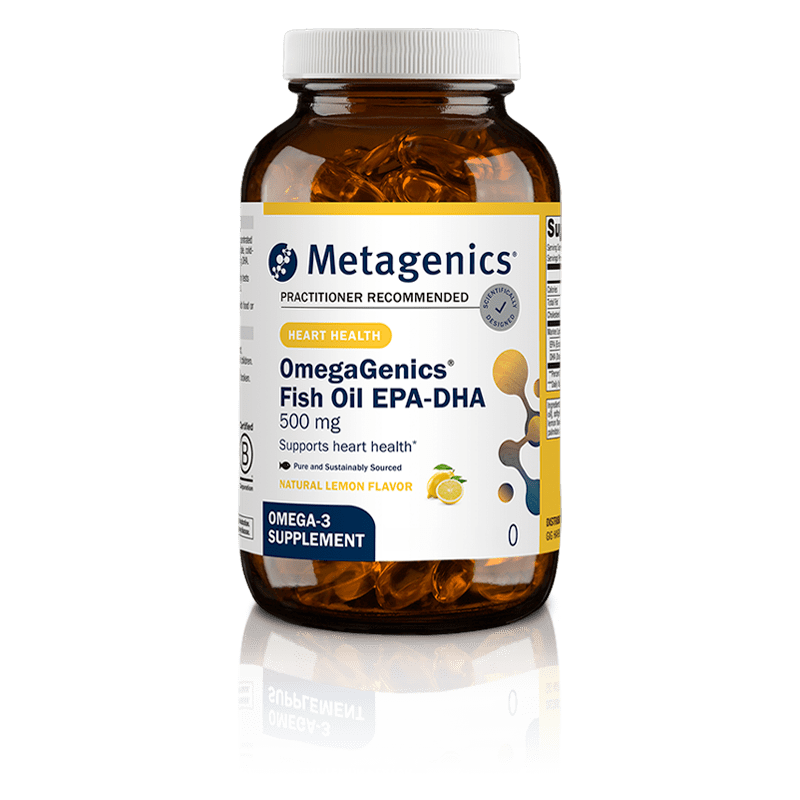
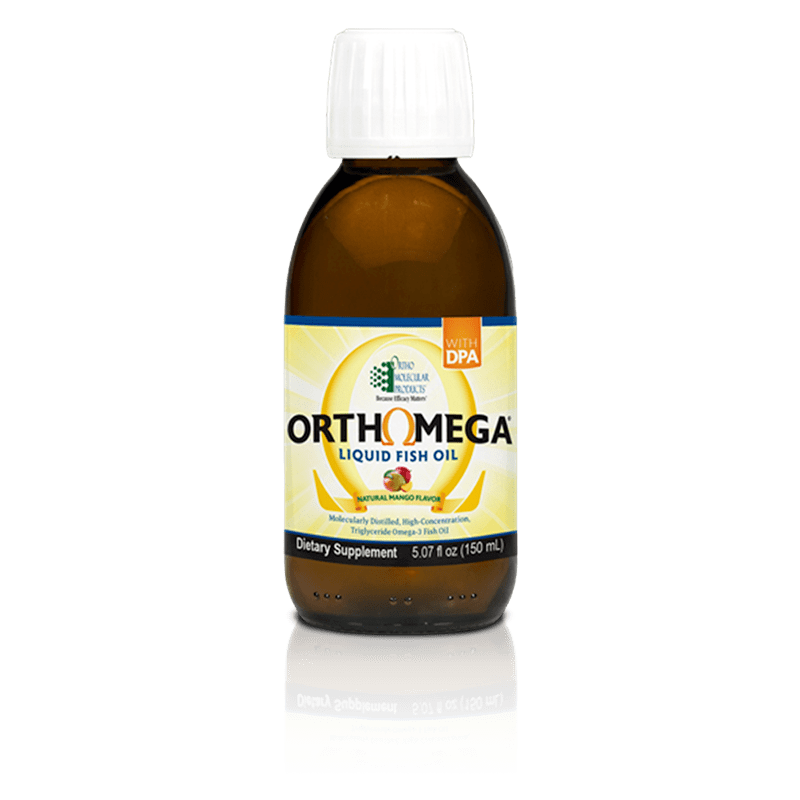
In addition to prescription options, Pharmacy Solutions carries a range of eye wellness products available for immediate purchase without a prescription. Preservative-free artificial tears are widely used alongside prescription therapy to support ocular surface comfort. Omega-3 fatty acid supplements have been studied for their potential role in supporting tear quality and ocular surface health. Lid hygiene products and warm compresses can support meibomian gland function for patients with certain dry eye patterns. These products may complement a broader care plan but should be discussed with a healthcare provider, particularly when managing a chronic condition or preparing for or recovering from eye surgery, or when considering anything for a child.
After years of fighting with drops that did not really work for me, my doctor and the pharmacy helped me find something that actually fit my situation. Knowing someone is available to answer questions along the way makes all the difference.
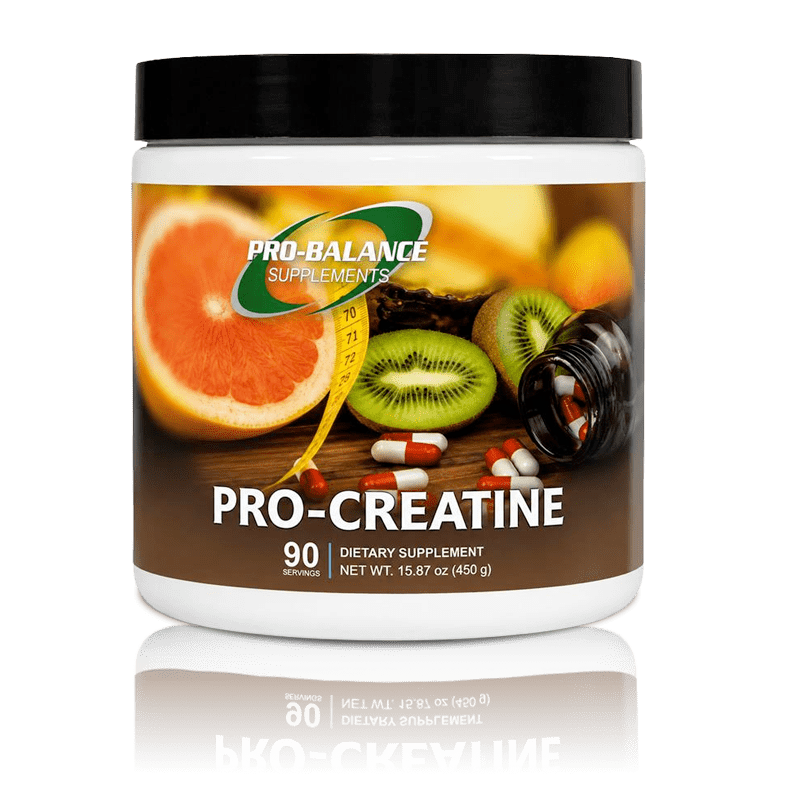
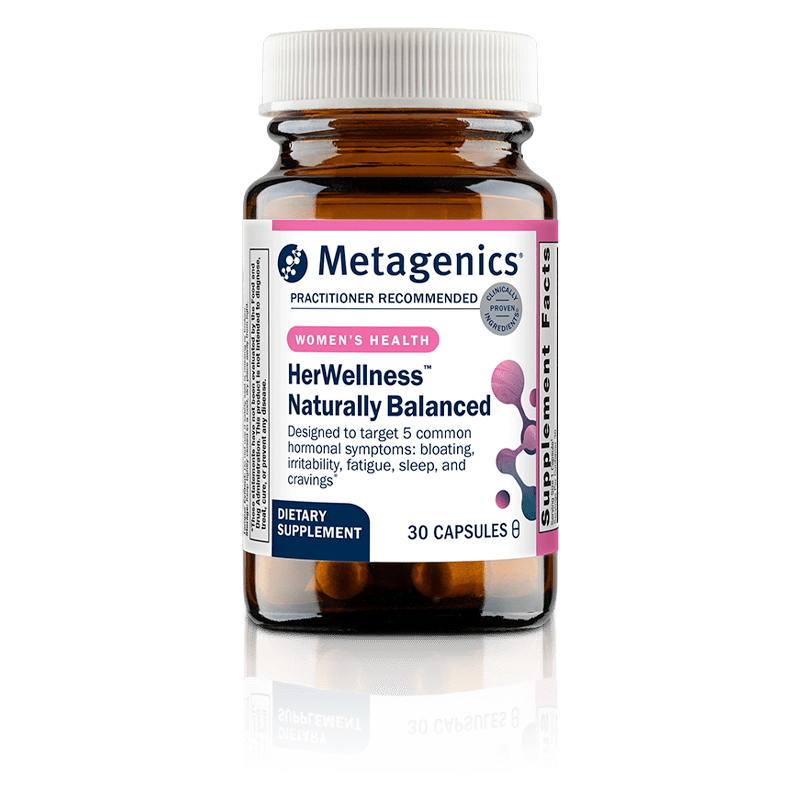
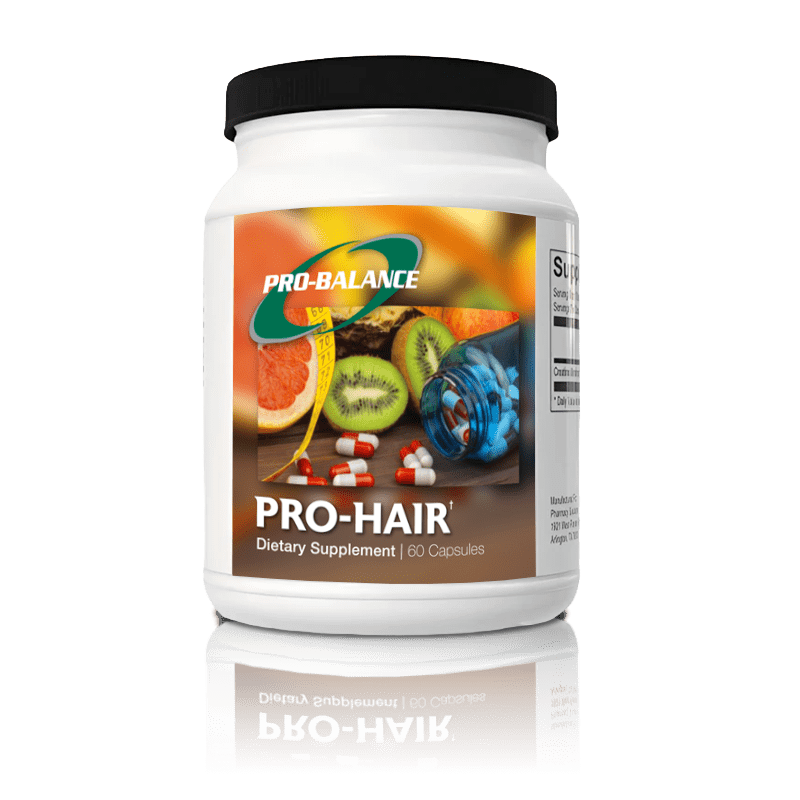
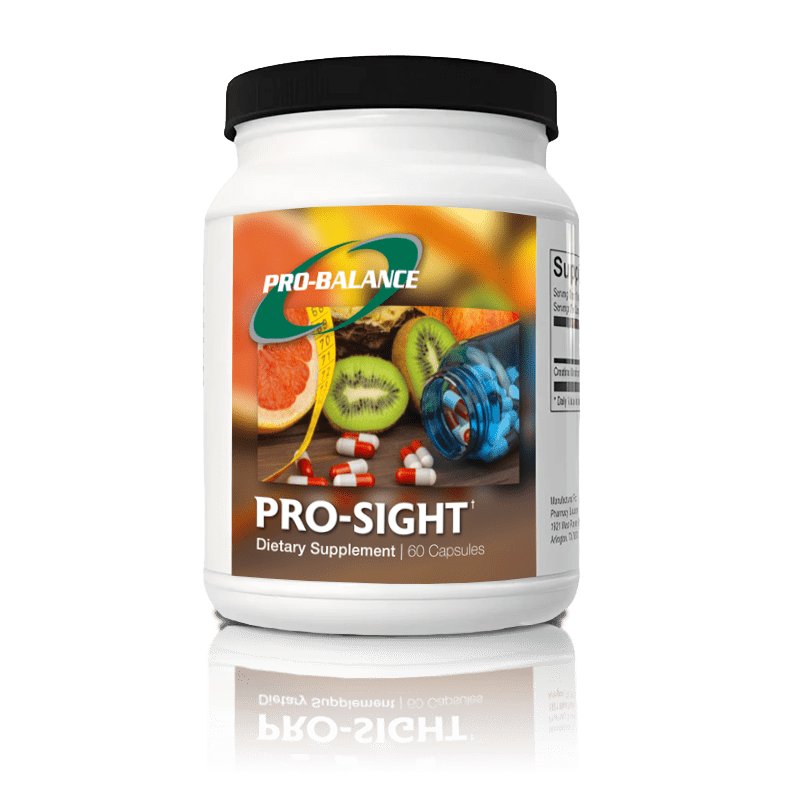
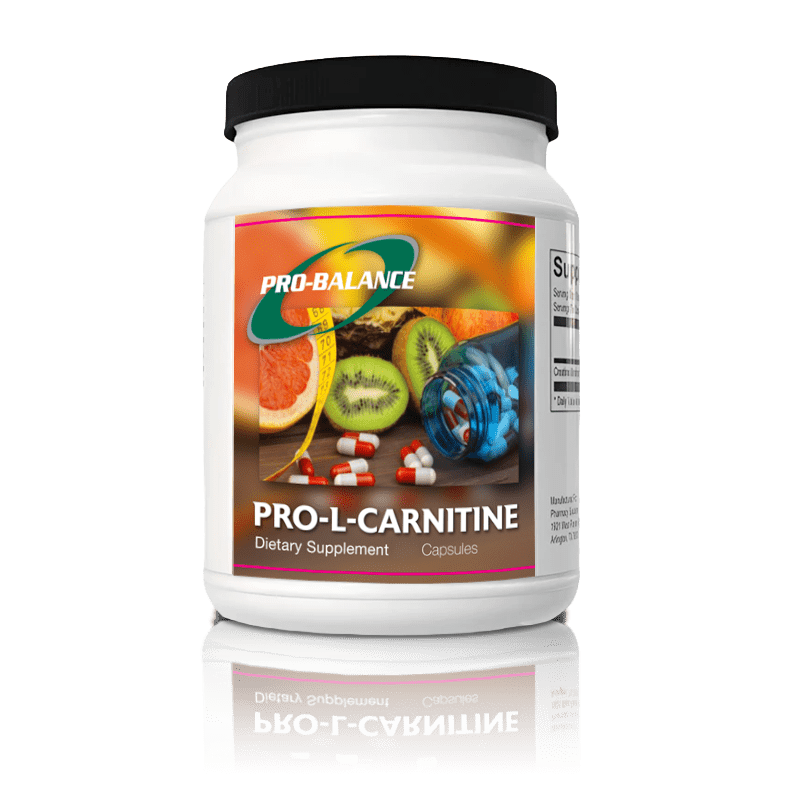
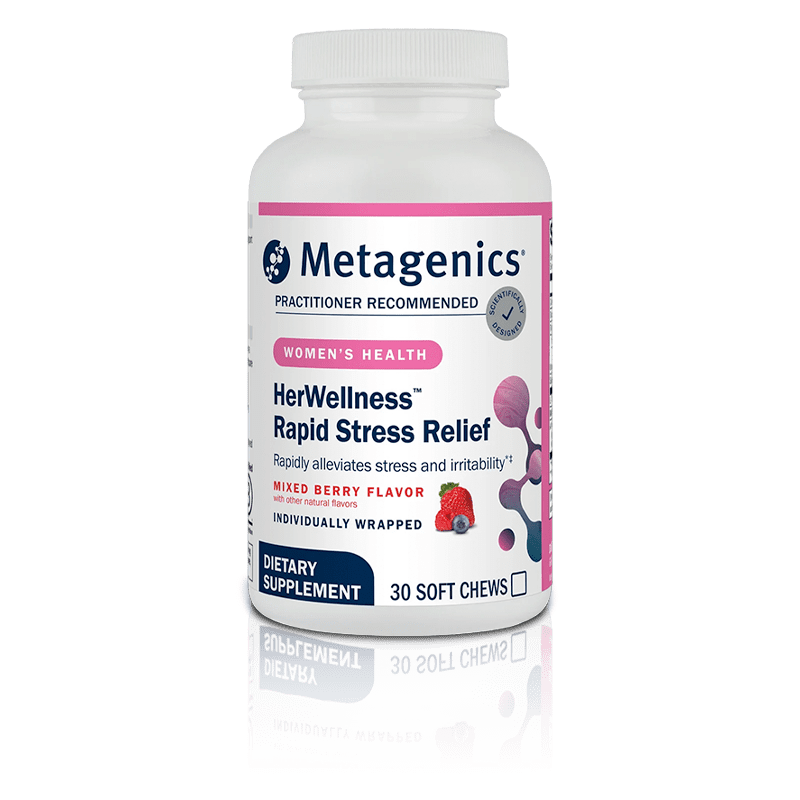
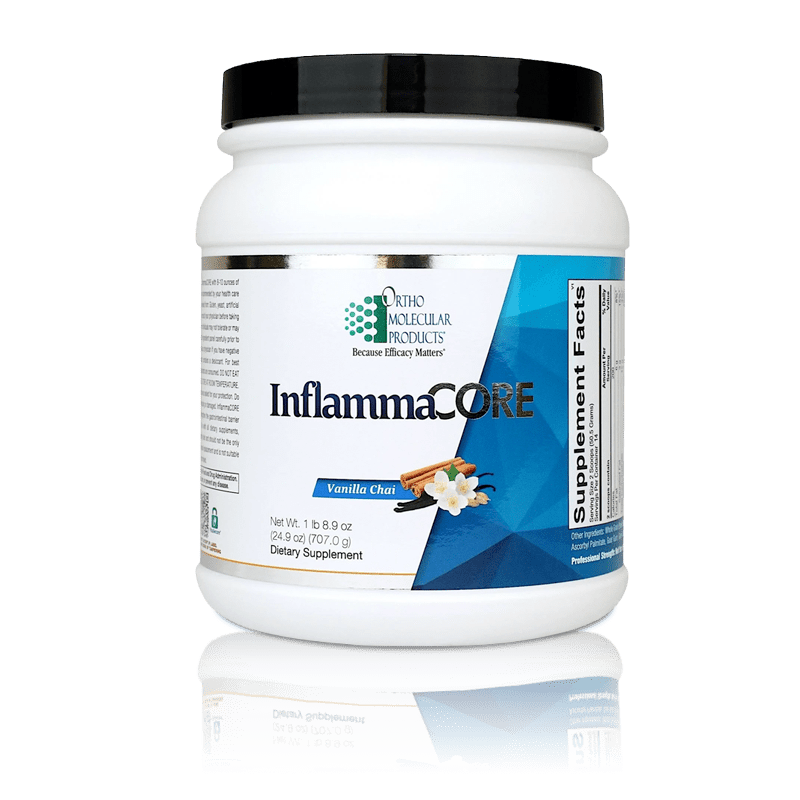
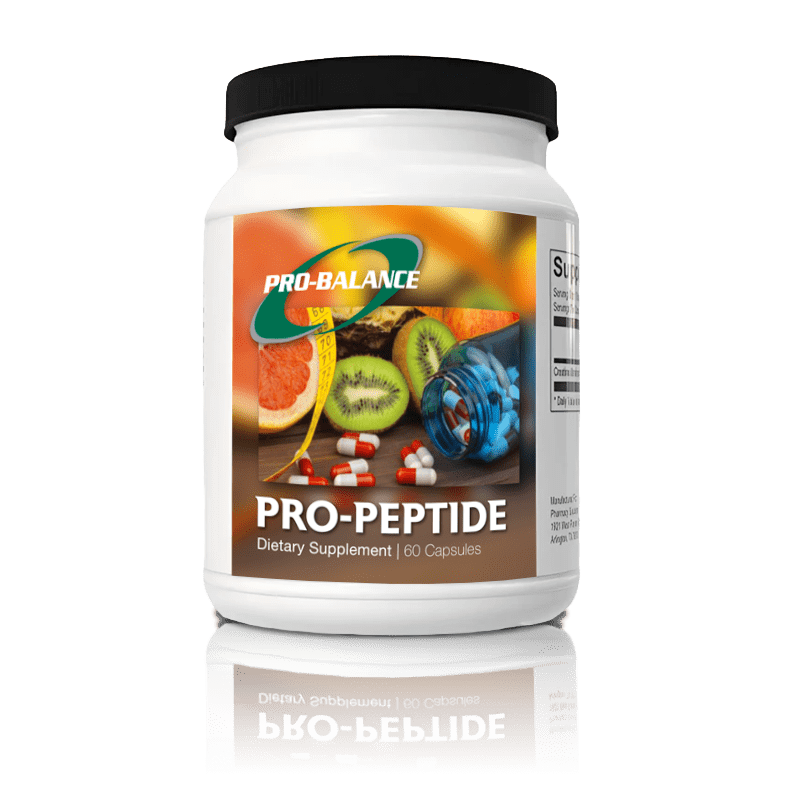
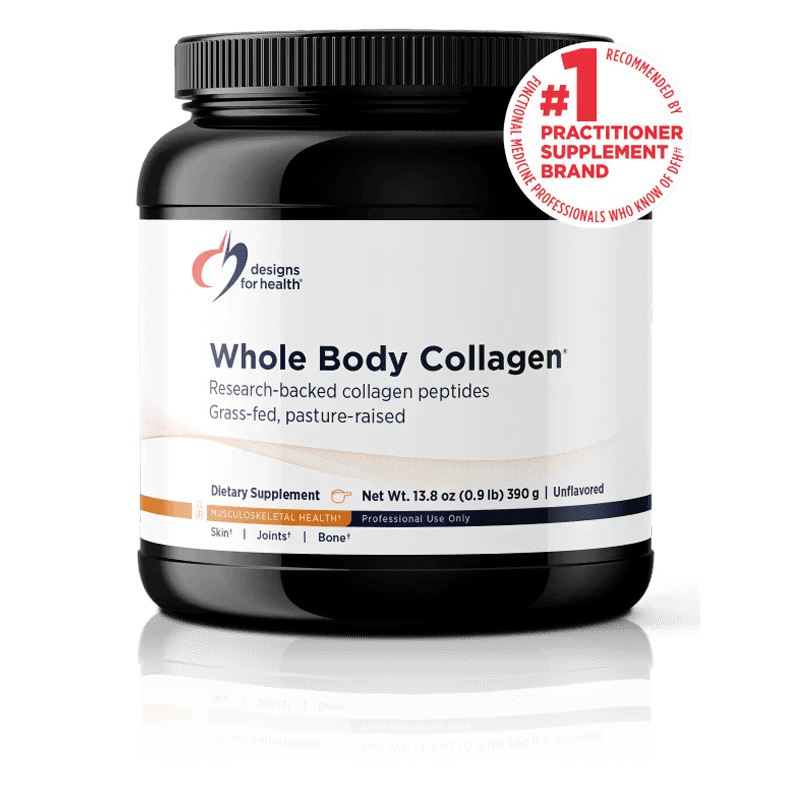
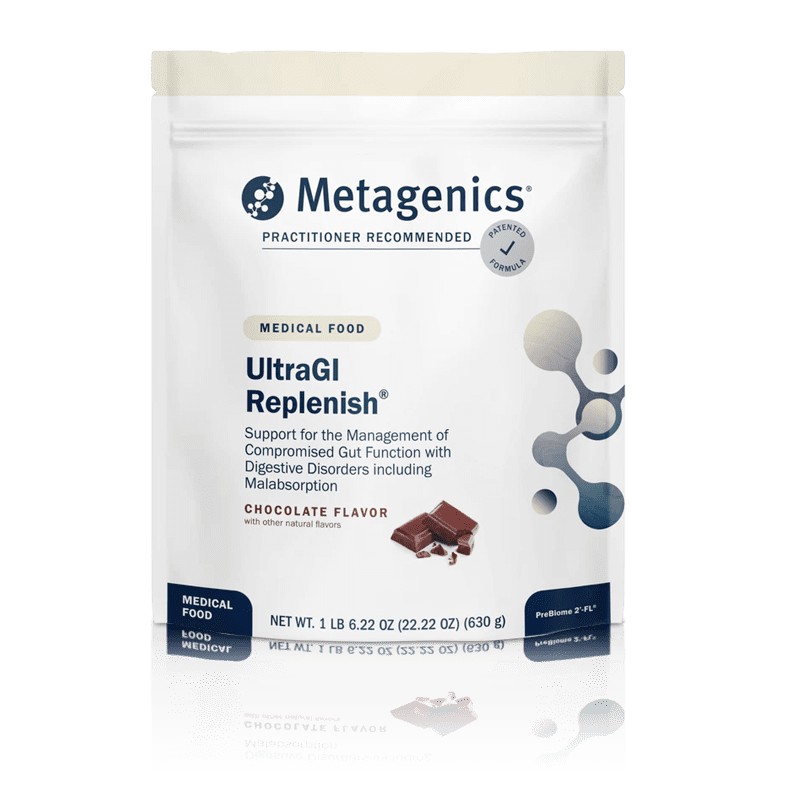
We feature a curated selection of supplements and essentials chosen to support overall wellness as part of a balanced daily routine you can rely on. Pro-Sight is a daily formula from the Pro-Balance line that many people add to a steady, balanced routine to support their everyday wellness goals.
These products are available now without a prescription, so you can begin whenever it works for you. Talk with your healthcare provider about which products and habits fit your wellness and your routine.
How Piroxicam May Support Dogs with Cancer Some canine tumors rely on the development of new blood vessels to grow…
A compounded eye drop is prepared by a pharmacy based on a specific prescription from a licensed eye care provider. It may include a preservative-free version of a standard medication, a customized concentration, a combination of several actives or a specialty formulation such as autologous serum drops made from the patient’s own blood. Commercial prescription drops are designed for broad populations and cannot be adjusted by the provider. Compounded formulations are prepared for one specific patient based on one specific prescription.
A 503A compounding pharmacy is a pharmacy that prepares customized medications for individually identified patients based on prescriptions written by licensed providers. Pharmacy Solutions operates under 503A compounding guidelines and is PCAB-accredited in both sterile and non-sterile compounding.
Yes. All compounded medications are prepared only after a licensed provider writes a prescription for a specific patient. For eye care, prescriptions typically come from an optometrist, ophthalmologist or ophthalmic surgeon. If you do not currently have an eye care provider, our team can help connect you with one.
Autologous serum eye drops, also called Auto-Tears, are prepared from a small sample of the patient’s own blood. The serum is separated, diluted and prepared into sterile, preservative-free eye drops that closely mimic the natural composition of healthy tears. They contain growth factors, vitamins and proteins that standard artificial tears do not include, and are often considered for patients with moderate to severe dry eye, poor response to conventional therapies, ocular surface damage, post-surgical dry eye and autoimmune-related dry eye.
Low-dose atropine used in myopia management is prescribed only after a licensed pediatric eye care provider determines it is appropriate for a specific child. At the low concentrations typically prescribed, atropine has been extensively studied in pediatric populations. Any safety considerations or potential side effects should be discussed directly with your child’s eye care provider, who monitors the child’s response over time.
Yes. Pharmacy Solutions is licensed to ship compounded medications to patients across the United States. Some formulations have specific storage requirements, such as refrigeration, and shipping is handled with appropriate packaging to maintain product integrity. For preparations like autologous serum drops, the process includes coordination with the blood draw.
If you do not currently have an eye care provider who prescribes compounded eye drops, Pharmacy Solutions may be able to help connect you with practitioners in your area. Optometrists, ophthalmologists and ophthalmic surgeons are typically the providers who manage eye conditions that may involve compounded formulations.
[1] American Academy of Ophthalmology. Pediatric Eye Evaluations Preferred Practice Pattern. https://www.aao.org/preferred-practice-pattern/pediatric-eye-evaluations-ppp
[2] Yam JC, et al. Low-Concentration Atropine for Myopia Progression (LAMP) Study. Ophthalmology. 2019. https://pubmed.ncbi.nlm.nih.gov/30514630/
[3] Walline JJ, et al. Interventions to slow progression of myopia in children. Cochrane Database Syst Rev. 2020. https://pubmed.ncbi.nlm.nih.gov/31930781/
[4] American Academy of Ophthalmology. Preferred Practice Pattern: Dry Eye Syndrome. https://www.aao.org/preferred-practice-pattern/dry-eye-syndrome-ppp
[5] Geerling G, et al. Autologous serum eye drops for ocular surface disorders. Br J Ophthalmol. 2004. https://pubmed.ncbi.nlm.nih.gov/15548795/
[6] American Academy of Ophthalmology. Preferred Practice Pattern: Primary Open-Angle Glaucoma. https://www.aao.org/preferred-practice-pattern/primary-open-angle-glaucoma-ppp
[7] American Academy of Ophthalmology. Preferred Practice Pattern: Cataract in the Adult Eye. https://www.aao.org/preferred-practice-pattern/cataract-in-adult-eye-ppp
[8] Baudouin C, et al. Preservatives in eyedrops: the good, the bad and the ugly. Prog Retin Eye Res. 2010. https://pubmed.ncbi.nlm.nih.gov/20302969/
Tell us a little about what you are looking for and we will take it from there. Whether you have a prescription ready, questions about a therapy your provider mentioned, or just need help figuring out your next step, our team is here and ready to help.
"*" indicates required fields
To submit your order, click the “PRINT/SAVE” button located under this pop-up.

You can save the PDF to your computer to fax at a later date or print it now to fax immediately.

Fax your order form to 817-860-6083 for processing.
New to Pharmacy Solutions? Register now
Educate Me
Get detailed information, research, and deeper product context.
Toggle on to see more educational content.
Explore Treatments
Keep things brief and see related products faster.
Toggle on to focus on products.