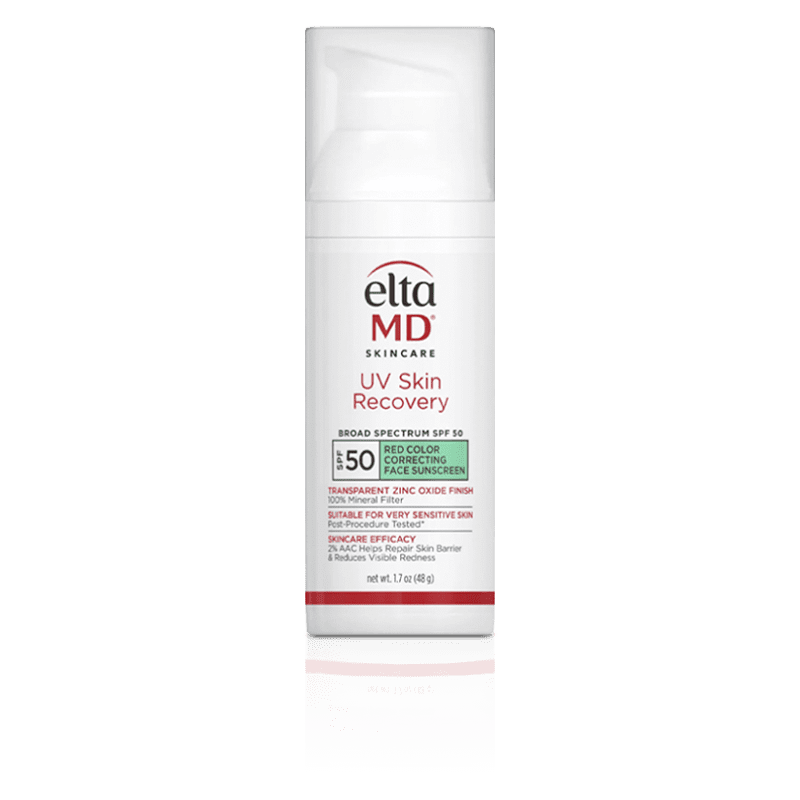
July is UV Safety Awareness Month! Shop Sun Protection Essentials.

Enjoy 10% off for Patient Appreciation Day with code THANKUJULY on 7/15/2026 only!
The Pharmacy will be closed July 4th for Independence Day.
15% off on all sunscreen and probiotics during July with code SUNSAFE15

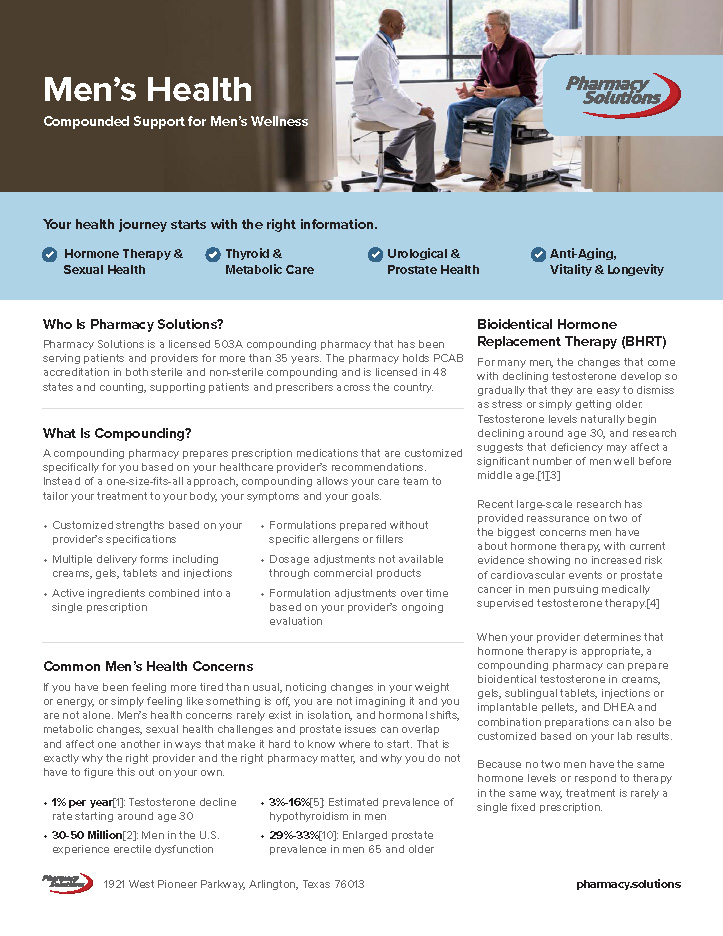
These shifts can feel gradual and easy to dismiss as part of getting older. But when low energy starts affecting your work, your relationships or your sense of vitality, it may be worth learning more about what is happening inside your body. Hormone levels naturally fluctuate over time, and for many men, this decline begins around age 30 and continues at a rate of about 1% per year.[1] Understanding these changes is the first step toward making informed decisions about your health. This page offers an educational overview of bioidentical hormone replacement therapy for men and what the process involves when working with a healthcare provider and a compounding pharmacy.
Andropause refers to the gradual decline in testosterone levels that many men experience as they age. Unlike menopause in women, this process tends to happen slowly over many years rather than all at once. Testosterone plays a role in energy, mood, muscle maintenance, sleep quality and sexual health. When levels fall below what is typical for an individual, some men notice symptoms such as fatigue, reduced motivation, difficulty concentrating, changes in body composition and disrupted sleep.[2] Not every man experiences these changes the same way, and symptoms can vary widely in type and intensity.
Several factors can influence testosterone levels and the rate at which they decline.
Low testosterone is not limited to older men, though it becomes more common with age. Research using data from the National Health and Nutrition Examination Survey found that testosterone deficiency affects approximately 20% of men under 40, and that mean testosterone levels have declined significantly over the past two decades.[8] Among men aged 45 and older, studies indicate that approximately 39% may have levels that fall below 300 ng/dL.[4] Men over 60 may have an even higher likelihood, with some studies indicating that close to 50% of men in their 80s may be affected.[5] However, younger men can also experience symptoms if other factors are involved, including stress, weight changes or underlying health concerns.
If you have noticed persistent changes in energy, mood, sleep or physical performance, it may be worth discussing these concerns with a healthcare provider. Blood testing is commonly used to assess hormone levels, though it is important to understand that a fixed numerical threshold does not tell the full story on its own. Clinical practice has increasingly moved toward evaluating symptoms, overall health and how an individual feels alongside laboratory values, rather than treating any single number as a definitive cutoff.[2] From there, your provider can help you understand whether further evaluation or a referral for specialized care is appropriate.
One of the most important and often misunderstood areas of testosterone research involves its relationship to cardiovascular health and prostate cancer risk. For decades, assumptions in both areas influenced how providers and patients approached hormone therapy. That landscape has shifted significantly as the research has matured, and the findings are encouraging.
On the cardiovascular side, epidemiological studies consistently show that low testosterone levels are associated with higher rates of coronary artery disease, heart attack and stroke in men.[9][10] A 2024 position paper from the Androgen Society, published in Mayo Clinic Proceedings, concluded after reviewing the full body of randomized controlled trial data, including the large TRAVERSE trial, that testosterone therapy is not associated with increased risk of major adverse cardiovascular events.[9] Multiple meta-analyses covering 19 or more placebo-controlled trials have reached the same conclusion, and several studies have found that testosterone therapy may support cardiovascular-related markers including improved exercise tolerance and reduced progression of metabolic syndrome.[11]
On the prostate cancer side, the long-held assumption that higher testosterone drives prostate cancer growth has been substantially revised. Research by Morgentaler and Traish introduced the saturation model, which proposes that the prostate becomes insensitive to testosterone stimulation once androgen receptors reach a threshold well within the normal physiological range.[12] A pooled analysis of 18 population-based longitudinal studies found no link between endogenous testosterone levels and the risk of developing prostate cancer.[13] Studies of men with the lowest testosterone levels have actually found higher rates of prostate cancer detection on biopsy, and a systematic review of 40 prospective studies of testosterone therapy in men without prostate cancer found no study demonstrating increased prostate cancer risk.[13]
These findings do not constitute a recommendation for any particular therapy. Your healthcare provider will evaluate your full medical history, including any personal or family history of cardiovascular or prostate concerns, before making any clinical decisions.
When your healthcare provider determines that hormone replacement therapy may be appropriate, the choice of delivery method should be guided by which form offers the most efficient absorption and the fewest potential side effects for the individual patient. Bioidentical hormone replacement therapy uses hormones that are structurally identical to those the body naturally produces, and a compounding pharmacy can prepare these formulations in customized strengths and forms based on your provider’s specific instructions.
Common delivery methods include implantable pellets, topical creams and gels, sublingual tablets and injectable testosterone. Oral testosterone is prescribed less frequently, as it is generally considered less efficient and may carry a higher potential for unwanted effects compared to other forms. Each delivery method has its own advantages and considerations, and no single approach is appropriate for every patient. Dosage is typically adjusted based on follow-up blood work and how the patient responds over time.[2] Your healthcare provider can help determine which option best fits your individual needs.
A compounding pharmacy works alongside healthcare providers to prepare customized medications that may not be available in standard commercial forms. This means your prescription can be tailored to a specific strength, delivery method or formulation that fits your needs. Pharmacists with experience in hormone therapy understand which delivery vehicles offer the most efficient absorption and highest bioavailability, and apply proper compounding techniques to help ensure the medication performs as your provider intended. They can also answer questions about how medications are prepared, what to expect during use and how to coordinate with your healthcare team.
Pharmacy Solutions is a licensed 503A compounding pharmacy with PCAB accreditation in both sterile and non-sterile compounding. The pharmacy has supported men’s wellness needs for more than 30 years and offers multiple dosage forms for hormone therapy. If you have questions about compounded hormone prescriptions or want to learn whether pellet therapy might be an option worth discussing with your provider, you can speak directly with a pharmacist.
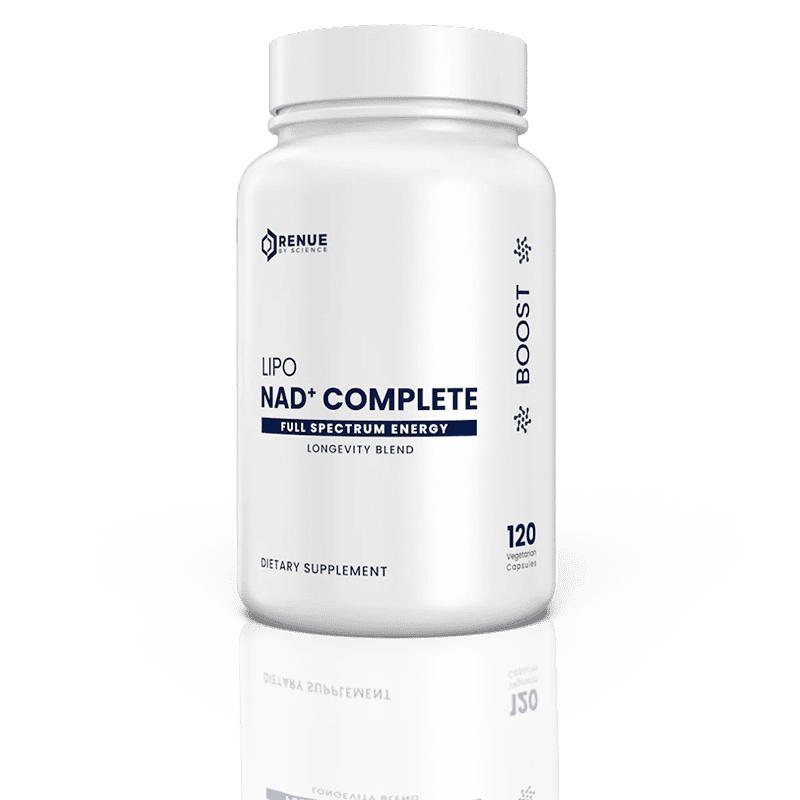
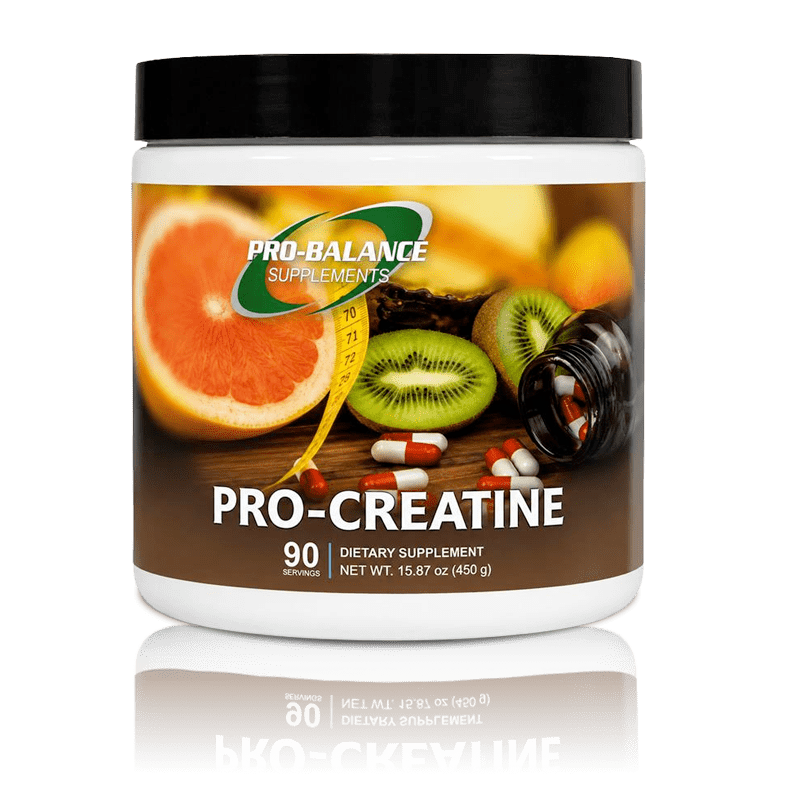
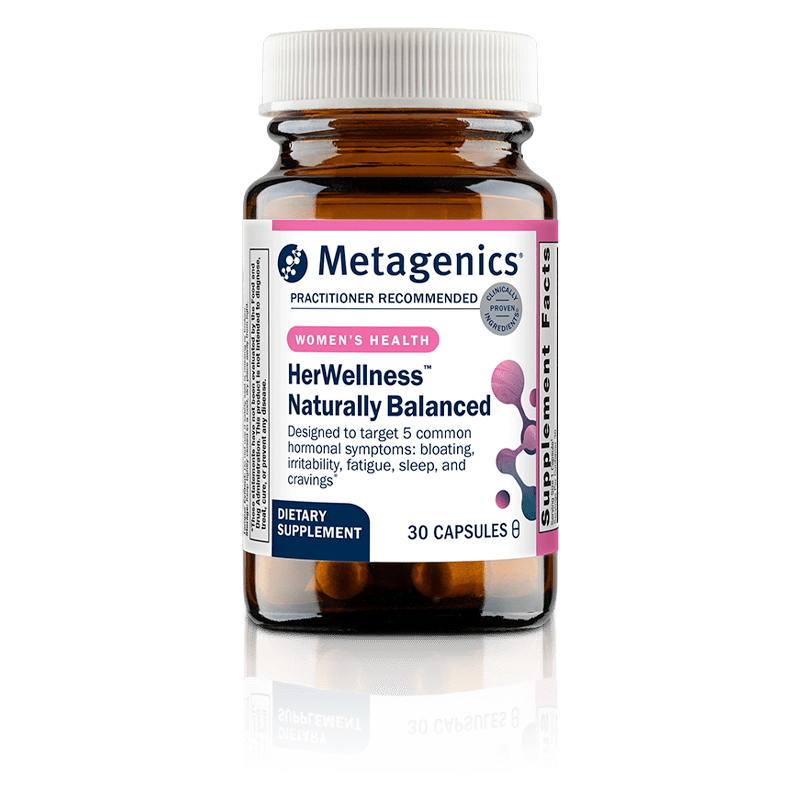
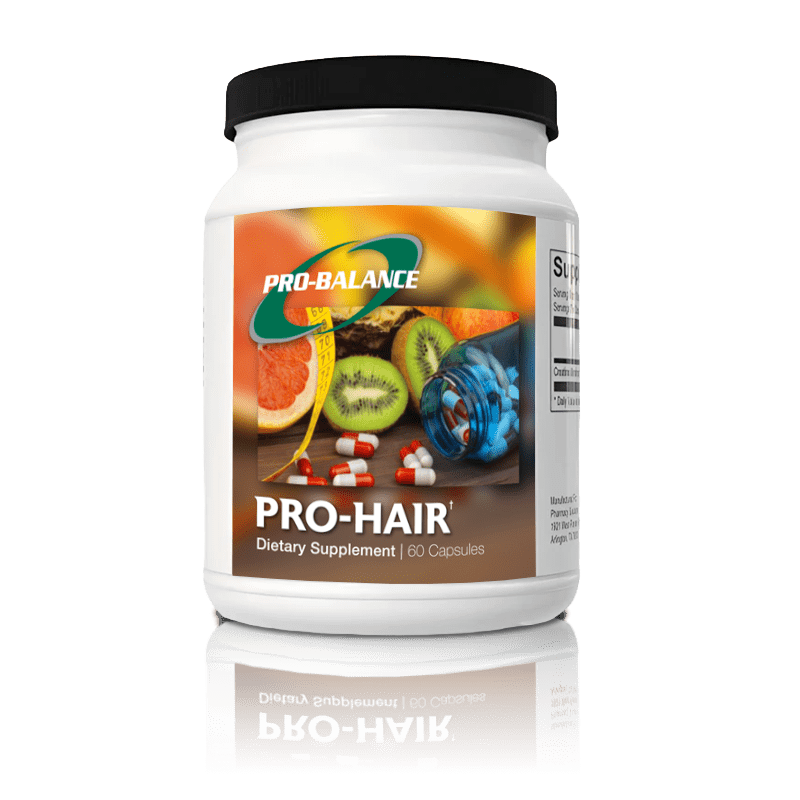
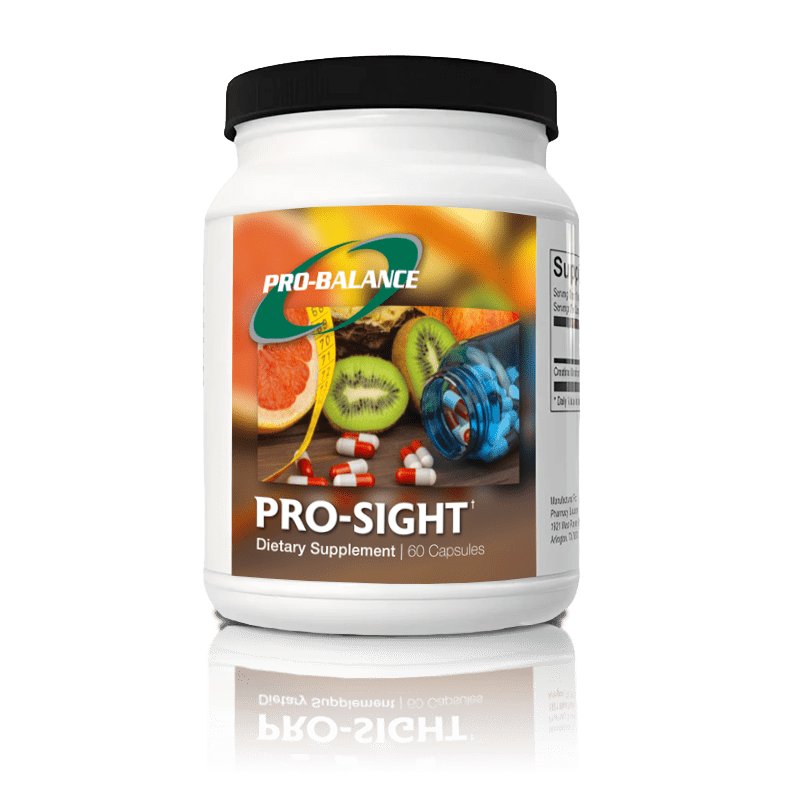
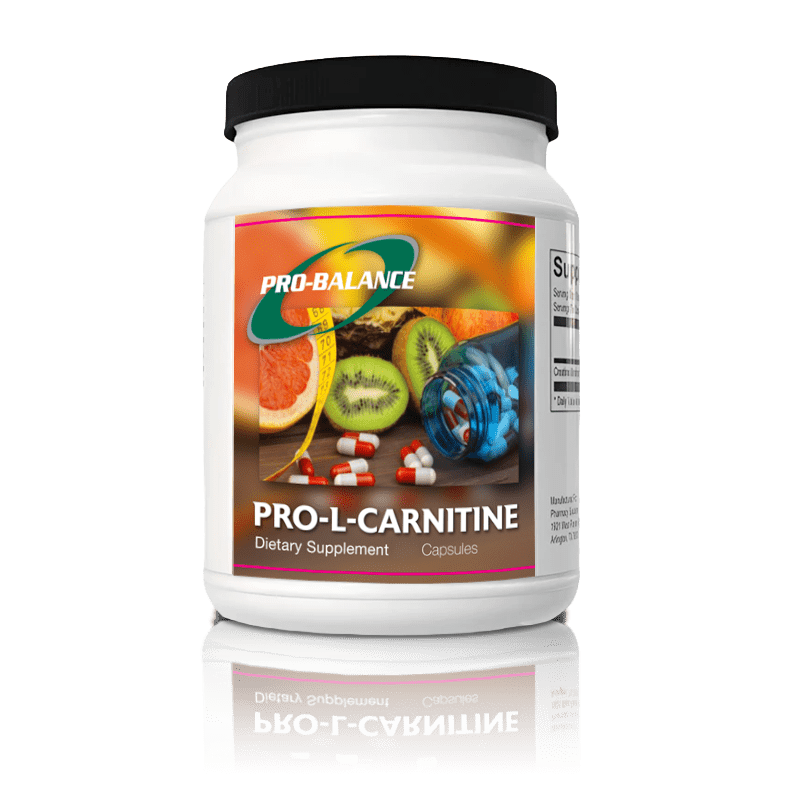
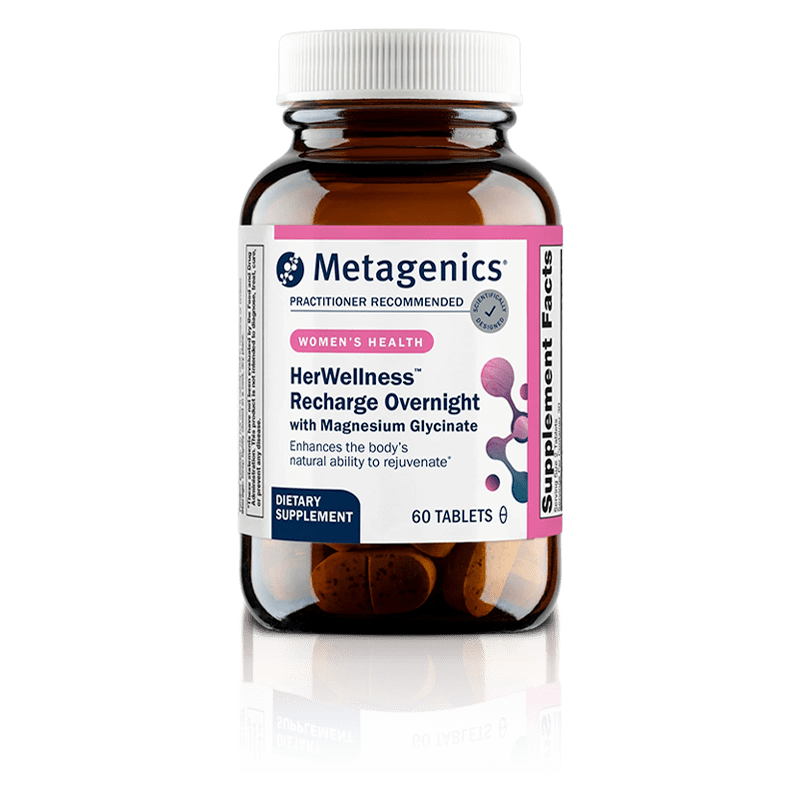
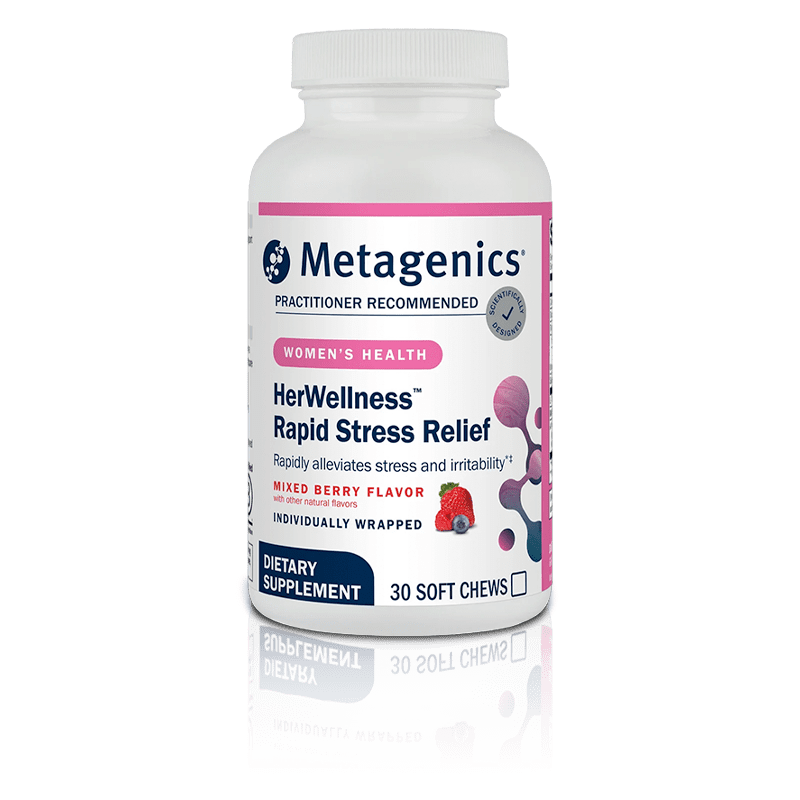
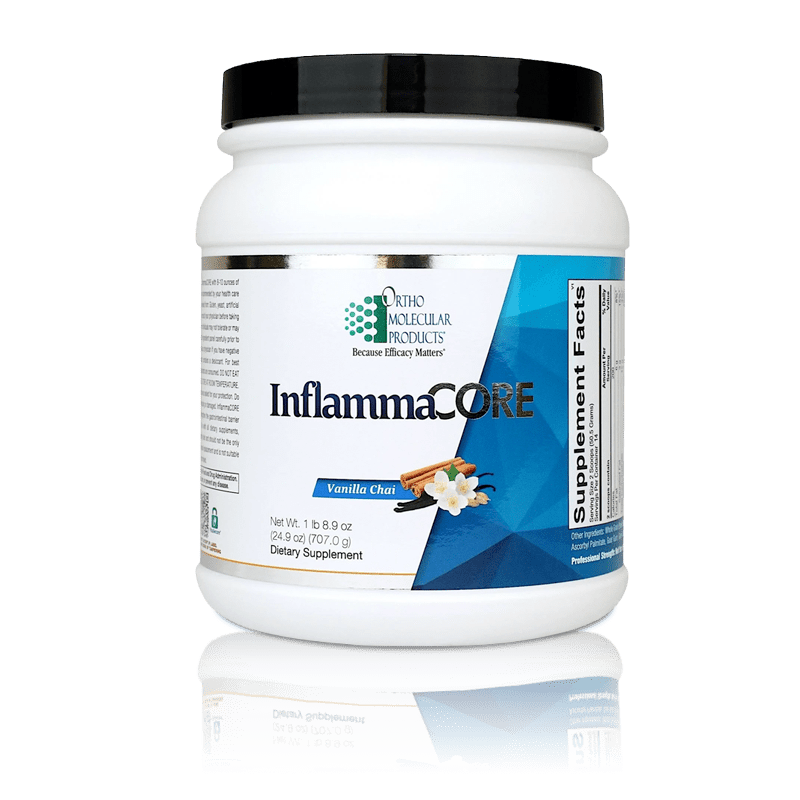
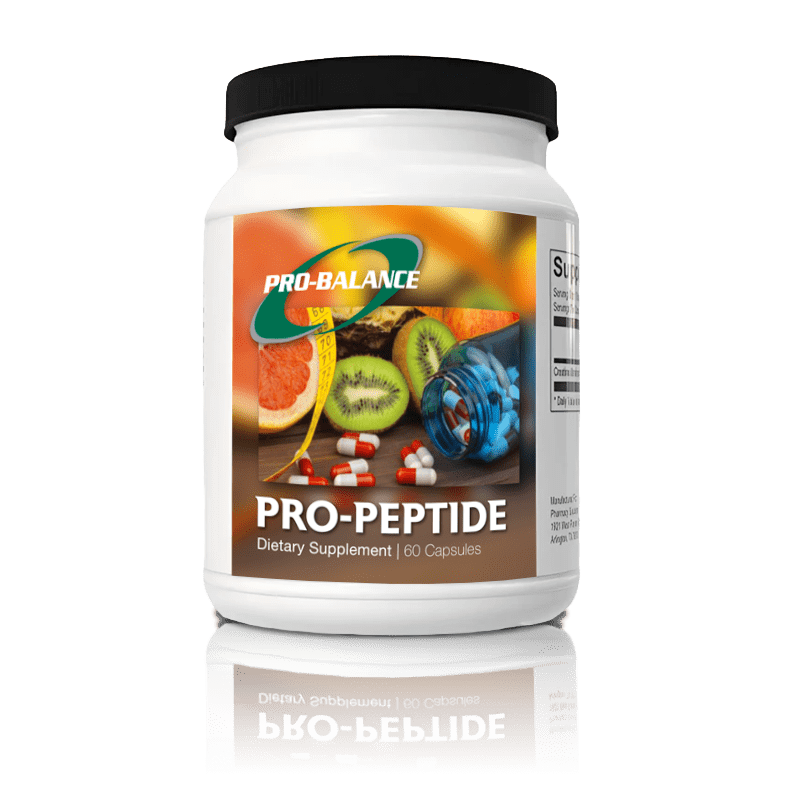
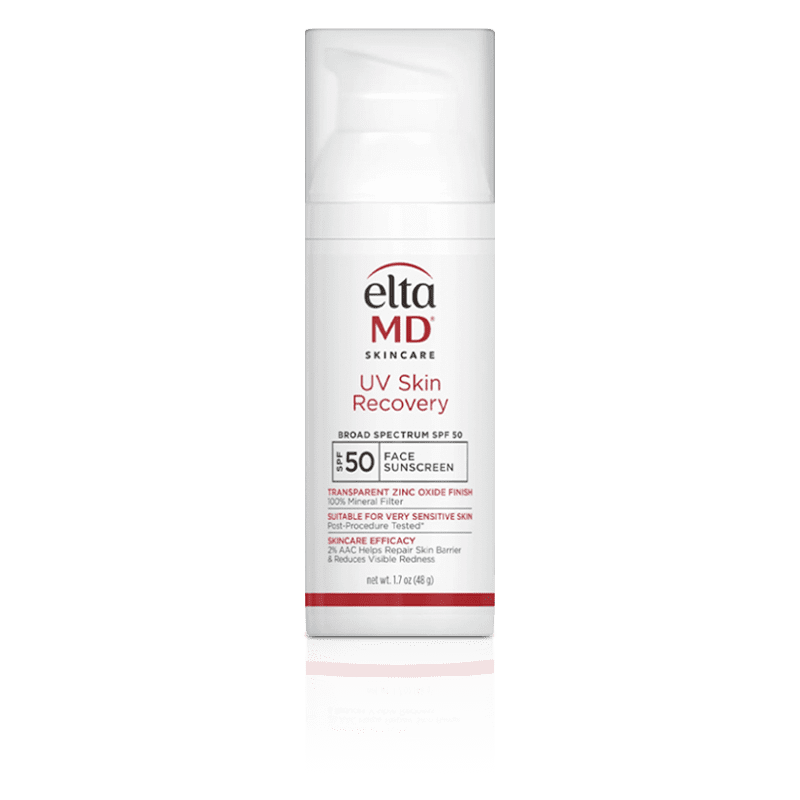
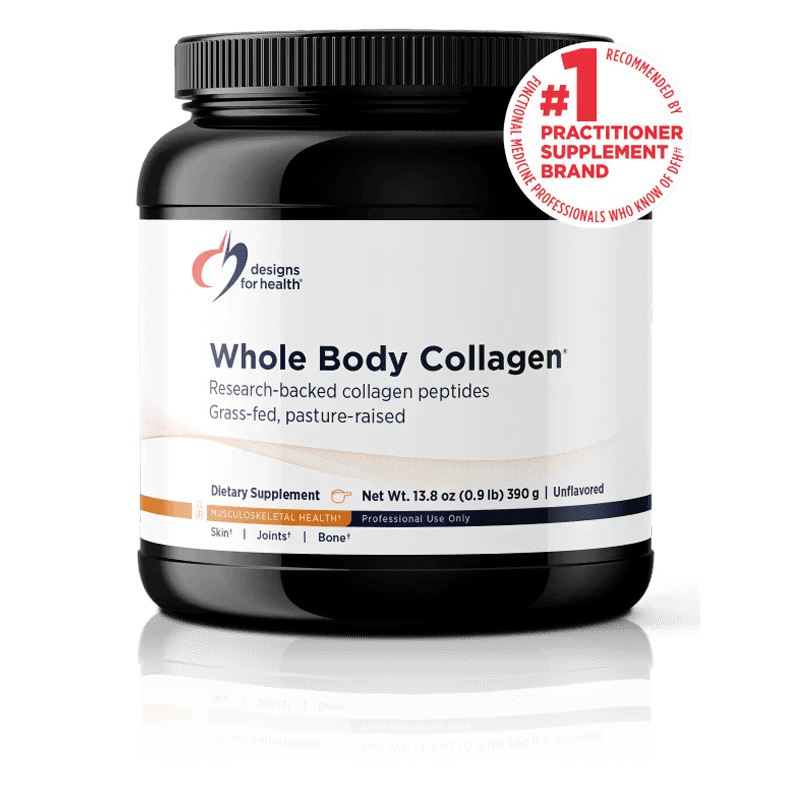
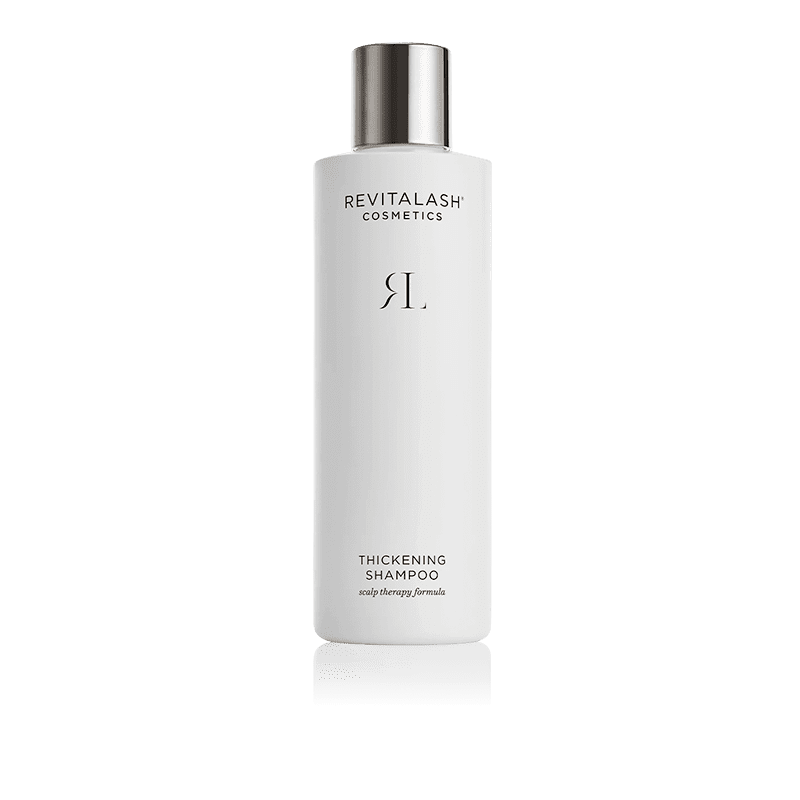
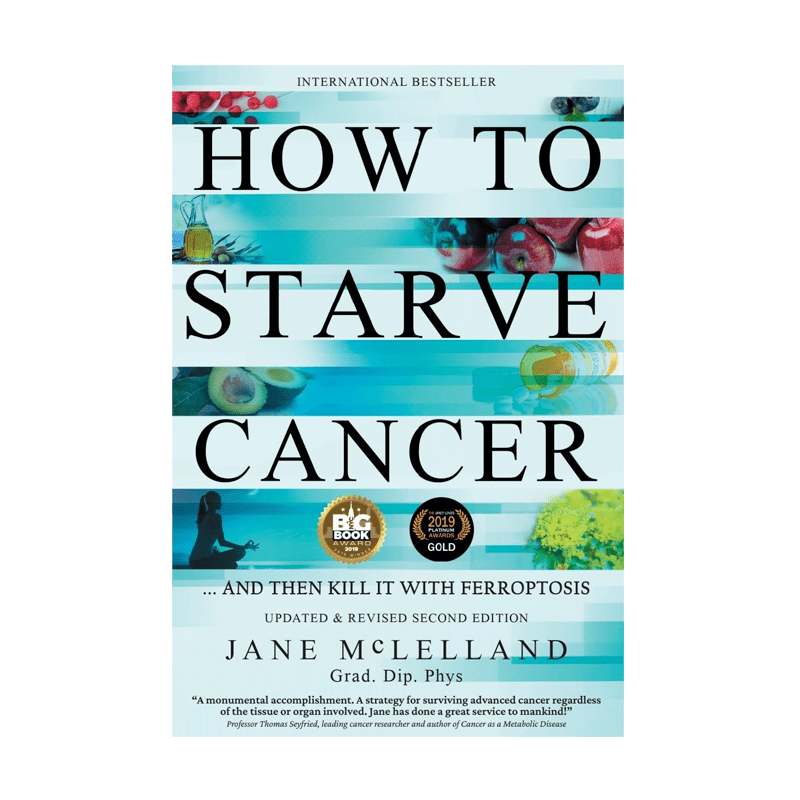
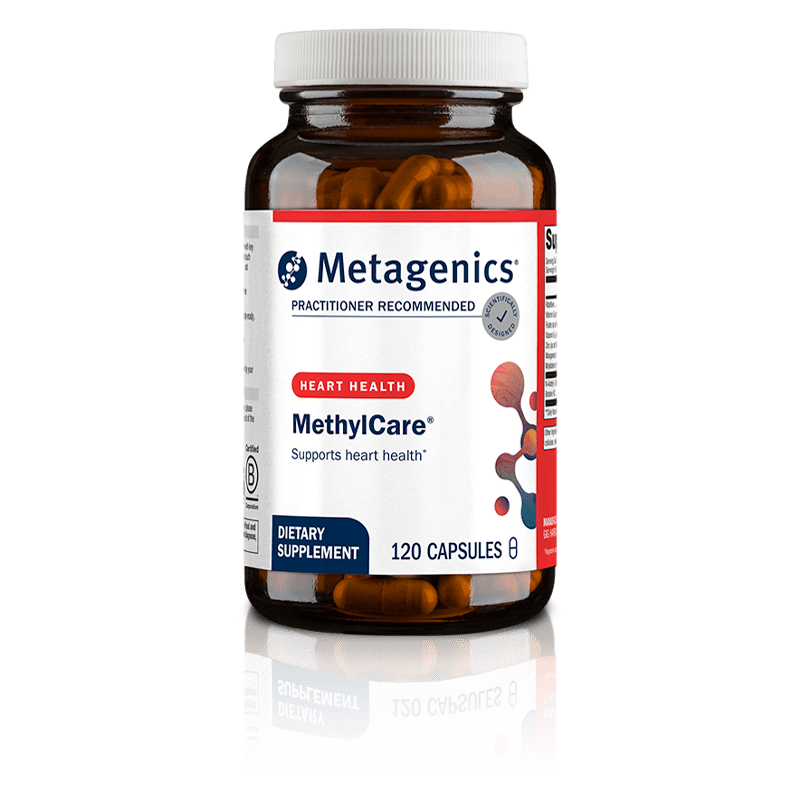
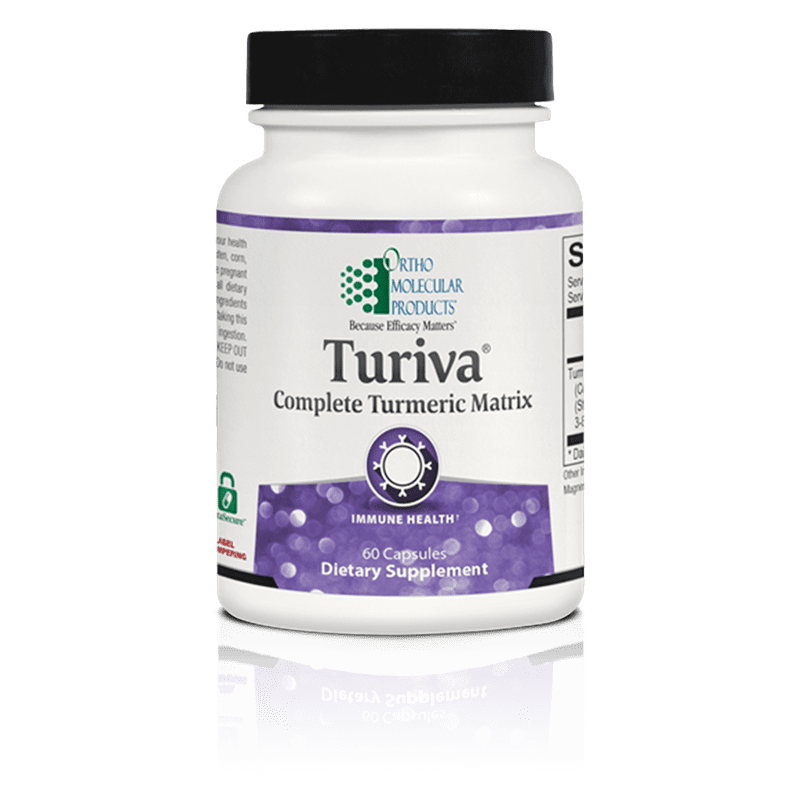
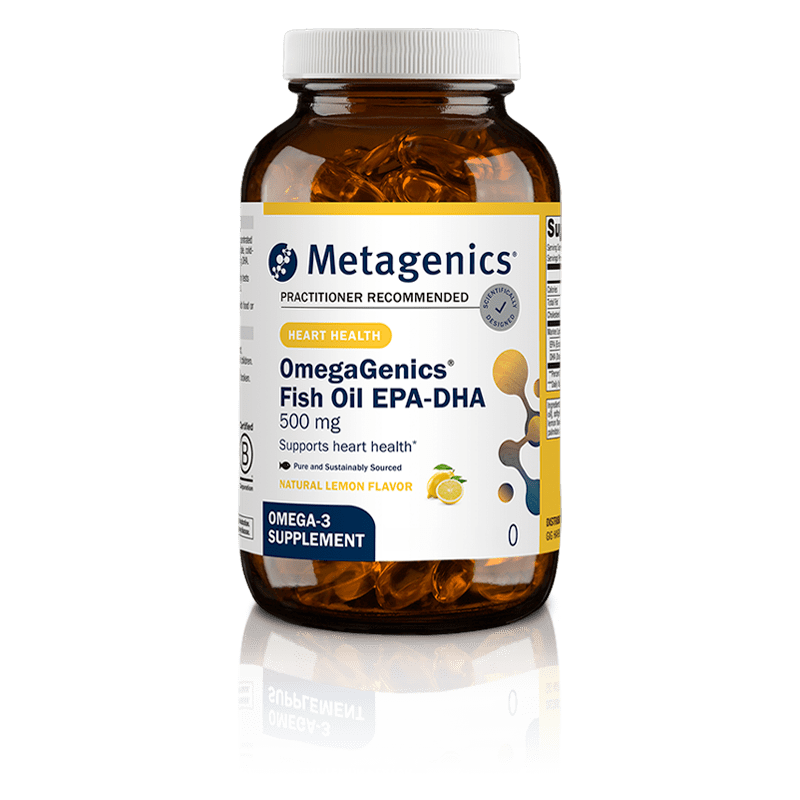
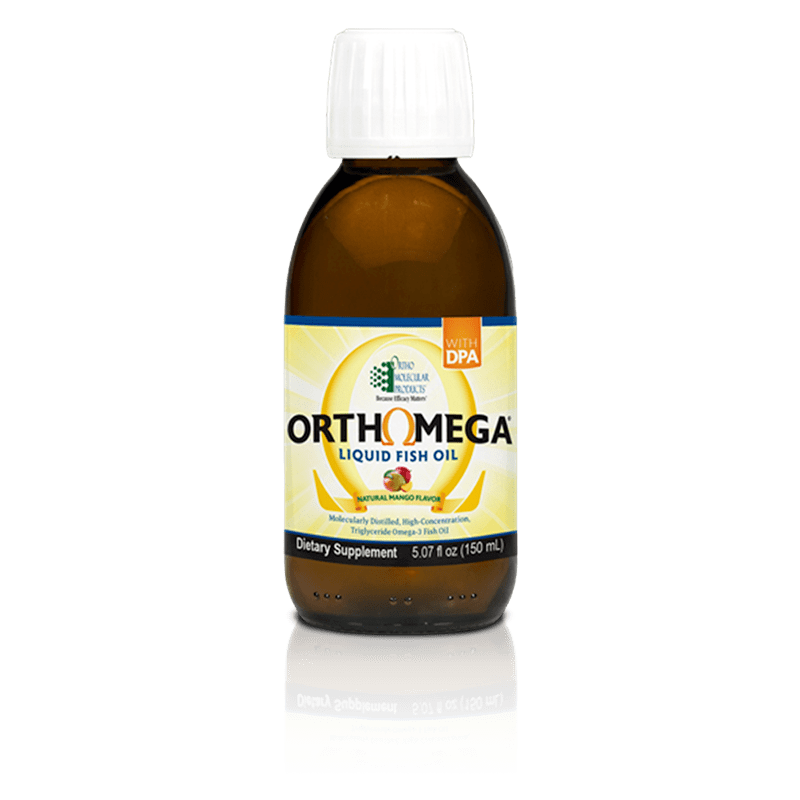
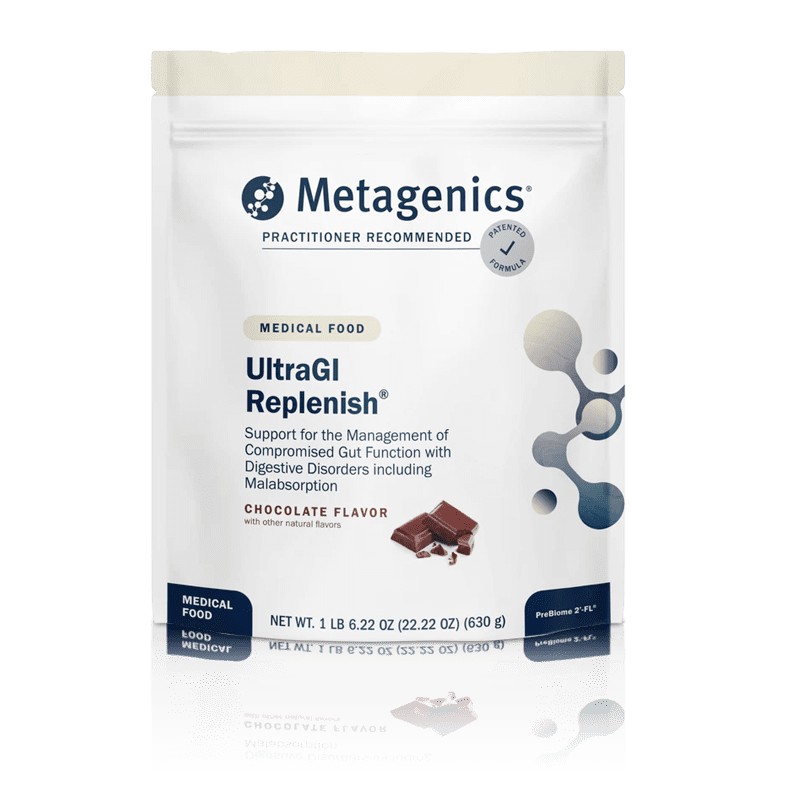
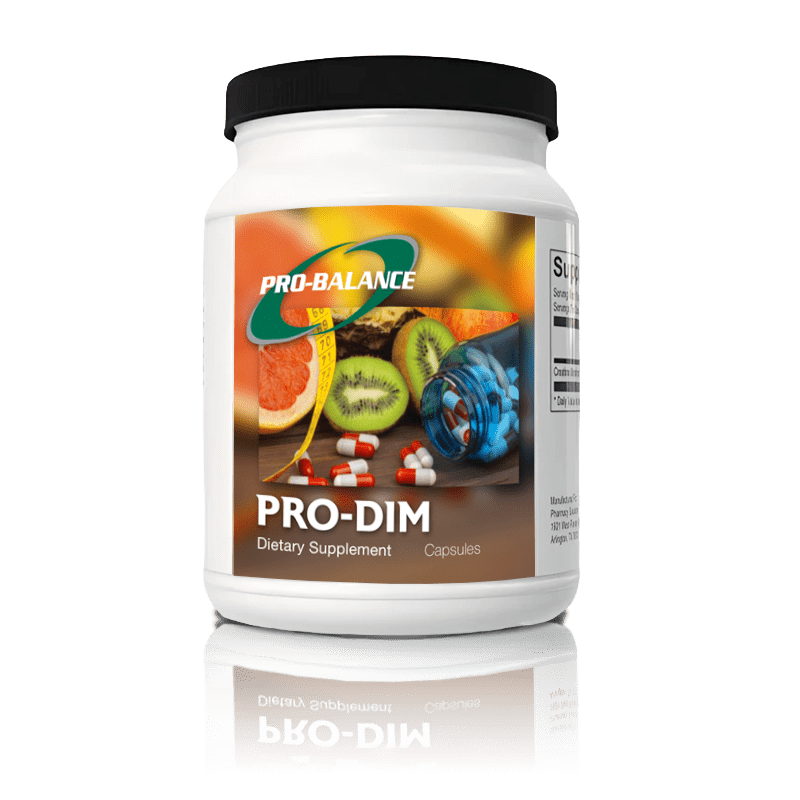
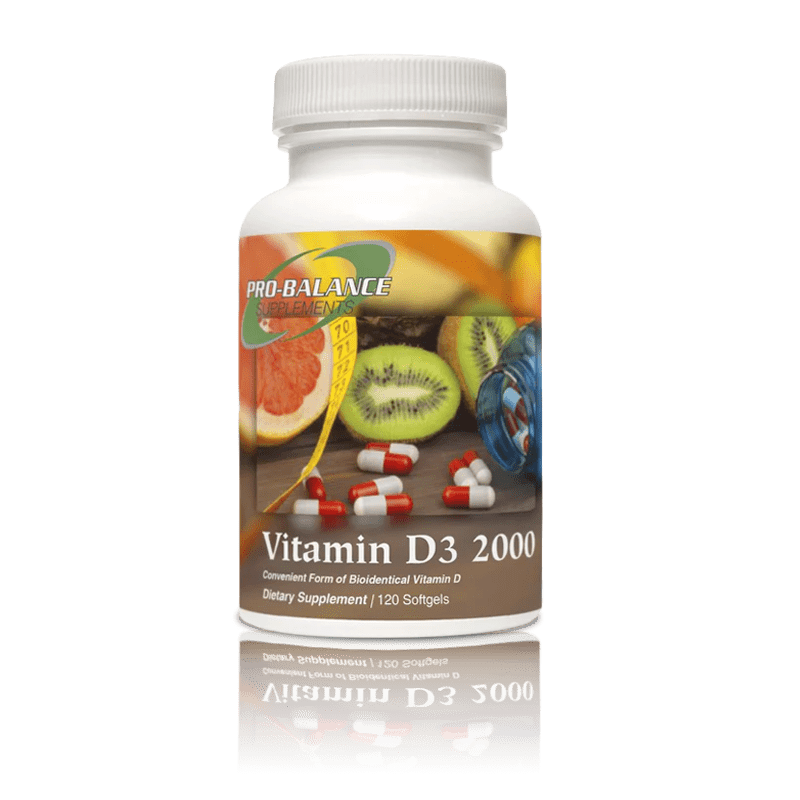
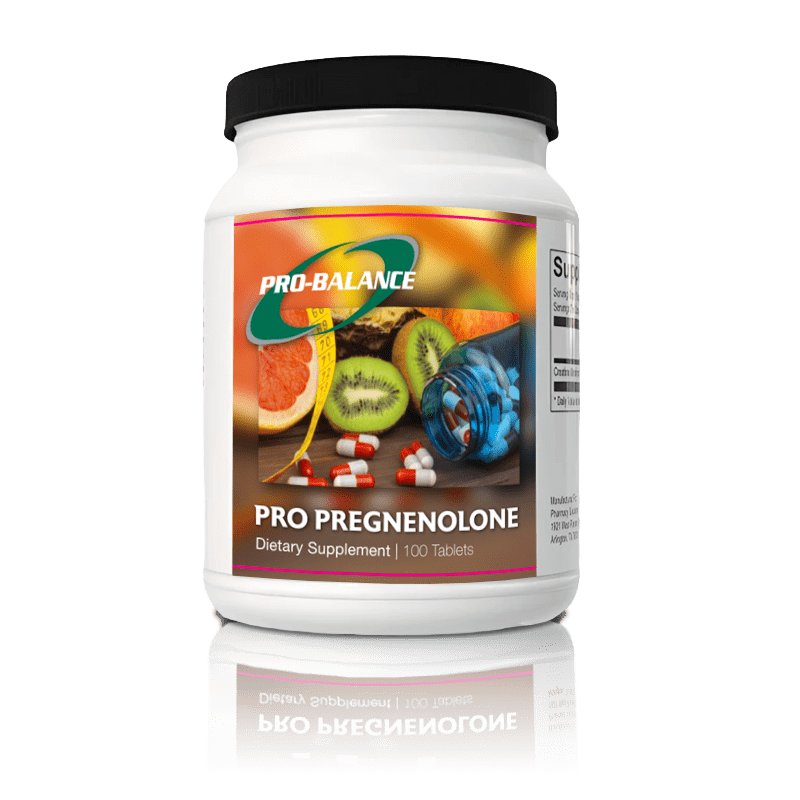
Some men explore over-the-counter supplements as part of a broader approach to wellness. Certain nutrients and compounds have been studied for their potential role in supporting the body’s natural hormone production and overall vitality. Pharmacy Solutions carries pharmaceutical-grade options that may complement your wellness goals. Available products include:
These products are available without a prescription. As with any supplement, it is important to discuss use with a qualified healthcare professional to ensure it aligns with your individual health needs.
If your healthcare provider writes a prescription for compounded hormone therapy, here is a general overview of the process.


I finally feel like I have a team that listens to me and takes the time to explain everything. It is reassuring to know that my provider and pharmacist are working together to support my health.
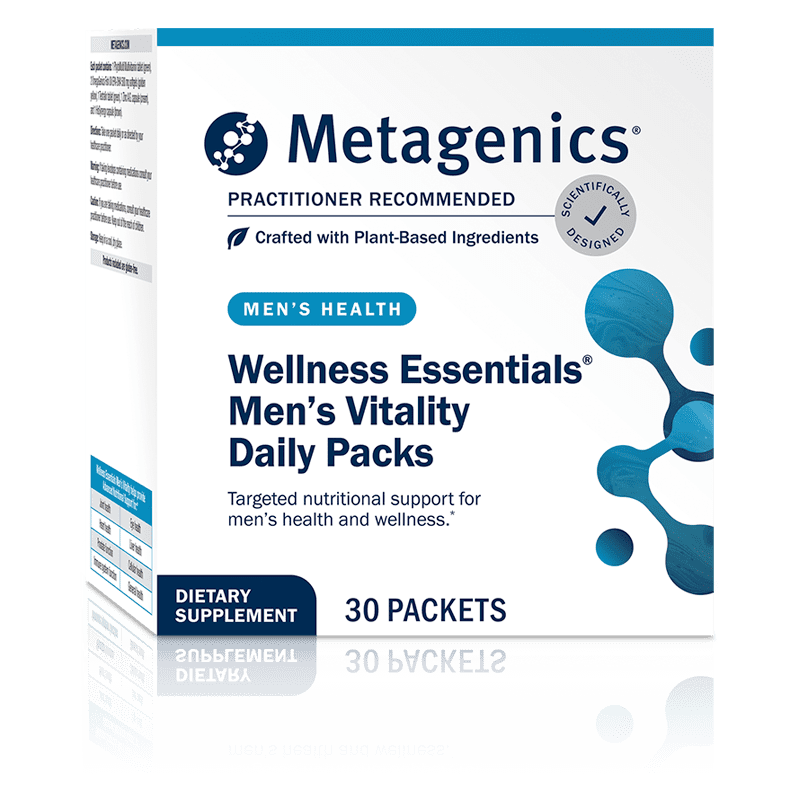
We feature a curated selection of supplements chosen to support men’s health and overall wellness as part of a balanced daily routine. Metagenics Wellness Essentials Men’s Vitality Daily Packs bring together everyday nutrients that many men add to a steady routine to support their overall wellness goals.
These products are available now without a prescription, so you can start whenever you are ready. Talk with your healthcare provider about which products and daily habits make sense for you and your goals.
Costs vary depending on the type of medication, dosage form and frequency of use. Because compounded medications are customized, pricing is determined on a per-prescription basis. Speak with a pharmacist to get a clearer picture of what to expect for your specific prescription.
When prescribed and monitored appropriately, hormone therapy may support improvements in energy, mood, sleep quality and body composition. Research also suggests that maintaining adequate testosterone levels may be associated with reduced cardiovascular risk markers and, contrary to older assumptions, does not appear to increase prostate cancer risk.[9][13] Many men who pursue informed conversations with their providers about hormone health report feeling more like themselves again. Individual responses vary, and your healthcare provider can help you understand what may be relevant for your situation.
Current evidence does not support this concern. The 2024 Androgen Society position statement, based on the large TRAVERSE trial and a review of 19 meta-analyses, concluded that testosterone therapy is not associated with increased risk of heart attack, stroke or cardiovascular death.[9] In fact, research consistently links low testosterone, not adequate testosterone, with higher rates of coronary artery disease and cardiovascular events in men.[10] Addressing hormone deficiency with your provider may be a meaningful step toward supporting long-term heart health.
Research has significantly changed the understanding of this relationship. The saturation model, developed at Harvard Medical School, demonstrates that normal physiological testosterone levels do not continue to stimulate prostate tissue growth in a linear fashion.[12] A systematic review of 40 prospective studies found no association between testosterone therapy and prostate cancer incidence, and studies have actually found higher rates of prostate cancer in men with the lowest testosterone levels.[13] Your healthcare provider will evaluate your full history and monitor appropriately, which is standard care for all patients on hormone therapy.[7]
They are not the same. Bioidentical testosterone therapy uses hormones that are structurally identical to what the body produces naturally, prescribed at doses calibrated to restore physiologically appropriate levels, and monitored over time by a licensed healthcare provider.[2] Nonmedical anabolic steroid use typically involves synthetic compounds at doses far exceeding normal ranges, without clinical oversight. Medically supervised BHRT is a well-studied, provider-directed approach to restoring hormonal balance.
Not necessarily. The 300 ng/dL threshold was developed from samples of older men and may not reflect what is physiologically normal for a younger individual.[14] Research published in the Journal of Urology found that age-appropriate testosterone ranges for men in their 30s are meaningfully higher, suggesting this cutoff alone can miss deficiency in younger men.[14] Symptoms, quality of life and overall health context are all important parts of a complete evaluation alongside laboratory values.[2] If you are experiencing changes in energy, mood, sleep or physical performance, that conversation with your provider is worth having regardless of a single number.
Decisions about starting, adjusting or discontinuing therapy should be made in consultation with your healthcare provider. Stopping therapy may affect hormone levels and how you feel, so it is important to have an open conversation about your goals and any concerns before making changes.[2]
Compounding pharmacies can prepare testosterone in several forms, including transdermal creams, gels, sublingual tablets, injectable solutions and implantable pellets.[6] The form prescribed depends on your healthcare provider’s assessment of which option offers the most appropriate absorption and tolerability for your individual needs.
If you do not currently have a provider who specializes in hormone health, a compounding pharmacy may be able to help connect you with practitioners in your area who offer this type of care. You can also ask your primary care physician for a referral.
[1] Endocrine Society. Hypogonadism in Men. https://www.endocrine.org/patient-engagement/endocrine-library/hypogonadism
[2] American Urological Association. Testosterone Deficiency Guideline. https://www.auanet.org/guidelines-and-quality/guidelines/testosterone-deficiency-guideline
[3] Cleveland Clinic. Why Are Testosterone Levels Declining? https://health.clevelandclinic.org/declining-testosterone-levels
[4] Mulligan T, Frick MF, Zuraw QC, et al. Prevalence of hypogonadism in males aged at least 45 years: the HIM study. Int J Clin Pract. 2006;60(7):762-769.
[5] Harman SM, Metter EJ, Tobin JD, et al. Longitudinal effects of aging on serum total and free testosterone levels in healthy men. J Clin Endocrinol Metab. 2001;86(2):724-731.
[6] National Academies of Sciences, Engineering, and Medicine. Testosterone and Aging: Clinical Research Directions. Washington, DC: The National Academies Press. https://www.ncbi.nlm.nih.gov/books/NBK216175/
[7] Bhasin S, et al. Testosterone Therapy in Men with Hypogonadism: An Endocrine Society Clinical Practice Guideline. J Clin Endocrinol Metab. 2018.
[8] Lokeshwar SD, Patel P, Fantus RJ, et al. Decline in serum testosterone levels among adolescent and young adult men in the USA. Eur Urol Focus. 2021;7(4):886-889. https://pubmed.ncbi.nlm.nih.gov/32081788/
[9] Morgentaler A, et al. Androgen Society Position Paper on Cardiovascular Risk With Testosterone Therapy. Mayo Clin Proc. 2024. https://www.mayoclinicproceedings.org/article/S0025-6196(24)00408-7/fulltext
[10] Sharma R, et al. Testosterone and Cardiovascular Health. Mayo Clin Proc. 2018;93(1):83-100. https://www.mayoclinicproceedings.org/article/S0025-6196(17)30824-8/fulltext
[11] Haddad RM, et al. Adverse cardiovascular events and mortality in men during testosterone treatment: an individual patient and aggregate data meta-analysis. Lancet Healthy Longev. 2022. https://pmc.ncbi.nlm.nih.gov/articles/PMC9184259/
[12] Morgentaler A, Traish AM. Shifting the paradigm of testosterone and prostate cancer: the saturation model and the limits of androgen-dependent growth. Eur Urol. 2009;55(2):310-320. https://pubmed.ncbi.nlm.nih.gov/18838208/
[13] Kaplan AL, et al. Testosterone therapy in men with prostate cancer. Eur Urol. 2016. https://pmc.ncbi.nlm.nih.gov/articles/PMC5000551/
[14] Kelsey TW, et al. What is a normal testosterone level for young men? Rethinking the 300 ng/dL cutoff for testosterone deficiency in men 20-44 years old. J Urol. 2022. https://www.auajournals.org/doi/10.1097/JU.0000000000002928
Tell us a little about what you are looking for and we will take it from there. Whether you have a prescription ready, questions about a therapy your provider mentioned, or just need help figuring out your next step, our team is here and ready to help.
"*" indicates required fields

To submit your order, click the “PRINT/SAVE” button located under this pop-up.

You can save the PDF to your computer to fax at a later date or print it now to fax immediately.

Fax your order form to 817-860-6083 for processing.
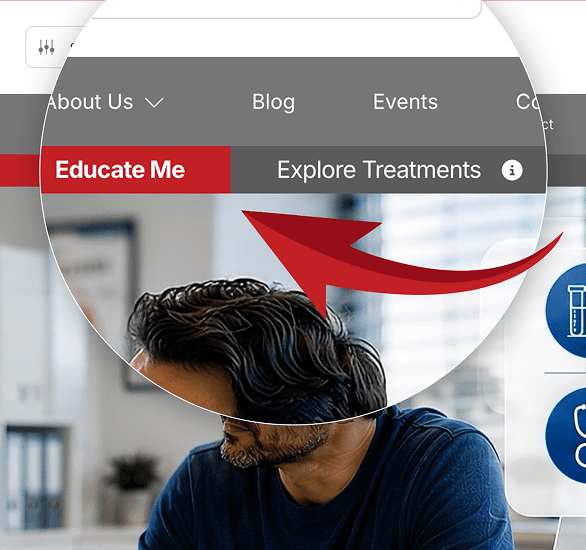
Get detailed information, research, and deeper product context. Toggle on to see more educational content.
Keep things brief and see related products faster. Toggle on to focus on products.

New to Pharmacy Solutions? Register now
Educate Me
Get detailed information, research, and deeper product context.
Toggle on to see more educational content.
Explore Treatments
Keep things brief and see related products faster.
Toggle on to focus on products.