What Is Hashimoto’s Disease?
Hashimoto’s disease, also called Hashimoto’s thyroiditis, is an autoimmune condition in which the immune system attacks the thyroid gland. Over time, this can damage the gland and reduce its ability to produce enough thyroid hormone, leading to hypothyroidism.
Hashimoto’s disease is the most common cause of hypothyroidism in the United States. It occurs more often in women than men and often develops gradually, which means symptoms may build slowly over time rather than appearing all at once.
At Pharmacy Solutions, we understand that thyroid symptoms can be frustrating, confusing, and easy to dismiss in the early stages. Learning what to watch for can help patients know when it is time to speak with a healthcare provider.
Common Symptoms of Hashimoto’s Disease
Thyroid hormones affect how the body uses energy and help regulate many body functions. When thyroid hormone levels become too low, symptoms can affect many parts of daily life.
Common symptoms of hypothyroidism related to Hashimoto’s may include:
- Fatigue or sluggishness
- Increased sensitivity to cold
- Constipation
- Dry skin
- Joint or muscle discomfort
- Hair loss
- Weight gain
- Brittle nails
- Depression or low mood
- Problems with memory or concentration
- Heavier or irregular menstrual bleeding
- Puffiness of the face
Symptoms can vary from person to person, and some people may not notice obvious changes early on. Because these symptoms overlap with many other conditions, proper evaluation is important.
How Hashimoto’s Is Diagnosed
Diagnosis is usually based on a combination of symptoms, physical exam findings, and laboratory testing. Healthcare providers commonly evaluate:
- Thyroid-stimulating hormone, or TSH
- Thyroid hormone levels, such as free T4
- Thyroid antibody testing
Thyroid antibody tests may help support the diagnosis of an autoimmune thyroid disorder such as Hashimoto’s disease. Common antibodies that may be checked include thyroid peroxidase antibodies and thyroglobulin antibodies.
In some cases, imaging or other follow-up evaluation may be needed, but biopsy is not the usual first step for most patients with suspected Hashimoto’s. The right evaluation depends on the full clinical picture.
Why Hashimoto’s Can Be Easy to Miss Early
Hashimoto’s often progresses slowly. Inflammation of the thyroid can develop over a long period of time, and hormone production may decline gradually. Because of this, many patients may live with symptoms for months or longer before realizing a thyroid problem could be involved.
Some people with Hashimoto’s may also have other autoimmune conditions, which can make the overall picture more complex and may require broader medical evaluation.
How Hashimoto’s Is Typically Treated
Treatment depends on whether the thyroid has been damaged enough to cause hypothyroidism. If thyroid hormone levels are low, treatment usually involves thyroid hormone replacement, most commonly with levothyroxine, to replace the hormone the thyroid no longer makes.
The goal of treatment is to restore thyroid hormone levels to an appropriate range and improve symptoms of hypothyroidism. Some patients may require ongoing monitoring before treatment is started, while others may need long-term thyroid hormone replacement under provider supervision.
Because thyroid treatment is individualized, medication choices, dose adjustments, and follow-up testing should always be guided by a qualified healthcare provider.
Lifestyle and Nutritional Support
Many patients ask whether diet, supplements, or lifestyle changes can help. A balanced diet, good sleep, stress management, and attention to overall wellness may all be helpful parts of living well with a chronic thyroid condition. However, these approaches are not a replacement for medical evaluation or prescribed thyroid treatment when hypothyroidism is present.
Some nutrients, including selenium, have been studied in Hashimoto’s disease, but the evidence is mixed and supplementation is not appropriate for everyone. Iodine also deserves caution, as more is not always better for people with thyroid disease. Any supplement plan should be discussed with a healthcare provider who understands your thyroid labs, medical history, and current medications.
When to Talk With Your Provider
You should talk with your healthcare provider if you are experiencing ongoing fatigue, unexplained weight gain, constipation, dry skin, sensitivity to cold, hair loss, or menstrual changes, especially if symptoms persist or worsen over time.
Early evaluation can help identify whether thyroid dysfunction may be contributing and can guide the next steps in diagnosis and treatment.
Talk With Pharmacy Solutions About Thyroid Support
If you have questions about thyroid medications, provider-guided supplement support, or personalized wellness options related to thyroid health, Pharmacy Solutions is here to help. Our team works with patients and prescribers to support individualized care and help you better understand your options.
Talk with Pharmacy Solutions to learn more about thyroid support and personalized wellness guidance.
Blog Disclaimer: The information provided in this blog is for educational and informational purposes only and is not intended as medical advice, diagnosis, or treatment. Content on this website should not be used as a substitute for professional medical advice from your physician, pharmacist, or other qualified healthcare provider. Pharmacy Solutions does not guarantee that the information in this article applies to your individual health situation. Always seek the advice of your healthcare provider before starting, stopping, or changing any medication, supplement, or treatment plan. Statements regarding supplements, wellness products, or compounded therapies have not been evaluated by the Food and Drug Administration unless specifically stated otherwise. Compounded medications are prepared pursuant to a valid prescription for an individually identified patient and are not reviewed by the FDA for safety or effectiveness in the same manner as commercially manufactured drugs.
Use of this website or reliance on any information contained in this blog does not create a pharmacist-patient relationship, provider-patient relationship, or any other healthcare professional relationship. If you are experiencing a medical emergency, call 911 or seek immediate medical attention.

 Quick View
 Quick View
 Quick View
 Quick View
 Quick View
 Quick View
 Quick View
 Quick View
 Quick View
 Quick View
 Quick View
 Quick View
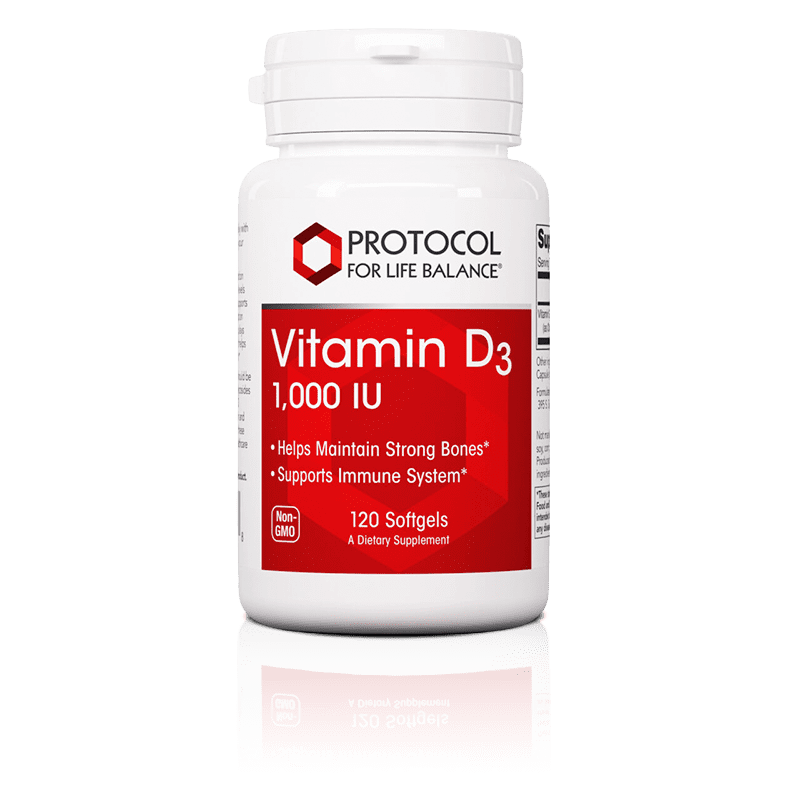 Quick View
 Quick View
 Quick View
 Quick View
 Quick View
 Quick View