Enjoy 10% off for Patient Appreciation Day with code THANKUJULY on 7/15/2026 only!



Enjoy 10% off for Patient Appreciation Day with code THANKUJULY on 7/15/2026 only!
15% off on all sunscreen and probiotics during July with code SUNSAFE15
The Pharmacy will be closed July 4th for Independence Day.

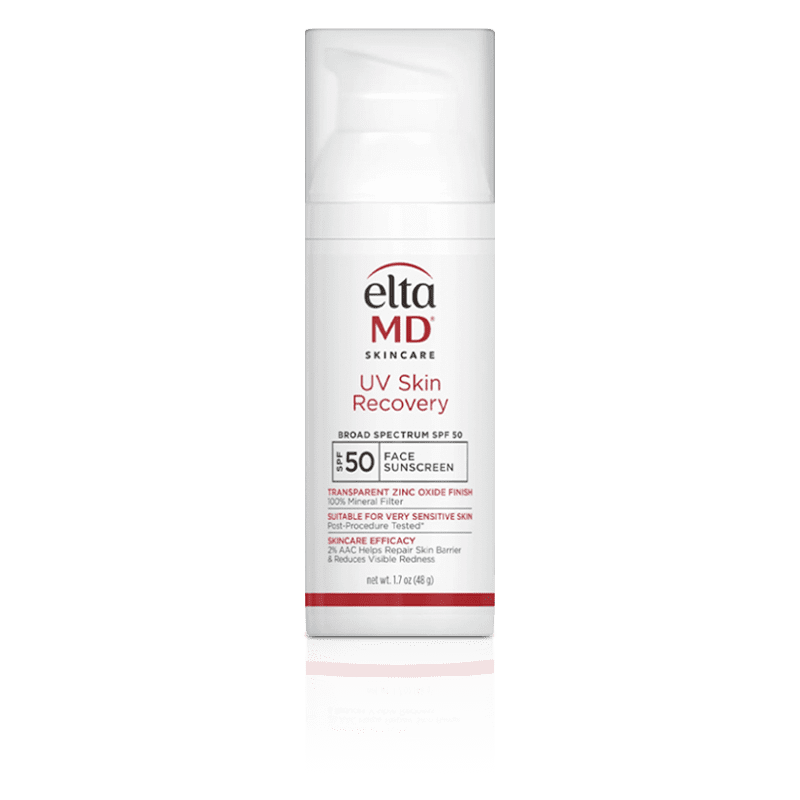
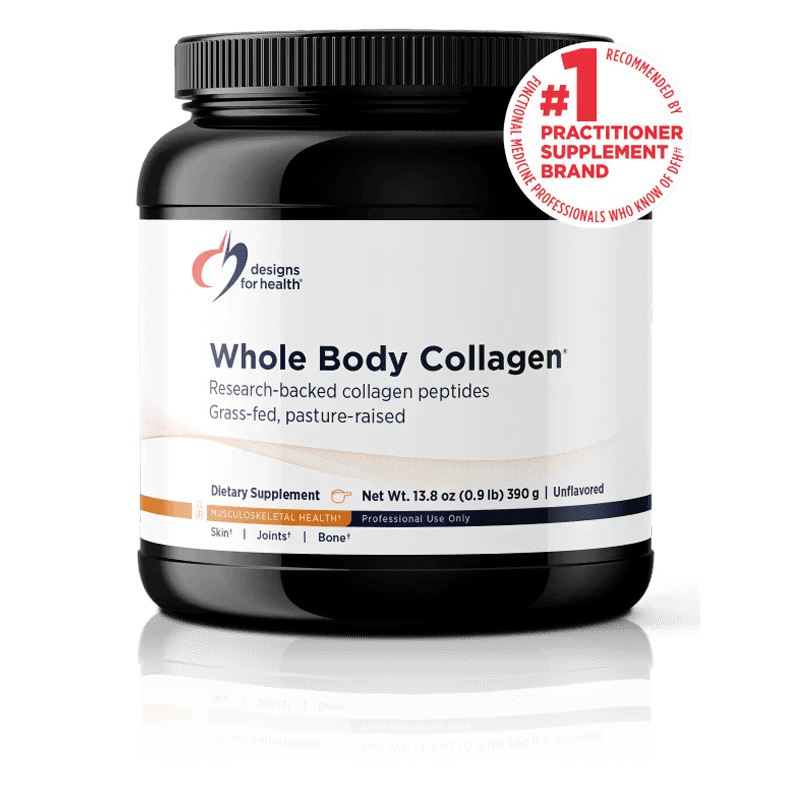
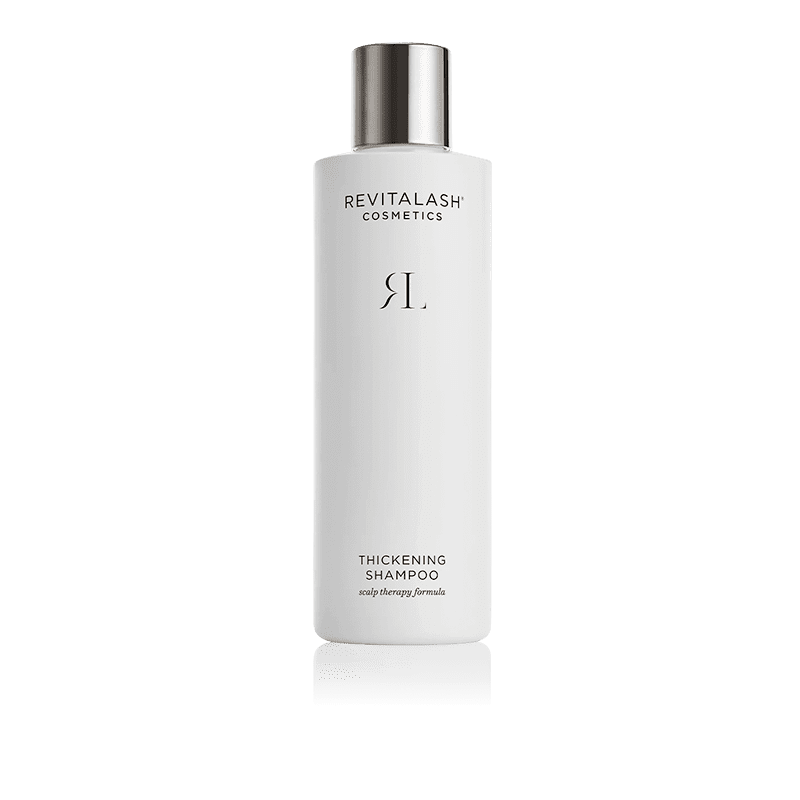

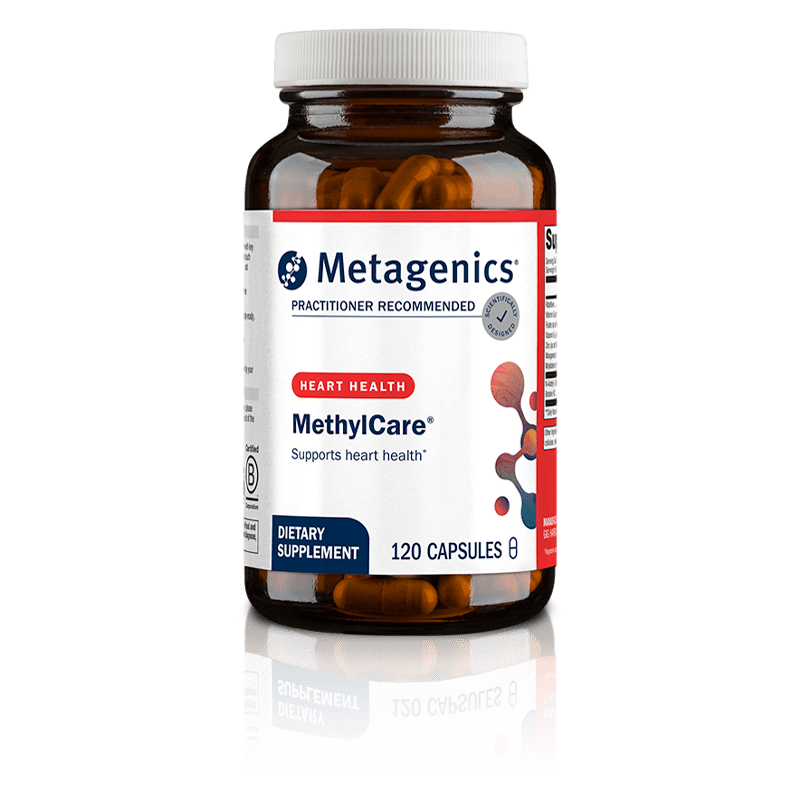
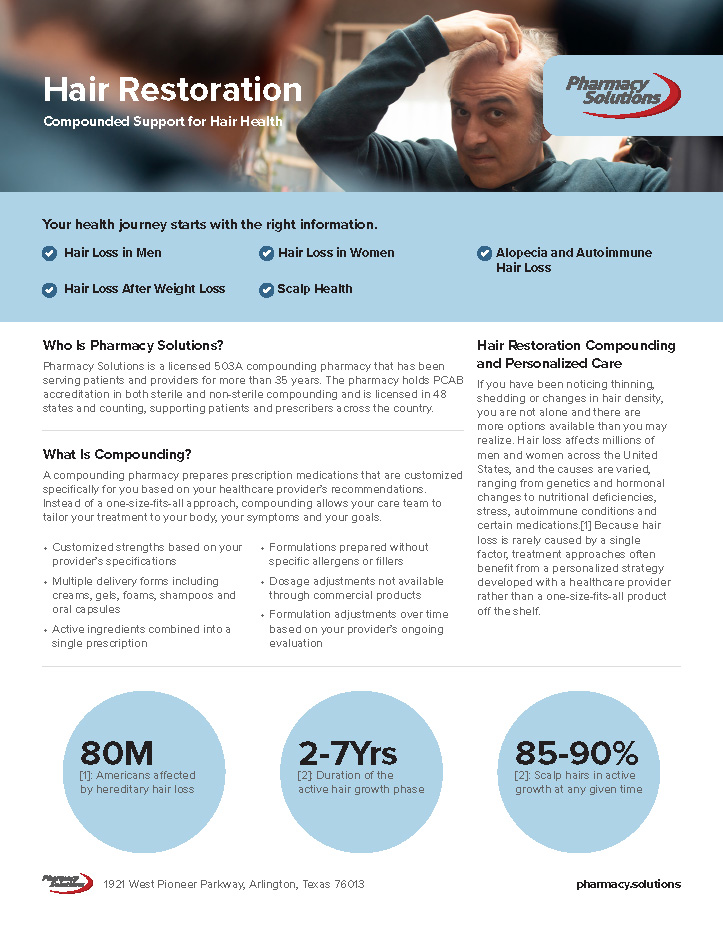
The scalp is living skin, complete with oil glands, hair follicles and a delicate microbiome that can influence comfort, appearance and the hair growth cycle.[1][2] When the scalp environment is balanced, hair has what it needs to grow, stay anchored and look its best. When the environment is disrupted by inflammation, buildup, dryness or other factors, the same treatments and products that usually help may fall short. This page offers an educational overview of scalp health, what can disrupt it and how a compounding pharmacy can work alongside a healthcare provider to prepare personalized topical formulations when standard options are not enough.
The scalp provides the environment that hair follicles depend on. A balanced scalp supports consistent blood flow and nutrient delivery to follicles, helps maintain a stable hair cycle and reduces inflammation that can weaken or miniaturize follicles over time.[1][2] When the scalp is healthy, follicles are positioned to produce stronger, more consistent hair growth. When the scalp is irritated, inflamed or imbalanced, that environment can interfere with follicle function and contribute to thinning, shedding or slower regrowth. This is part of why even the most well-designed hair therapies tend to work better when the scalp itself is in good shape. Addressing scalp concerns alongside hair-focused strategies is often a more complete approach than focusing on one without the other.
Several factors can affect the scalp environment and contribute to discomfort or changes in hair quality.
Scalp care matters for anyone who wants to support healthy hair, but it becomes especially important when you are noticing specific concerns. Common signs that the scalp may need more attention include ongoing itching or burning, visible flaking, redness or sensitivity, persistent dryness or oiliness, tenderness or an unusual smell. For some people, these symptoms come and go. For others, they become a steady background issue that interferes with comfort or hair quality. Early attention often makes a difference, because simple shifts in routine or targeted support can settle many scalp issues before they become more persistent. If you are experiencing scalp discomfort that is not responding to typical over-the-counter products, or if scalp changes are showing up alongside thinning or shedding, it may be a good time to talk with a healthcare provider. A dermatologist can evaluate what is happening and help determine whether a personalized approach would be appropriate.
Supporting scalp health often involves a combination of gentle daily care and, when needed, provider-directed therapy. Common approach categories include using gentle non-irritating cleansers that support the skin barrier, reducing heavy product buildup, addressing dietary and stress factors that influence inflammation, and considering targeted topical therapy when over-the-counter options have not delivered enough support.[1][3]
A compounding pharmacy can prepare topical formulations that combine several active ingredients into a single solution, foam, shampoo or cream, based on the provider’s prescription. Common actives studied in topical scalp and hair formulations include fluocinolone and other topical corticosteroids for inflammation, ketoconazole for fungal or yeast-related imbalance, salicylic acid for scaling, minoxidil when thinning is also a concern, and combinations that address multiple issues at once.[5][6] For patients with sensitive scalps, compounded formulations can be prepared without specific additives, fragrances or preservatives if the provider specifies. Individual decisions about ingredients, strengths and vehicle should be determined by the provider based on evaluation.
A compounding pharmacy works alongside healthcare providers to prepare customized medications that are not available in standard commercial form. For scalp care, that flexibility matters. Providers can adjust ingredient combinations, strengths and vehicles based on what fits the individual patient, including cosmetically elegant options for daily use and formulations that avoid specific irritants. Commercial scalp products are designed for broad audiences. Compounded formulations are prepared for one specific patient based on one specific prescription.
Pharmacy Solutions is a licensed 503A compounding pharmacy with PCAB accreditation in both sterile and non-sterile compounding. Our pharmacists understand how different vehicles affect absorption, comfort and daily adherence, and we use careful compounding techniques to prepare each prescription as the provider intended. If you have questions about how a compounded scalp formulation is prepared, how to apply it or how to coordinate with your healthcare team, you can speak directly with a pharmacist.
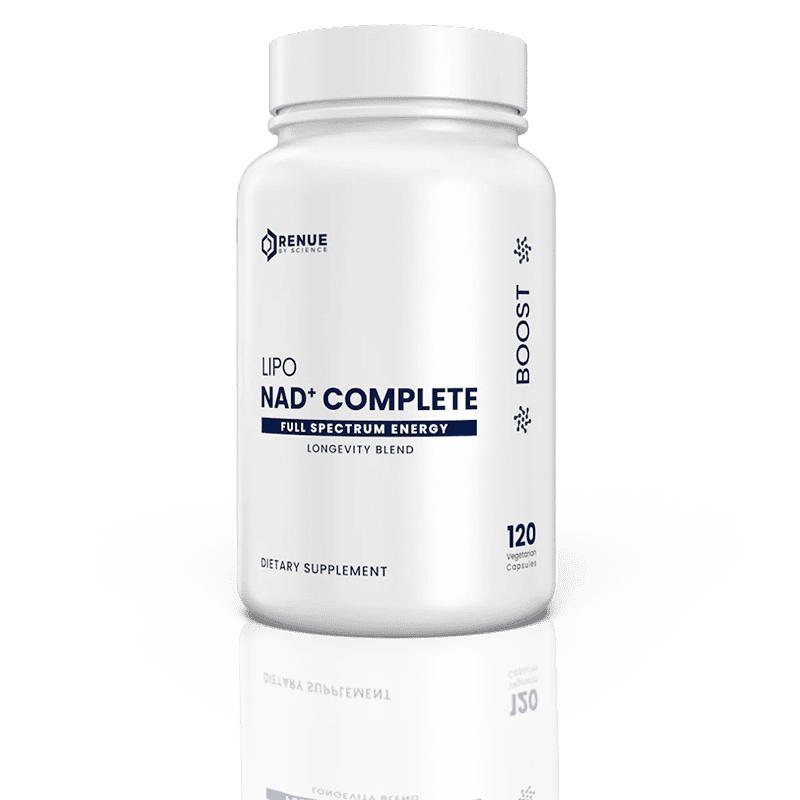
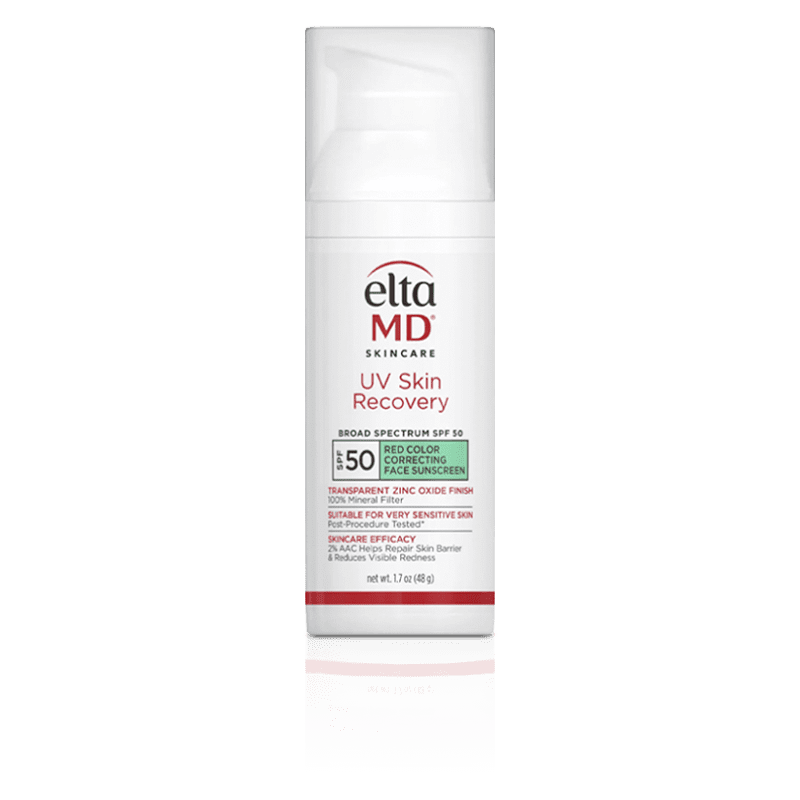
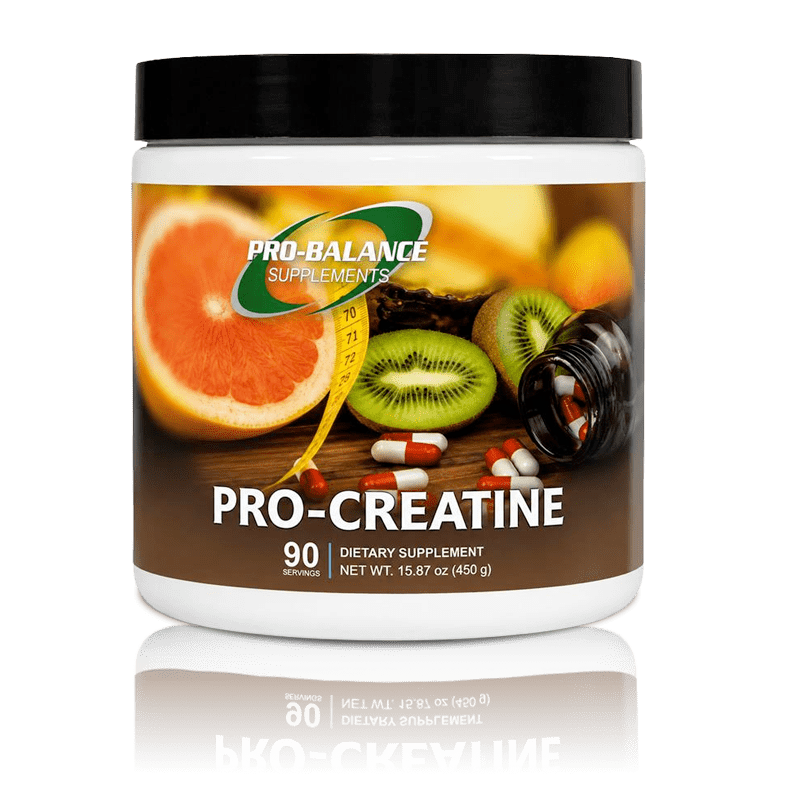
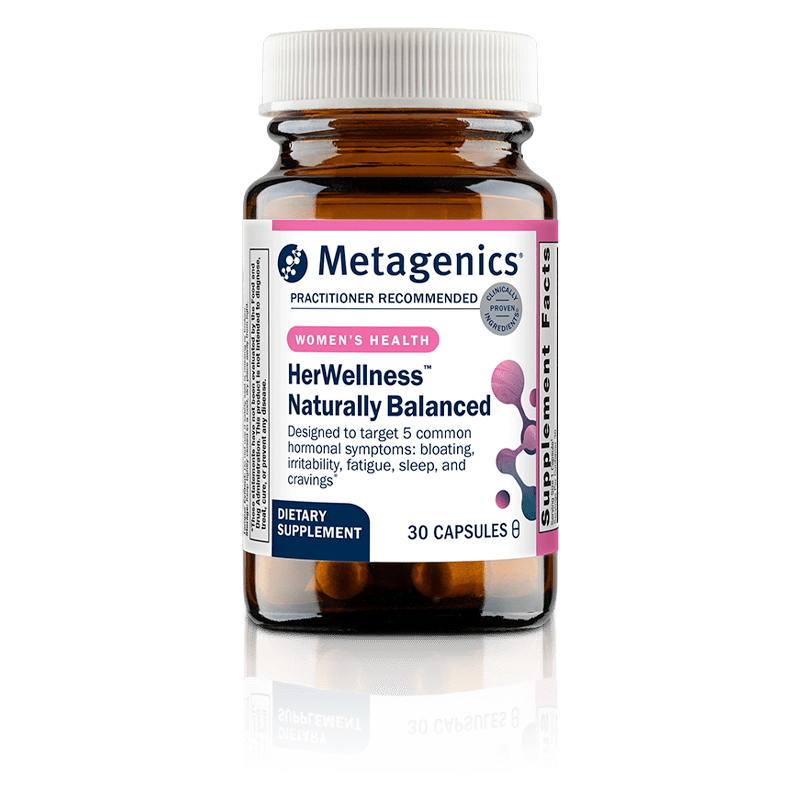
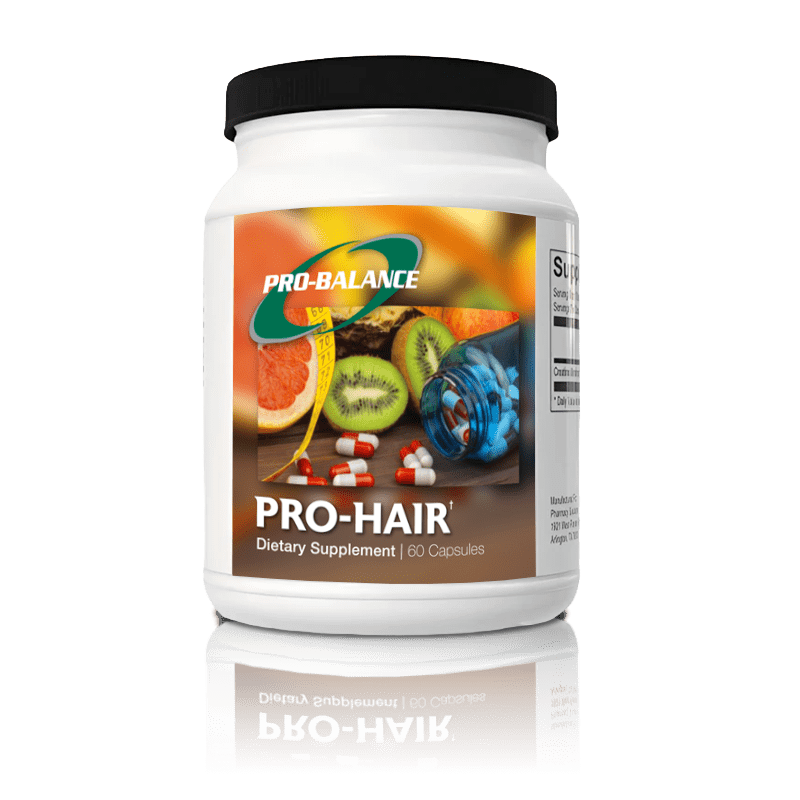
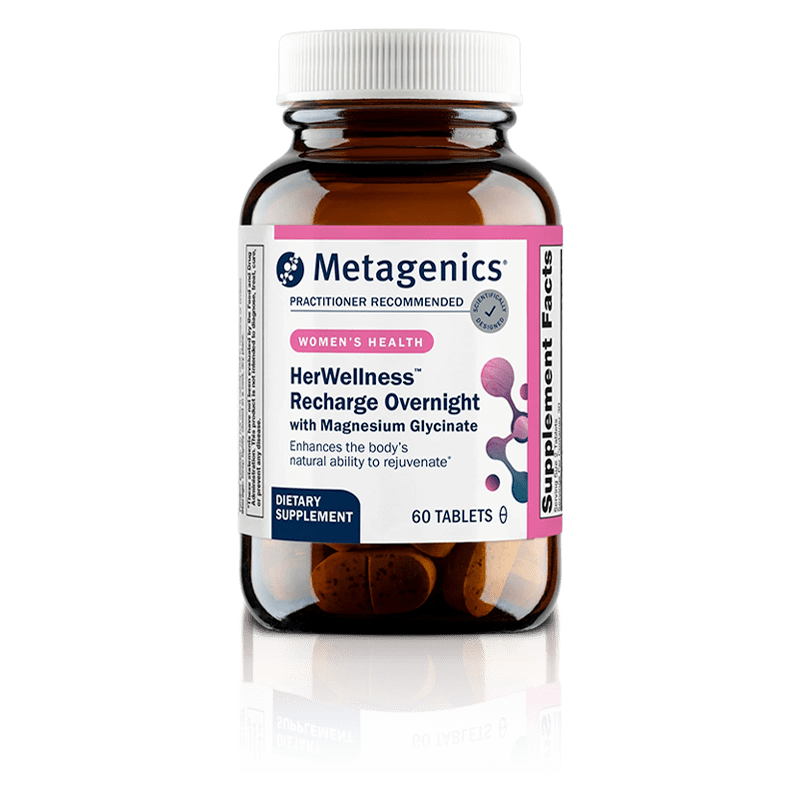
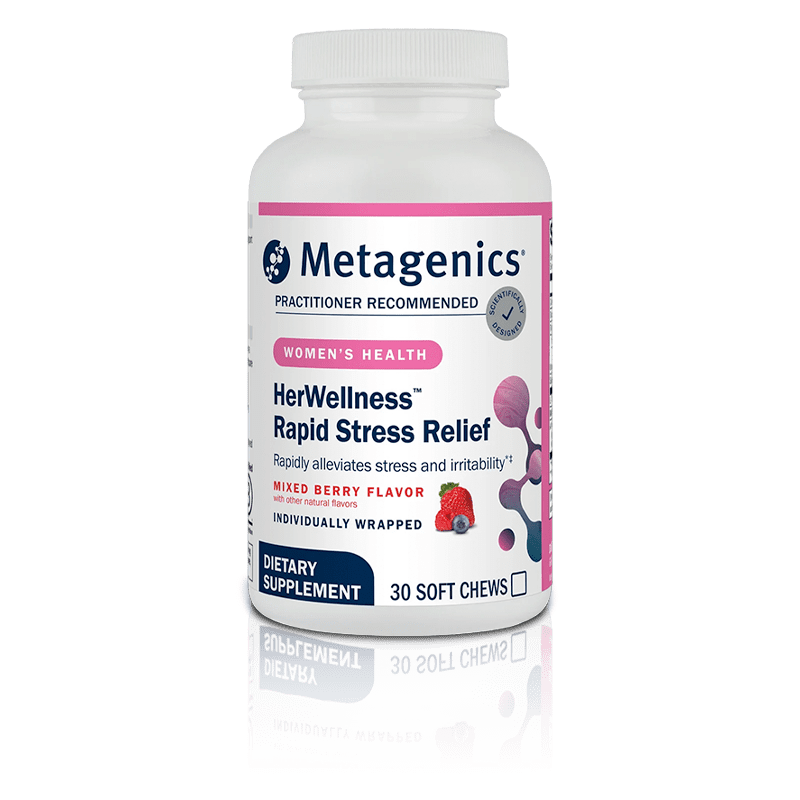
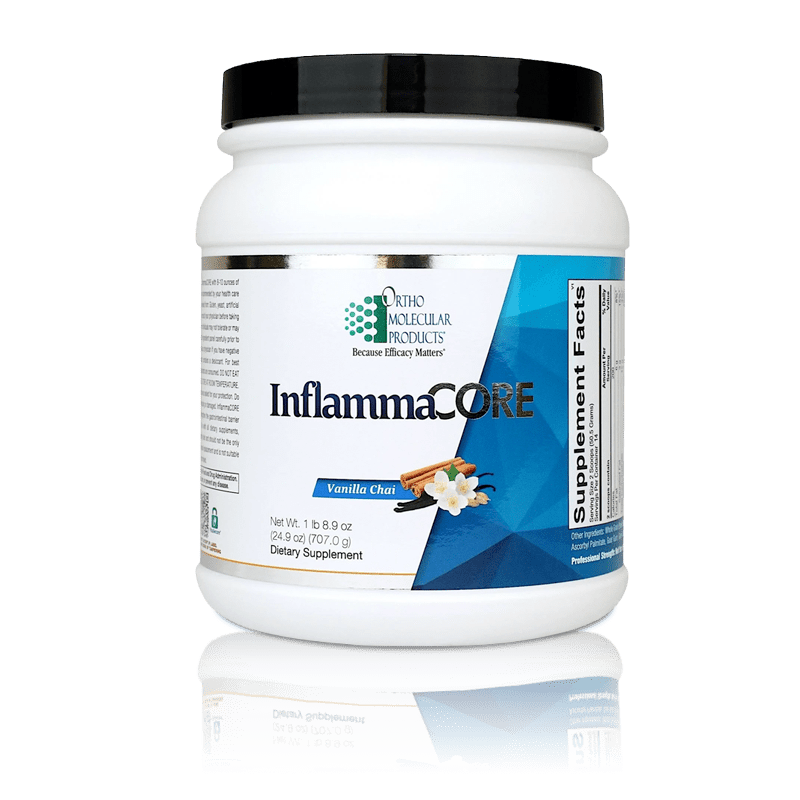
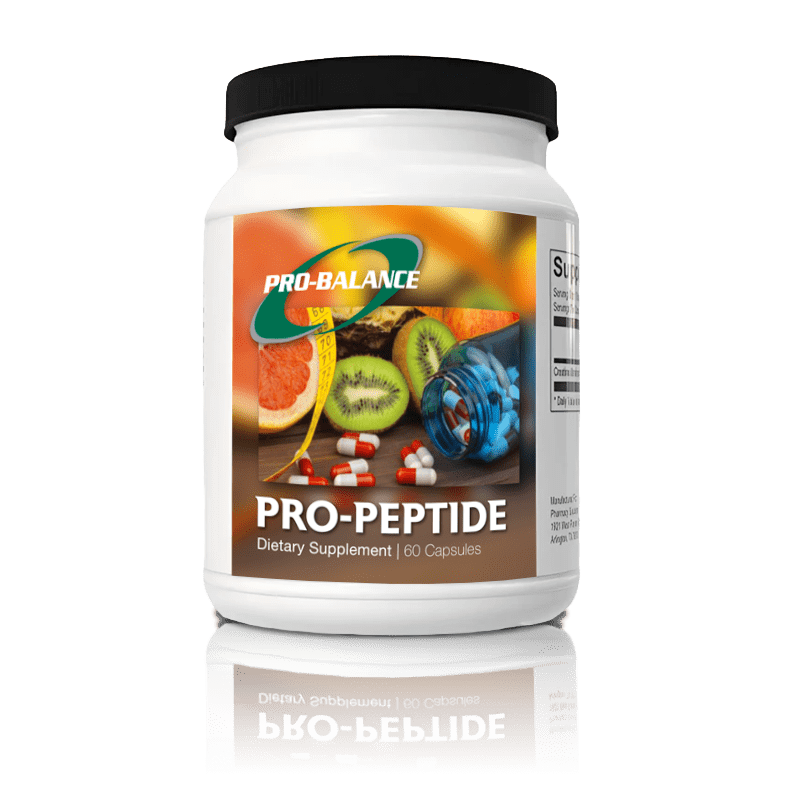
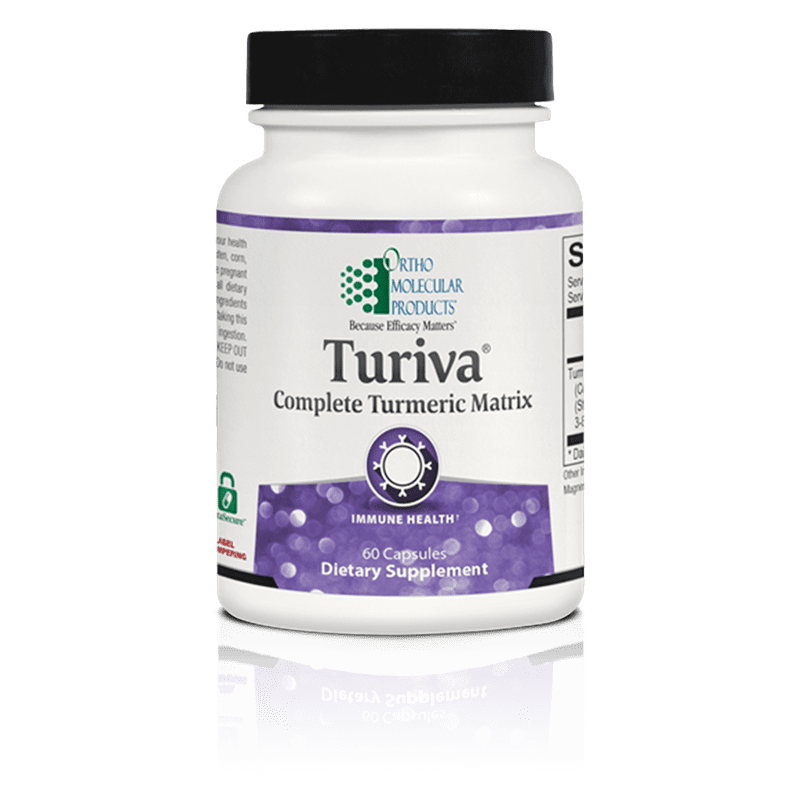
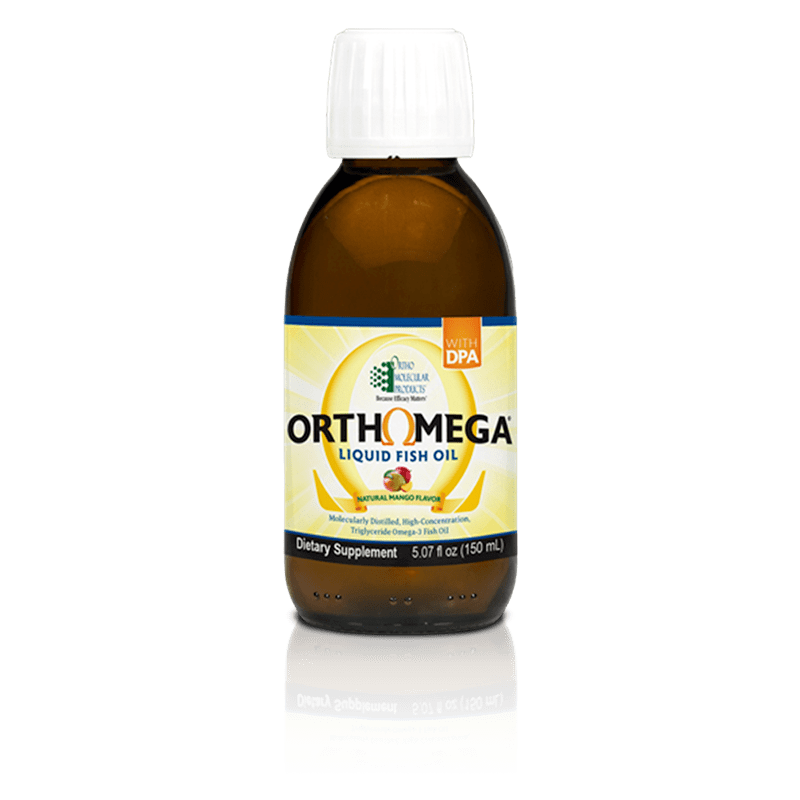
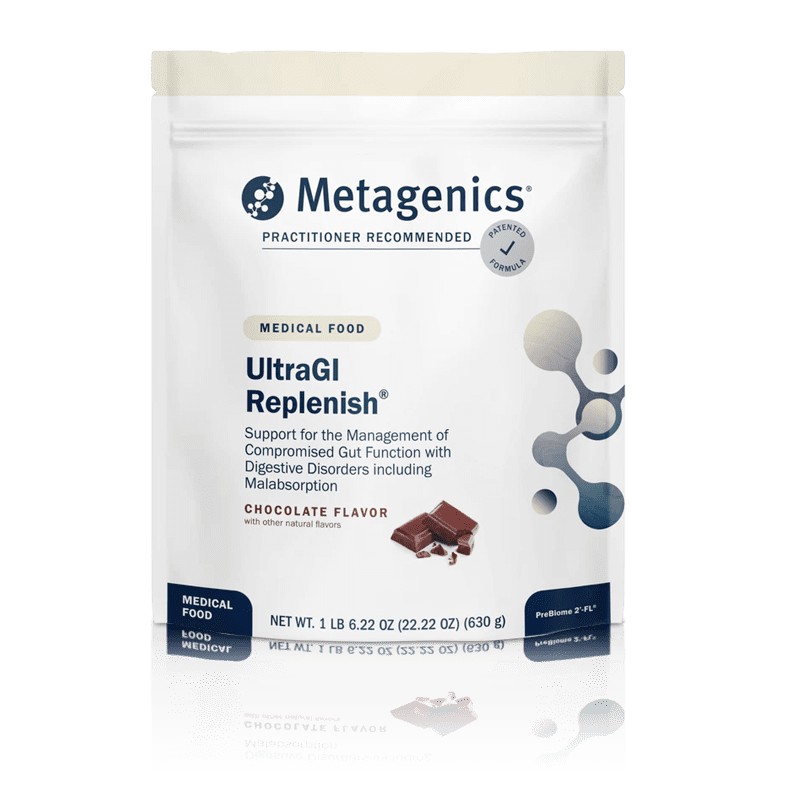
Daily scalp care can make a meaningful difference in comfort and general hair wellness. Some supplements and topical products have been studied for their potential role in supporting healthy hair and scalp function. Pharmacy Solutions carries pharmaceutical-grade options that may complement a broader care routine.
These products are available without a prescription. As with any supplement, discuss use with a qualified healthcare professional to ensure it aligns with your individual health needs.
If your healthcare provider writes a prescription for compounded scalp therapy, here is a general overview of the process.
I had been dealing with scalp issues for years and nothing from the drugstore really helped. Working with a dermatologist and the pharmacy on something made specifically for my scalp was the first time I felt like someone actually listened.
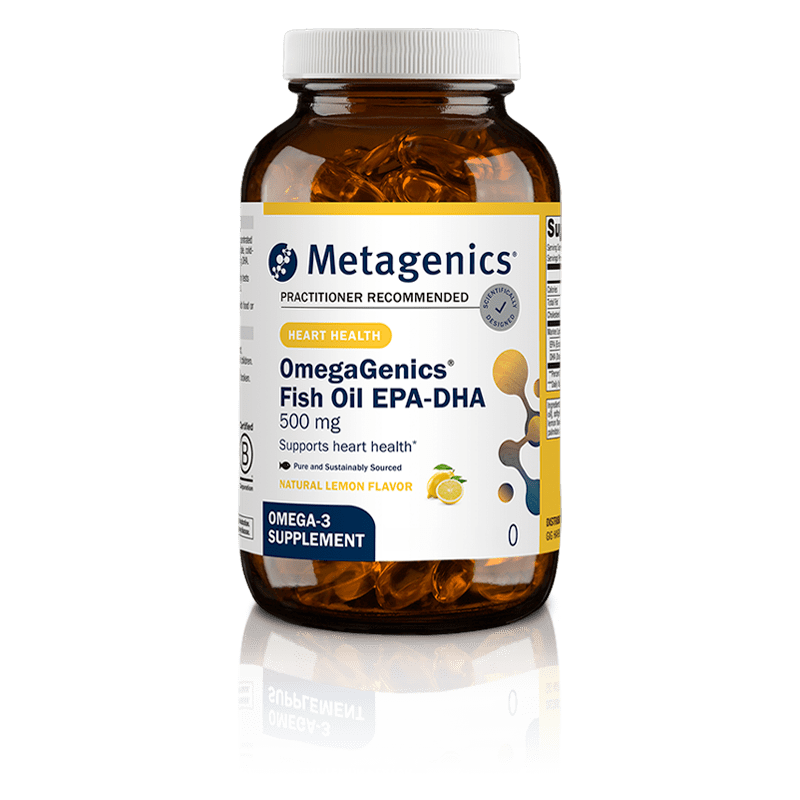
We feature a curated selection of supplements chosen to support skin, scalp, and overall wellness as part of your everyday routine. Metagenics OmegaGenics EPA-DHA Softgels 500 provides a concentrated source of omega-3 fatty acids that many people include in a balanced daily wellness routine.
These supplements are available now without a prescription, so you can start whenever it suits you. Talk with your healthcare provider about adding anything new and how it fits with the rest of your routine.
Coenzyme Q10, commonly known as CoQ10, is an important nutrient involved in cellular energy production. It plays a key role…
The scalp provides the environment hair follicles depend on. A balanced scalp supports blood flow, nutrient delivery and a stable hair cycle, which helps follicles produce healthy hair. When the scalp is irritated, inflamed or imbalanced, that environment can interfere with follicle function and contribute to thinning, shedding or slower regrowth. Addressing scalp concerns alongside hair-focused care is often a more complete approach.
Common scalp concerns include inflammation and irritation often tied to seborrheic dermatitis, psoriasis or contact dermatitis, product buildup from heavy styling products, dryness or flaking, excess oil and general imbalance in the scalp environment. Symptoms can include itching, redness, sensitivity, flaking, tenderness or changes in hair comfort. A healthcare provider can help identify what is contributing.
Yes. Compounded medications are prepared only after a licensed provider writes a prescription for a specific patient. If your provider determines a compounded topical formulation is appropriate for your scalp concerns, they can write a prescription tailored to your situation. If you do not currently have a provider, our team can help connect you with one.
Chronic inflammation, infection or other ongoing scalp concerns can contribute to thinning over time, particularly when the hair cycle is disrupted or follicles are weakened.[1][3] In many cases, addressing the underlying scalp issue is an important part of supporting overall hair health. A dermatologist can help determine what is happening and whether additional hair-focused therapy is appropriate.
Common actives studied in topical scalp and hair formulations include fluocinolone and other topical corticosteroids for inflammation, ketoconazole for fungal or yeast-related imbalance, salicylic acid for scaling, minoxidil when thinning is a concern, and various combinations designed to address multiple issues at once. The specific ingredients and strengths your provider prescribes will depend on your individual evaluation.
Response varies depending on the underlying concern and the formulation. Some symptoms like redness and itching may settle within a few weeks of consistent use, while changes tied to hair growth or density typically take several months. Your provider can help set expectations based on your specific situation and what they have prescribed.
If you do not currently have a provider who prescribes compounded scalp formulations, a compounding pharmacy may be able to help connect you with practitioners in your area. Dermatologists are often the most relevant providers for scalp concerns, and primary care physicians can also provide referrals.
[1] Paus R, Cotsarelis G. The biology of hair follicles. N Engl J Med. 1999. https://pubmed.ncbi.nlm.nih.gov/10515896/
[2] American Academy of Dermatology Association. Hair loss: overview and types. https://www.aad.org/public/diseases/hair-loss/types
[3] Pazyar N, et al. Seborrheic dermatitis review. Dermatol Res Pract. 2013. https://pubmed.ncbi.nlm.nih.gov/23878597/
[4] Arck PC, et al. Indications for a brain-hair follicle axis: inhibition of keratinocyte proliferation and up-regulation of keratinocyte apoptosis in telogen hair follicles by stress and substance P. FASEB J. 2001. https://pubmed.ncbi.nlm.nih.gov/11641266/
[5] Olsen EA, et al. Topical minoxidil in androgenetic alopecia. J Am Acad Dermatol. 2002. https://pubmed.ncbi.nlm.nih.gov/12004379/
[6] Varothai S, Bergfeld WF. Androgenetic alopecia: an evidence-based treatment update. Clin Cosmet Investig Dermatol. 2014. https://pubmed.ncbi.nlm.nih.gov/25324641/
[7] Malkud S. Telogen effluvium: a review. J Clin Diagn Res. 2015. https://www.ncbi.nlm.nih.gov/pmc/articles/PMC4606321/
Tell us a little about what you are looking for and we will take it from there. Whether you have a prescription ready, questions about a therapy your provider mentioned, or just need help figuring out your next step, our team is here and ready to help.
"*" indicates required fields

To submit your order, click the “PRINT/SAVE” button located under this pop-up.

You can save the PDF to your computer to fax at a later date or print it now to fax immediately.

Fax your order form to 817-860-6083 for processing.

Get detailed information, research, and deeper product context. Toggle on to see more educational content.
Keep things brief and see related products faster. Toggle on to focus on products.

New to Pharmacy Solutions? Register now
Educate Me
Get detailed information, research, and deeper product context.
Toggle on to see more educational content.
Explore Treatments
Keep things brief and see related products faster.
Toggle on to focus on products.