Signup for the Pharmacy Solutions Newsletter for Big Discounts!


Compounded Wart Removal Options
Warts Explore compounded wart removal formulations at Pharmacy Solutions. Prescription-strength cantharidin, salicylic acid and fluorouracil options.
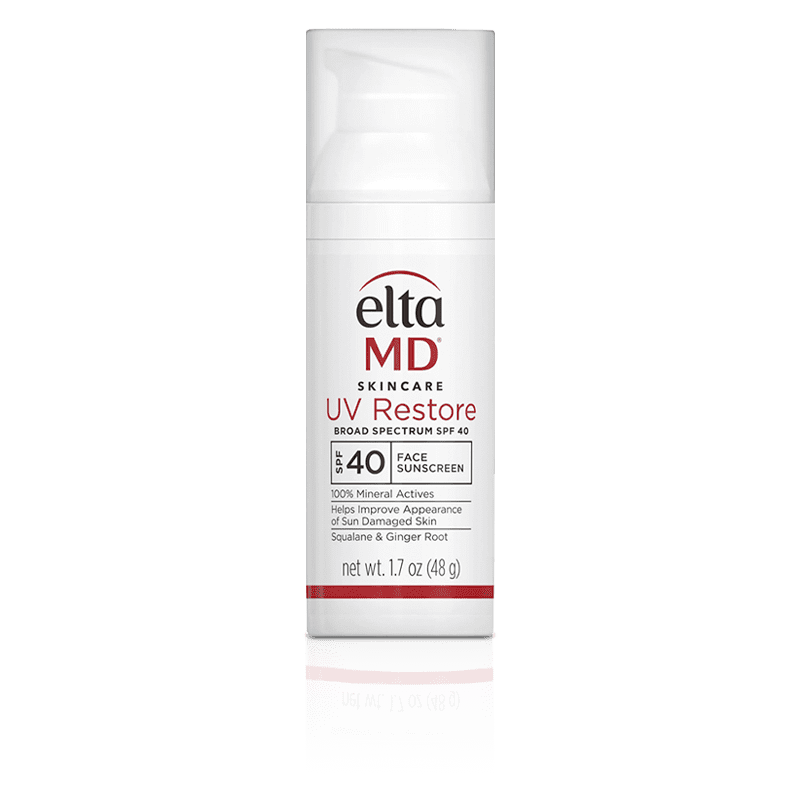
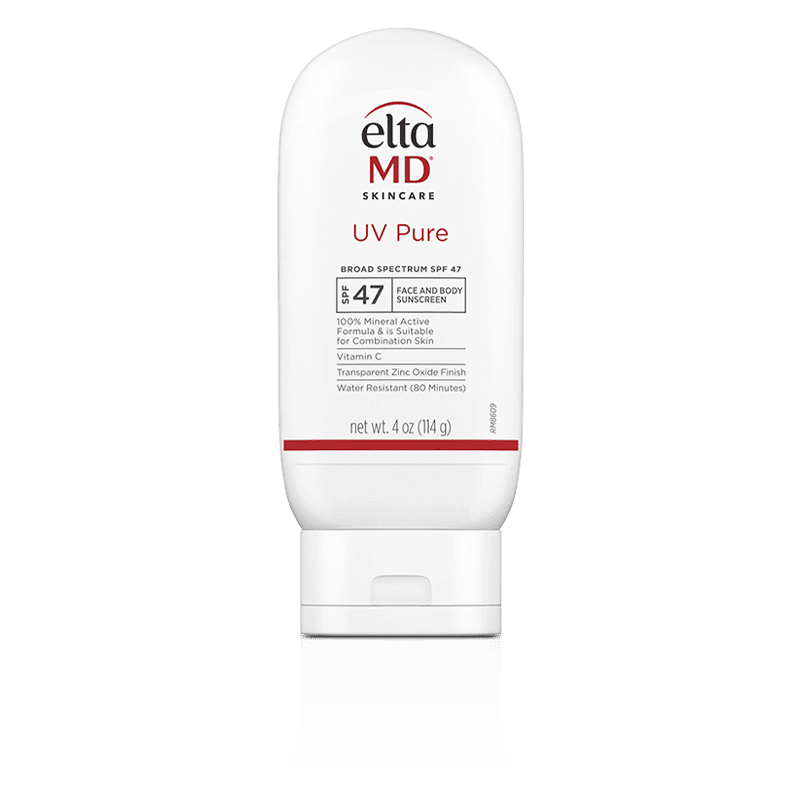
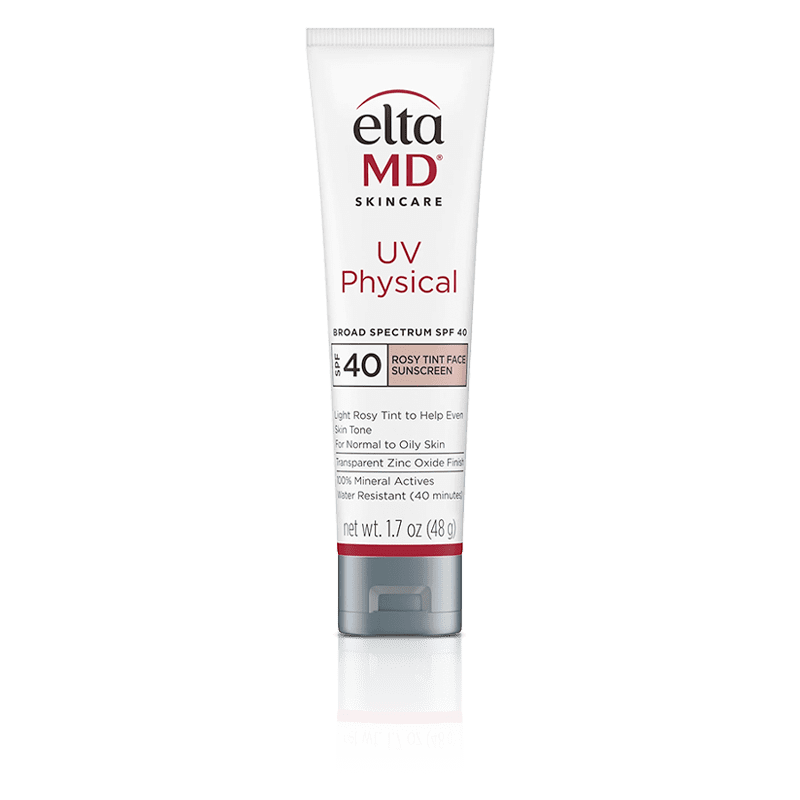
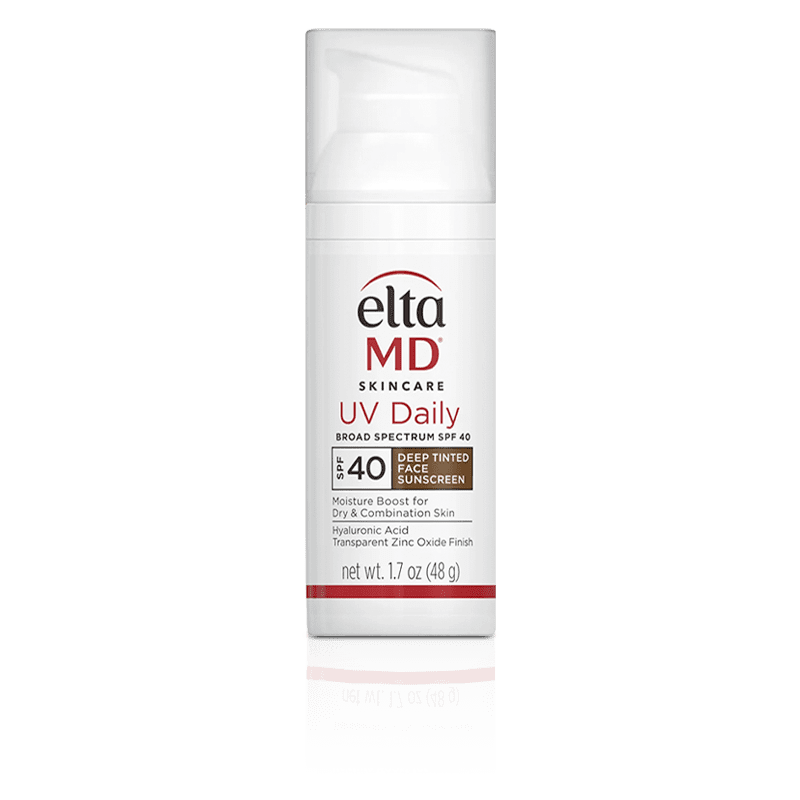
Warts are benign skin growths caused by the human papillomavirus that can be persistent, painful and resistant to over-the-counter approaches, particularly plantar warts on the feet and warts in difficult locations. For many patients, the key advantage of compounding is access to prescription-strength agents that are not available in any commercial over-the-counter form. The most significant example is cantharidin, a compound derived from blister beetles used by healthcare providers for decades that can only be accessed through compounding. It is applied by a provider in a clinical setting and works by separating the wart from underlying skin through blister formation. Other compounded wart removal agents include salicylic acid at prescription-strength concentrations and in delivery vehicles designed for deeper penetration, fluorouracil which interferes with abnormal cell division in wart tissue, podophyllum, and combination preparations incorporating multiple agents at provider-specified concentrations. The specific agent, concentration and formulation are always determined by the prescribing healthcare provider based on the wart type, location, patient age and history. Pharmacy Solutions is a PCAB-accredited 503A compounding pharmacy that works with dermatologists, podiatrists and other providers to prepare individualized wart removal formulations. Pharmaceutical-grade skin care products are also available without a prescription through the Pharmacy Solutions shop.
More Resources for Your Health Journey


Tags
Skin Care Products
I had been noticing real changes in my skin and honestly had no idea what to do about it. My provider prescribed a customized formulation through Pharmacy Solutions and took the time to explain what each ingredient actually does. It made the whole process feel approachable rather than overwhelming.
Marcus T.
Age 51
I had tried so many things over the years and nothing seemed to work for long. My dermatologist finally prescribed a compounded formula through Pharmacy Solutions that was actually built around my skin. The difference was noticeable and, for the first time, I felt like someone had actually looked at my situation rather than just handing me something off the shelf.
Ashley N.
Age 28
I had been dealing with dark patches on my face for years and felt like I had tried everything. Once my dermatologist prescribed a customized compounded formula, I finally had something that actually addressed my skin specifically. The pharmacy team was easy to reach and worked closely with my provider the whole way through.
Vanessa C.
Age 38
Frequently Asked Questions About Wart Removal
What are warts and what causes them?
Warts are small, benign skin growths caused by infection with certain strains of the human papillomavirus, or HPV. The virus enters the skin through small cuts or breaks and causes abnormal cell growth on the skin’s surface. Warts are contagious and can spread through direct skin contact or contact with surfaces that an infected person has touched. They are not dangerous but can be uncomfortable, persistent and difficult to clear, particularly in certain locations such as the bottom of the feet.
What types of warts are there?
Several types of warts exist based on their location and appearance. Common warts typically appear on the hands, fingers and around the nails and have a rough, raised surface. Plantar warts develop on the soles of the feet and can be particularly painful due to pressure from standing and walking. Flat warts are smoother and smaller and tend to appear in clusters on the face, legs or arms. Filiform warts are thread-like or finger-shaped and often appear near the eyes, mouth or nose. Periungual warts develop around or under the fingernails or toenails.
Do I need a prescription for compounded wart removal medications?
Yes. Compounded wart removal formulations containing prescription-strength agents such as cantharidin, podophyllum or fluorouracil require a valid prescription from a licensed healthcare provider. Some over-the-counter products containing lower concentrations of salicylic acid are available without a prescription, though persistent, painful or difficult warts often require provider-directed care.
What is cantharidin and how is it used for warts?
Cantharidin is a compound derived from blister beetles that has been used in dermatology for wart removal for many decades. It works by causing a blister to form between the wart and the underlying skin, which separates the wart from the skin surface. It is applied by a healthcare provider in a clinical setting and is not available in commercial over-the-counter products, making compounding the only way to access this formulation. The specific preparation and application protocol are determined by your provider.
What is fluorouracil and how is it used in wart management?
Fluorouracil is a medication that interferes with the abnormal cell growth associated with wart tissue. It is sometimes used topically in compounded preparations for persistent warts that have not responded to other approaches. The specific formulation, concentration and application schedule are prescribed by a healthcare provider based on the wart type and location.
How many applications does it take to clear a wart with a compounded preparation?
The number of applications needed varies significantly based on the wart type, location, size, duration and individual immune response. Some warts resolve with a single application of certain compounded agents such as cantharidin, while others may require multiple applications over several weeks. Your healthcare provider determines the appropriate protocol and will monitor progress.
Can warts spread during treatment?
Yes. Warts remain contagious throughout the treatment period. It is important to avoid touching the wart and then touching other areas of skin, to keep the treated area covered as directed by your provider and to avoid sharing towels, footwear or other items that may transfer the virus. Following your provider’s instructions carefully helps reduce the risk of spreading during the treatment process.
References
[1] Silverberg NB. Warts and molluscum contagiosum in children. Adv Dermatol. 2004;20:23-73. https://pubmed.ncbi.nlm.nih.gov/15544194/
[2] Pharmacy Compounding Accreditation Board (PCAB). Accreditation Commission for Health Care. https://www.achc.org/pcab/
[3] Lipke MM. An armamentarium of wart treatments. Clin Med Res. 2006;4(4):273-293. https://pmc.ncbi.nlm.nih.gov/articles/PMC1764803/
Ready to Get Started? Some pharmacies fill prescriptions. We take care of people.
Tell us a little about what you are looking for and we will take it from there. Whether you have a prescription ready, questions about a therapy your provider mentioned, or just need help figuring out your next step, our team is here and ready to help.
"*" indicates required fields