Labor Day Notice: Our pharmacy will be closed Monday, September 7.



Labor Day Notice: Our pharmacy will be closed Monday, September 7.



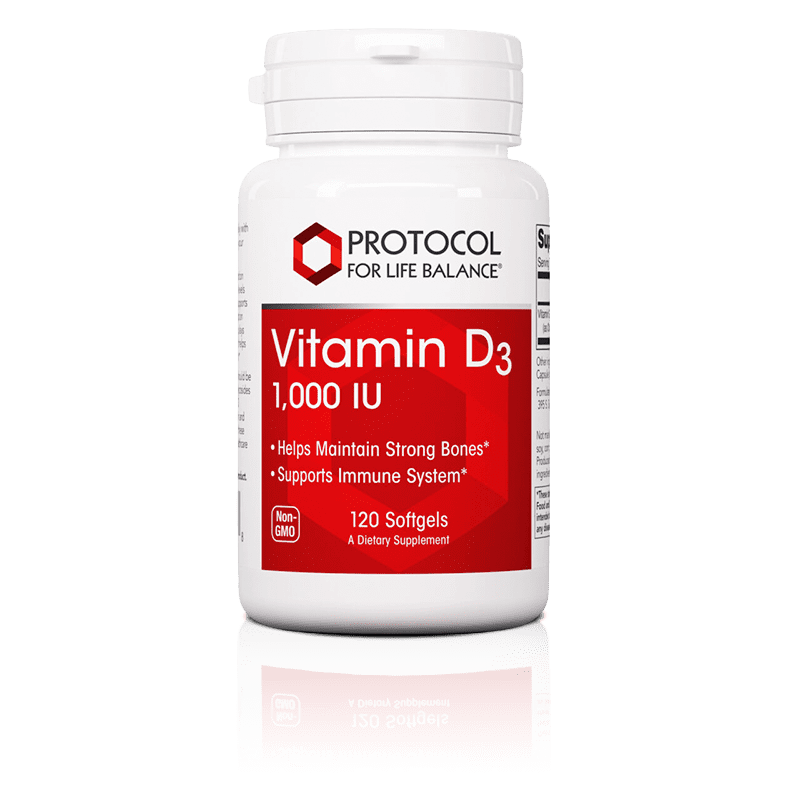


Hair loss in women is far more common than it is often talked about, and it can appear at any stage of life. Unlike the familiar patterns seen in men, it tends to show up as diffuse thinning across the top of the scalp, a widening part or a general loss of volume. The factors driving it are usually layered, involving hormonal shifts tied to perimenopause, menopause, postpartum recovery or thyroid health, along with stress, nutritional gaps, genetics and scalp inflammation. That complexity is part of why one-size-fits-all products often fall short. Compounded hair therapy is one approach that healthcare providers may consider when standard options have not delivered meaningful support or when a more personalized strategy is needed. A compounding pharmacy can prepare topical formulations that combine multiple active ingredients such as minoxidil, spironolactone, latanoprost, melatonin, caffeine and tretinoin into a single prescription, based on the provider’s specific instructions. For women looking to support their hair and scalp health now, over-the-counter options such as Pro-Hair and Pro-Balance Vitamin D3 5,000 IU are available for immediate purchase without a prescription.




I spent a lot of time feeling embarrassed about my hair before I finally talked to someone. Having a provider and a pharmacy actually take the time to figure out what would work for me made all the difference in how I felt about it.
Compounded hair therapy is prepared for one specific patient based on a prescription from a licensed healthcare provider. The ingredients, strengths and vehicle are chosen to fit the individual. Over-the-counter products are designed for broad use and cannot be adjusted by a provider. Compounded formulations can combine several actives into a single application, which is not something commercial products typically offer.
Yes. Compounded medications are prepared only after a licensed provider writes a prescription for a specific patient. If you are interested in exploring this option, the first step is a conversation with your provider. If you do not currently have one, our team can help connect you with a provider who prescribes compounded hair formulations.
Hair grows slowly, so meaningful changes in density typically take several months of consistent use. Many providers suggest giving a new formulation at least three to six months before evaluating results.[3] Individual experiences vary, and your provider can help set expectations based on your situation and the formulation they prescribe.
No, though they can overlap. Postpartum hair loss is typically a form of telogen effluvium, a diffuse shedding triggered by the hormonal shift after childbirth. It usually resolves within six to twelve months.[5][6] Female pattern hair loss is a separate, progressive process that tends to cause thinning over the top of the scalp. A provider can help distinguish between them and identify the right approach.
Common actives studied in topical hair formulations for women include minoxidil, topical spironolactone, latanoprost, topical dutasteride or finasteride, caffeine, melatonin, tretinoin and fluocinolone.[3][4][10] Providers often combine several actives into a single formulation to address multiple contributors at once. The specific ingredients and strengths your provider prescribes will depend on your individual evaluation.
Many ingredients used in compounded hair formulations are not recommended during pregnancy or breastfeeding. If you are pregnant, breastfeeding or planning to become pregnant, discuss any hair loss concerns with your provider before starting any therapy. Your provider can help determine what is appropriate for where you are in your journey.
Many women use supplements that support hair and scalp health alongside a provider-prescribed formulation. Common options include Pro-Hair, biotin, iron, zinc and vitamin D3. Let your provider know what you are taking so they can factor it into their recommendations. Talk with your healthcare provider before starting any new supplement.
If you do not currently have a provider who works with compounded hair formulations, a compounding pharmacy may be able to help connect you with practitioners in your area. You can also ask your primary care physician, OB/GYN or dermatologist for a referral.
[1] American Academy of Dermatology Association. Hair loss: overview and types. https://www.aad.org/public/diseases/hair-loss/types
[2] Sinclair R. Female pattern hair loss. J Investig Dermatol Symp Proc. 2005. https://pubmed.ncbi.nlm.nih.gov/16382668/
[3] Varothai S, Bergfeld WF. Androgenetic alopecia: an evidence-based treatment update. Clin Cosmet Investig Dermatol. 2014. https://pubmed.ncbi.nlm.nih.gov/25324641/
[4] Olsen EA, et al. Topical minoxidil in androgenetic alopecia. J Am Acad Dermatol. 2002. https://pubmed.ncbi.nlm.nih.gov/12004379/
[5] Malkud S. Telogen effluvium: a review. J Clin Diagn Res. 2015. https://www.ncbi.nlm.nih.gov/pmc/articles/PMC4606321/
[6] American Academy of Dermatology. Telogen effluvium. https://www.aad.org/public/diseases/hair-loss/types/telogen-effluvium
[7] American Academy of Dermatology. Minoxidil overview. https://www.aad.org/public/diseases/hair-loss/treatment/minoxidil
[8] American Academy of Dermatology. Female pattern hair loss causes. https://www.aad.org/public/diseases/hair-loss/types/female-pattern
[9] Pazyar N, et al. Seborrheic dermatitis review. Dermatol Res Pract. 2013. https://pubmed.ncbi.nlm.nih.gov/23878597/
[10] Yazdabadi A, Sinclair R. Spironolactone in female hair loss. Australas J Dermatol. 2011. https://pubmed.ncbi.nlm.nih.gov/21078167/
[11] Fischer TW, et al. Caffeine stimulates hair follicle growth in vitro. Int J Dermatol. 2007. https://pubmed.ncbi.nlm.nih.gov/17254074/
[12] Johnstone MA. Prostaglandin pathway and hair growth. Br J Ophthalmol. 1997. https://pubmed.ncbi.nlm.nih.gov/9349150/
[13] Paus R, Cotsarelis G. The biology of hair follicles. N Engl J Med. 1999. https://pubmed.ncbi.nlm.nih.gov/10515896/
Tell us a little about what you are looking for and we will take it from there. Whether you have a prescription ready, questions about a therapy your provider mentioned, or just need help figuring out your next step, our team is here and ready to help.
"*" indicates required fields

To submit your order, click the “PRINT/SAVE” button located under this pop-up.

You can save the PDF to your computer to fax at a later date or print it now to fax immediately.

Fax your order form to 817-860-6083 for processing.

Get detailed information, research, and deeper product context. Toggle on to see more educational content.
Keep things brief and see related products faster. Toggle on to focus on products.

New to Pharmacy Solutions? Register now