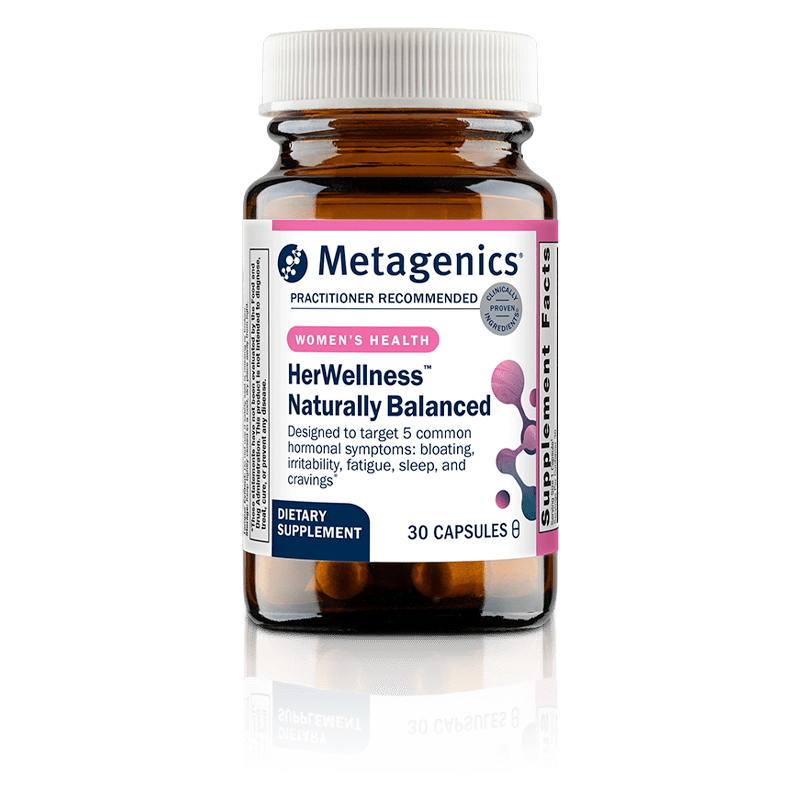
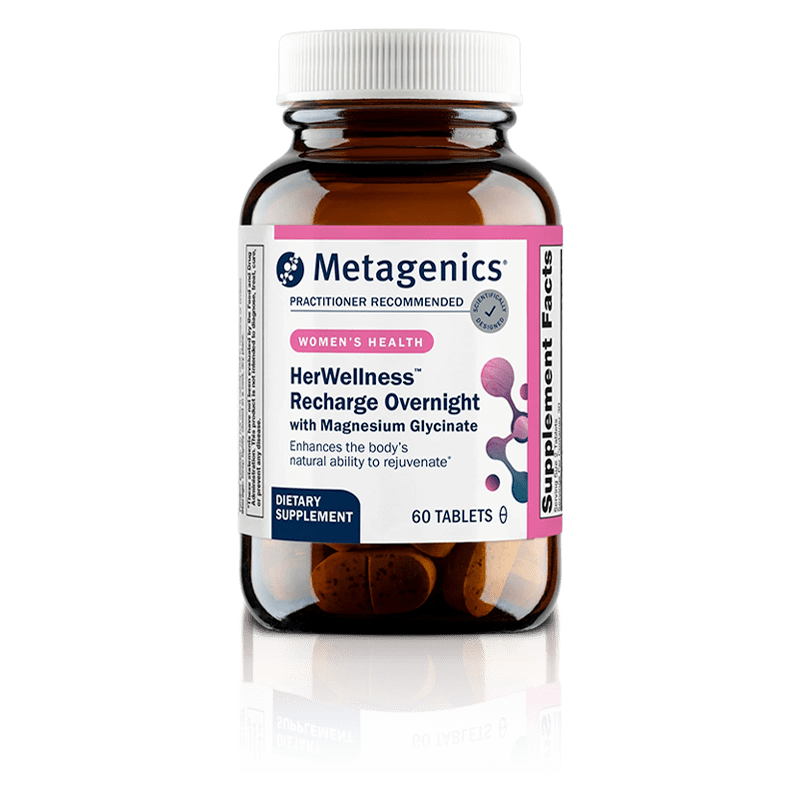
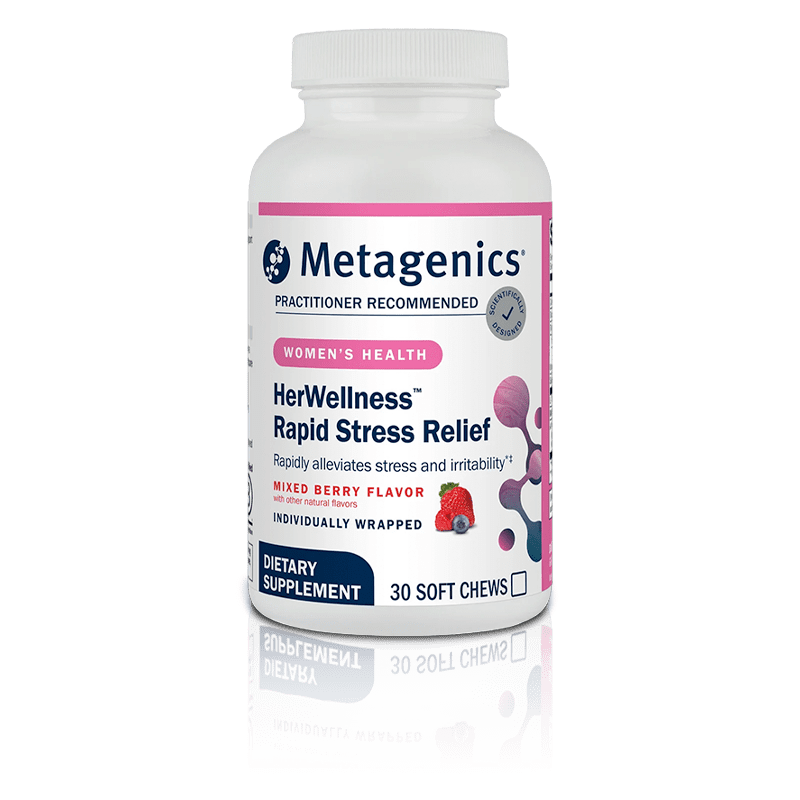
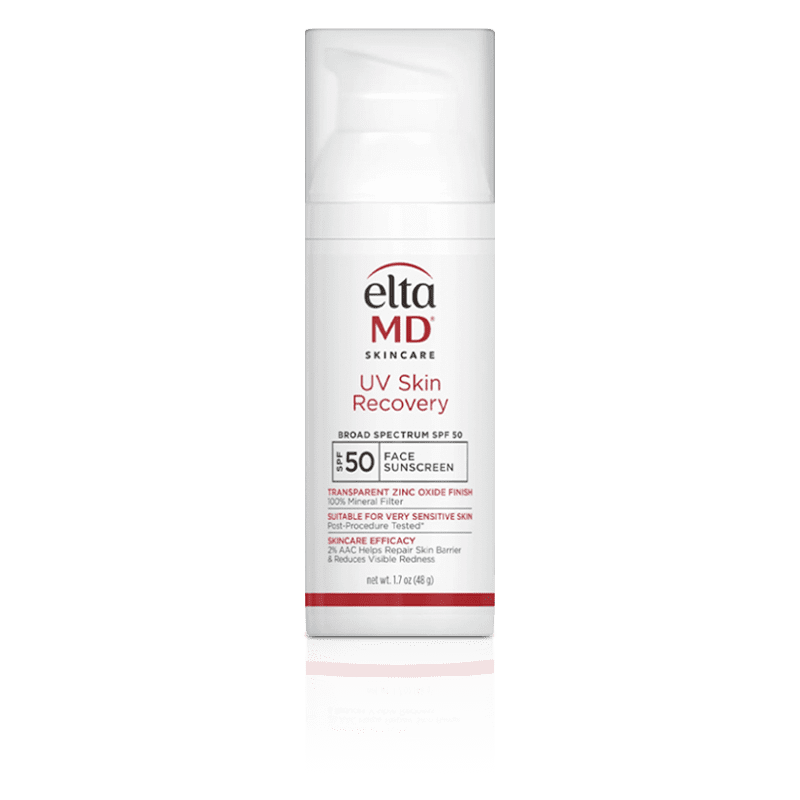
July is UV Safety Awareness Month! Shop Sun Protection Essentials.
The Pharmacy will be closed July 4th for Independence Day.
Enjoy 10% off for Patient Appreciation Day with code THANKUJULY on 7/15/2026 only!
15% off on all sunscreen and probiotics during July with code SUNSAFE15

Brain health affects memory, focus, mood, concentration, and overall quality of life. While cognitive wellness naturally changes over time, daily habits such as nutrition, movement, sleep, stress management, and targeted supplement support may help support long-term brain function.
The foods you eat can play an important role in supporting brain health because the brain depends on healthy fats, antioxidants, vitamins, minerals, and steady energy to function well. Pairing a nutrient-rich diet with healthy lifestyle habits can help support memory, mental clarity, and overall cognitive wellness.
A brain-supportive diet focuses on whole foods that provide antioxidants, omega-3 fatty acids, fiber, protein, vitamins, and minerals.
Fatty fish such as salmon, trout, sardines, and mackerel provide omega-3 fatty acids, including EPA and DHA. These healthy fats are important for brain structure and function.
Omega-3s may help support:
If you do not eat fatty fish regularly, speak with a healthcare professional about whether an omega-3 supplement may be appropriate.
Blueberries and other colorful berries contain anthocyanins, plant compounds with antioxidant properties. Antioxidants help protect cells from oxidative stress, which may affect healthy aging and brain wellness over time.
Berries may help support:
Adding berries to smoothies, oatmeal, yogurt, or snacks is an easy way to support daily nutrition.
Pumpkin seeds are small but nutrient-dense. They provide magnesium, zinc, iron, copper, healthy fats, and antioxidants.
These nutrients may support brain health in several ways:
Pumpkin seeds can be added to salads, oatmeal, yogurt, trail mix, or smoothies.
Dark chocolate and cocoa contain flavonoids, caffeine, and antioxidants. Flavonoids are plant compounds that may support circulation, learning, memory, and overall brain wellness.
Choose dark chocolate with a higher cocoa content and enjoy it in moderation. Dark chocolate can still contain sugar and calories, so small portions are best.
Eggs provide several nutrients connected to brain health, including choline, vitamin B6, vitamin B12, and folate.
Choline helps the body produce acetylcholine, a neurotransmitter involved in memory and mood. B vitamins support energy metabolism and normal nervous system function.
Eggs can be a simple, affordable way to support protein intake and brain-focused nutrition.
Supplements can provide additional support when paired with a nutrient-rich diet and healthy lifestyle. They should not replace whole foods, sleep, exercise, or medical care.
Omega-3 fatty acids, especially DHA and EPA, are commonly discussed for brain, heart, eye, and inflammatory-response support.
Omega-3 supplements may be helpful for individuals who do not eat fatty fish regularly.
B vitamins, including B6, B12, and folate, play important roles in nervous system function, neurotransmitter production, energy metabolism, and overall brain health.
Low levels of certain B vitamins may contribute to fatigue, brain fog, mood changes, or cognitive concerns. A healthcare provider can help determine whether testing or supplementation is appropriate.
Antioxidants such as vitamins C and E help protect cells from oxidative stress. A diet rich in colorful fruits and vegetables is one of the best ways to increase antioxidant intake.
Supplement support may be considered when recommended by a healthcare professional.
Brain health is not built from one food or supplement alone. It is shaped by everyday habits.
Physical activity helps support blood flow to the brain, mood, sleep, metabolism, and cognitive function.
Aim for consistent movement that fits your lifestyle, such as walking, strength training, cycling, swimming, yoga, or dancing.
Sleep is essential for memory, learning, emotional regulation, and brain recovery. Poor sleep can contribute to brain fog, low energy, mood changes, and difficulty concentrating.
Support sleep by keeping a consistent bedtime, limiting screens before bed, and creating a calming nighttime routine.
Challenging your brain can support cognitive wellness.
Try:
The brain likes a little novelty. Give it something new to chew on.
Chronic stress can affect memory, focus, sleep, mood, and overall brain function. Stress management is an important part of cognitive wellness.
Helpful practices may include:
The brain relies on steady energy. Blood sugar swings may contribute to fatigue, cravings, irritability, and difficulty focusing.
Balanced meals with protein, fiber, healthy fats, and whole-food carbohydrates may help support steadier energy throughout the day.
Supporting brain health does not require a complicated plan. Start with the basics:
Small habits repeated consistently can become powerful support for long-term cognitive wellness.
Disclaimer: These products are not intended to diagnose, treat, cure, or prevent any disease. This information is for educational purposes only. Always consult a healthcare professional before starting any supplement, especially if you have a medical condition, take medications, are pregnant or nursing, or have dietary restrictions.
To submit your order, click the “PRINT/SAVE” button located under this pop-up.Â
You can save the PDF to your computer to fax at a later date or print it now to fax immediately. Â
Fax your order form to 817-860-6083 for processing.
New to Pharmacy Solutions? Register now
Educate Me
Get detailed information, research, and deeper product context.
Toggle on to see more educational content.
Explore Treatments
Keep things brief and see related products faster.
Toggle on to focus on products.