Best Hair Growth Remedies: Treatment Options for Thinning Hair and Hair Loss

Hair loss can be frustrating, emotional, and difficult to navigate. For many men and women, thinning hair affects confidence, appearance, and quality of life. One of the most common types of hair loss is androgenic alopecia, also known as male pattern or female pattern hair loss.

Because hair loss can have multiple causes, there is rarely a one-size-fits-all solution. Genetics, hormones, age, stress, nutrition, medications, and scalp health may all play a role. That is why many providers recommend a personalized approach that may include topical medications, supplements, scalp therapies, or procedures.

What Causes Androgenic Alopecia?

Androgenic alopecia is a common form of hair loss that can affect both men and women. It is often linked to genetics and hormone-related changes that influence the hair growth cycle.

Over time, affected hair follicles may become smaller, producing thinner and shorter strands. This can lead to a widening part, receding hairline, thinning crown, or overall reduced hair density.

Combination Prescription Sprays

Topical prescription sprays are becoming a popular option for hair loss support because they can deliver active ingredients directly to the scalp.

This approach may help limit systemic exposure compared to oral medications, while allowing targeted application to areas of thinning hair.

Combination sprays may include multiple active ingredients selected by a prescriber to address different factors involved in hair loss. These may be considered when a provider determines that a customized topical formulation is appropriate.

Latanoprost and Hair Growth Research

Latanoprost is traditionally used in eye care, but interest in hair growth began after patients using latanoprost eye drops noticed longer or thicker eyelashes.

Because of this, researchers have explored whether latanoprost may also support scalp hair growth in certain formulations. More research is still needed, and this type of treatment should only be used under provider guidance.

Derma Rollers for Scalp Stimulation

Derma rollers are handheld devices with tiny needles that create controlled microchannels on the skin’s surface. When used on the scalp, this process may help stimulate the skin’s natural repair response, support circulation, and improve the absorption of certain topical products.

Derma rolling may be used as part of a broader hair support routine, but it should be done carefully. Improper use can irritate the scalp or increase infection risk.

Patients should follow provider instructions and avoid derma rolling over irritated, infected, or inflamed skin.

Vitamins and Minerals for Hair Health

Healthy hair growth depends on proper nutrition. Certain nutrients help support scalp health, follicle function, and stronger hair strands.

Nutrients commonly discussed for hair support include:

  • Biotin
  • Niacinamide
  • Zinc
  • Iron
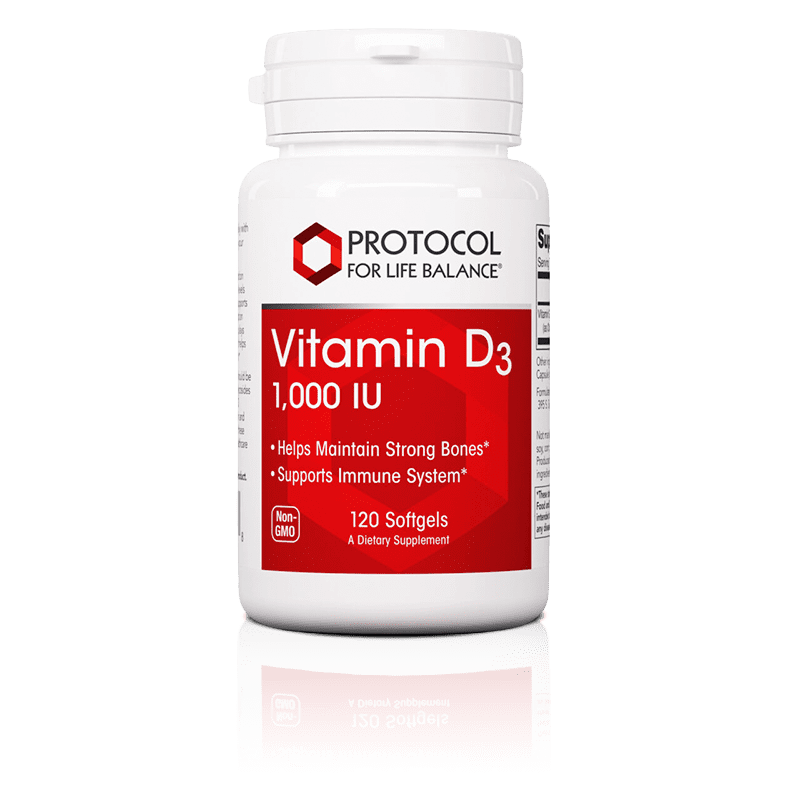
  • Vitamin D
  • B vitamins
  • Protein
  • Omega-3 fatty acids

Supplements may be helpful when hair loss is related to a nutrient deficiency or inadequate intake. However, supplements are not a cure for androgenic alopecia and may not correct hair loss caused by genetics, hormones, medications, or medical conditions.

A healthcare provider can help determine whether lab testing or supplement support is appropriate.

PRP Therapy for Hair Loss

Platelet-rich plasma, commonly called PRP, is a non-surgical procedure that uses a patient’s own blood components to support hair restoration.

During PRP treatment, a blood sample is drawn and processed to separate platelet-rich plasma. The PRP is then injected into areas of thinning hair on the scalp.

PRP contains growth factors that may help support follicle activity and hair density over time. Results vary, and multiple sessions are often needed.

PRP may be most useful for patients in earlier or moderate stages of hair loss, especially when combined with other provider-recommended treatments.

Hair Transplants

Hair transplant procedures move healthy hair follicles from one area of the scalp to thinning or balding areas. This can be an option for patients with more advanced hair loss or areas that no longer respond well to other therapies.

Common techniques include follicular unit transplantation and follicular unit extraction. The best option depends on the patient’s hair loss pattern, donor hair availability, health history, goals, and provider recommendation.

Hair transplants can create natural-looking results, but they require planning, recovery, and long-term maintenance. Patients may still need medication or topical support after the procedure to help preserve existing hair.

Choosing the Right Hair Growth Option

The best hair growth remedy depends on the cause and stage of hair loss. Some patients may benefit from topical therapy, while others may need nutritional support, scalp treatments, PRP, prescription medications, or hair restoration procedures.

A personalized plan may consider:

  • Type of hair loss
  • Pattern and severity
  • Age and health history
  • Hormone factors
  • Nutrient status
  • Current medications
  • Scalp condition
  • Treatment goals

Talk to a Healthcare Professional About Hair Loss

Hair loss can be caused by many factors, so it is important to identify the underlying cause before choosing a treatment. A provider can help evaluate whether hair loss is related to androgenic alopecia, thyroid concerns, hormone imbalance, stress, nutritional deficiency, medication side effects, autoimmune conditions, or another issue.

Pharmacy Solutions can work with providers to support personalized hair loss treatment options, including compounded formulations when appropriate.

Disclaimer: This information is for educational purposes only and is not intended to diagnose, treat, cure, or prevent any disease or medical condition. Hair loss treatments and compounded medications should only be used under the supervision of a qualified healthcare provider. Always consult a healthcare professional before starting any hair growth medication, supplement, procedure, or treatment plan.

ATTENTION!

YOUR FORM IS NOT SUBMITTED

To submit your order, click the “PRINT/SAVE” button located under this pop-up. 

You can save the PDF to your computer to fax at a later date or print it now to fax immediately.  

Fax your order form to 817-860-6083 for processing.

Provider Access Required Create a provider account to view the full resource library, including the drug catalog, order forms and more.

New to Pharmacy Solutions? Register now

2 Ways to Explore

Educate Me

Get detailed information, research, and deeper product context.

Toggle on to see more educational content.

Explore Treatments

Keep things brief and see related products faster.

Toggle on to focus on products.