The Pharmacy will be closed July 4th for Independence Day.



The Pharmacy will be closed July 4th for Independence Day.
15% off on all sunscreen and probiotics during July with code SUNSAFE15
Enjoy 10% off for Patient Appreciation Day with code THANKUJULY on 7/15/2026 only!






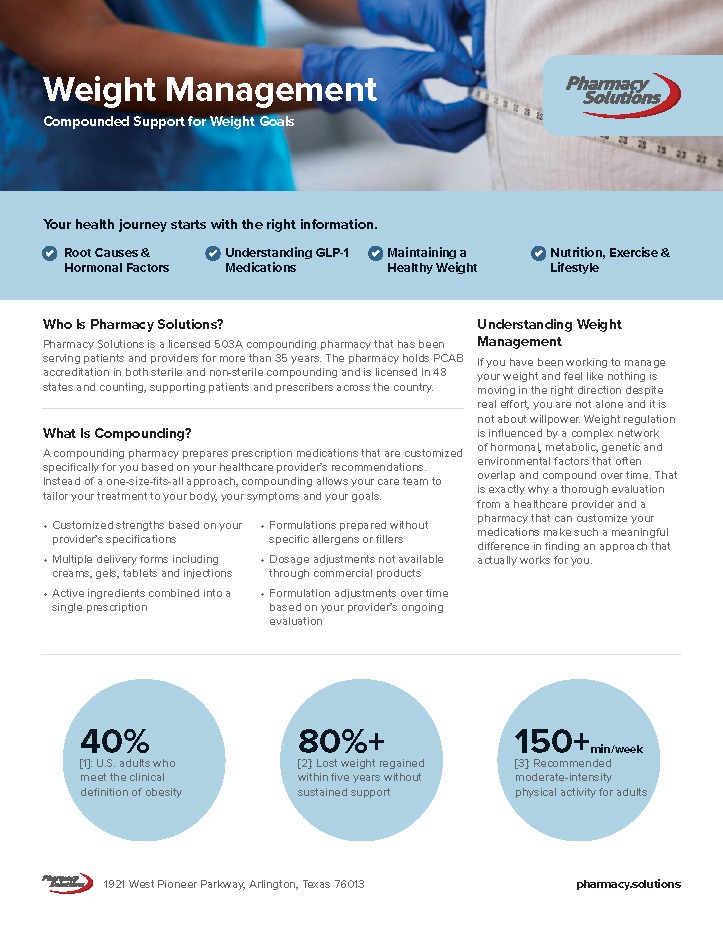
GLP-1 stands for glucagon-like peptide-1, a hormone your body produces naturally in response to eating. This hormone plays a role in regulating blood sugar, signaling fullness and slowing the rate at which food leaves your stomach. In recent years, medications that mimic this hormone have emerged as a significant area of research for both blood sugar management and weight management. GLP-1 receptor agonists were originally developed for type 2 diabetes and have since gained attention for their role in helping patients manage weight under medical supervision.[1] Because GLP-1 medications address specific hormonal and metabolic pathways, they are often discussed alongside a broader evaluation of the underlying root causes of weight gain, including insulin resistance, cortisol imbalance and other hormonal factors covered on the Root Causes page of this site. This page provides an educational overview to help you have a more informed conversation with your provider about whether GLP-1 medications may be appropriate for you.
Glucagon-like peptide-1 is an incretin hormone produced in the small intestine shortly after you eat. Its primary functions include stimulating insulin release from the pancreas in response to rising blood sugar, suppressing glucagon release to prevent blood sugar from climbing too high and slowing gastric emptying to help the body absorb nutrients more gradually.[2] GLP-1 also acts on receptors in the brain, particularly in the hypothalamus, where it plays a role in regulating appetite and the sensation of fullness.[3] In people with obesity or type 2 diabetes, the body’s natural GLP-1 response may be impaired, which can contribute to difficulty managing blood sugar and appetite. Understanding this hormone’s role in the body helps explain why medications that mimic its effects have become a focus of medical research.
GLP-1 receptor agonists are a class of prescription medications designed to mimic the activity of the body’s natural GLP-1 hormone. Their effects involve several interconnected pathways that work together.
GLP-1 medications are typically prescribed for adults with type 2 diabetes or for adults managing obesity or overweight with at least one weight-related health condition. Healthcare providers evaluate several factors when considering whether GLP-1 treatment may be appropriate, including body mass index, blood sugar levels, cardiovascular risk factors and how a patient has responded to other approaches such as lifestyle modifications.[5] These medications are not intended as a first-line approach for everyone and are most often used as part of a broader care plan that includes nutrition, physical activity and ongoing medical supervision.
Not everyone is a candidate for GLP-1 medications. Individuals with a personal or family history of certain thyroid conditions, a history of pancreatitis or certain other medical conditions may not be appropriate candidates. A thorough evaluation by a healthcare provider is essential before beginning any GLP-1 treatment. Only a qualified provider can determine whether these medications are suitable based on your individual health history.
GLP-1 receptor agonists are available in several formulations, and your healthcare provider will determine which option is most appropriate based on your medical history and treatment goals. Most GLP-1 medications are administered as subcutaneous injections, meaning they are injected just beneath the skin using a prefilled pen device. Dosing frequency varies depending on the specific medication and may range from daily to once weekly.[1] Some newer oral formulations have also become available. Providers typically start patients at a lower dose and gradually increase it over time to help minimize side effects and allow the body to adjust. The specific medication, dose and administration schedule are always determined by your healthcare provider based on your individual needs and response.
Not everyone is a candidate for GLP-1 medications. Individuals with a personal or family history of certain thyroid conditions, a history of pancreatitis or certain other medical conditions may not be appropriate candidates. A thorough evaluation by a healthcare provider is essential before beginning any GLP-1 treatment. Only a qualified provider can determine whether these medications are suitable based on your individual health history.
If you are considering GLP-1 medications, understanding the process can help you feel more prepared for the conversation with your healthcare provider.
Pharmacy Solutions works alongside your healthcare provider to support your overall weight management plan. As a 503A compounding pharmacy accredited by PCAB in both sterile and non-sterile compounding, Pharmacy Solutions maintains rigorous quality standards for every preparation. When a provider determines that customized formulations are appropriate as part of a patient’s care plan, the pharmacy can prepare individualized medications in the strength, combination and dosage form each patient requires.
Beyond prescription compounding, the pharmacy team is available to answer questions about your medications, explain how different preparations work and help coordinate with your provider’s office. The Transform Medical Weight Loss Program also provides a structured pathway for patients seeking a comprehensive, provider-guided approach. Whether you are just beginning to explore your options or are already working with a provider, Pharmacy Solutions is here to support you through the process.
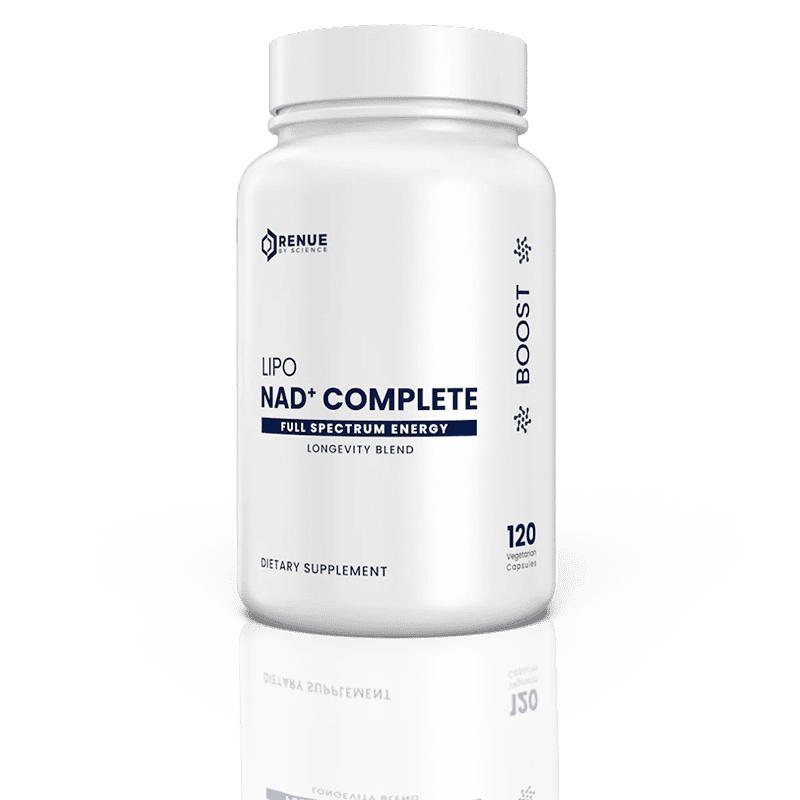
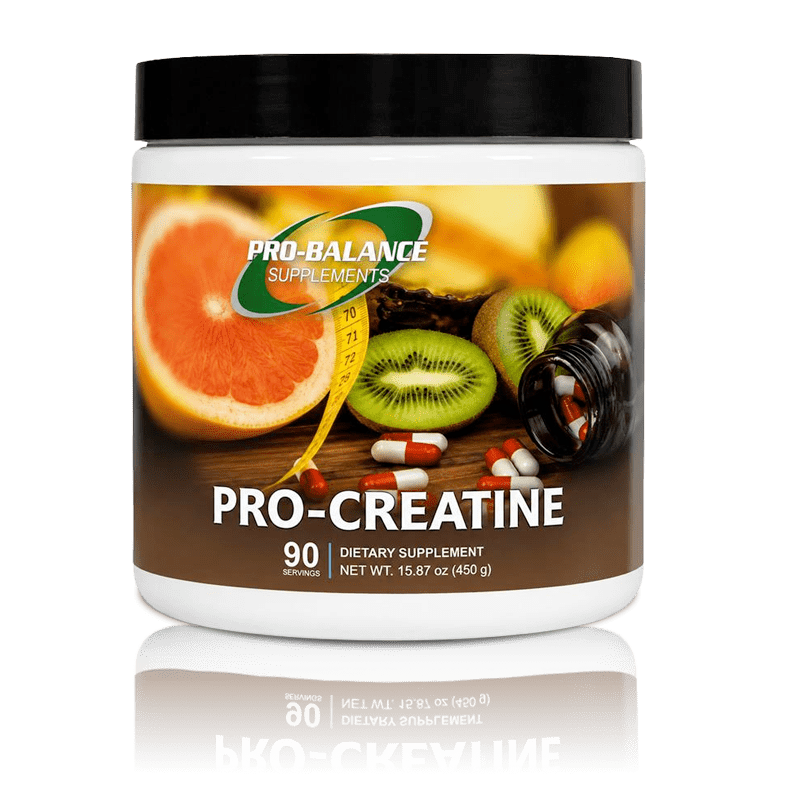
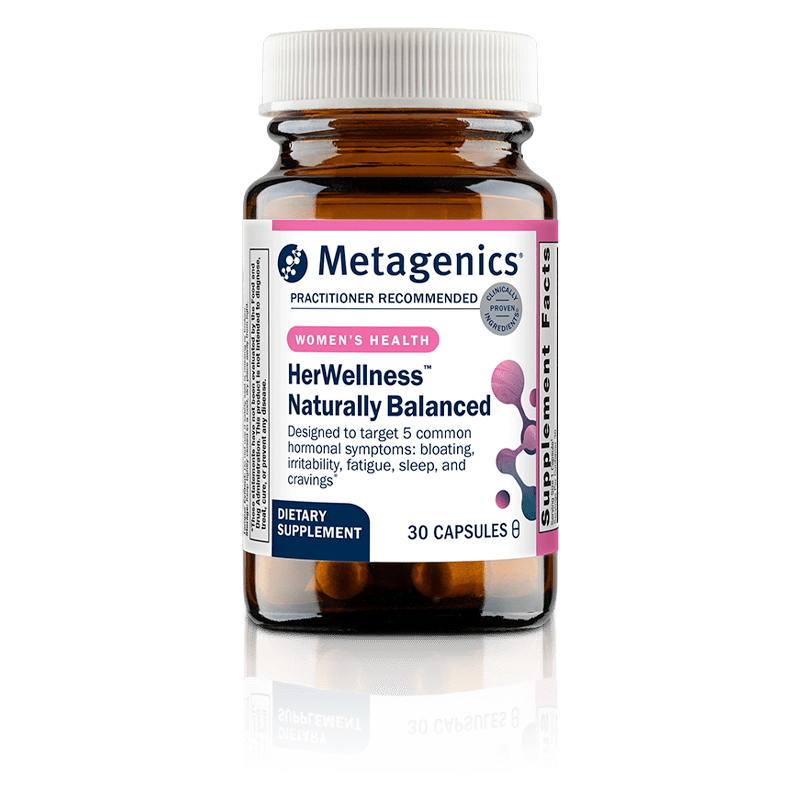
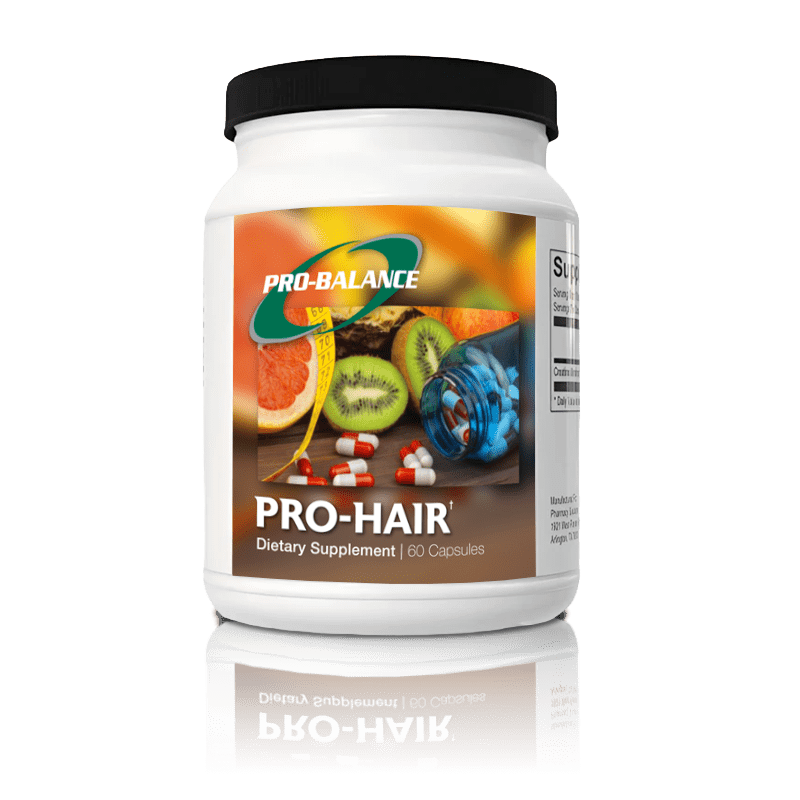
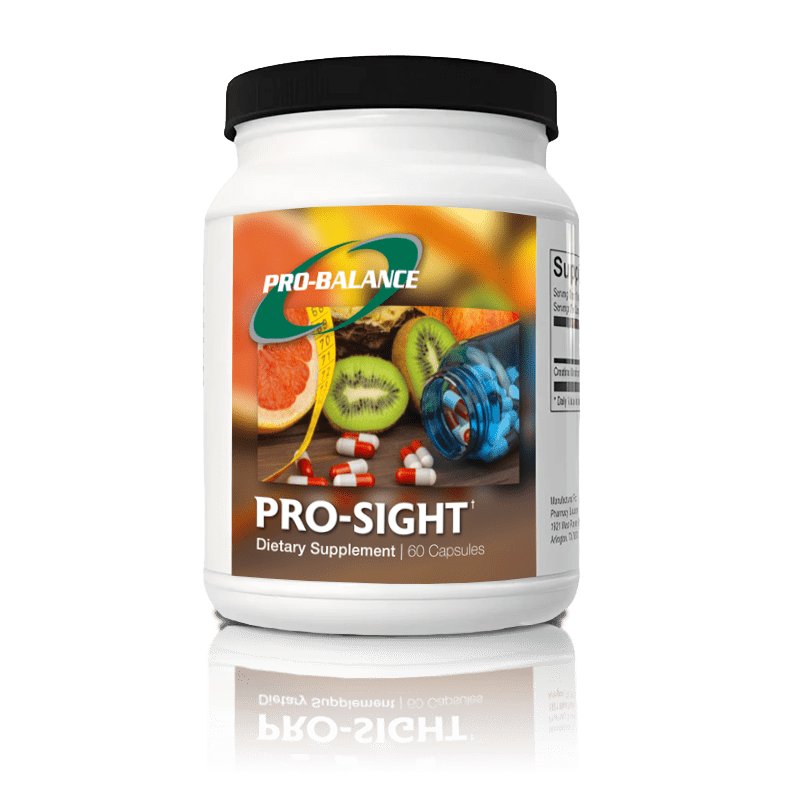
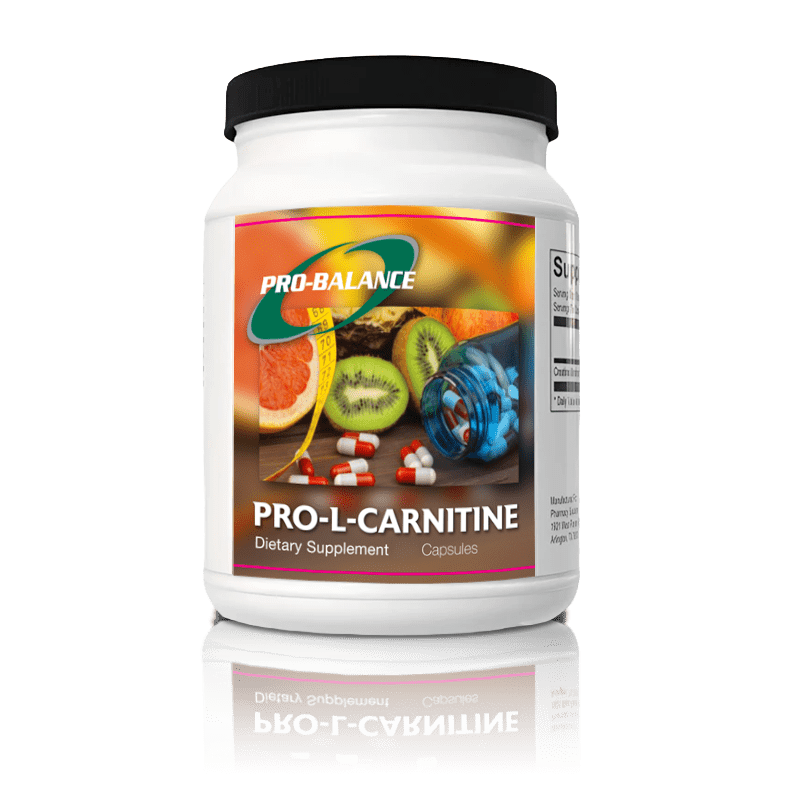
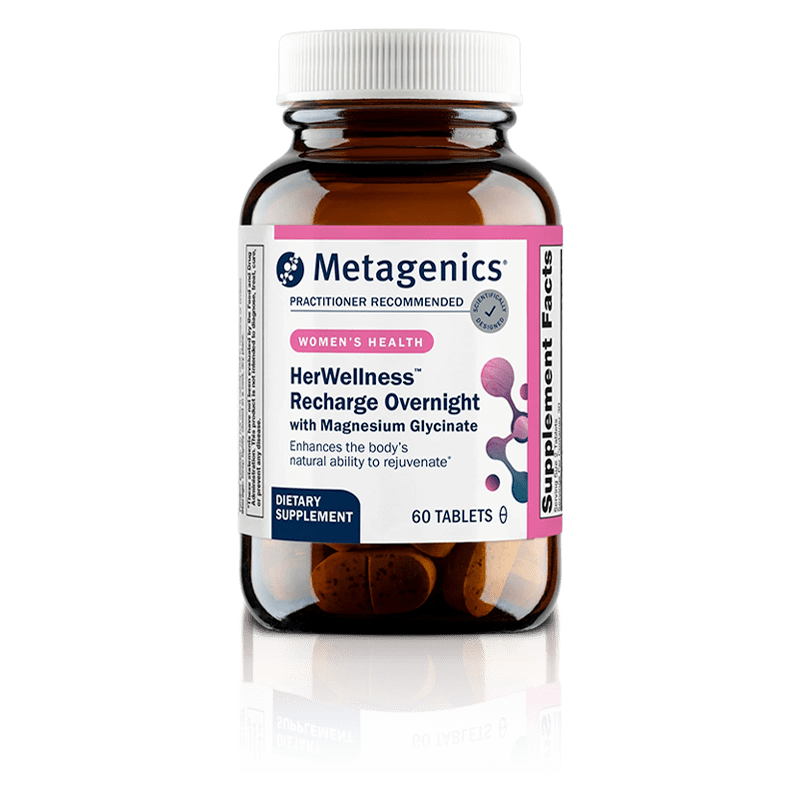
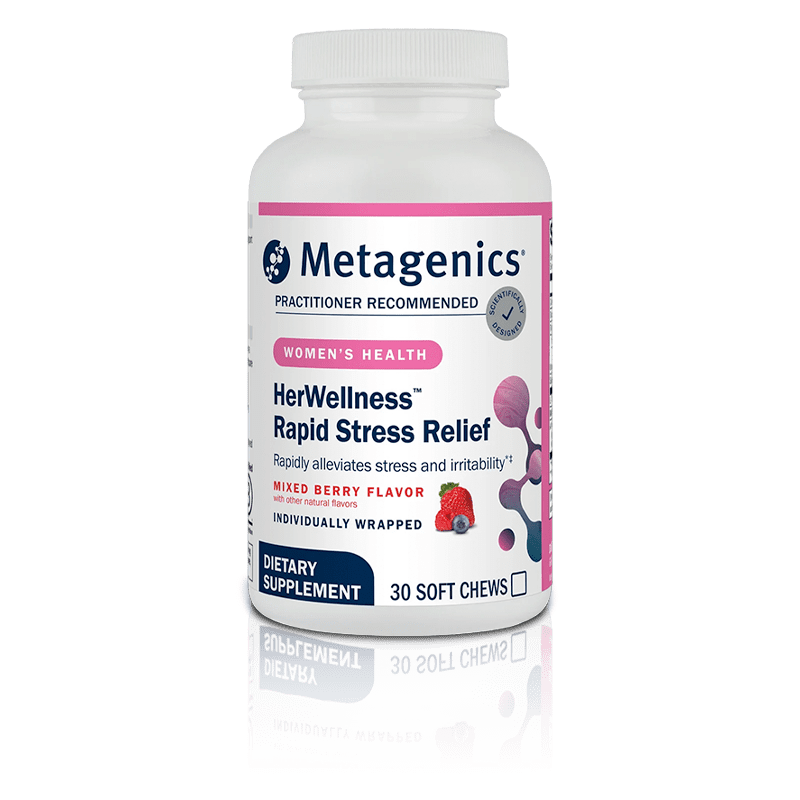
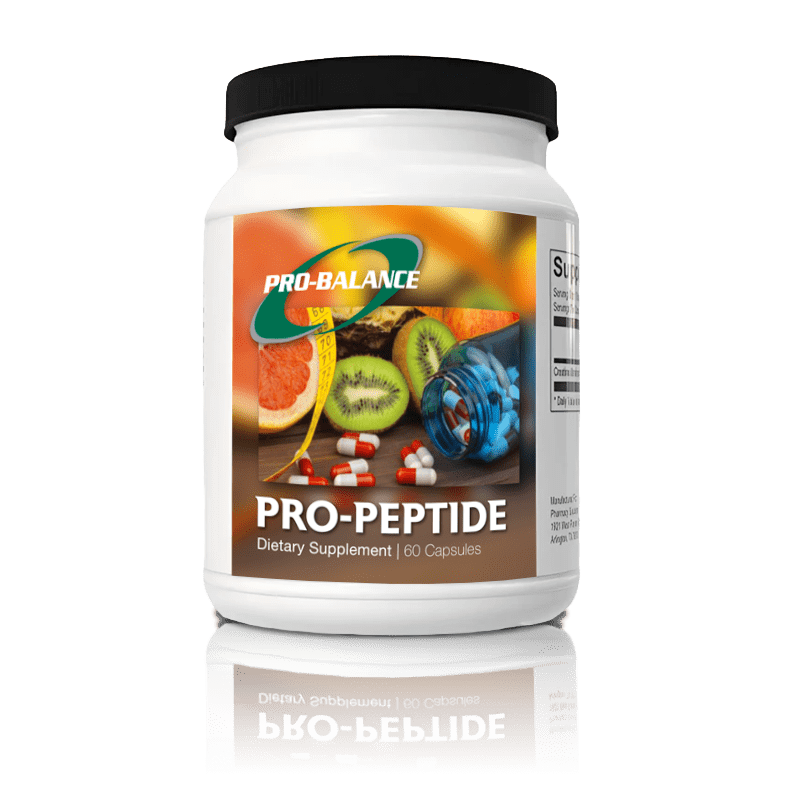
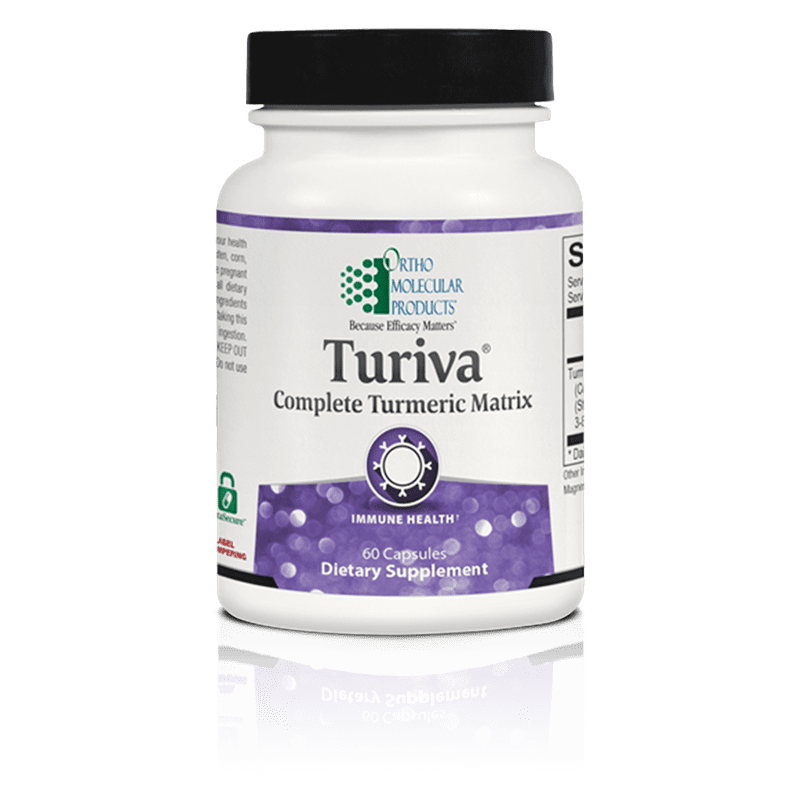
Pharmacy Solutions carries a selection of pharmaceutical-grade supplements that can be purchased without a prescription. Products such as ProBalance Pro-Peptide, Pro-Balance Pro-DIM, ProBalance Green Tea-70 High Concentration EGCG, Pro-Balance Pro-Glucose Support, Pro-Balance ALA 300 Alpha Lipoic Acid, Pro-Balance L-Glutamine and Metagenics UltraFlora Control have been studied for their potential roles in supporting metabolism, blood sugar balance and overall wellness. These products may complement a broader health plan. As always, discuss any new supplement with your healthcare provider before starting.

I had so many questions about the medications I was hearing about. Having a pharmacy team that took the time to explain how everything worked and stayed in touch with my provider gave me confidence that I was in good hands.
We feature a curated selection of supplements chosen to support overall wellness and a balanced daily routine as part of your weight management journey. Pro-Peptide is a daily formula from the Pro-Balance line that many people include in a steady routine to support their everyday wellness goals.
These products are available now without a prescription, so you can begin whenever it works for you. Talk with your healthcare provider about which products and habits fit your goals and your routine.
GLP-1 stands for glucagon-like peptide-1, a hormone your body naturally produces after eating. It helps regulate blood sugar, signals fullness and slows digestion. GLP-1 receptor agonist medications mimic this hormone’s effects and have been studied for their roles in both blood sugar management and weight management. A healthcare provider can explain whether these medications may be relevant to your situation.
GLP-1 receptor agonists work through multiple pathways. They activate receptors in the brain that help reduce appetite and food cravings, slow gastric emptying to promote fullness, enhance insulin secretion when blood sugar is elevated and suppress glucagon release. These combined effects can support weight management when used as part of a provider-guided care plan.
GLP-1 medications are a class of prescription drugs that mimic the body’s natural GLP-1 hormone. Most are administered as subcutaneous injections using prefilled pen devices, with dosing that ranges from daily to once weekly depending on the specific medication. Some oral formulations are also available. Your healthcare provider will determine which option is appropriate for you.
GLP-1 medications are generally prescribed for adults with type 2 diabetes or adults with obesity or overweight who also have at least one weight-related health condition. Not everyone is a candidate. Individuals with certain thyroid conditions, a history of pancreatitis or other specific medical concerns may not be appropriate candidates. A thorough evaluation by a healthcare provider is required.
The most commonly reported side effects include nausea, vomiting, diarrhea and constipation. These effects are often temporary and tend to improve as the body adjusts to the medication. Providers typically start with a lower dose and gradually increase it to help minimize these effects. Your healthcare provider can discuss the full range of potential side effects based on the specific medication being considered.
Yes. A 503A compounding pharmacy can prepare customized medications based on a provider’s prescription when standard commercial options are not the right fit. Pharmacy Solutions works directly with healthcare providers to ensure each preparation meets the individual patient’s needs in the appropriate strength, combination and dosage form.
The Transform Medical Weight Loss Program is a structured, provider-guided weight management program available through Pharmacy Solutions. It connects patients with trained providers who develop customized protocols based on comprehensive clinical assessment. Transform is not a diet and does not recommend surgery. It uses science-based approaches tailored to each individual.
[1] Drucker DJ. Mechanisms of action and therapeutic application of glucagon-like peptide-1. Cell Metabolism. 2018;27(4):740-756. https://pubmed.ncbi.nlm.nih.gov/29617641/
[2] Cleveland Clinic. GLP-1 agonists: What they are, how they work and side effects. 2024. https://my.clevelandclinic.org/health/treatments/13901-glp-1-agonists
[3] Muller TD, et al. Mechanisms of GLP-1 receptor agonist-induced weight loss: A review of central and peripheral pathways in appetite and energy regulation. American Journal of Medicine. 2024. https://www.sciencedirect.com/science/article/pii/S0002934324007132
[4] Blundell J, et al. Effects of once-weekly semaglutide on appetite, energy intake, control of eating, food preference and body weight in subjects with obesity. Diabetes, Obesity and Metabolism. 2017;19(9):1242-1251. https://pubmed.ncbi.nlm.nih.gov/28266779/
[5] Garvey WT, et al. American Association of Clinical Endocrinology consensus statement on the comprehensive type 2 diabetes management algorithm. Endocrine Practice. 2023;29(5):305-340. https://pubmed.ncbi.nlm.nih.gov/37150579/
[6] Wilding JPH, et al. Once-weekly semaglutide in adults with overweight or obesity. New England Journal of Medicine. 2021;384:989-1002. https://pubmed.ncbi.nlm.nih.gov/33567185/
Tell us a little about what you are looking for and we will take it from there. Whether you have a prescription ready, questions about a therapy your provider mentioned, or just need help figuring out your next step, our team is here and ready to help.
"*" indicates required fields

To submit your order, click the “PRINT/SAVE” button located under this pop-up.

You can save the PDF to your computer to fax at a later date or print it now to fax immediately.

Fax your order form to 817-860-6083 for processing.

Get detailed information, research, and deeper product context. Toggle on to see more educational content.
Keep things brief and see related products faster. Toggle on to focus on products.

New to Pharmacy Solutions? Register now
Educate Me
Get detailed information, research, and deeper product context.
Toggle on to see more educational content.
Explore Treatments
Keep things brief and see related products faster.
Toggle on to focus on products.