Enjoy 10% off for Patient Appreciation Day with code THANKUJULY on 7/15/2026 only!
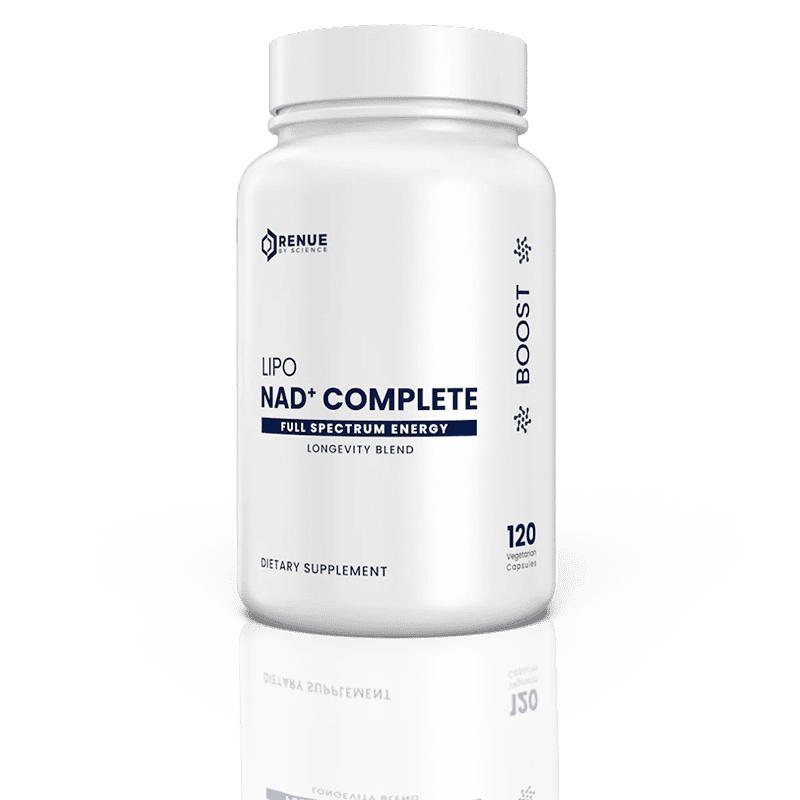


Enjoy 10% off for Patient Appreciation Day with code THANKUJULY on 7/15/2026 only!
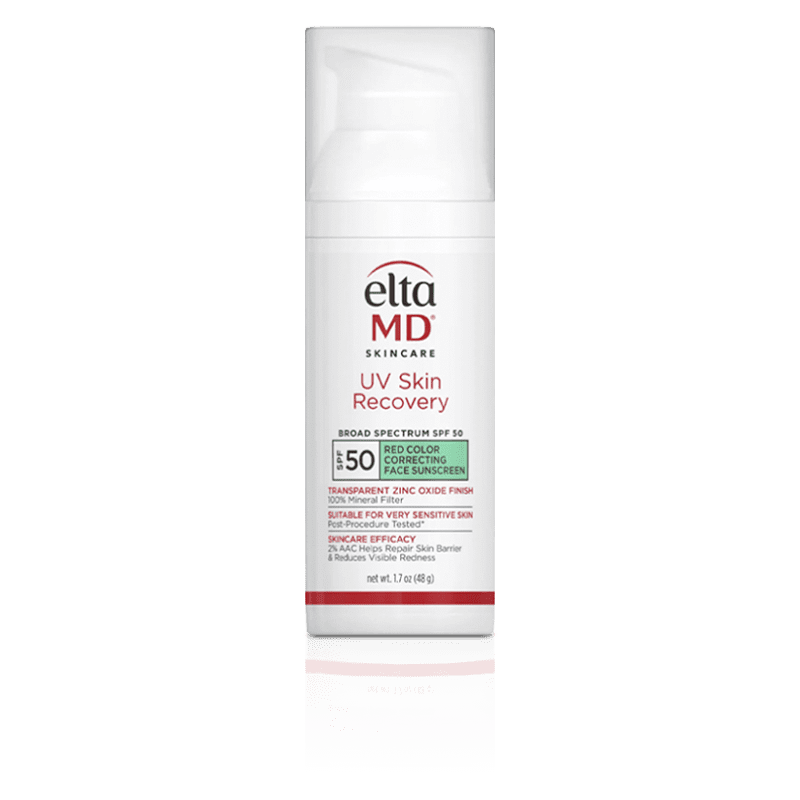
15% off on all sunscreen and probiotics during July with code SUNSAFE15
The Pharmacy will be closed July 4th for Independence Day.

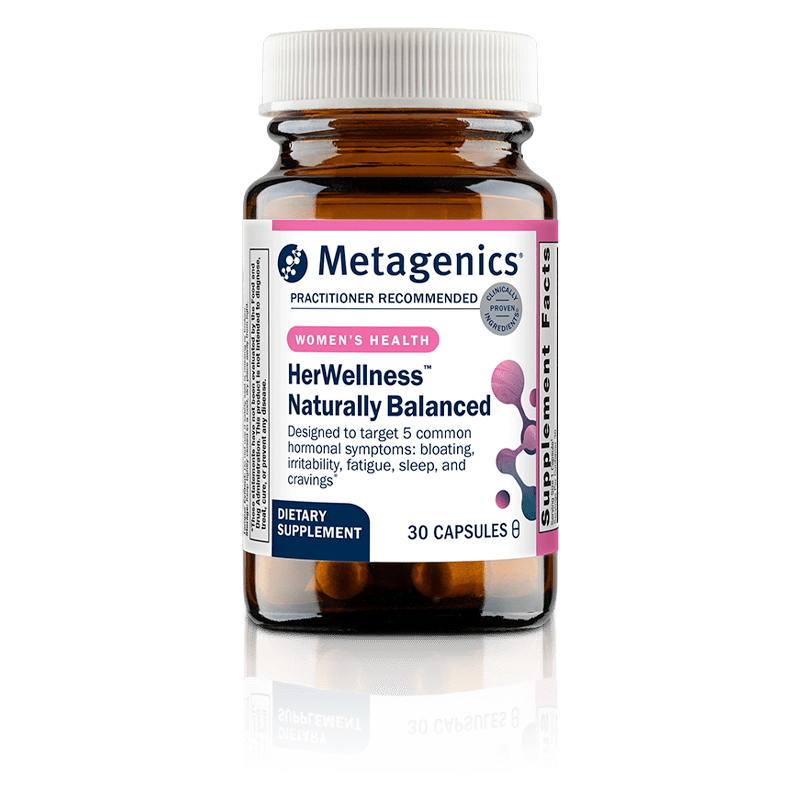
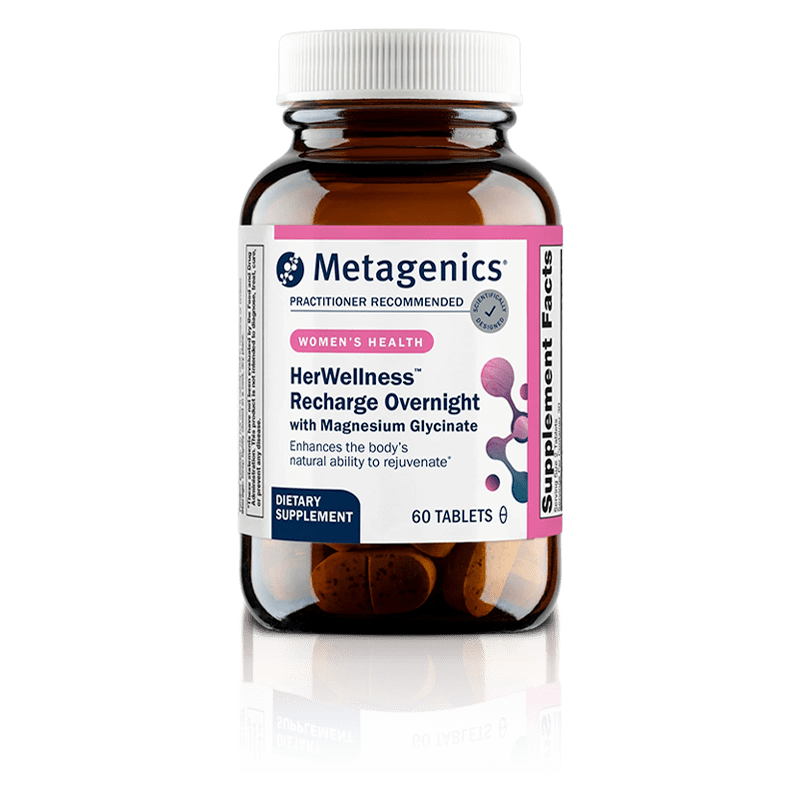
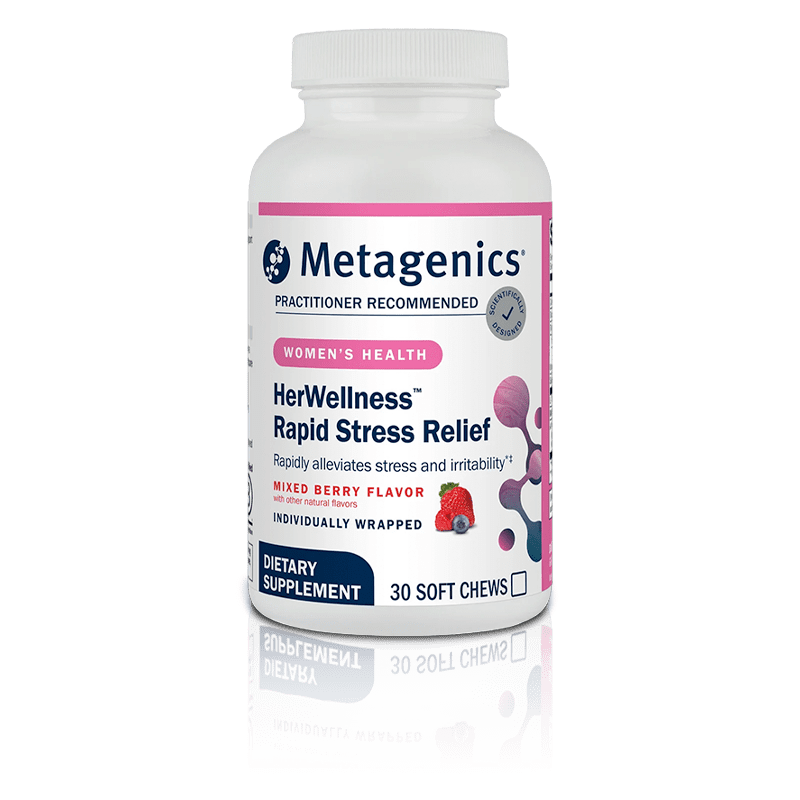
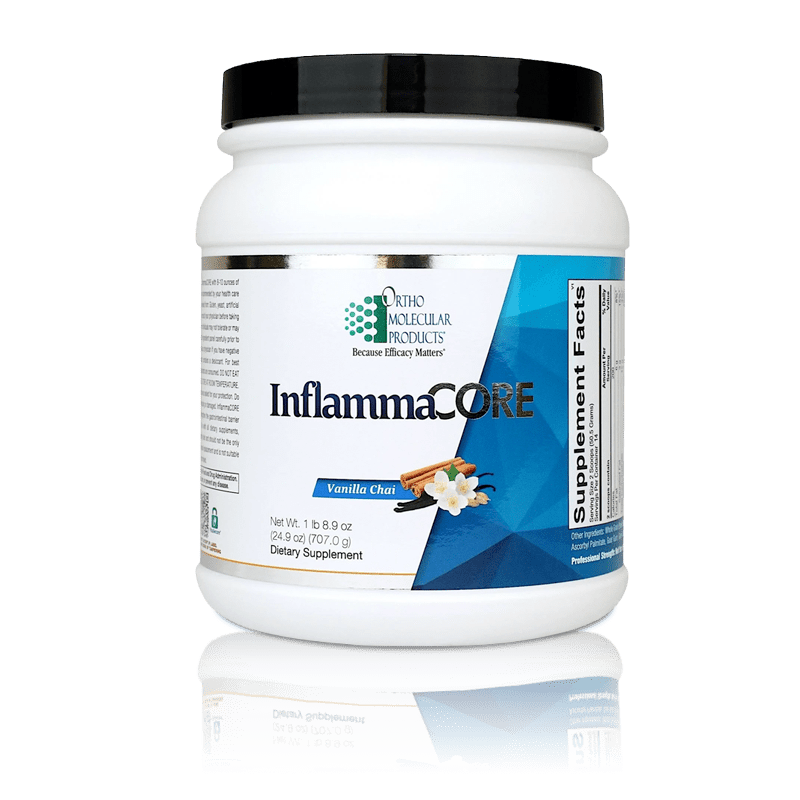
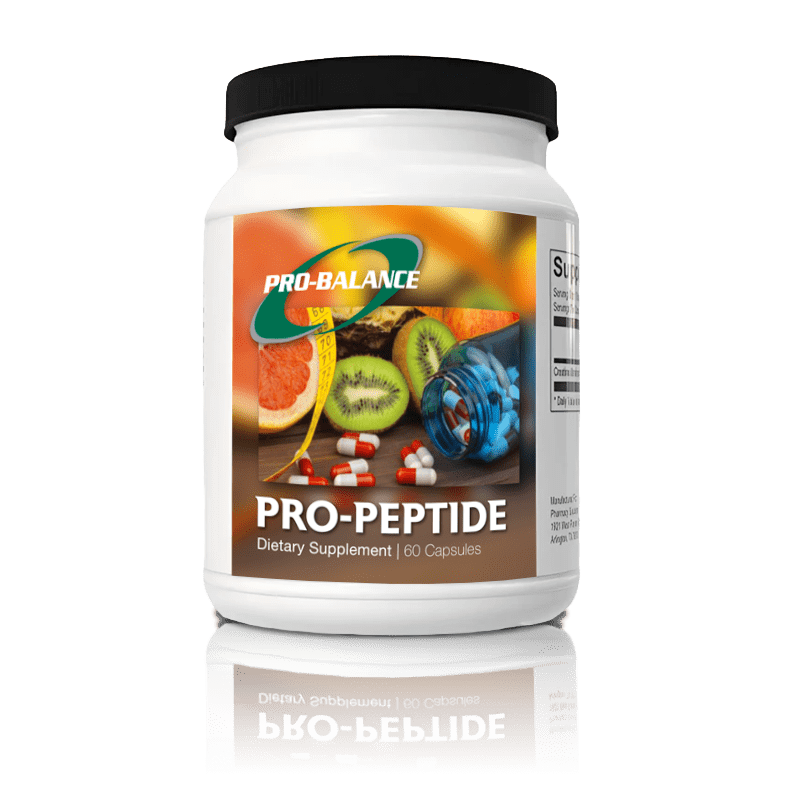

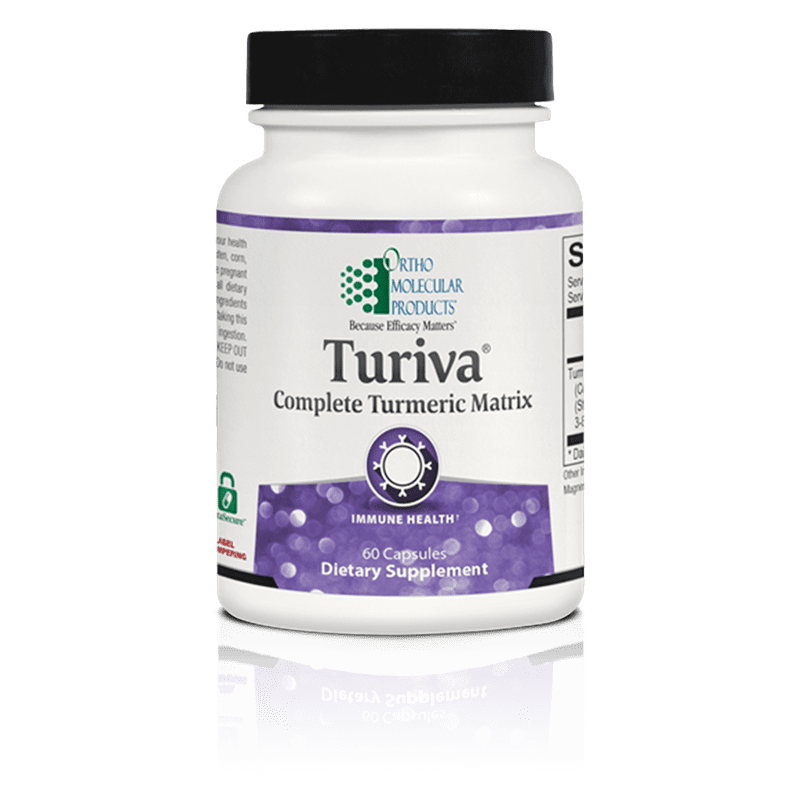
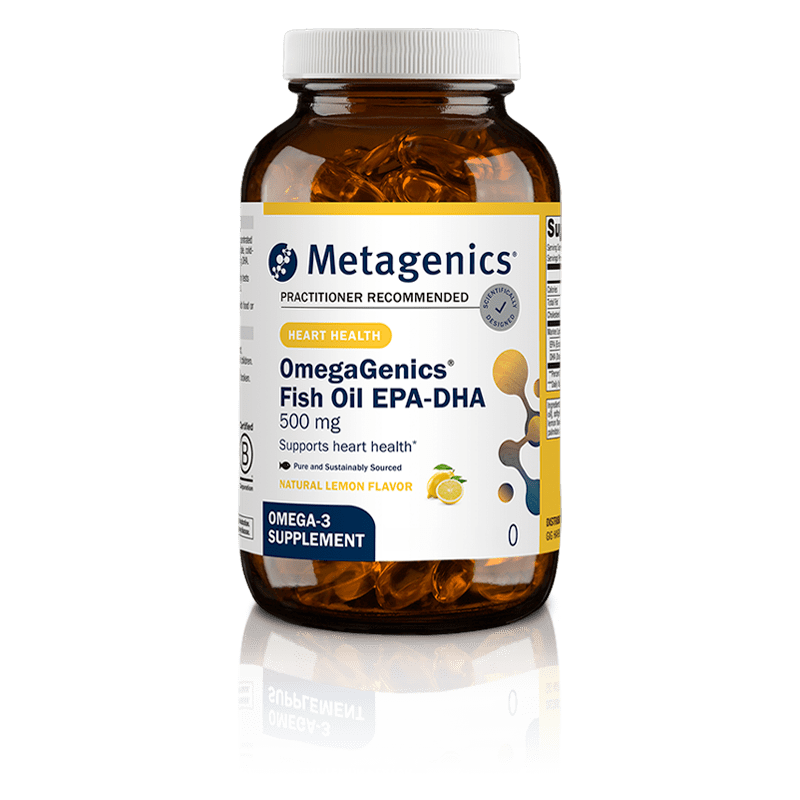
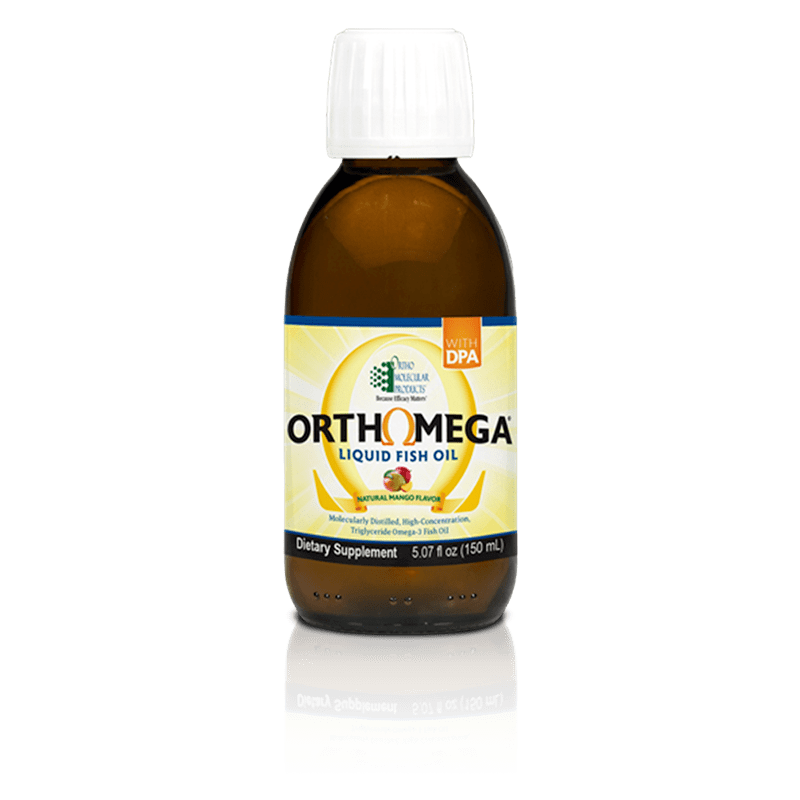
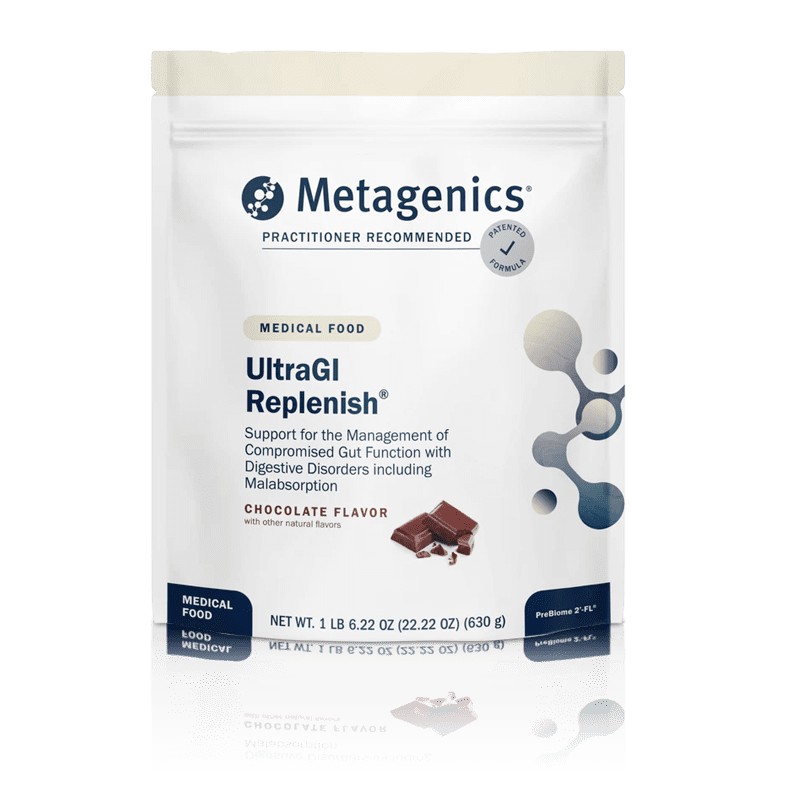
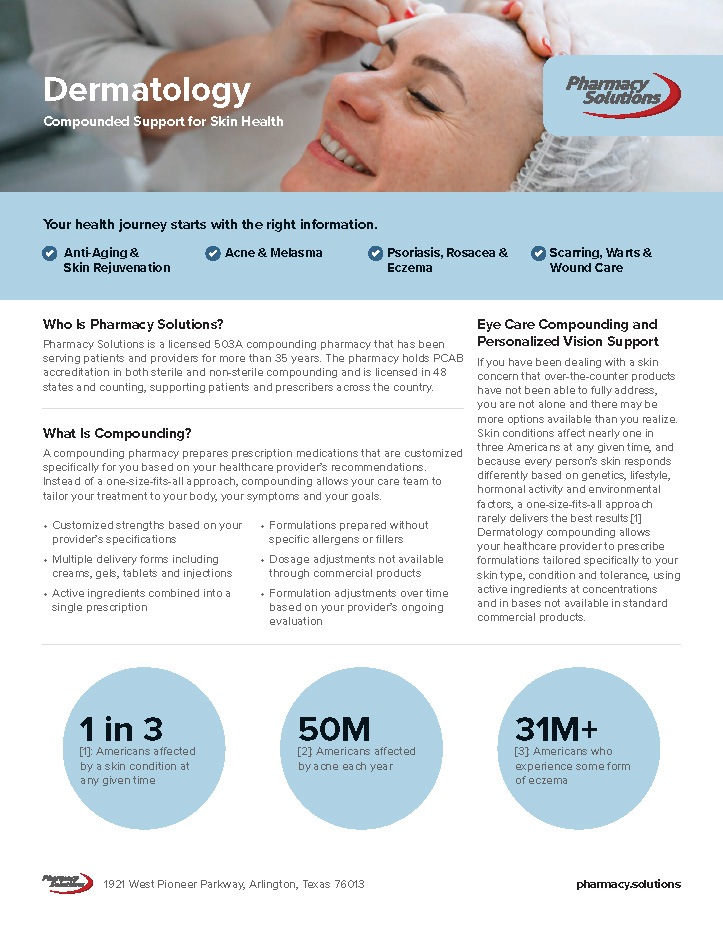
Skin aging affects both men and women. It is driven by a combination of intrinsic factors, including genetics and the natural slowing of cellular processes, and extrinsic factors such as cumulative sun exposure, environmental stress, nutritional gaps and lifestyle. Over time, the skin’s ability to produce collagen, retain moisture and repair itself decreases, contributing to fine lines, wrinkles, uneven tone, age spots and changes in texture and firmness. The cosmeceutical and dermatology compounding fields offer evidence-based active ingredients that may support healthier skin as it ages. When these ingredients are prescribed by a healthcare provider and prepared by a licensed compounding pharmacy at clinically meaningful concentrations, patients have access to formulations that go well beyond what is commercially manufactured.
Understanding the biology of skin aging explains why active ingredient concentrations matter. Collagen begins declining in the mid-20s and continues to decrease with age, with the rate accelerating during hormonal transitions.[1] The dermis thins over time, reducing the skin’s ability to retain moisture and recover from stress. Cellular turnover slows, meaning dead skin cells remain on the surface longer and contribute to a duller complexion and uneven texture. Years of UV exposure can trigger melanin dysregulation, producing the dark spots and uneven tone commonly associated with photoaged skin.[2]
These changes are not limited to women. Men also experience collagen decline and photoaging, often compounded by years of outdoor or occupational UV exposure. Hormonal shifts including gradual testosterone decline can also affect skin thickness and quality over time. Regardless of sex, the mechanisms driving visible skin aging are broadly similar, and the active ingredient approaches used to address them apply to both.
Many over-the-counter products contain active ingredients at concentrations too low to produce measurable changes in skin structure, whether due to regulatory limits, stability challenges or formulation cost. Compounding pharmacies can prepare formulations at concentrations specified by a healthcare provider, using delivery systems designed to maximize penetration into the skin layers where they are needed most.
For patients who have reached a plateau with commercial products, or who have sensitivities that make standard formulations difficult to tolerate, compounding offers the ability to adjust concentrations gradually, change the delivery base or combine multiple actives into a single preparation that simplifies the daily routine.
Healthcare providers may prescribe compounded anti-aging and skin rejuvenation formulations that incorporate one or more of the following categories of active ingredients. The specific combination, strength and base are always determined by the prescriber based on each patient’s skin type, concerns, goals and medical history.
Tretinoin is one of the most studied topical ingredients in dermatology. As a prescription retinoid, it works by accelerating cell turnover, stimulating collagen synthesis and reducing the appearance of fine lines and hyperpigmentation. Compounded tretinoin can be prepared at lower starting concentrations and combined with complementary ingredients in a single formulation.[3]
Hydroquinone is a skin-lightening agent used to address hyperpigmentation, age spots and uneven tone. Compounded formulations may include hydroquinone alone or in combination with tretinoin, kojic acid, hydrocortisone, tranexamic acid or other ingredients to create a comprehensive brightening and anti-aging preparation.[4]
Tranexamic acid has been studied for its potential role in reducing hyperpigmentation and uneven skin tone, and is frequently combined with niacinamide and other actives in compounded formulations.
Vitamin C in stable forms such as ascorbic acid or ascorbyl glucoside has been studied for its role in stimulating collagen production and providing antioxidant protection against UV-induced oxidative damage.[5] Other antioxidants commonly incorporated into compounded formulations include vitamin E, ferulic acid, resveratrol, coenzyme Q10 and superoxide dismutase. Green tea extract, chrysanthemum and marigold-derived compounds have also been incorporated into cosmeceutical preparations for their antioxidant and soothing properties.
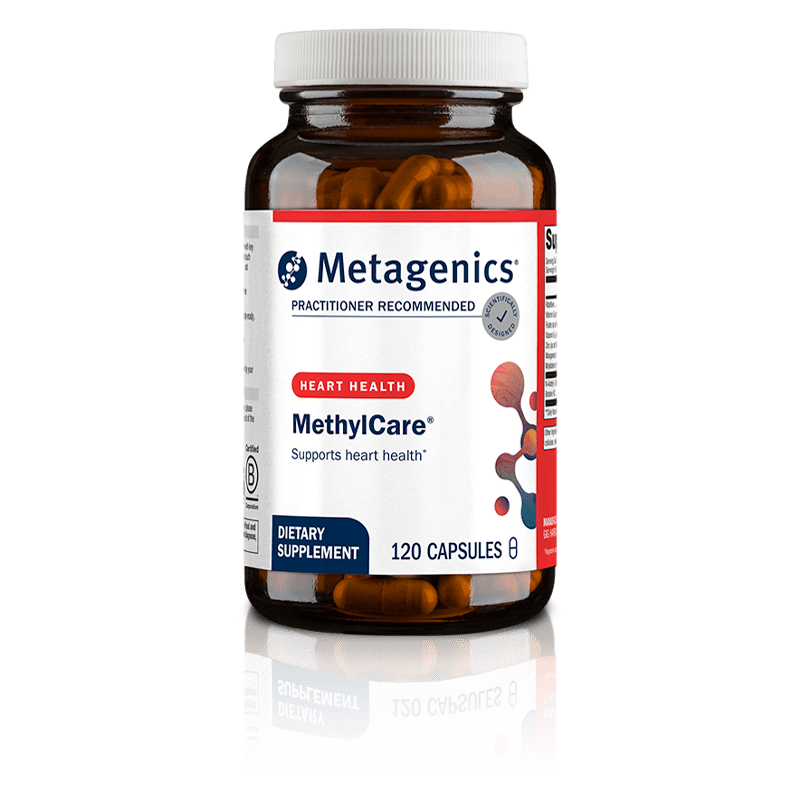
Niacinamide, also known as vitamin B3, has been studied for its effects on skin tone, pore appearance, barrier function and the reduction of hyperpigmentation. It is generally well tolerated and combines effectively with other actives.[6] Compounded anti-aging preparations may also incorporate B vitamin complexes including methylfolate, methylcobalamin and other B-complex forms that support cellular energy and skin repair.
Peptides are short chains of amino acids that signal skin cells to produce collagen and elastin. Compounded formulations can incorporate multiple peptide types alongside other actives at concentrations not available in commercial products. Hyaluronic acid, prepared at specific molecular weights, supports surface hydration or deeper dermal penetration depending on the clinical goal.
Chemical peels are a widely used approach in dermatology and aesthetic medicine for addressing uneven skin tone, fine lines, acne scarring and texture irregularities. A peel works by applying an acid solution to the skin that causes controlled exfoliation of the outer layers, stimulating new cell growth and collagen production as the skin heals. Peel depth and the degree of change depend on the type of acid used, its concentration and the duration of application, all of which are determined by your healthcare provider.
Pharmacy Solutions compounds chemical peel formulations across a range of acid types and concentrations for use under provider supervision. Common peel agents include trichloroacetic acid, glycolic acid, salicylic acid, azelaic acid, lactic acid and specialty combination formulations. Your healthcare provider determines which peel agent, concentration and formulation are appropriate for your skin type and goals. If you have questions about specific peel options, the Pharmacy Solutions team can work directly with your provider.
Compounded anti-aging and skin rejuvenation formulations may be considered for both men and women across a range of ages and skin types. Adults who have reached a plateau with over-the-counter products and want a more targeted, provider-guided approach may be good candidates. Patients with sensitivities to preservatives, fragrances or other inactive ingredients in commercial formulations may benefit from customized bases that exclude those components.
Individuals undergoing hormonal changes related to perimenopause, menopause or andropause may find that addressing the skin’s changing needs alongside other aspects of hormonal health produces more comprehensive results. Post-procedure patients recovering from aesthetic treatments may be prescribed compounded formulations designed to support healing and optimize outcomes.
If your healthcare provider prescribes a compounded skin care formulation, knowing what the process involves can help set realistic expectations.
Pharmacy Solutions works closely with dermatologists, aesthetic practitioners and other healthcare providers to prepare customized skin care formulations that align with each patient’s needs and provider specifications. The pharmacy’s compounding team understands which bases offer the best stability and absorption for commonly used actives, and can communicate with prescribers when formulation questions arise. Every preparation is made per patient using pharmaceutical-grade ingredients and tested through third-party laboratories.
Pharmacy Solutions maintains PCAB accreditation in both sterile and non-sterile compounding, a distinction held by fewer than 2% of compounding pharmacies in the United States.[7] The pharmacy also supports medspa and aesthetic practices with compounded preparations including numbing creams and provider-specified peel formulations. Whether you are new to compounded skin care or transitioning from a formulation that needs adjustment, the pharmacy team is available to support the process in partnership with your provider.
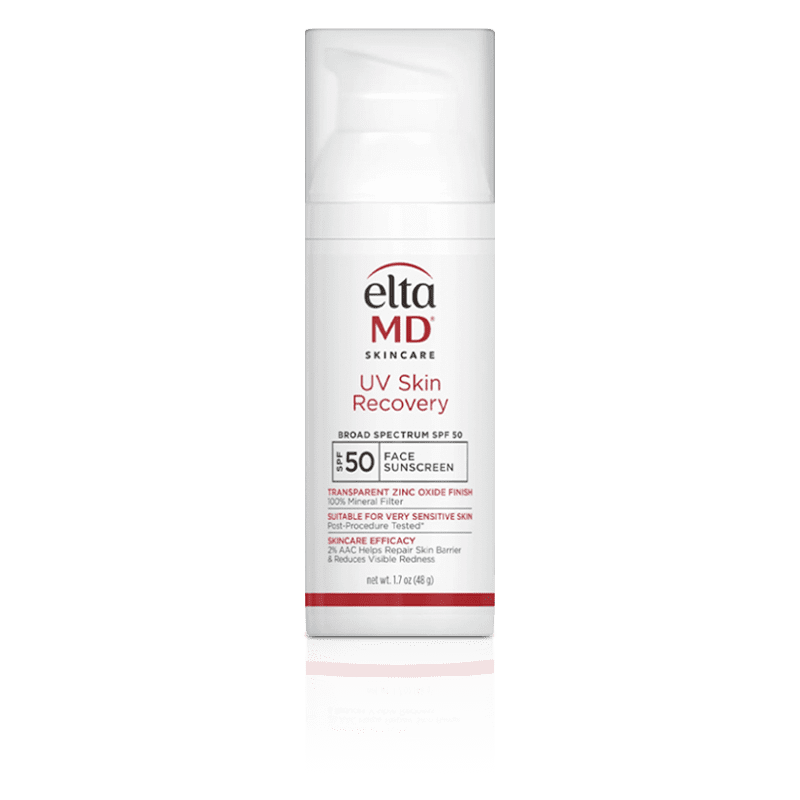
For patients who prefer to start without a prescription, or who want to complement a compounded regimen, Pharmacy Solutions carries a pharmacist-developed cosmeceutical line. The RX Skin Solutions line includes hydration serums, retinol skin care formulations, restorative peptide creams and eye firming complexes designed for daily use without a prescription. EltaMD broad-spectrum sunscreens, which support the skin barrier and provide daily UV protection, are also available. Consistent sun protection is one of the most evidence-based steps any individual can take to slow the extrinsic component of skin aging.

I had been dealing with dark patches on my face for years and felt like I had tried everything. Once my dermatologist prescribed a customized compounded formula, I finally had something that actually addressed my skin specifically. The pharmacy team was easy to reach and worked closely with my provider the whole way through.
I had been managing flares for years and never felt like I had a formulation that actually worked with my skin rather than against it. My dermatologist worked with Pharmacy Solutions to create something customized, and it has been the most consistent relief I have found. Having a team that actually communicates with your provider makes a real difference.
My daughter and I both have eczema, and finding formulations that work for two very different skin types felt impossible with standard products. Our dermatologist prescribed custom compounds through Pharmacy Solutions for each of us, and being able to avoid the specific ingredients that trigger our flares has made a real difference in how we manage day to day.
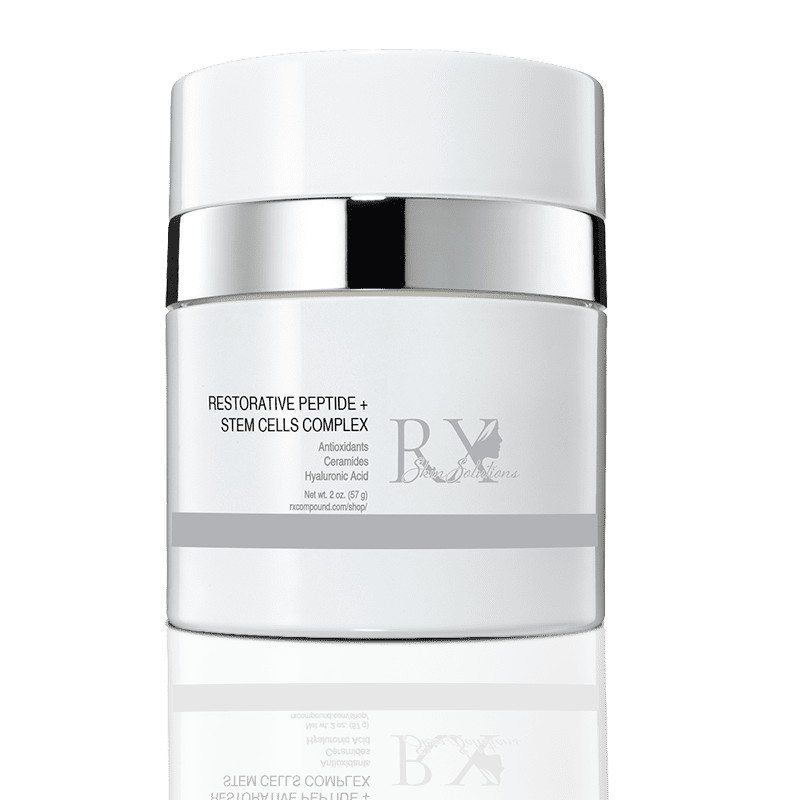
We feature a curated selection of pharmaceutical-grade skincare chosen to support healthy, resilient skin as part of a consistent daily routine. The RX Skin Solutions Restorative Peptide and Stem Cells Complex is formulated with quality ingredients to complement the care you and your provider have planned.
These products are available now without a prescription, so you can add them to your routine whenever you are ready. Talk with your healthcare provider about the approach that fits your skin and your goals.
No two patients are exactly alike. Genetics, allergies, lifestyle, age, medical conditions, and personal preferences all influence how someone responds…
Cosmeceutical compounding refers to the preparation of customized skin care formulations that contain active ingredients at concentrations higher than those typically found in over-the-counter products. These formulations are prepared by a licensed compounding pharmacy based on a healthcare provider’s prescription and may include prescription actives such as tretinoin, hydroquinone and tranexamic acid alongside supporting ingredients like niacinamide, vitamin C and peptides.
Yes. Compounded skin care formulations that contain prescription-strength ingredients such as tretinoin, hydroquinone or other prescription actives require a valid prescription from a licensed healthcare provider. Over-the-counter options including the RX Skin Solutions line and EltaMD products are available for purchase without a prescription.
Retinol is an over-the-counter form of vitamin A that the skin converts to retinoic acid after application. Tretinoin, a prescription retinoid, is already in its active form and is generally considered more potent. Compounded tretinoin can be prepared at specific concentrations and combined with other ingredients in a single formulation. Your healthcare provider determines which option is appropriate for your skin type and goals.
Pharmacy Solutions compounds chemical peel formulations across a range of acid types including trichloroacetic acid, glycolic acid, salicylic acid, azelaic acid, lactic acid and specialty combination peels. Concentrations and formulations are always specified by the prescribing provider based on your skin type and clinical goals. Speak with your healthcare provider or contact a Pharmacy Solutions pharmacist for information about specific options.
Yes. Skin aging affects both men and women, and compounded skin care formulations can be tailored to any individual regardless of sex. A dermatologist or aesthetic provider can evaluate your skin and determine which formulation is appropriate.
Results vary depending on the active ingredients, the concern being addressed and individual skin response. Retinoid-based formulations typically require consistent use over several weeks before visible changes are noticeable. Your healthcare provider can give you a realistic timeline based on your specific formulation and goals.
Yes. One of the primary advantages of compounding is the ability to modify formulations as your skin responds. Your healthcare provider can adjust ingredient concentrations, base type or combinations based on how your skin is tolerating the current formulation. Pharmacy Solutions prepares updated formulations as prescribed.
Pharmacy Solutions carries the RX Skin Solutions cosmeceutical line including hydration serums, retinol formulations, peptide creams and eye firming complexes. EltaMD sunscreens and recovery products are also available. These products are available without a prescription and may complement a broader skin care routine.
[1] Shuster S, Black MM, McVitie E. The influence of age and sex on skin thickness, skin collagen and density. Br J Dermatol. 1975;93(6):639-643. https://pubmed.ncbi.nlm.nih.gov/1220811/
[2] Ganceviciene R, et al. Skin anti-aging strategies. Dermatoendocrinol. 2012;4(3):308-319. https://pmc.ncbi.nlm.nih.gov/articles/PMC3583892/
[3] Mukherjee S, et al. Retinoids in the treatment of skin aging. Clin Interv Aging. 2006;1(4):327-348. https://pmc.ncbi.nlm.nih.gov/articles/PMC2699641/
[4] Leyden J, Stein-Gold L, Weiss J. Why topical retinoids are mainstay of therapy for acne. Dermatol Ther (Heidelb). 2017;7(3):293-304. https://pmc.ncbi.nlm.nih.gov/articles/PMC5574737/
[5] Pullar JM, Carr AC, Vissers MCM. The roles of vitamin C in skin health. Nutrients. 2017;9(8):866. https://pmc.ncbi.nlm.nih.gov/articles/PMC5579659/
[6] Gehring W. Nicotinic acid/niacinamide and the skin. J Cosmet Dermatol. 2004;3(2):88-93. https://pubmed.ncbi.nlm.nih.gov/17147561/
[7] Pharmacy Compounding Accreditation Board (PCAB). Accreditation Commission for Health Care. https://www.achc.org/pcab/
Tell us a little about what you are looking for and we will take it from there. Whether you have a prescription ready, questions about a therapy your provider mentioned, or just need help figuring out your next step, our team is here and ready to help.
"*" indicates required fields

To submit your order, click the “PRINT/SAVE” button located under this pop-up.

You can save the PDF to your computer to fax at a later date or print it now to fax immediately.

Fax your order form to 817-860-6083 for processing.
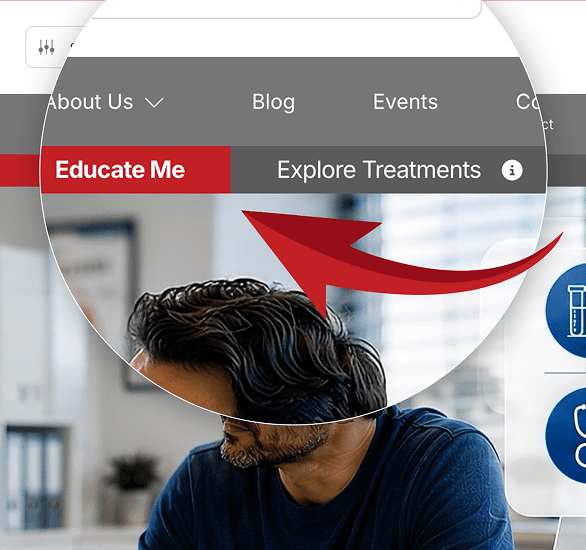
Get detailed information, research, and deeper product context. Toggle on to see more educational content.
Keep things brief and see related products faster. Toggle on to focus on products.

New to Pharmacy Solutions? Register now
Educate Me
Get detailed information, research, and deeper product context.
Toggle on to see more educational content.
Explore Treatments
Keep things brief and see related products faster.
Toggle on to focus on products.