July is UV Safety Awareness Month! Shop Sun Protection Essentials.


The Pharmacy will be closed July 4th for Independence Day.
Enjoy 10% off for Patient Appreciation Day with code THANKUJULY on 7/15/2026 only!
15% off on all sunscreen and probiotics during July with code SUNSAFE15

Psoriasis and rosacea are grouped on this page because both are chronic inflammatory skin conditions that tend to be cyclical, require ongoing management rather than a single solution and frequently benefit from bases and ingredient combinations that are not available in standard commercial products. They are distinct conditions with different underlying mechanisms and different active ingredient categories, and each is addressed separately below.
Psoriasis is a chronic autoimmune condition in which the immune system mistakenly accelerates the skin cell cycle. Normally, skin cells grow, mature and shed over the course of about a month. In psoriasis, this process happens in days rather than weeks, causing immature cells to accumulate rapidly on the skin’s surface and form the raised, thickened, scaly patches that characterize the condition. The National Psoriasis Foundation estimates that approximately 8 million Americans live with psoriasis.[1]
Psoriasis can affect multiple areas of the body including the scalp, elbows, knees, lower back, nails and skin folds. It tends to be cyclical, with periods of remission followed by flares that may be triggered by stress, infection, certain medications, skin injury, alcohol use or weather changes. Several clinical subtypes exist, including plaque psoriasis, which is the most common, as well as guttate, inverse, pustular and erythrodermic psoriasis, each with different characteristics and management considerations.
Rosacea is a chronic inflammatory condition primarily affecting the face, characterized by persistent redness, visible blood vessels and sometimes papules and pustules that can resemble acne. The National Rosacea Society estimates that rosacea affects more than 16 million Americans, with cases often going undiagnosed or misidentified as acne, allergy or sensitive skin.[2] It tends to affect fair-skinned adults and is somewhat more common in women, though men who develop rosacea often experience more severe symptoms. Rosacea is not contagious and does not have a single identifiable cause, but inflammation, immune activity and potentially the presence of demodex mites on the skin are all implicated in different subtypes.
Rosacea tends to worsen with exposure to known triggers. Common triggers include heat, sun exposure, hot beverages, alcohol, spicy foods, physical exertion, stress and certain skin care products or topical ingredients. Because the skin barrier in rosacea-prone individuals is often compromised, the selection of a well-tolerated delivery base is as important as the choice of active ingredients.
Both psoriasis and rosacea involve skin that is particularly sensitive to inactive ingredients. Fragrances, preservatives, alcohols, certain emulsifiers and other standard formulation components in commercial products can trigger flares or worsen existing symptoms. Compounding allows providers to prescribe formulations in bases that are selected specifically for reactive or compromised skin, and to exclude ingredients known to cause problems for a particular patient.
Compounding also allows providers to adjust active ingredient concentrations in ways that commercial manufacturers cannot, combining multiple actives into a single preparation when appropriate to simplify application and reduce the number of products a patient needs to use. Pharmacy Solutions works closely with dermatologists and other prescribers to prepare customized formulations for psoriasis and rosacea that align with each provider’s recommendations and each patient’s skin profile.
The following active ingredients are commonly found in compounded psoriasis formulations. The specific combination, concentration and delivery base are always determined by the prescribing healthcare provider based on the patient’s psoriasis type, location and severity.
Corticosteroids are the most widely used category of topical agents for psoriasis and work by reducing the inflammatory and immune activity driving rapid cell turnover. Compounding allows providers to prescribe corticosteroids at specific concentrations and in bases suited to the affected area and skin sensitivity, including options for scalp application or skin fold involvement where commercial formats may not be practical.
Calcipotriene is a vitamin D analog that slows abnormally rapid skin cell production by regulating keratinocyte differentiation. It is often prescribed in combination with a corticosteroid in compounded formulations, allowing providers to address both the inflammatory and proliferative components of psoriasis in a single preparation.
Coal tar preparations have a long history in psoriasis care and work by slowing cell growth, reducing inflammation and relieving itch. Compounding allows coal tar to be incorporated into shampoos, creams and other delivery forms at concentrations suited to the patient’s degree of involvement and tolerability.
Salicylic acid is a keratolytic agent that helps soften and lift the scale characteristic of plaque psoriasis, supporting both the appearance of the skin and the penetration of other active ingredients. It is often combined with corticosteroids or other actives in compounded preparations.
Urea at higher concentrations serves as a keratolytic and moisturizing agent in compounded psoriasis formulations, supporting softening of thickened skin and improving moisture retention in affected areas.
The following active ingredients are commonly found in compounded rosacea formulations. As with psoriasis, the specific combination, concentration and delivery base are always determined by the prescribing provider based on the individual patient’s rosacea subtype, severity and history.
Metronidazole has been extensively studied for its anti-inflammatory and antimicrobial effects in rosacea. It is one of the most established topical agents for this condition and is a common component in compounded rosacea formulations, often at concentrations or in bases not available commercially.
Azelaic acid has been studied for its potential roles in reducing the redness and papules associated with rosacea through anti-inflammatory and antimicrobial mechanisms. It is generally well tolerated by reactive skin and can be combined with other actives in compounded formulations.
Ivermectin has been studied for rosacea presentations that involve the demodex mite, which has been implicated in some subtypes of the condition. Compounded topical ivermectin formulations allow providers to address this component of rosacea when clinically indicated.
Niacinamide supports the skin barrier and has been studied for its role in reducing redness and inflammation. It is well tolerated by most reactive skin types and can be combined with other actives in compounded preparations.
Brimonidine is a vasoconstrictor that has been studied for reducing the persistent facial redness associated with rosacea by narrowing superficial blood vessels. Compounded brimonidine formulations allow providers to prescribe this agent in bases and at concentrations suited to the individual patient.
Pharmacy Solutions can prepare a wide range of compounded psoriasis and rosacea formulations combining these and other active ingredients at provider-specified concentrations. Your healthcare provider works with the pharmacy team to develop a formulation suited to your individual skin presentation and goals. If you have questions about specific formulation options, reach the team through the Ask a Pharmacist feature.
If your healthcare provider prescribes a compounded formulation for psoriasis or rosacea, knowing what the process involves can help set realistic expectations.
Pharmacy Solutions works with dermatologists and other healthcare providers to prepare customized formulations for psoriasis and rosacea that align with each prescriber’s recommendations and each patient’s skin profile. The compounding team understands the importance of base selection for reactive skin and can communicate with prescribers when formulation questions arise. Every preparation is made per patient using pharmaceutical-grade ingredients.
Pharmacy Solutions maintains PCAB accreditation in both sterile and non-sterile compounding, a distinction held by fewer than 2% of compounding pharmacies in the United States, and has all formulations tested through third-party laboratories.[3] Whether you are exploring compounded care for the first time or looking to adjust an existing approach, the pharmacy team is available to support the process in partnership with your provider.
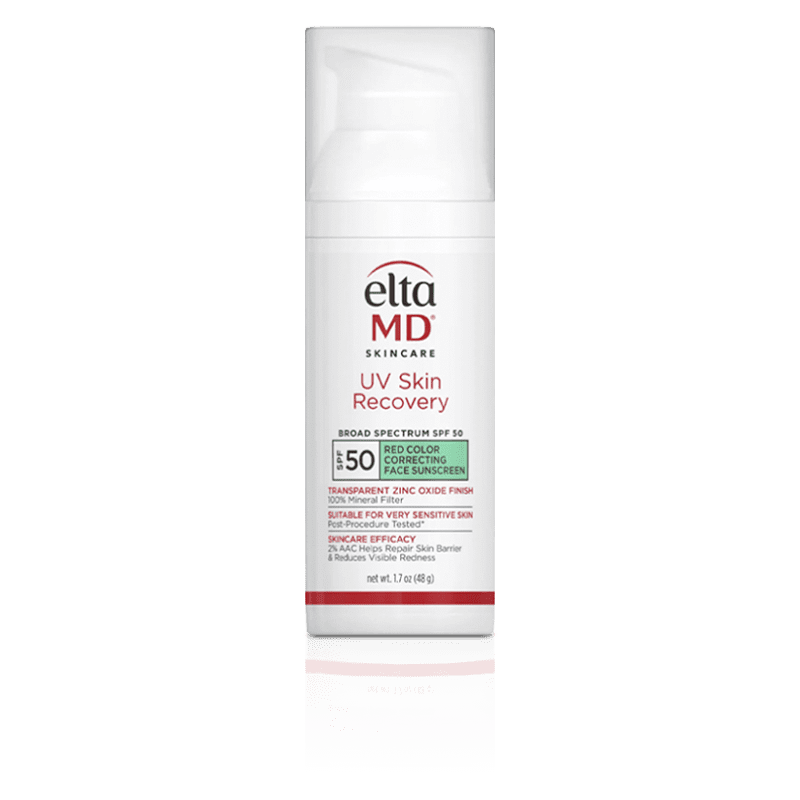
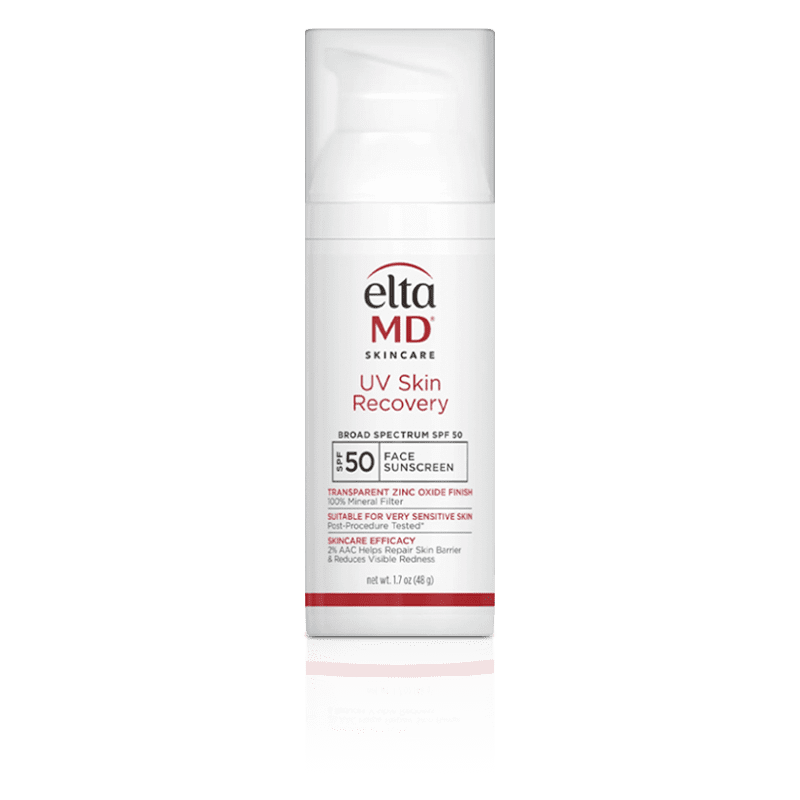
For patients looking to complement a compounded regimen or start without a prescription, Pharmacy Solutions carries a selection of pharmaceutical-grade skin care products. The RX Skin Solutions line and EltaMD products are available through the Pharmacy Solutions shop. EltaMD sunscreens are formulated to be well tolerated by sensitive and reactive skin types, which is particularly relevant for rosacea patients who require daily UV protection without risking a flare. As always, discuss any new products with your healthcare provider before adding them to your routine.

My daughter and I both have eczema, and finding formulations that work for two very different skin types felt impossible with standard products. Our dermatologist prescribed custom compounds through Pharmacy Solutions for each of us, and being able to avoid the specific ingredients that trigger our flares has made a real difference in how we manage day to day.
I had a keloid that had been bothering me for years. My dermatologist prescribed a compounded preparation through Pharmacy Solutions that was specifically formulated for my skin. Having something actually tailored to the type and location of the scar made me feel like we were finally addressing it the right way.
My mother had a wound that wasn’t healing the way her doctor expected. Once her wound care specialist prescribed a compounded preparation through Pharmacy Solutions, we finally had a formulation that was specifically made for her situation. The team was easy to work with and answered every question we had along the way.
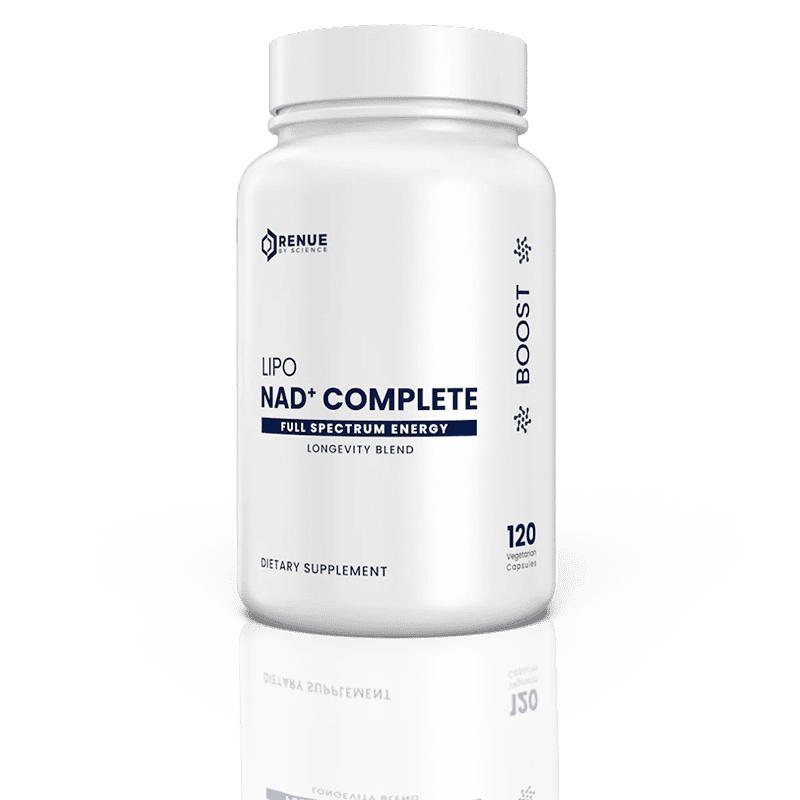
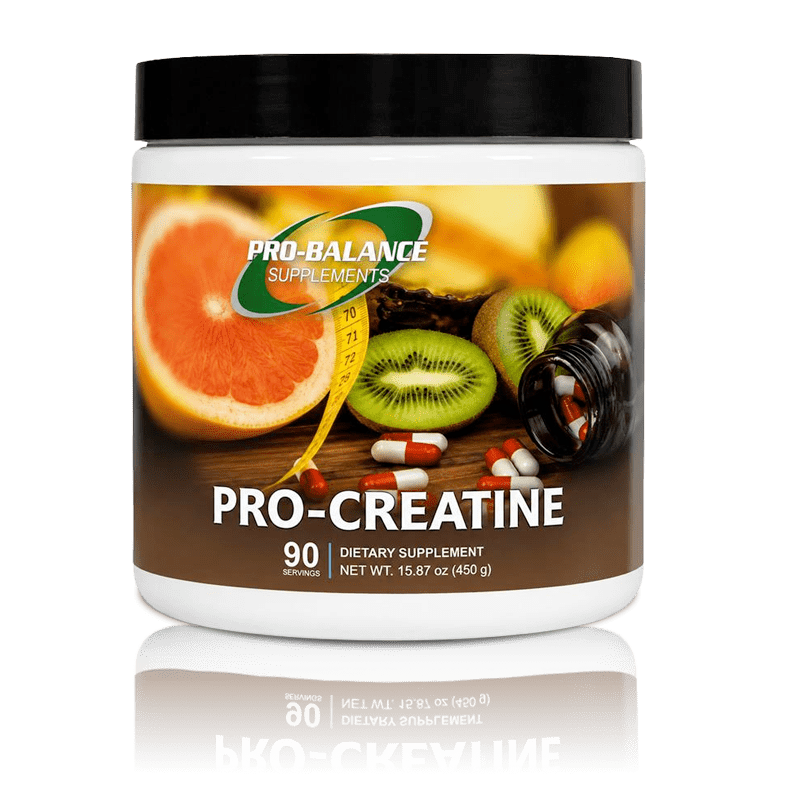
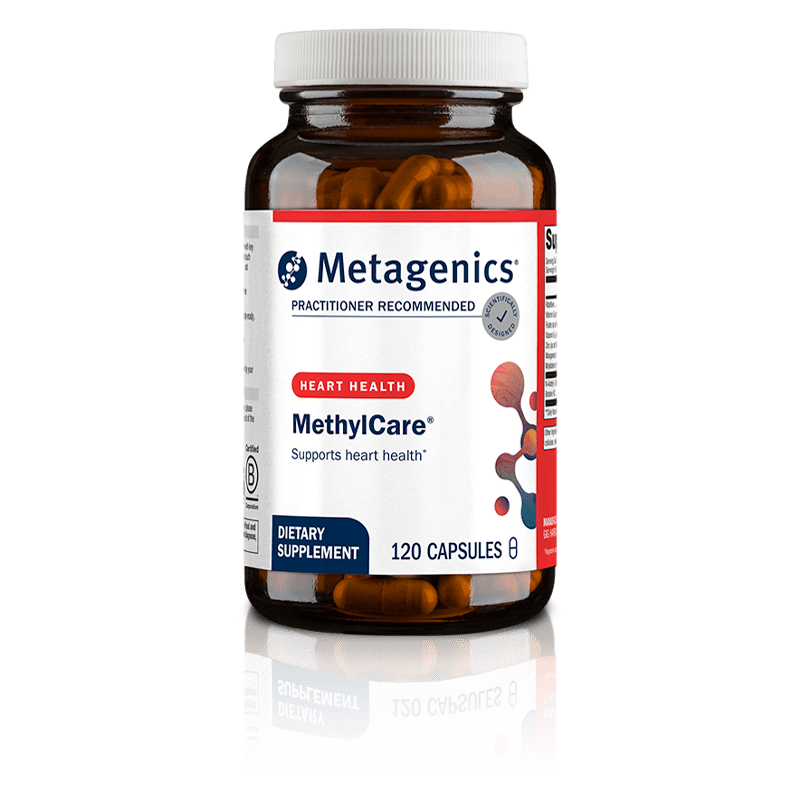
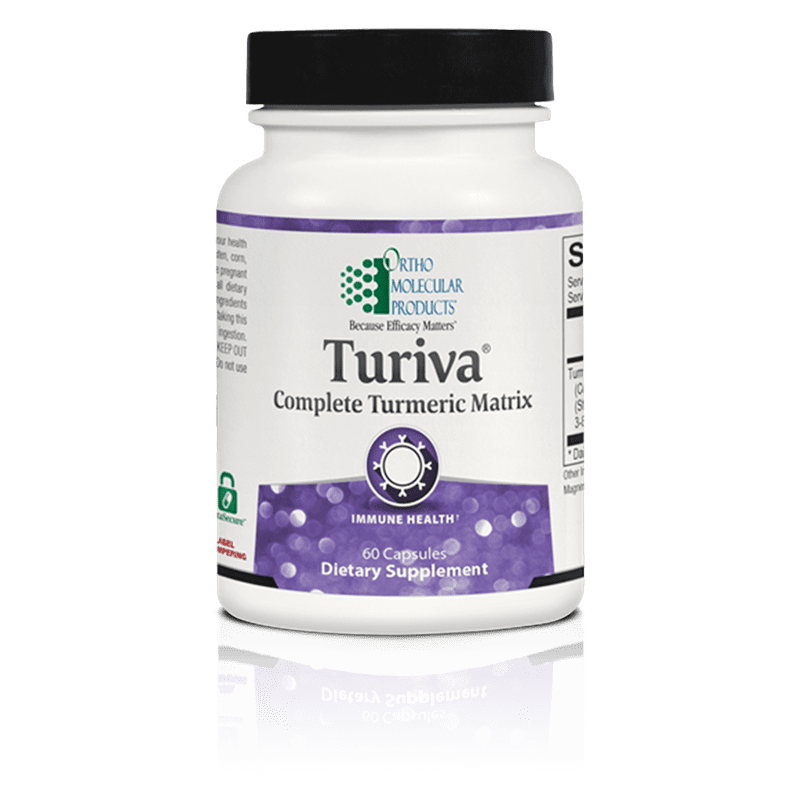
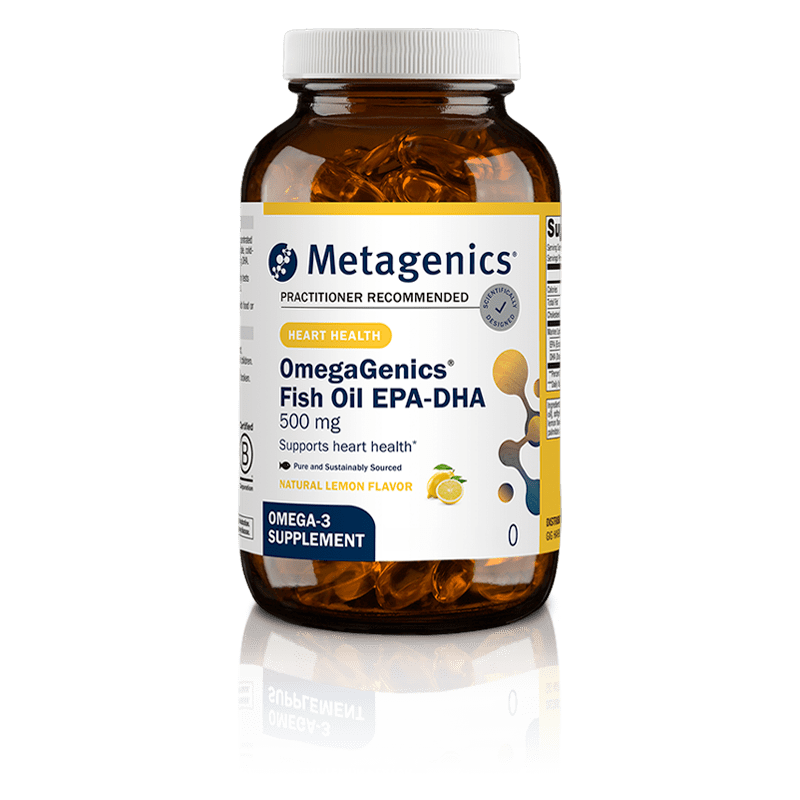
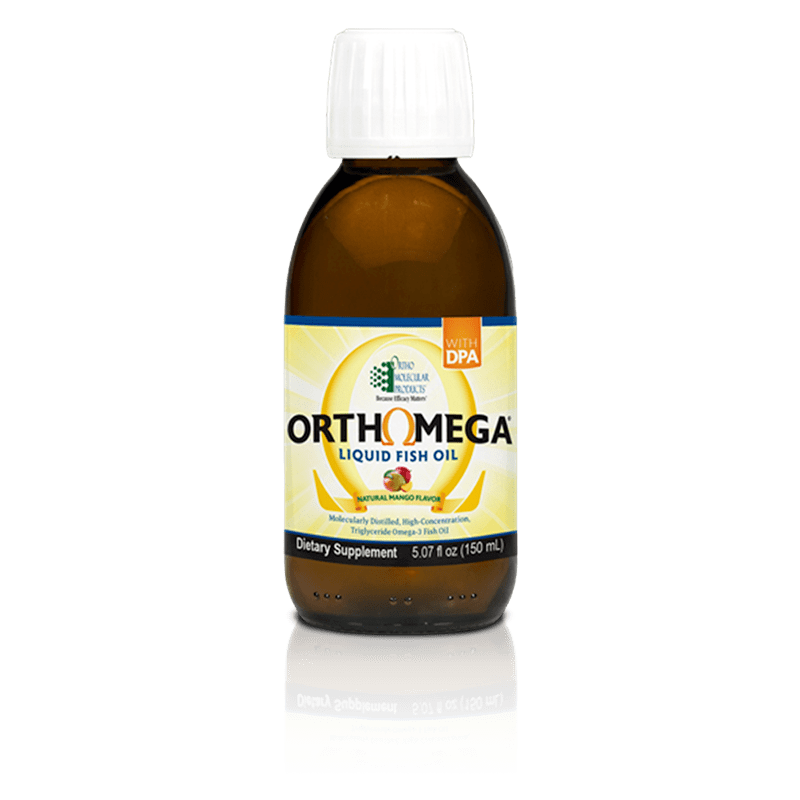
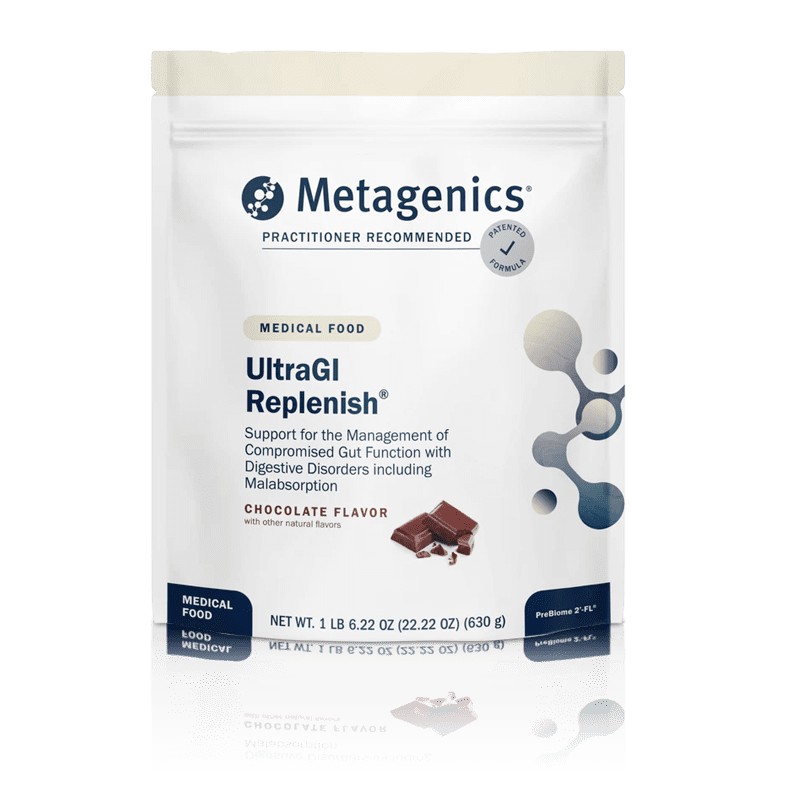
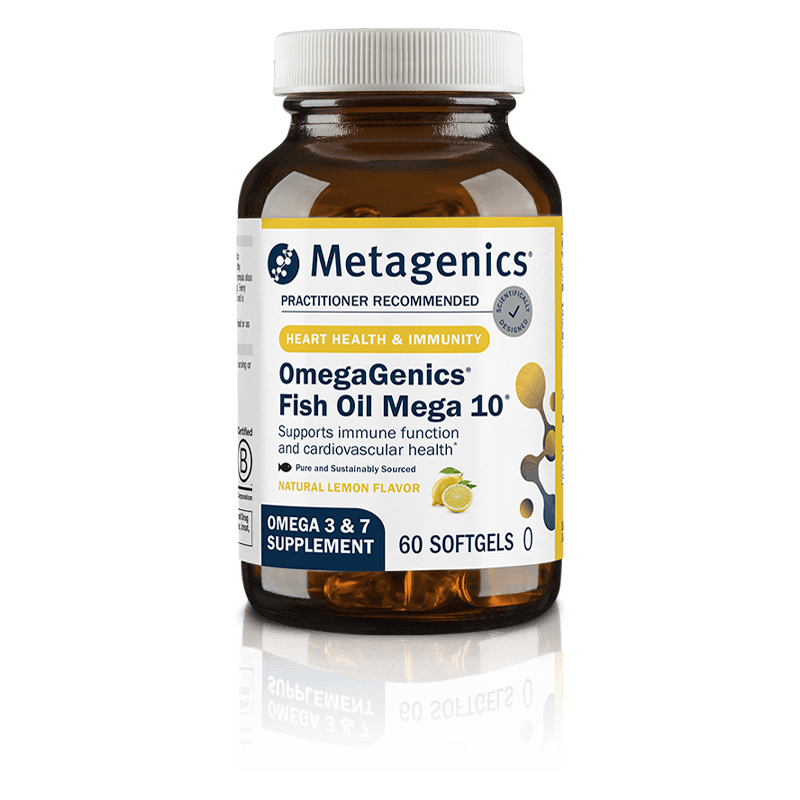
We feature a curated selection of supplements chosen to support skin health and overall wellness as part of your everyday routine. Metagenics OmegaGenics Mega 10 delivers concentrated omega-3 fatty acids that many people choose as part of a balanced approach to everyday health and self care.
These supplements are available now without a prescription, so you can add them whenever you are ready. As always, check with your healthcare provider before starting anything new alongside your current care.
No two patients are exactly alike. Genetics, allergies, lifestyle, age, medical conditions, and personal preferences all influence how someone responds…
Psoriasis is a chronic autoimmune condition that causes skin cells to build up rapidly on the surface, forming thick, scaly patches that can be itchy, uncomfortable and sometimes painful. Unlike conditions caused by bacteria or external irritants, psoriasis originates in the immune system. It tends to be cyclical, with periods of flare and remission, and can affect the scalp, elbows, knees, lower back and other areas. It is not contagious.
Rosacea is a chronic inflammatory condition primarily affecting the face, characterized by persistent redness, visible blood vessels and sometimes small bumps that resemble acne. It tends to affect fair-skinned adults, particularly women, though men who develop rosacea often experience more severe symptoms. Like psoriasis, rosacea is cyclical and can be worsened by a range of triggers including heat, sun exposure, alcohol, spicy foods, stress and certain skin care products.
Yes. Compounded formulations for psoriasis and rosacea typically contain prescription-strength active ingredients and require a valid prescription from a licensed healthcare provider. Your dermatologist or other provider can evaluate your condition and determine whether a compounded formulation is appropriate for your situation.
Compounded psoriasis formulations may include corticosteroids at customized strengths to reduce inflammation and immune activity, calcipotriene which is a vitamin D analog that slows rapid skin cell production, coal tar preparations which have a long history of use in psoriasis care, salicylic acid for softening and lifting scale, and urea for moisturization and keratolytic support. The specific ingredients, concentrations and base are determined by the prescribing provider based on the patient’s psoriasis type, location and severity.
Compounded rosacea formulations may include metronidazole for its anti-inflammatory and antimicrobial properties, azelaic acid which has been studied for redness and bumps associated with rosacea, ivermectin for formulations addressing the demodex mite component of some rosacea presentations, niacinamide for barrier support and redness reduction, and other anti-inflammatory agents at provider-specified concentrations. The base selection is particularly important for rosacea-prone skin, and compounding allows providers to choose bases that minimize the risk of irritation.
Both psoriasis and rosacea involve sensitive or reactive skin that can respond poorly to inactive ingredients in commercial products such as fragrances, preservatives, alcohols and certain emulsifiers. Compounding allows providers to prescribe formulations in bases that are specifically suited to compromised or reactive skin, and to adjust active ingredient concentrations in ways that commercial manufacturers cannot. Combining multiple actives into a single preparation also simplifies application and reduces the overall number of products needed.
Yes. Pharmacy Solutions carries the RX Skin Solutions line and EltaMD skin care products, both available without a prescription through the Pharmacy Solutions shop. EltaMD sunscreens are formulated to be well tolerated by sensitive and reactive skin types, which is particularly relevant for rosacea patients who need daily UV protection without risk of triggering a flare.
[1] National Psoriasis Foundation. Statistics. https://www.psoriasis.org/psoriasis-statistics/
[2] National Rosacea Society. Rosacea Now Estimated to Affect at Least 16 Million Americans. https://www.rosacea.org/press/2010/rosacea-now-estimated-to-affect-at-least-16-million-americans
[3] Pharmacy Compounding Accreditation Board (PCAB). Accreditation Commission for Health Care. https://www.achc.org/pcab/
[4] Menter A, et al. Joint AAD-NPF guidelines of care for the management and treatment of psoriasis with biologics. J Am Acad Dermatol. 2019;80(4):1029-1072. https://pubmed.ncbi.nlm.nih.gov/30772098/
[5] Thiboutot D, et al. Standard management options for rosacea: the 2019 update by the National Rosacea Society Expert Committee. J Am Acad Dermatol. 2020;82(6):1501-1510. https://pubmed.ncbi.nlm.nih.gov/31610797/
Tell us a little about what you are looking for and we will take it from there. Whether you have a prescription ready, questions about a therapy your provider mentioned, or just need help figuring out your next step, our team is here and ready to help.
"*" indicates required fields

To submit your order, click the “PRINT/SAVE” button located under this pop-up.

You can save the PDF to your computer to fax at a later date or print it now to fax immediately.

Fax your order form to 817-860-6083 for processing.
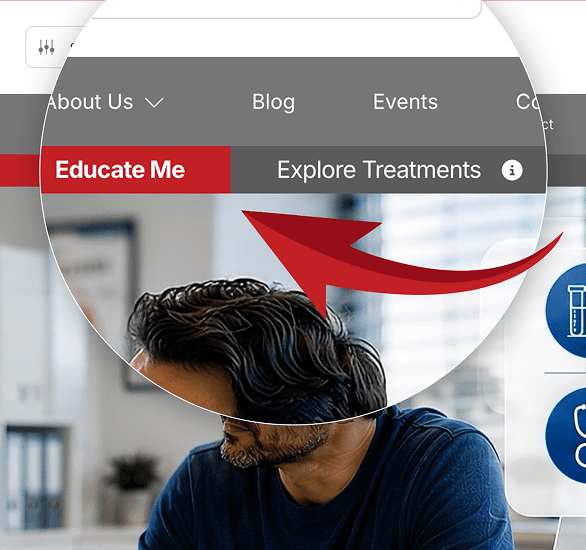
Get detailed information, research, and deeper product context. Toggle on to see more educational content.
Keep things brief and see related products faster. Toggle on to focus on products.

New to Pharmacy Solutions? Register now
Educate Me
Get detailed information, research, and deeper product context.
Toggle on to see more educational content.
Explore Treatments
Keep things brief and see related products faster.
Toggle on to focus on products.