The Pharmacy will be closed July 4th for Independence Day.


The Pharmacy will be closed July 4th for Independence Day.
Enjoy 10% off for Patient Appreciation Day with code THANKUJULY on 7/15/2026 only!
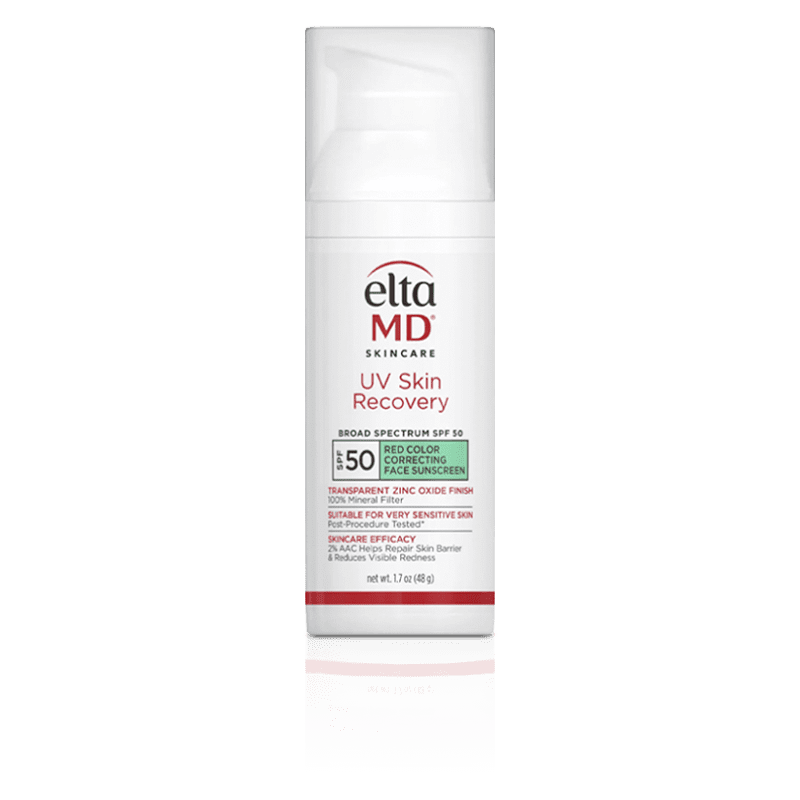
15% off on all sunscreen and probiotics during July with code SUNSAFE15


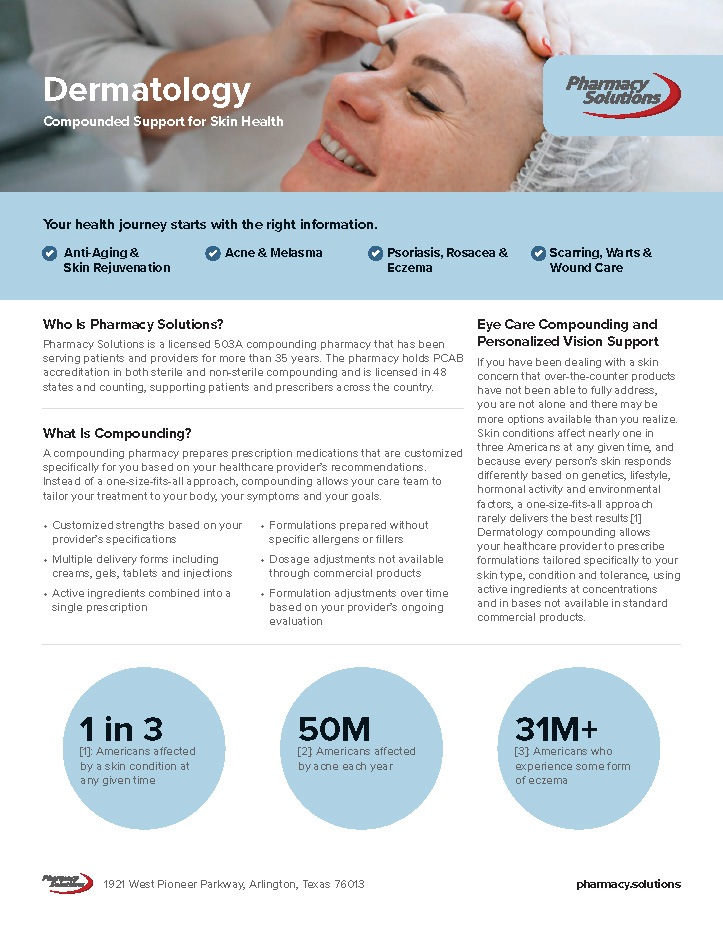
Eczema, most commonly atopic dermatitis, is a chronic inflammatory condition that causes dry, itchy and irritated skin. It is one of the most common skin conditions in the United States, affecting more than 31 million Americans.[1] It is particularly prevalent in children and frequently persists into adulthood. Several types of eczema exist, including atopic dermatitis, contact dermatitis, dyshidrotic eczema, nummular dermatitis, seborrheic dermatitis and others, each with different characteristics, triggers and management considerations. Because eczema is chronic, most patients benefit from an ongoing management approach rather than a single-use solution.
At the core of eczema is a combination of immune system dysregulation and a compromised skin barrier. In individuals with atopic dermatitis, genetic factors affect the production of filaggrin, a protein that plays a critical role in maintaining the integrity of the skin’s outer layer. When the barrier is weakened, it loses moisture more easily and allows irritants, allergens and microorganisms to penetrate the skin more readily. This sets up a cycle of inflammation, itching and further barrier damage that is self-reinforcing and difficult to break without consistent intervention.
This barrier defect has direct implications for topical care. Products that contain common irritants including fragrances, alcohol, preservatives such as parabens and methylisothiazolinone, dyes and certain emulsifiers can penetrate more easily in eczema-prone skin and trigger or worsen reactions. This is one of the primary reasons many commercial products, even those marketed for sensitive skin, can be poorly tolerated by individuals with eczema, and why the formulation base is as important as the active ingredients it contains.
Eczema is not a single condition but a family of related inflammatory skin conditions. Understanding the type affecting you or your child helps inform the most appropriate approach.
For eczema patients, both the active ingredients and the inactive ingredients in a topical formulation matter. Many commercial eczema products contain fragrances, preservatives, alcohols or other components that are known irritants for eczema-prone skin. Because the skin barrier in these patients is already compromised, even small amounts of irritating inactive ingredients can penetrate more readily and provoke a response.
Compounding addresses this by allowing providers to prescribe formulations in bases that are specifically selected to be non-irritating and barrier-supportive, and to exclude any ingredient known to cause problems for a particular patient. The ability to customize the base is often as important as the choice of active ingredient for eczema patients. Compounding also allows providers to adjust active ingredient concentrations, combine multiple actives into a single preparation and select delivery forms suited to the location and severity of involvement. Pharmacy Solutions works directly with dermatologists and other prescribers to prepare individualized eczema formulations based on each provider’s specifications.
The following active ingredients are commonly found in compounded eczema and dermatitis formulations. The specific combination, concentration, base and any ingredient exclusions are always determined by the prescribing healthcare provider based on the patient’s eczema type, severity, affected areas and sensitivities.
Topical corticosteroids are the most widely used prescription agents for eczema flare management and work by reducing the inflammatory activity driving symptoms. Compounding allows providers to prescribe corticosteroids at specific concentrations suited to the patient’s age, the severity of involvement and the body area being treated, and to incorporate them into bases that support the compromised skin barrier rather than further disrupting it.
Calcineurin inhibitors such as tacrolimus and pimecrolimus offer a non-steroidal option for inflammation management in eczema and are particularly useful for sensitive areas including the face, eyelids and skin folds where long-term corticosteroid use requires careful monitoring. Compounded calcineurin inhibitor preparations can be made in barrier-supportive bases suited to the patient’s skin.
Coal tar preparations have a long history in inflammatory skin care and work through multiple mechanisms including anti-inflammatory, antipruritic and antiproliferative effects. Compounding allows coal tar to be incorporated into a range of delivery forms and bases at concentrations suited to the patient’s tolerability and degree of involvement.
Urea at higher concentrations serves both as a moisturizing agent and a keratolytic, helping to soften and hydrate thickened or lichenified skin in chronic eczema while also supporting the barrier. It is often combined with other actives in compounded eczema preparations.
Emollients and barrier repair agents play a critical supporting role in compounded eczema formulations. The base itself, selected by the pharmacist with input from the prescriber, can incorporate ceramide-supporting components, humectants and occlusive agents designed to reduce transepidermal water loss and support the compromised barrier between applications of active medication.
Pharmacy Solutions can prepare a wide range of compounded eczema and dermatitis formulations combining these and other active ingredients at provider-specified concentrations and in bases specifically selected for eczema-prone skin. Your healthcare provider works with the pharmacy team to develop a formulation suited to your individual skin type, eczema presentation and sensitivities. If you have questions about specific formulation options, you can reach the team through the Ask a Pharmacist feature.
If your healthcare provider prescribes a compounded eczema formulation, knowing what the process involves can help set realistic expectations.
Pharmacy Solutions works with dermatologists, pediatric dermatologists and other healthcare providers to prepare customized eczema formulations that align with each prescriber’s recommendations and each patient’s sensitivities. The compounding team’s understanding of barrier-supportive bases and ingredient compatibility is particularly valuable for eczema patients, where the formulation vehicle can make or break tolerability. Every preparation is made per patient using pharmaceutical-grade ingredients.
Pharmacy Solutions maintains PCAB accreditation in both sterile and non-sterile compounding, a distinction held by fewer than 2% of compounding pharmacies in the United States, and has all formulations tested through third-party laboratories.[2] Whether you are exploring compounded eczema care for the first time or adjusting an existing approach, the pharmacy team is available to support the process in partnership with your provider.
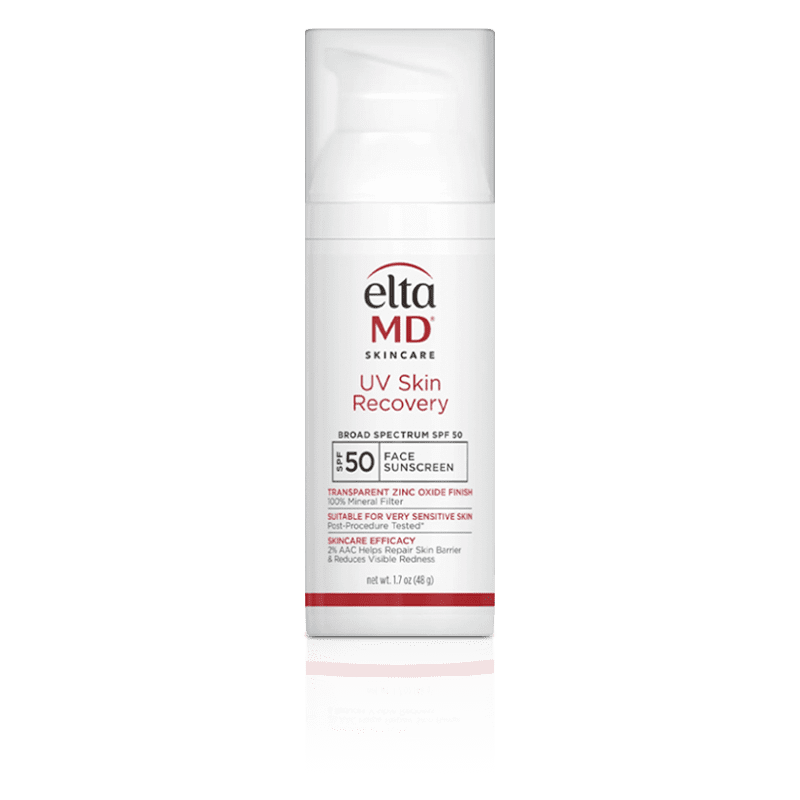
For patients looking to complement a compounded regimen or explore options without a prescription, Pharmacy Solutions carries a selection of pharmaceutical-grade skin care products. Products formulated for sensitive skin and EltaMD skin care options are available through the Pharmacy Solutions shop. As always, discuss any new products with your healthcare provider before adding them to your routine, particularly if you are managing active eczema, to ensure they are compatible with your current care plan.
I had been dealing with dark patches on my face for years and felt like I had tried everything. Once my dermatologist prescribed a customized compounded formula, I finally had something that actually addressed my skin specifically. The pharmacy team was easy to reach and worked closely with my provider the whole way through.
I had been managing flares for years and never felt like I had a formulation that actually worked with my skin rather than against it. My dermatologist worked with Pharmacy Solutions to create something customized, and it has been the most consistent relief I have found. Having a team that actually communicates with your provider makes a real difference.
My daughter and I both have eczema, and finding formulations that work for two very different skin types felt impossible with standard products. Our dermatologist prescribed custom compounds through Pharmacy Solutions for each of us, and being able to avoid the specific ingredients that trigger our flares has made a real difference in how we manage day to day.
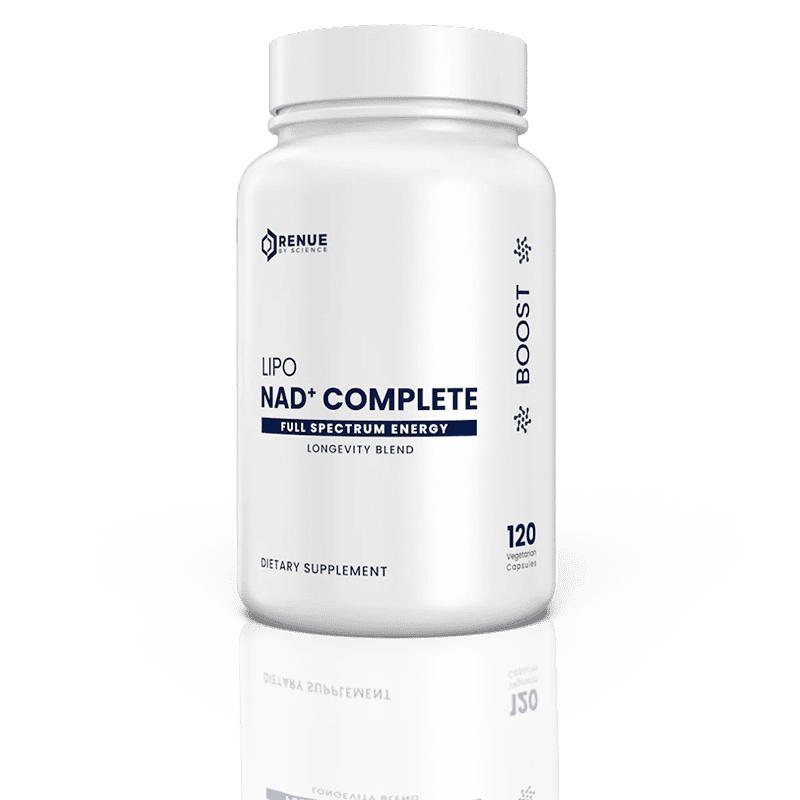
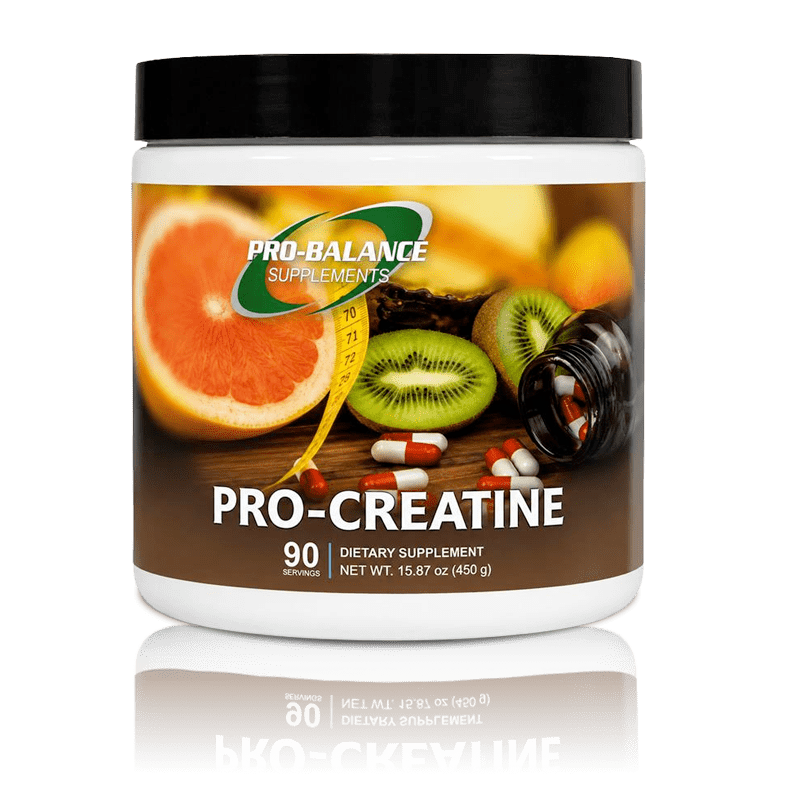
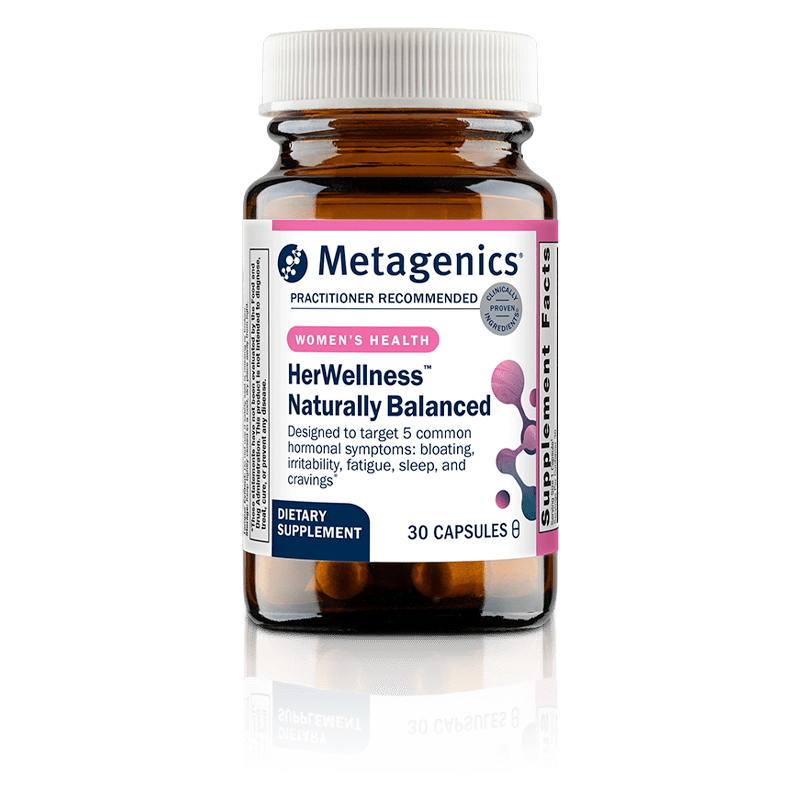
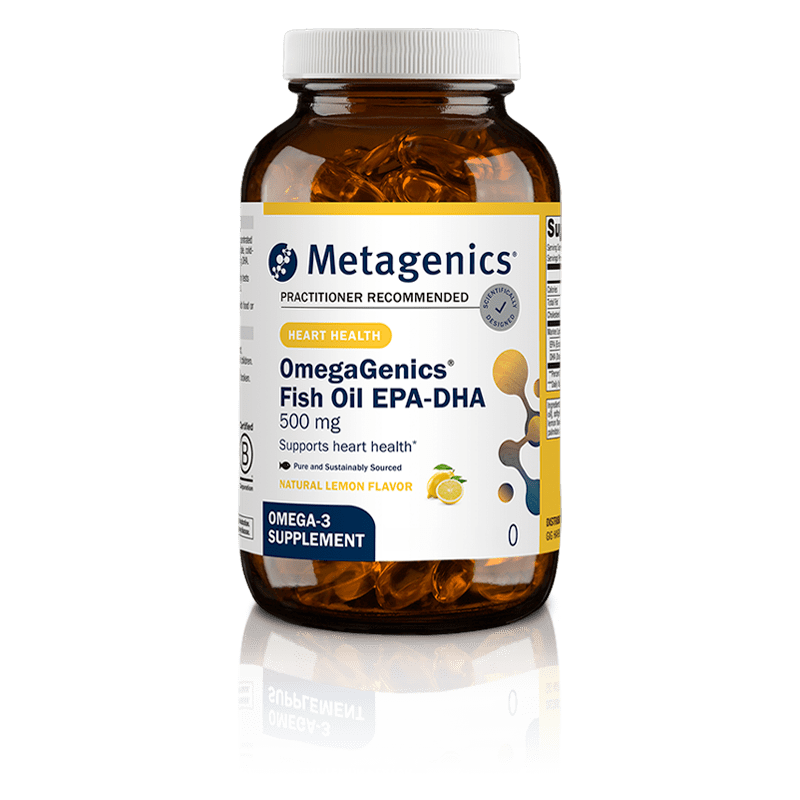
We feature a curated selection of supplements chosen to support skin health and overall wellness as part of your everyday routine. Metagenics OmegaGenics EPA-DHA Softgels 500 provides a concentrated source of omega-3 fatty acids that many people include in a balanced daily wellness regimen.
These supplements are available now without a prescription, so you can begin whenever it suits you. Talk with your healthcare provider about adding anything new and how it fits with the rest of your care.
No two patients are exactly alike. Genetics, allergies, lifestyle, age, medical conditions, and personal preferences all influence how someone responds…
Eczema, most commonly referring to atopic dermatitis, is a chronic inflammatory condition that causes dry, itchy and irritated skin. It is one of the most common skin conditions in the United States, affecting more than 31 million Americans across all age groups. It is particularly prevalent in children but frequently persists into adulthood, and adults can also develop eczema for the first time. Several types exist including atopic dermatitis, contact dermatitis, dyshidrotic eczema, nummular dermatitis and others, each with different triggers and presentations.
Eczema is driven by a combination of immune system dysregulation and a compromised skin barrier that allows irritants and allergens to penetrate more easily. Common flare triggers include contact with certain fabrics, soaps, detergents, fragrances, preservatives, pet dander, dust mites, mold, certain foods, sweating, dry weather, stress and specific skin care ingredients. Identifying and avoiding individual triggers is an important part of long-term management alongside topical care.
Yes. Compounded eczema formulations typically contain prescription-strength active ingredients such as corticosteroids or calcineurin inhibitors and require a valid prescription from a licensed healthcare provider. Over-the-counter options including fragrance-free moisturizers and certain barrier repair products are available without a prescription, though a provider can help determine the most appropriate comprehensive approach.
Compounded eczema formulations may include topical corticosteroids at customized concentrations and in barrier-supportive bases, calcineurin inhibitors such as tacrolimus or pimecrolimus for non-steroidal inflammation management, coal tar preparations for their anti-inflammatory and antipruritic properties, urea at higher concentrations for moisturization and barrier support, and various moisturizing agents and emollients selected to support the compromised skin barrier. The specific combination, concentration and base are determined by the prescribing provider.
In eczema, the skin barrier is compromised, which means irritants, allergens and even the inactive ingredients in topical products can penetrate more easily and trigger reactions. Many commercial formulations contain fragrances, preservatives, alcohols, parabens and other potential irritants that can worsen eczema symptoms. Compounding allows providers to prescribe formulations in bases specifically selected to be non-irritating and barrier-supportive, and to exclude known problem ingredients for a specific patient.
Yes. Compounding is particularly well suited to pediatric eczema care because children may require lower concentrations of active ingredients, smaller application areas and formulations that exclude ingredients more likely to cause reactions in young or sensitive skin. A healthcare provider can prescribe a compounded formulation specifically suited to a child’s age, weight, affected area and skin sensitivity. All compounded medications require a valid prescription from a licensed provider.
Yes. Pharmacy Solutions carries pharmaceutical-grade skin care products available without a prescription through the Pharmacy Solutions shop. Products formulated for sensitive skin, along with EltaMD skin care options, may complement a provider-directed eczema care routine. As always, discuss any new products with your healthcare provider to confirm they are appropriate for your or your child’s skin.
[1] National Eczema Association. Eczema Stats. https://nationaleczema.org/research/eczema-facts/
[2] Pharmacy Compounding Accreditation Board (PCAB). Accreditation Commission for Health Care. https://www.achc.org/pcab/
[3] Eichenfield LF, et al. Guidelines of care for the management of atopic dermatitis. J Am Acad Dermatol. 2014;70(2):338-351. https://pubmed.ncbi.nlm.nih.gov/24280084/
[4] Langan SM, Irvine AD, Bhatt DL. Atopic dermatitis. Lancet. 2020;396(10247):345-360. https://pubmed.ncbi.nlm.nih.gov/32738956/
Tell us a little about what you are looking for and we will take it from there. Whether you have a prescription ready, questions about a therapy your provider mentioned, or just need help figuring out your next step, our team is here and ready to help.
"*" indicates required fields

To submit your order, click the “PRINT/SAVE” button located under this pop-up.

You can save the PDF to your computer to fax at a later date or print it now to fax immediately.

Fax your order form to 817-860-6083 for processing.

Get detailed information, research, and deeper product context. Toggle on to see more educational content.
Keep things brief and see related products faster. Toggle on to focus on products.

New to Pharmacy Solutions? Register now
Educate Me
Get detailed information, research, and deeper product context.
Toggle on to see more educational content.
Explore Treatments
Keep things brief and see related products faster.
Toggle on to focus on products.