Enjoy 10% off for Patient Appreciation Day with code THANKUJULY on 7/15/2026 only!


Enjoy 10% off for Patient Appreciation Day with code THANKUJULY on 7/15/2026 only!
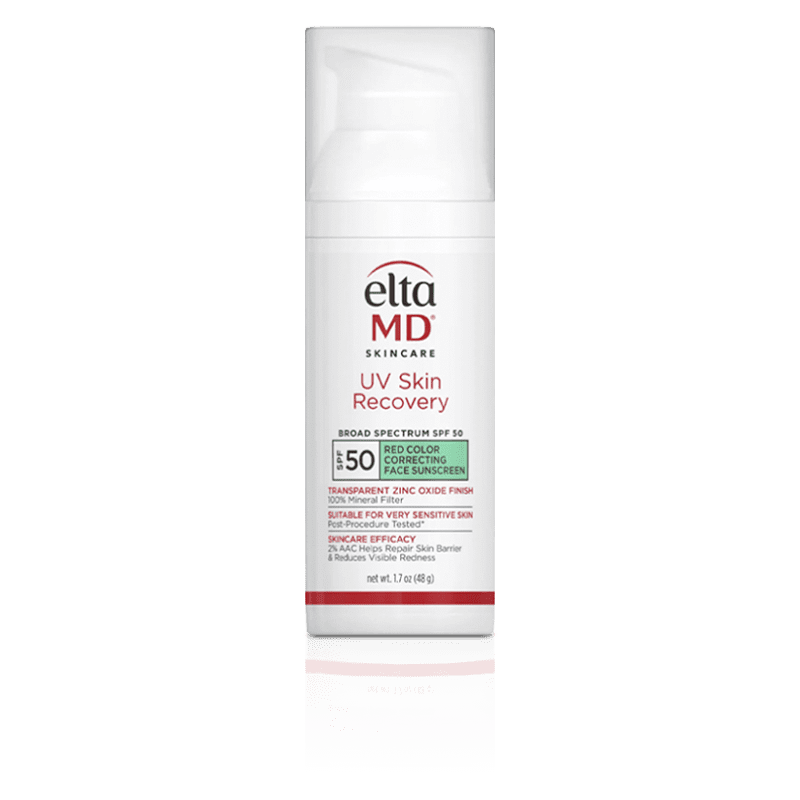
15% off on all sunscreen and probiotics during July with code SUNSAFE15
The Pharmacy will be closed July 4th for Independence Day.

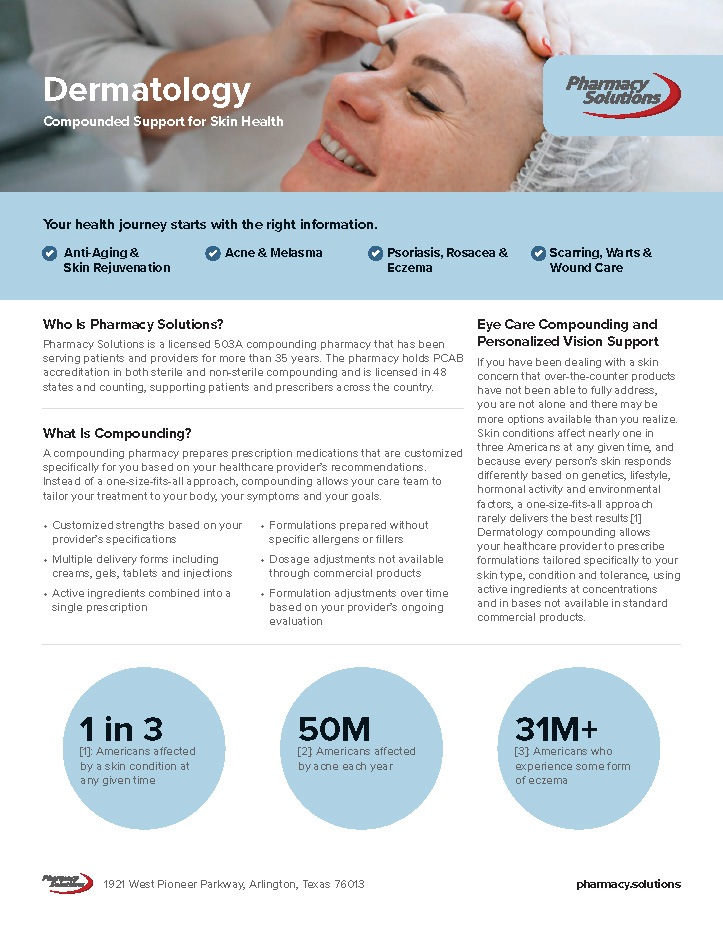
Chronic wounds are a significant health burden. Research estimates that chronic wounds affect approximately 6.5 million patients in the United States each year, with costs to the healthcare system running into the billions annually.[1] These wounds, which include venous leg ulcers, diabetic foot ulcers, pressure injuries and non-healing surgical sites, often involve underlying factors that complicate healing and require an individualized management approach. Compounding allows healthcare providers to prescribe wound care formulations in specific concentrations and delivery systems suited to each patient’s wound type, stage and clinical situation.
Wound healing proceeds through four overlapping phases: hemostasis, inflammation, proliferation and remodeling. In a healthy healing wound, this process moves forward in a coordinated way. In chronic wounds, the process becomes stalled, typically in the inflammatory phase, which prevents the tissue from moving into the proliferative and remodeling stages needed for closure.
Several factors can impair wound healing. These include underlying conditions such as diabetes, vascular disease and immune compromise that affect blood flow and the body’s ability to deliver nutrients and oxygen to wound tissue. Infection, biofilm formation and necrotic tissue can also prevent a wound from progressing. Pressure, friction and shear forces on certain wound types such as pressure injuries create an ongoing physical barrier to healing. In each of these situations, the goal of wound care is to address the factors impeding progress while supporting the wound’s natural biological environment.
Compounding can support wound management across a range of acute and chronic wound types when prescribed by a qualified healthcare provider.
Standard commercial wound care products are formulated for general use and cannot be tailored to the specific requirements of an individual wound. Compounding allows healthcare providers to address several limitations of commercial wound care approaches.
Concentration customization allows providers to prescribe topical antibiotics, anti-inflammatory agents and other actives at concentrations suited to the specific microbial burden or inflammatory state of a wound that commercial products do not offer. Antibiotic concentrations can be adjusted to address the specific organisms identified in wound cultures when standard commercial concentrations are insufficient.
Delivery vehicle selection is critical in wound care because the base a medication is prepared in directly influences the wound environment. Moist wound healing, which has been extensively studied and is associated with improved outcomes, requires bases that maintain appropriate moisture at the wound surface. Pharmacy Solutions uses W06 Gel, a PCCA-developed base specifically designed to support moist wound healing, as a vehicle for compounded wound care preparations. This base can support the wound environment while delivering active ingredients directly to the wound bed.
Ingredient combination allows providers to incorporate multiple actives into a single preparation, simplifying wound care regimens that might otherwise require multiple sequential applications. This is particularly valuable for patients with limited mobility or for caregivers managing complex wound care routines.
Allergen and sensitivity exclusion is possible through compounding, allowing providers to prepare formulations without specific preservatives, fragrances or other components in commercial products that may cause reactions in sensitive periWound skin.
The following categories of active ingredients are commonly incorporated into compounded wound care preparations. The specific agents, concentrations and delivery bases are always determined by the prescribing healthcare provider based on the wound type, stage, microbial status and patient history.
Topical antibiotics in compounded formulations allow providers to address wound infection or colonization with specific agents at concentrations suited to the clinical situation. Mupirocin in Pracasil Plus is one confirmed formulation available at Pharmacy Solutions and combines an established topical antibiotic with a delivery base designed to support the wound and peri-wound skin environment. Other topical antimicrobial agents can be compounded based on provider specifications.
Growth-stimulating preparations have been explored in wound care for their potential roles in supporting cellular activity in stalled or chronic wounds. These formulations are prescribed by providers based on their clinical assessment of the wound’s healing trajectory.
Anti-inflammatory agents can be incorporated into compounded wound care preparations for wounds where persistent inflammation is contributing to healing impairment. The appropriate agent and concentration are determined by the prescribing provider.
Specialized bases including W06 Gel and other moisture-retaining vehicles are foundational to many compounded wound care preparations. The base itself is a therapeutic component, not merely a carrier, and its selection has direct implications for the wound healing environment.
Pharmacy Solutions can prepare a wide range of compounded wound care formulations combining these and other active ingredients at provider-specified concentrations. Your healthcare provider determines the appropriate formulation based on your wound type, stage and clinical situation. If you have questions about specific formulation options, reach the team through the Ask a Pharmacist feature.
If your healthcare provider prescribes a compounded wound care formulation, knowing what the process involves can help set realistic expectations.
Pharmacy Solutions works with wound care specialists, dermatologists, podiatrists, general surgeons, primary care providers and other healthcare professionals across multiple specialties to prepare customized wound care formulations. The compounding team understands the importance of base selection for wound healing and has experience with the specialized vehicles used in wound care compounding, including W06 Gel and other PCCA-developed systems. Every preparation is made per patient using pharmaceutical-grade ingredients.
Pharmacy Solutions maintains PCAB accreditation in both sterile and non-sterile compounding, a distinction held by fewer than 2% of compounding pharmacies in the United States, and has all formulations tested through third-party laboratories.[2] Whether you are a patient navigating wound care alongside other health conditions or a caregiver supporting someone through a complex wound management process, the pharmacy team is available to answer questions and support the process in partnership with the prescribing provider.
Wound care is a highly individualized area, and the right compounded formulation depends on a thorough clinical evaluation of the wound and the patient’s overall health. If you or someone you care for is managing a wound that is not healing as expected, the most important first step is a conversation with a qualified healthcare provider who specializes in wound management. If you have questions about the compounding process or what to expect, the Pharmacy Solutions team is available through the Ask a Pharmacist feature on the website.

My mother had a wound that wasn’t healing the way her doctor expected. Once her wound care specialist prescribed a compounded preparation through Pharmacy Solutions, we finally had a formulation that was specifically made for her situation. The team was easy to work with and answered every question we had along the way.
I had been struggling with my skin for a long time and felt like nothing off the shelf was working. Once my dermatologist connected me with Pharmacy Solutions, I finally had a plan that felt like it was made for me. The pharmacy team answered all of my questions and made the process simple.
I had been noticing real changes in my skin and honestly had no idea what to do about it. My provider prescribed a customized formulation through Pharmacy Solutions and took the time to explain what each ingredient actually does. It made the whole process feel approachable rather than overwhelming.
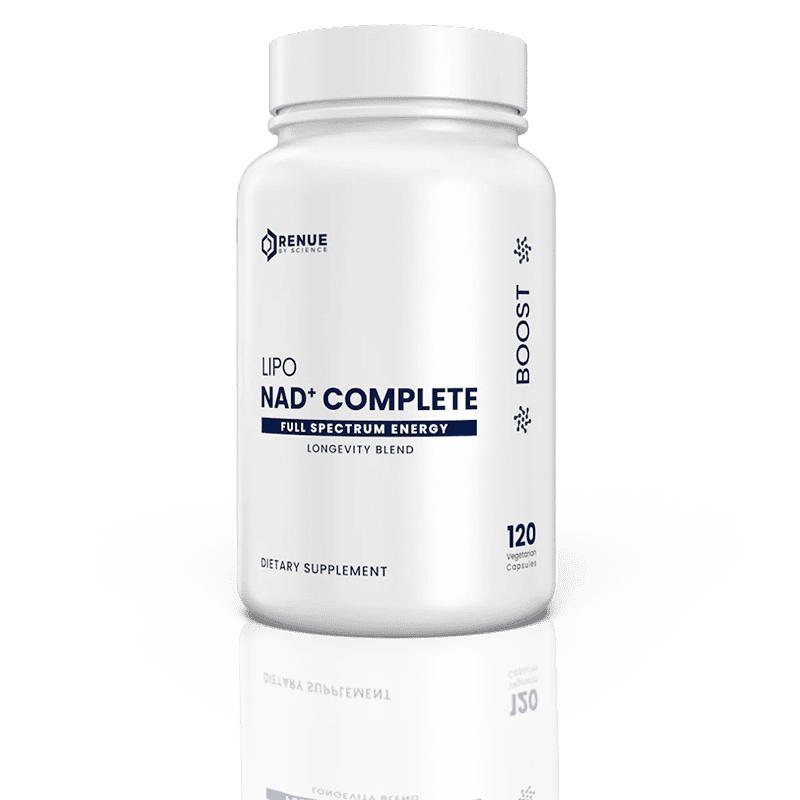
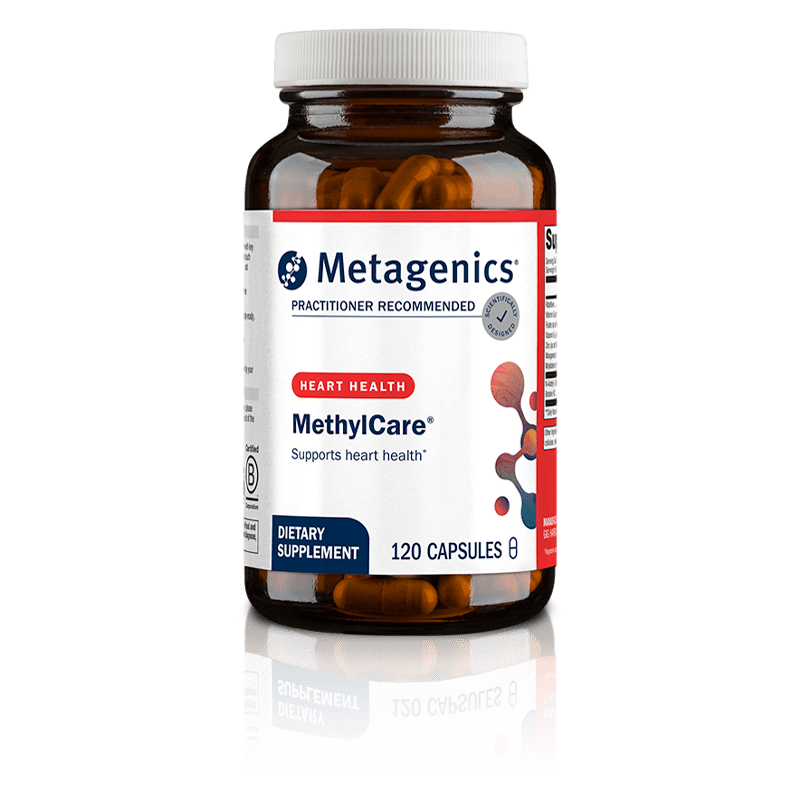
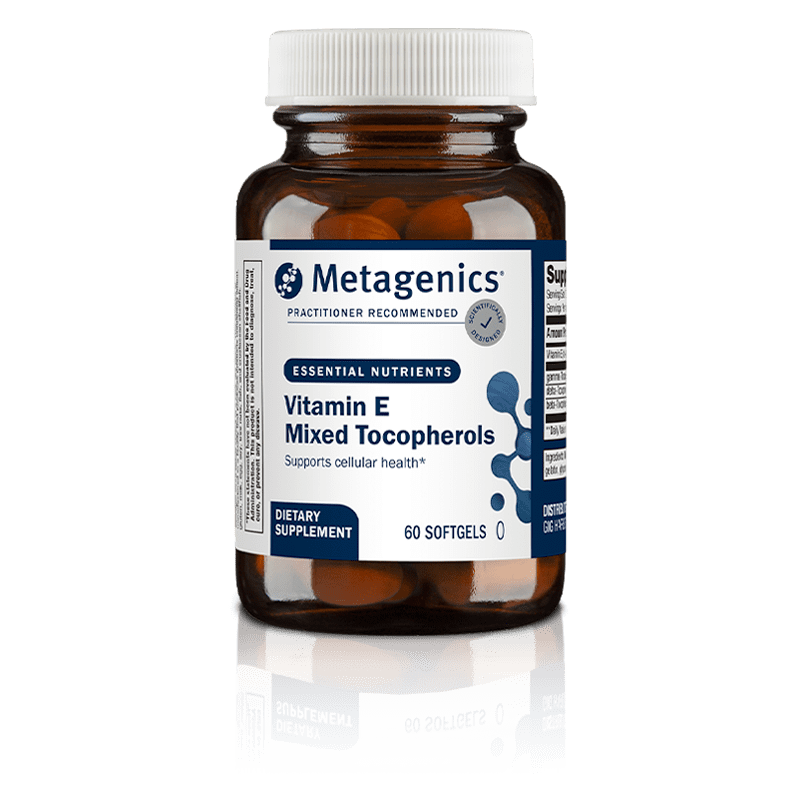
We feature a curated selection of supplements and skincare chosen to support skin health and overall wellness as part of a balanced daily routine. Metagenics Vitamin E with mixed tocopherols provides antioxidant support that many people fold into their everyday skin and overall wellness habits.
These products are available now without a prescription, so you can begin whenever you are ready. As always, talk with your healthcare provider about what fits alongside the care you already have in place.
No two patients are exactly alike. Genetics, allergies, lifestyle, age, medical conditions, and personal preferences all influence how someone responds…
Wound care compounding is the preparation of customized topical medications for wound management based on a healthcare provider’s prescription. These formulations may include topical antibiotics, anti-inflammatory agents, growth-stimulating preparations, moisture-retaining bases and specialized compounding vehicles designed to support the wound healing environment. Compounding allows providers to prescribe preparations in specific strengths and delivery systems not available through standard commercial channels.
Compounding can support the management of a wide range of wound types when prescribed by a healthcare provider. These include acute wounds such as surgical sites, lacerations and burns, as well as chronic wounds including venous ulcers, diabetic foot ulcers, pressure injuries and non-healing surgical wounds. The appropriate formulation depends on the wound type, stage of healing, presence of infection and the provider’s clinical assessment.
Yes. Compounded wound care formulations require a valid prescription from a licensed healthcare provider. Wound care decisions should always involve a qualified provider who can assess the wound, determine the underlying causes of any healing difficulty and prescribe the most appropriate formulation for the individual patient’s situation.
W06 Gel is a PCCA-developed compounding base specifically designed to support moist wound healing. Maintaining a moist wound environment has been studied extensively and is associated with improved healing outcomes compared to dry wound management. W06 Gel provides this moist environment while also serving as an effective vehicle for active ingredients such as topical antibiotics, anti-inflammatory agents or growth factors as prescribed by the provider.
Commercial wound care products are available in fixed formulations with limited ingredient combinations. Compounded wound care preparations allow a healthcare provider to prescribe specific active ingredients at customized concentrations in delivery bases suited to the wound type, stage and location. This is particularly valuable for chronic wounds that have not responded to standard approaches, for wounds requiring a specific antimicrobial agent not available commercially, or for patients with sensitivities to ingredients in commercial wound products.
Yes. Compounded wound care formulations are typically used as one component of a comprehensive wound care plan that may include wound debridement, dressing selection, offloading for foot wounds, compression therapy for venous wounds and management of underlying conditions. The prescribing provider coordinates the overall care plan and determines how compounded preparations fit within that approach.
If your provider determines that a compounded wound care preparation is appropriate, they can send a prescription directly to Pharmacy Solutions. You can also contact the pharmacy directly through the Ask a Pharmacist feature to discuss the process and what information your provider will need to send a prescription.
[1] Sen CK. Human wound and its burden: updated 2020 compendium of estimates. Adv Wound Care. 2021;10(5):281-292. https://pubmed.ncbi.nlm.nih.gov/33733885/
[2] Pharmacy Compounding Accreditation Board (PCAB). Accreditation Commission for Health Care. https://www.achc.org/pcab/
[3] Wounds International. International Wound Infection Institute. Wound infection in clinical practice: an international consensus. 2022. https://www.woundsinternational.com
[4] Winter GD. Formation of the scab and the rate of epithelisation of superficial wounds in the skin of the young domestic pig. Nature. 1962;193:293-294. https://pubmed.ncbi.nlm.nih.gov/14007593/
Tell us a little about what you are looking for and we will take it from there. Whether you have a prescription ready, questions about a therapy your provider mentioned, or just need help figuring out your next step, our team is here and ready to help.
"*" indicates required fields

To submit your order, click the “PRINT/SAVE” button located under this pop-up.

You can save the PDF to your computer to fax at a later date or print it now to fax immediately.

Fax your order form to 817-860-6083 for processing.
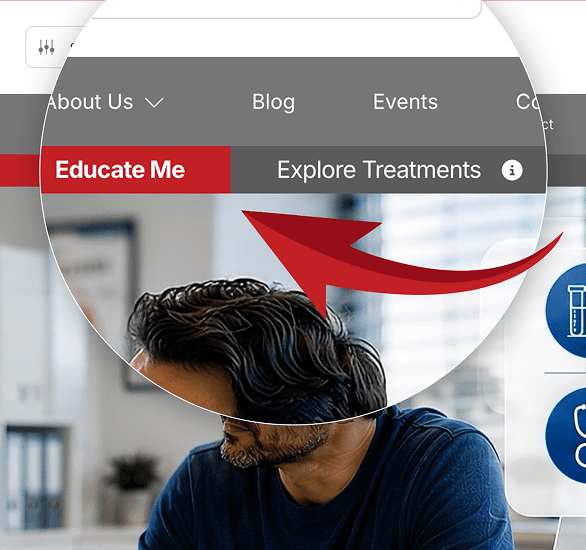
Get detailed information, research, and deeper product context. Toggle on to see more educational content.
Keep things brief and see related products faster. Toggle on to focus on products.

New to Pharmacy Solutions? Register now
Educate Me
Get detailed information, research, and deeper product context.
Toggle on to see more educational content.
Explore Treatments
Keep things brief and see related products faster.
Toggle on to focus on products.