Enjoy 10% off for Patient Appreciation Day with code THANKUJULY on 7/15/2026 only!


Enjoy 10% off for Patient Appreciation Day with code THANKUJULY on 7/15/2026 only!
The Pharmacy will be closed July 4th for Independence Day.
15% off on all sunscreen and probiotics during July with code SUNSAFE15

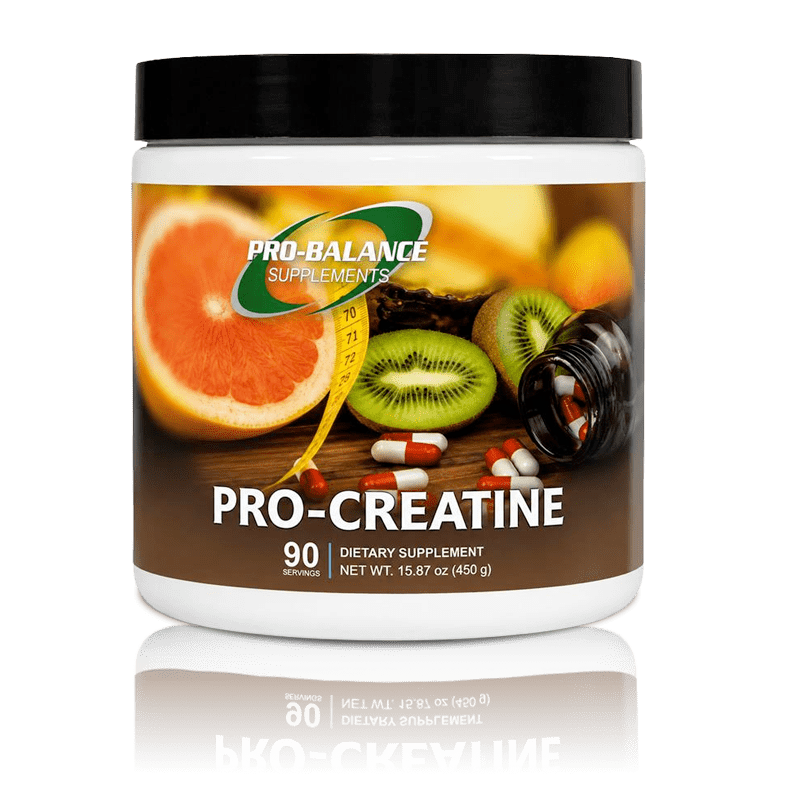
Dry eye disease is complex and often multifactorial. It can involve inflammation, an unstable tear film and changes to the surface of the eye itself.[1][5] For some people, over-the-counter artificial tears and lifestyle adjustments are enough to manage symptoms. For others, particularly those with moderate to severe dry eye or ongoing ocular surface changes, a more targeted approach may be appropriate. This page offers an educational overview of dry eye and how a compounding pharmacy can work alongside a healthcare provider to prepare personalized formulations, including autologous serum eye drops derived from a patient’s own blood.
Dry eye disease occurs when the eyes do not produce enough tears, or when the tears that are produced do not have the right composition to protect the surface of the eye.[5] Common symptoms include a gritty or sandy sensation, burning, stinging, light sensitivity, blurred vision that comes and goes, watery eyes that paradoxically still feel dry, and the feeling that something is in the eye. The condition can develop gradually or appear more suddenly after a trigger such as eye surgery, prolonged screen use, changes in medication or an underlying health condition. A healthcare provider, typically an eye care specialist, can evaluate what is happening and determine the severity and most likely underlying causes.
Several factors can influence how dry eye develops or becomes more persistent over time.
Dry eye affects people across a wide range of ages and backgrounds, though it is more common in adults over 50 and in women overall. Many people first notice it as mild, intermittent irritation that comes and goes. Over time, symptoms can become more persistent or more severe, particularly when contributing factors like screen time, medication changes or hormonal shifts are ongoing. For people with autoimmune conditions, dry eye may be an early sign that prompts diagnosis, or a long-standing companion to the primary condition.[1] If artificial tears and simple adjustments like screen breaks or humidifier use are no longer providing meaningful comfort, or if you are experiencing ongoing irritation, blurred vision or ocular surface changes your eye care provider has identified, it may be time to discuss more personalized options. Earlier conversations with a provider experienced in dry eye care often lead to more tailored plans and can help prevent progression of ocular surface damage.
Because dry eye is often multifactorial, providers typically recommend a layered approach that addresses symptoms, underlying causes and the ocular surface itself. Common approach categories include tear supplementation with over-the-counter artificial tears, prescription anti-inflammatory drops, punctal plugs placed by an eye care provider, lid hygiene and warm compresses, and in more complex cases, compounded formulations designed for the individual patient.
Autologous serum eye drops, often called Auto-Tears or ASEDs, are a compounded option for patients who have not found adequate relief with standard therapies. These drops are made from a small sample of the patient’s own blood. The serum, which is the liquid portion of blood after clotting, is separated, diluted and prepared into sterile ophthalmic drops.[1][2] Because they are derived from your own body, these drops closely mimic the natural composition of healthy tears and contain growth factors, vitamins, anti-inflammatory mediators and proteins that support epithelial healing.[3] Autologous serum drops are often considered for patients with moderate to severe dry eye, poor response to conventional therapies, ocular surface damage or corneal staining, post-surgical dry eye after LASIK or other procedures, and autoimmune-related dry eye such as that associated with Sjögren’s syndrome.[1][4] Beyond autologous serum drops, a compounding pharmacy can also prepare other specialized formulations including preservative-free drops, customized strengths of prescription actives and combination therapies, based on the provider’s prescription.
A compounding pharmacy works alongside healthcare providers to prepare customized medications that are not available in standard commercial form. For dry eye, that flexibility matters. Providers can prescribe preservative-free formulations, adjust concentrations for individual patients and, in the case of autologous serum drops, incorporate the patient’s own biological material into the prescription. Commercial products are designed for broad audiences. Compounded formulations are prepared for one specific patient based on one specific prescription.
Pharmacy Solutions is a licensed 503A compounding pharmacy with PCAB accreditation in sterile compounding and a USP <797> and USP <800> compliant sterile cleanroom. Our technicians are certified in bloodborne pathogen processes, which is an important credential for the preparation of autologous serum drops. Our pharmacists work directly with eye care providers to prepare each prescription as specified and coordinate the delivery process so patients have support along the way. If you have questions about how a compounded formulation is prepared, how to store it or how to coordinate with your healthcare team, you can speak directly with a pharmacist.
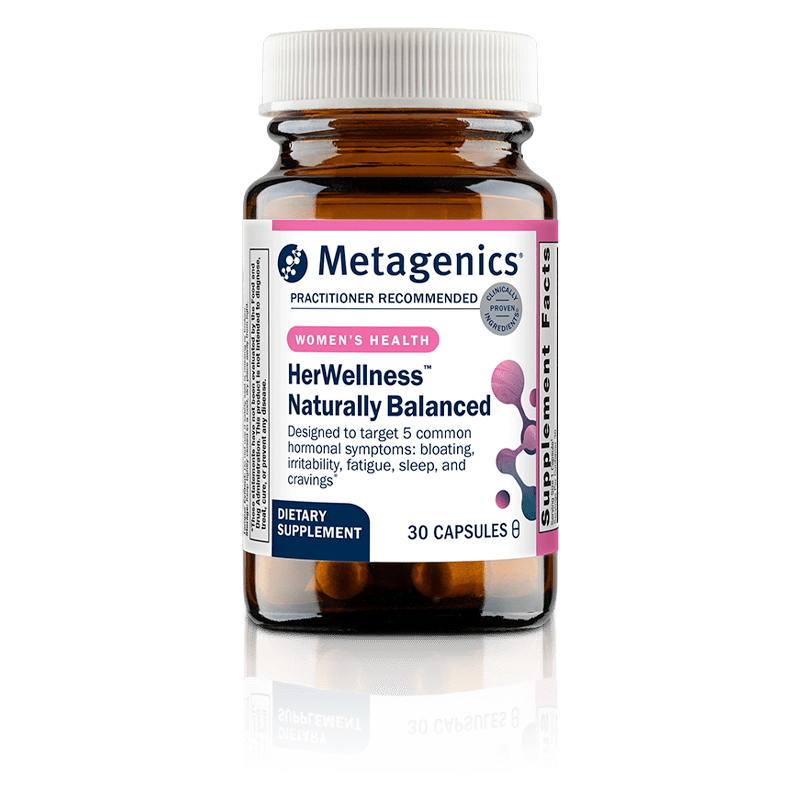
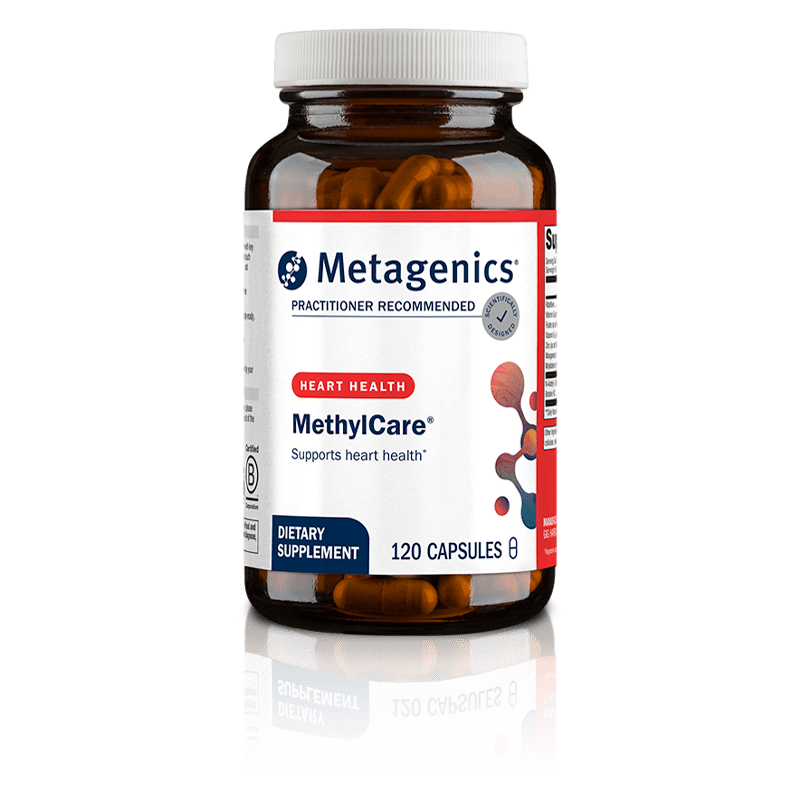
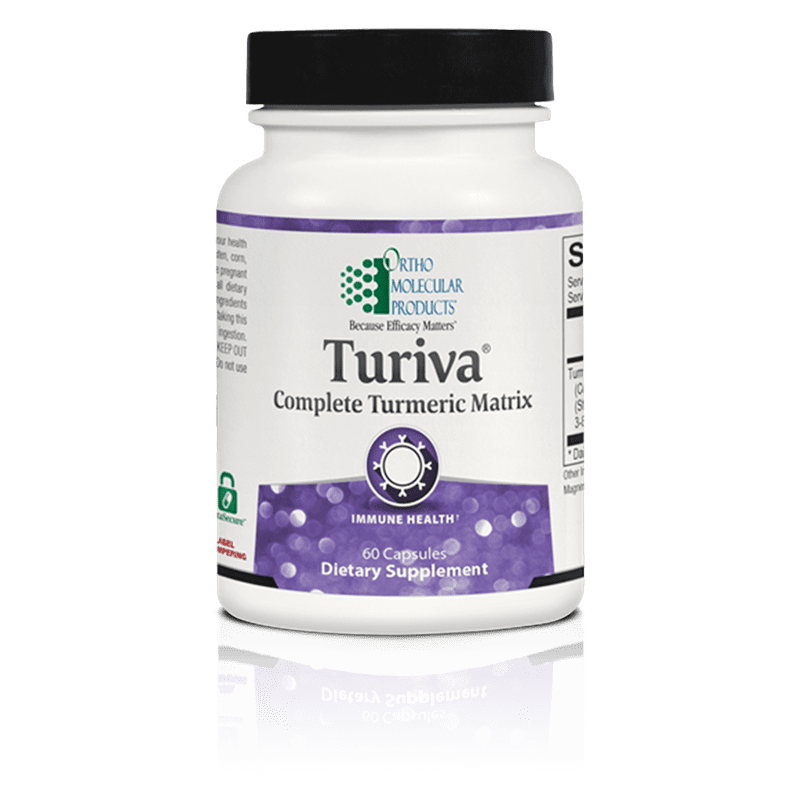
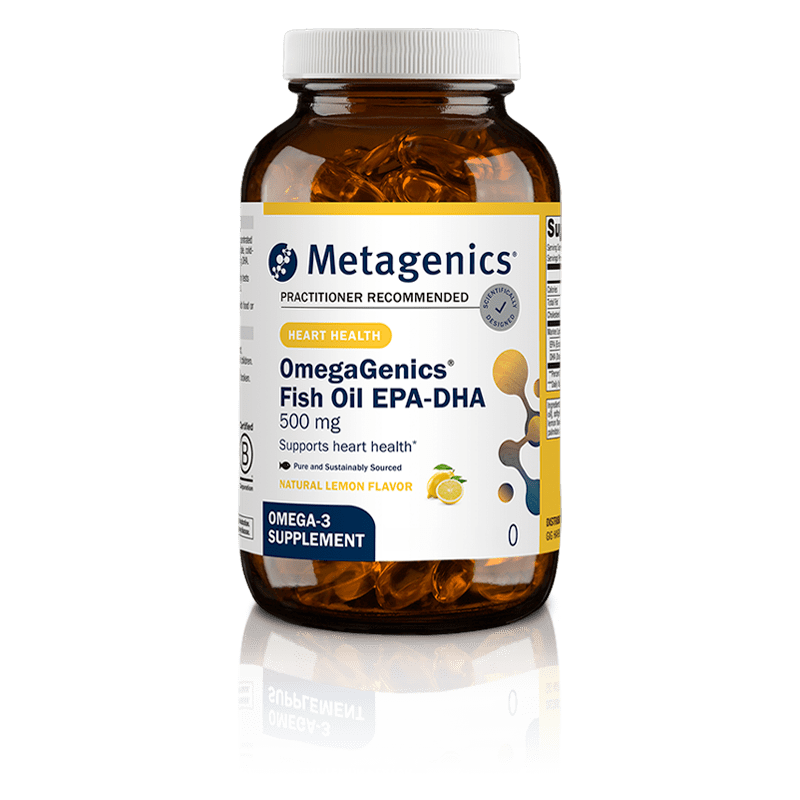
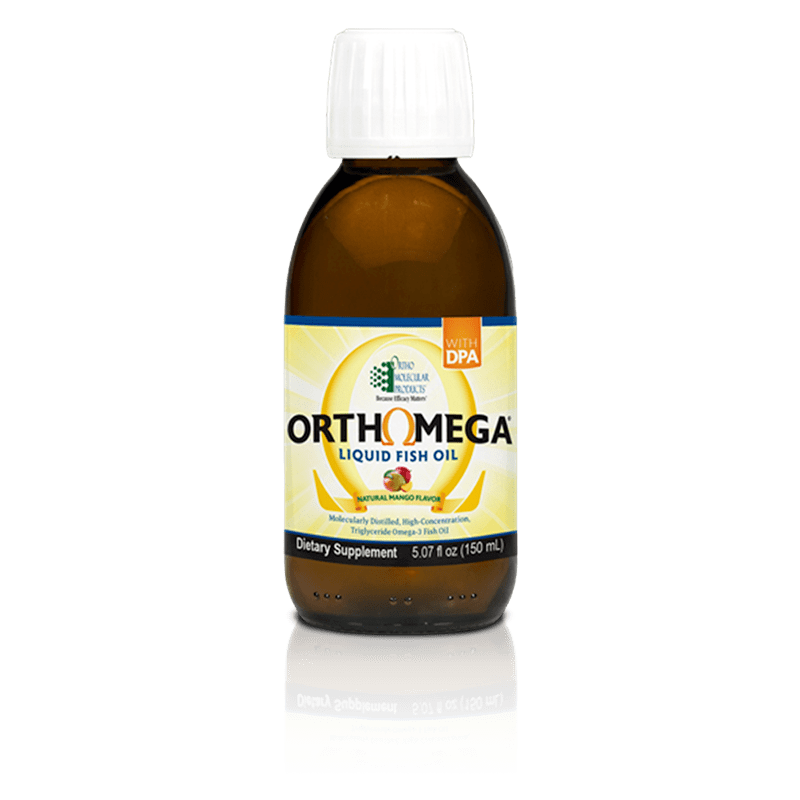
For people with mild to moderate symptoms, or as part of a broader approach alongside provider-directed care, several over-the-counter options may help support eye comfort. Lubricating artificial tears without preservatives are widely available and can be used frequently throughout the day. Omega-3 fatty acid supplements have been studied for their potential role in supporting tear quality and ocular surface health. Lid hygiene products and warm compresses can support meibomian gland function, which contributes to the oily layer of the tear film. Pharmacy Solutions carries pharmaceutical-grade options that may complement a broader care plan.
These products are available without a prescription. As with any supplement or eye care product, discuss use with a qualified healthcare professional to ensure it aligns with your individual health needs.
If your eye care provider prescribes autologous serum eye drops through the Pharmacy Solutions Auto-Tears program, here is a general overview of the process.

I had been using artificial tears for years and nothing was really working anymore. Working with my eye doctor and the pharmacy on serum drops made from my own blood was something I never knew was even an option, and the whole team walked me through every step.
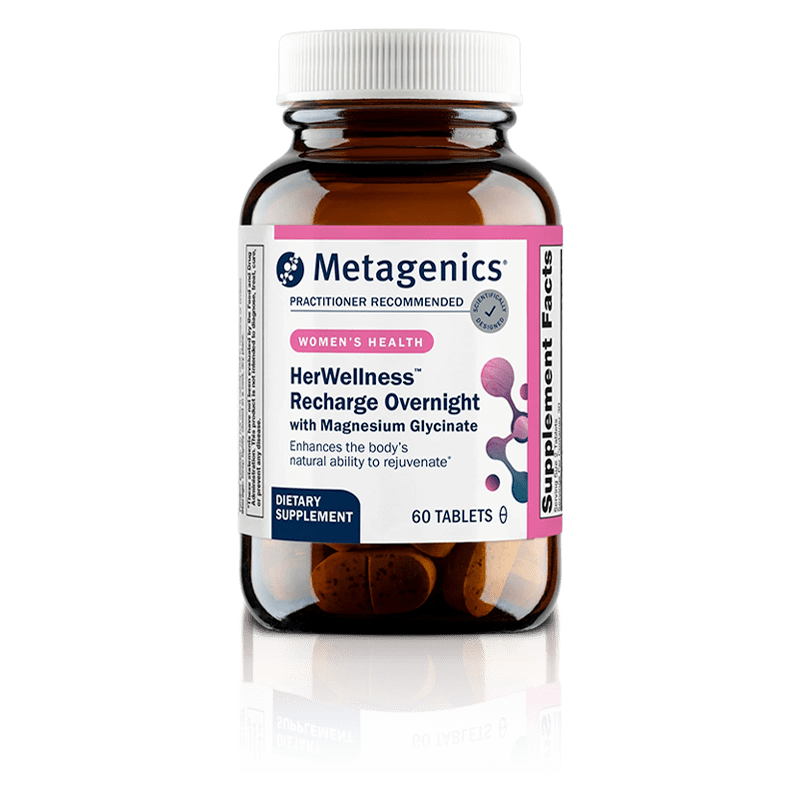
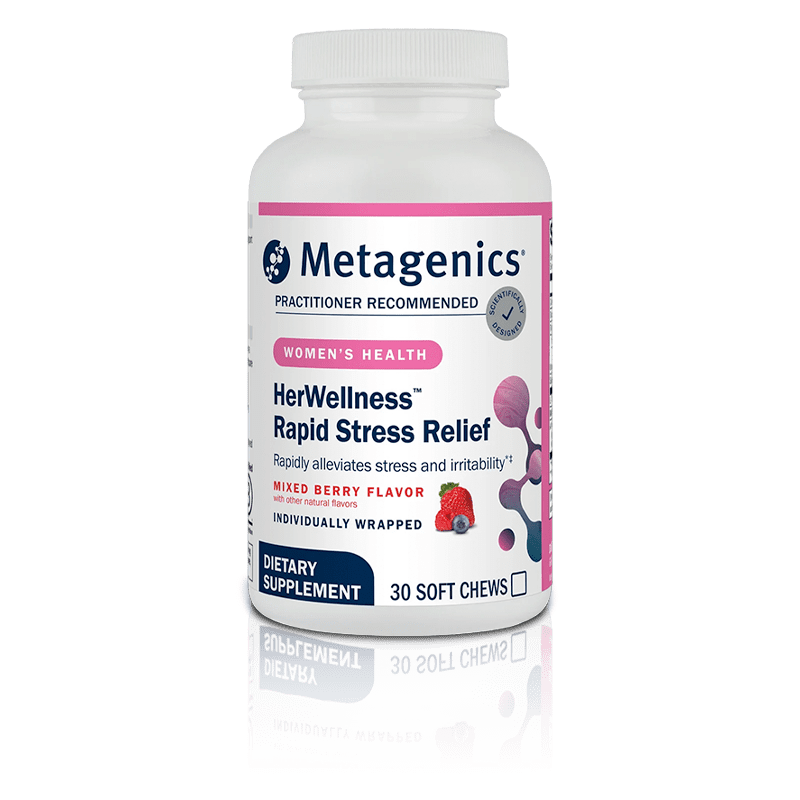
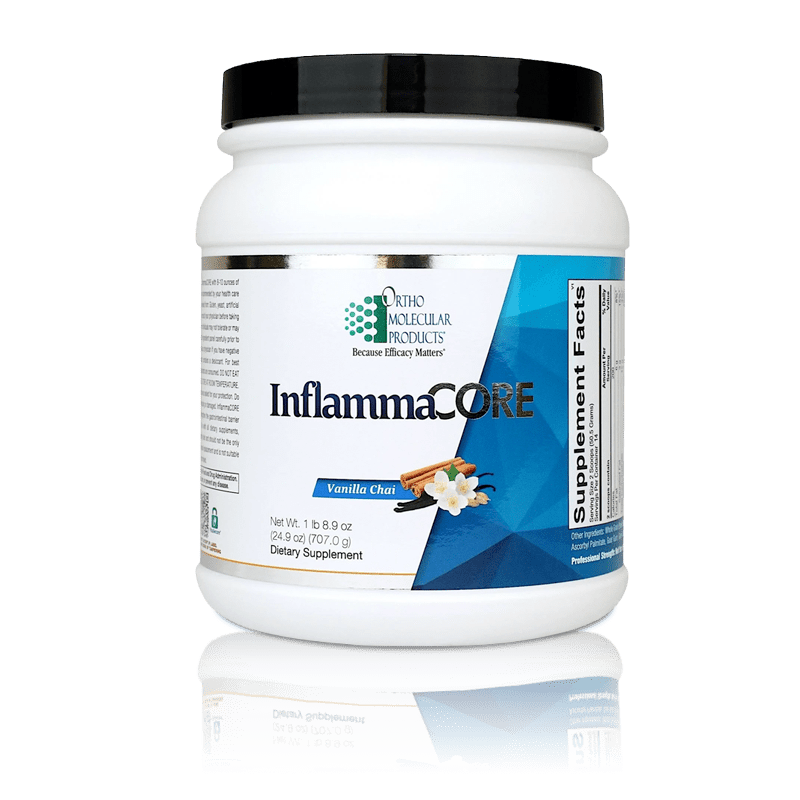
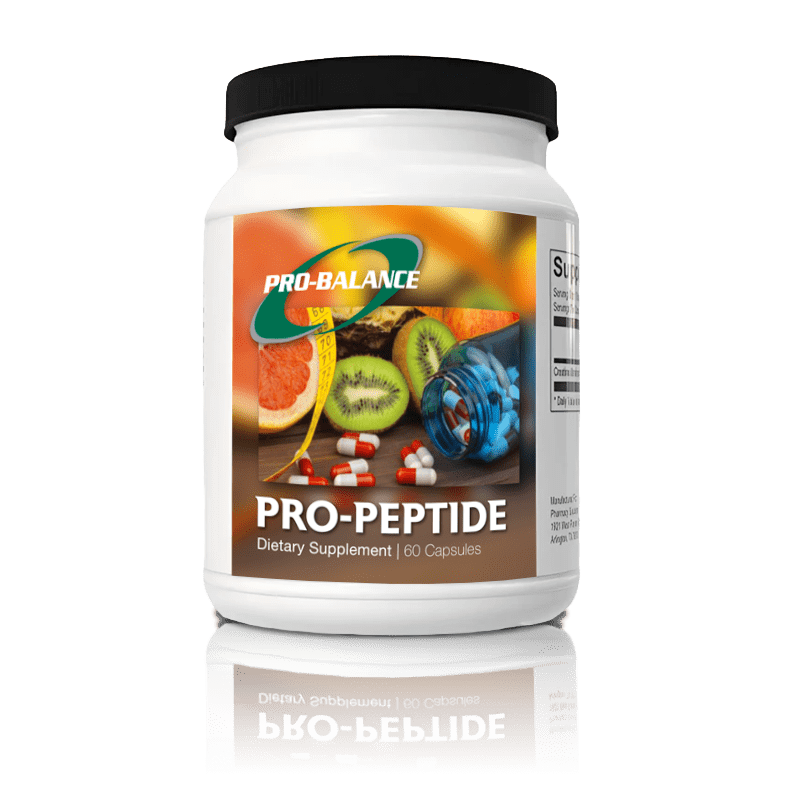
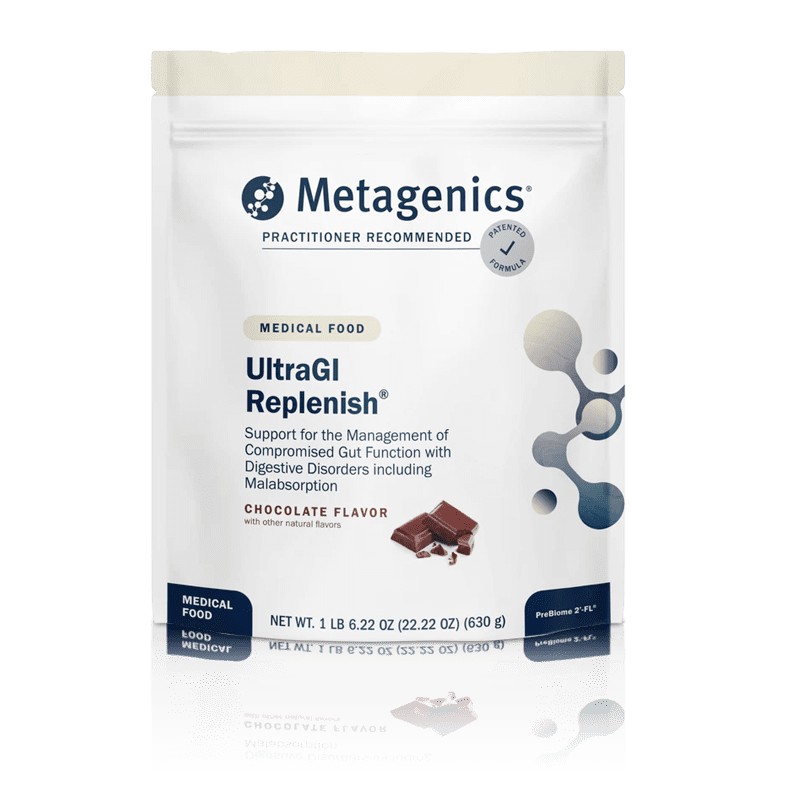
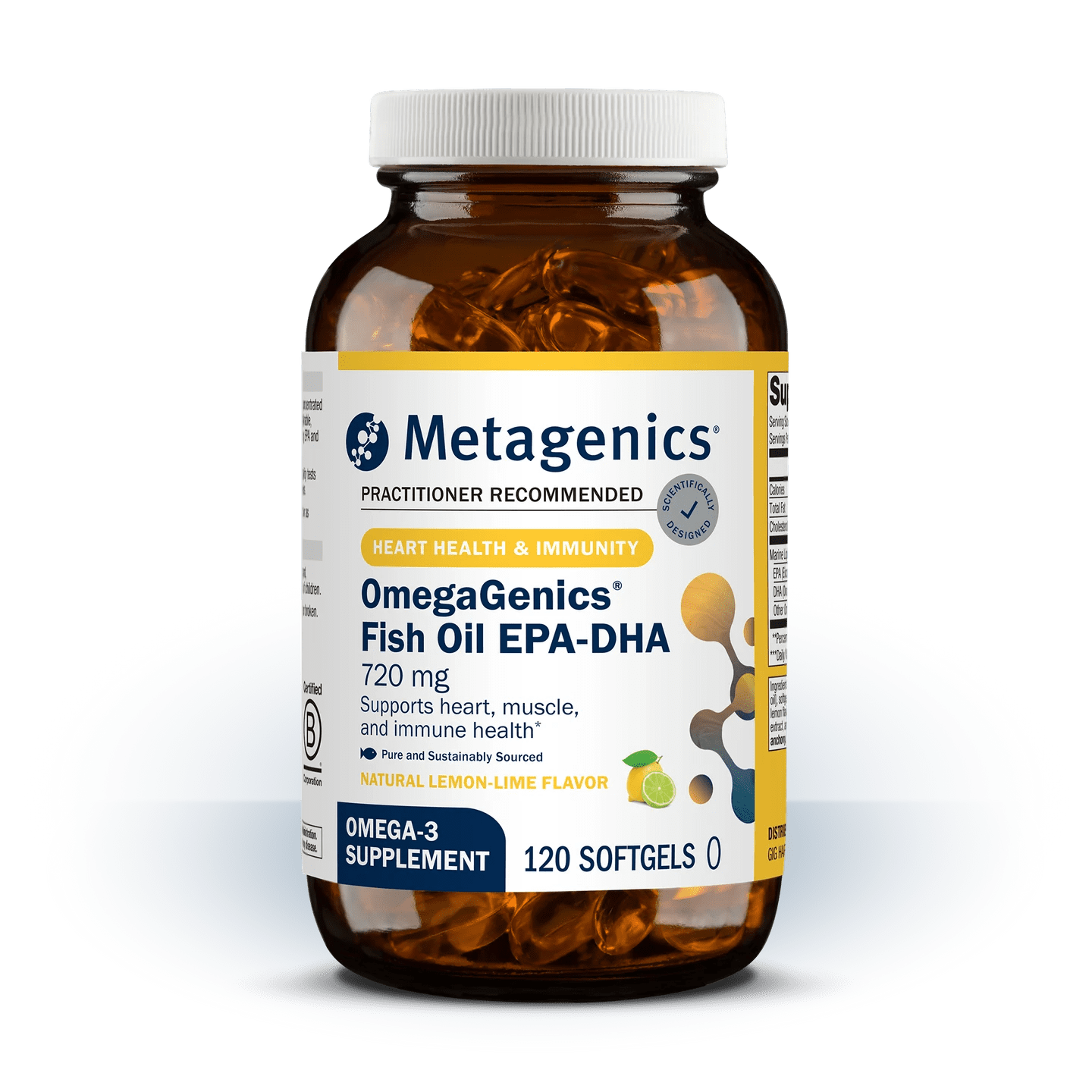
We bring together a curated selection of supplements chosen to support overall wellness as part of a healthy, balanced daily routine. Metagenics OmegaGenics EPA-DHA Softgels 720 is a daily supplement that many people include in a steady, balanced routine to support their everyday wellness goals.
These products are available now without a prescription, so you can start whenever you are ready. Talk with your healthcare provider about which products and daily habits make sense for you and your goals.
As the colder months arrive, so do seasonal colds, influenza, and other respiratory viruses. Spending more time indoors, holiday stress,…
Cold and flu season can place extra demand on the immune system. While healthy habits such as handwashing, quality sleep,…
Autologous serum eye drops, also called Auto-Tears or ASEDs, are prepared from a small sample of the patient’s own blood. The serum is separated from the blood, diluted to a specific concentration and prepared into sterile, preservative-free eye drops. Because they are derived from the patient’s own body, these drops closely mimic the natural composition of healthy tears and contain growth factors, vitamins and proteins that standard artificial tears do not include.[1][2] Artificial tears are widely available over the counter and provide lubrication, but they do not contain these biological components.
Yes. Autologous serum eye drops are prepared only after a licensed healthcare provider, typically an eye care specialist, writes a prescription for a specific patient. The provider also needs to provide a lab order for the blood draw. If you do not currently have a provider who prescribes serum drops, our team can help connect you with one.
After your blood draw, the sample is delivered to Pharmacy Solutions and processed in our sterile cleanroom. Completed drops are typically delivered to your home within 24 hours of the blood draw. You must be home to receive delivery, so timing the blood draw for a day when you will be available is important.
Dosing varies based on the provider’s prescription and the severity of the dry eye. Many patients use the drops several times per day. Because the drops are preservative-free, they typically require refrigeration during active use and freezing for long-term storage. Specific instructions come with every prescription.
Autologous serum drops are often considered for patients with moderate to severe dry eye, those who have not responded well to conventional therapies, patients with ocular surface damage or corneal staining, patients with post-surgical dry eye after LASIK or other procedures, and patients with autoimmune-related dry eye such as that associated with Sjögren’s syndrome.[1][4] An eye care provider determines whether serum drops are appropriate for your specific situation.
Yes. A compounding pharmacy can prepare other specialized formulations for dry eye, including preservative-free versions of prescription actives, customized concentrations of anti-inflammatory drops and combination therapies. What your provider prescribes will depend on your individual evaluation.
If you do not currently have a provider who prescribes compounded eye drops, Pharmacy Solutions may be able to help connect you with practitioners in your area. Optometrists and ophthalmologists are typically the providers who manage dry eye care.
[1] Geerling G, et al. Autologous serum eye drops for ocular surface disorders. Br J Ophthalmol. 2004. https://pubmed.ncbi.nlm.nih.gov/15548795/
[2] Pan Q, et al. Autologous serum eye drops for dry eye. Cochrane Database Syst Rev. 2017. https://pubmed.ncbi.nlm.nih.gov/28245347/
[3] Kojima T, et al. The effect of autologous serum eye drops in the treatment of severe dry eye disease. Am J Ophthalmol. 2005. https://pubmed.ncbi.nlm.nih.gov/15953436/
[4] Liu L, et al. Autologous serum eye drops for dry eye disease: a systematic review and meta-analysis. Cornea. 2020. https://pubmed.ncbi.nlm.nih.gov/31990849/
[5] American Academy of Ophthalmology. Preferred Practice Pattern: Dry Eye Syndrome. https://www.aao.org/preferred-practice-pattern/dry-eye-syndrome-ppp
[6] Tsubota K, et al. TFOS DEWS II Diagnostic Methodology report. Ocul Surf. 2017. https://pubmed.ncbi.nlm.nih.gov/28736338/
Tell us a little about what you are looking for and we will take it from there. Whether you have a prescription ready, questions about a therapy your provider mentioned, or just need help figuring out your next step, our team is here and ready to help.
"*" indicates required fields

To submit your order, click the “PRINT/SAVE” button located under this pop-up.

You can save the PDF to your computer to fax at a later date or print it now to fax immediately.

Fax your order form to 817-860-6083 for processing.
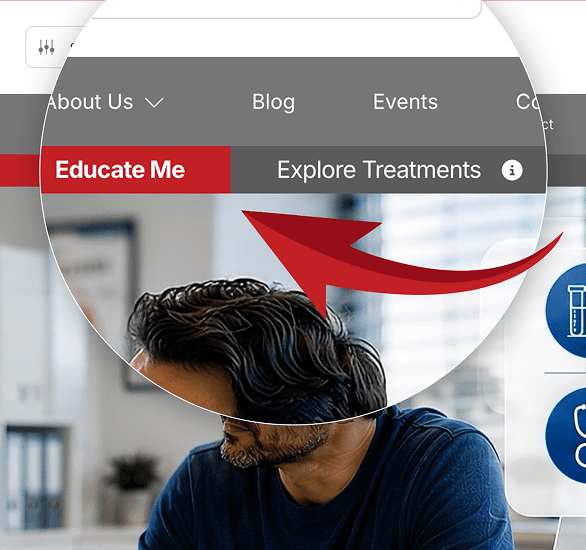
Get detailed information, research, and deeper product context. Toggle on to see more educational content.
Keep things brief and see related products faster. Toggle on to focus on products.

New to Pharmacy Solutions? Register now
Educate Me
Get detailed information, research, and deeper product context.
Toggle on to see more educational content.
Explore Treatments
Keep things brief and see related products faster.
Toggle on to focus on products.