Signup for the Pharmacy Solutions Newsletter for Big Discounts!
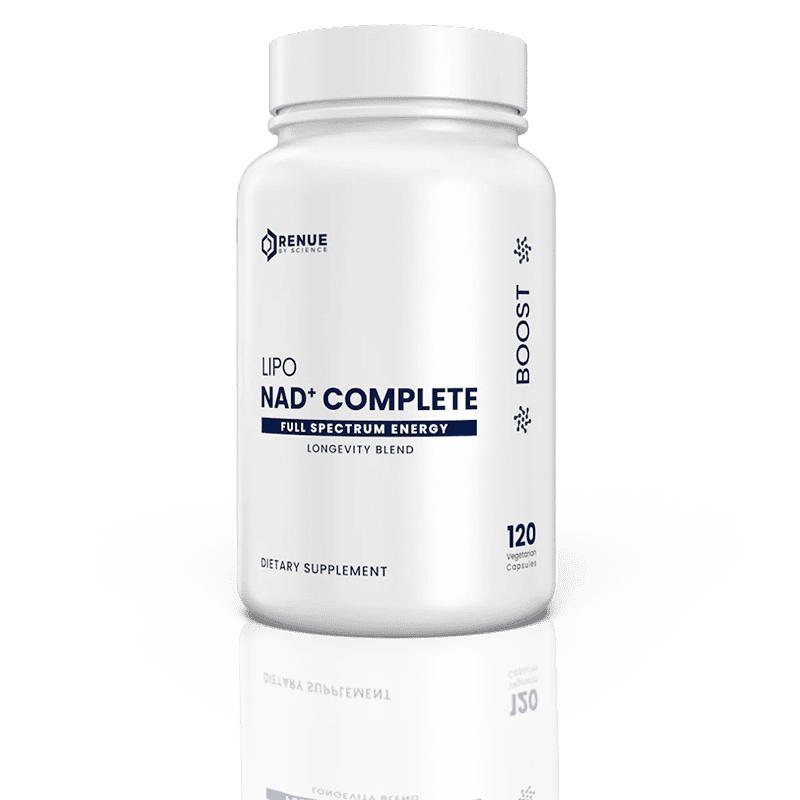
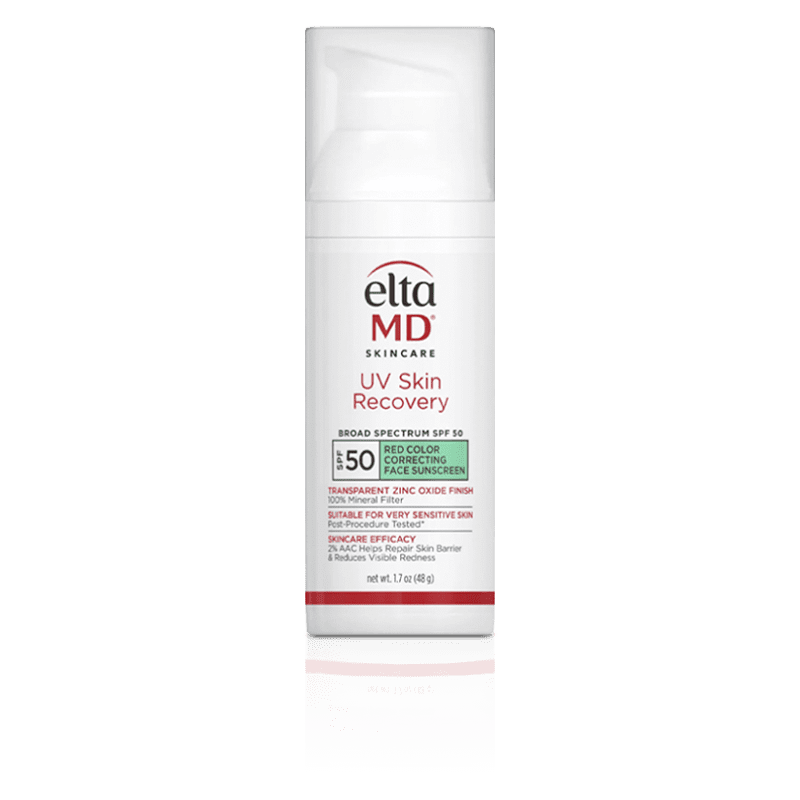



15% off on all sunscreen and probiotics during July with code SUNSAFE15
Enjoy 10% off for Patient Appreciation Day with code THANKUJULY on 7/15/2026 only!
The Pharmacy will be closed July 4th for Independence Day.

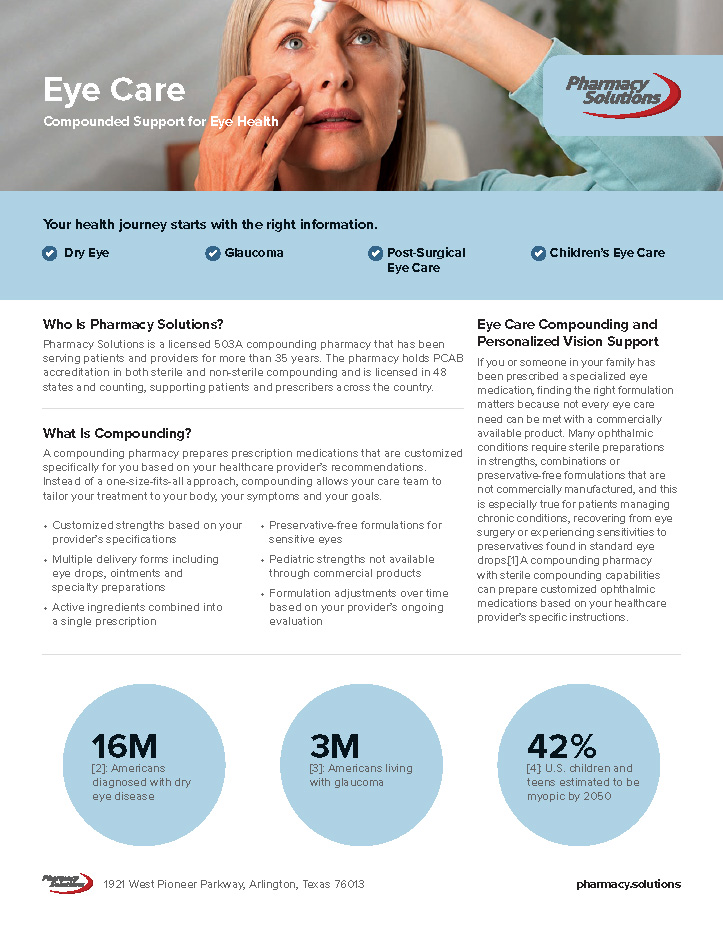
Eye surgery recovery typically involves careful management of inflammation, infection risk and ocular surface healing.[1][2] For most patients, commercial prescription drops are sufficient. For others, particularly those with preservative sensitivity, complex healing needs or specific clinical considerations, a surgeon may prescribe compounded ophthalmic medications to support a more individualized recovery.[3] This page offers an educational overview of post-surgical eye care and how a compounding pharmacy can work alongside your surgeon when personalized formulations are appropriate.
The goal of post-surgical eye care is to protect the eye while it heals. After procedures such as LASIK, PRK, cataract surgery, corneal transplants and other ophthalmic operations, the surgeon typically prescribes a regimen that addresses several priorities at once.[1] These commonly include preventing infection, controlling inflammation, supporting healing of the ocular surface and managing comfort during recovery. The specific drops, drops schedule and duration of use are determined by the surgeon based on the type of procedure, how the eye is responding and any individual factors. Adherence to the prescribed regimen is one of the most important parts of a smooth recovery.
Several areas of focus typically shape a post-surgical regimen.
Most patients recovering from routine eye surgery do well with standard commercial prescription drops and the regimen their surgeon outlines. Compounded post-surgical formulations are typically considered in specific situations. Patients with known preservative sensitivity or ongoing ocular surface disease may benefit from preservative-free versions of standard post-operative medications. Patients recovering from more complex procedures such as corneal transplants, repeat surgeries or procedures with extended healing times may need customized concentrations or combinations not available through commercial manufacturers.[3][4] Patients at elevated infection risk or with unusual clinical considerations may benefit from fortified antibiotic formulations prepared by a compounding pharmacy. Your surgeon determines when and whether a compounded medication is appropriate for your specific recovery. If you have preservative sensitivity or have had difficulty tolerating post-operative drops in the past, mentioning that before surgery can help your surgeon plan ahead.
Post-surgical eye care generally falls into four main categories, each addressing a specific priority in the recovery process. Your surgeon determines which combinations and durations are appropriate based on your procedure and individual response.
Infection prevention is typically addressed with topical antibiotic drops. For most procedures, commercial prescription antibiotics are appropriate. In cases requiring stronger or more targeted therapy than commercial options provide, surgeons may prescribe fortified antibiotic drops prepared by a compounding pharmacy. Common compounded options include vancomycin, tobramycin, cefazolin and ceftazidime, which can be customized to concentration and volume based on the surgeon’s specifications.[1][2]
Inflammation control is typically managed with topical corticosteroids. For patients who have trouble tolerating preservatives in commercial drops, compounded preservative-free options including dexamethasone and methylprednisolone can be prepared to reduce surface irritation while supporting the anti-inflammatory effect the surgeon is aiming for.[3]
Ocular surface healing and protection is particularly important when the corneal surface has been disrupted. Autologous serum eye drops, made from a sample of the patient’s own blood, contain growth factors and proteins that support epithelial healing and can be used in conjunction with other post-operative medications when the surgeon determines they are appropriate.[5] Compounded preservative-free artificial tears and lubricating formulations may also be prepared to support comfort during recovery.
Specialty and advanced therapies are considered for more complex situations. Compounded options include acetylcysteine to help break down mucus and debris on the ocular surface, EDTA for the management of calcium deposits, ophthalmic losartan for potential use in reducing corneal scarring, and antifungal therapies such as voriconazole or amphotericin B when fungal involvement is suspected. These are typically used in specific clinical situations determined by the surgeon.
A compounding pharmacy works alongside surgeons and ophthalmologists to prepare customized medications that are not available in standard commercial form. For post-surgical eye care, that flexibility matters when patients have specific needs beyond what commercial products can provide. Preservative-free versions of standard medications can reduce surface irritation for sensitive patients. Fortified antibiotic drops can be prepared when stronger or more targeted therapy is indicated. Specialty formulations can be prepared for complex clinical situations. Every compounded medication is prepared for one specific patient based on one specific prescription.
Pharmacy Solutions is a licensed 503A compounding pharmacy with PCAB accreditation in sterile compounding and a USP <797> and USP <800> compliant sterile cleanroom. Ophthalmic compounding requires particular attention to sterility, and our pharmacists understand the specifications surgeons need for post-operative care. If you have questions about how a compounded formulation is prepared, how to store it or how to coordinate with your surgical team, you can speak directly with a pharmacist.
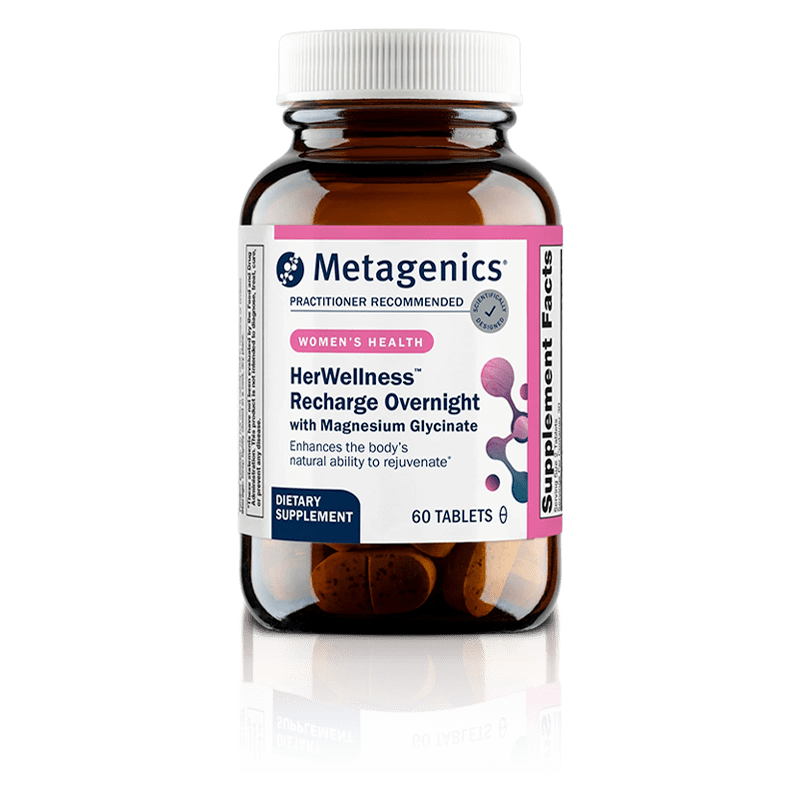
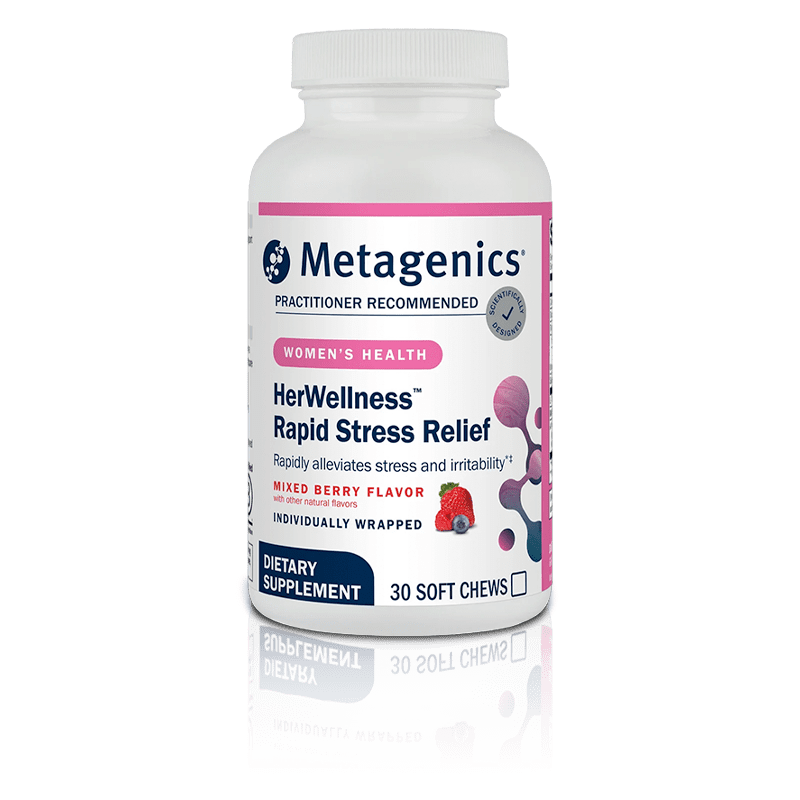
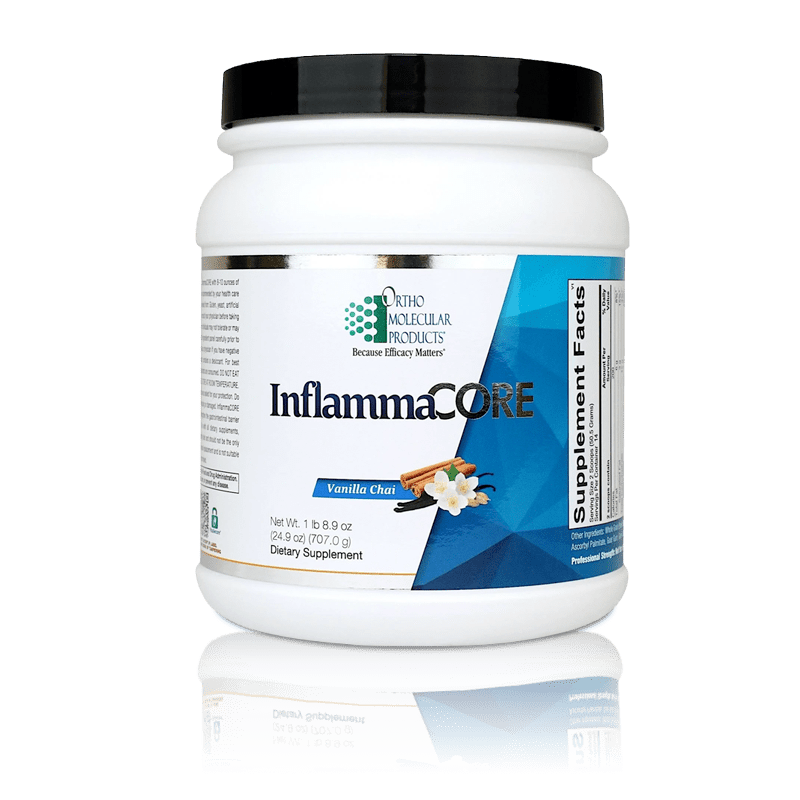
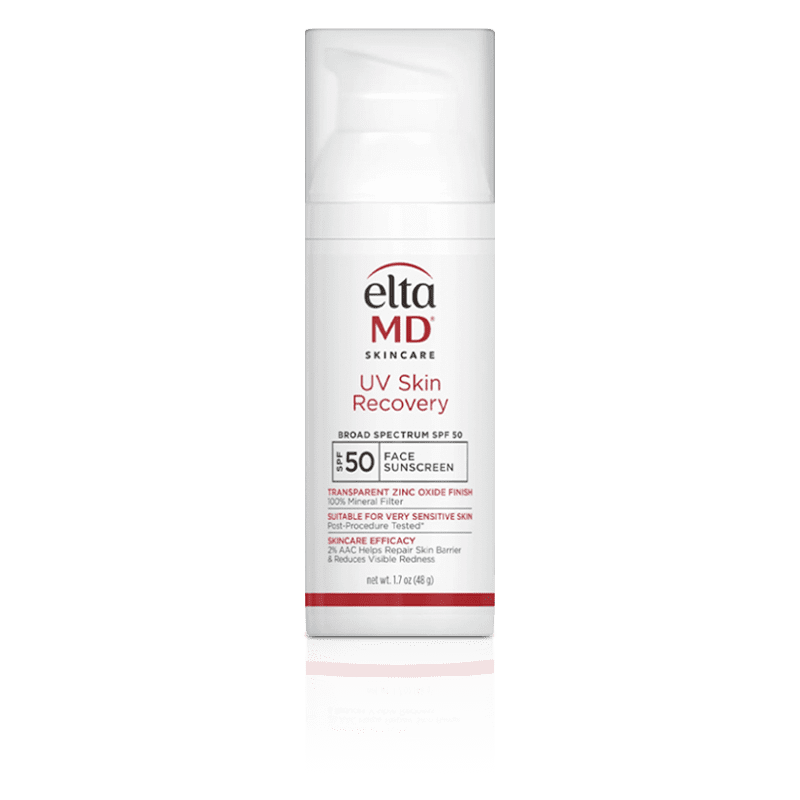
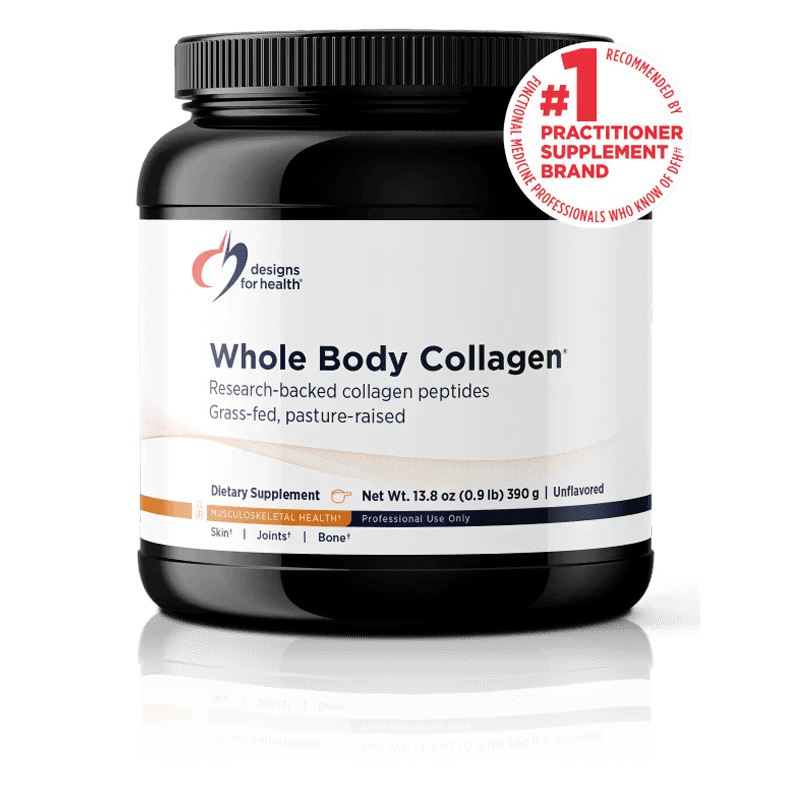
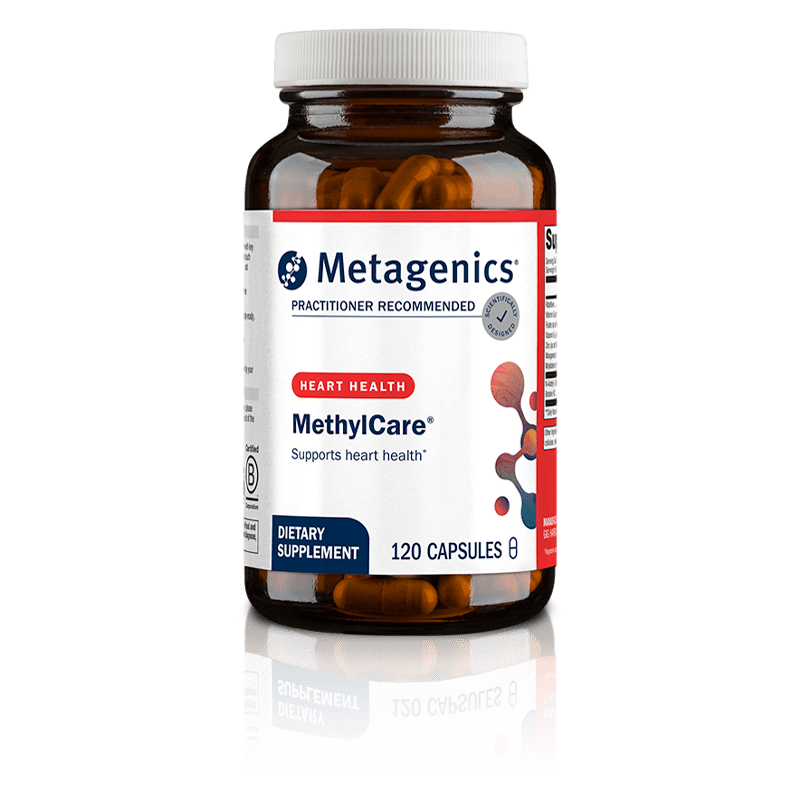
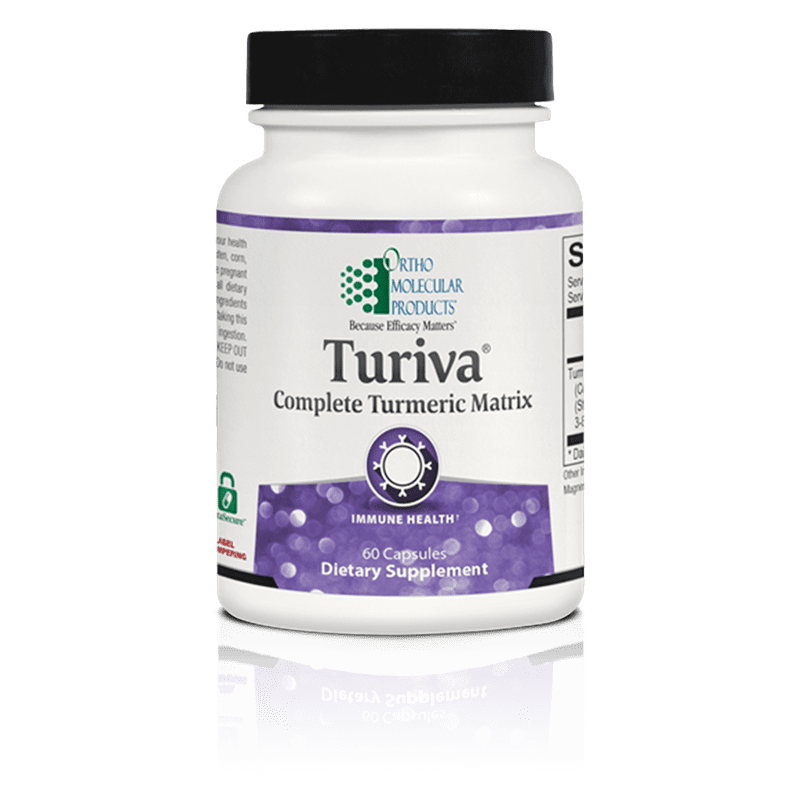
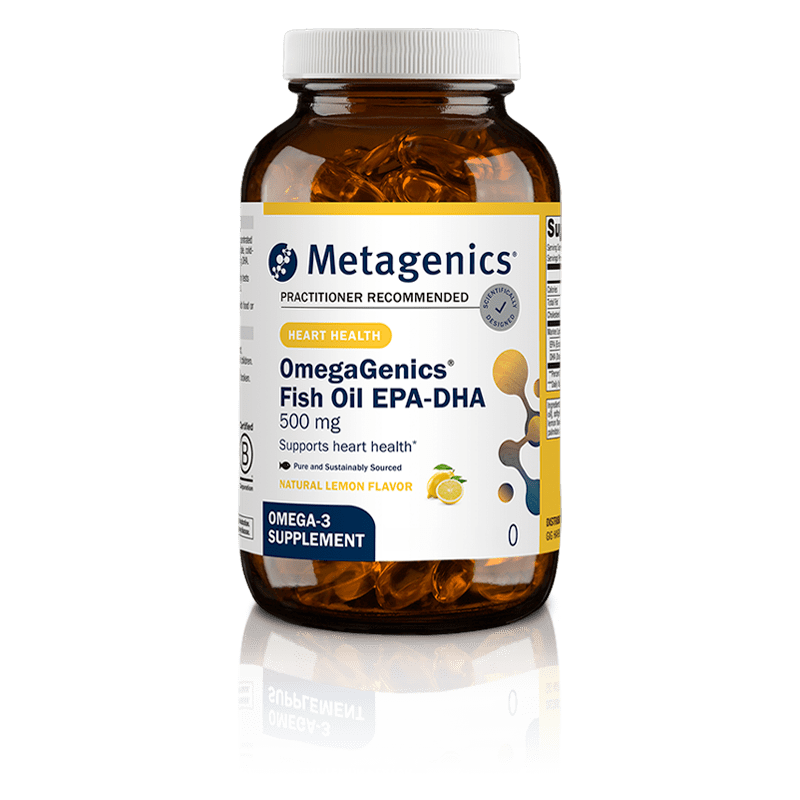
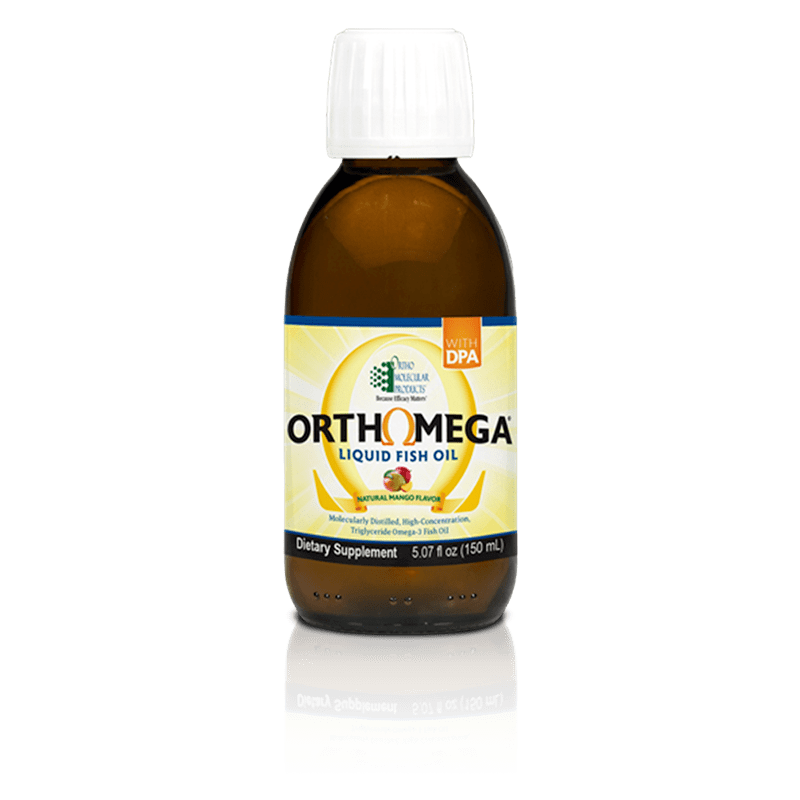
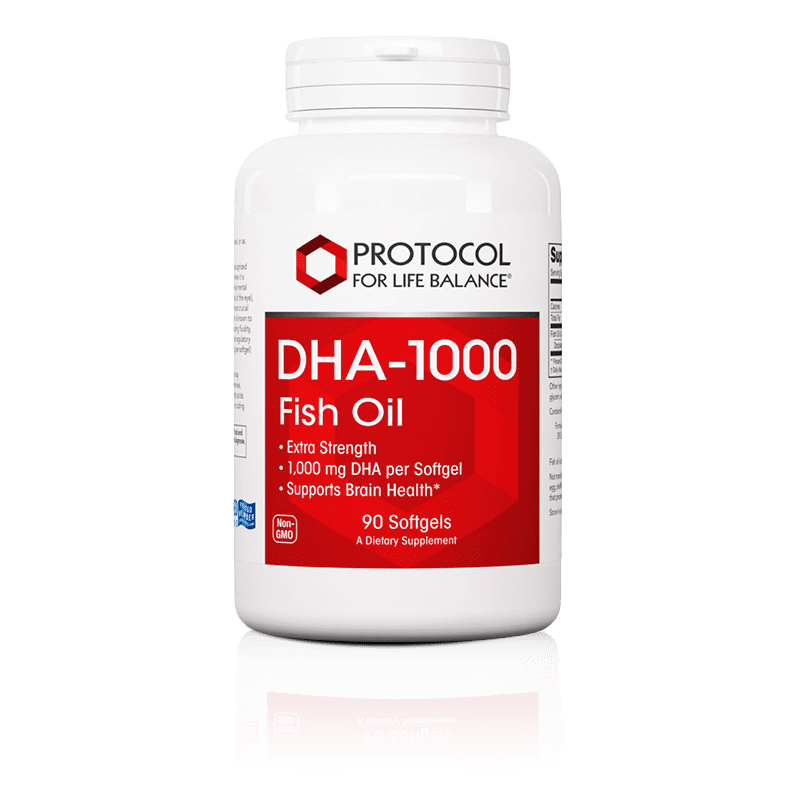
Post-surgical eye care is managed under the direct supervision of your surgeon, and you should not add any product to your regimen without their approval. That includes products that might seem unrelated to the eye itself, because timing and compatibility matter during recovery. That said, many surgeons do recommend over-the-counter preservative-free artificial tears as part of the recovery routine, particularly after procedures that can temporarily affect tear production. Omega-3 fatty acid supplements have been studied for their potential role in supporting tear quality and overall ocular surface health. Pharmacy Solutions carries pharmaceutical-grade options that may complement what your surgeon has prescribed.
Before adding any over-the-counter product to your post-operative regimen, including supplements and lubricating drops, check with your surgeon to make sure it is appropriate for your specific recovery.
Every procedure and patient is different, but a few general principles apply to most post-surgical recoveries.
Recovery after my cataract surgery felt so much less stressful because everything was ready when I needed it. The preservative-free drops my doctor had the pharmacy prepare were much more comfortable than what I had used with a previous procedure, and the team walked me through every step.
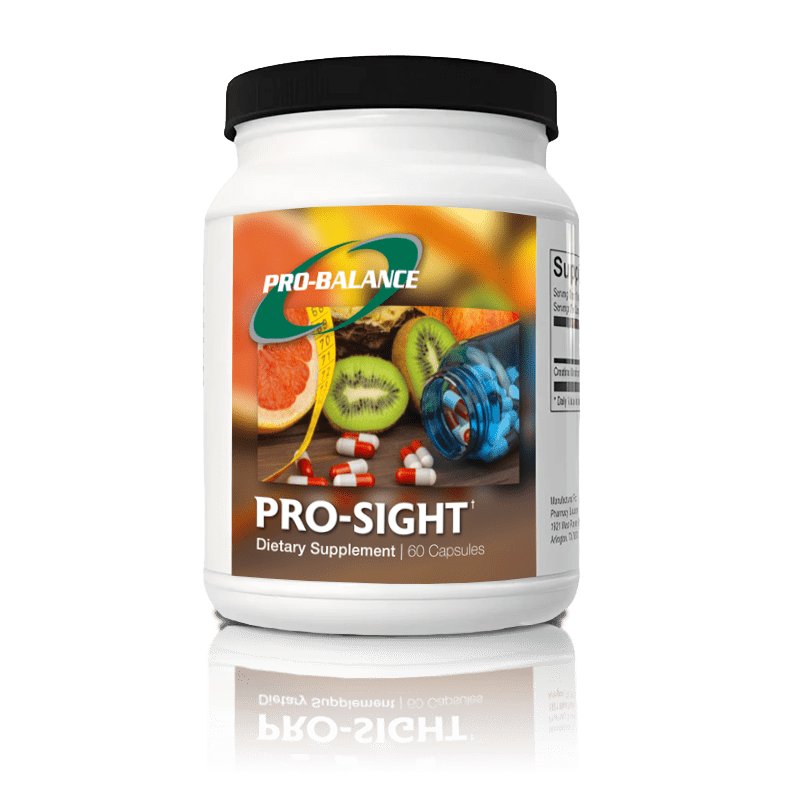
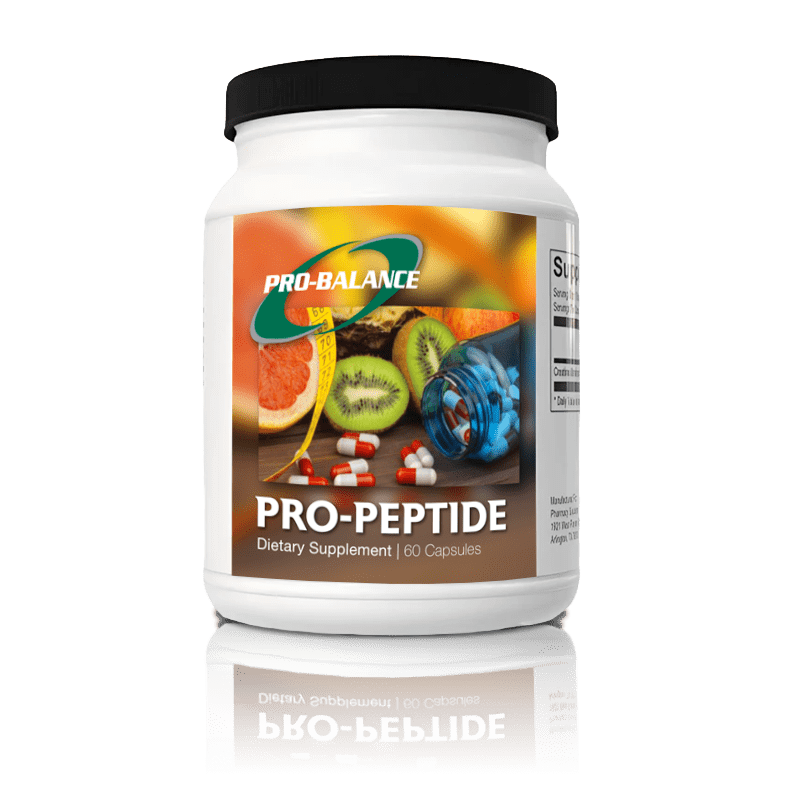
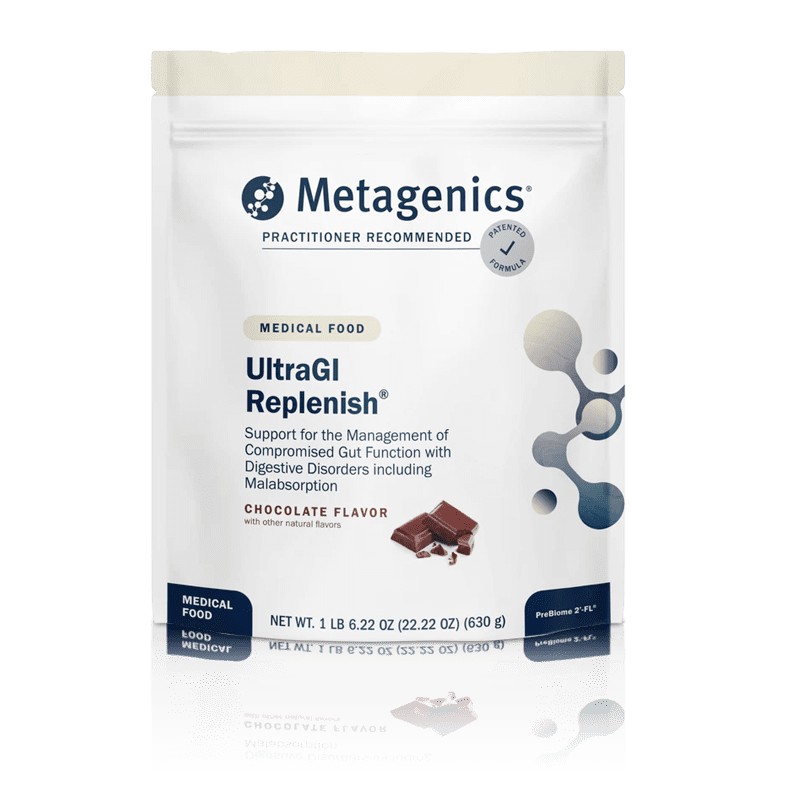
We bring together a curated selection of supplements and everyday essentials chosen to support overall wellness and a balanced daily routine you can rely on. Pro-Sight is a daily formula from the Pro-Balance line that many people include in a steady routine to support their everyday wellness goals.
These products are available now without a prescription, so you can begin whenever you are ready. As always, talk with your healthcare provider about what fits alongside the rest of your daily wellness routine.
Coenzyme Q10, commonly known as CoQ10, is an important nutrient involved in cellular energy production. It plays a key role…
Compounded post-surgical medications are typically prescribed when commercial options are not well tolerated, when stronger or more targeted therapy is needed than commercial products provide, or when a patient has specific considerations such as preservative sensitivity.[3][5] Your surgeon determines when compounded formulations are appropriate for your specific recovery.
Preservatives help keep bottled medications sterile, but with repeated use, they can cause ocular surface irritation for some patients. During post-surgical recovery, when the eye is already healing, that irritation can interfere with comfort and adherence. Preservative-free formulations reduce that irritation and may be particularly useful for patients with known sensitivity or those on extended regimens.
Never adjust your post-surgical regimen on your own. Any substitution, addition or change should be discussed with your surgeon. Compounded formulations are prescribed by your surgical team when they determine a personalized approach is appropriate, and they work alongside or in place of commercial options based on what your surgeon specifies.
Timing depends on the specific formulation. Most compounded ophthalmic medications can be prepared within a short window once the prescription is received. For more complex preparations such as autologous serum drops, the process involves a blood draw and additional preparation time. Your provider’s office and the pharmacy can help coordinate timing with your surgery date.
Yes, in some cases. Autologous serum drops contain growth factors and proteins that can support ocular surface healing and may be prescribed for patients recovering from procedures that significantly disrupt the corneal surface, or for patients with persistent post-surgical dry eye.[5] Your surgeon determines whether autologous serum drops are appropriate for your recovery.
Yes. All compounded medications are prepared only after a licensed provider writes a prescription for a specific patient. For post-surgical eye care, the prescription typically comes from the surgeon or a member of the surgical team.
Contact your surgeon’s office right away. Never stop or change your medications on your own, even if you are experiencing side effects, because stopping therapy abruptly can affect healing. Your surgical team can evaluate what is happening and determine whether an adjustment is appropriate.
[1] American Academy of Ophthalmology. Preferred Practice Pattern: Cataract in the Adult Eye. https://www.aao.org/preferred-practice-pattern/cataract-in-adult-eye-ppp
[2] American Academy of Ophthalmology. Cornea and External Disease Preferred Practice Patterns. https://www.aao.org/browse-all/preferred-practice-pattern
[3] McDonald MB, et al. Topical corticosteroid use after ocular surgery. Ophthalmology Clinics. https://pubmed.ncbi.nlm.nih.gov/
[4] Pflugfelder SC, et al. Management of ocular surface disease. Cornea. https://pubmed.ncbi.nlm.nih.gov/
[5] Geerling G, et al. Autologous serum eye drops for ocular surface disorders. Br J Ophthalmol. 2004. https://pubmed.ncbi.nlm.nih.gov/15548795/
[6] Baudouin C, et al. Preservatives in eyedrops: the good, the bad and the ugly. Prog Retin Eye Res. 2010. https://pubmed.ncbi.nlm.nih.gov/20302969/
Tell us a little about what you are looking for and we will take it from there. Whether you have a prescription ready, questions about a therapy your provider mentioned, or just need help figuring out your next step, our team is here and ready to help.
"*" indicates required fields

To submit your order, click the “PRINT/SAVE” button located under this pop-up.

You can save the PDF to your computer to fax at a later date or print it now to fax immediately.

Fax your order form to 817-860-6083 for processing.
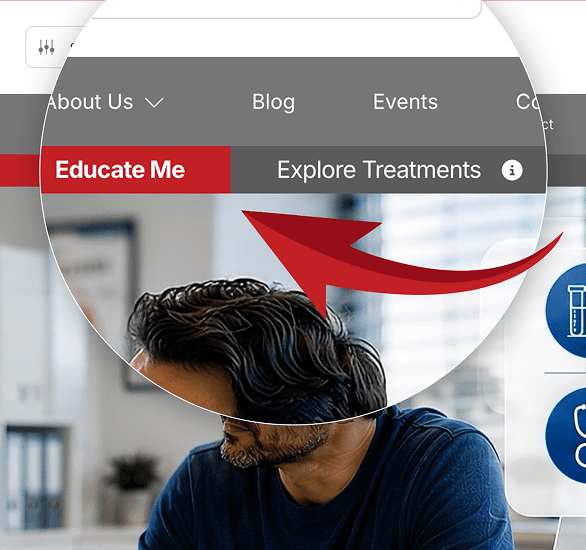
Get detailed information, research, and deeper product context. Toggle on to see more educational content.
Keep things brief and see related products faster. Toggle on to focus on products.

New to Pharmacy Solutions? Register now
Educate Me
Get detailed information, research, and deeper product context.
Toggle on to see more educational content.
Explore Treatments
Keep things brief and see related products faster.
Toggle on to focus on products.