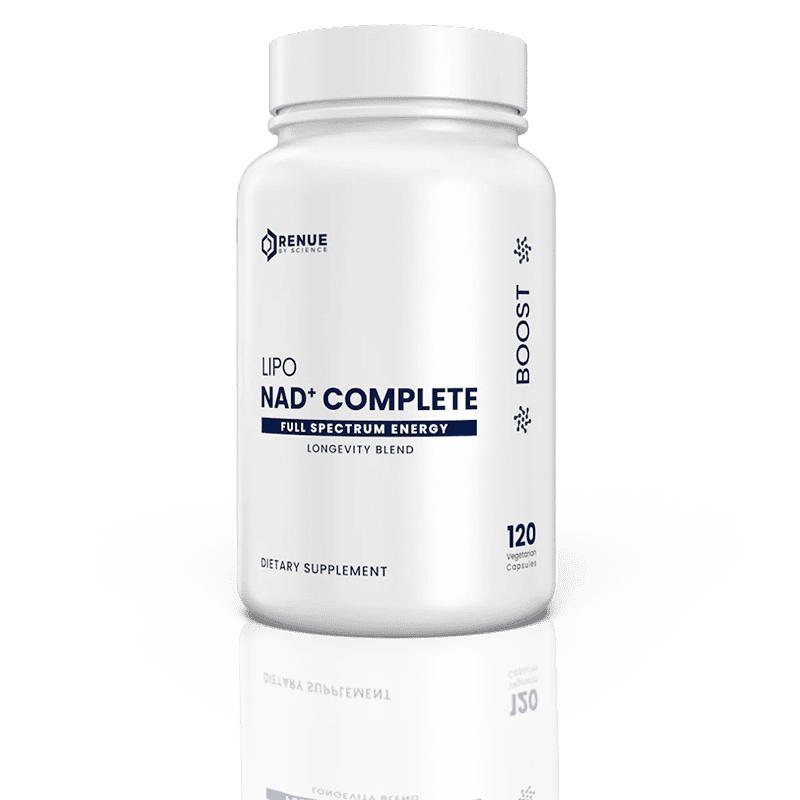
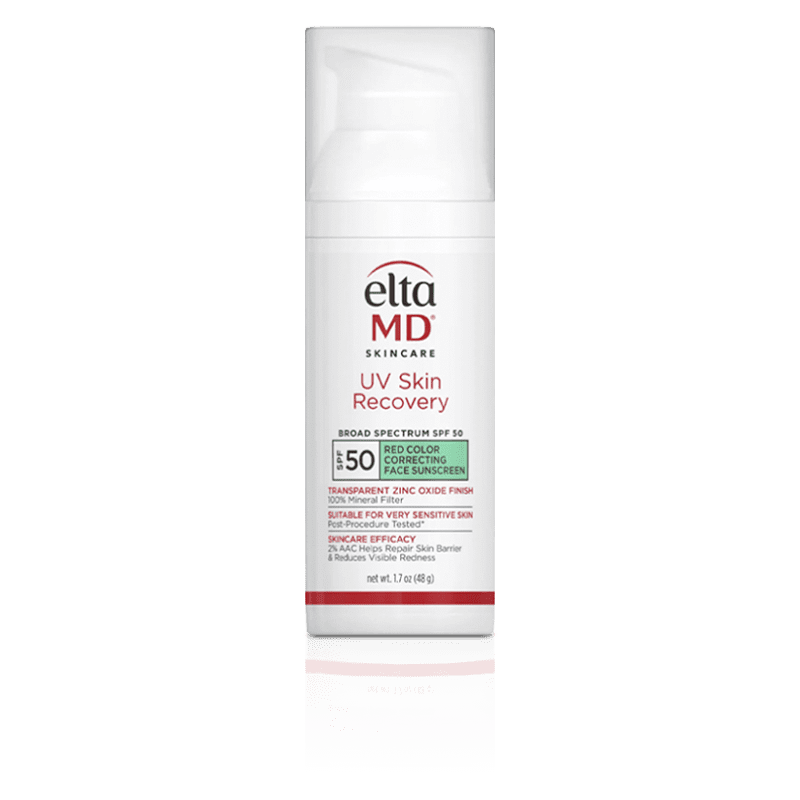
15% off on all sunscreen and probiotics during July with code SUNSAFE15


15% off on all sunscreen and probiotics during July with code SUNSAFE15
Enjoy 10% off for Patient Appreciation Day with code THANKUJULY on 7/15/2026 only!
The Pharmacy will be closed July 4th for Independence Day.





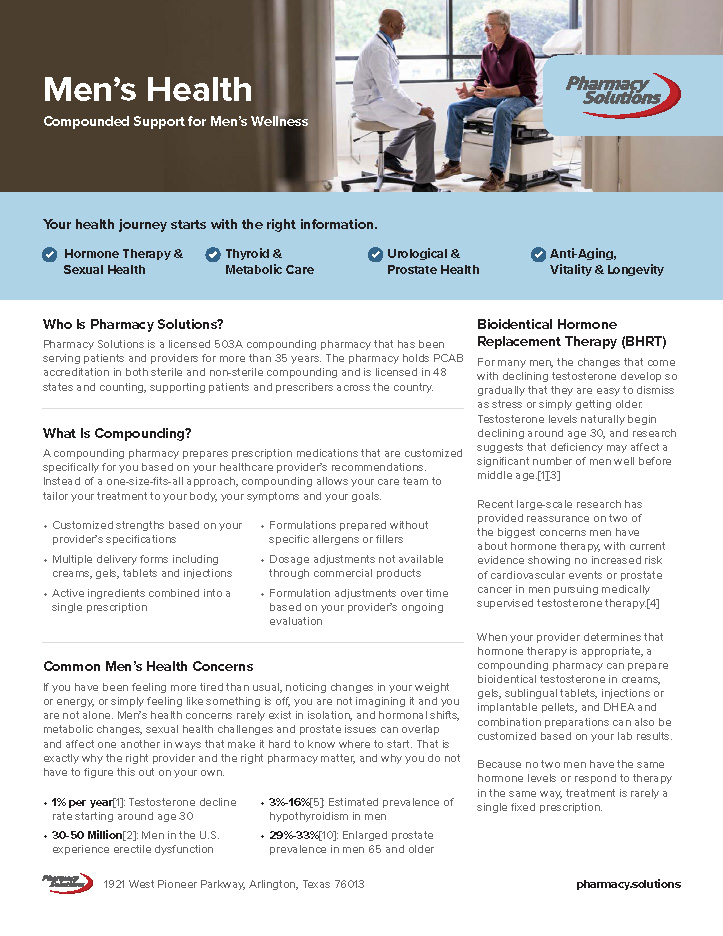
For many men, the word “prostate” immediately brings prostate cancer to mind. That concern is understandable. Prostate cancer is the second leading cause of cancer death in men in the United States, and surveys consistently show it is the cancer men think about and fear most.[7] At the same time, the most common day-to-day prostate concerns men experience are connected not to cancer but to a noncancerous condition called benign prostatic hyperplasia, or BPH. Understanding the difference, knowing when to discuss screening with a healthcare provider, and having access to accurate information are all meaningful steps. This page provides an educational overview of prostate health covering both BPH and prostate cancer awareness, including what current research says about common misconceptions such as the relationship between testosterone therapy and prostate cancer risk.
Prostate health encompasses more than one condition. Benign prostatic hyperplasia is a noncancerous enlargement of the prostate gland that affects millions of men as they age and is the most common cause of lower urinary tract symptoms in men over 50.[1][2] Prostate cancer is a separate and distinct condition that develops in the cells of the prostate gland and is the most commonly diagnosed cancer among American men.[7] While BPH and prostate cancer can produce some similar symptoms, they arise from different processes and require different evaluation and management approaches. Regular screenings, including PSA testing, play an important role in early detection and monitoring. A healthcare provider can help clarify what your symptoms may indicate and guide appropriate next steps.
Several factors have been associated with the development and progression of BPH and related prostate changes.
Prostate changes are not limited to older men, though they become significantly more common with age. Research suggests that the histological prevalence of BPH is approximately 8% in the fourth decade of life, rising to 50% by the sixth decade and reaching 80% or higher by the ninth decade.[1][2] The prevalence of moderate to severe lower urinary tract symptoms follows a similar pattern, affecting roughly one quarter of men in their 50s, one third of men in their 60s and about half of all men aged 80 years and older.[4]
If you have noticed persistent changes in urinary frequency, urgency, stream strength or nighttime bathroom visits, it may be worth discussing these concerns with a healthcare provider. Symptoms that disrupt sleep, interfere with daily activities or cause significant discomfort warrant evaluation. A provider can help rule out other conditions, order appropriate screenings including PSA testing where indicated, and identify approaches that may improve quality of life. Early conversation is valuable even when symptoms are mild, as it establishes a baseline for monitoring changes over time.
Prostate cancer is the second leading cause of cancer death in American men and the most commonly diagnosed non-skin cancer in the country.[7][8] Regular PSA screening discussions with a healthcare provider remain one of the most important tools for early detection. While not appropriate for every man, PSA testing can be a meaningful part of prostate health monitoring, particularly for men with family history or other risk factors.
The decision about whether and when to screen should be a shared conversation between a patient and a qualified healthcare provider.
One concern that frequently arises in conversations about men’s hormonal health is whether testosterone therapy increases the risk of prostate cancer. Historically, this relationship was assumed to be significant. However, more recent research has not supported that assumption in men with healthy baseline prostate status. Multiple studies examining testosterone therapy, including a meta-analysis reviewing outcomes across thousands of patients, found no statistically significant increase in prostate cancer incidence in men receiving testosterone therapy compared to those who did not.[9] That said, any decision about testosterone therapy requires a thorough evaluation including PSA levels and prostate assessment, with ongoing monitoring throughout the course of care. Your healthcare provider can help determine whether testosterone therapy is appropriate for you based on your individual health profile.
When your healthcare provider determines that medical management may be appropriate, there are several categories of prescription medications available. The choice of approach depends on symptom severity, prostate size, individual health status and personal preferences. Common prescription categories include:
Therapy is typically monitored through regular follow-up visits and periodic assessments to ensure the approach remains appropriate.[5] Your healthcare provider can help determine which option best fits your needs based on thorough evaluation and open communication.
A compounding pharmacy works alongside healthcare providers to prepare customized medications that may not be available in standard commercial forms. This means your prescription can be tailored to a specific strength, delivery method or formulation that fits your needs. Pharmacists with experience in men’s health can answer questions about how medications are prepared, what to expect during use and how to coordinate with your healthcare provider.
Pharmacy Solutions is a licensed 503A compounding pharmacy with PCAB accreditation in both sterile and non-sterile compounding. The pharmacy has supported men’s wellness needs for more than 30 years and offers multiple dosage forms for a variety of health concerns. Beyond prescription medications, the pharmacy also offers pharmaceutical-grade supplements and educational resources to help you make informed decisions. If you have questions about compounded prescriptions or want to learn more about supporting your prostate health, you can speak directly with a pharmacist.
Some men explore over-the-counter supplements as part of a broader approach to prostate wellness. Several plant-based compounds, nutrients and amino acids have been studied for their potential role in supporting urinary comfort and prostate function. Pharmacy Solutions carries pharmaceutical-grade options available without a prescription.
Research on saw palmetto has been extensive. A meta-analysis of 18 randomized controlled trials involving nearly 3,000 men found that saw palmetto significantly supported normal urinary flow rate and nighttime urinary frequency.[10] Certain clinical comparisons have placed saw palmetto alongside commonly prescribed medications for BPH, with studies reporting outcomes comparable to standard prescription options for urinary symptom scores and flow rate.[11]
Pygeum africanum, derived from the bark of an African evergreen tree, has been studied for decades as a botanical approach to prostate support. It is among the most widely used options for urological wellness in several European countries, including France where it is one of the most frequently prescribed approaches for prostate-related urinary concerns.[12] Research has shown pygeum bark may support healthy urinary frequency, flow rate and quality of life scores in men with lower urinary tract symptoms.[12]
Certain amino acids, including glycine, alanine and glutamic acid, have also been studied for their potential role in supporting prostate comfort and urinary function in men.[13] As with any supplement, it is important to discuss use with a qualified healthcare professional to ensure it aligns with your individual health needs.
If you decide to explore your options with a healthcare provider, here is a general overview of the process.


I appreciated that the team at Pharmacy Solutions took time to explain everything clearly. It felt good to finally have a conversation about something I had been avoiding for years.
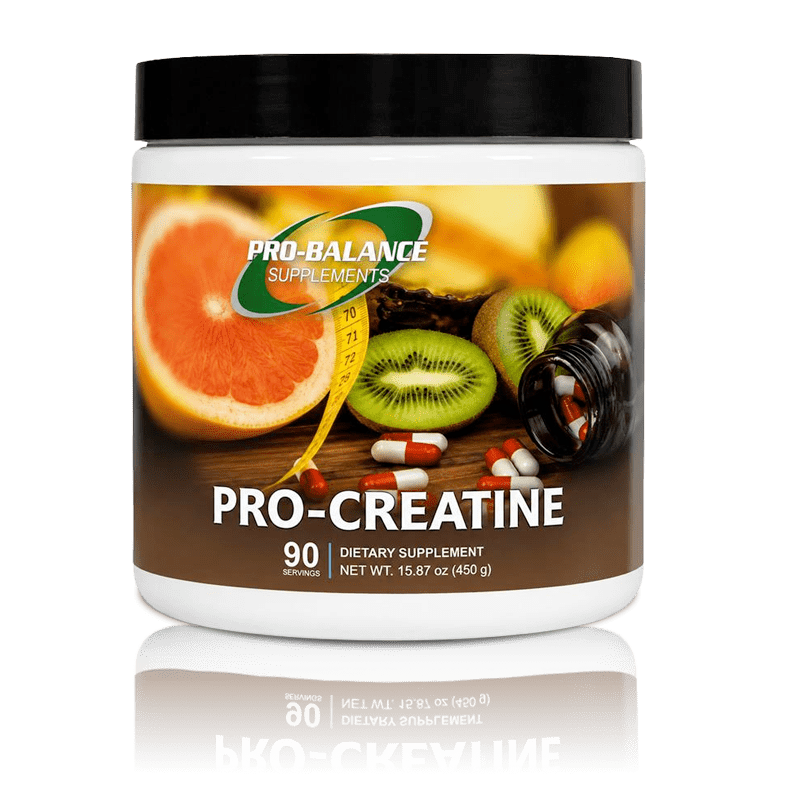
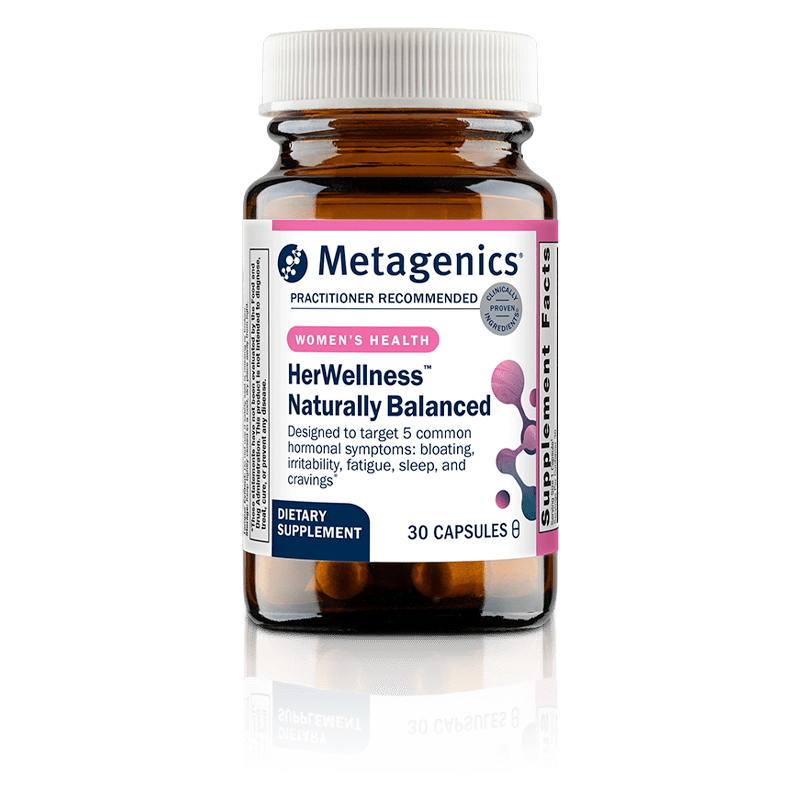
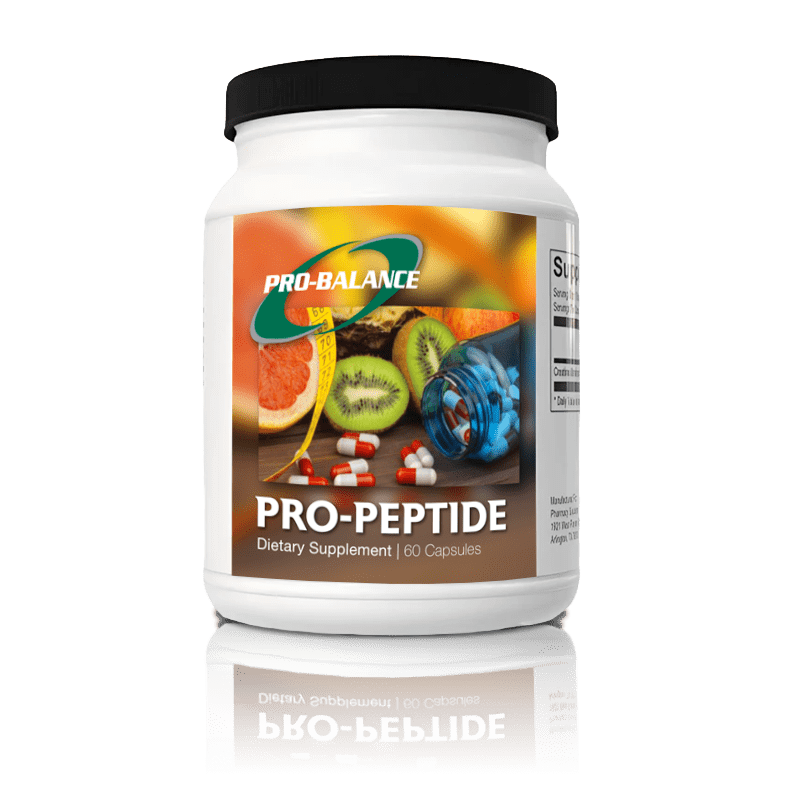
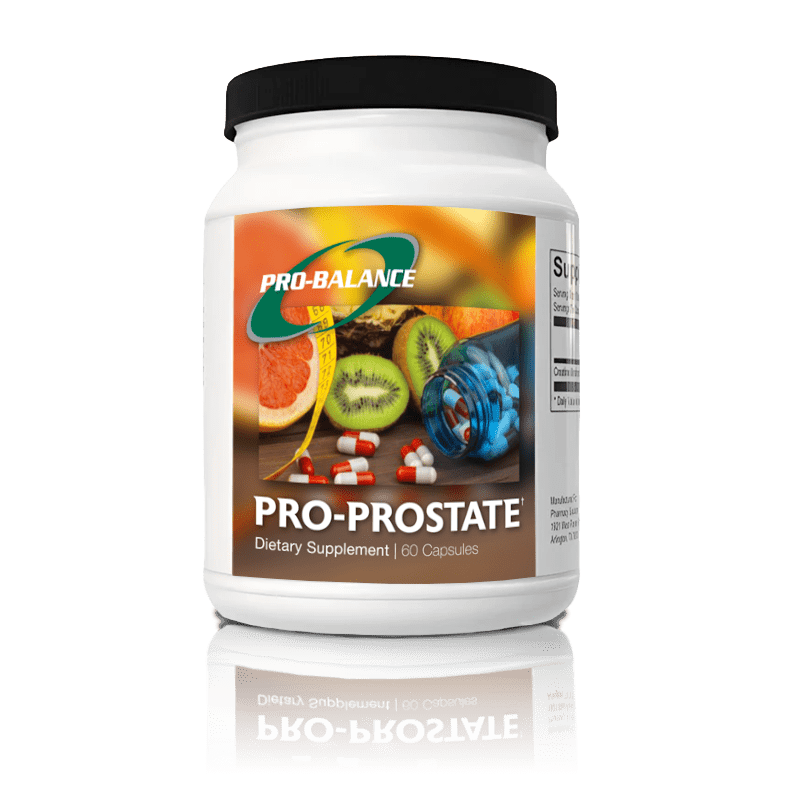
We feature a curated selection of supplements chosen to support men’s health and overall wellness as part of a balanced daily routine you can rely on. Pro-Prostate is a daily formula from the Pro-Balance line that many men include in a steady routine to support their everyday wellness goals.
These products are available now without a prescription, so you can begin whenever you are ready. As always, talk with your healthcare provider about what fits alongside the rest of your daily wellness routine.
BPH is a noncancerous enlargement of the prostate gland and is not a form of cancer. While both conditions can cause urinary symptoms, they develop through different processes in different zones of the prostate. BPH involves the growth of cells in the transition zone that surrounds the urethra, while prostate cancer typically develops in the peripheral zone. A healthcare provider can help determine the cause of your symptoms through appropriate evaluation.
This is one of the most common concerns men have when discussing hormonal health. While a connection between testosterone and prostate cancer was historically assumed, more recent research has not found a statistically significant increase in prostate cancer incidence in men receiving testosterone therapy who have healthy baseline prostate status.[9] Testosterone therapy does require a thorough baseline evaluation including PSA testing and ongoing monitoring. Discussing your individual risk factors with a qualified healthcare provider is the most important step before pursuing any hormonal therapy.
Prostate changes often begin after age 40, with symptoms becoming more common in men over 50. Research suggests that roughly half of men in their 60s and up to 80% of men in their 70s and beyond experience some degree of prostate enlargement.[1][2] However, not all men with an enlarged prostate will develop noticeable or bothersome symptoms.
Lifestyle modifications may help manage mild symptoms for some men. Strategies such as reducing evening fluid intake, limiting caffeine and alcohol, practicing double voiding techniques, scheduling regular bathroom breaks and maintaining a healthy weight have been associated with improved comfort. Your healthcare provider can recommend specific approaches based on your situation.
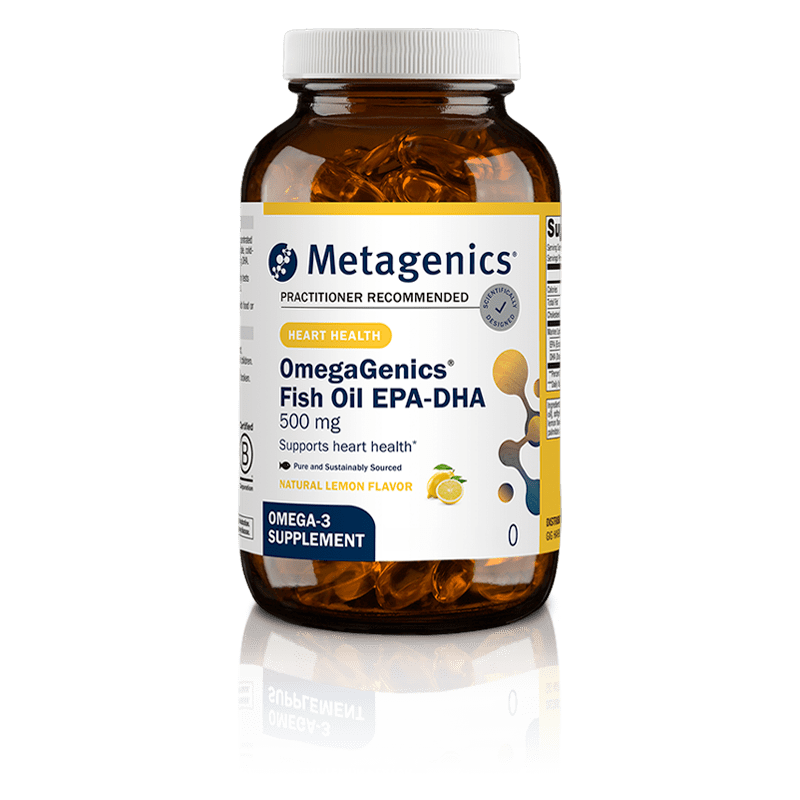
Saw palmetto, pygeum africanum and beta-sitosterol are among the most studied supplements for prostate health. Research has placed saw palmetto alongside commonly prescribed medications for BPH in certain clinical studies, with comparable outcomes for urinary symptom scores and flow rate.[11] Pygeum africanum has been widely used in Europe, particularly in France, as a botanical approach to urinary and prostate wellness.[12] Certain amino acids including glycine, alanine and glutamic acid have also been studied for their potential supportive role.[13] Pharmaceutical-grade options including Pro-Balance Pro-Prostate and Metagenics Concentrated Ultra Prostagen are available through Pharmacy Solutions. Discuss any supplement use with your healthcare provider.
Consider speaking with a healthcare provider if urinary symptoms interfere with sleep, daily activities or quality of life. Symptoms such as blood in the urine, pain during urination, fever, or sudden inability to urinate warrant prompt evaluation. Even mild symptoms are worth discussing during routine checkups to establish a baseline and monitor changes over time.
Compounding pharmacies can prepare customized formulations based on a prescriber’s instructions when commercially available medications are not the right fit. This may include adjusting dosage forms, combining ingredients, preparing different strengths or creating formulations without certain additives. A 503A compounding pharmacy like Pharmacy Solutions works directly with your healthcare provider to prepare medications tailored to your individual needs.
[1] Berry SJ, Coffey DS, Walsh PC, Ewing LL. The development of human benign prostatic hyperplasia with age. J Urol. 1984;132(3):474-479.
[2] American Urological Association. Benign Prostatic Hyperplasia (BPH) Guideline. https://www.auanet.org/guidelines-and-quality/guidelines/benign-prostatic-hyperplasia-(bph)-guideline
[3] Parsons JK. Benign Prostatic Hyperplasia and Male Lower Urinary Tract Symptoms: Epidemiology and Risk Factors. Curr Bladder Dysfunct Rep. 2010;5(4):212-218.
[4] Roehrborn CG. Benign Prostatic Hyperplasia: An Overview. Rev Urol. 2005;7(Suppl 9):S3-S14.
[5] National Institute of Diabetes and Digestive and Kidney Diseases (NIDDK). Prostate Enlargement (Benign Prostatic Hyperplasia). https://www.niddk.nih.gov/health-information/urologic-diseases/prostate-problems/prostate-enlargement-benign-prostatic-hyperplasia
[6] Wilt T, Ishani A, MacDonald R, et al. Beta-sitosterols for benign prostatic hyperplasia. Cochrane Database Syst Rev. 2000;(2):CD001043.
[7] American Cancer Society. Cancer Facts & Figures 2024. Atlanta: American Cancer Society; 2024. https://www.cancer.org/research/cancer-facts-statistics/all-cancer-facts-figures/2024-cancer-facts-figures.html
[8] National Cancer Institute. Prostate Cancer Statistics. SEER Cancer Statistics. https://seer.cancer.gov/statfacts/html/prost.html
[9] Calof OM, Singh AB, Lee ML, et al. Adverse events associated with testosterone supplementation in aging men: a meta-analysis of randomized, placebo-controlled trials. J Gerontol A Biol Sci Med Sci. 2005;60(11):1451-1457.
[10] Wilt TJ, Ishani A, Stark G, MacDonald R, Lau J, Mulrow C. Saw palmetto extracts for treatment of benign prostatic hyperplasia: a systematic review. JAMA. 1998;280(18):1604-1609.
[11] Debruyne F, Koch G, Boyle P, et al. Comparison of a phytotherapeutic agent (Permixon) with an alpha-blocker (Tamsulosin) in the treatment of benign prostatic hyperplasia: a 1-year randomized international study. Eur Urol. 2002;41(5):497-507.
[12] Barlet A, Albrecht J, Aubert A, et al. Efficacy of Pygeum africanum extract in the medical therapy of urination disorders due to benign prostatic hyperplasia: evaluation of objective and subjective parameters. Wiener klinische Wochenschrift. 1990;102(22):667-673.
[13] Feinblatt HM, Gant JC. Palliative treatment of benign prostatic hypertrophy. Value of glycine, alanine, glutamic acid combination. J Maine Med Assoc. 1958;49(3):99-101.
Tell us a little about what you are looking for and we will take it from there. Whether you have a prescription ready, questions about a therapy your provider mentioned, or just need help figuring out your next step, our team is here and ready to help.
"*" indicates required fields

To submit your order, click the “PRINT/SAVE” button located under this pop-up.

You can save the PDF to your computer to fax at a later date or print it now to fax immediately.

Fax your order form to 817-860-6083 for processing.
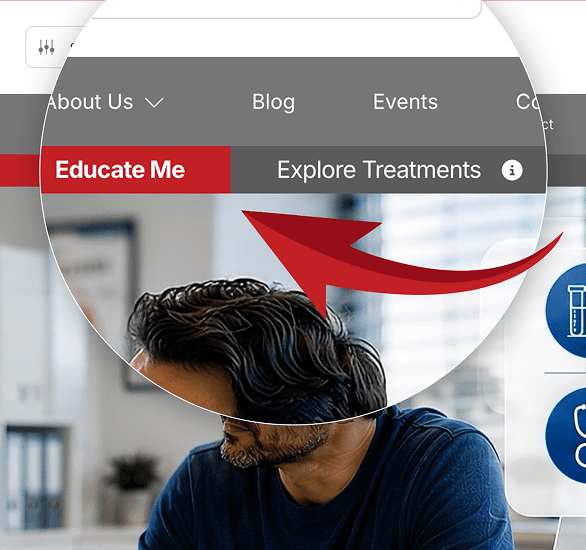
Get detailed information, research, and deeper product context. Toggle on to see more educational content.
Keep things brief and see related products faster. Toggle on to focus on products.

New to Pharmacy Solutions? Register now
Educate Me
Get detailed information, research, and deeper product context.
Toggle on to see more educational content.
Explore Treatments
Keep things brief and see related products faster.
Toggle on to focus on products.