Signup for the Pharmacy Solutions Newsletter for Big Discounts!

Do You Know What Your Skin Type Is? You Should!
Your skin is your largest organ…why would you not want
Signup for the Pharmacy Solutions Newsletter for Big Discounts!
A new and enhanced online pharmacy experience.

Your skin is your largest organ…why would you not want

By Nick Miller, Pharm D. Hormones are messenger molecules. Their
By Tom Siegenthaler, RPh, DPh, FACA Overview Hashimoto’s disease is
Chlorambucil is an alkylating antineoplastic medication that is used to
As winter draws near, many individuals experience a shift in mood and energy levels commonly associated with Seasonal Affective Disorder (SAD) or seasonal depression. This condition, often linked to reduced exposure to sunlight and changes in circadian rhythms, affects a significant number of people worldwide during the darker, colder months.
Seasonal depression can manifest as feelings of lethargy, persistent sadness, lack of interest in activities, changes in appetite, and disruptions in sleep patterns. The good news is that various supplements, when used in conjunction with other treatment approaches, may help alleviate symptoms and improve overall well-being.
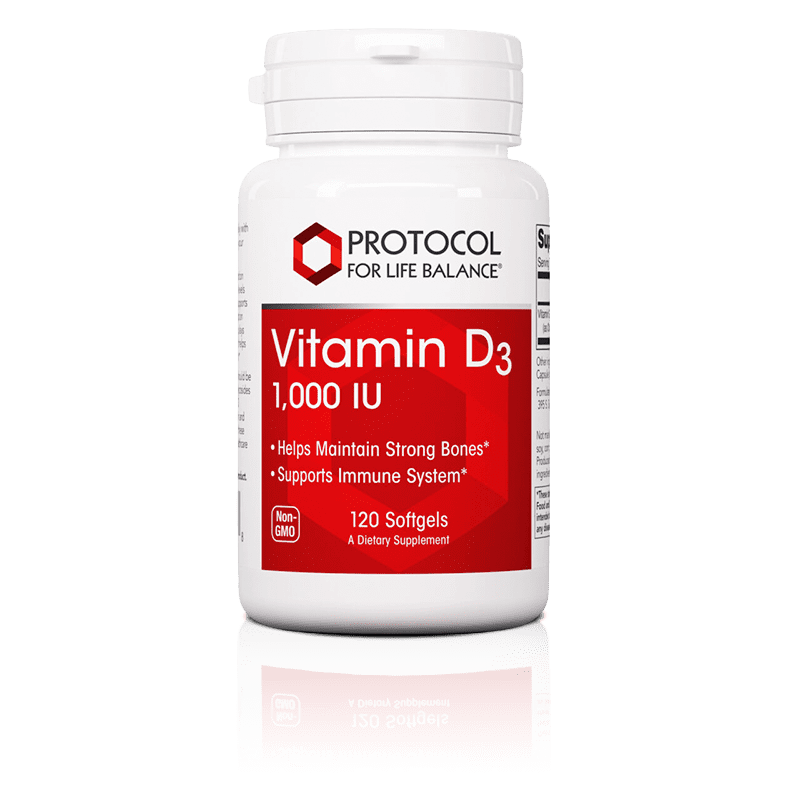
Vitamin D: The Sunshine Vitamin One of the primary reasons for seasonal depression is decreased sunlight exposure leading to lower vitamin D levels. Vitamin D plays a crucial role in mood regulation, and deficiencies have been linked to an increased risk of depression. While sunlight is the most natural source, supplements can be beneficial, particularly in regions with limited sunlight during winter. Real-world studies, such as research published in the Journal of Nutrition, highlight the significance of maintaining adequate vitamin D levels to support mental health. Shop Vitamin D Here.
Omega-3 Fatty Acids: Nourishing Brain Health Omega-3 fatty acids, particularly EPA (eicosapentaenoic acid) and DHA (docosahexaenoic acid), are essential for brain health and have shown promise in reducing symptoms of depression. Studies, including research in the Journal of Clinical Psychiatry, indicate that supplementing with omega-3s may help alleviate symptoms of depression, including those associated with seasonal depression. Sources like fish oil supplements or incorporating omega-3-rich foods like salmon, flaxseeds, and walnuts into your diet can be beneficial. Shop Omegas Here.
St. John’s Wort: Nature’s Mood Booster St. John’s Wort, a herb with antidepressant properties, has been studied for its effectiveness in treating mild to moderate depression. While its mechanisms are still being researched, real-world experiences documented in the Cochrane Database of Systematic Reviews suggest that St. John’s Wort may be effective in alleviating symptoms of depression, including those related to seasonal affective disorder.Â
B Vitamins: Incorporating B vitamins, such as B12 and B6, through a balanced diet or supplements can potentially aid in mood regulation and support cognitive health during periods of seasonal depression. These vitamins play a crucial role in the synthesis of neurotransmitters, contributing to overall emotional well-being. Shop Vitamin B Here.
Saffron: Emerging research suggests that saffron, a spice with reported antidepressant properties, may offer a natural approach to alleviate symptoms of seasonal depression. Including saffron in one’s diet or utilizing supplements could be an adjunctive strategy to support mood during the winter months.
Magnesium: With its potential to influence mood disorders, magnesium supplementation or consumption of magnesium-rich foods might offer a beneficial avenue for individuals experiencing seasonal depression. This mineral plays a role in neurotransmitter function and may contribute to overall emotional balance when integrated into one’s diet or supplement regimen. Shop Magnesium Here.
Seasonal depression can be a challenging aspect of the winter months, but incorporating these supplements, along with maintaining a healthy lifestyle, adequate sleep, regular exercise, and seeking professional guidance, may help manage symptoms. Remember, individual responses to supplements vary, and it’s crucial to consult with a healthcare provider to determine the best approach for your specific situation.
Finding the right combination of supplements and lifestyle adjustments can bring much-needed relief during the darker months, allowing individuals to navigate through the winter with a brighter outlook on mental wellness.
Stay informed, stay proactive, and embrace the season with vitality!
Penckofer, S., Kouba, J., Byrn, M., & Estwing Ferrans, C. (2010). Vitamin D and depression: Where is all the sunshine? Issues in Mental Health Nursing, 31(6), 385-393. https://doi.org/10.3109/01612840903437657
Grosso, G., Galvano, F., Marventano, S., Malaguarnera, M., Bucolo, C., Drago, F., & Caraci, F. (2014). Omega-3 fatty acids and depression: Scientific evidence and biological mechanisms. Oxidative Medicine and Cellular Longevity, 2014, 313570. https://doi.org/10.1155/2014/313570
Linde, K., Berner, M. M., & Kriston, L. (2008). St John’s wort for major depression. Cochrane Database of Systematic Reviews, 2008(4), CD000448. https://doi.org/10.1002/14651858.CD000448.pub3
Lopresti, A. L., Drummond, P. D., & Smith, S. J. (2017). Saffron (Crocus sativus) for depression: A systematic review of clinical studies and examination of underlying antidepressant mechanisms of action. Human Psychopharmacology, 32(1), e2589. https://doi.org/10.1002/hup.2589
Tarleton, E. K., Littenberg, B., & MacLean, C. D. (2017). Role of magnesium supplementation in the treatment of depression: A randomized clinical trial. PLOS ONE, 12(6), e0180067. https://doi.org/10.1371/journal.pone.0180067
Related Products
No products were found for this query.
Lorem ipsum dolor sit amet, consectetur adipiscing elit. Ut elit tellus, luctus nec ullamcorper mattis, pulvinar dapibus leo.