Labor Day Notice: Our pharmacy will be closed Monday, September 7.

Vitamin D is an essential nutrient that plays several important roles in the body. It is perhaps best known for supporting bone health, but vitamin D also contributes to normal muscle and immune function.
Unlike many nutrients, vitamin D can come from more than food. Your body can produce vitamin D when skin is exposed to sunlight, and vitamin D is also available through certain foods, fortified foods and dietary supplements.
Understanding these different sources can help you have a more informed conversation with your healthcare provider about vitamin D and your individual nutritional needs.
Vitamin D is a fat-soluble vitamin. Two forms commonly discussed in nutrition are vitamin D2, or ergocalciferol, and vitamin D3, or cholecalciferol.
One of vitamin D’s major functions involves calcium. According to the National Institutes of Health Office of Dietary Supplements, vitamin D helps the body absorb calcium and is important for maintaining healthy bones. It also has roles in normal muscle, nerve and immune system function.
Because vitamin D is involved in multiple normal body processes, getting an appropriate amount is part of maintaining overall nutrition and wellness.
However, more is not necessarily better. Individual vitamin D needs can vary, and taking unnecessarily large amounts of a supplement can have health risks. Your healthcare provider can help you determine whether your current intake is appropriate.
There are three primary ways people can get vitamin D. Sun exposure, food and supplements can all contribute to vitamin D status.
The body can produce vitamin D after skin is exposed to ultraviolet B rays from sunlight. How much vitamin D a person produces can vary considerably. Factors such as season, time of day, cloud cover, skin pigmentation, age and the amount of skin exposed can influence vitamin D production.
Sun exposure also carries skin health considerations, so getting vitamin D should not be viewed as a reason to skip recommended sun protection practices.
Vitamin D occurs naturally in a relatively small number of foods. Fatty fish are among the better natural food sources. Smaller amounts may be found in foods such as egg yolks. Many foods, including some types of milk, plant-based beverages and breakfast cereals, may also be fortified with vitamin D. Because fortification varies, checking the Nutrition Facts label can help you understand how much a particular food provides.
Dietary supplements provide another source of vitamin D and may contain vitamin D2 or vitamin D3.
Vitamin D is often associated with bones because it helps the body absorb calcium. Calcium and vitamin D work together as part of maintaining bone health throughout life.
Vitamin D also supports normal muscle function. Muscles require a variety of nutrients to function normally, and vitamin D is one part of that broader nutritional picture.
The nutrient also contributes to normal immune function. This is a structure and function role rather than a claim that taking vitamin D can prevent or treat a particular illness.
That distinction matters when evaluating wellness information. Vitamin D is an essential nutrient, but a supplement should not be viewed as a treatment or replacement for medical care.
Vitamin D recommendations vary by age and other individual factors.
The National Institutes of Health notes that recommended amounts are expressed in micrograms and international units, commonly abbreviated as mcg and IU. For many adults ages 19 through 70, the recommended dietary allowance is 15 mcg, or 600 IU, per day. Adults 71 and older have a recommended dietary allowance of 20 mcg, or 800 IU, per day.
These recommendations are general nutritional guidelines. They are not personalized supplement instructions.
Your healthcare provider may consider factors such as your age, diet, sun exposure, health history, medications and laboratory results when discussing vitamin D with you. Certain people may also have different nutritional needs.
Rather than choosing a high-dose supplement based solely on something you have read online, talk with your healthcare provider about an appropriate approach for you.
It is possible to obtain vitamin D through a combination of foods and fortified products, although individual diets vary considerably.
Reading food labels can be especially useful because vitamin D is listed on Nutrition Facts labels. Foods fortified with vitamin D can make a meaningful contribution to overall intake.
A balanced approach can include looking at your complete diet rather than focusing on a single food or nutrient. Protein, carbohydrates, fats, vitamins, minerals and adequate hydration all contribute to overall nutrition.
If you are concerned that your diet may not provide enough vitamin D, your healthcare provider or a registered dietitian can help you evaluate your nutritional needs.
Dietary supplements can help provide nutrients when appropriate, but supplementation is not automatically necessary for everyone.
Before adding vitamin D to your wellness routine, consider talking with your healthcare provider about your diet, current supplements and medications. This is especially important because vitamin D is fat-soluble, meaning the body can store it.
Taking excessive amounts of vitamin D from supplements can be harmful. According to the National Institutes of Health, very high vitamin D levels can cause elevated calcium levels and other serious health problems.
It is also important to consider your total intake. Vitamin D may already be present in a multivitamin or another supplement you take. Reading labels can help you avoid unintentionally combining multiple sources.
Supplements should complement an appropriate wellness plan rather than replace balanced nutrition, prescription medications or healthcare provider guidance.
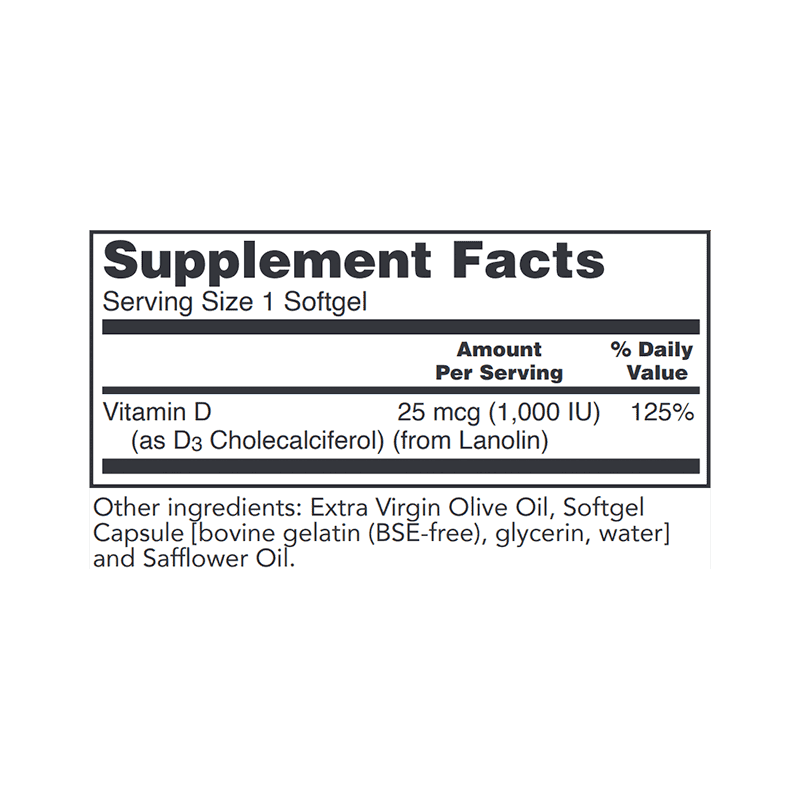
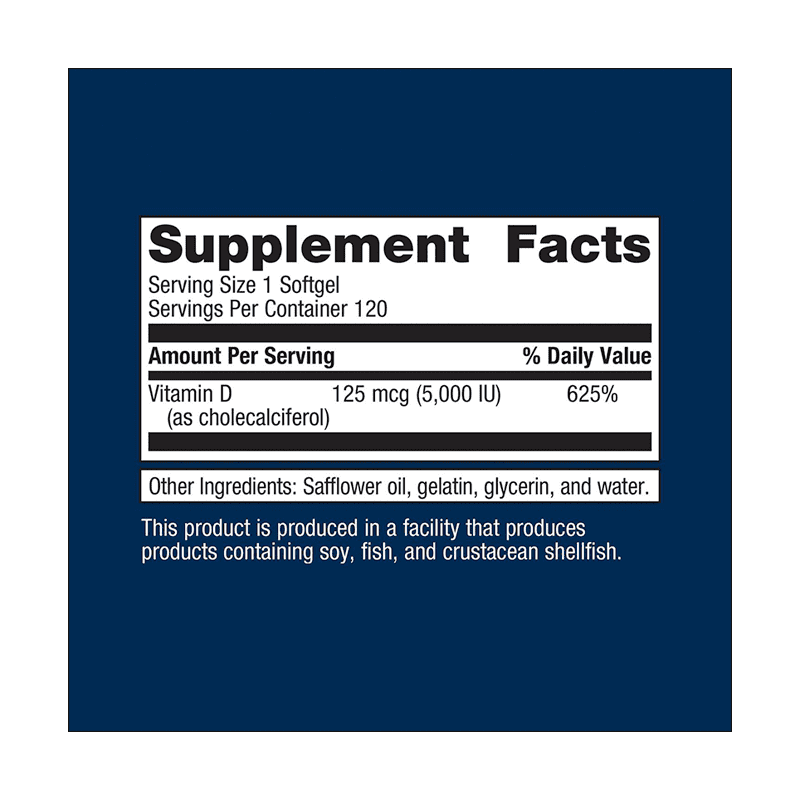
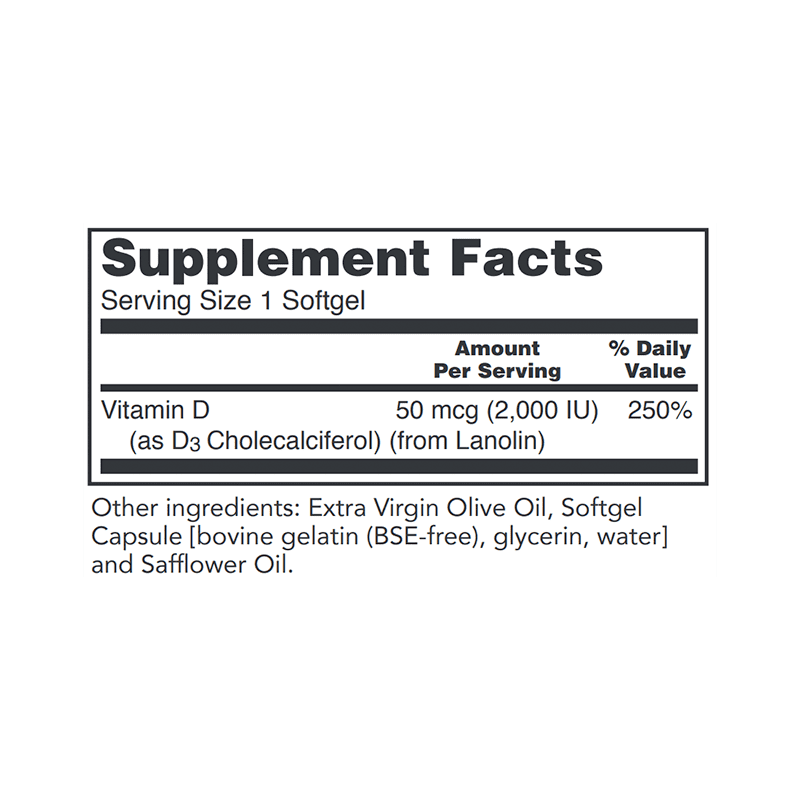
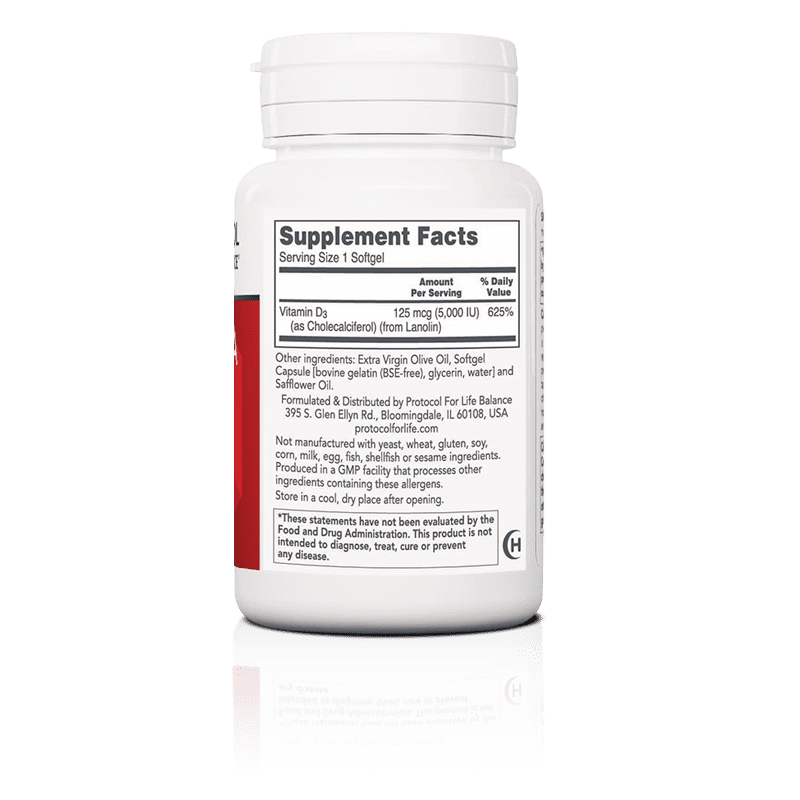
Supplement labels can contain a lot of information. Start by checking the serving size and the amount of vitamin D per serving. You may see the amount expressed in both micrograms and international units.
Also look at other ingredients in the product. Combination supplements may provide vitamin D alongside other vitamins or minerals, which can affect your total daily intake of those nutrients.
Avoid assuming that a higher number on the label means a product is more appropriate. The amount that fits your needs depends on your individual circumstances.
If you are uncertain about a product or serving amount, bring the label or a list of your supplements to your healthcare provider or pharmacist. Reviewing everything you take together can provide a clearer picture of your overall routine.
Vitamin D is important, but everyday wellness rarely comes down to a single nutrient.
A varied diet, appropriate physical activity, healthy sleep habits and regular healthcare are all pieces of a broader wellness routine. Supplements may have a place within that routine when they are appropriate for your individual nutritional needs.
It can also be helpful to periodically review your supplements instead of continuing them indefinitely without discussion. Your nutritional needs, medications and health circumstances can change over time.
By understanding what vitamin D does, where it comes from and why individual needs differ, you can make more informed decisions with your healthcare provider.
Vitamin D helps the body absorb calcium and supports healthy bones. It also contributes to normal muscle, nerve and immune system function.
Vitamin D occurs naturally in a limited number of foods, including fatty fish and smaller amounts in foods such as egg yolks. Some milk, plant-based beverages, breakfast cereals and other foods may be fortified with vitamin D. Check the Nutrition Facts label for the amount in a particular product.
Yes. Vitamin D2 and vitamin D3 are two forms of vitamin D commonly found in foods and dietary supplements. If you are unsure which form or amount is appropriate for you, talk with your healthcare provider or pharmacist.
Whether you should take a vitamin D supplement and how much you should take depend on your individual nutritional and health needs. Vitamin D can also be present in multivitamins and other supplements, so consider your total intake. Your healthcare provider can provide individualized guidance.
Yes. Excessive vitamin D intake from supplements can be harmful. More is not necessarily better when it comes to supplementation. Follow your healthcare provider’s recommendations and check labels carefully when combining supplements.
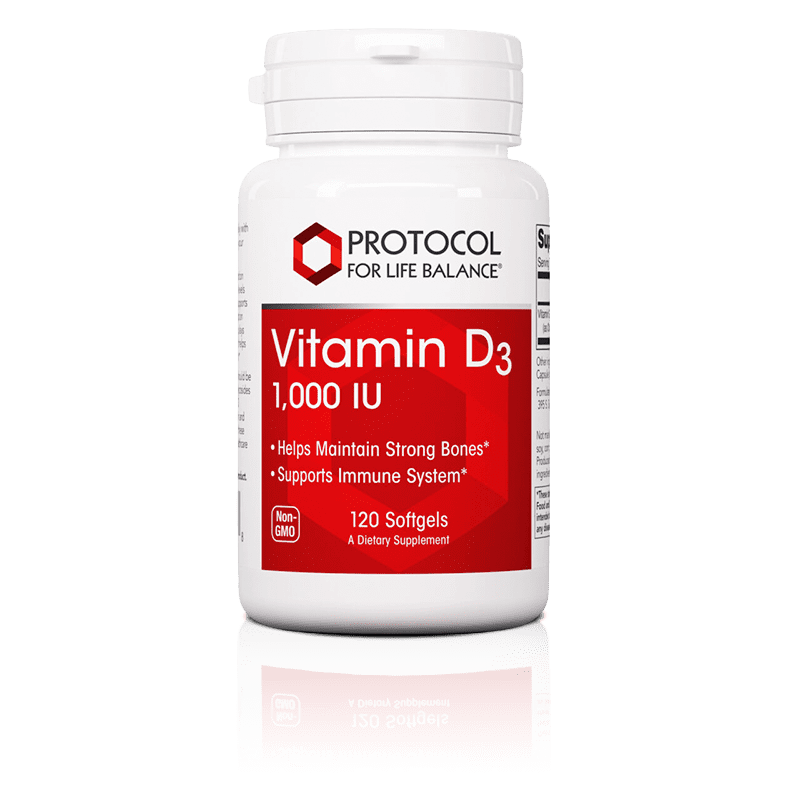
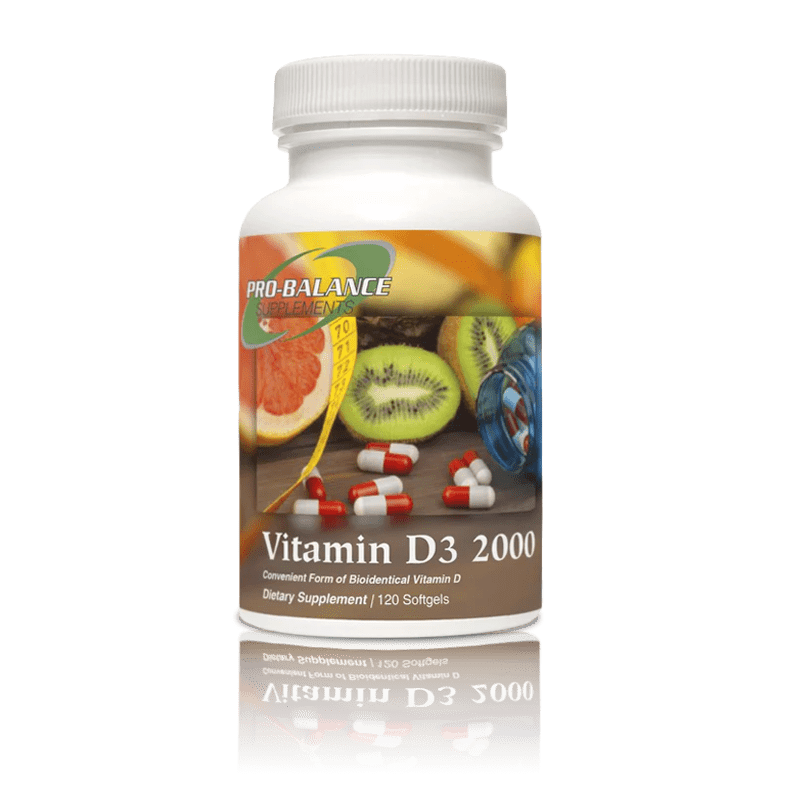
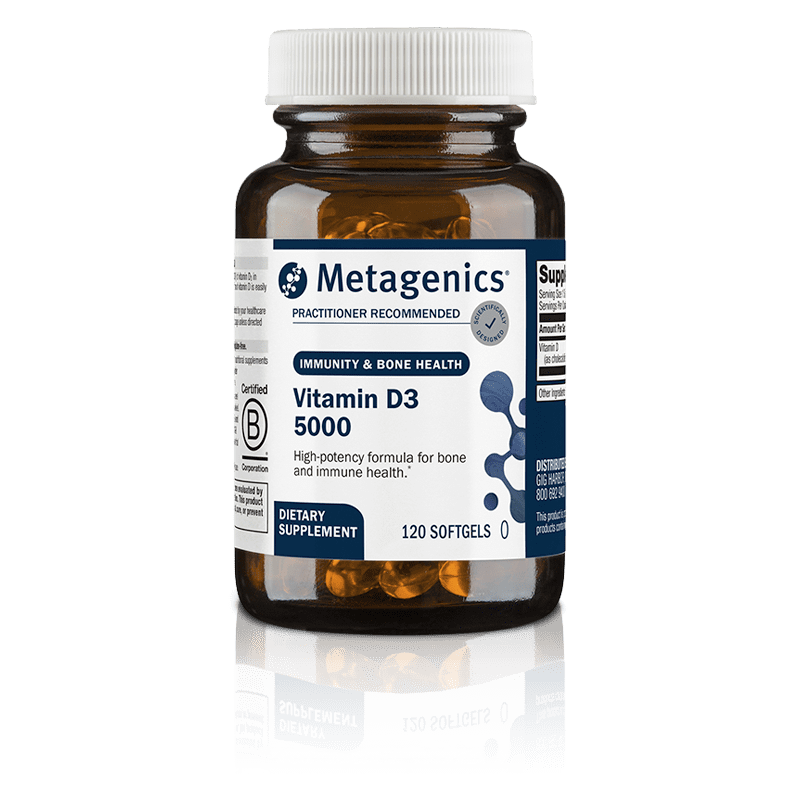
Looking for a vitamin D supplement that fits your wellness routine? Explore vitamin D products available from Pharmacy Solutions, and talk with your healthcare provider before starting any new supplement.
Shop Vitamin D Supplements
Disclaimer:Â This article is for educational purposes only and is not medical advice. Always talk with your healthcare provider before starting, stopping or changing any medication, supplement or health plan. These statements have not been evaluated by the Food and Drug Administration. These products are not intended to diagnose, treat, cure or prevent any disease.
To submit your order, click the “PRINT/SAVE” button located under this pop-up.Â
You can save the PDF to your computer to fax at a later date or print it now to fax immediately. Â
Fax your order form to 817-860-6083 for processing.
New to Pharmacy Solutions? Register now