Your healthcare routine may change gradually. A provider adds a prescription. You begin taking a daily vitamin. An occasional over-the-counter product becomes part of your weekly routine. Before long, your medication list may look different from the one your healthcare team last reviewed.
A pharmacist consultation offers an opportunity to look at the full picture. Bringing your prescription medications, over-the-counter products, vitamins, minerals and herbal supplements together can help you ask better questions and keep your records current.
A supplement review is especially important because products described as natural can still have effects in the body. Some may interact with medications, affect laboratory testing or require additional consideration before a procedure. Reviewing everything you take with a healthcare professional can support more informed, individualized care.
Why a Medication and Supplement Review Matters
Prescription medications are only one part of your routine. Nonprescription pain relievers, allergy products, sleep aids, antacids, vitamins, minerals and herbal products may also affect how you feel or how another product works.
An interaction may change how a medication is absorbed or processed. It may increase the chance of an unwanted effect or make a medication less effective. Your age, health history, allergies and other medications may also influence what is appropriate for you.
This does not mean every combination is unsafe. It means your healthcare team needs complete information to provide guidance based on your circumstances. A pharmacist consultation can help identify questions that may require follow-up with your provider.
What to Include in Your Medication List
A complete list should include every prescription medication you currently use. Add over-the-counter medicines, vitamins, minerals, protein or nutrition products, herbal products and other dietary supplements. Remember products you use only occasionally, such as seasonal allergy medicine or a nighttime sleep aid.
For each item, record the product name, strength or amount, how often you take it and why you use it. Include creams, inhaled products, eye drops, patches, injections and other dosage forms. Your list should also note medication allergies and previous reactions.
Keep the list somewhere accessible. A printed copy in your wallet and a digital copy on your phone can both be useful. Share it during medical visits, pharmacy conversations and urgent care situations. Update it whenever a product is started, stopped or changed under the guidance of your healthcare provider.
Do not remove a prescription from your routine simply because you no longer remember why it was prescribed. Ask your provider or pharmacist to clarify its purpose first.
When to Schedule a Pharmacist Consultation
There is no single review schedule that fits every patient. A review may be useful whenever your medications, supplements, healthcare providers or health needs change.
Consider a pharmacist consultation after receiving a new prescription, leaving the hospital or beginning care with a new provider. It may also be helpful when you are using several products, having trouble following your schedule or noticing a possible side effect.
An upcoming procedure is another important time to review supplements. Some dietary supplements may affect bleeding, anesthesia or other parts of procedural care. Tell the provider performing the procedure about everything you use and follow the instructions that team gives you.
Pregnancy, nursing and changes in kidney or liver function can also affect medication and supplement decisions. These situations require individualized guidance from a qualified healthcare professional.
What Happens During a Supplement Review?
A supplement review begins with the label. Your pharmacist may look at the active ingredients, amount per serving, serving size and directions. Combination products deserve careful attention because the same vitamin, mineral or herbal ingredient may appear in more than one product.
Your pharmacist may also ask why you started the supplement, how long you have used it and whether a healthcare provider recommended it. These questions can help place the product in the context of your broader health plan.
Bring the original bottles or clear photographs of the front label and Supplement Facts panel. Product names alone may not provide enough information because formulas can differ among manufacturers and may change over time.
A review does not automatically mean you should continue or discontinue a supplement. Your pharmacist can explain general safety considerations, identify possible concerns and help you prepare questions for your healthcare provider. Decisions about starting, stopping or changing a product should be made with appropriate professional guidance.
Questions to Ask Your Pharmacist
A productive pharmacist consultation can begin with simple questions. Ask what each medication is for and whether there are special instructions about timing, food or storage. Find out what you should do if you miss a dose and which possible side effects should be discussed with your provider.
For supplements, ask whether an ingredient could interact with your prescriptions or duplicate something you already take. You can also ask whether the serving size on the label matches the amount you have been using.
Tell your pharmacist when something makes your routine difficult. Trouble swallowing, complicated timing, confusing directions or sensitivity to an ingredient may be important information. Do not change a medication’s strength, dosage form or schedule on your own.
Common Signs That Your List Needs Attention
Your medication list may need an update if it contains products you no longer recognize, different strengths of the same medicine or supplements you started without discussing them with your healthcare team.
Uncertainty is another useful signal. You may not know whether two products contain the same ingredient or whether an over-the-counter medicine is appropriate with your prescriptions. You may have instructions from different providers that appear inconsistent.
Bring these questions to a pharmacist instead of trying to resolve them through guesswork. Clear information can help your healthcare team understand your current routine and decide what should happen next.
How Pharmacy Solutions Supports Individualized Care
Pharmacy Solutions is a family-owned, licensed 503A compounding pharmacy based in Arlington, Texas. Since 1990, its pharmacists have worked with patients and providers to support patient-specific prescription care.
The Ask a Pharmacist service gives patients a place to raise questions about medication instructions, refill processes, supplements and practical concerns. A pharmacist can provide education, review the information you share and help identify topics that should be discussed with your healthcare provider.
When a commercially available medication does not meet an individual patient’s needs, a provider may consider patient-specific compounding when clinically appropriate. Any compounded medication requires a prescriber-issued prescription for an individually identified patient.
Pharmacy Solutions is licensed in 48 states and ships prescribed medications directly to patients. Its online store carries OTC supplements and skincare only. Medications are not sold through the online store.
Frequently Asked Questions
How Often Should I Review My Medications and Supplements?
Review your list whenever a prescription or supplement changes and before healthcare appointments. A periodic review can also help keep your records accurate. Your provider or pharmacist may recommend more frequent reviews based on your needs.
Should I List Supplements I Use Only Occasionally?
Yes. Include occasional vitamins, herbal products, sleep aids, pain relievers and other OTC products. Even products you do not use daily may be relevant to an interaction or safety question.
Can I Stop a Medication After a Pharmacist Consultation?
Do not stop or change a prescription unless the appropriate healthcare professional has instructed you to do so. A pharmacist can answer questions and help you determine when your prescriber should be contacted.
What Should I Bring to a Supplement Review?
Bring a current medication list and the original supplement containers. You can also bring photographs showing the product name, ingredients, Supplement Facts panel and directions.
Can Supplements Replace Prescribed Medication?
Supplements should not be used as replacements for prescription medication, provider guidance or medical care. Talk with your healthcare provider before adding a supplement or changing your current plan.
Ask a Pharmacist
Your medication list should reflect everything you currently take, not only your prescriptions. If it has been a while since your last medication and supplement review, gather your products and questions in one place.
Ask a Pharmacist at Pharmacy.Solutions to begin a conversation about your medication routine, supplement use and individualized pharmacy care.
Disclaimer: This article is for educational purposes only and is not medical advice. Always talk with your healthcare provider before starting, stopping or changing any medication, supplement or health plan. Compounded medications are not FDA-approved.

 Quick View
 Quick View
 Quick View
 Quick View
 Quick View
 Quick View
 Quick View
 Quick View
 Quick View
 Quick View
 Quick View
 Quick View
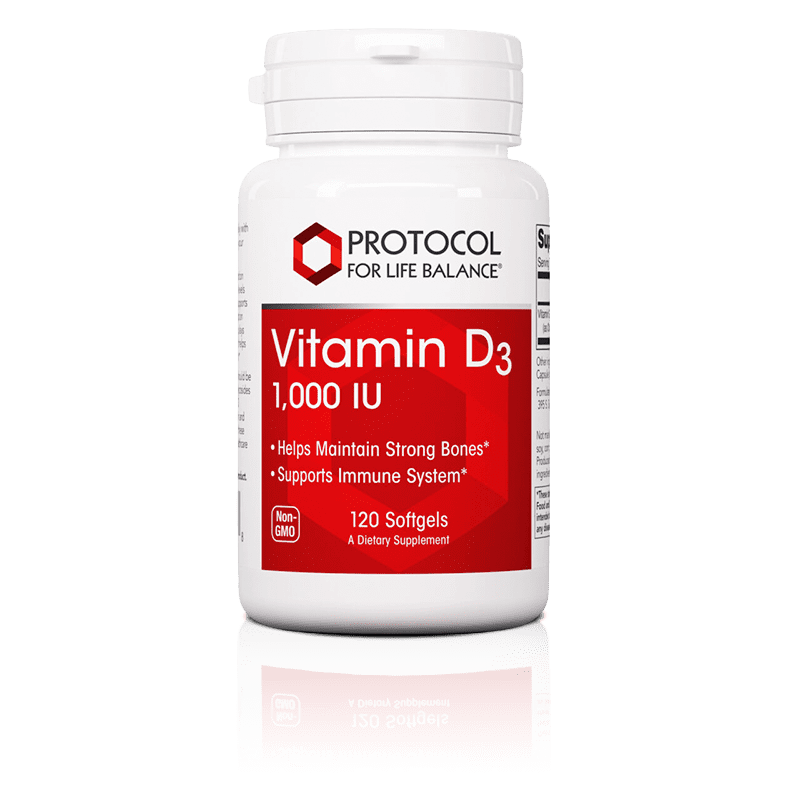 Quick View
 Quick View
 Quick View
 Quick View
 Quick View
 Quick View