Stress is part of life, but when it becomes constant, it can begin to affect how you feel, sleep, think, and function. Many people push through busy schedules, work demands, family responsibilities, health concerns, poor sleep, and emotional strain without realizing how much stress may be influencing their daily wellness.
Your body is designed to respond to stress. One of the key hormones involved in this response is cortisol, which is produced by the adrenal glands. Cortisol helps the body respond to challenges, maintain energy, support blood sugar regulation, and stay alert when needed.
However, when stress stays elevated for long periods of time, the body’s stress-response system may feel out of balance. This can leave you feeling tired, wired, unmotivated, foggy, or physically run down.
What Is Cortisol?
Cortisol is often called the body’s primary stress hormone. Under normal conditions, cortisol follows a daily rhythm.
Cortisol levels are usually lower at night, which helps support sleep. Levels rise in the early morning to help you wake up, feel alert, and prepare for the day. As the day continues, cortisol gradually declines so your body can wind down again in the evening.
This rhythm is an important part of healthy energy, sleep, mood, and stress response.
How Chronic Stress Affects the Body
Short-term stress is normal. Your body is built to handle temporary challenges. But chronic stress, which lasts for weeks, months, or longer, can place extra demand on the body.
Stress may come from many sources, including:
- Work pressure
- Family responsibilities
- Poor sleep
- Health concerns
- Pain or inflammation
- Blood sugar fluctuations
- Emotional stress
- Overtraining
- Skipping meals
- Nutrient deficiencies
- Financial strain
Even something as simple as not eating breakfast, sleeping poorly, or relying on caffeine all day can feel like stress to the body.
What People Mean by “Adrenal Fatigue”
Many people use the term “adrenal fatigue” to describe feeling exhausted, burned out, and unable to recover from ongoing stress.
It is important to note that “adrenal fatigue” is not universally recognized as a formal medical diagnosis. However, the symptoms people describe are very real and may be related to stress, poor sleep, hormone changes, blood sugar imbalance, thyroid concerns, nutrient deficiencies, mental health, or other medical conditions.
If you feel persistently tired or unlike yourself, it is important to work with a healthcare provider to identify possible causes rather than assuming it is only stress.
Common Signs of Stress-Related Burnout
Chronic stress may affect energy, mood, appetite, sleep, motivation, and productivity.
Common signs may include:
- Low energy in the morning
- Afternoon crashes
- Difficulty getting through the day without caffeine
- Salt or sugar cravings
- Poor sleep or trouble waking up rested
- Brain fog
- Decreased productivity
- Low motivation
- Irritability or mood changes
- Reduced libido
- Feeling overwhelmed
- Difficulty recovering from stress
These symptoms can overlap with many medical conditions, so proper evaluation is important.
Why DHEA and Cortisol Are Often Discussed Together
DHEA is another hormone produced by the adrenal glands. It plays a role in hormone balance, energy, resilience, and overall wellness.
Some providers may evaluate cortisol and DHEA patterns when assessing stress response and hormone balance. Testing may include blood, saliva, or other lab methods depending on the provider’s approach.
Because hormone patterns are complex, testing and interpretation should be guided by a qualified healthcare professional.
Lifestyle Habits That Support a Healthy Stress Response
Supporting your stress response starts with the basics. These habits may sound simple, but they are often the first gears to slip when life gets busy.
Eat Consistently
Skipping meals can affect blood sugar and energy levels. Aim for balanced meals that include protein, fiber, healthy fats, and nutrient-rich carbohydrates.
Prioritize Sleep
Sleep is one of the most important tools for recovery. Try to keep a consistent bedtime, reduce screen time before bed, and create a calming evening routine.
Take True Breaks
Even 10 minutes of quiet time can help reset your nervous system. Put the phone away, breathe deeply, stretch, pray, meditate, or simply sit without input.
Move Your Body
Gentle movement, walking, yoga, and strength training can all support stress resilience. The goal is consistency, not punishment.
Reduce Caffeine Dependence
Caffeine can be helpful in moderation, but relying on coffee or energy drinks to survive the day may be a sign that your body needs better support.
Find Moments of Joy
Laughter, connection, creativity, music, and time outdoors can help shift your body out of constant stress mode. Tiny sparks count.
Nutrients and Adaptogens for Stress Support
Certain supplements are often discussed for stress response, energy, and adrenal support. These may include:
- Vitamin C
- B-complex vitamins
- Magnesium
- Calcium
- Ashwagandha
- Rhodiola
- Eleuthero
- Schisandra berry
- Licorice root
- Adrenal glandular extracts, when provider-recommended
Adaptogenic herbs are commonly used to support the body’s response to stress. However, they are not appropriate for everyone and may interact with medications or medical conditions.
Licorice root, for example, may affect blood pressure and potassium levels. Ashwagandha may not be appropriate for certain thyroid or autoimmune conditions. Always speak with a healthcare professional before starting these supplements.
When to Talk to a Healthcare Provider
Persistent fatigue should not be ignored. Speak with a healthcare provider if you experience ongoing exhaustion, unexplained weight changes, dizziness, depression, anxiety, low libido, sleep problems, or symptoms that interfere with daily life.
A provider may evaluate:
- Thyroid function
- Iron and ferritin levels
- Vitamin B12
- Vitamin D
- Blood sugar markers
- Hormone balance
- Cortisol patterns
- Medication side effects
- Sleep disorders
- Mental health factors
Finding the cause matters. Fatigue is a signal, not a personality flaw.
Stress Support from Pharmacy Solutions
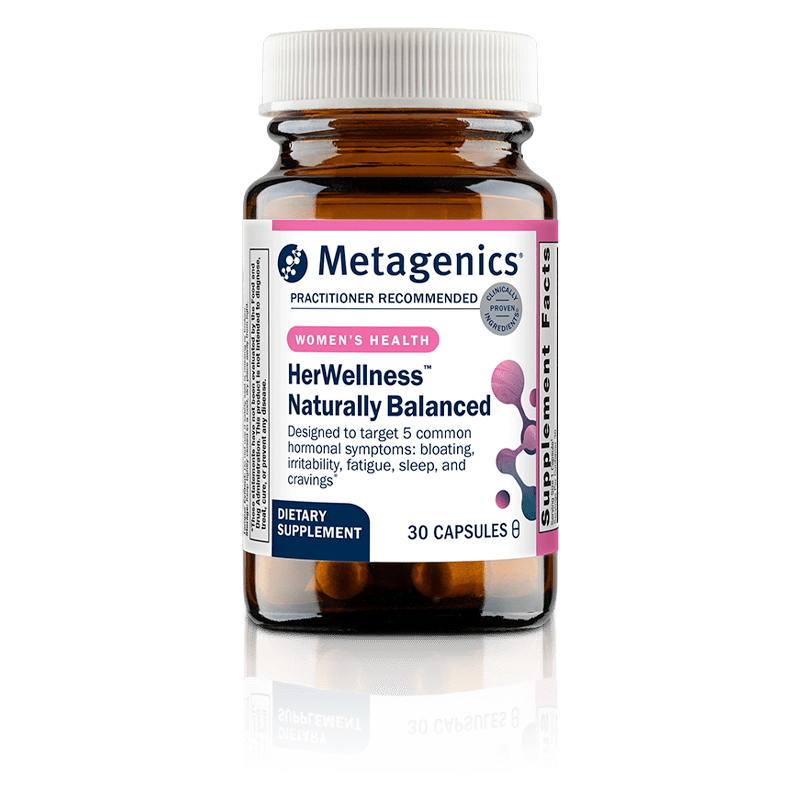
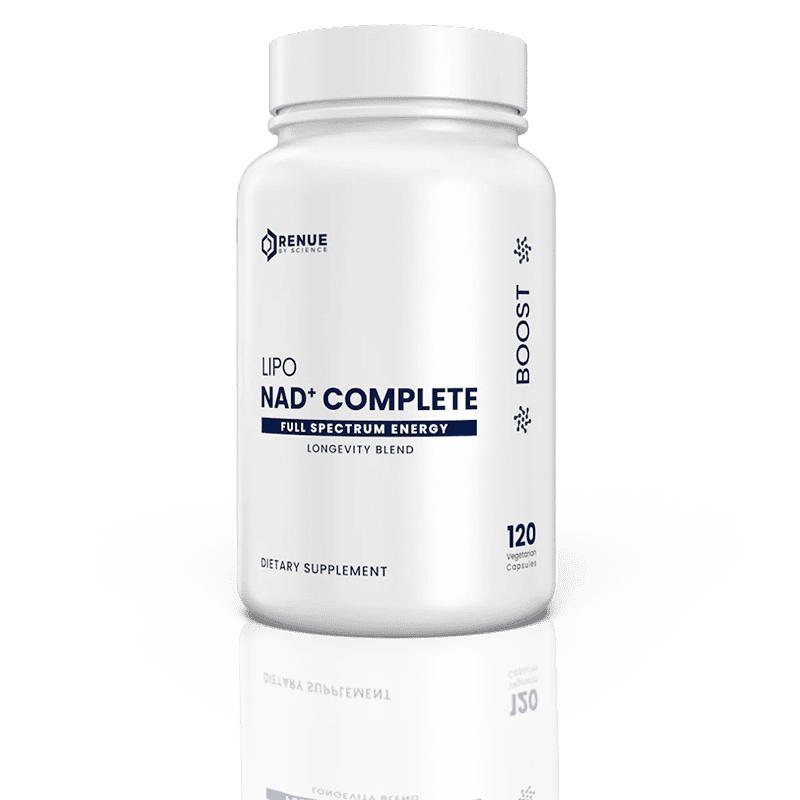
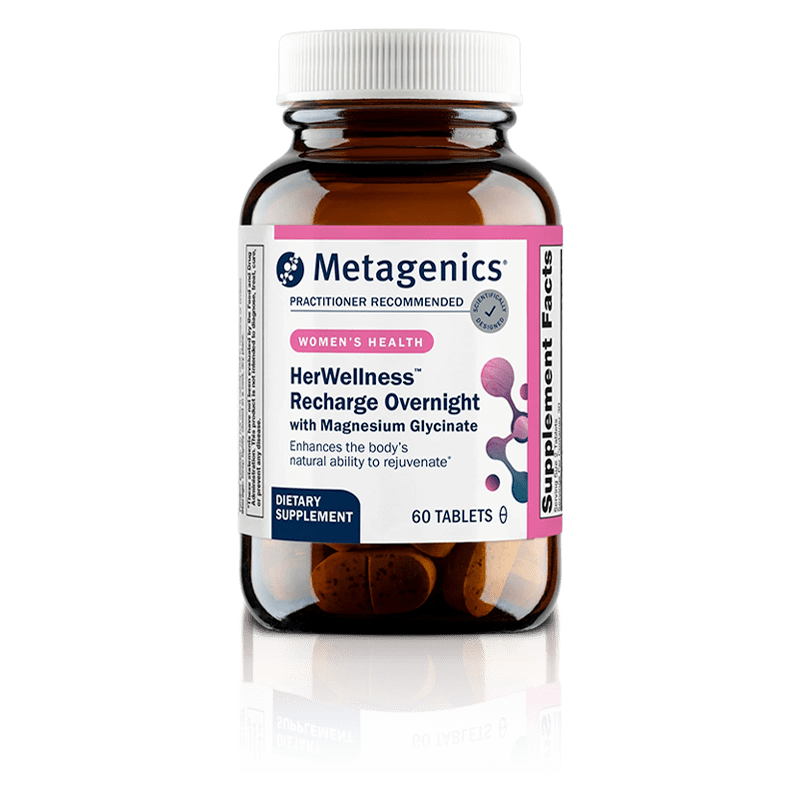
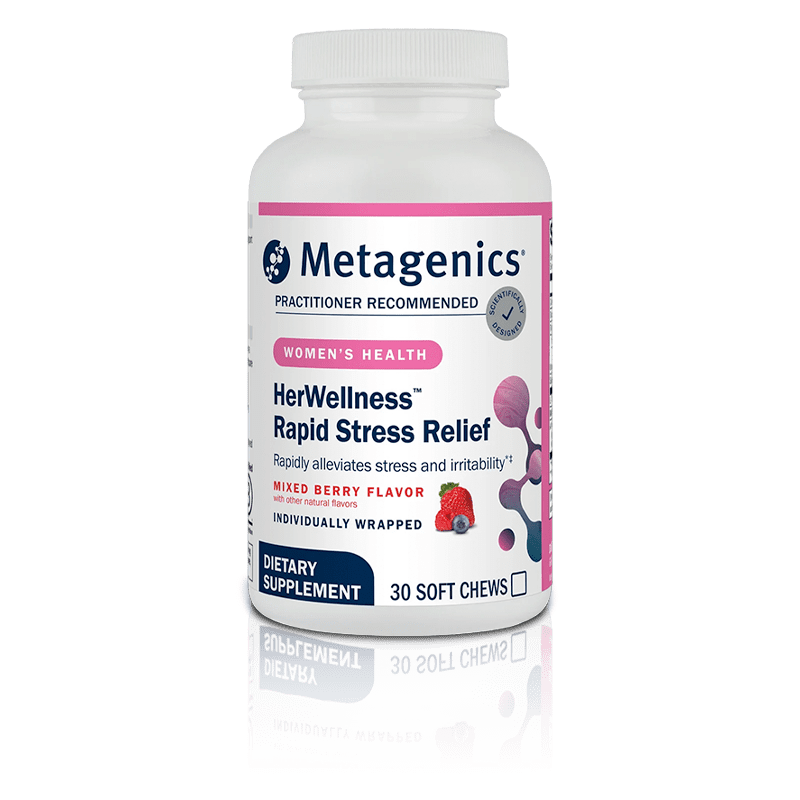
If stress, low energy, or burnout symptoms are affecting your daily life, Pharmacy Solutions can help you better understand supplement options, medication questions, and provider-guided wellness support.
Our pharmacists can help you explore nutrients and adaptogens that may support your stress response while keeping safety, medication interactions, and your individual health needs in mind.

 Quick View