Signup for the Pharmacy Solutions Newsletter for Big Discounts!



Enjoy 10% off for Patient Appreciation Day with code THANKUJULY on 7/15/2026 only!
The Pharmacy will be closed July 4th for Independence Day.
15% off on all sunscreen and probiotics during July with code SUNSAFE15




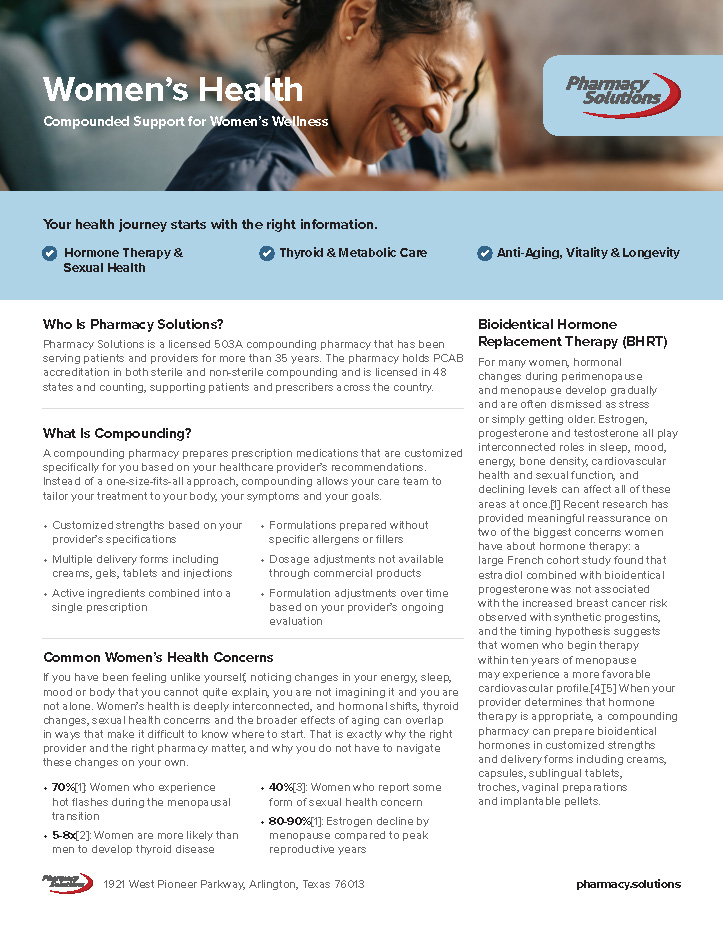
These changes can develop gradually and are often dismissed as stress or simply getting older. But when disrupted sleep, mental fog, changes in libido or emotional shifts begin affecting your daily life, it may be worth understanding what is happening hormonally. Estrogen, progesterone and testosterone all play interconnected roles in a woman’s health, and declining levels can affect everything from sleep and cognition to bone density, cardiovascular health and overall vitality. This page offers an educational overview of bioidentical hormone replacement therapy for women and what the process involves when working with a healthcare provider and a compounding pharmacy.
Perimenopause is the transitional phase leading up to menopause, typically beginning in the early to mid 40s, though it can start earlier. During this period, ovarian hormone production becomes irregular and eventually declines. Menopause is defined clinically as 12 consecutive months without a menstrual period, with the average age of onset in the United States around 51.[1] Estrogen and progesterone are the primary hormones involved, but testosterone also plays an important role in women’s energy, libido and mood. When levels shift outside of what is optimal for an individual, many women notice symptoms such as hot flashes, night sweats, sleep disruption, brain fog, mood changes, vaginal dryness and changes in sexual health.[2] Not every woman experiences these changes the same way, and symptoms can vary widely in type and intensity.
Several factors can influence the pace and severity of hormonal changes during perimenopause and beyond.
Hormonal changes affect the vast majority of women at some point, though the timing, severity and combination of symptoms vary considerably. The Study of Women’s Health Across the Nation found that approximately 70% of women experience hot flashes during the menopausal transition, and a significant proportion report that symptoms meaningfully affect their quality of life, sleep and ability to function at work.[5] Younger women experiencing early perimenopause, primary ovarian insufficiency or surgical menopause may encounter these changes well before the average age of onset. Women with a history of thyroid conditions, autoimmune disorders or high chronic stress loads may also experience hormonal disruptions earlier or more acutely.
If you have noticed persistent changes in sleep, mood, energy, cognitive clarity or sexual health, it may be worth discussing these concerns with a healthcare provider. Blood testing and symptom evaluation are commonly used together to assess hormone levels, though it is important to understand that no single numerical threshold tells the full story on its own. Your provider can help you understand whether further evaluation is appropriate and what options may be worth considering based on your individual history and goals.
Two areas of particular concern for women considering hormone therapy are breast cancer risk and cardiovascular health. Both deserve a careful, evidence-informed conversation rather than a reflexive response based on older or misunderstood data.
On the breast cancer side, much of the concern in the popular understanding traces back to the Women’s Health Initiative trial published in 2002. What is often not discussed is that the WHI used conjugated equine estrogen combined with a synthetic progestin, medroxyprogesterone acetate, not bioidentical progesterone. A large French cohort study by Fournier and colleagues, involving more than 80,000 postmenopausal women, found that estradiol combined with bioidentical progesterone was not associated with the increased breast cancer risk observed with synthetic progestins.[6] A separate analysis published in Climacteric reached similar conclusions, noting that the type of progestogen used appears to be a critical differentiating variable.[7] These findings do not eliminate the need for individualized risk assessment, but they do suggest the picture is considerably more nuanced than many women have been led to believe.
On the cardiovascular side, the timing of hormone therapy initiation appears to be the most important variable. The timing hypothesis, supported by findings from the Kronos Early Estrogen Prevention Study and the Danish Osteoporosis Prevention Study, suggests that women who begin hormone therapy within ten years of menopause or before age 60 may experience cardiovascular benefit rather than increased risk.[8][9] The WHI enrolled women with an average age of 63, many years past their menopausal transition, which is a fundamentally different clinical context. Multiple observational studies and the re-analysis of WHI data by age subgroup have supported this interpretation.[10] Women who begin therapy closer to the time of hormonal transition appear to have a more favorable cardiovascular profile than those who begin later.
These findings do not constitute a recommendation for any particular therapy. Your healthcare provider will evaluate your full medical history, including any personal or family history of relevant health concerns, before making any clinical decisions.
If you have noticed persistent changes in sleep, mood, energy, cognitive clarity or sexual health, it may be worth discussing these concerns with a healthcare provider. Blood testing and symptom evaluation are commonly used together to assess hormone levels, though it is important to understand that no single numerical threshold tells the full story on its own. Your provider can help you understand whether further evaluation is appropriate and what options may be worth considering based on your individual history and goals.
When your healthcare provider determines that hormone replacement therapy may be appropriate, the choice of hormones and delivery method should be guided by your symptoms, health history and individual response. Bioidentical hormone replacement therapy uses hormones that are structurally identical to those the body naturally produces, including estradiol, progesterone and testosterone, and a compounding pharmacy can prepare these in customized strengths and forms based on your provider’s specific instructions.
Common delivery methods include implantable pellets, transdermal creams and gels, sublingual tablets, troches, oral capsules and vaginal preparations. Pellet therapy involves small implants placed under the skin that release hormones steadily over several months, which some women prefer for its consistency. Vaginal preparations may be prescribed specifically for local symptoms such as dryness, irritation or discomfort during intercourse. Each delivery method has its own advantages and considerations, and no single approach is appropriate for every patient. Dosage is typically adjusted based on follow-up blood work and how the individual responds over time.[2] Your healthcare provider can help determine which option best fits your needs.
A compounding pharmacy works alongside healthcare providers to prepare customized medications that may not be available in standard commercial forms. This means your prescription can be tailored to a specific hormone combination, strength, delivery method or formulation that fits your individual needs. Pharmacists with experience in hormone therapy understand which delivery vehicles offer the most efficient absorption and highest bioavailability, and apply proper compounding techniques to help ensure the medication performs as your provider intended. They can also answer questions about preparation, what to expect during use and how to coordinate with your healthcare team.
Pharmacy Solutions is a licensed 503A compounding pharmacy with PCAB accreditation in both sterile and non-sterile compounding. The pharmacy has supported women’s wellness needs for more than 30 years and offers multiple dosage forms for hormone therapy. If you have questions about compounded hormone prescriptions or want to learn whether pellet therapy might be worth discussing with your provider, you can speak directly with a pharmacist.
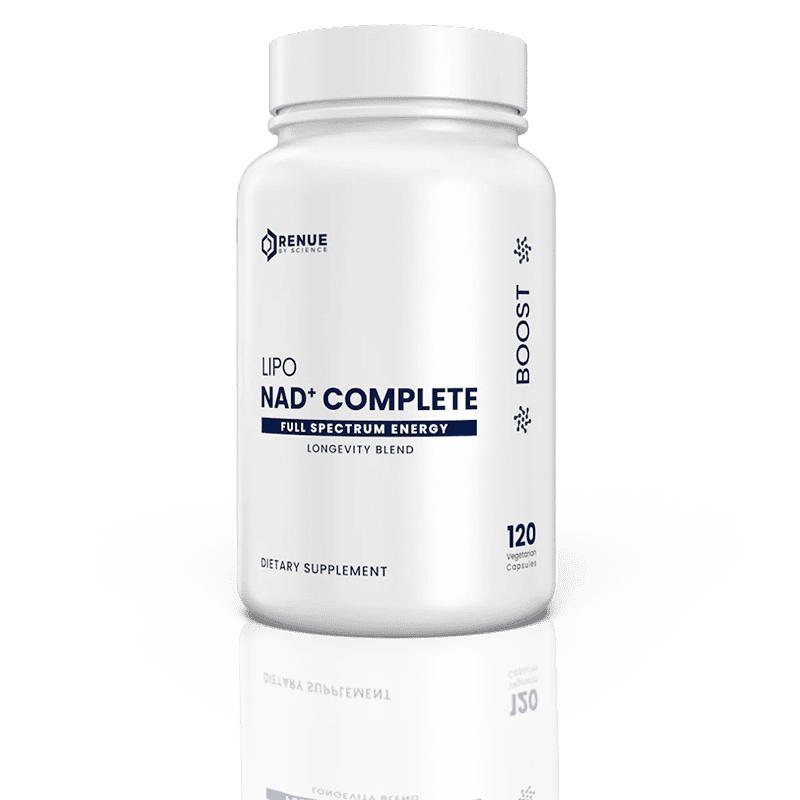
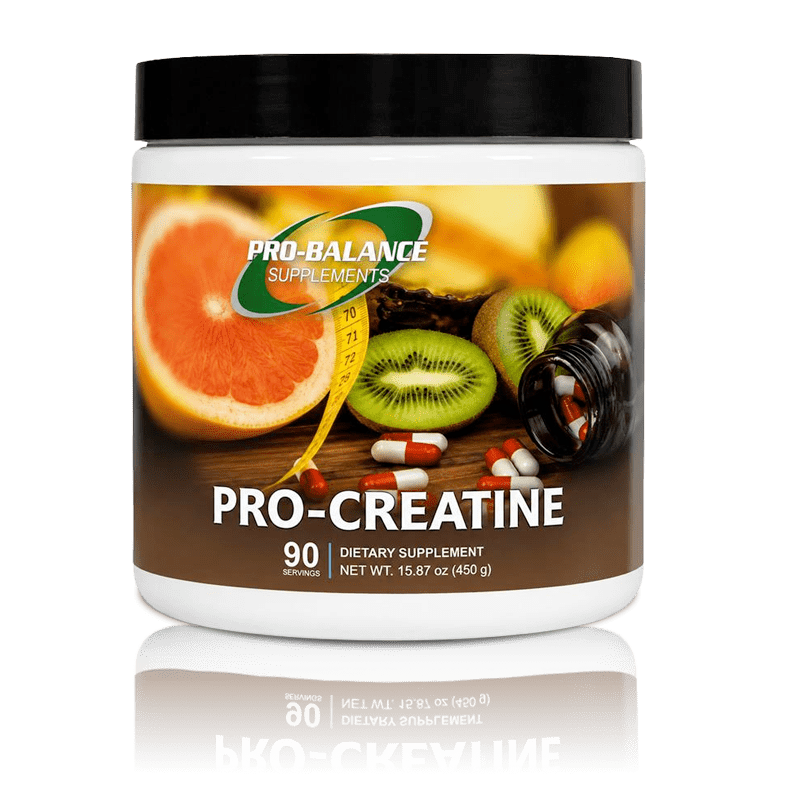
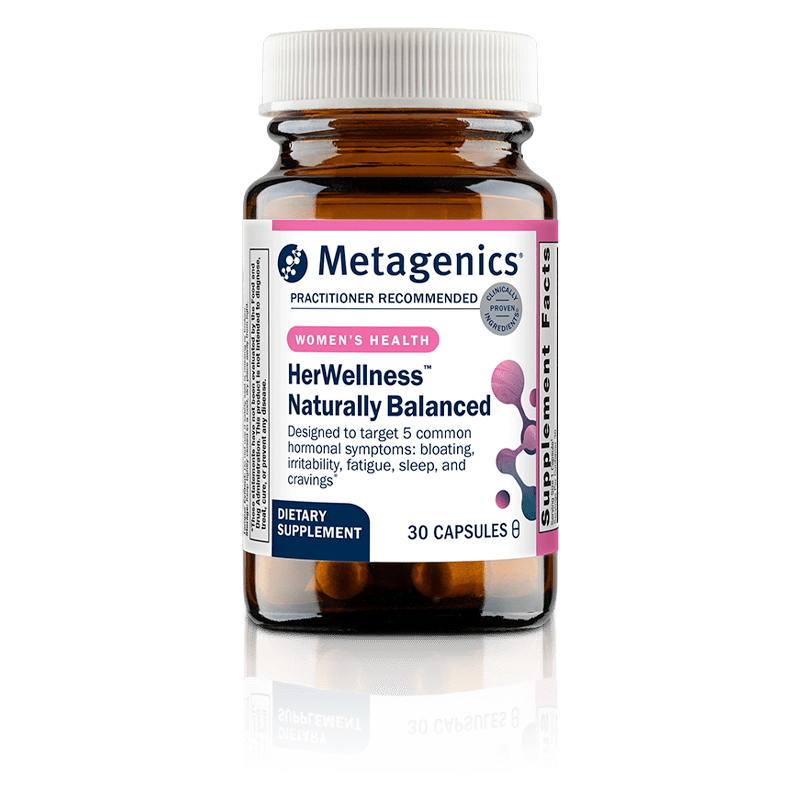
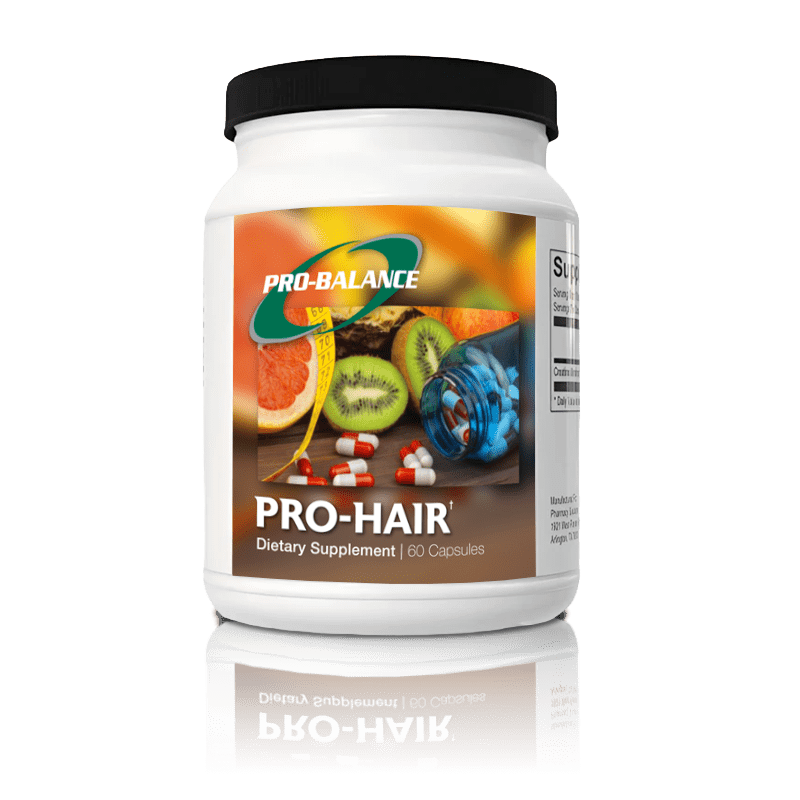
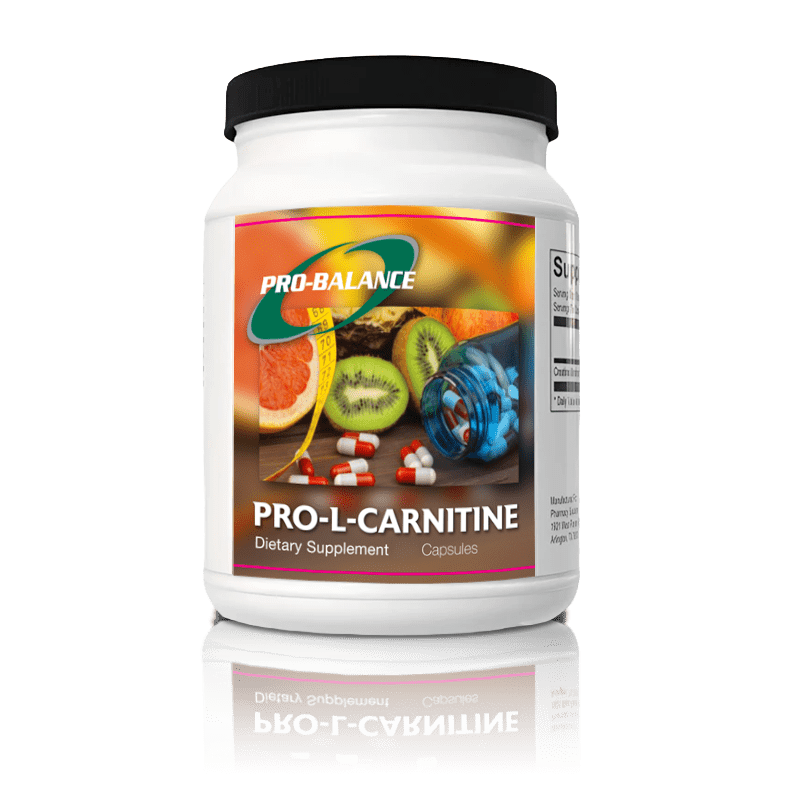
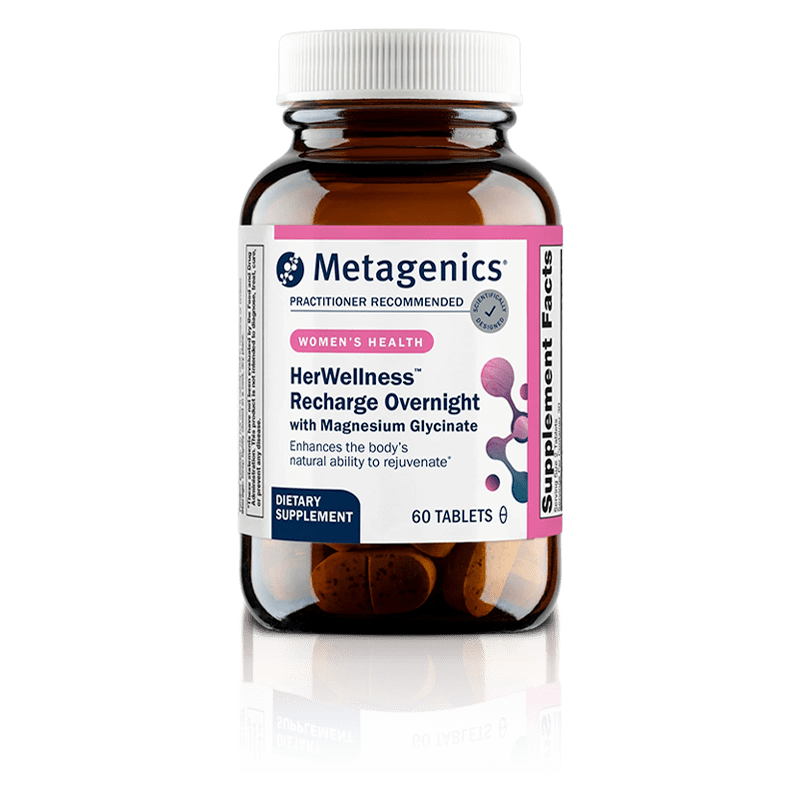
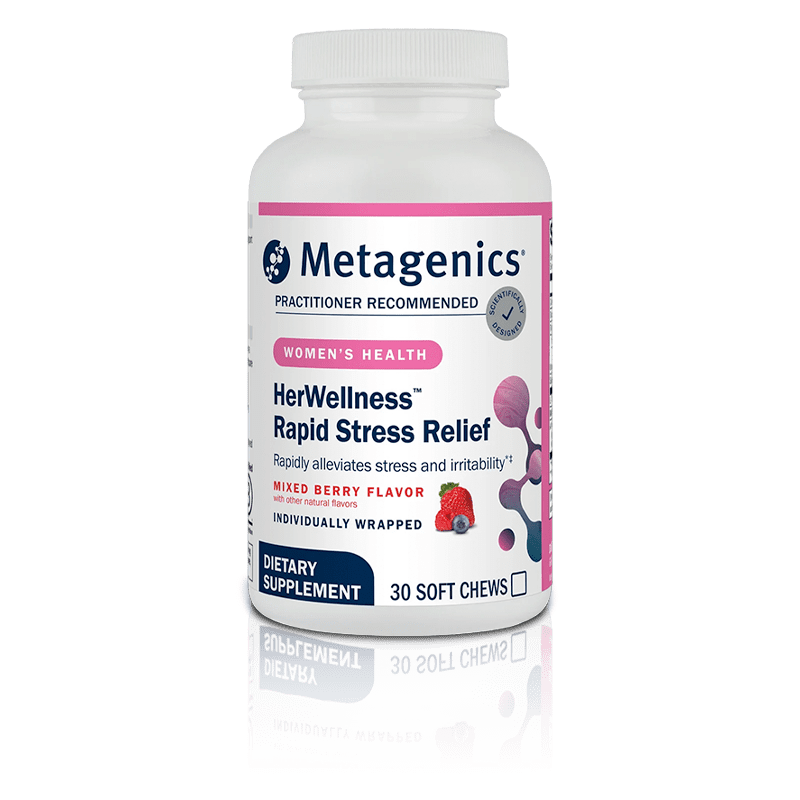
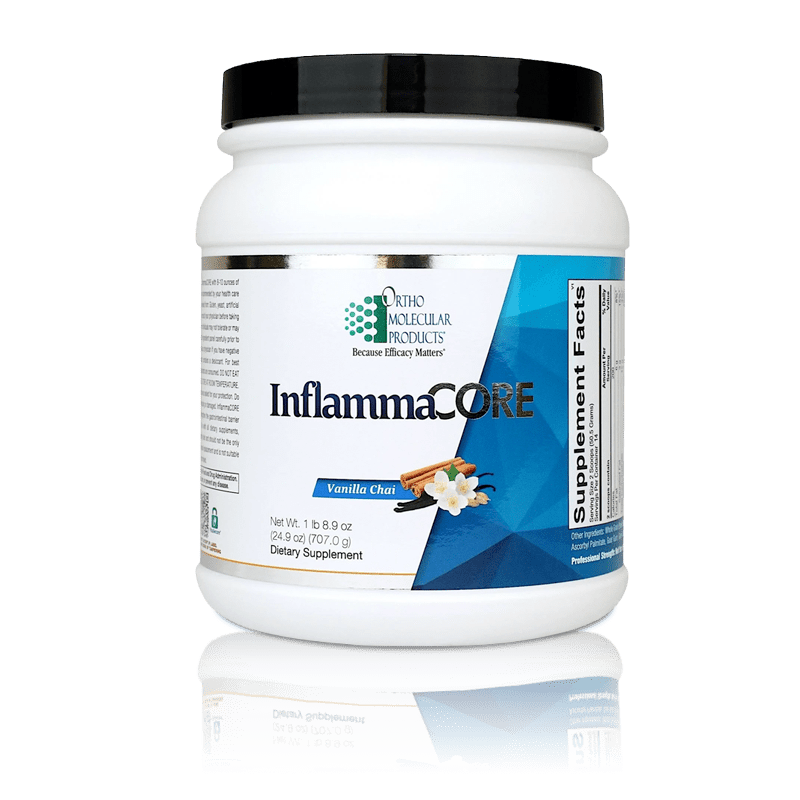
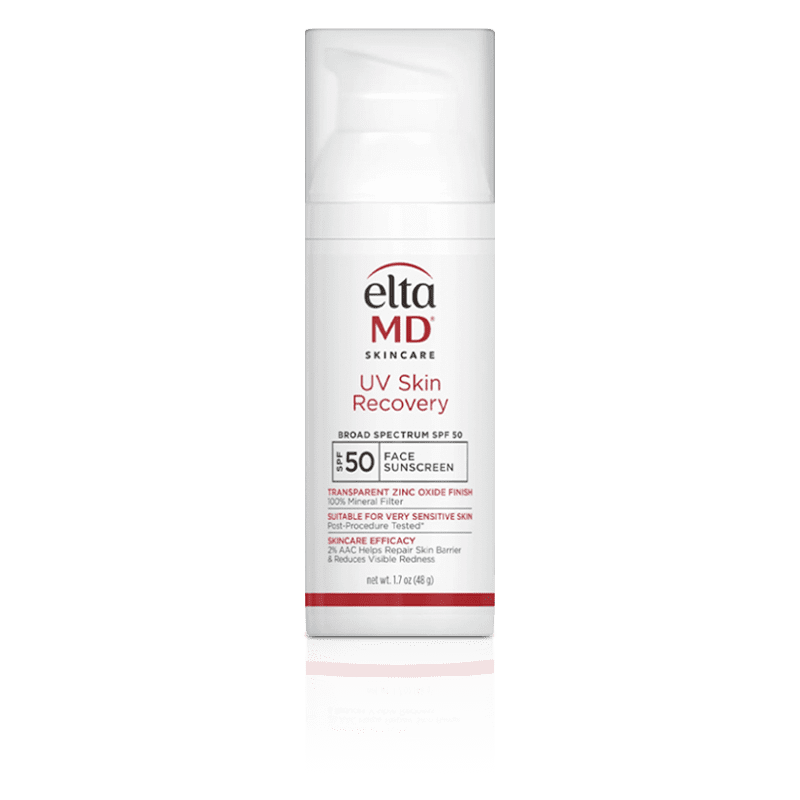
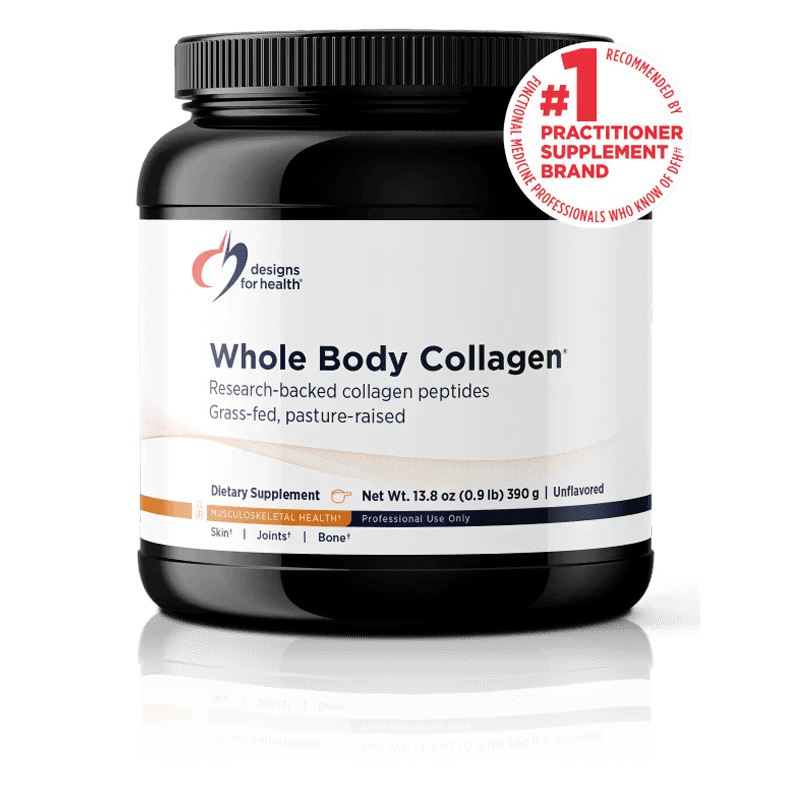
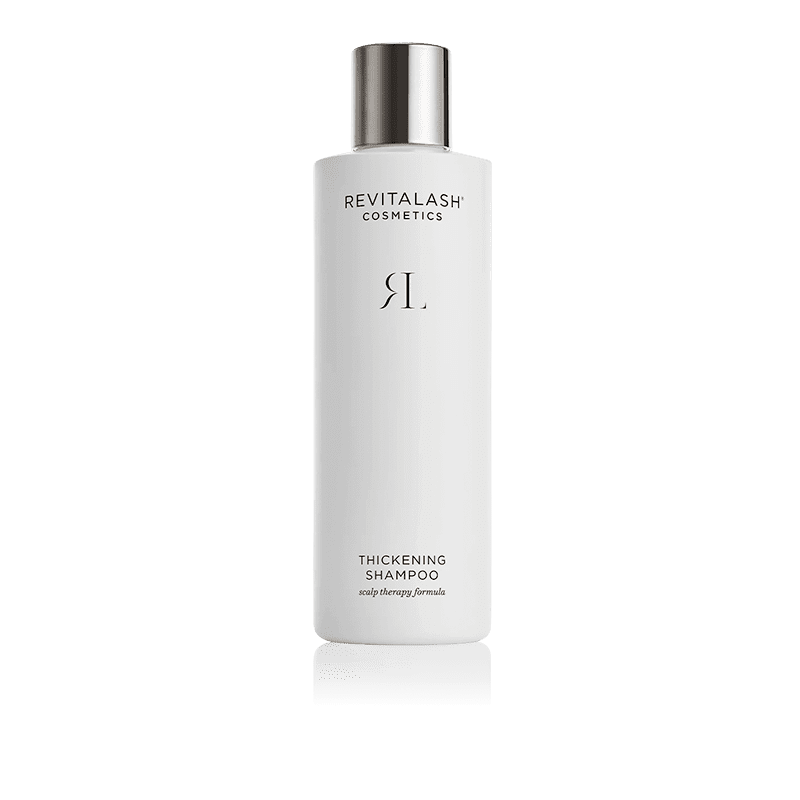
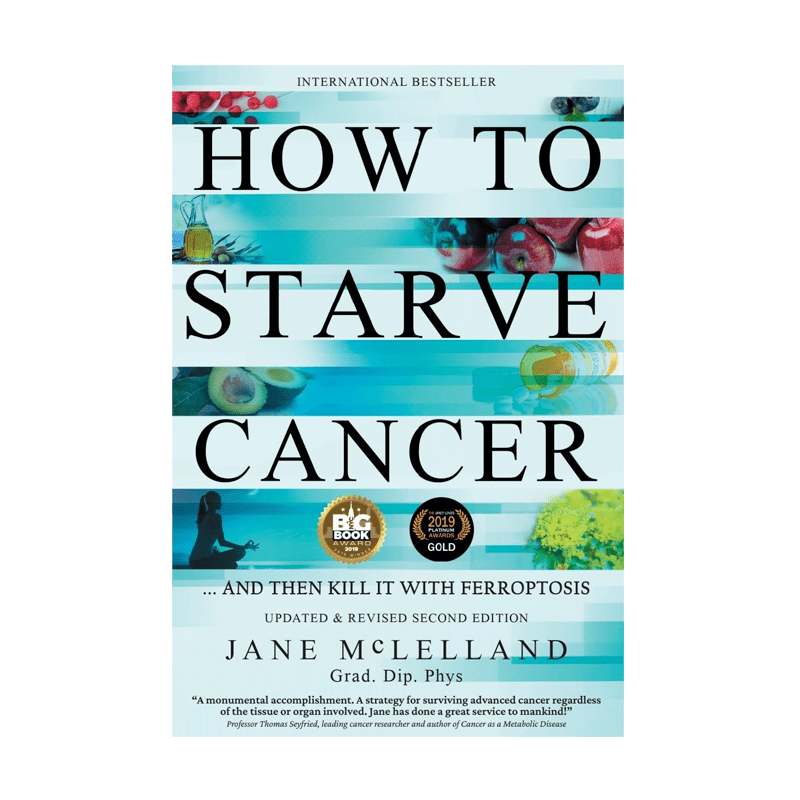
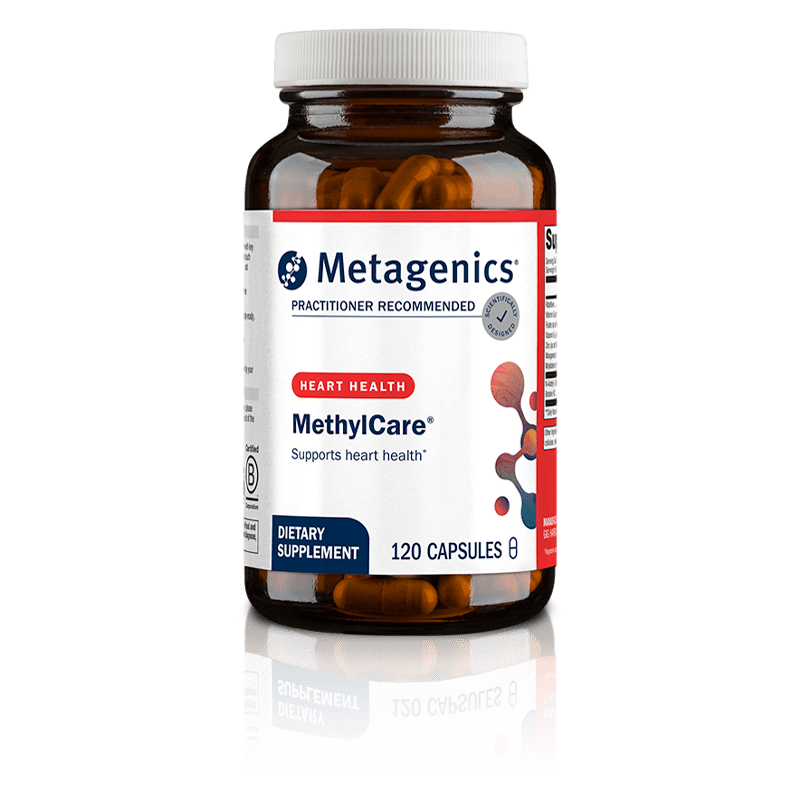
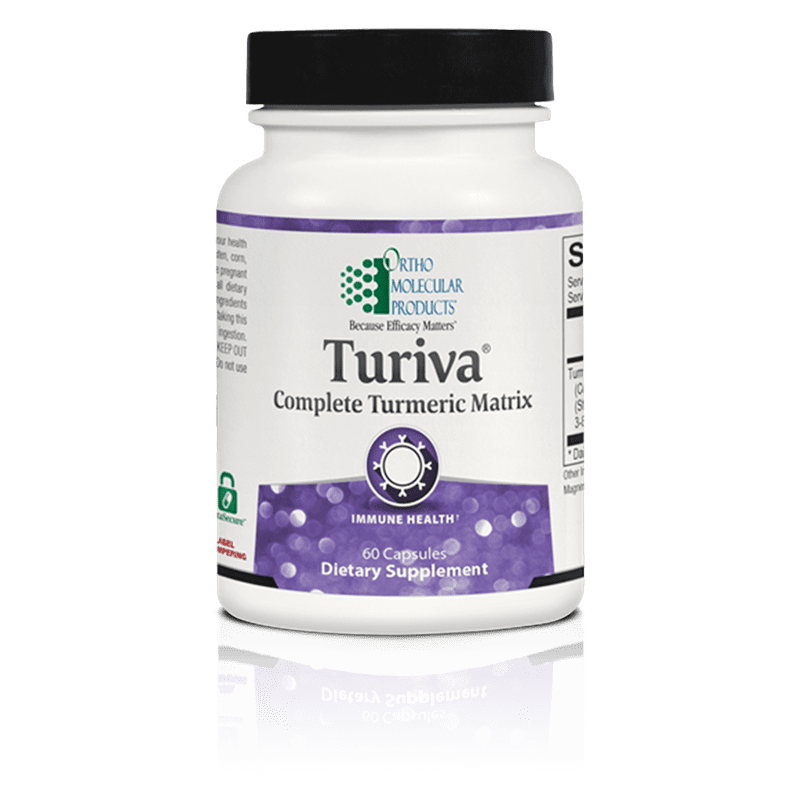
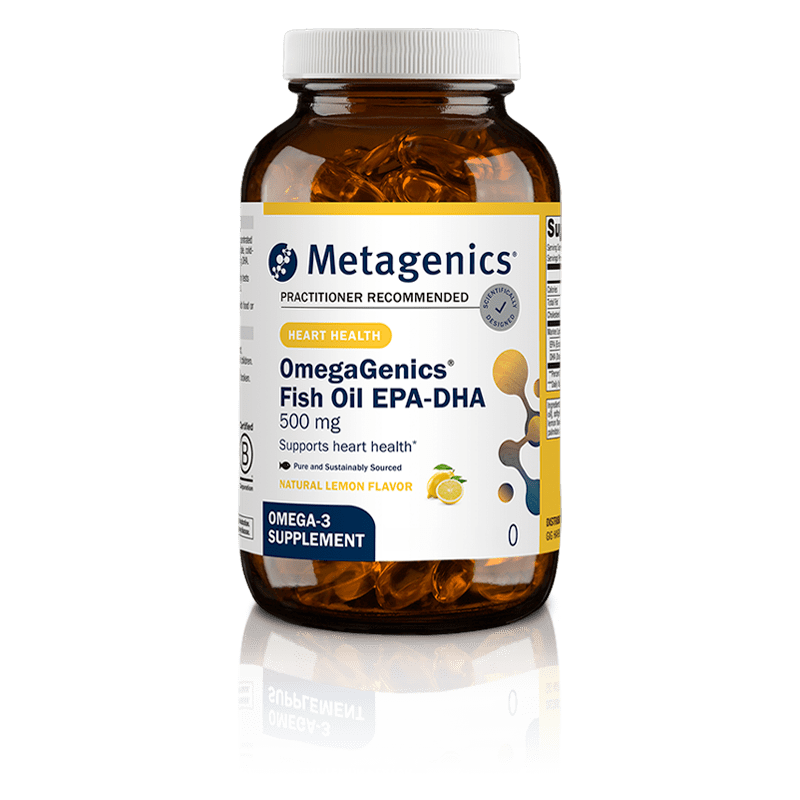
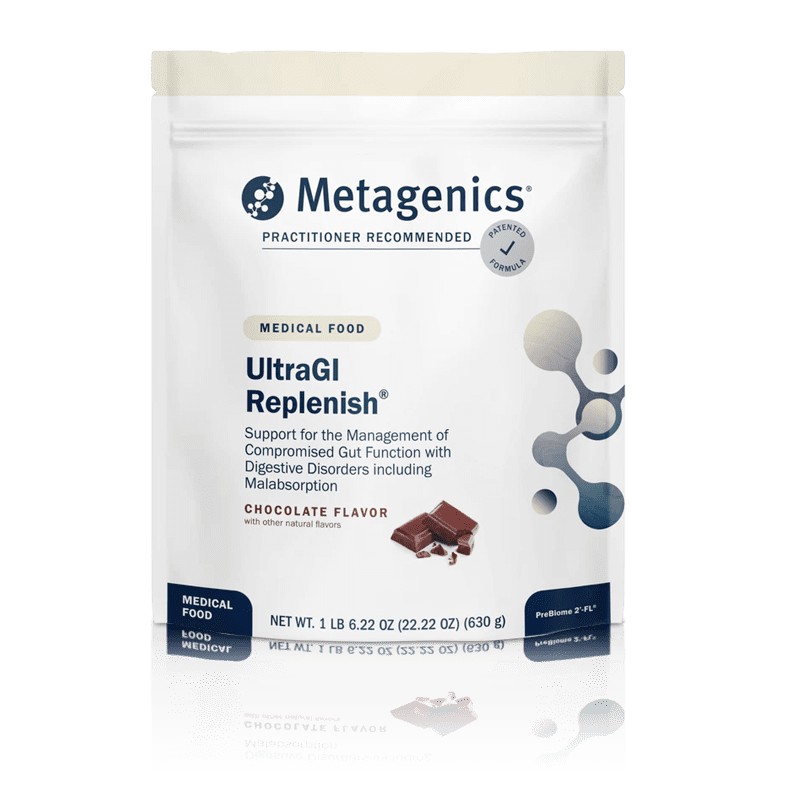
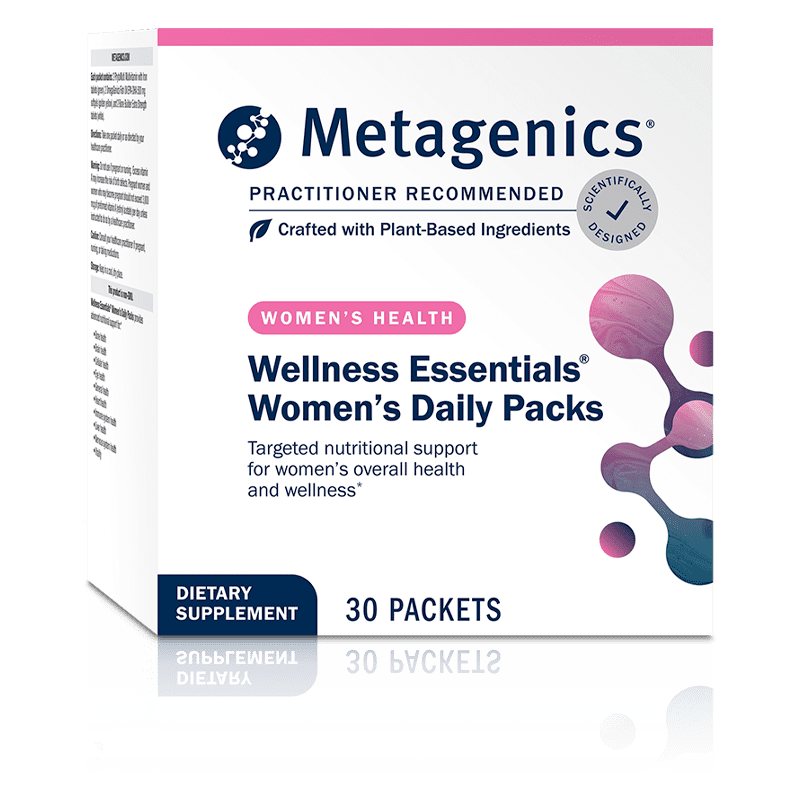
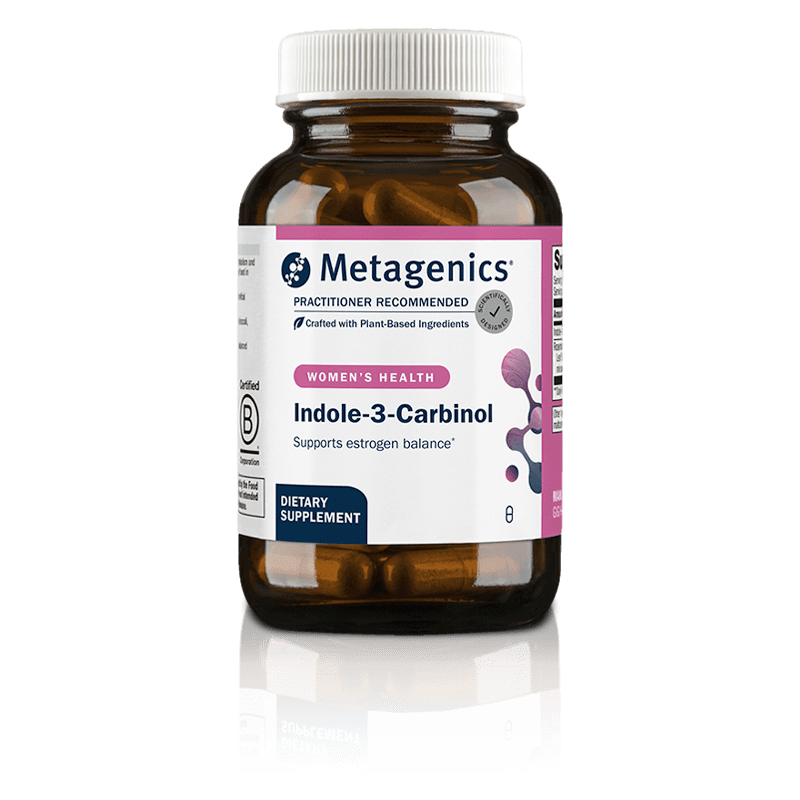
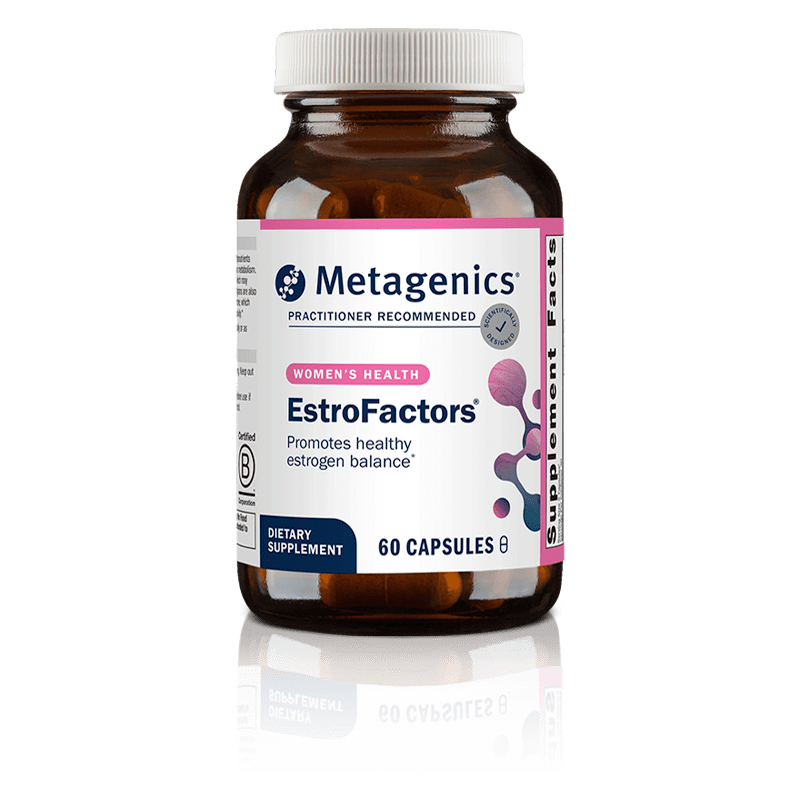
Some women explore over-the-counter supplements as part of a broader approach to wellness during perimenopause and beyond. Certain nutrients and compounds have been studied for their potential role in supporting the body’s natural hormone balance and overall vitality. Pharmacy Solutions carries pharmaceutical-grade options that may complement your wellness goals. Available products include:
These products are available without a prescription. As with any supplement, it is important to discuss use with a qualified healthcare professional to ensure it aligns with your individual health needs.
If your healthcare provider writes a prescription for compounded hormone therapy, here is a general overview of the process.


I finally feel like I have a team that actually listens. My provider and pharmacist worked together to find the right approach for me, and for the first time in years I feel like myself again.
We feature a curated selection of supplements chosen to support women’s health and overall wellness as part of a balanced daily routine. Metagenics EstroFactors combines targeted nutrients and botanicals that many women include in a steady daily routine to support their everyday wellness goals.
These products are available now without a prescription, so you can start whenever you are ready. Talk with your healthcare provider about which products and daily habits make sense for you and your goals.
Women’s health is always evolving. From the first menstrual cycle to perimenopause, menopause, and beyond, the body moves through many…
Costs vary depending on the type of medication, dosage form and frequency of use. Because compounded medications are customized, pricing is determined on a per-prescription basis. Speak with a pharmacist to get a clearer picture of what to expect for your specific prescription.
When prescribed and monitored appropriately, hormone therapy may support improvements in sleep, mood, energy, cognitive clarity, sexual health and bone density. Research also suggests that hormone therapy initiated near the time of menopause may be associated with cardiovascular benefit and reduced risk of osteoporosis. Individual responses vary, and your healthcare provider can help you understand what may be relevant for your situation.
This question is more nuanced than many people realize. The concern largely originated from the Women’s Health Initiative study, which used synthetic progestins rather than bioidentical progesterone. Subsequent research, including a large French cohort study, found that bioidentical progesterone combined with estradiol was not associated with the increased breast cancer risk observed with synthetic progestins. The type of hormone used matters significantly. Your healthcare provider will evaluate your individual history before making any clinical decisions.
Timing appears to be the critical factor. Evidence supporting the timing hypothesis, including findings from the KEEPS trial and the Danish Osteoporosis Prevention Study, suggests that women who begin hormone therapy within ten years of menopause or before age 60 may experience cardiovascular benefit rather than increased risk. The Women’s Health Initiative enrolled women with an average age of 63, many years past menopause, which contributed to a different risk profile. Speak with a provider who understands the current research before drawing conclusions.
Yes. Bioidentical hormones are structurally identical to the hormones the body produces naturally, including estradiol, progesterone and testosterone. Conventional hormone therapy has historically used synthetic derivatives such as medroxyprogesterone acetate, which bind to receptors differently and may carry a different safety profile. Compounded bioidentical hormones can also be customized in strength and delivery form in ways that commercially manufactured products cannot.
Yes. Perimenopause, the transitional phase leading up to menopause, can begin in the early to mid 40s and sometimes earlier. During this phase, hormone levels fluctuate significantly even while periods continue. Symptoms such as irregular cycles, sleep disruption, mood changes, brain fog and changes in libido can all occur before menopause is reached. Blood testing combined with symptom evaluation can help your provider get a clearer picture of what is happening hormonally.
Decisions about starting, adjusting or discontinuing therapy should be made in consultation with your healthcare provider. Stopping therapy may lead to a return of symptoms, and the approach to discontinuation should be guided by your provider based on your individual situation and goals.
Compounding pharmacies can prepare estradiol, progesterone and testosterone in several forms including transdermal creams, troches, sublingual tablets, vaginal preparations and implantable pellets. The form prescribed depends on your healthcare provider’s assessment of which option offers the most appropriate absorption and tolerability for your individual needs.
If you do not currently have a provider who specializes in hormone health, a compounding pharmacy may be able to help connect you with practitioners in your area who offer this type of care. You can also ask your primary care physician for a referral or speak directly with a pharmacist.
[1] North American Menopause Society. Menopause Practice: A Clinician’s Guide. https://www.menopause.org/for-clinicians/clinical-resources
[2] The NAMS 2022 Hormone Therapy Position Statement Advisory Panel. The 2022 hormone therapy position statement of The Menopause Society. Menopause. 2022;29(7):767-794. https://pubmed.ncbi.nlm.nih.gov/35797481/
[3] Shuster LT, et al. Premature menopause or early menopause: long-term health consequences. Maturitas. 2010;65(2):161-166. https://pubmed.ncbi.nlm.nih.gov/19733988/
[4] Prior JC. Progesterone for Symptomatic Perimenopause Treatment. J Obstet Gynaecol Can. 2011;33(12):1294-1301. https://pubmed.ncbi.nlm.nih.gov/22166192/
[5] Avis NE, et al. Duration of menopausal vasomotor symptoms over the menopause transition. JAMA Intern Med. 2015;175(4):531-539. https://pubmed.ncbi.nlm.nih.gov/25686030/
[6] Fournier A, et al. Unequal risks for breast cancer associated with different hormone replacement therapies: results from the E3N cohort study. Breast Cancer Res Treat. 2008;107(1):103-111. https://pubmed.ncbi.nlm.nih.gov/17333341/
[7] Asi N, et al. Progesterone vs. synthetic progestins and the risk of breast cancer: a systematic review and meta-analysis. Syst Rev. 2016;5(1):121. https://pubmed.ncbi.nlm.nih.gov/27405577/
[8] Harman SM, et al. KEEPS: The Kronos Early Estrogen Prevention Study. Climacteric. 2005;8(1):3-12. https://pubmed.ncbi.nlm.nih.gov/15823848/
[9] Schierbeck LL, et al. Effect of hormone replacement therapy on cardiovascular events in recently postmenopausal women: randomised trial. BMJ. 2012;345:e6409. https://pubmed.ncbi.nlm.nih.gov/23048011/
[10] Manson JE, et al. Menopausal hormone therapy and long-term all-cause and cause-specific mortality: the Women’s Health Initiative randomized trials. JAMA. 2017;318(10):927-938. https://pubmed.ncbi.nlm.nih.gov/28898378/
Tell us a little about what you are looking for and we will take it from there. Whether you have a prescription ready, questions about a therapy your provider mentioned, or just need help figuring out your next step, our team is here and ready to help.
"*" indicates required fields

To submit your order, click the “PRINT/SAVE” button located under this pop-up.

You can save the PDF to your computer to fax at a later date or print it now to fax immediately.

Fax your order form to 817-860-6083 for processing.

Get detailed information, research, and deeper product context. Toggle on to see more educational content.
Keep things brief and see related products faster. Toggle on to focus on products.

New to Pharmacy Solutions? Register now
Educate Me
Get detailed information, research, and deeper product context.
Toggle on to see more educational content.
Explore Treatments
Keep things brief and see related products faster.
Toggle on to focus on products.