July is UV Safety Awareness Month! Shop Sun Protection Essentials.
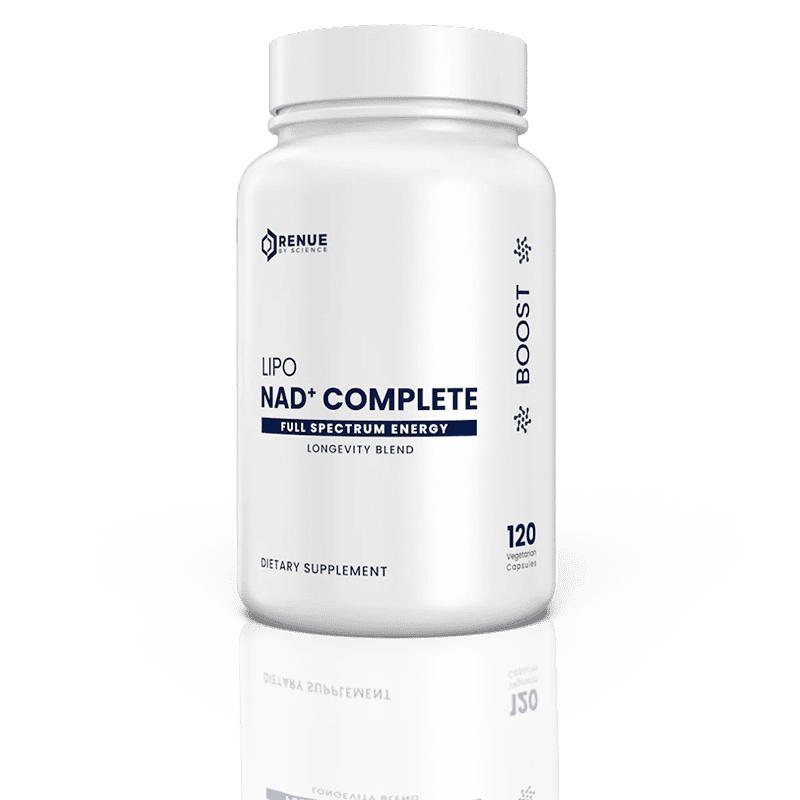
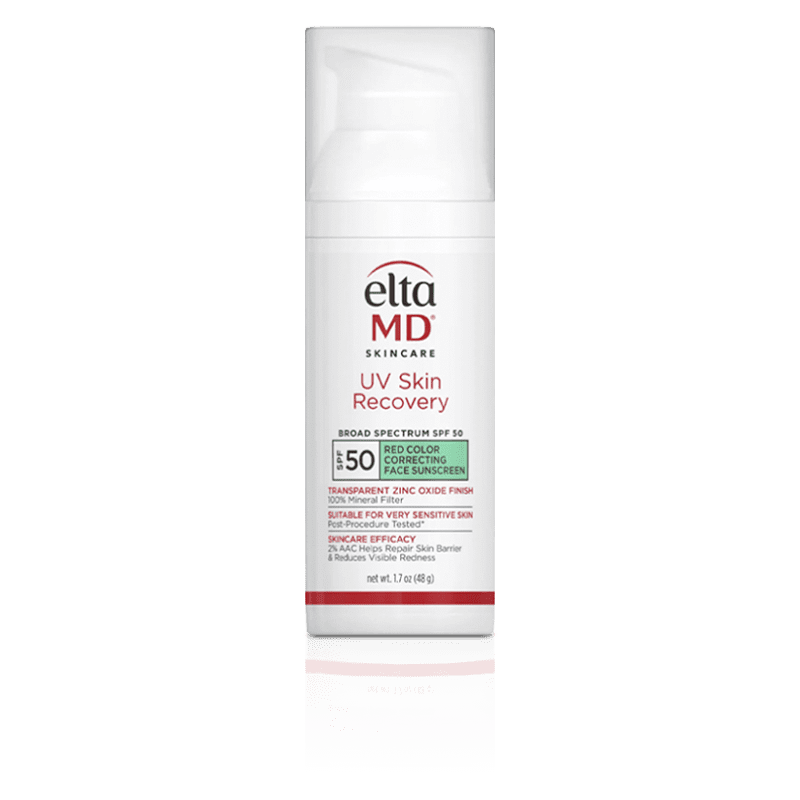


15% off on all sunscreen and probiotics during July with code SUNSAFE15
Enjoy 10% off for Patient Appreciation Day with code THANKUJULY on 7/15/2026 only!
The Pharmacy will be closed July 4th for Independence Day.

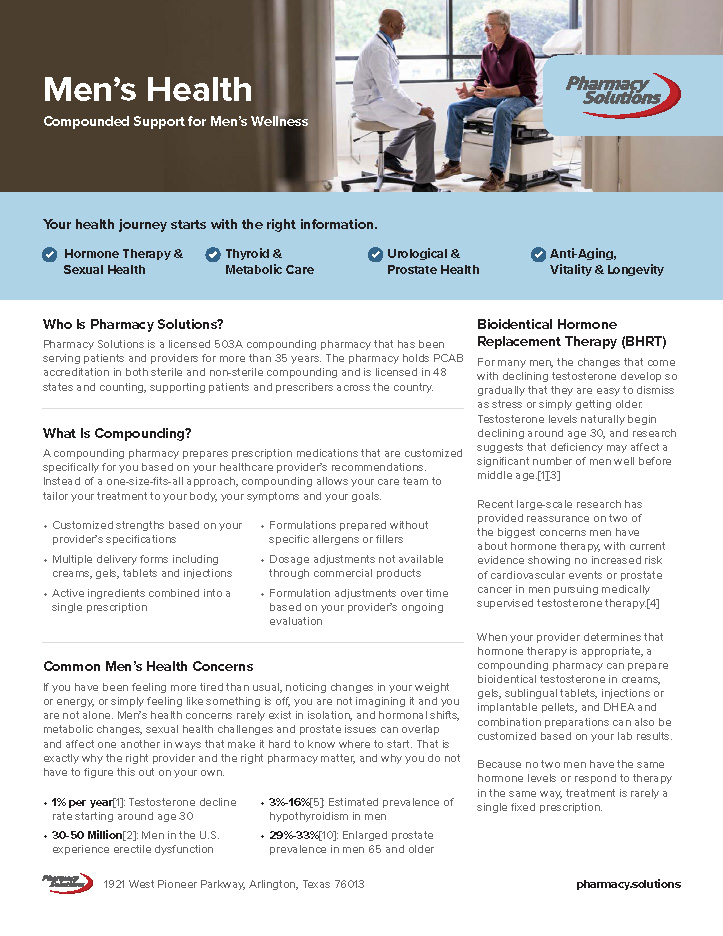
These symptoms can develop gradually and are often dismissed as stress, aging or the demands of daily life. But when fatigue begins affecting your work, your motivation or your sense of well-being, it may be worth looking deeper. The thyroid gland plays a central role in regulating metabolism, energy production and hormone balance throughout the body. It does not operate in isolation. Like an orchestra, every hormonal system depends on others playing in tune, and when thyroid function is low, the effects can ripple across nearly every system, including testosterone, adrenal function and cardiovascular health. Research suggests that between 3% and 16% of men may experience hypothyroidism, with risk increasing after age 50.[1] Because many thyroid symptoms overlap with other conditions common in men, including low testosterone, thyroid problems are frequently underdiagnosed. This page offers an educational overview of thyroid health for men and what the process involves when working with a healthcare provider and a compounding pharmacy.
Hypothyroidism occurs when the thyroid gland does not produce enough thyroid hormones to support normal metabolic function. The thyroid is a butterfly-shaped gland located at the base of the neck that produces two primary hormones: triiodothyronine (T3) and thyroxine (T4). These hormones influence metabolism, body temperature, heart rate, energy levels and cognitive function. When levels fall below what the body needs, many systems slow down. Men with hypothyroidism may notice fatigue, unexplained weight gain, difficulty concentrating, cold intolerance, constipation, dry skin and changes in mood.[2] Because thyroid problems are more commonly associated with women, many men go undiagnosed for years. The American Thyroid Association estimates that up to 60% of people with thyroid disease are unaware of their condition.[3]
Several factors can influence thyroid function and contribute to the development of hypothyroidism.
Thyroid dysfunction can occur at any age, though it becomes significantly more common as men get older. Research from the Colorado Thyroid Disease Prevalence Study found that 11% of men aged 65 to 74 and 16% of men aged 75 and older had elevated TSH levels indicating potential hypothyroidism.[4] Many men with subclinical hypothyroidism, a milder form characterized by slightly elevated TSH with normal T4 levels, may not recognize their symptoms or attribute them to other causes.
If you have noticed persistent fatigue, unexplained weight changes, difficulty with concentration or memory, reduced motivation, cold sensitivity or changes in sexual function, it may be worth discussing these concerns with a healthcare provider. A thorough evaluation typically goes beyond a single TSH reading to include free T3, free T4, and in some cases reverse T3 and thyroid antibodies, offering a more complete picture of how the thyroid is actually functioning at the cellular level.[2] Because thyroid symptoms in men often overlap with signs of low testosterone, adrenal stress and other hormonal imbalances, comprehensive evaluation is important for accurate assessment. Early identification allows for timely intervention and can help prevent progression to more significant dysfunction.
When a healthcare provider determines that thyroid hormone replacement may be appropriate, there are several medication options available. The standard approach involves levothyroxine (T4), which the body converts to the more active T3 form. However, some individuals continue to experience symptoms despite normalized lab values on T4 alone. This can occur when conversion from T4 to active T3 is impaired, which may be related to stress, nutrient deficiencies or genetic variations in the enzymes responsible for that conversion. For these individuals, combination therapy with both T4 and T3 may be considered. A compounding pharmacy can prepare thyroid medications in customized formulations based on your provider’s specific instructions. Common options include:
The choice of medication and dosage depends on individual factors including symptom response, lab values and personal preference. Regular monitoring through blood tests and clinical follow-up helps ensure the approach remains appropriate over time.[2]
A compounding pharmacy works alongside healthcare providers to prepare customized thyroid medications that may not be available in standard commercial forms. This includes precise dosing adjustments, combination formulations with specific T4 to T3 ratios, sustained-release preparations and formulations without certain fillers or allergens for sensitive patients. Pharmacists with experience in thyroid therapy can answer questions about how medications are prepared, what to expect during use and how to coordinate with your healthcare provider.
Pharmacy Solutions is a licensed 503A compounding pharmacy with PCAB accreditation in both sterile and non-sterile compounding. The pharmacy has supported men’s wellness needs for more than 30 years and understands that thyroid function rarely exists in isolation. Because thyroid health is closely connected to testosterone, adrenal function and other hormonal systems, the pharmacy team supports a comprehensive view of metabolic health and individualized care. If you have questions about compounded thyroid prescriptions, want to explore over-the-counter nutrients or want to learn more about supporting your metabolic health, you can speak directly with a pharmacist. If you need help finding a provider who specializes in thyroid and metabolic health for men, we can help connect you.
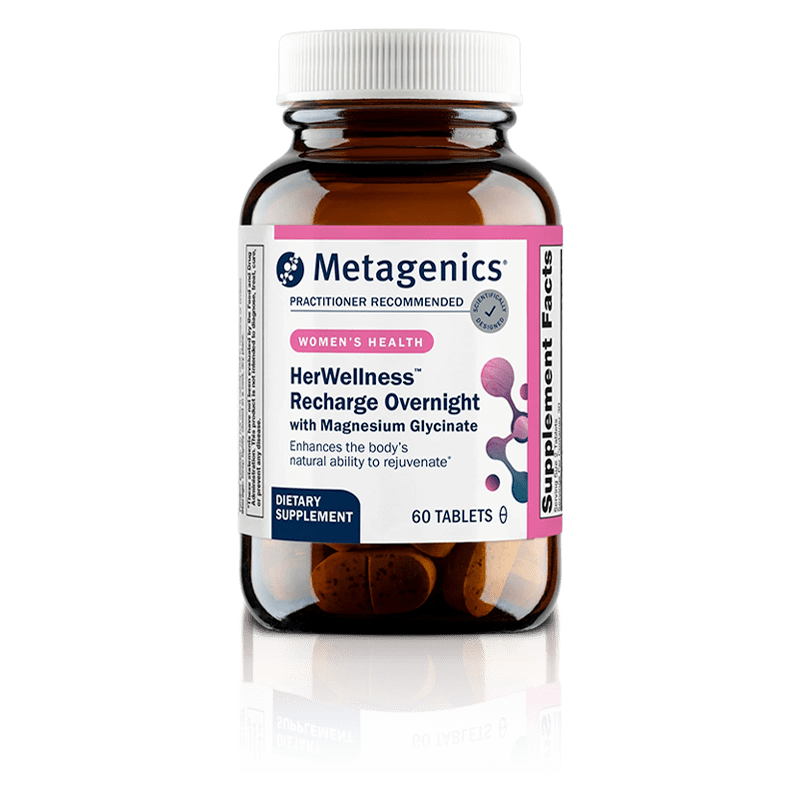
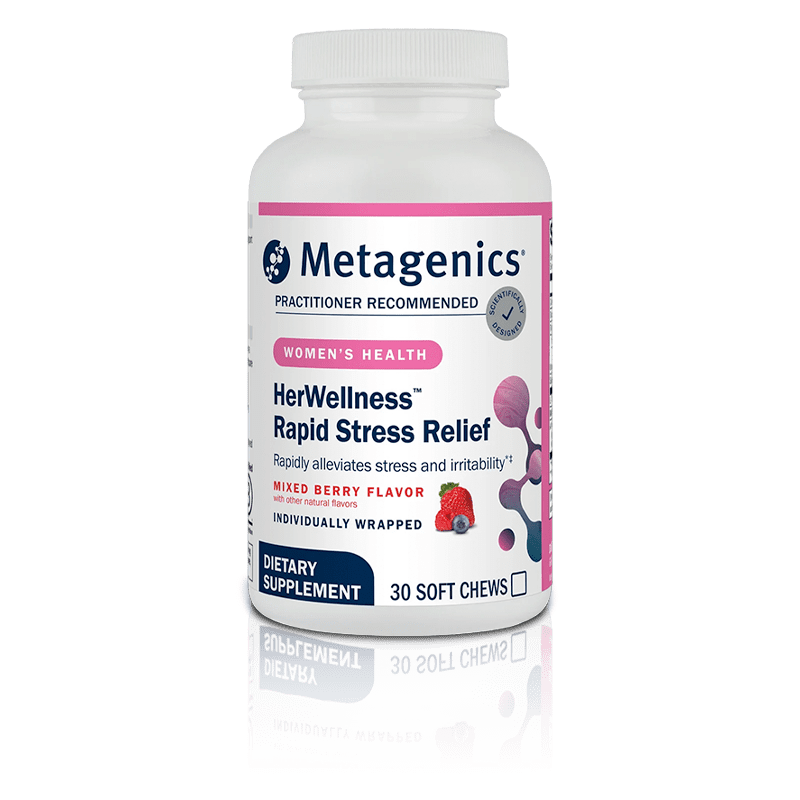
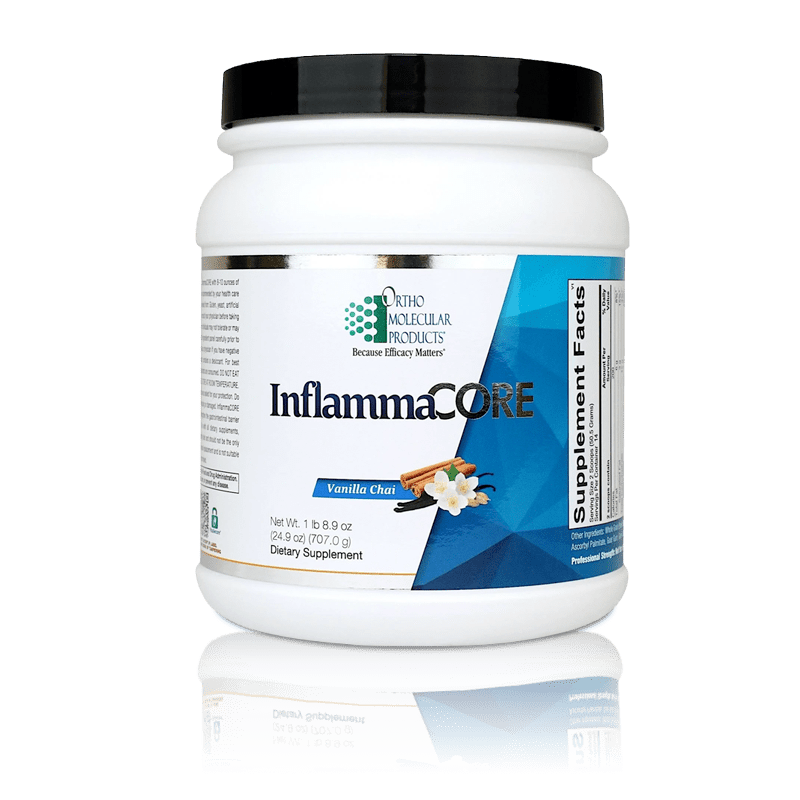
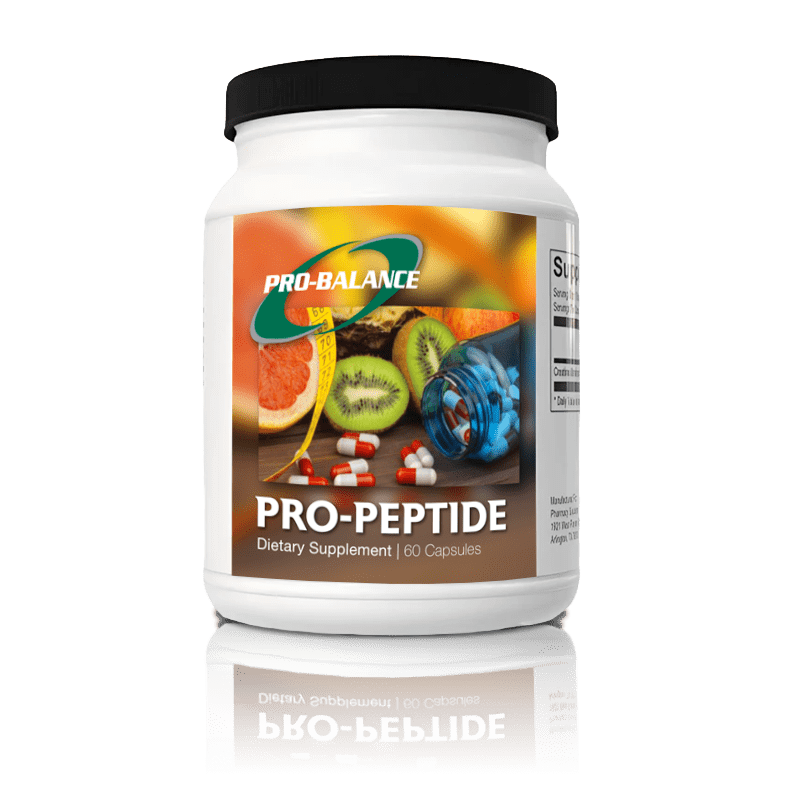
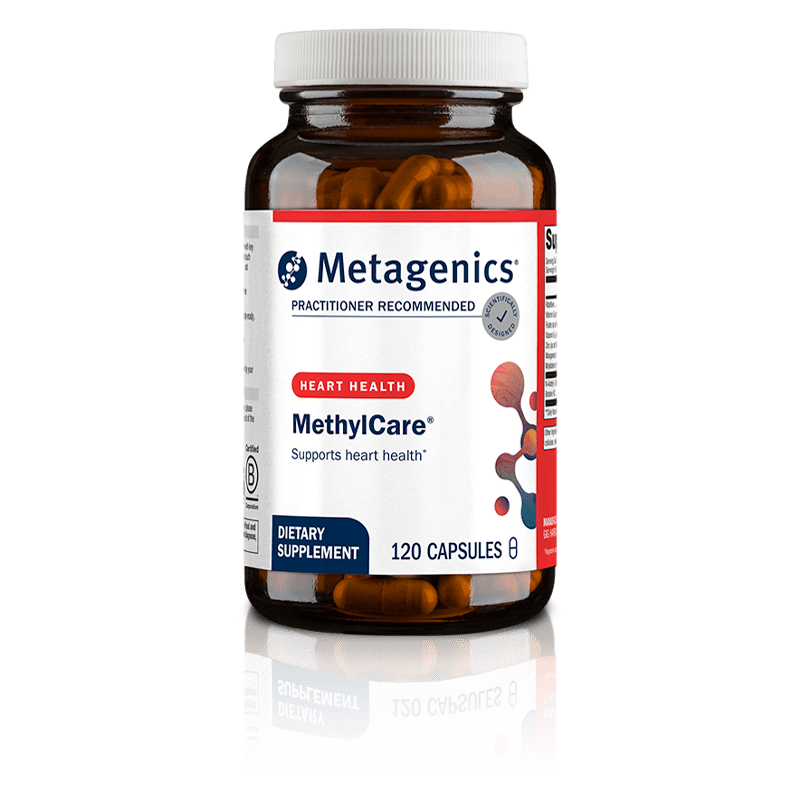
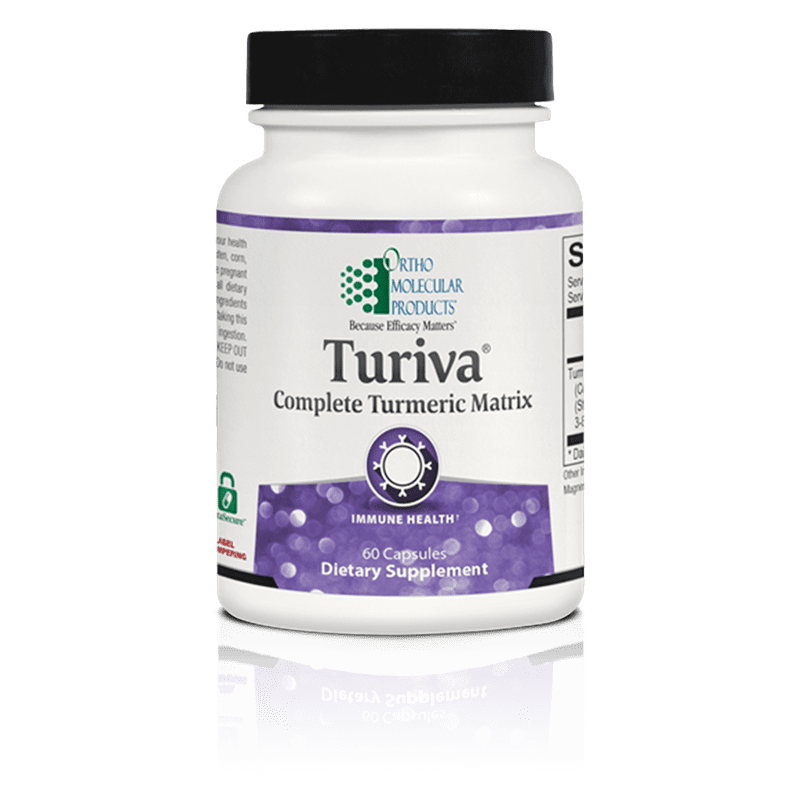
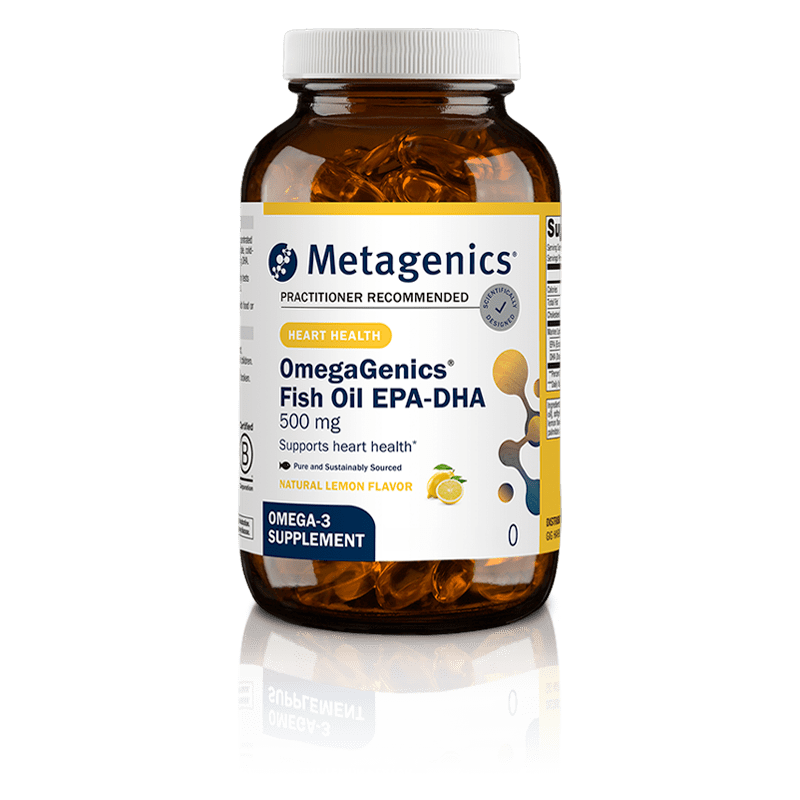
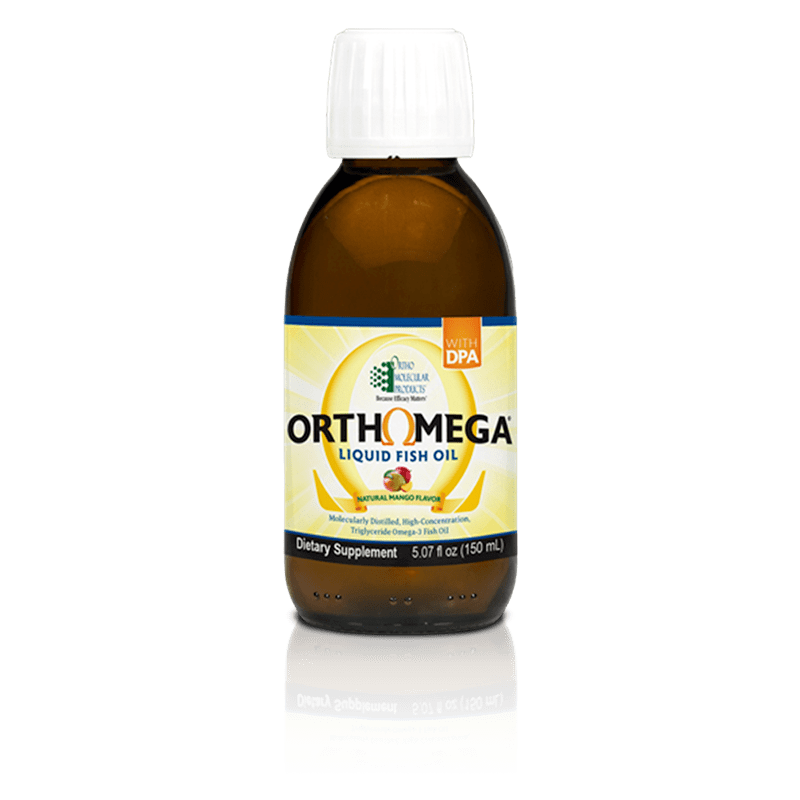
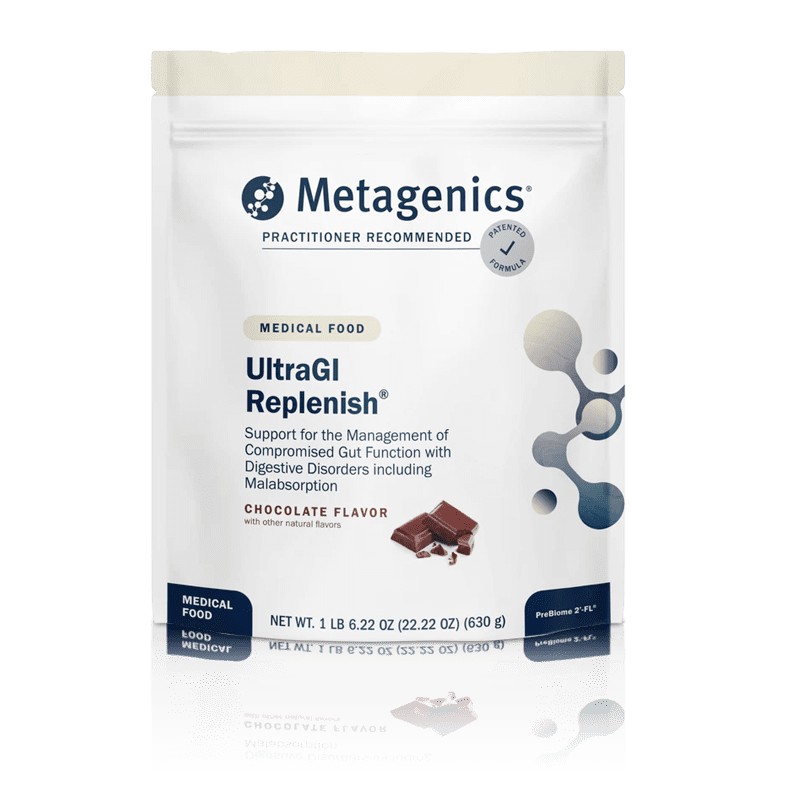
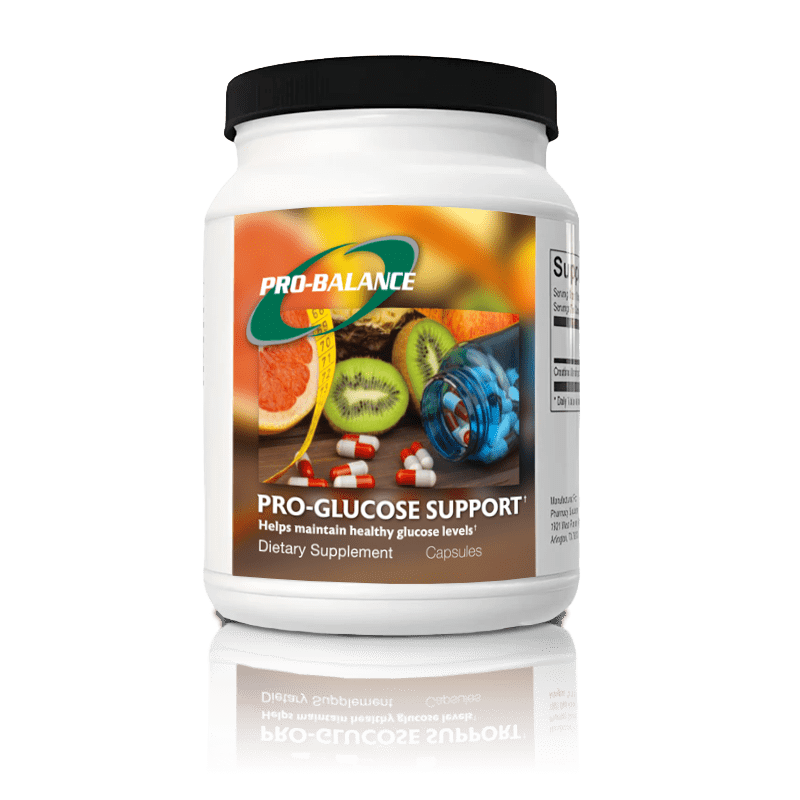
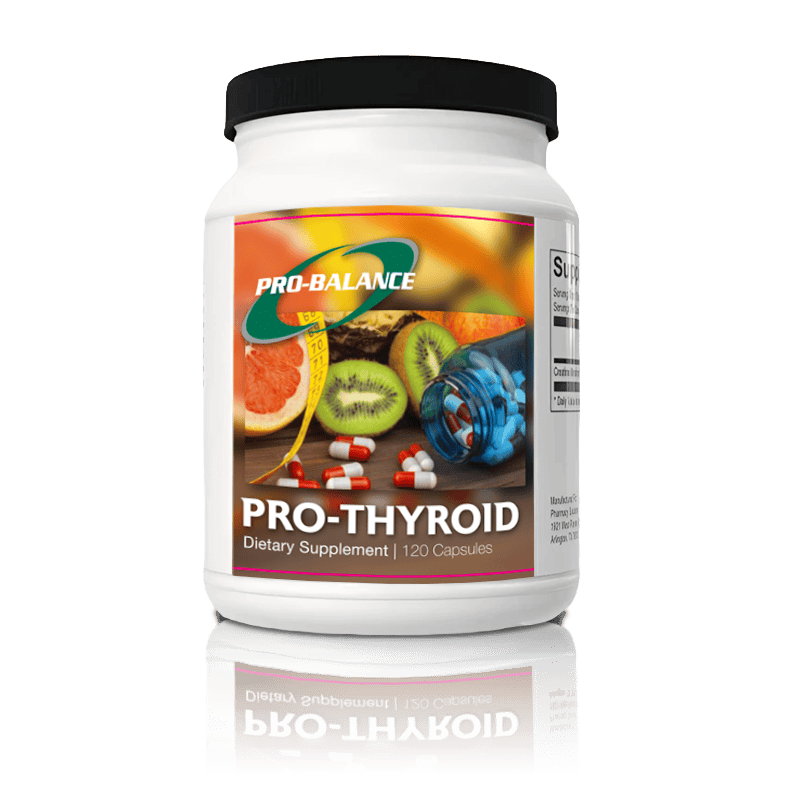
Some men explore over-the-counter supplements as part of a broader approach to metabolic wellness. Certain nutrients are essential to thyroid hormone production, conversion and cellular function, and deficiencies in several of these are common. Pharmacy Solutions carries pharmaceutical-grade options that may complement your wellness goals. Available products include:
These products are available without a prescription. As with any supplement, it is important to discuss use with a qualified healthcare professional to ensure it aligns with your individual health needs and does not interfere with any medications.
If you decide to explore your thyroid function with a healthcare provider, here is a general overview of the process.

I had been feeling off for years and just assumed it was part of getting older. Once my provider identified the thyroid issue and worked with the pharmacy to get my levels right, I finally started feeling like myself again.
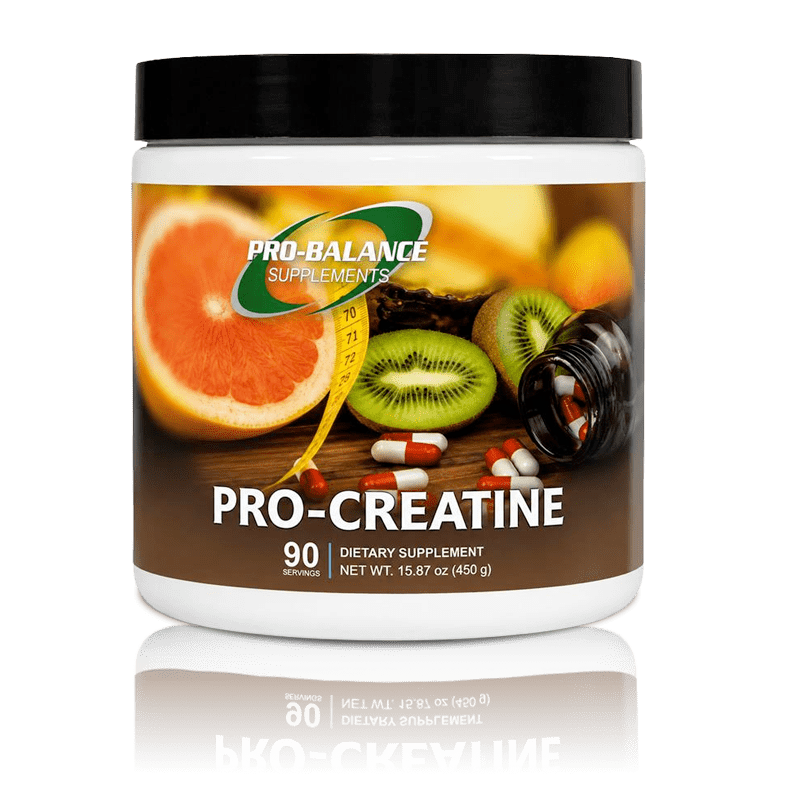
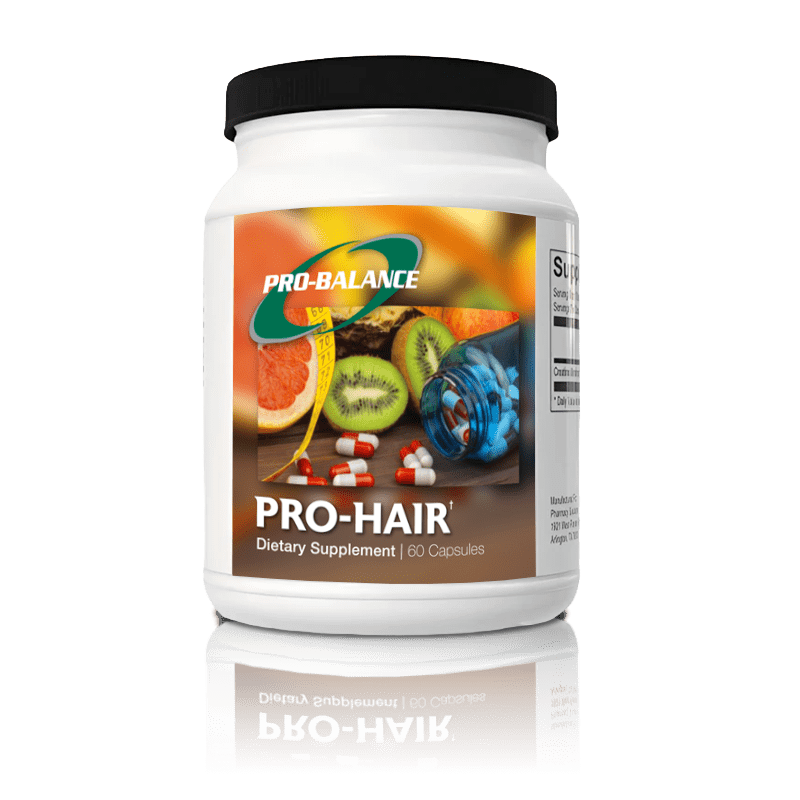
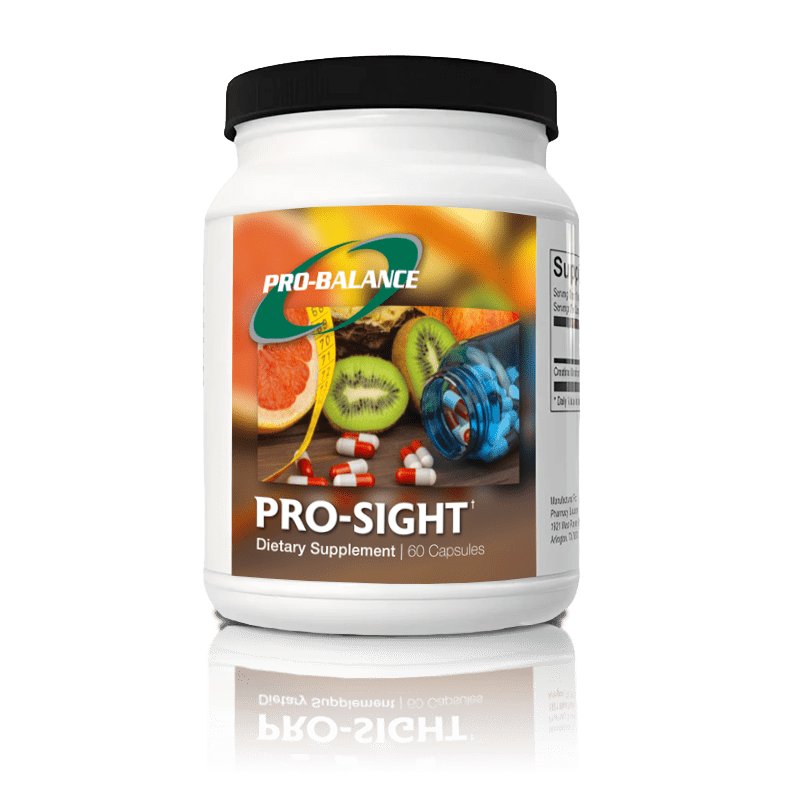
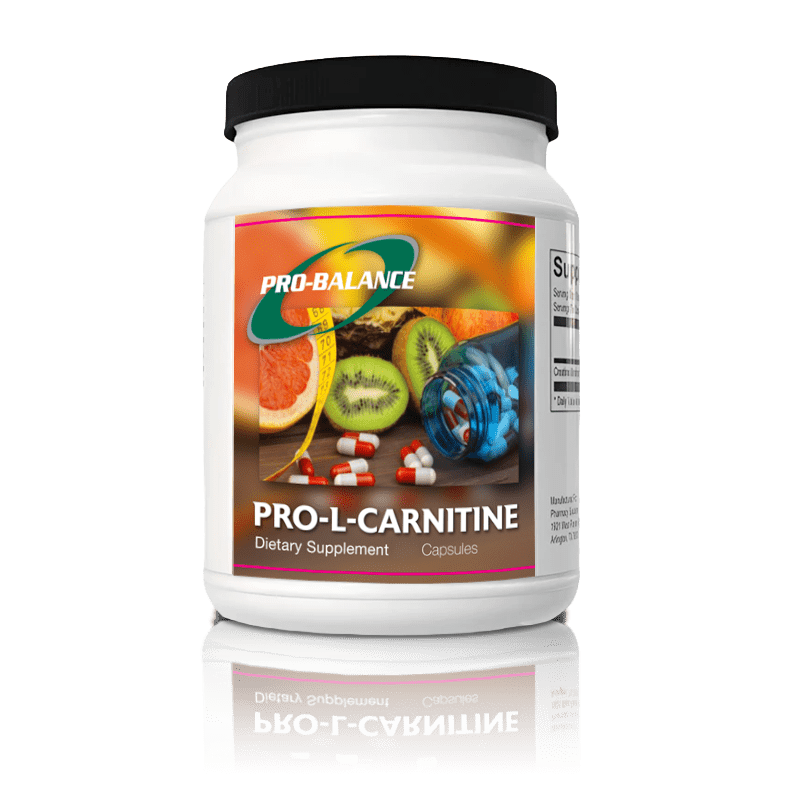
We feature a curated selection of supplements chosen to support overall wellness and a balanced, healthy daily routine you can stick with. Pro-Thyroid is a daily formula from the Pro-Balance line that many men add to a steady routine to support their everyday wellness goals and an active lifestyle.
These products are available now without a prescription, so you can begin whenever it suits you. As always, talk with your healthcare provider about what fits alongside the rest of your daily routine.
Common signs include fatigue, unexplained weight gain, difficulty losing weight, cold intolerance, constipation, dry skin, brain fog, depression and reduced motivation. Men may also experience symptoms related to sexual function, including low libido, erectile dysfunction and reduced testosterone levels. Because these symptoms overlap with other conditions, blood testing is necessary for accurate assessment.
Yes, research shows that hypothyroidism can reduce free testosterone levels in men. The thyroid and reproductive systems are interconnected, and low thyroid hormone can disrupt the signals that stimulate testosterone production. In many cases, addressing the underlying thyroid condition helps normalize testosterone levels, though some men may require additional support.[6]
Hypothyroidism is commonly identified through blood tests measuring thyroid-stimulating hormone (TSH) and thyroid hormone levels (T4 and T3). However, a comprehensive evaluation often includes free T3, free T4, reverse T3 and thyroid antibodies. This broader panel helps determine not just whether hormone production is adequate but whether conversion to active T3 is occurring normally and whether an autoimmune process is involved. Symptoms and lab values together guide the most complete picture.
Levothyroxine (T4) is the inactive form of thyroid hormone that the body converts to active T3. Liothyronine is the active T3 form. Most individuals do well on T4 alone, but some have difficulty converting T4 to T3 due to nutrient deficiencies, chronic stress or genetic variations in conversion enzymes. A compounding pharmacy can prepare customized ratios of T4 and T3 based on your provider’s recommendations.
Reverse T3 (rT3) is an inactive form of thyroid hormone that can be produced when the body is under chronic stress, experiencing significant illness or dealing with certain nutrient deficiencies. When cortisol is elevated over time, the body may redirect T4 toward rT3 rather than active T3, which can produce symptoms similar to hypothyroidism even when TSH and T4 appear within standard ranges. Measuring rT3 alongside free T3 and free T4 can give a more complete picture of how thyroid hormones are functioning at the cellular level.
Certain nutrients including selenium, zinc, iodine, magnesium and B vitamins play important roles in thyroid hormone production, conversion and metabolism. Adaptogens like ashwagandha have been studied for their potential role in supporting the adrenal-thyroid axis and may help the body manage the stress response that can impair T4-to-T3 conversion. Supplementation may be helpful for individuals with deficiencies, but should be discussed with a healthcare provider, as some nutrients have narrow therapeutic windows.
Thyroid disease is more common in women, so providers may not think to test men with suggestive symptoms. Additionally, many thyroid symptoms overlap with signs of low testosterone, adrenal stress or normal aging, leading to misattribution. Men experiencing persistent fatigue, weight changes, brain fog or mood issues should request a comprehensive thyroid panel as part of their evaluation.
[1] Chiovato L, et al. Hypothyroidism in Context: Where We’ve Been and Where We’re Going. Advances in Therapy. 2019;36(Suppl 2):47-58.
[2] American Thyroid Association. Hypothyroidism (Underactive Thyroid). https://www.thyroid.org/hypothyroidism/
[3] American Thyroid Association. General Information/Press Room. https://www.thyroid.org/media-main/press-room/
[4] Canaris GJ, et al. The Colorado Thyroid Disease Prevalence Study. Archives of Internal Medicine. 2000;160(4):526-534.
[5] Vanderpump MPJ. The epidemiology of thyroid disease. British Medical Bulletin. 2011;99(1):39-51.
[6] Meikle AW. The Interrelationships Between Thyroid Dysfunction and Hypogonadism in Men and Boys. Thyroid. 2004;14(Suppl 1):S17-S25.
[7] Mao Y, et al. Supplementation with selenium and coenzyme Q10 in an elderly Swedish population low in selenium: positive effects on thyroid hormones, cardiovascular mortality, and quality of life. BMC Medicine. 2024;22(1):213.
Tell us a little about what you are looking for and we will take it from there. Whether you have a prescription ready, questions about a therapy your provider mentioned, or just need help figuring out your next step, our team is here and ready to help.
"*" indicates required fields

To submit your order, click the “PRINT/SAVE” button located under this pop-up.

You can save the PDF to your computer to fax at a later date or print it now to fax immediately.

Fax your order form to 817-860-6083 for processing.
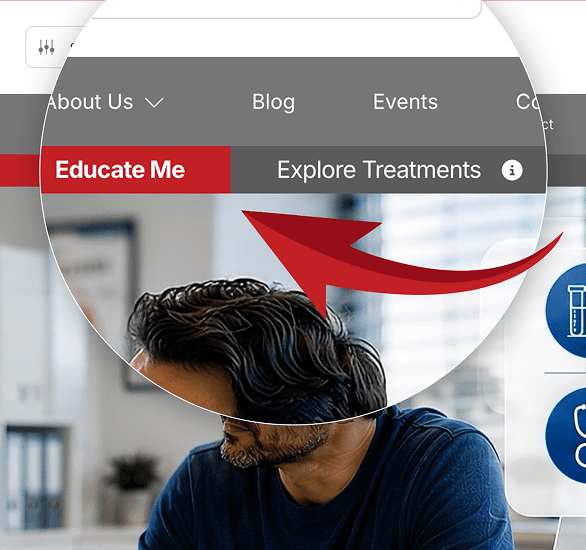
Get detailed information, research, and deeper product context. Toggle on to see more educational content.
Keep things brief and see related products faster. Toggle on to focus on products.

New to Pharmacy Solutions? Register now
Educate Me
Get detailed information, research, and deeper product context.
Toggle on to see more educational content.
Explore Treatments
Keep things brief and see related products faster.
Toggle on to focus on products.