Signup for the Pharmacy Solutions Newsletter for Big Discounts!
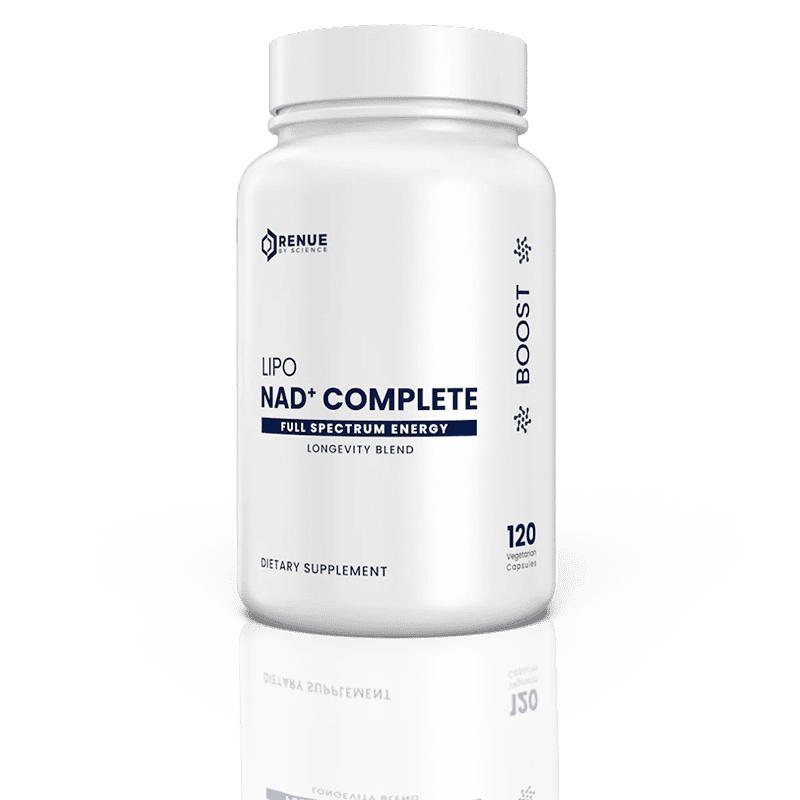
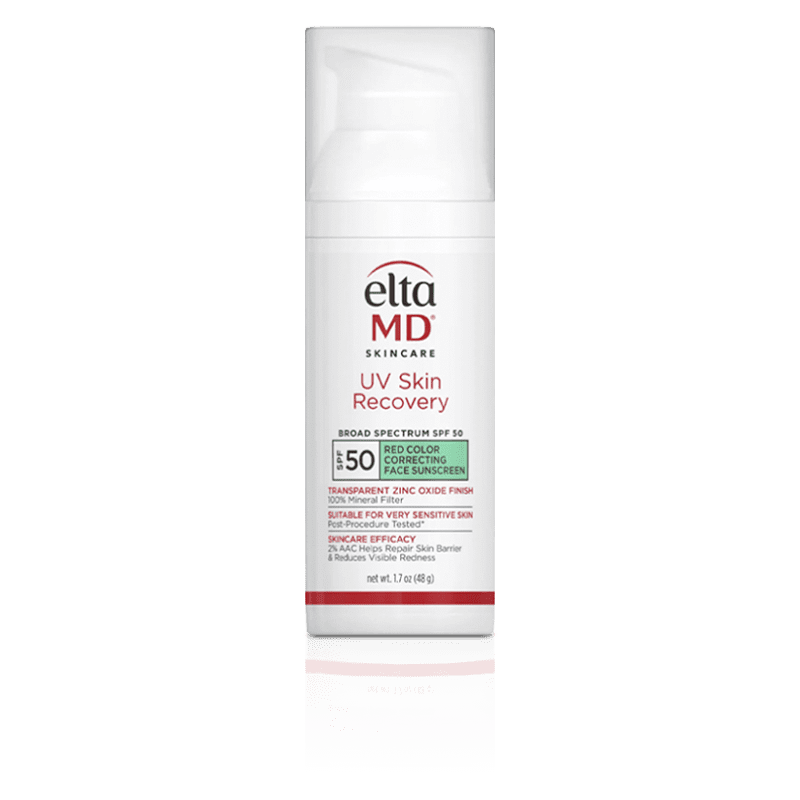


15% off on all sunscreen and probiotics during July with code SUNSAFE15
The Pharmacy will be closed July 4th for Independence Day.
Enjoy 10% off for Patient Appreciation Day with code THANKUJULY on 7/15/2026 only!
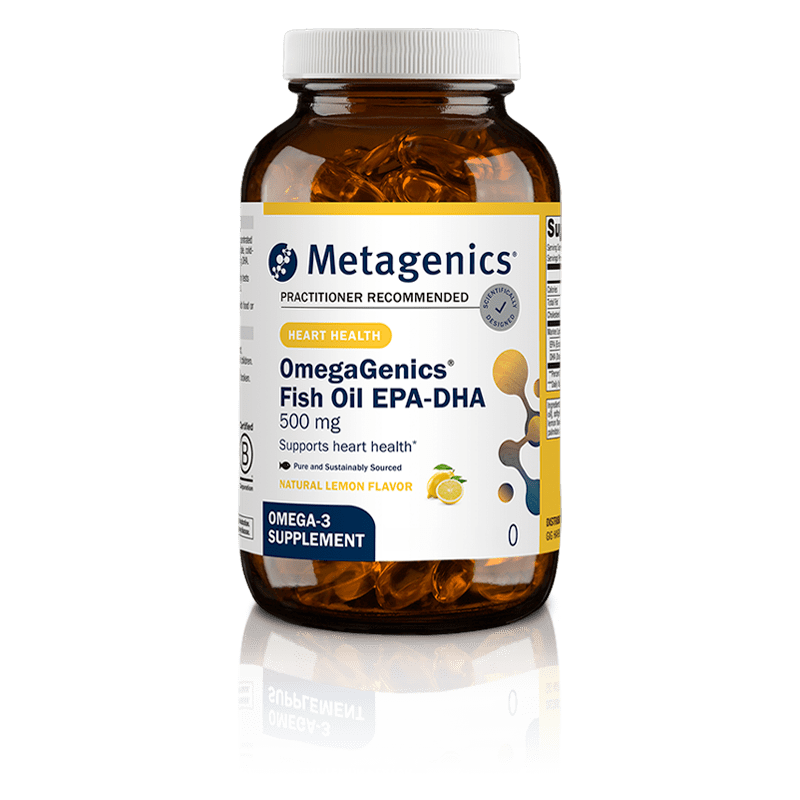
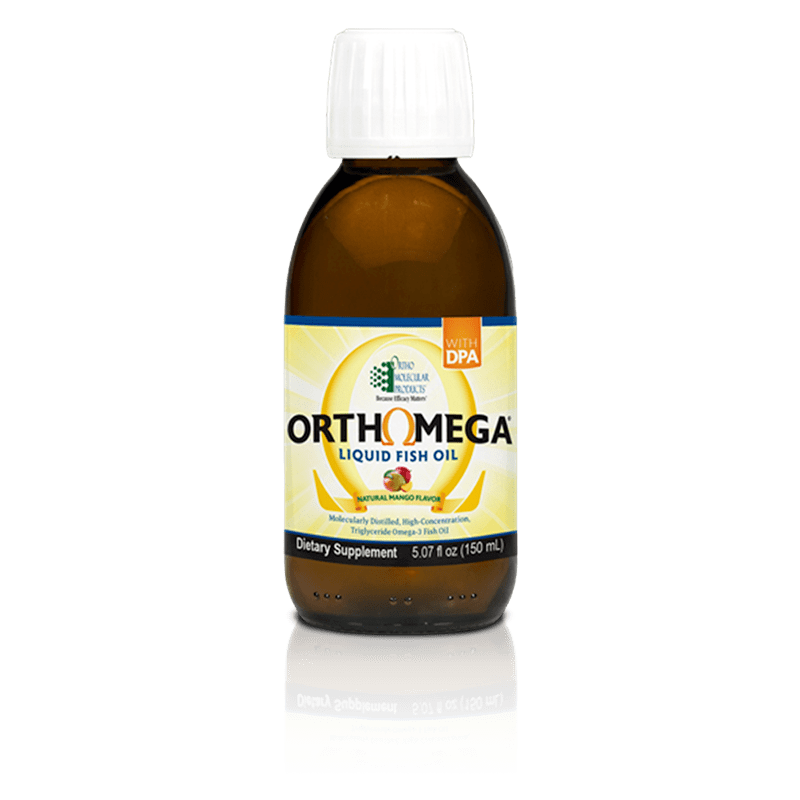
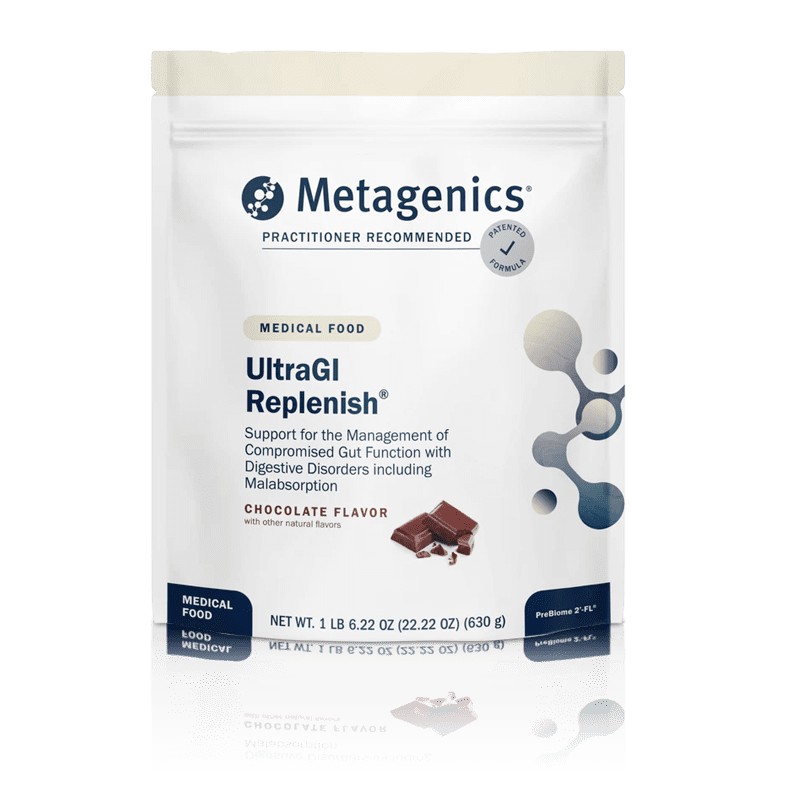
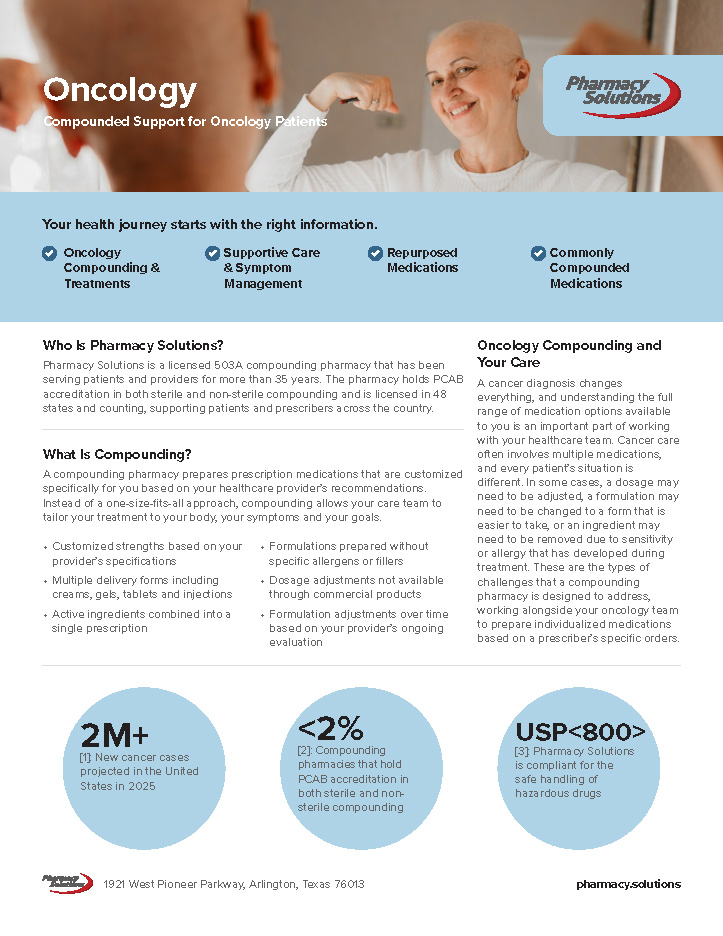
Cancer care often involves multiple medications, and every patient’s situation is different. In some cases, a healthcare provider may determine that a commercially available medication does not meet a patient’s specific needs. The dosage may need to be adjusted. The formulation may need to be changed. An ingredient may need to be removed due to a sensitivity or allergy. These are situations where a compounding pharmacy may be able to help, working under the direction of a qualified prescriber to prepare individualized medications. This page is designed to help you understand what oncology compounding is, how it works and what role Pharmacy Solutions may play in supporting your care team.
Oncology compounding is the preparation of customized medications for patients who are receiving cancer-related care. A compounding pharmacy prepares these medications on a patient-by-patient basis according to a healthcare provider’s prescription. This may involve adjusting a medication’s strength, preparing it in an alternative form or removing specific inactive ingredients that a patient cannot tolerate. Oncology compounding does not replace standard cancer therapies. It is one resource that a healthcare provider may consider when a patient’s needs are not fully met by commercially available medications.[1]
A healthcare provider may prescribe compounded medications for oncology patients across several categories.
Compounded oncology medications are not appropriate for every patient or every situation. A healthcare provider may consider compounding when a patient has difficulty tolerating a standard medication format, when an ingredient in a commercially available drug causes an adverse reaction or when a specific strength or combination is not available through a manufacturer. In each case, the decision to use a compounded medication is made by the prescribing provider based on their clinical evaluation.
If you are currently receiving cancer care or exploring options with your medical team, you may want to ask your healthcare provider whether compounded medications could be part of your overall plan. Your pharmacist can also answer questions about what the compounding process involves and how it works. The first step is always a conversation with your provider.
Oncology compounding is not a standalone approach. It functions as one part of a broader care plan that is directed by your healthcare provider. The process begins when a prescriber determines that a compounded medication is appropriate and issues a prescription with specific instructions. That prescription is sent to a licensed compounding pharmacy, where the medication is prepared according to the provider’s exact specifications. This may involve formulating a specific dosage strength, preparing a medication in a different delivery format or compounding a preparation without certain inactive ingredients. At Pharmacy Solutions, all oncology preparations are handled under strict quality and safety protocols. Pharmacy Solutions is PCAB accredited in both sterile and non-sterile compounding and is USP <800> compliant, which governs the safe handling of hazardous drugs.[3][4]
If your healthcare provider prescribes a compounded oncology medication, the process involves several steps.
Pharmacy Solutions has been in operation since 1990 and is one of fewer than 2% of pharmacies that hold PCAB accreditation in both sterile and non-sterile compounding.[3] All compounding ingredients are purchased from FDA-registered facilities, and all products are tested by an independent third-party lab. These practices reflect a commitment to consistency and quality in every preparation, including those prepared for oncology patients.
For oncology compounding specifically, USP <800> compliance is particularly relevant. USP <800> establishes requirements for the safe handling of hazardous drugs, covering receipt, storage, compounding, dispensing and disposal. Pharmacy Solutions meets these requirements, which are designed to protect both patients and pharmacy staff.[4] The pharmacy is licensed in more than 46 states and operates under the requirements of all state Boards of Pharmacy through NABP, allowing providers and patients across the country to work with Pharmacy Solutions for their compounding needs.[5]
When you’re navigating something this serious, you need a team that actually talks to each other. Knowing my pharmacist and my doctor were on the same page made everything feel a little less overwhelming.
Having a pharmacy that communicates directly with my doctor gave me confidence that my medications were being handled with care. I felt supported through the whole process.
The team at Pharmacy Solutions took the time to explain the process and worked directly with my doctor. I appreciated having a pharmacy that understood what I was going through.
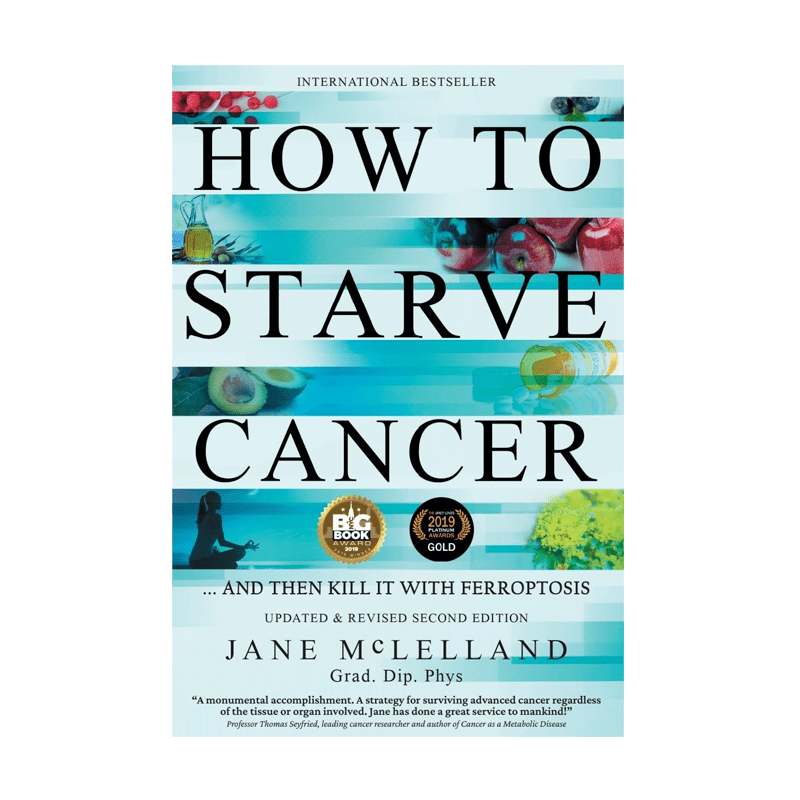
How to Starve Cancer by Jane McLelland is a nonfiction book that follows one author’s personal journey through nutrition, metabolism and everyday lifestyle. Written from lived experience rather than clinical instruction, it offers a starting point for thinking about the role food and daily habits can play in general wellness.
This title is available now in our shop and is intended as general reading and a personal narrative, not as medical advice or a treatment plan. Talk with your healthcare provider about your care, and ask a pharmacist if you have questions.
Oncology compounding is the process of preparing customized medications for patients receiving cancer-related care. A compounding pharmacy prepares these medications based on a healthcare provider’s prescription. This may involve adjusting dosage strengths, changing delivery formats or removing specific ingredients. Compounded medications are not FDA-approved.
Yes. All compounded oncology medications require a valid prescription from a licensed healthcare provider. A compounding pharmacy prepares medications only after receiving specific orders from a prescriber. Compounded medications cannot be requested or purchased without a prescription.
A compounding pharmacy may prepare several types of medications for oncology patients when prescribed by a provider. These may include off-label prescriptions based on the provider’s clinical judgment, supportive care formulations, custom dosage forms and allergen-free preparations. The specific medications depend entirely on the prescriber’s orders.
Off-label prescribing occurs when a healthcare provider prescribes an FDA-approved medication for a use other than its original approved indication. The FDA does not regulate how providers prescribe approved medications. Providers may choose to prescribe a drug off-label based on their independent clinical judgment and review of published research.[2]
Pharmacy Solutions is a licensed 503A compounding pharmacy with PCAB accreditation in both sterile and non-sterile compounding. The pharmacy is USP <800> compliant for the safe handling of hazardous drugs. All ingredients are sourced from FDA-registered facilities and all finished products are tested by an independent third-party lab.
The first step is a conversation with your healthcare provider about whether compounded medications may be appropriate for your care plan. If your provider determines that compounding is warranted, they will send a prescription to the pharmacy. You can also click Ask a Pharmacist to learn more about the process and what to expect.
No. Compounded medications are not intended to replace standard oncology therapies. They may be prescribed by a healthcare provider as one component of a broader care plan, often to address specific needs that commercially available medications do not meet. All decisions about your care should be made in consultation with your medical team.
[1] U.S. Food and Drug Administration. Compounding and the FDA: Questions and Answers. FDA.gov. https://www.fda.gov/drugs/human-drug-compounding/compounding-and-fda-questions-and-answers
[2] U.S. Food and Drug Administration. Understanding Unapproved Use of Approved Drugs “Off Label.” FDA.gov. https://www.fda.gov/patients/learn-about-expanded-access-and-other-treatment-options/understanding-unapproved-use-approved-drugs-label
[3] Pharmacy Compounding Accreditation Board (PCAB). Accreditation Commission for Health Care (ACHC). https://www.achc.org/pcab/
[4] United States Pharmacopeia. USP General Chapter <800> Hazardous Drugs: Handling in Healthcare Settings. https://www.usp.org/compounding/general-chapter-hazardous-drugs-handling-healthcare
[5] National Association of Boards of Pharmacy (NABP). https://nabp.pharmacy/
Tell us a little about what you are looking for and we will take it from there. Whether you have a prescription ready, questions about a therapy your provider mentioned, or just need help figuring out your next step, our team is here and ready to help.
"*" indicates required fields
To submit your order, click the “PRINT/SAVE” button located under this pop-up.

You can save the PDF to your computer to fax at a later date or print it now to fax immediately.
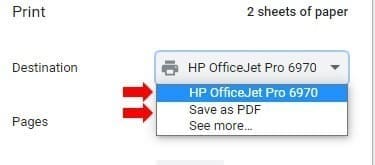
Fax your order form to 817-860-6083 for processing.
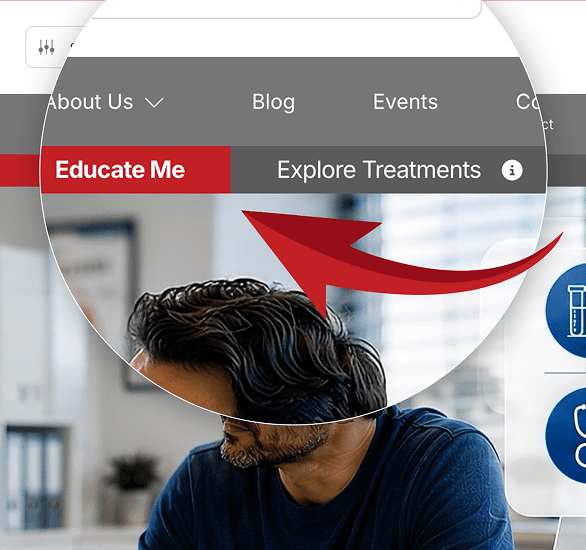
Get detailed information, research, and deeper product context. Toggle on to see more educational content.
Keep things brief and see related products faster. Toggle on to focus on products.
New to Pharmacy Solutions? Register now
Educate Me
Get detailed information, research, and deeper product context.
Toggle on to see more educational content.
Explore Treatments
Keep things brief and see related products faster.
Toggle on to focus on products.