The Pharmacy will be closed July 4th for Independence Day.


The Pharmacy will be closed July 4th for Independence Day.
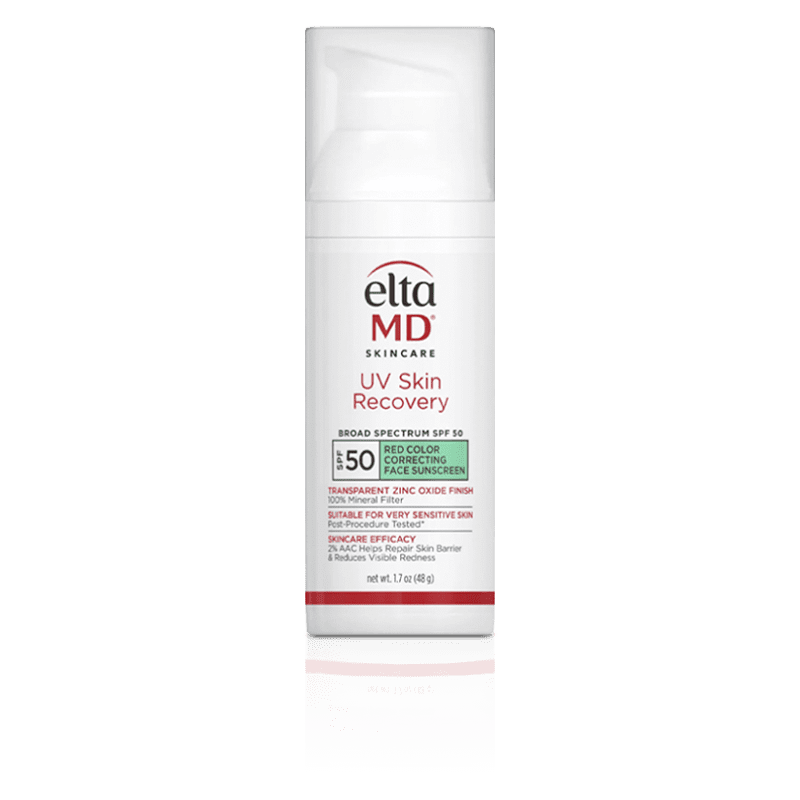
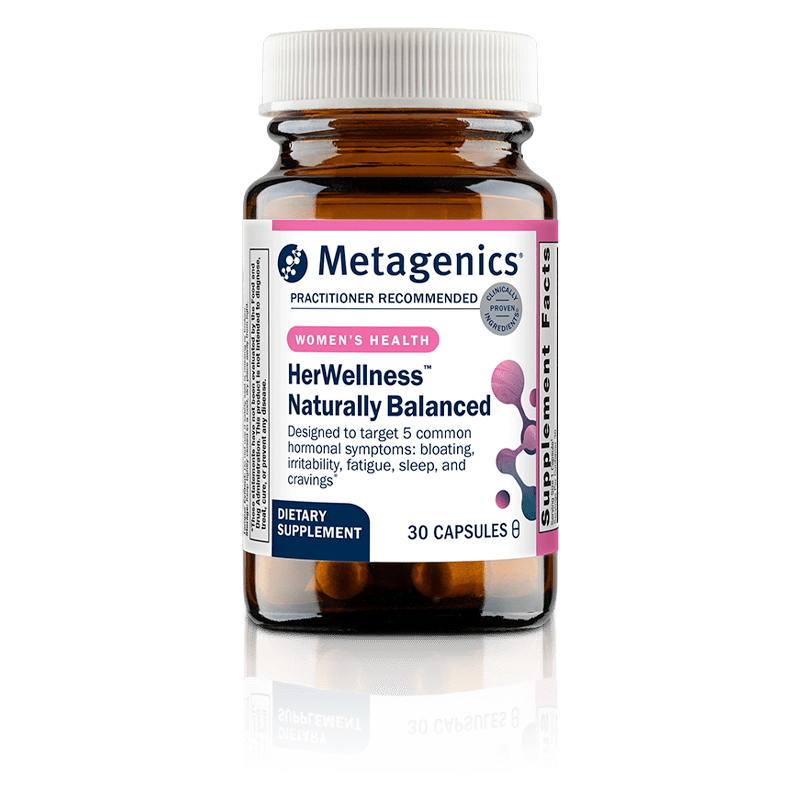
15% off on all sunscreen and probiotics during July with code SUNSAFE15
Enjoy 10% off for Patient Appreciation Day with code THANKUJULY on 7/15/2026 only!














According to the American Cancer Society, an estimated 2,041,910 new cancer cases and 618,120 cancer deaths are projected to occur in the United States in 2025.[1] Cancer is not a single disease but rather a group of related diseases that can develop in almost any part of the body. Each type of cancer behaves differently, responds to different approaches and requires individualized care. The information on this page is intended to provide a general educational overview of the most commonly diagnosed cancer types in the United States. It is not medical advice. All questions about diagnosis, prognosis and care should be directed to your oncology team.
The National Cancer Institute identifies the following as the most common cancer types diagnosed in the United States, based on estimated new cases for 2025. To qualify for this list, a cancer type must have an estimated annual incidence of 40,000 cases or more.[2]
Breast cancer is the most commonly diagnosed cancer in the United States, with an estimated 319,750 new cases expected in 2025. While breast cancer occurs predominantly in women, approximately 2,800 cases are expected to be diagnosed in men. Risk factors include age, family history, genetic mutations, reproductive history and lifestyle factors. Early detection through regular screening has contributed to improved outcomes over time.[2][3]
Prostate cancer is the second most commonly diagnosed cancer in the United States, with an estimated 313,780 new cases expected in 2025. It occurs in the prostate gland, which is part of the male reproductive system. Risk factors include age, family history, race and ethnicity. Many prostate cancers grow slowly and may require monitoring rather than immediate intervention, while others are more aggressive. Screening decisions should be made in consultation with a healthcare provider.[2][4]
Lung cancer is the third most commonly diagnosed cancer in the United States, with an estimated 226,650 new cases expected in 2025. It is also the leading cause of cancer-related death, with an estimated 124,730 deaths projected. The primary risk factor is tobacco use, though lung cancer can also occur in people who have never smoked. Other risk factors include exposure to radon, asbestos and other environmental substances. Early detection remains challenging, though low-dose CT screening is recommended for certain high-risk individuals.[2][5]
Colorectal cancer includes cancers of the colon and rectum. Combined, these cancers represent the fourth most commonly diagnosed cancer type in the United States, with an estimated 154,270 new cases expected in 2025. Risk factors include age, family history, inflammatory bowel disease, diet and lifestyle factors. Regular screening is recommended beginning at age 45 for average-risk individuals.[2][6]
Melanoma is the most serious type of skin cancer, with an estimated 104,960 new cases expected in 2025. It develops in the cells that give skin its color. Risk factors include ultraviolet light exposure from the sun or tanning beds, fair skin, a history of sunburns, family history and the presence of many moles. When detected early, melanoma is highly manageable. Regular skin examinations and sun protection are important preventive measures.[2][7]
Bladder cancer is among the most commonly diagnosed cancers in the United States, with an estimated 84,870 new cases expected in 2025. It occurs more frequently in men than in women. Risk factors include tobacco use, occupational exposure to certain chemicals, chronic bladder inflammation and previous cancer history. Blood in the urine is often an early sign, and timely evaluation is important.[2][8]
Kidney cancer, including renal cell and renal pelvis cancers, has an estimated 80,980 new cases expected in 2025. Risk factors include smoking, obesity, high blood pressure, family history and certain inherited conditions. Many kidney cancers are found incidentally during imaging tests performed for other reasons. Management approaches vary based on the stage and characteristics of the cancer.[2][9]
Non-Hodgkin lymphoma is a cancer that begins in the lymphatic system, with an estimated 80,350 new cases expected in 2025. It includes many different subtypes that vary in behavior and response to care. Risk factors include age, immune system conditions, certain infections and exposure to some chemicals. Symptoms may include swollen lymph nodes, fever, night sweats and unexplained weight loss.[2][10]
Endometrial cancer begins in the lining of the uterus, with an estimated 69,120 new cases expected in 2025. It is the most common gynecologic cancer in the United States. Risk factors include age, obesity, hormone factors, family history and certain genetic syndromes. Abnormal vaginal bleeding is often an early symptom, and prompt evaluation is recommended.[2][11]
Pancreatic cancer has an estimated 67,440 new cases expected in 2025. It is often diagnosed at an advanced stage because early symptoms are uncommon or nonspecific. Risk factors include age, smoking, obesity, diabetes, family history and certain genetic syndromes. Research into earlier detection methods continues.[2][12]
Leukemia refers to cancers of the blood-forming tissues, including the bone marrow. An estimated 66,890 new cases of all leukemia types are expected in 2025. There are several types, including acute and chronic forms affecting different blood cell types. Risk factors vary by type and may include genetic factors, radiation exposure, certain chemical exposures and some viral infections.[2][13]
Thyroid cancer has an estimated 44,020 new cases expected in 2025. It occurs in the thyroid gland, which is located at the base of the neck. Risk factors include radiation exposure, family history and certain inherited genetic syndromes. Many thyroid cancers grow slowly and have favorable outcomes when detected and managed appropriately.[2][14]
Liver cancer, including intrahepatic bile duct cancer, has an estimated 42,240 new cases expected in 2025. Risk factors include chronic hepatitis B or C infection, cirrhosis, heavy alcohol use, obesity and certain metabolic conditions. Liver cancer often develops in the context of underlying liver disease, and management approaches depend on both the cancer and the condition of the liver.[2][15]
If you or someone you care about has been diagnosed with cancer, the most important step is building a relationship with a qualified oncology team. Your healthcare providers can help you understand your specific diagnosis, discuss available options and develop a care plan tailored to your individual situation.
Questions to consider asking your healthcare team include what type and stage of cancer has been diagnosed, what the recommended approach is, what the goals of care are, what side effects may occur and what supportive resources are available.
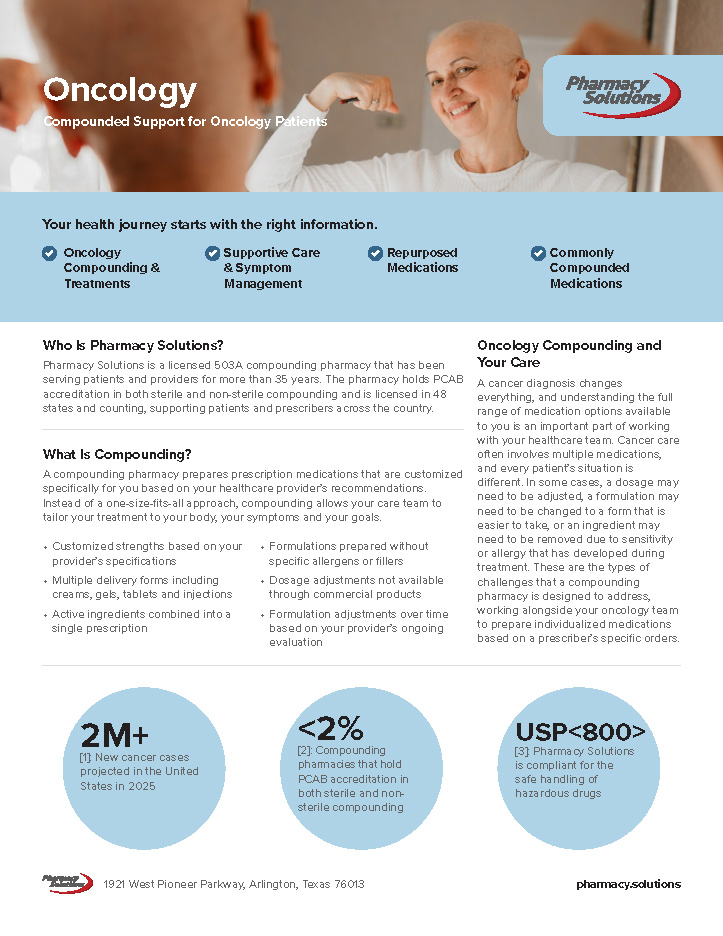
Pharmacy Solutions is a licensed 503A compounding pharmacy that works with healthcare providers to prepare customized medications when prescribed for oncology patients. If your provider determines that a compounded medication is appropriate for your care plan, we are here to support that process. The first step is always a conversation with your medical team.

Going through cancer treatment is hard enough without having to worry about your medications. Having a pharmacy that works directly with my oncologist and prepares exactly what I need has given me one less thing to worry about during a very difficult time.
Having a pharmacy that communicates directly with my doctor gave me confidence that my medications were being handled with care. I felt supported through the whole process.
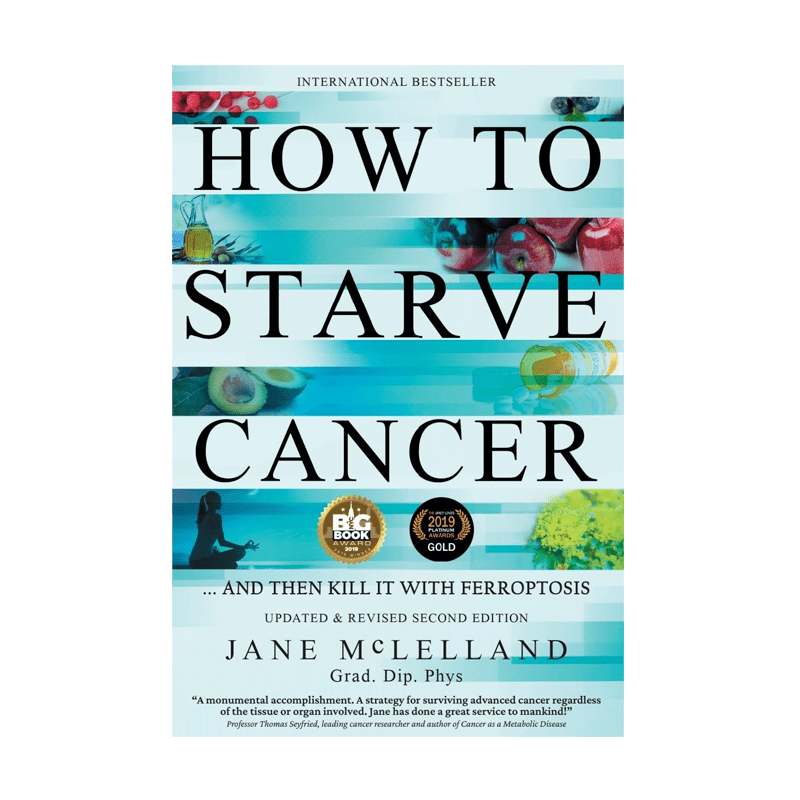
How to Starve Cancer by Jane McLelland is a nonfiction book that follows one author’s personal journey through nutrition, metabolism and everyday lifestyle. Written from lived experience rather than clinical instruction, it offers a starting point for thinking about the role food and daily habits can play in general wellness.
This title is available now in our shop and is intended as general reading and a personal narrative, not as medical advice or a treatment plan. Talk with your healthcare provider about your care, and ask a pharmacist if you have questions.
According to the National Cancer Institute, the most common cancers diagnosed in the United States include breast cancer, prostate cancer, lung cancer, colorectal cancer, melanoma, bladder cancer, kidney cancer and non-Hodgkin lymphoma. Prevalence varies by age, sex and other demographic factors.[2]
Cancer develops when cells grow and divide in an uncontrolled way. This can result from genetic mutations that may be inherited or acquired over time. Risk factors vary by cancer type but may include age, family history, tobacco use, certain infections, radiation exposure, environmental factors and lifestyle factors. In many cases, the exact cause cannot be identified.[3]
Cancer diagnosis typically involves a combination of methods, which may include physical examination, imaging tests, laboratory tests and biopsy. The specific diagnostic approach depends on the type of cancer suspected and its location. A pathologist examines tissue samples to confirm the diagnosis and determine cancer characteristics.[3]
Staging describes the extent of cancer in the body, including tumor size and whether cancer has spread. Staging helps healthcare providers understand the prognosis and determine appropriate care approaches. Staging systems vary by cancer type, with the TNM system being one of the most commonly used.[3]
The National Cancer Institute at cancer.gov and the American Cancer Society at cancer.org are authoritative sources of cancer information. Your oncology team is also an important resource for information specific to your diagnosis and situation.
Pharmacy Solutions is a licensed 503A compounding pharmacy that prepares customized medications based on prescriptions from healthcare providers. If your oncology team determines that a compounded medication is appropriate for your care plan, Pharmacy Solutions can work with your provider to prepare that medication according to their specifications.
[1] Siegel RL, Kratzer TB, Giaquinto AN, Sung H, Jemal A. Cancer statistics, 2025. CA: A Cancer Journal for Clinicians. 2025;75(1):10-45. https://pubmed.ncbi.nlm.nih.gov/39817679/
[2] National Cancer Institute. Common Cancer Types. Updated May 6, 2025. https://www.cancer.gov/types/common-cancers
[3] American Cancer Society. Cancer Facts & Figures 2025. https://www.cancer.org/research/cancer-facts-statistics.html
[4] National Cancer Institute. Prostate Cancer. https://www.cancer.gov/types/prostate
[5] National Cancer Institute. Lung Cancer. https://www.cancer.gov/types/lung
[6] National Cancer Institute. Colorectal Cancer. https://www.cancer.gov/types/colorectal
[7] National Cancer Institute. Melanoma. https://www.cancer.gov/types/skin
[8] National Cancer Institute. Bladder Cancer. https://www.cancer.gov/types/bladder
[9] National Cancer Institute. Kidney Cancer. https://www.cancer.gov/types/kidney
[10] National Cancer Institute. Non-Hodgkin Lymphoma. https://www.cancer.gov/types/lymphoma
[11] National Cancer Institute. Endometrial Cancer. https://www.cancer.gov/types/uterine
[12] National Cancer Institute. Pancreatic Cancer. https://www.cancer.gov/types/pancreatic
[13] National Cancer Institute. Leukemia. https://www.cancer.gov/types/leukemia
[14] National Cancer Institute. Thyroid Cancer. https://www.cancer.gov/types/thyroid
[15] National Cancer Institute. Liver Cancer. https://www.cancer.gov/types/liver
Tell us a little about what you are looking for and we will take it from there. Whether you have a prescription ready, questions about a therapy your provider mentioned, or just need help figuring out your next step, our team is here and ready to help.
"*" indicates required fields

To submit your order, click the “PRINT/SAVE” button located under this pop-up.

You can save the PDF to your computer to fax at a later date or print it now to fax immediately.

Fax your order form to 817-860-6083 for processing.

Get detailed information, research, and deeper product context. Toggle on to see more educational content.
Keep things brief and see related products faster. Toggle on to focus on products.

New to Pharmacy Solutions? Register now
Educate Me
Get detailed information, research, and deeper product context.
Toggle on to see more educational content.
Explore Treatments
Keep things brief and see related products faster.
Toggle on to focus on products.