Signup for the Pharmacy Solutions Newsletter for Big Discounts!


Enjoy 10% off for Patient Appreciation Day with code THANKUJULY on 7/15/2026 only!
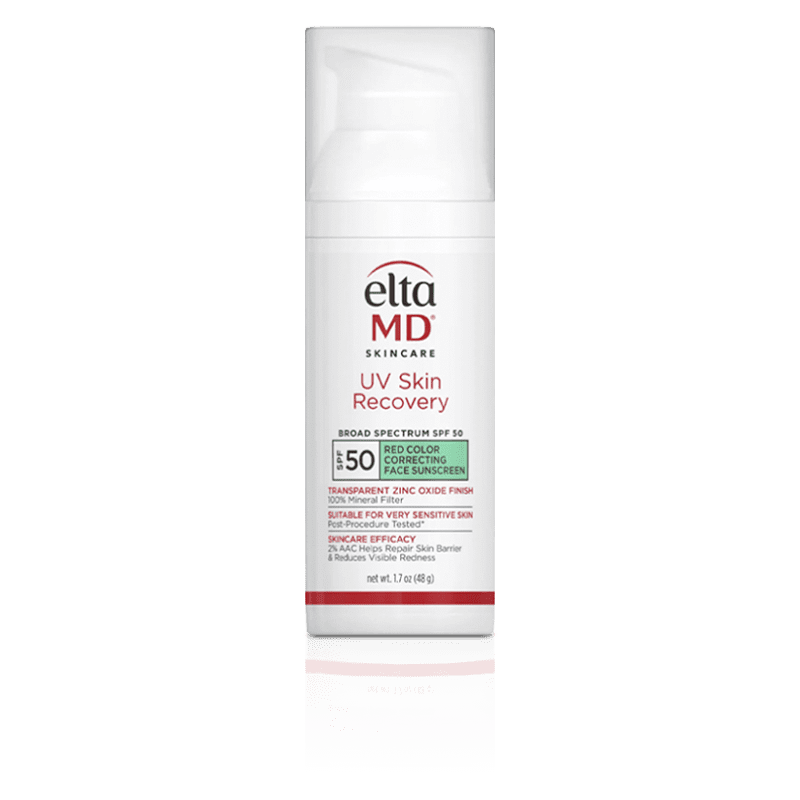
15% off on all sunscreen and probiotics during July with code SUNSAFE15
The Pharmacy will be closed July 4th for Independence Day.





Alopecia areata and related autoimmune forms of hair loss behave differently than typical thinning. Patches can appear, regrowth can come and go, and the condition can shift over time.[1][2] That unpredictability is part of what makes autoimmune hair loss especially challenging, and why standard over-the-counter products often do not deliver meaningful support. This page offers an educational overview of alopecia and autoimmune hair loss, and how a compounding pharmacy can work alongside a healthcare provider to prepare personalized topical formulations.
In alopecia areata, the immune system mistakenly targets hair follicles, which interrupts the normal growth cycle and causes hair to fall out.[1] The most common presentation is sudden, patchy loss on the scalp, though some people experience broader involvement including loss of eyebrows, eyelashes or body hair.[2] Related conditions on the autoimmune spectrum include alopecia totalis, which involves loss across the entire scalp, and alopecia universalis, which involves loss across the body. Patterns can fluctuate, with regrowth followed by new patches, making the condition feel unpredictable. A healthcare provider, typically a dermatologist, can evaluate what you are experiencing and help determine whether it fits the alopecia areata spectrum or another form of hair loss that shares similar features.
Several factors can influence how and when autoimmune hair loss develops or flares.
Alopecia areata can affect people of any age, and it often first appears in childhood, adolescence or early adulthood.[2] It occurs in both men and women across all backgrounds. Early signs frequently include one or more smooth, round patches of hair loss, though some people experience more diffuse shedding or loss concentrated in specific areas such as the eyebrows or eyelashes. For some, regrowth happens on its own. For others, the condition persists, fluctuates or progresses over time. Because the course is so variable, working with a provider who is experienced with alopecia areata is especially valuable. If you are seeing sudden patches of hair loss, changes in regrowth or loss in areas beyond the scalp, it is a good time to schedule a conversation with a dermatologist. Earlier evaluation helps determine what is happening and opens the door to a personalized plan that can adapt as the condition changes.
Because autoimmune hair loss is driven by immune activity rather than the hormonal or genetic factors that underlie most pattern hair loss, standard treatment approaches often differ. A healthcare provider, typically a dermatologist, will determine what fits based on the extent of loss, how long it has been active and overall health considerations. Common approach categories include topical corticosteroids applied to the scalp to help calm local inflammation, intralesional injections delivered by the provider, oral or systemic immune-modulating therapies for more extensive involvement, and supportive topical therapy aimed at encouraging follicles back into the growth phase.[1][2]
A compounding pharmacy can prepare customized topical formulations that combine several active ingredients into a single solution or foam, based on the provider’s prescription. Common actives studied in this context include topical corticosteroids such as fluocinolone for inflammation, minoxidil to support the growth phase, latanoprost for follicle activity, melatonin for hair cycle regulation and caffeine for circulation.[4][5][6] Because autoimmune hair loss can change over time, compounded therapy allows providers to adjust ingredients, strengths and combinations as the condition evolves. Individual dosing and ingredient selection should be determined by the provider based on evaluation and follow-up.
A compounding pharmacy works alongside healthcare providers to prepare customized medications that are not available in standard commercial form. For autoimmune hair loss, that flexibility matters. Providers can adjust ingredient combinations, strengths and vehicles based on what fits the individual patient and how the condition is behaving. Commercial hair products are designed for broad audiences. Compounded formulations are prepared for one specific patient based on one specific prescription.
Pharmacy Solutions is a licensed 503A compounding pharmacy with PCAB accreditation in both sterile and non-sterile compounding. Our pharmacists understand how different vehicles affect absorption, tolerability and daily use, and we use careful compounding techniques to prepare each prescription as the provider intended. Because autoimmune hair loss often requires adjustments over time, continuity with a pharmacy team that knows your formulation history can make refinements easier. If you have questions about how a compounded topical formulation is prepared, how to apply it or how to coordinate with your healthcare team, you can speak directly with a pharmacist.
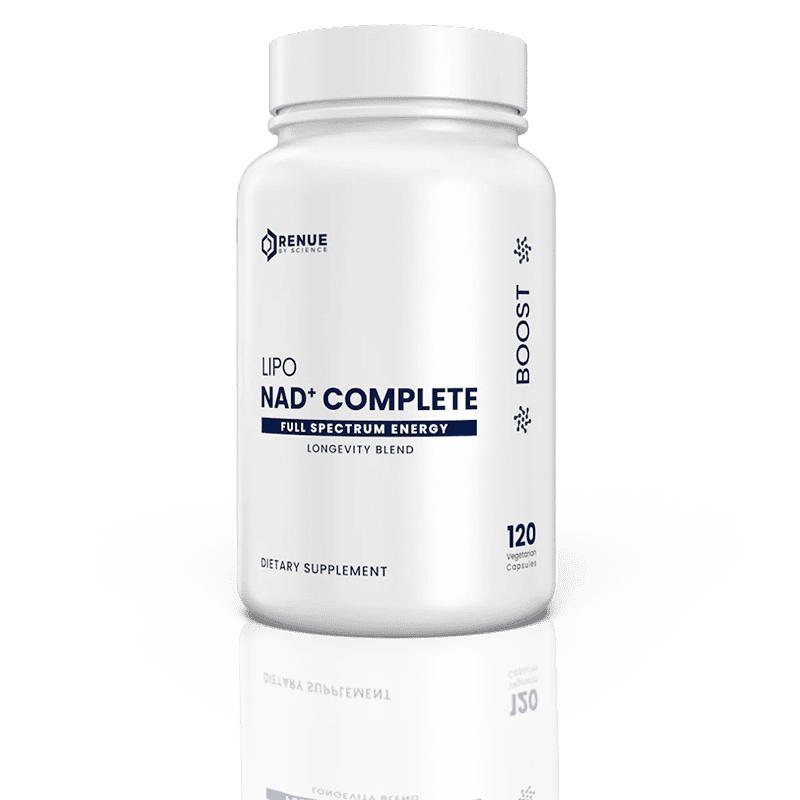
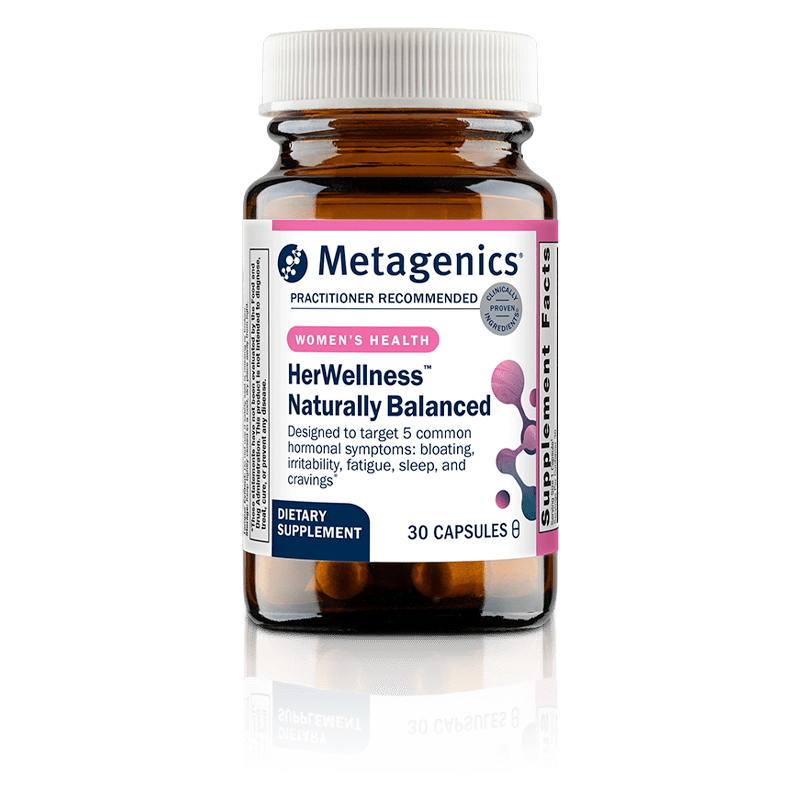
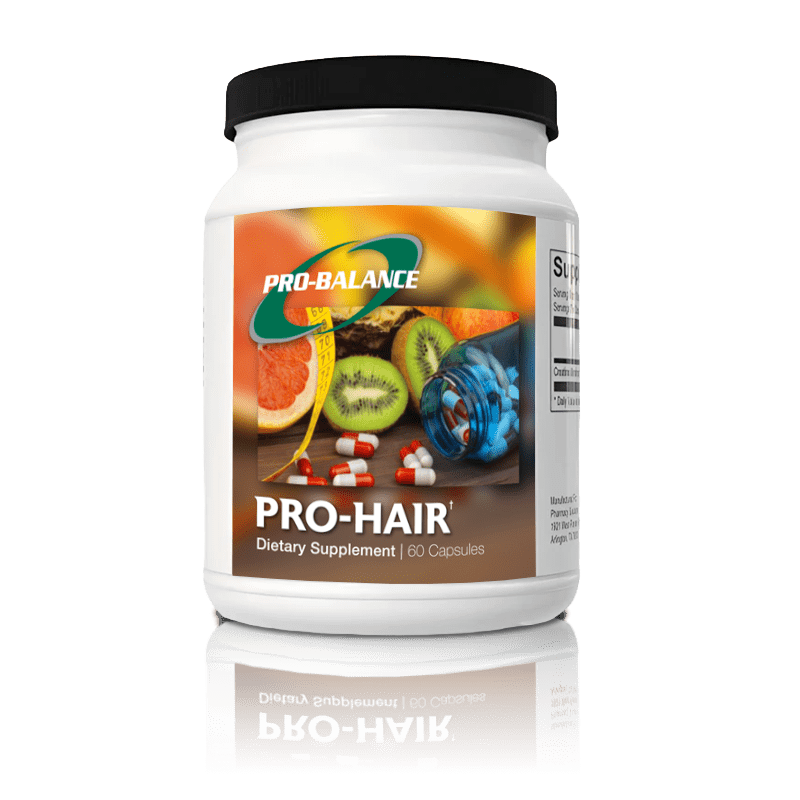
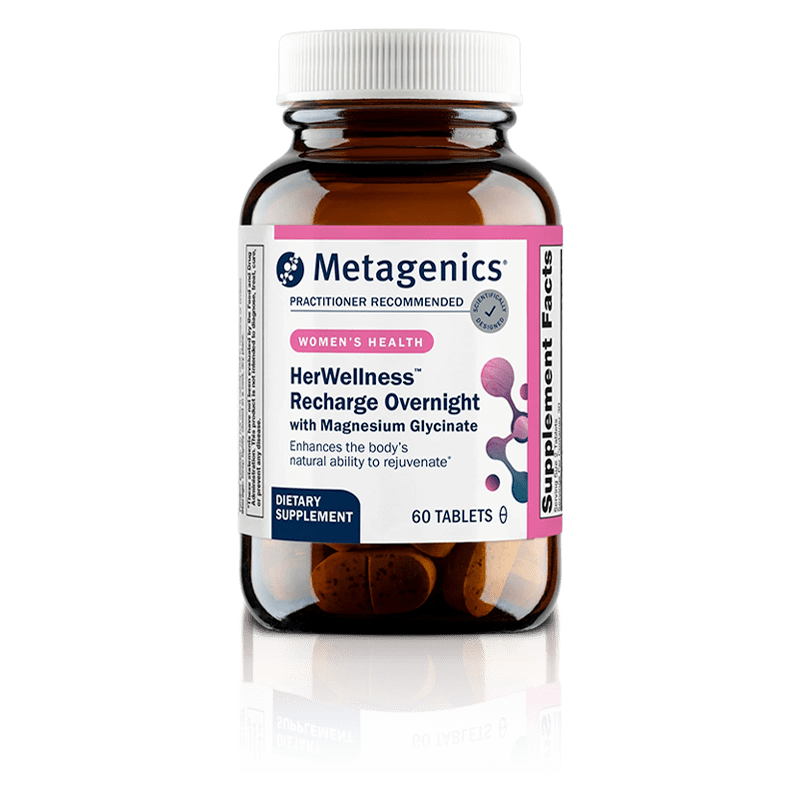
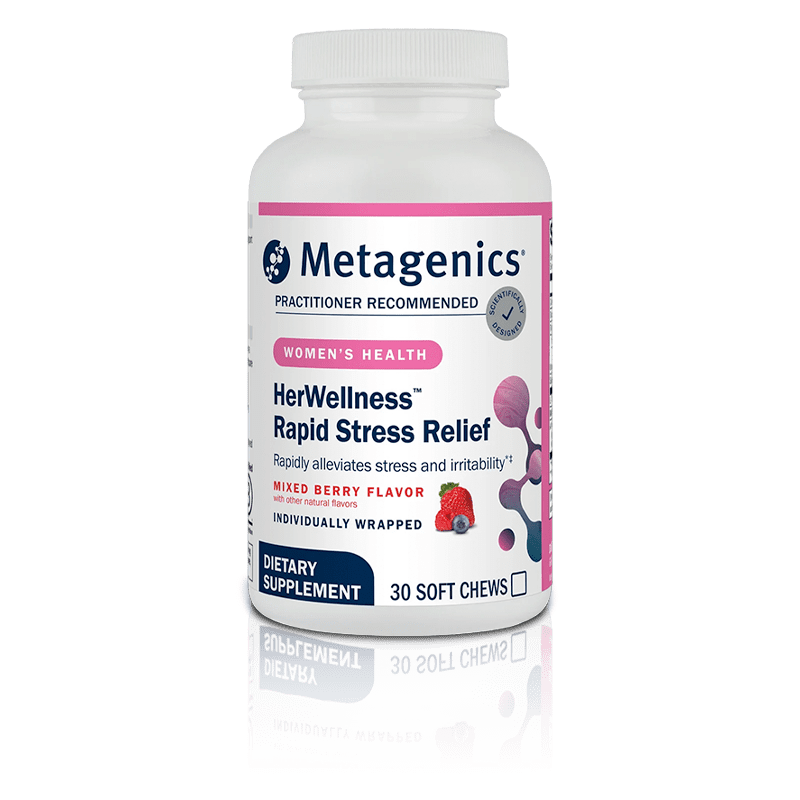
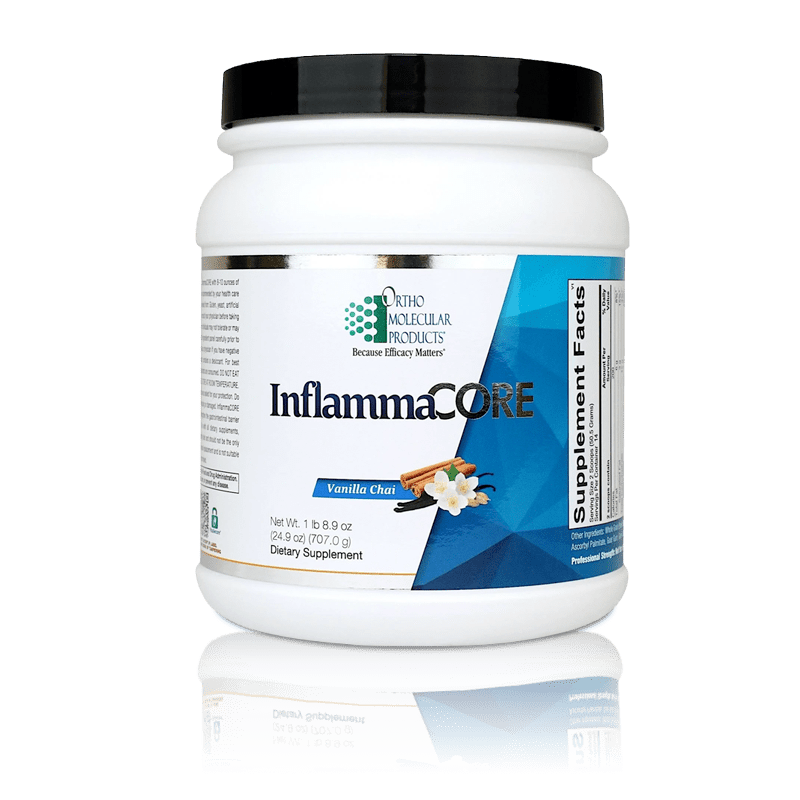
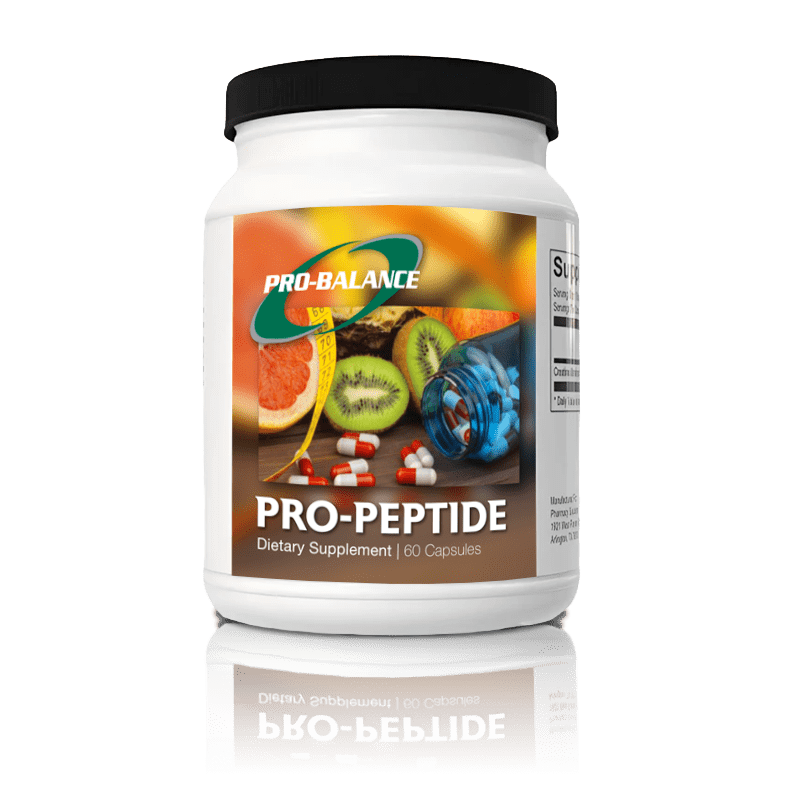
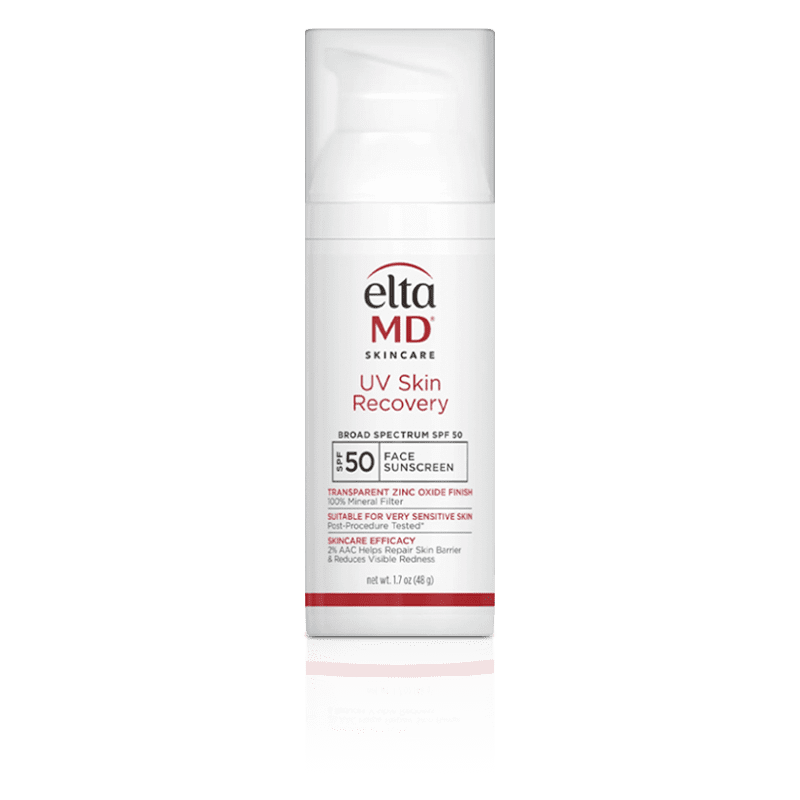
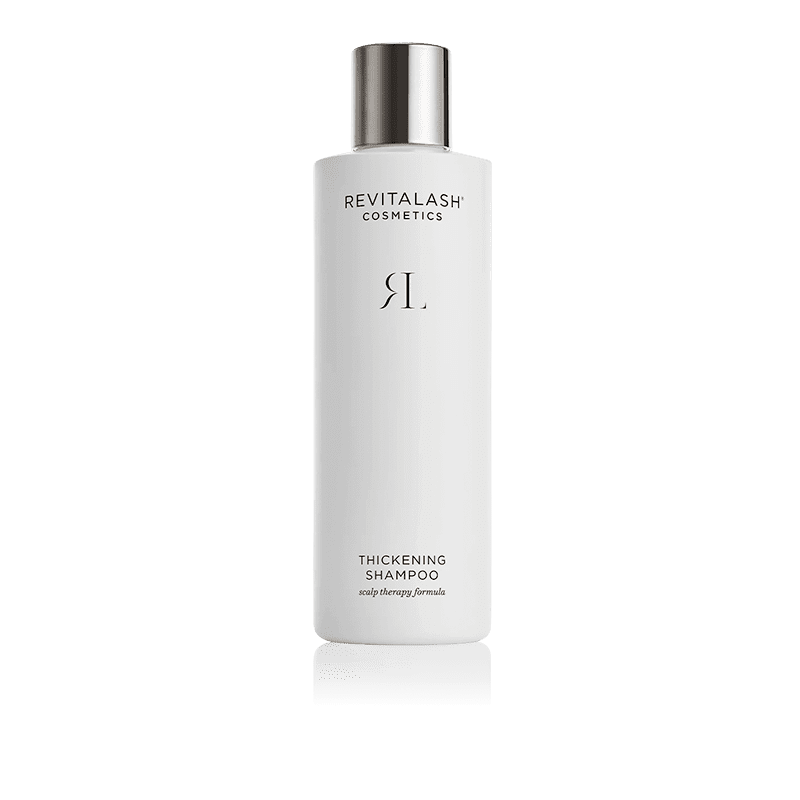
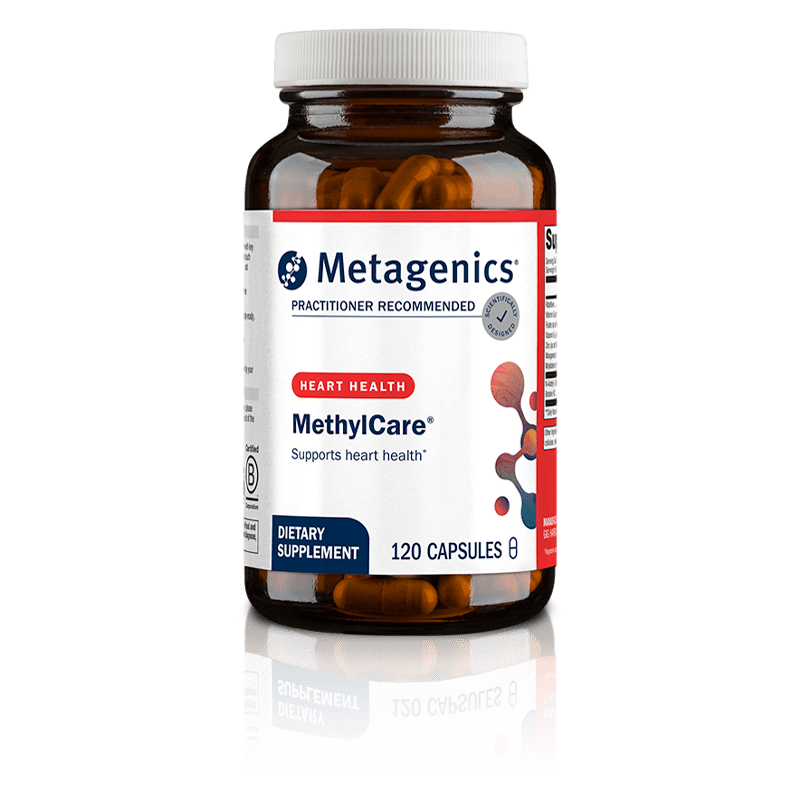
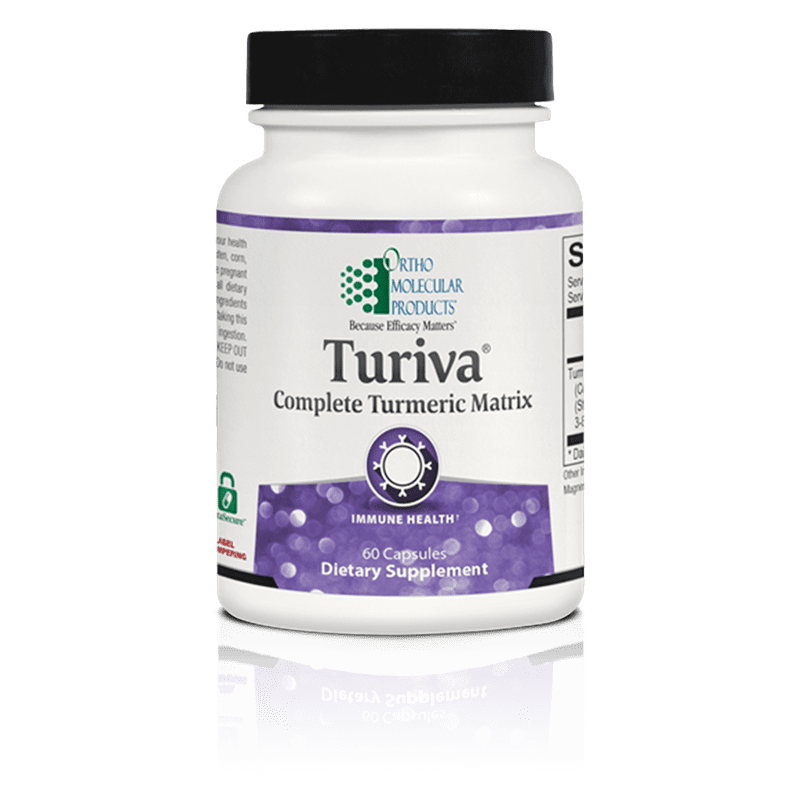
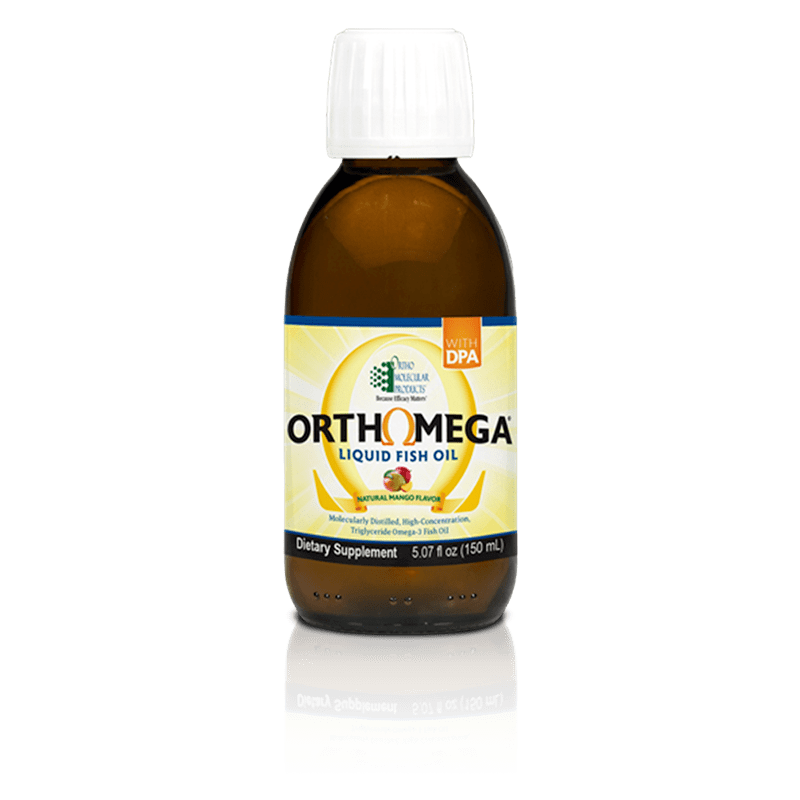
Some people with autoimmune hair loss explore over-the-counter supplements as part of a broader approach to general scalp and hair wellness alongside provider-directed care. These products do not address the underlying immune process, but certain nutrients have been studied for their potential role in supporting healthy hair and general wellness. Pharmacy Solutions carries pharmaceutical-grade options that may complement your provider’s plan.
These products are available without a prescription. As with any supplement, discuss use with a qualified healthcare professional to ensure it aligns with your individual health needs, particularly if you have autoimmune or other health conditions.
If your healthcare provider writes a prescription for compounded therapy to support autoimmune hair loss, here is a general overview of the process.


Alopecia caught me off guard. What helped most was feeling like my dermatologist and the pharmacy actually understood how unpredictable it is, and kept adjusting based on what was happening at the time.
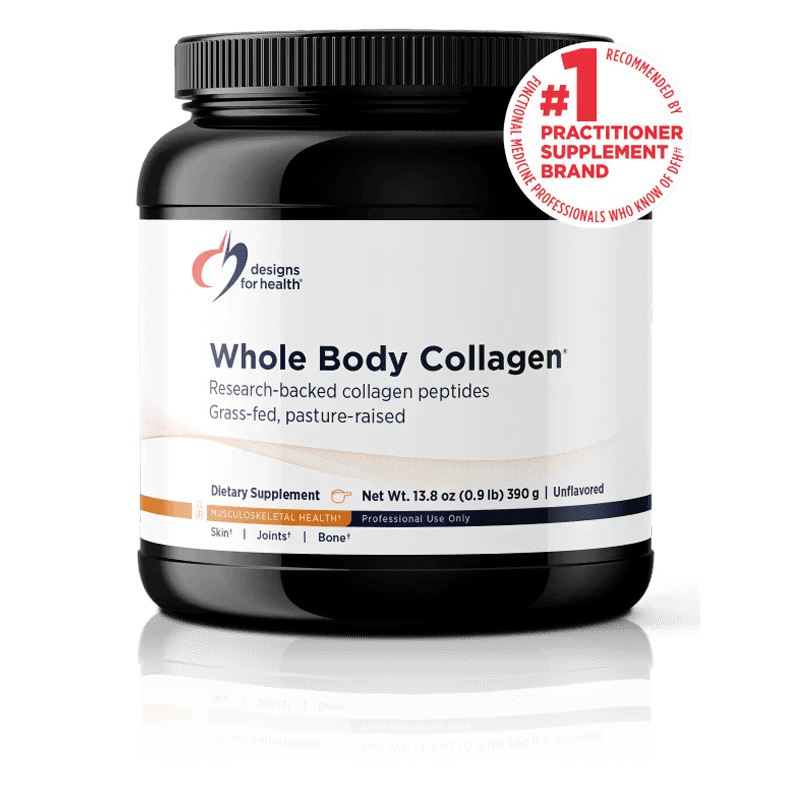
We feature a curated selection of supplements chosen to support hair, skin, and overall wellness as part of your everyday wellness routine. Designs For Health Whole Body Collagen provides collagen peptides that many people add to a balanced daily routine to support healthy hair, skin, and nails.
These supplements are available now without a prescription, so you can start whenever you are ready. As always, talk with your healthcare provider about what fits alongside the care you already have in place.
Probiotics are often discussed for digestive health, immune support, and overall wellness. These beneficial microorganisms, sometimes called “good bacteria,” help…
No two patients are exactly alike. Genetics, allergies, lifestyle, age, medical conditions, and personal preferences all influence how someone responds…
Alopecia areata is an autoimmune condition in which the immune system targets hair follicles, causing sudden patchy loss that can fluctuate over time. Pattern hair loss, such as male or female pattern hair loss, is driven primarily by genetic and hormonal factors and tends to develop gradually in predictable patterns. The underlying mechanisms are different, which is why approaches often differ as well.
No. Compounded therapy does not cure alopecia areata or any autoimmune condition. Compounded topical formulations are prepared by a pharmacy based on a provider’s prescription to support what the provider is aiming to address, which may include calming local inflammation, supporting follicle activity or encouraging the growth phase. The goals of therapy and what is realistic to expect should be discussed with your provider.
Yes. Compounded medications are prepared only after a licensed provider writes a prescription for a specific patient. For autoimmune hair loss, a dermatologist or other qualified provider typically writes the prescription after evaluating your specific situation. If you do not currently have a provider, our team can help connect you with one who works with compounded formulations for autoimmune hair loss.
Hair grows slowly, and response to therapy for autoimmune hair loss can vary significantly from person to person. Some people see changes within a few months, while others require longer or may not respond the same way over time. Because autoimmune hair loss can fluctuate, your provider may adjust the formulation based on how the condition behaves.
The course of alopecia areata varies widely. Some people experience a single episode with full regrowth. Others have recurring patches or more extensive involvement that persists. A dermatologist can help you understand where you are in your specific journey and what the current research and clinical experience suggest for your situation.
Common actives that have been studied in topical formulations in this context include fluocinolone and other corticosteroids for inflammation, minoxidil to support the growth phase, latanoprost for follicle activity, melatonin for hair cycle regulation and caffeine for circulation. The specific ingredients and strengths your provider prescribes will depend on your individual evaluation.
If you do not currently have a provider who works with compounded formulations for autoimmune hair loss, a compounding pharmacy may be able to help connect you with practitioners in your area. Dermatologists and primary care providers can also provide referrals.
[1] Gilhar A, et al. Alopecia areata: autoimmune disease mechanism. J Allergy Clin Immunol. 2012. https://pubmed.ncbi.nlm.nih.gov/22264601/
[2] National Alopecia Areata Foundation. About alopecia areata. https://www.naaf.org/alopecia-areata
[3] Pazyar N, et al. Seborrheic dermatitis review. Dermatol Res Pract. 2013. https://pubmed.ncbi.nlm.nih.gov/23878597/
[4] Olsen EA, et al. Topical minoxidil in androgenetic alopecia. J Am Acad Dermatol. 2002. https://pubmed.ncbi.nlm.nih.gov/12004379/
[5] Johnstone MA. Prostaglandin pathway and hair growth. Br J Ophthalmol. 1997. https://pubmed.ncbi.nlm.nih.gov/9349150/
[6] Fischer TW, et al. Caffeine stimulates hair follicle growth in vitro. Int J Dermatol. 2007. https://pubmed.ncbi.nlm.nih.gov/17254074/
[7] Paus R, Cotsarelis G. The biology of hair follicles. N Engl J Med. 1999. https://pubmed.ncbi.nlm.nih.gov/10515896/
[8] American Academy of Dermatology Association. Hair loss: overview and types. https://www.aad.org/public/diseases/hair-loss/types
Tell us a little about what you are looking for and we will take it from there. Whether you have a prescription ready, questions about a therapy your provider mentioned, or just need help figuring out your next step, our team is here and ready to help.
"*" indicates required fields

To submit your order, click the “PRINT/SAVE” button located under this pop-up.

You can save the PDF to your computer to fax at a later date or print it now to fax immediately.

Fax your order form to 817-860-6083 for processing.

Get detailed information, research, and deeper product context. Toggle on to see more educational content.
Keep things brief and see related products faster. Toggle on to focus on products.

New to Pharmacy Solutions? Register now
Educate Me
Get detailed information, research, and deeper product context.
Toggle on to see more educational content.
Explore Treatments
Keep things brief and see related products faster.
Toggle on to focus on products.